
Smart HVAC Retrofit Challenges in Winnetka Heights
The Winnetka Heights neighborhood in Dallas faces unique challenges when upgrading HVAC systems. Homes built between 1910 and 1930 feature lath-and-plaster walls, original hardwood floors, and intricate millwork that modern contractors must protect. The Dallas Landmark Commission requires exterior modifications to maintain historical accuracy, making traditional duct installation nearly impossible without extensive demolition. Dallas Landmark Commission.
North Texas climate compounds these challenges. Summer temperatures regularly exceed 100°F with humidity levels above 70%, creating uncomfortable indoor conditions in homes without proper dehumidification. The region’s expansive clay soil also causes foundation movement that can damage ductwork over time. Indoor Air Quality Solutions.
High-Velocity HVAC Systems for Historic Preservation
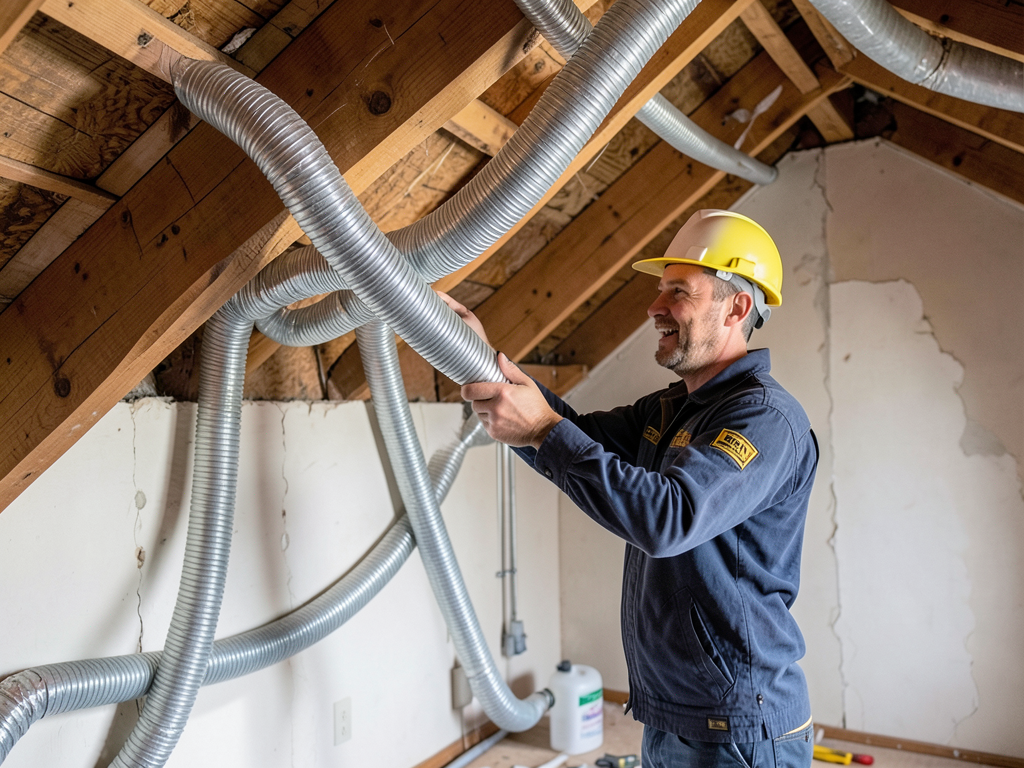
High-velocity HVAC systems like Unico and SpacePak offer ideal solutions for Winnetka Heights homes. These systems use flexible 2-inch tubing that snakes through existing wall cavities, floor joists, and attic spaces without removing plaster walls. The small ducts deliver conditioned air through discreet outlets that blend with period interiors.. Read more about How to Link Your Smart Pool Heater with Your Home HVAC System in Southlake.
High-velocity systems provide superior dehumidification compared to traditional units. They remove 30% more moisture from the air, critical for preserving original wood flooring and preventing mold growth in Dallas’s humid climate. The systems operate quietly at 37-40 decibels, significantly quieter than conventional units that produce 50-60 decibels. HVAC Dallas.
Installation requires careful planning. Technicians must map existing electrical wiring, plumbing, and structural elements before creating routing plans. Most Winnetka Heights homes need 3-4 zones to maintain consistent temperatures across multiple stories. How Much a New AC Installation Actually Costs in Dallas This Year.
Variable Refrigerant Flow Technology
Variable Refrigerant Flow systems represent another non-invasive option for historic homes. VRF technology uses refrigerant lines instead of bulky ductwork, requiring only 3-inch wall penetrations. These systems connect multiple indoor units to a single outdoor compressor, providing zoned heating and cooling throughout the home.. Read more about Why High Velocity HVAC Systems Are a Perfect Match for Small Lots in Vickery Place.
Modern VRF units achieve SEER2 ratings of 20-24, significantly reducing energy consumption compared to 10-12 SEER systems found in homes built before 1980. The technology allows individual room temperature control through smartphone apps or wall-mounted controllers.. Read more about Why Your New Smart Home Hub Won’t Talk to Your AC (And How to Fix It in Your Prestonwood Home).
VRF installation typically takes 3-5 days versus 2-3 weeks for traditional ducted systems. The reduced timeline minimizes disruption to historic interiors and reduces labor costs. However, VRF systems require specialized technicians trained in refrigerant handling and system balancing.
Ductless Mini-Split Integration
Ductless mini-split systems provide the most straightforward retrofit option for Winnetka Heights homes. These wall-mounted or ceiling cassette units connect to outdoor compressors via small refrigerant lines. Installation requires minimal wall modifications, preserving original plaster and trim work. Installing a Ductless Mini-Split in Your M Streets Bungalow or Garage Suite.
Modern mini-splits achieve SEER2 ratings up to 26, offering substantial energy savings. They provide both heating and cooling, eliminating the need for separate furnace systems. Many units include built-in air filtration that removes pollen and dust common in Dallas’s spring season.. Read more about The Best Thermostat Settings for Your Dallas Home While You Head Out on Summer Vacation.
Placement requires careful consideration of historic aesthetics. Ceiling cassette units work well in rooms with existing ceiling medallions, while wall-mounted units can be positioned to minimize visual impact. Some homeowners choose to conceal units behind custom cabinetry or within existing closets.
Smart Thermostat Integration
Smart thermostats transform older HVAC systems into intelligent climate control networks. Modern devices like Nest Learning Thermostat, Ecobee SmartThermostat, and Honeywell Home T9 learn occupancy patterns and automatically adjust temperatures for comfort and efficiency.. Read more about Why Placing Your Thermostat Near a Window is Ruining the Comfort of Your Uptown Dallas Apartment.
Installation in historic homes requires addressing electrical challenges. Many Winnetka Heights homes lack C-wires needed for continuous power. Technicians can install common wire adapters or use battery-powered smart thermostats that communicate via Wi-Fi without requiring additional wiring.
Smart thermostats integrate with voice assistants and smartphone apps, allowing remote temperature control from anywhere. They provide energy usage reports and maintenance alerts, helping homeowners identify efficiency issues before they become costly problems.
Historic District Permit Requirements
Upgrading HVAC systems in Winnetka Heights requires compliance with Dallas Landmark Commission regulations. Exterior modifications need approval before installation begins. The commission evaluates proposals based on historical accuracy, visual impact, and preservation of original materials.
Application process includes submitting detailed drawings showing equipment locations, screening methods, and how modifications affect the building’s historical character. The commission typically reviews applications within 30 days and may require revisions before approval.
Key considerations include: compressor placement that minimizes visibility from public streets, use of period-appropriate materials for any visible components, and maintaining original architectural features. Some homeowners choose to locate outdoor units in side yards or behind existing structures to reduce visual impact.
Humidity Control and Indoor Air Quality
Older homes in Dallas suffer from poor humidity control due to inadequate insulation and air sealing. Modern smart HVAC systems include advanced dehumidification features that maintain optimal indoor humidity levels between 40-60%.
Proper humidity control prevents wood floors from warping, reduces dust mite populations, and inhibits mold growth. Smart systems monitor indoor humidity and automatically adjust operation to maintain comfortable levels. Some units include UV light air purification that eliminates airborne bacteria and viruses.. Read more about How to Keep the Mother-In-Law Suite Comfortable Without Freezing Out the Rest of Your Desoto Home.
Air filtration has improved dramatically since homes in Winnetka Heights were built. Modern systems use MERV 13+ filters that capture 90% of airborne particles, including pollen, pet dander, and smoke. This filtration proves especially valuable during Dallas’s high-pollen seasons when oak and ragweed counts peak.
Energy Efficiency and Cost Savings
Upgrading from legacy HVAC systems to modern smart controls typically reduces energy consumption by 30-50%. Homes built before 1980 often use 2-3 times more energy for heating and cooling than modern homes of similar size.
Energy savings accumulate through multiple factors: higher SEER2 ratings, zoned temperature control, smart scheduling, and improved insulation compatibility. Many homeowners recover retrofit costs within 5-7 years through reduced utility bills.
Oncor Electric Delivery offers rebates for high-efficiency HVAC upgrades in Dallas. Current programs provide $300-600 rebates for systems achieving SEER2 ratings above 16. These rebates reduce upfront costs and improve return on investment for historic home upgrades. Oncor energy efficiency rebates.
Installation Timeline and Process
Smart HVAC retrofit projects in Winnetka Heights typically follow this timeline: 1-2 weeks for design and permit acquisition, 3-5 days for installation, and 1-2 days for system commissioning and smart control setup.
Installation process includes: initial consultation and home assessment, load calculation to determine proper system sizing, historic district permit submission, equipment selection based on home characteristics, installation with minimal wall modifications, and smart thermostat configuration.
Technicians use protective measures to prevent damage to original flooring and finishes. Drop cloths cover work areas, and specialized tools minimize vibration that could crack plaster walls. Most projects complete without requiring temporary relocation of homeowners.
Case Study: Modern Comfort in Historic Settings
A recent retrofit in Winnetka Heights demonstrates smart HVAC integration success. The 1925 Craftsman home previously relied on window units and a 1970s gas furnace. The retrofit included a high-velocity system with three zones, smart thermostats, and integrated air purification.
Results showed 42% reduction in summer energy bills, consistent temperatures throughout the home, and improved indoor air quality. The system maintains 72°F year-round while keeping humidity between 45-50%. Homeowners report significantly reduced allergy symptoms and better sleep quality.
The project preserved all original plaster walls and hardwood floors. The outdoor compressor hides behind existing landscaping, and indoor vents blend with period-appropriate grilles. The retrofit increased home value by approximately 8% while maintaining historical integrity.
Maintenance and Long-Term Performance
Smart HVAC systems require different maintenance approaches than traditional units. Modern systems include self-diagnostic features that alert homeowners to potential issues before they cause system failures.
Recommended maintenance includes: monthly filter changes, annual professional inspection, quarterly coil cleaning, and software updates for smart controls. Many systems allow homeowners to monitor performance through smartphone apps and schedule service automatically when issues arise. Who to Call for Same-Day AC Service in University Park and North Dallas.
Modern systems typically last 15-20 years with proper maintenance, compared to 10-12 years for older units. The extended lifespan and improved efficiency provide better long-term value despite higher initial costs.
Choosing the Right Contractor
Selecting contractors experienced with historic home retrofits proves crucial for successful projects. Look for technicians certified in high-velocity systems, VRF technology, and smart home integration. Verify experience with Dallas Landmark Commission requirements and historic preservation techniques.
Reputable contractors provide detailed proposals including load calculations, equipment specifications, and compliance documentation. They should demonstrate understanding of historic preservation principles and offer references from similar projects in Dallas.
CornerStone HVAC specializes in smart HVAC retrofits for historic Dallas homes. Our technicians understand the unique challenges of Winnetka Heights properties and maintain relationships with the Dallas Landmark Commission to streamline permit processes.
Frequently Asked Questions
Can smart thermostats work in homes without C-wires?
Yes, modern smart thermostats offer multiple power options for older homes. Battery-powered models eliminate wiring requirements, while common wire adapters provide 24V power without running new cables. Some thermostats use power stealing technology to draw minimal power from existing wiring.
How long do permits take for historic district HVAC upgrades?
Dallas Landmark Commission typically processes applications within 30 days. Complex projects requiring exterior modifications may need additional review time. Working with experienced contractors who understand commission requirements can reduce approval times to 2-3 weeks.
Are high-velocity systems more expensive than traditional HVAC?
High-velocity systems cost 15-25% more than conventional ducted systems upfront. However, they require less demolition and reconstruction, reducing overall project costs. The superior efficiency and performance often provide better long-term value despite higher initial investment.
Can I keep my original radiators with a new smart HVAC system?
Yes, modern high-velocity and VRF systems can coexist with existing radiators. Many homeowners choose hybrid approaches that maintain original heating while upgrading cooling and humidity control. Smart zoning allows different areas to use different systems based on comfort needs and preservation requirements.
How much energy can I save with a smart HVAC retrofit?
Most historic home retrofits achieve 30-50% energy savings compared to legacy systems. Savings depend on home size, existing system efficiency, and climate conditions. Dallas’s hot, humid summers typically show the highest savings as modern systems handle extreme conditions more efficiently.
Next Steps for Your Winnetka Heights Home
Ready to upgrade your historic Dallas home with modern smart HVAC controls? CornerStone HVAC offers free consultations to assess your home’s specific needs and create preservation-friendly retrofit plans. Our technicians understand Winnetka Heights’ unique challenges and maintain excellent relationships with the Dallas Landmark Commission.
Call (972) 850-2750 today to schedule your consultation. We’ll evaluate your current system, discuss smart technology options, and provide a detailed proposal that preserves your home’s historical character while delivering modern comfort and efficiency.
Don’t let outdated HVAC systems compromise your comfort or your home’s value. Smart technology brings historic homes into the 21st century without sacrificing the charm that makes Winnetka Heights special. Contact us now to begin your journey toward better comfort, lower energy bills, and preserved architectural integrity.
{
“@context”: “https://schema.org”,
“@type”: “BlogPosting”,
“headline”: “Retrofitting Modern Smart Controls on Older HVAC Systems in Winnetka Heights”,
“description”: “Learn how to upgrade historic Dallas homes in Winnetka Heights with smart HVAC controls without damaging plaster walls or violating preservation codes.”,
“wordCount”: 1788,
“datePublished”: “2026-05-07T08:21:00.000Z”,
“dateModified”: “2026-05-07T08:21:00.000Z”,
“inLanguage”: “en-US”,
“mainEntityOfPage”: {
“@type”: “WebPage”,
“@id”: “https://cornerstonehvacdallas.com”
},
“publisher”: {
“@type”: “LocalBusiness”,
“name”: “Cornerstone HVAC Dallas”,
“url”: “https://cornerstonehvacdallas.com”
},
“author”: {
“@type”: “Organization”,
“name”: “Cornerstone HVAC Dallas”,
“url”: “https://cornerstonehvacdallas.com”
},
“image”: {
“@type”: “ImageObject”,
“url”: “https://cornerstonehvacdallas.com/wp-content/uploads/2026/03/retrofitting-modern-smart-controls-on-older-hvac-s-1.png”
}
}
{
“@context”: “https://schema.org”,
“@type”: “HVACBusiness”,
“name”: “Cornerstone HVAC Dallas”,
“url”: “https://cornerstonehvacdallas.com”,
“address”: {
“@type”: “PostalAddress”,
“addressLocality”: “Dallas”
},
“areaServed”: {
“@type”: “City”,
“name”: “Dallas”
}
}
{
“@context”: “https://schema.org”,
“@type”: “FAQPage”,
“mainEntity”: [
{
“@type”: “Question”,
“name”: “Can smart thermostats work in homes without C-wires?”,
“acceptedAnswer”: {
“@type”: “Answer”,
“text”: “Yes, modern smart thermostats offer multiple power options for older homes. Battery-powered models eliminate wiring requirements, while common wire adapters provide 24V power without running new cables. Some thermostats use power stealing technology to draw minimal power from existing wiring.”
}
},
{
“@type”: “Question”,
“name”: “How long do permits take for historic district HVAC upgrades?”,
“acceptedAnswer”: {
“@type”: “Answer”,
“text”: “Dallas Landmark Commission typically processes applications within 30 days. Complex projects requiring exterior modifications may need additional review time. Working with experienced contractors who understand commission requirements can reduce approval times to 2-3 weeks.”
}
},
{
“@type”: “Question”,
“name”: “Are high-velocity systems more expensive than traditional HVAC?”,
“acceptedAnswer”: {
“@type”: “Answer”,
“text”: “High-velocity systems cost 15-25% more than conventional ducted systems upfront. However, they require less demolition and reconstruction, reducing overall project costs. The superior efficiency and performance often provide better long-term value despite higher initial investment.”
}
},
{
“@type”: “Question”,
“name”: “Can I keep my original radiators with a new smart HVAC system?”,
“acceptedAnswer”: {
“@type”: “Answer”,
“text”: “Yes, modern high-velocity and VRF systems can coexist with existing radiators. Many homeowners choose hybrid approaches that maintain original heating while upgrading cooling and humidity control. Smart zoning allows different areas to use different systems based on comfort needs and preservation requirements.”
}
},
{
“@type”: “Question”,
“name”: “How much energy can I save with a smart HVAC retrofit?”,
“acceptedAnswer”: {
“@type”: “Answer”,
“text”: “Most historic home retrofits achieve 30-50% energy savings compared to legacy systems. Savings depend on home size, existing system efficiency, and climate conditions. Dallas’s hot, humid summers typically show the highest savings as modern systems handle extreme conditions more efficiently.”
}
}
]
}
{
“@context”: “https://schema.org”,
“@type”: “BreadcrumbList”,
“itemListElement”: [
{
“@type”: “ListItem”,
“position”: 1,
“name”: “Home”,
“item”: “https://cornerstonehvacdallas.com”
},
{
“@type”: “ListItem”,
“position”: 2,
“name”: “Blog”,
“item”: “https://cornerstonehvacdallas.com/blog”
},
{
“@type”: “ListItem”,
“position”: 3,
“name”: “Retrofitting Modern Smart Controls on Older HVAC Systems in Winnetka Heights”
}
]
}
{
“@context”: “https://schema.org”,
“@type”: “Service”,
“serviceType”: “HVAC”,
“provider”: {
“@type”: “LocalBusiness”,
“name”: “Cornerstone HVAC Dallas”,
“url”: “https://cornerstonehvacdallas.com”
},
“areaServed”: {
“@type”: “City”,
“name”: “Dallas”
},
“description”: “Learn how to upgrade historic Dallas homes in Winnetka Heights with smart HVAC controls without damaging plaster walls or violating preservation codes.”
}