




menu

Excess Dust in Home in Dallas – Expert HVAC Diagnosis Stops Buildup at the Source

When constant dust in house becomes more than a cleaning hassle, you need specialized HVAC troubleshooting that identifies whether excessive house dust stems from ductwork leaks, filter failures, or system imbalances common in North Texas homes.

Slider Image 1
Slider Image 2
Slider Image 3
Slider Image 4
Slider Image 5
Slider Image 7
Slider Image 8
Slider Image 9
Slider Image 10
Slider Image 11

Why Dallas Homes Battle Heavy Dust Buildup Year-Round

You dust on Monday and see a visible film by Wednesday. The problem is not your housekeeping. Dallas sits in the heart of the Texas Blackland Prairie, where fine clay soil particles become airborne during our extended dry seasons. When these particles combine with high summer humidity and fluctuating temperatures, you get unusually dusty home conditions that overwhelm standard HVAC filters.

Most Dallas homes run air conditioning eight to nine months per year. Your system recirculates air 40 to 60 times daily. If your ductwork has leaks, your return vents pull unfiltered air from attics and crawl spaces filled with construction debris, insulation fibers, and that notorious Texas clay dust. You are not just recirculating indoor air. You are importing outdoor contaminants directly into your living space.

The problem intensifies in older neighborhoods like Oak Cliff, Lakewood, and East Dallas, where homes built in the 1940s through 1970s often have original ductwork never designed for modern high-efficiency systems. These ducts develop gaps at joints and connections. Fiberglass duct board deteriorates. Metal ducts separate at seams. Each gap becomes an entry point for too much dust in home environments.

Central heating compounds the issue during our brief but intense winter months. Forced air systems stir up settled particles. If your air handler cabinet is not properly sealed, or if your filter fits loosely in its track, bypass air carries dust directly into your supply ductwork. You end up distributing fine particulate matter to every room, every hour your system runs.

Why Dallas Homes Battle Heavy Dust Buildup Year-Round
How We Diagnose and Eliminate Excessive House Dust

How We Diagnose and Eliminate Excessive House Dust

We start with a complete system pressure test using a calibrated duct blaster. This test measures the cubic feet per minute of air leaking from your ductwork under operating pressure. We establish a baseline total duct leakage number, then use smoke pencils and infrared cameras to locate specific leak points. You see exactly where unfiltered air enters your system.

Next, we inspect your air handler cabinet and filter assembly. Most residential systems use 1-inch pleated filters that provide minimal filtration and create significant bypass when improperly sized. We measure your actual filter track dimensions, check cabinet gaskets, and examine the blower compartment door seal. Air takes the path of least resistance. If your filter assembly has a quarter-inch gap, 20 to 30 percent of your airflow bypasses filtration entirely.

We evaluate your return air pathway. Many Dallas homes have undersized return ducts or a single central return that creates negative pressure in closed rooms. This negative pressure pulls air through wall penetrations, light fixtures, and baseboards, bringing dust from wall cavities and attic spaces. We measure static pressure across your system to determine if return air deficiency contributes to constant dust in house conditions.

Filter selection matters. We analyze your system's blower capacity and calculate maximum filter MERV rating your equipment can handle without restricting airflow. Higher MERV ratings trap smaller particles but increase static pressure. Install a MERV 13 filter on a system designed for MERV 8, and you reduce airflow, strain the blower motor, and potentially crack your heat exchanger. We match filtration to your specific equipment capacity and ductwork design.

Our Dust Source Investigation Method

Excess Dust in Home in Dallas – Expert HVAC Diagnosis Stops Buildup at the Source
01

System Pressure Testing

We seal all supply registers and return grilles, then pressurize your duct system to 25 pascals using a calibrated blower door fan. This test quantifies total duct leakage in cubic feet per minute. The data tells us whether your ductwork is the primary dust source or if we need to investigate filter bypass, negative pressure issues, or inadequate filtration. Pressure testing eliminates guesswork and provides measurable proof of system integrity.
02

Infrared and Visual Inspection

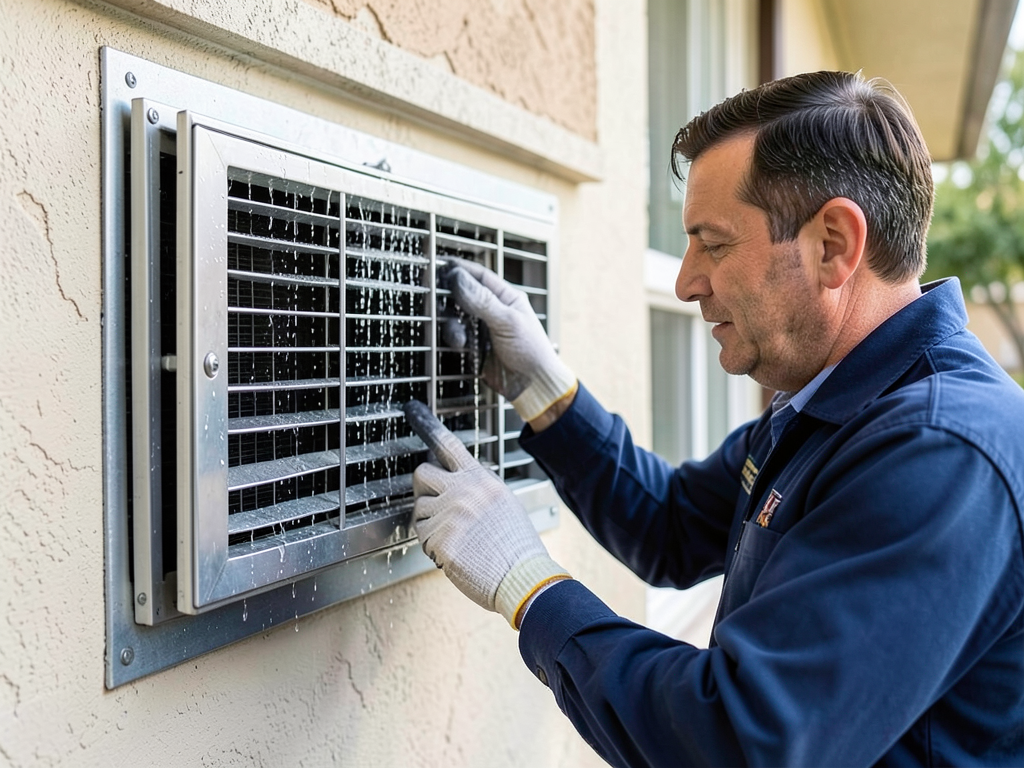
Using thermal imaging cameras and smoke pencils, we trace airflow patterns around duct joints, plenums, and air handler cabinets while your system operates. Temperature differentials reveal hidden leaks. Smoke shows bypass air movement around filters. We photograph every leak point and create a prioritized repair list. You see the exact locations where unfiltered air enters your system and understand why heavy dust buildup occurs in specific rooms.
03

Filtration System Upgrade

After sealing ductwork leaks, we install properly sized, high-efficiency filtration matched to your blower capacity. For systems that cannot handle higher MERV ratings without airflow restriction, we recommend bypass media air cleaners or electronic air cleaners that remove particles without increasing static pressure. We verify final system performance with airflow measurements at each register, confirming balanced distribution and proper filtration without equipment strain.

Why Dallas Homeowners Choose Cornerstone HVAC for Dust Problems

We have worked in Dallas HVAC systems for years. We know the difference between a 1950s pier and beam home in Lakewood with original metal trunk lines and a 1990s slab foundation home in North Dallas with flex duct runs. The duct materials, installation methods, and failure points differ completely. Generic advice does not fix your specific problem.

Our technicians understand how Dallas building practices contribute to unusually dusty home conditions. Many local builders in the 1980s and 1990s used flex duct installed with minimal support, creating sagging runs that trap debris and restrict airflow. We have seen flex duct collapsed entirely in attics, forcing systems to pull makeup air through every available gap. We know where to look because we have diagnosed these exact configurations in neighborhoods throughout the metro.

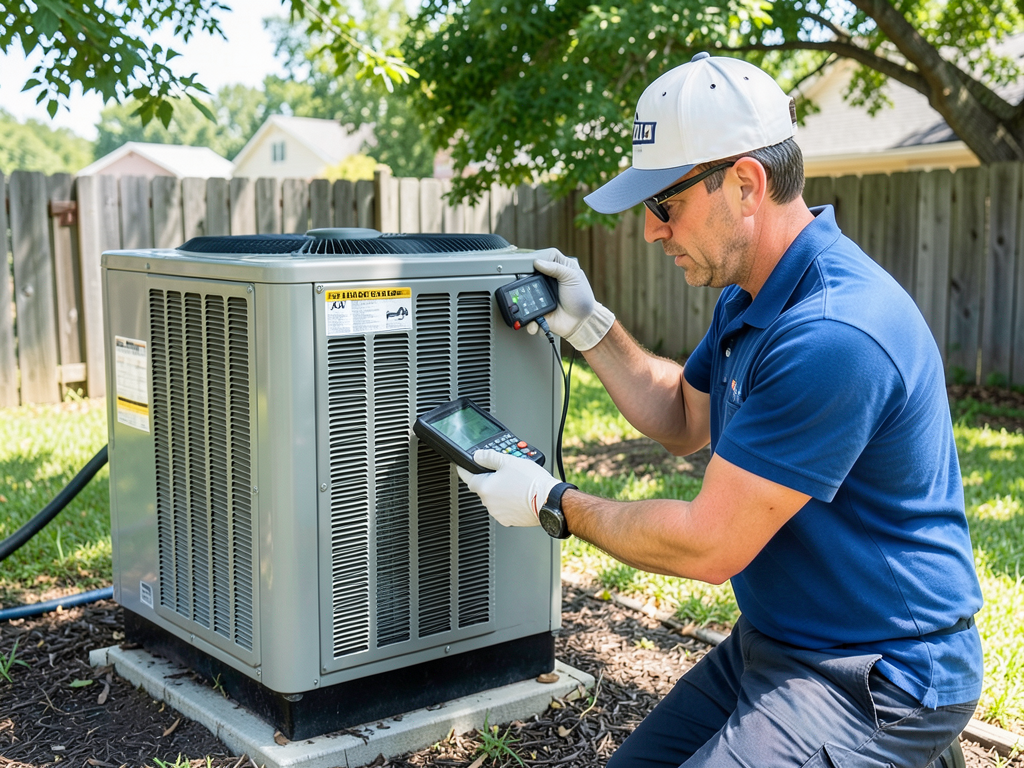
We carry diagnostic equipment most residential HVAC companies do not own. Our duct blaster, digital manometers, and thermal cameras cost thousands of dollars. These tools provide objective data. We show you pressure readings, thermal images, and airflow measurements. You make informed decisions based on facts, not sales pitches about "dirty ducts" that may not be your actual problem.

Cornerstone HVAC Dallas approaches excessive house dust as a system performance issue, not a cleaning problem. Duct cleaning removes surface debris but does not seal leaks or fix undersized return ducts. We address the mechanical failures causing dust infiltration. Our solutions focus on measurable improvements in system integrity, filtration efficiency, and airflow balance.

We provide written diagnostic reports with photos, pressure test results, and prioritized recommendations. You understand the scope of work before we touch your system. No surprise charges. No upselling unnecessary services. We fix what needs fixing and leave your system running as designed.

What to Expect During Your Dust Investigation

Same-Day Diagnostic Scheduling

We schedule diagnostic appointments within 24 to 48 hours of your call. Our typical dust investigation takes two to three hours. We need access to your attic, air handler location, and all interior rooms to complete pressure testing and visual inspection. Plan to be home during the appointment so we can show you findings in real time. We explain what we find as we work. You see the leaks, feel the bypass air, and understand the scope of your dust problem before we discuss solutions.

Comprehensive System Evaluation

Our evaluation covers duct integrity, filter fit, return air adequacy, and blower performance. We measure supply and return static pressure, calculate total system airflow, and compare results to manufacturer specifications. We inspect attic ductwork for damage, deterioration, and disconnected segments. We check your outdoor condenser pad for settling that could stress refrigerant lines and create indoor air quality issues. The goal is to identify every factor contributing to too much dust in home conditions and provide a complete solution, not a Band-Aid fix.

Measurable Dust Reduction Results

After sealing ductwork and upgrading filtration, most clients notice reduced dust accumulation within one week. You spend less time cleaning. Your furniture stays cleaner longer. Air filter inspections at 30 and 60 days show captured particulate matter, proving your system is filtering air instead of bypassing it. We provide before and after pressure test results documenting reduced duct leakage. The numbers prove the repair worked. You have objective evidence your constant dust in house problem is resolved.

Ongoing Filter Maintenance Plans

We offer filter delivery and replacement plans that ensure you never run a clogged filter. Depending on your filter type and Dallas air quality conditions, replacement intervals range from 30 to 90 days. We provide the correct filter size and MERV rating for your specific system. Our maintenance plans include annual duct inspections to verify seal integrity and catch small problems before they become dust infiltration points. Proactive maintenance prevents heavy dust buildup from returning and extends your HVAC system lifespan.

Frequently Asked Questions

You Have Questions,
We Have Answers

What causes so much dust in a house? +

Dust buildup comes from multiple sources. Dead skin cells, pet dander, and fabric fibers are indoor culprits. In Dallas, outdoor factors amplify the problem. High winds carry dirt and pollen through gaps in doors and windows. Clay soil from construction sites and dry lawns turns airborne during our hot summers. Leaky ductwork pulls unfiltered air from attics and crawl spaces. Poor filtration lets particles recirculate through your HVAC system. Older homes with settling foundations develop cracks that funnel dust inside. If your system runs constantly but dust persists, your air handler or return vents need inspection.

How do I stop my house from getting so dusty? +

Start with your HVAC filter. Upgrade to a MERV 11-13 rated filter and change it every 30-60 days, especially during Dallas allergy seasons. Seal gaps around windows and doors with weatherstripping. Check ductwork for leaks, which pull dust from unconditioned spaces. Run exhaust fans when cooking or showering to remove airborne particles. Wash bedding weekly in hot water. Vacuum with a HEPA-equipped unit twice weekly. Mop hard floors with damp cloths instead of dry sweeping. Keep outdoor dirt contained by placing mats at entry points. Schedule professional duct cleaning if you notice visible buildup at registers.

Do air purifiers actually reduce dust? +

Yes, quality air purifiers reduce airborne dust when sized correctly for your space. Units with true HEPA filters capture particles down to 0.3 microns, including dust mites, pollen, and pet dander. Place purifiers in high-traffic rooms or bedrooms for maximum impact. They work best alongside proper HVAC maintenance, not as a replacement. In Dallas homes with constant AC use, purifiers ease the load on your system filter. Run them continuously on low settings for consistent particle removal. Avoid ionizers or ozone generators, which create respiratory irritants. Replace filters per manufacturer guidelines to maintain effectiveness.

Is it unhealthy to live in a dusty home? +

Prolonged exposure to dust triggers health problems, especially in Dallas where cedar and ragweed pollen mix with indoor particles. Dust mites thrive in our humid climate, causing allergic reactions, asthma flare-ups, and sinus infections. Children and elderly residents face higher risks. Fine particulate matter inflames airways and worsens respiratory conditions. Dust carries mold spores, bacteria, and chemical residues from household products. You may experience chronic coughing, itchy eyes, skin irritation, or persistent fatigue. If symptoms improve when you leave home, dust is the culprit. Address the source through better filtration and humidity control.

What is the simple trick to eliminate dust? +

Change your HVAC filter monthly. This single step catches dust before it circulates through your home. Most Dallas homeowners underestimate how quickly filters clog during high-use months. A dirty filter forces your system to work harder and pushes particles back into living spaces. Pair this with damp dusting, which traps particles instead of spreading them airborne. Microfiber cloths grab dust through static charge. Work top to bottom so particles fall to floors you vacuum last. Skip feather dusters and dry rags, which redistribute dust. This combination cuts accumulation significantly within two weeks.

What are the signs of too much dust? +

Visible film on furniture within days of cleaning signals excess dust. You may notice particles floating in sunlight streaming through windows. Frequent sneezing, congestion, or itchy eyes indicate airborne irritants. Check air vents for gray buildup around registers. Dust bunnies accumulate under furniture and in corners faster than you can clean them. Your HVAC filter clogs within weeks instead of months. Allergy symptoms worsen indoors compared to outside. Dallas residents often mistake cedar fever for dust allergies, but if symptoms persist year-round, your home has a dust problem requiring HVAC system evaluation.

What is grandmas' simple trick to eliminate dust? +

The old method uses dryer sheets to dust surfaces. The fabric softener coating attracts and holds particles through static electricity. Wipe baseboards, blinds, and electronics with used dryer sheets. Another approach involves dampening cloths with equal parts water and white vinegar. The solution cuts through grime while trapping dust. For Dallas homes with hard water, vinegar prevents mineral streaks. Some swear by adding a few drops of olive oil to microfiber cloths for wood furniture. These tricks work for light maintenance but do not replace proper HVAC filtration in controlling airborne particles.

What absorbs dust in the house? +

Materials with static charge or texture trap dust. Microfiber cloths use split fibers to grab particles at microscopic levels. Houseplants absorb some airborne pollutants but require leaf cleaning to stay effective. Fabric curtains and upholstery catch dust, which is why they need regular vacuuming. HEPA filters in purifiers and HVAC systems physically capture particles. In Dallas homes, humidity control matters. When indoor air drops below 30 percent humidity during winter, dust becomes more airborne. A whole-home humidifier helps particles settle faster. Activated carbon filters absorb odors but do not remove dust from air.

Does opening a window reduce dust? +

Opening windows in Dallas invites more dust inside than it removes. High winds carry clay soil, pollen, and construction debris through screens. Spring and fall bring peak allergen counts. If you open windows for fresh air, do it early morning when pollen levels drop and winds calm. Close them before temperatures spike. Homes near construction zones or unpaved roads face worse outdoor contamination. Your HVAC system provides better air exchange through controlled ventilation and filtration. If indoor air feels stale, check your system for adequate fresh air intake rather than relying on open windows.

Why is my room still dusty with air purifier? +

Your purifier may be undersized for the room, forcing it to cycle air too slowly. Check the manufacturer's recommended square footage against your actual space. Dirty filters lose effectiveness, so replace them on schedule. Purifiers only clean air that passes through them. Dust settling on surfaces requires physical removal. If your HVAC system has leaky ducts or a clogged filter, it overwhelms the purifier by constantly introducing new particles. Dallas homes with foundation settling develop gaps that pull dusty attic air into living spaces. Address the source through HVAC maintenance before expecting purifiers to solve the problem alone.

How Dallas Clay Soil and Urban Development Create Persistent Dust Challenges

Dallas sits on expansive clay soil that shrinks during dry periods and swells with moisture. This constant soil movement affects home foundations and creates gaps around plumbing penetrations, electrical conduits, and HVAC duct boots that pass through floor assemblies. Fine clay particles suspended in outdoor air during construction booms or drought conditions infiltrate homes through these foundation gaps and compromised duct connections. The DFW metroplex adds thousands of new housing units annually. Construction dust from developments miles away settles across neighborhoods, increasing particulate load on HVAC filters and overwhelming systems with undersized filtration or leaky ductwork.

We work exclusively in the Dallas metro and understand local building code requirements for duct sealing and filtration. The 2021 International Residential Code, adopted by Dallas, requires duct systems to achieve specific leakage rates measured by post-installation testing. Many older homes predate these standards. Cornerstone HVAC Dallas brings existing systems into compliance using mastic sealant and aerosol duct sealing methods approved for Texas climate conditions. Our familiarity with local code officials, inspection procedures, and retrofit challenges ensures your dust mitigation work meets current standards and performs reliably in North Texas heat and humidity.

HVAC Services in The Dallas Area

Looking for expert HVAC services near you? Cornerstone HVAC Dallas proudly serves homeowners and businesses throughout the greater Dallas area with professional heating and cooling repairs, system installations, indoor air quality solutions, and emergency HVAC services. From Plano to Arlington, our certified technicians are ready to deliver fast, efficient service wherever you are. Use the map below to explore our coverage areas and discover trusted HVAC support right around the corner.

Address:
Cornerstone HVAC Dallas, 5956 Sherry Ln, Suite 2000, Dallas, TX, 75225

Additional Services We Offer

Our news updates

Latest Articles & News from The Blogs

How to Solve C-Wire Issues When Upgrading Your Thermostat in Highland Village Upgrading to a smart thermostat in Highland Village…

How to Solve C-Wire Issues When Upgrading Your Thermostat in Highland Village

How to Solve C-Wire Issues When Upgrading Your Thermostat in Highland Village Upgrading to a smart thermostat in Highland Village…

A Simple Guide to SEER2 Ratings for Homeowners in Little Elm

A Simple Guide to SEER2 Ratings for Homeowners in Little Elm If you’re shopping for a new air conditioner in…

Choosing the Right Climate Control for Your Westlake Pool House or Luxury Cabana

Choosing the Right Climate Control for Your Westlake Pool House or Luxury Cabana Living in Westlake means dealing with Texas…

Contact Us

Call Cornerstone HVAC Dallas at (972) 850-2750 to schedule your comprehensive dust investigation. We will find the source, show you the problem, and eliminate excessive house dust permanently. No guesswork. Just proven diagnostics and targeted repairs.