




menu

Air Duct Cleaning in Dallas – Deep Cleaning That Targets Hidden Contaminants in Every Branch Line

Our HVAC duct cleaning process removes years of accumulated dust, mold spores, and allergens from your entire ductwork system, improving air quality and system efficiency across Dallas homes and businesses.

Slider Image 1
Slider Image 2
Slider Image 3
Slider Image 4
Slider Image 5
Slider Image 7
Slider Image 8
Slider Image 9
Slider Image 10
Slider Image 11

Why Dallas Air Ducts Accumulate Contaminants Faster Than Most Cities

Dallas sits in a geographic zone where humidity, urban pollution, and seasonal allergens create a perfect storm for duct contamination. The city's mix of tree pollen from cedar elms, industrial particulates from the DFW corridor, and humidity spikes during spring and fall drive biological growth inside ductwork.

When your HVAC system cycles on, it pulls air through return vents. That air carries dust mites, pet dander, construction debris, and outdoor pollutants. Over time, these particles settle on the interior surfaces of your duct cleaning system. The problem intensifies in older neighborhoods like Oak Lawn or Lakewood, where homes still run original ductwork from the 1960s and 1970s.

You notice the symptoms before you see the source. Family members develop unexplained allergies. Dust reappears on furniture hours after cleaning. Your energy bills creep upward because restricted airflow forces your system to work harder. Black streaks around supply vents signal mold growth or heavy particulate buildup.

Dallas's clay soil also contributes to the issue. When foundations shift, ductwork separates at seams. Unconditioned air from crawl spaces or attics infiltrates the system, bringing moisture and organic material that feeds mold colonies. Air vent cleaning becomes critical when you smell musty odors or see visible mold near registers.

AC duct cleaning addresses the root cause. Professional ductwork cleaning removes contaminants from trunk lines, branch ducts, and plenum boxes. It restores airflow, reduces system runtime, and eliminates the reservoir of allergens circulating through your living space every time the blower motor engages.

Why Dallas Air Ducts Accumulate Contaminants Faster Than Most Cities
How Professional HVAC Duct Cleaning Removes What Household Vacuums Miss

How Professional HVAC Duct Cleaning Removes What Household Vacuums Miss

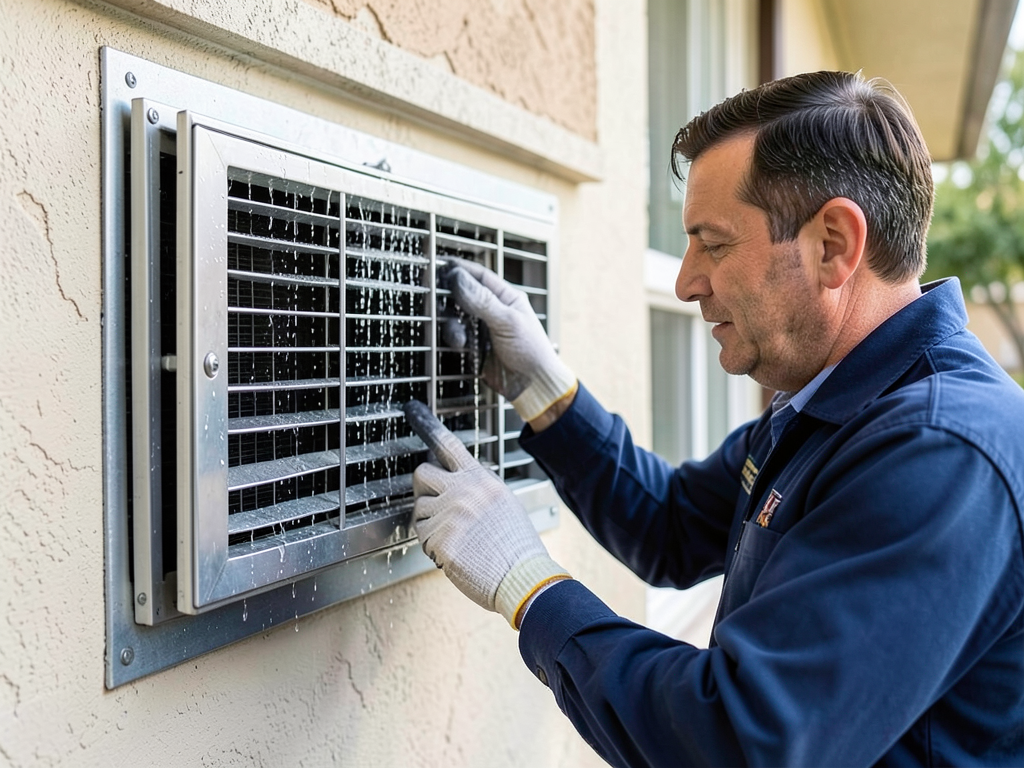
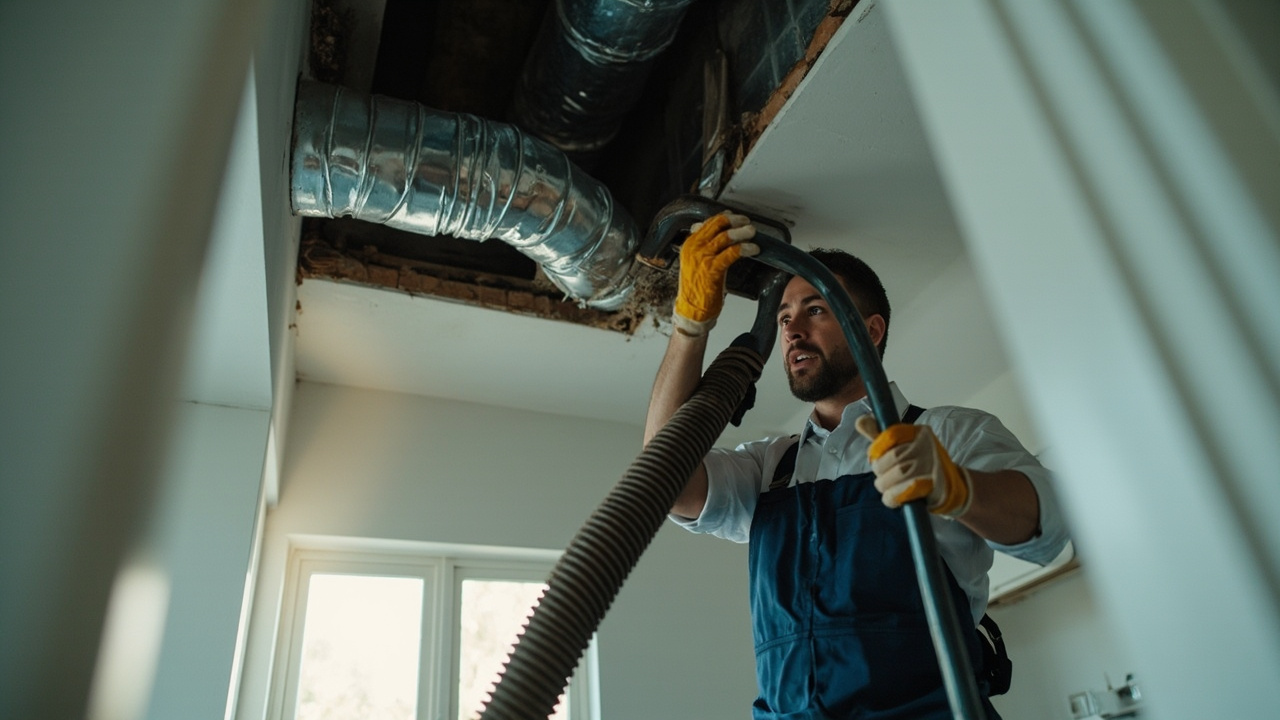
Effective duct cleaning requires negative air pressure and mechanical agitation. We seal off your supply and return registers, then attach a high-volume vacuum to the main trunk line. This creates suction throughout the entire duct system, pulling dislodged debris toward a HEPA filtration unit positioned outside your home.

Before activating the vacuum, we inspect access points using fiber-optic cameras. This reveals the extent of contamination and identifies damaged flex duct, disconnected joints, or improperly sealed plenums. In Dallas homes with spray foam insulation, we check for overspray that may have blocked branch takeoffs during retrofit projects.

We then insert rotating brush systems and compressed air whips into each branch line. The brushes scrub interior surfaces while the negative pressure captures loosened material. For sheet metal ductwork common in older Dallas construction, we use soft-bristle tools that clean without scratching galvanized coatings. Flexible ductwork requires different equipment since aggressive brushing can tear the inner liner.

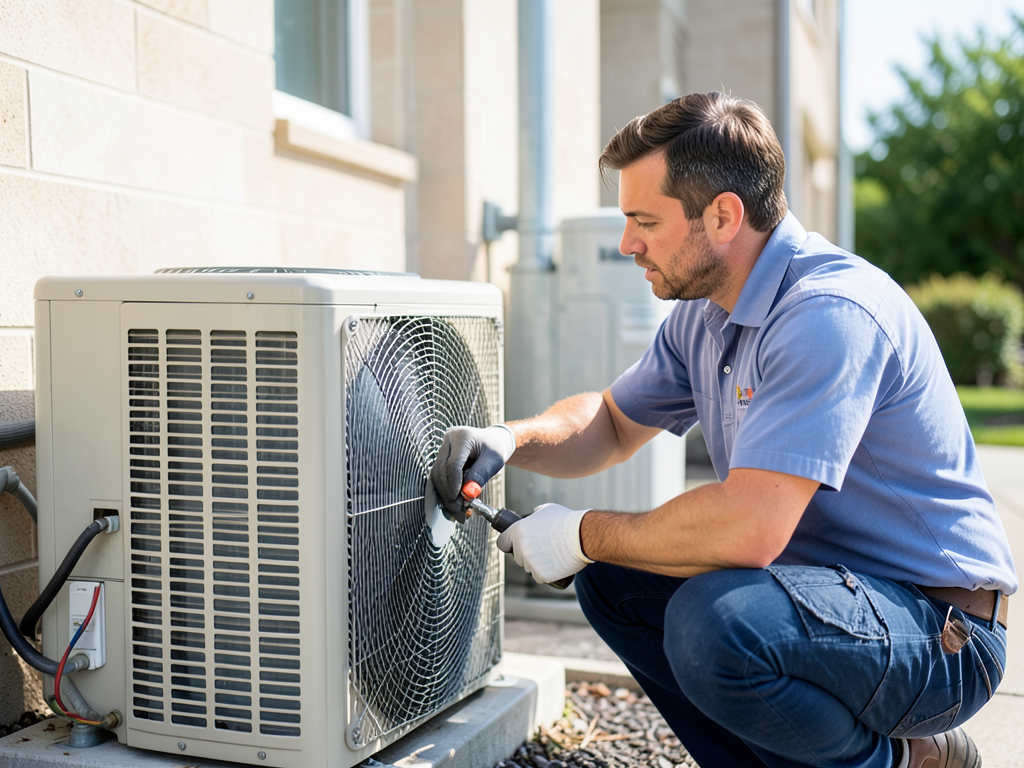
Coil cleaning follows ductwork cleaning. Your evaporator coil sits downstream from the return ducts. Dust that bypasses your filter accumulates on the coil fins, reducing heat transfer efficiency. We apply foaming coil cleaner, rinse with low-pressure water, and verify drain line flow to prevent future mold growth in the condensate pan.

We sanitize the system only when biological contamination exists. Foggers distribute EPA-registered antimicrobial treatments through the ductwork. This step targets mold spores and bacteria but skips applications where dust alone caused the issue. Over-treatment introduces unnecessary chemicals into your breathing air.

The final phase involves filter replacement and register cleaning. We install MERV-rated filters appropriate for your system's blower capacity, then wipe down grilles and diffusers before reinstalling them.

What Happens During Your Air Duct Cleaning Appointment

Air Duct Cleaning in Dallas – Deep Cleaning That Targets Hidden Contaminants in Every Branch Line
01

System Inspection and Access

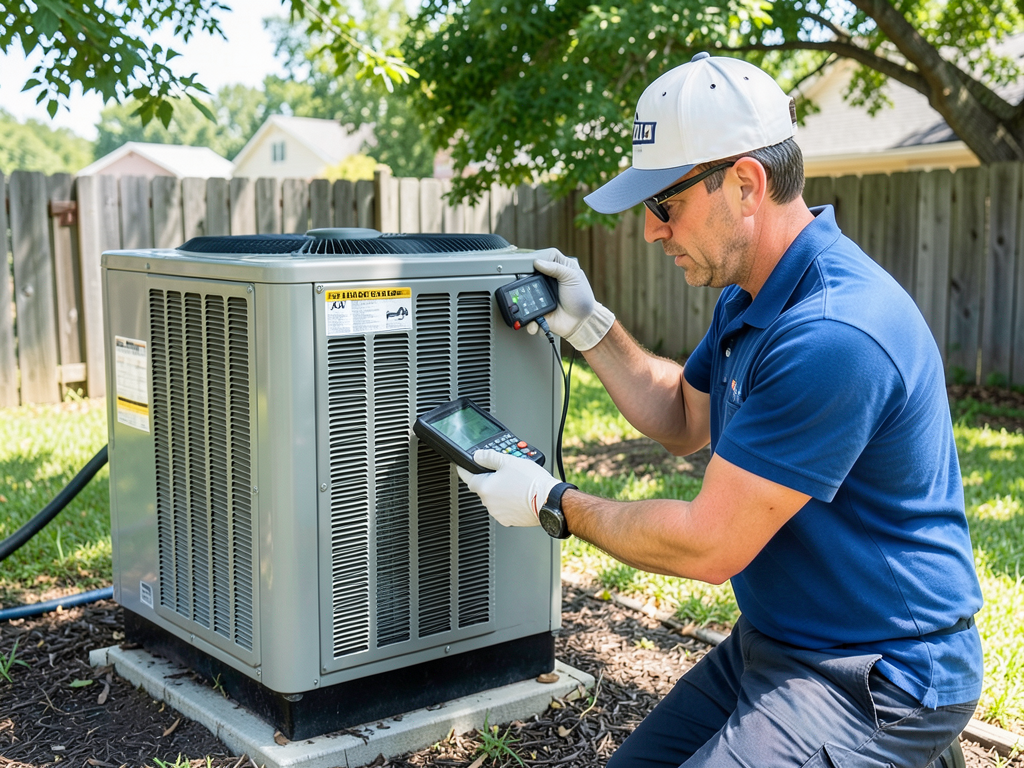
We begin by locating your air handler and mapping your duct layout. Using thermal imaging and airflow meters, we identify supply and return pathways, then cut access ports in strategic locations. These ports allow brush insertion and camera inspection. We photograph contamination levels before starting work, creating a baseline for comparison after cleaning completes.
02

Negative Pressure and Agitation

We connect a truck-mounted or portable HEPA vacuum to your main trunk line, creating negative pressure across the entire system. Rotating brushes and air whips enter through access ports, dislodging debris from duct interiors. The vacuum captures material before it recirculates. We clean trunk lines first, then branch ducts, ensuring complete coverage of your ductwork system.
03

Verification and System Restoration

After mechanical cleaning, we reinspect using fiber-optic cameras to confirm debris removal. We seal access ports with sheet metal patches and mastic, restoring duct integrity. We replace filters, clean registers, and test airflow at each supply vent. You receive before-and-after photos and a maintenance schedule to keep your system running efficiently between professional cleanings.

Why Dallas Property Owners Choose Cornerstone HVAC Dallas for Duct Cleaning

Dallas's building stock ranges from mid-century ranch homes in Lakewood to new construction in Preston Hollow. Each property type presents distinct ductwork challenges. Older homes often have undersized ducts with multiple additions patched together over decades. Newer builds sometimes cut corners on duct sealing, allowing conditioned air to leak into attics.

We understand these local construction patterns because we work in Dallas every day. We know that homes built before 1980 often used asbestos-wrapped duct board in plenum boxes. We follow proper abatement protocols when we encounter these materials during HVAC duct cleaning projects. We also recognize the signs of amateur duct modifications common in properties that changed hands multiple times.

Our technicians train on both residential and light commercial systems. We clean ductwork in single-family homes, townhomes, and small office buildings throughout the Dallas metro. Whether you operate a dental practice in Uptown or own a duplex in East Dallas, we adapt our approach to your specific system configuration.

We invest in professional-grade equipment because shortcuts damage ductwork and waste your money. Truck-mounted vacuums generate higher CFM ratings than portable units, enabling faster cleaning with better results. Our rotating brush systems include variable speed controls, preventing damage to flexible duct liners while still removing stubborn debris.

Transparency guides our process. We show you camera footage before quoting prices. If your ducts need repair before cleaning, we explain why and provide options. If your system only needs filter changes and register cleaning, we tell you that instead of upselling unnecessary services.

We schedule air vent cleaning appointments around your availability, including evenings and weekends. Most residential duct cleaning projects finish in four to six hours, depending on system size and contamination levels. We protect your floors with drop cloths and remove all debris from your property when we leave.

What to Expect When You Schedule Duct Cleaning in Dallas

Same-Week Scheduling

We book most air duct cleaning appointments within three to five business days of your call. Spring and fall represent our busiest seasons as homeowners prepare for peak cooling and heating months. If you schedule during these periods, expect slightly longer wait times. Emergency duct cleaning for mold contamination or post-construction debris receives priority placement. We provide arrival windows rather than exact times, but we call 30 minutes before our crew arrives at your property.

Pre-Cleaning Assessment

Before we start mechanical cleaning, we walk your property to locate all supply registers and return grilles. We count vents to calculate system size and estimate project duration. Using a fiber-optic camera, we inspect accessible duct sections through existing openings. This reveals contamination type and severity. If we find biological growth or animal intrusion, we discuss treatment options before proceeding. You approve the scope of work before any equipment enters your home.

Measurable Air Quality Improvement

Professional ductwork cleaning removes the particulate reservoir inside your HVAC system. You notice reduced dust accumulation on surfaces within 48 hours. Allergy sufferers often report symptom improvement once contaminated air stops recirculating through living spaces. Your system operates more efficiently because unrestricted airflow reduces blower motor runtime. Energy bills typically decrease by 10 to 15 percent after thorough AC duct cleaning eliminates airflow restrictions caused by debris buildup.

Post-Cleaning Maintenance Guidance

After completing your duct cleaning, we recommend a maintenance schedule based on your household conditions. Homes with pets or smokers need more frequent cleaning than properties without these factors. We suggest filter changes every 60 to 90 days using MERV 8 or higher filters. Annual HVAC tune-ups catch minor issues before they require expensive repairs. We provide documentation of our work, including photos and airflow measurements, to help you track system performance over time.

Frequently Asked Questions

You Have Questions,
We Have Answers

Is it worth having air ducts cleaned? +

Yes, air duct cleaning is worth it if you have visible mold growth, excessive dust buildup, or pest infestations in your system. In Dallas, where heat and humidity create conditions for mold and allergen accumulation, cleaning can improve indoor air quality and HVAC efficiency. If you see dust puffing from vents when your system starts, or family members experience worsening allergies, cleaning may help. However, routine cleaning every few years is not needed for most homes. Focus on changing filters regularly and addressing visible contamination when it occurs.

How much does it typically cost to have your air ducts cleaned? +

Air duct cleaning in Dallas ranges widely based on system size, contamination level, and home square footage. Expect pricing to reflect the number of supply and return vents, ductwork accessibility, and whether mold remediation or repairs are needed. Homes in older Dallas neighborhoods with original ductwork may face higher costs due to complexity. Beware of low-price offers that upsell aggressively once onsite. Request a detailed estimate that includes inspection, cleaning method, and any additional services like sanitizing or seal repairs before committing.

What are the signs your ducts need cleaning? +

Watch for these signs your ducts need cleaning: visible dust or debris blowing from vents when your HVAC starts, musty odors when the system runs, unexplained allergy symptoms worsening indoors, or uneven airflow between rooms. In Dallas homes, check for rodent droppings or insect debris near vents, common in attics during hot summers. Look inside return vents with a flashlight. If you see thick dust coating, matted pet hair, or dark staining, your ducts likely need attention. Increased dust on surfaces despite regular cleaning also signals dirty ductwork.

How often should ductwork be cleaned? +

Most Dallas homes do not need routine duct cleaning. The EPA recommends cleaning only when contamination is visible or verified. If you have no specific problems, focus on filter changes every one to three months. Clean ducts after major renovations that create heavy dust, following water damage or roof leaks, or if you discover mold or pest activity. Homes with pets, smokers, or family members with respiratory conditions may benefit from cleaning every three to five years, but only if you notice declining air quality.

What are the drawbacks of duct cleaning? +

Poorly performed duct cleaning can damage ductwork, dislodge mold spores into living spaces, or fail to remove contamination. Aggressive brushing or improper equipment can tear flex ducts or disconnect joints, worsening air leaks. Some companies use chemical sanitizers that create strong odors or irritate sensitive individuals. In Dallas, where fiberglass duct board is common in older homes, rough cleaning can release particles. There is also risk of fraud from unqualified operators offering suspiciously cheap services, then upselling unnecessary repairs or failing to clean thoroughly.

Does homeowners insurance cover air duct cleaning? +

Standard homeowners insurance does not cover air duct cleaning as routine maintenance. However, if ductwork becomes contaminated due to a covered peril like a sudden pipe burst, fire, or storm damage, your policy may cover cleaning as part of restoration. In Dallas, if a hailstorm damages your roof and water enters ducts, document the event and file a claim promptly. Always review your policy and speak with your adjuster before hiring contractors. Mold growth from long-term neglect or humidity is typically excluded from coverage.

Can I clean my air ducts myself? +

You can clean accessible vent covers and returns yourself, but full duct cleaning requires professional equipment. DIY methods cannot reach deep into trunk lines or remove compacted debris. In Dallas homes, ductwork often runs through hot attics or tight crawlspaces, making access difficult and dangerous. Professionals use high-powered vacuums with HEPA filtration, rotary brushes, and inspection cameras to clean thoroughly without releasing contaminants into your home. Attempting deep cleaning yourself risks damaging ducts, spreading mold, or incomplete removal. Focus your efforts on regular filter changes and surface cleaning.

How much does Stanley Steemer charge to clean air ducts? +

Pricing from national franchises like Stanley Steemer varies by location, home size, and current promotions. They typically charge per vent or by square footage. For Dallas homeowners, request a detailed written estimate before scheduling. National chains may have standardized pricing but sometimes lack specialized HVAC training compared to dedicated duct cleaning companies. Compare multiple quotes and verify the company uses NADCA-certified methods. Ask what the price includes: just vacuuming or also brushing, sanitizing, and inspection. Understand upsell practices before committing to any service provider.

How long does duct cleaning usually take? +

A thorough duct cleaning for an average Dallas home takes two to four hours, depending on system size, ductwork complexity, and contamination level. Larger homes with multiple HVAC systems or extensive ductwork may require a full day. The process includes initial inspection, setting up equipment, cleaning supply and return ducts, cleaning the air handler, and final walkthrough. Homes with heavy pet dander, mold remediation needs, or disconnected ducts take longer. Rushed jobs under two hours for whole-house service often indicate incomplete cleaning.

What is the 2 foot rule for ducts? +

The two-foot rule refers to positioning ducts at least two feet away from fuel-burning appliances or combustion sources to prevent backdrafting or fire hazards. This spacing prevents exhaust gases from being pulled into the HVAC system. In Dallas homes with gas furnaces or water heaters, proper clearance protects indoor air quality and safety. The rule also applies to flexible ductwork installation, where excessive sagging beyond two feet can restrict airflow and reduce efficiency. Always ensure licensed HVAC technicians follow local building codes when installing or modifying ductwork near combustion equipment.

How Dallas's Urban Heat Island Effect Accelerates Duct Contamination

Dallas's concrete and asphalt create an urban heat island that pushes summer temperatures five to seven degrees higher than surrounding rural areas. This temperature differential forces HVAC systems to run longer cycles, pulling more outdoor air through return ducts. Higher runtime means faster particulate accumulation inside ductwork. The city's position along Interstate 35 and Interstate 20 adds vehicular emissions to the particulate load. Properties near high-traffic corridors like North Central Expressway experience heavier contamination from diesel particulates and tire dust. Regular air duct cleaning becomes essential for maintaining indoor air quality in these high-exposure zones.

Dallas building codes require duct sealing during new construction, but older properties often lack proper sealing at joints and takeoffs. The North Texas chapter of ACCA provides guidelines for duct system design and maintenance that many local HVAC contractors follow. Choosing a provider familiar with Dallas's specific construction methods ensures your duct cleaning addresses local challenges rather than applying generic approaches. We understand how foundation movement affects duct integrity in areas with expansive clay soil, and we check for separation at boot connections during every HVAC duct cleaning project.
HVAC Services in The Dallas Area

Looking for expert HVAC services near you? Cornerstone HVAC Dallas proudly serves homeowners and businesses throughout the greater Dallas area with professional heating and cooling repairs, system installations, indoor air quality solutions, and emergency HVAC services. From Plano to Arlington, our certified technicians are ready to deliver fast, efficient service wherever you are. Use the map below to explore our coverage areas and discover trusted HVAC support right around the corner.

Address:
Cornerstone HVAC Dallas, 5956 Sherry Ln, Suite 2000, Dallas, TX, 75225

Additional Services We Offer

Our news updates

Latest Articles & News from The Blogs

How to Solve C-Wire Issues When Upgrading Your Thermostat in Highland Village Upgrading to a smart thermostat in Highland Village…

How to Solve C-Wire Issues When Upgrading Your Thermostat in Highland Village

How to Solve C-Wire Issues When Upgrading Your Thermostat in Highland Village Upgrading to a smart thermostat in Highland Village…

A Simple Guide to SEER2 Ratings for Homeowners in Little Elm

A Simple Guide to SEER2 Ratings for Homeowners in Little Elm If you’re shopping for a new air conditioner in…

Choosing the Right Climate Control for Your Westlake Pool House or Luxury Cabana

Choosing the Right Climate Control for Your Westlake Pool House or Luxury Cabana Living in Westlake means dealing with Texas…

Contact Us

Stop breathing contaminated air. Call Cornerstone HVAC Dallas at (972) 850-2750 to book your duct cleaning appointment. We provide upfront pricing and same-week service across the Dallas metro.