





Balch Springs sits in the Dallas County climate zone where summer temperatures regularly exceed 100 degrees and humidity stays high through September. This constant strain pushes air conditioning systems harder than in drier climates. Your AC runs longer cycles, compressors work overtime, and condensate drains clog faster in humid air.
The expansive clay soil throughout Balch Springs shifts with moisture changes. This movement affects concrete slabs and can stress ductwork connections, creating air leaks that waste energy and reduce comfort. Homes near Elam Creek or along Belt Line Road face additional humidity from proximity to water features.
Winter freezes, while brief, can damage exposed refrigerant lines and outdoor units when temperatures drop below 32 degrees overnight. The rapid temperature swings between December and March stress components differently than steady cold climates. Central air systems designed for cooling must adapt to heating demands during these cold snaps, requiring proper maintenance of heat strips and backup heating elements. Property owners in older neighborhoods south of Balch Springs Road often deal with aging HVAC systems installed before modern efficiency standards, leading to higher utility bills and frequent repairs.
Cornerstone HVAC Dallas has served residential and commercial customers throughout Balch Springs and the greater Dallas metro for years. We understand the specific demands placed on cooling and heating systems in this climate. Our technicians train continuously on both legacy equipment common in established Balch Springs neighborhoods and modern high-efficiency systems in newer construction.
We maintain full licensing and insurance as required by Texas regulations. Every technician carries EPA certification for refrigerant handling and stays current on Dallas County building codes. This matters when repairs involve refrigerant recovery, ductwork modifications, or system replacements that require permits and inspections.
Our service vehicles stock parts for major brands including Carrier, Trane, Lennox, Rheem, and Goodman. This means faster repairs without waiting days for special orders. We carry capacitors, contactors, thermostats, and common compressor components that fail frequently in high-use climates. When emergency calls come in during heat waves or cold snaps, our dispatch system prioritizes based on urgency and routes the closest available technician.
We provide upfront pricing before starting work. You receive a written estimate that breaks down labor and parts. No hidden charges appear on your invoice. If we discover additional problems during diagnosis, we explain the issue, show you the failed component, and get approval before proceeding. This transparent approach has built our reputation throughout Balch Springs, from the homes near Lake June Road to commercial properties along Seagoville Road.

AC failures and heating breakdowns happen at the worst times. Our dispatch center operates around the clock, every day of the year. When you call with an emergency, a real person answers and sends a technician to your Balch Springs location. We prioritize calls where temperatures create safety concerns or property damage risks.

Our trucks carry an extensive inventory of replacement parts for residential and commercial HVAC systems. Most repairs complete in a single visit because we stock the components that fail most often in Texas heat. This saves you time and gets your system running faster than companies that order parts after diagnosing the problem.
Every technician holds current Texas HVAC licensing and EPA certification for refrigerant handling. We invest in ongoing training so our team stays current on new equipment technology and repair techniques. This expertise matters when diagnosing complex problems or working with high-efficiency systems that require specialized knowledge.
We service homes and businesses throughout Balch Springs daily. Our technicians know the common HVAC issues in different neighborhoods, understand local building codes, and recognize problems specific to this climate. This local experience leads to faster diagnosis and more accurate repairs than companies unfamiliar with the area.
Cornerstone HVAC Dallas provides comprehensive heating and cooling services for residential and commercial customers throughout Balch Springs. Our technicians handle everything from emergency repairs on broken systems to planned maintenance that prevents failures. We work on central air conditioning systems, heat pumps, furnaces, ductwork, and thermostats.
Our service categories address different customer needs. Emergency repairs get systems running again when they fail unexpectedly. Maintenance services keep equipment operating efficiently and catch small problems before they become expensive failures. System replacement and installation handle situations where repair costs exceed the value of keeping old equipment running. Each category requires different expertise and equipment, which is why we structure our services to match what customers actually need rather than forcing every situation into the same approach. Whether you need immediate repair of a failed compressor or planned replacement of an aging system, we provide the right service level for your situation.
When your AC quits cooling or your heater stops working, we respond fast. Our emergency repair service operates around the clock for complete system failures, refrigerant leaks, electrical problems, compressor failures, and blower motor issues. We diagnose the problem, explain what failed and why, then provide pricing before starting repairs. Most emergency calls complete in one visit because our trucks stock common replacement parts. This service prioritizes getting your system running again quickly to restore comfort and prevent property damage from temperature extremes.
Regular maintenance extends equipment life and prevents failures during peak usage. Our maintenance service includes cleaning coils, checking refrigerant levels, testing electrical connections, lubricating motors, inspecting ductwork for leaks, calibrating thermostats, and replacing filters. We identify worn components before they fail and provide recommendations for repairs that prevent bigger problems. Scheduled maintenance catches issues like refrigerant leaks, failing capacitors, and dirty coils that reduce efficiency and increase utility bills. This proactive approach costs less than emergency repairs and keeps systems running reliably.
Old systems eventually reach the point where repair costs exceed replacement value. Our installation service handles complete system replacements, upgrades to high-efficiency equipment, and new construction installations. We size equipment properly based on home square footage, insulation levels, window placement, and ductwork capacity. Proper sizing prevents short cycling and ensures adequate cooling and heating. We handle all permits required by Dallas County, coordinate inspections, and ensure installations meet current building codes. New systems include manufacturer warranties and improved energy efficiency that reduces monthly utility costs.
The combination of extreme heat, high humidity, and reactive clay soil creates specific HVAC challenges for Balch Springs properties. Systems work harder and longer than in milder climates, accelerating wear on components. Understanding these common problems helps property owners recognize issues early and avoid complete system failures.
Air conditioning systems bear the heaviest load from May through October when temperatures regularly exceed 95 degrees. Compressors, capacitors, and contactors fail more frequently under this constant strain. Condensate drainage problems increase during humid months when AC units remove gallons of moisture from indoor air daily. Ductwork issues emerge as foundation movement from soil expansion and contraction stresses connections and creates air leaks. Older systems installed before modern efficiency standards struggle to maintain comfort while driving up electricity costs. These problems compound when maintenance gets deferred, leading to sudden failures during the worst weather.
Compressors fail when they run continuously in extreme heat without adequate rest cycles. High ambient temperatures around outdoor units reduce cooling efficiency, forcing compressors to work harder. Dirty condenser coils make this worse by trapping heat. Regular cleaning and proper airflow around outdoor units prevent most compressor failures. Failed compressors require expensive replacement, often justifying full system upgrades on older equipment.
AC systems in humid climates produce substantial condensation that drains through pipes connected to indoor air handlers. These drains clog with algae, mold, and debris, causing water to back up into drain pans and overflow into homes. Clogged drains trigger float switches that shut down systems to prevent water damage. Regular drain cleaning prevents this problem, but many homeowners skip this maintenance until water appears.
Foundation movement from expansive clay soil stresses ductwork connections in attics and crawl spaces. Seams separate and boots pull away from registers, leaking conditioned air into unconditioned spaces. This wastes energy and reduces comfort in affected rooms. Duct leakage also pulls humid attic air into living spaces, increasing indoor humidity and mold risk. Professional duct sealing fixes these leaks and improves system efficiency.
Systems older than 15 years lack the efficiency of modern equipment. Older units use R-22 refrigerant, which is expensive and being phased out. They consume more electricity while providing less cooling. Frequent repairs on aging equipment add up quickly, often exceeding the cost of new system installation. Upgrading to high-efficiency equipment reduces utility bills and provides better comfort with fewer breakdowns.
We structure our service process to minimize stress and maximize transparency. When your HVAC system fails or shows problems, you need clear information and fast action. Our approach focuses on quick diagnosis, honest communication, and quality repairs that last.
From the moment you call our dispatch center to the completion of repairs, you stay informed about what's happening. Our technicians arrive with the tools and parts needed for most repairs. They explain problems in plain language, show you failed components, and provide written estimates before starting work. This straightforward process eliminates surprises and helps you make informed decisions about your HVAC system. Whether you're dealing with an emergency breakdown or scheduling routine maintenance, you receive the same professional service focused on solving your problem efficiently.
When you call with an HVAC problem, our dispatcher collects information about your issue and schedules the nearest available technician. For emergencies, we prioritize based on safety concerns and property damage risk. You receive a call when the technician is en route with an estimated arrival time. Our technicians arrive in clearly marked vehicles with your service information already loaded. They respect your property by using floor protection and cleaning up completely after completing work.
After arrival, the technician inspects your system and performs diagnostic tests to identify the problem. They explain what failed, why it happened, and what's required to fix it. You receive a written estimate that breaks down parts and labor costs before any repair work begins. If multiple repair options exist, the technician presents each choice with pros and cons. This transparency lets you make decisions based on complete information rather than pressure or confusion.
Once you approve the estimate, repairs proceed using quality parts that meet or exceed manufacturer specifications. The technician tests the system thoroughly after completing repairs to verify proper operation. You receive documentation of all work performed, parts installed, and warranty information. We stand behind our repairs with warranties on both parts and labor. If problems develop with our work, we return to make it right at no additional charge.
We've streamlined HVAC service into three clear steps that get you from problem to solution efficiently. This process works for emergency repairs, maintenance appointments, and system replacements.
Call our dispatch center at any time to describe your HVAC issue. Our staff asks questions to understand the problem and determine urgency. We schedule a technician based on your availability and need level. For emergencies, we dispatch immediately. For routine service, we offer appointment windows that fit your schedule. You receive confirmation with the technician's name and estimated arrival time. This first step takes minutes and gets help on the way to your Balch Springs location.
The technician arrives, examines your system, and identifies what's wrong. They explain the problem clearly, show you the failed component if possible, and describe what's needed to fix it. You receive a written estimate before any repair work starts. The technician answers questions and helps you understand your options. Once you approve the work and pricing, repairs begin immediately using parts from the truck's inventory. Most jobs complete the same day.
After completing repairs, the technician tests your system through complete heating or cooling cycles. They verify proper operation of all components, check refrigerant levels, test airflow, and ensure thermostats respond correctly. You receive documentation of work performed, parts installed, and warranty information. The technician cleans the work area and removes all packaging and old parts. Your system runs properly, and you have written records of everything completed. If questions arise later, our customer service team remains available.
Professional HVAC service in Texas requires adherence to specific technical standards, licensing requirements, and installation codes. The Texas Department of Licensing and Regulation oversees HVAC contractors and technicians through its mechanical licensing program. All technicians must hold appropriate licenses for the work they perform, including air conditioning and refrigeration endorsements.
Refrigerant handling follows strict EPA regulations under Section 608 of the Clean Air Act. Technicians must be certified to purchase, handle, and recover refrigerants. R-22 refrigerant, common in older systems, is being phased out under the Montreal Protocol. New installations use R-410A or newer refrigerants with lower environmental impact. Proper refrigerant recovery and recycling prevents environmental damage and ensures compliance with federal law.
Installation work must meet International Residential Code and International Mechanical Code standards as adopted by Dallas County. This includes proper equipment sizing using Manual J load calculations, ductwork design following Manual D specifications, and correct refrigerant line sizing. Equipment installations require permits and inspections to verify code compliance. Properly sized systems run efficiently and provide adequate heating and cooling. Oversized equipment short cycles, reducing efficiency and comfort. Undersized systems run constantly without achieving desired temperatures.
Ductwork installation and sealing follows standards set by ACCA Manual D and ASHRAE. Ducts must be properly sized, sealed at all connections, and insulated in unconditioned spaces. The Texas energy code requires duct leakage testing on new installations and major renovations. Excessive duct leakage wastes energy and reduces system capacity. Professional duct sealing using mastic or approved tape creates airtight systems that deliver conditioned air efficiently.
Safety protocols include proper electrical connections, correct gas line sizing for furnaces, adequate combustion air supply, and proper condensate drainage. Gas appliances require ventilation that meets manufacturer specifications and code requirements. Carbon monoxide detectors are required near sleeping areas in homes with fuel-burning appliances. These safety measures protect occupants from fire hazards, gas leaks, and carbon monoxide exposure.
Texas requires HVAC contractors to hold mechanical contractor licenses issued by TDLR. Individual technicians need appropriate endorsements for air conditioning, refrigeration, and electrical work. EPA Section 608 certification is mandatory for refrigerant handling. These requirements ensure technicians have verified knowledge and skills. Always verify that contractors and technicians hold current licenses before allowing HVAC work on your property.
Proper HVAC sizing requires Manual J load calculations that account for home size, insulation levels, window placement, orientation, and occupancy. Contractors who size equipment based only on square footage often install incorrect capacity. Oversized systems waste energy and provide poor humidity control. Undersized systems run constantly and fail to maintain comfort. Professional sizing ensures equipment matches actual heating and cooling loads for efficient, comfortable operation.
Complete HVAC system replacement takes one to three days depending on complexity. This includes removing old equipment, installing new systems, connecting ductwork and electrical, charging refrigerant, and testing operation. Installers must perform startup procedures per manufacturer specifications, including checking refrigerant charge, verifying airflow, testing safety controls, and documenting system performance. Rushed installations skip critical steps that affect long-term reliability and efficiency.
Dallas County requires permits for HVAC system replacement, major repairs involving refrigerant lines or electrical modifications, and ductwork changes. Permitted work receives inspections to verify code compliance. While permits add cost and time, they ensure installations meet safety and performance standards. Work performed without required permits can void equipment warranties, create insurance issues, and complicate future home sales. Always verify your contractor pulls appropriate permits.
This video explains HVAC repair costs for Balch Springs homeowners. Learn which AC components fail most often in Texas heat, what drives repair pricing, and when system replacement makes more sense than continued repairs. Covers compressor failures, refrigerant issues, ductwork problems, and maintenance needs specific to North Texas climate conditions. Provides guidance on evaluating repair quotes and understanding service estimates for heating and cooling systems.
Cornerstone HVAC Dallas provides heating and cooling services throughout Balch Springs and the surrounding Dallas County communities. Our service area covers residential neighborhoods and commercial properties from the established areas near Balch Springs Road to newer developments in the southern sections approaching Mesquite city limits.
We regularly service homes in the neighborhoods south of Belt Line Road where many properties feature older HVAC systems requiring specialized knowledge of legacy equipment. The residential areas near Lake June Road present unique challenges with homes built at different times using varying construction methods and insulation standards. Properties along Seagoville Road, mixing residential and commercial uses, require technicians who understand both light commercial and residential systems.
The neighborhoods surrounding Balch Springs Recreation Center see diverse housing stock ranging from mid-century homes to recent construction. Older homes in these areas often need duct sealing to address leaks caused by foundation settlement in expansive clay soil. Newer construction near Elam Road typically features modern high-efficiency systems but may face warranty service needs or installation issues requiring correction.
We service properties throughout the zip code 75180, extending our reach to adjacent communities including Mesquite to the west and Seagoville to the east. Commercial customers along Highway 175 rely on our technicians for rooftop unit service, package unit repairs, and light commercial system maintenance. Our proximity to Interstate 20 allows quick response throughout southern Dallas County.
The variation in housing age across Balch Springs means our technicians encounter everything from 30-year-old heat pumps to brand-new variable-speed systems. This diversity requires broad knowledge and extensive parts inventory. A service call in the older sections near Bruton Road might involve a system using R-22 refrigerant and mechanical thermostats, while a newer home near the southern city limits has a wifi-enabled thermostat controlling a high-efficiency heat pump. Our technicians handle this range because we serve these communities daily and understand what equipment exists in different neighborhoods.
The $5000 rule is a quick decision guide for older HVAC systems. If your repair cost multiplied by your system's age exceeds $5000, replacement makes more financial sense than repair. For example, if your 12-year-old system needs a $500 repair, that equals $6000, so replace it. In Balch Springs, where summer heat stresses aging equipment and humidity accelerates wear, this rule helps you avoid throwing money at a failing system. Your contractor should walk you through this calculation when repair costs start climbing on units over 10 years old.
HVAC installers in Balch Springs typically charge $75 to $150 per hour for labor, depending on job complexity and company experience. Basic service calls run lower, while specialized work like ductwork modification or zoning system installation sits at the higher end. Most contractors quote flat rates for installations rather than hourly, which protects you from surprise charges. The Dallas-Fort Worth metro rate structure applies here, with slight variations based on drive time and local competition. Always get multiple quotes and verify what the rate includes, like permits, disposal, and warranty registration.
Dirty air filters cause the most common HVAC problems in Balch Springs. When filters clog with dust and pollen, your system works harder, freezes up, or shuts down completely. The second most common issue is refrigerant leaks, which reduce cooling capacity and drive up energy bills. Balch Springs humidity and temperature swings stress components like capacitors and contactors, which fail frequently on aging systems. Thermostat miscalibration and drainage clogs from algae growth also rank high. Regular filter changes every 30 to 60 days prevent most of these problems before they start.
The $5000 rule is a quick decision guide for older HVAC systems. If your repair cost multiplied by your system's age exceeds $5000, replacement makes more financial sense than repair. For example, if your 12-year-old system needs a $500 repair, that equals $6000, so replace it. In Balch Springs, where summer heat stresses aging equipment and humidity accelerates wear, this rule helps you avoid throwing money at a failing system. Your contractor should walk you through this calculation when repair costs start climbing on units over 10 years old.
HVAC installers in Balch Springs typically charge $75 to $150 per hour for labor, depending on job complexity and company experience. Basic service calls run lower, while specialized work like ductwork modification or zoning system installation sits at the higher end. Most contractors quote flat rates for installations rather than hourly, which protects you from surprise charges. The Dallas-Fort Worth metro rate structure applies here, with slight variations based on drive time and local competition. Always get multiple quotes and verify what the rate includes, like permits, disposal, and warranty registration.
Dirty air filters cause the most common HVAC problems in Balch Springs. When filters clog with dust and pollen, your system works harder, freezes up, or shuts down completely. The second most common issue is refrigerant leaks, which reduce cooling capacity and drive up energy bills. Balch Springs humidity and temperature swings stress components like capacitors and contactors, which fail frequently on aging systems. Thermostat miscalibration and drainage clogs from algae growth also rank high. Regular filter changes every 30 to 60 days prevent most of these problems before they start.
A new HVAC system in Balch Springs costs $4500 to $12,000 installed, depending on size, efficiency rating, and brand. A standard 3-ton unit for a 1500-square-foot home runs $5500 to $7500. Larger homes need 4 to 5-ton systems, which push costs higher. High-efficiency units with SEER ratings above 16 cost more upfront but cut your cooling bills in our hot climate. Your final price depends on ductwork condition, thermostat upgrades, and whether you need new refrigerant lines. Get three quotes and compare equipment specs, not just bottom-line numbers.
The 2-foot rule means your outdoor condenser unit needs at least 2 feet of clearance on all sides for proper airflow. Shrubs, fences, storage items, or debris within this zone restrict airflow, force your system to work harder, and shorten its lifespan. In Balch Springs, where summer temperatures push systems to their limits, this clearance prevents overheating and compressor failure. Keep grass clippings and leaves away from the unit. Trim back vegetation seasonally. Poor airflow can cut efficiency by 20 percent and lead to expensive repairs that proper spacing prevents completely.
A new HVAC system may qualify for federal tax credits in 2025 if it meets Energy Star efficiency requirements. High-efficiency heat pumps and central air conditioners with qualifying SEER2 and EER2 ratings can earn you up to $2000 in tax credits under the Inflation Reduction Act. The system must be installed in your primary residence in Balch Springs. Keep all receipts and manufacturer certification statements for your tax filing. Check the IRS Energy Credits page for current qualifying models and percentages. Your HVAC contractor should know which systems qualify before you purchase.
Installing central AC in a 2000-square-foot house in Balch Springs costs $6000 to $10,000 if you already have ductwork. Without existing ducts, expect $12,000 to $18,000 because duct installation adds significant labor and materials. You need a 3.5 to 4-ton system for this square footage in our climate. Your final cost depends on insulation quality, ceiling height, window efficiency, and how many zones you want. Homes with poor insulation or west-facing windows may need larger capacity. Get a Manual J load calculation to size the system correctly and avoid overpaying.
The compressor is the most expensive AC component to replace, costing $1200 to $2800 for the part and labor in Balch Springs. This component pumps refrigerant through your system and runs constantly during our long cooling season. When compressors fail on systems over 10 years old, replacement rarely makes sense compared to buying new. The evaporator coil ranks second at $900 to $2000. Balch Springs humidity and heat stress these components hard. If your compressor fails and your system is older, expect your contractor to recommend full replacement over repair.
HVAC technicians in the Balch Springs area earn $18 to $45 per hour depending on experience, certifications, and specialization. Entry-level installers start around $18 to $22 per hour. Experienced service techs with EPA certification and diagnostic skills earn $28 to $35 per hour. Master technicians who handle complex commercial systems or specialize in controls and building automation can reach $40 to $45 per hour. The Dallas-Fort Worth metro offers competitive wages due to high demand and year-round cooling needs. Overtime during peak summer months boosts annual earnings significantly for field technicians.
The 3-minute rule protects your compressor from damage during restarts. After your AC shuts off, wait at least 3 minutes before restarting it. This allows refrigerant pressures to equalize throughout the system. Restarting too quickly forces the compressor to start against high pressure, which can damage internal components and blow fuses. Modern thermostats build in this delay automatically. If you manually control your system or experience power outages in Balch Springs storms, respect this interval. Ignoring it shortens compressor life and leads to expensive repairs that patience prevents completely.
A new HVAC system in Balch Springs costs $4500 to $12,000 installed, depending on size, efficiency rating, and brand. A standard 3-ton unit for a 1500-square-foot home runs $5500 to $7500. Larger homes need 4 to 5-ton systems, which push costs higher. High-efficiency units with SEER ratings above 16 cost more upfront but cut your cooling bills in our hot climate. Your final price depends on ductwork condition, thermostat upgrades, and whether you need new refrigerant lines. Get three quotes and compare equipment specs, not just bottom-line numbers.
The 2-foot rule means your outdoor condenser unit needs at least 2 feet of clearance on all sides for proper airflow. Shrubs, fences, storage items, or debris within this zone restrict airflow, force your system to work harder, and shorten its lifespan. In Balch Springs, where summer temperatures push systems to their limits, this clearance prevents overheating and compressor failure. Keep grass clippings and leaves away from the unit. Trim back vegetation seasonally. Poor airflow can cut efficiency by 20 percent and lead to expensive repairs that proper spacing prevents completely.
A new HVAC system may qualify for federal tax credits in 2025 if it meets Energy Star efficiency requirements. High-efficiency heat pumps and central air conditioners with qualifying SEER2 and EER2 ratings can earn you up to $2000 in tax credits under the Inflation Reduction Act. The system must be installed in your primary residence in Balch Springs. Keep all receipts and manufacturer certification statements for your tax filing. Check the IRS Energy Credits page for current qualifying models and percentages. Your HVAC contractor should know which systems qualify before you purchase.
Installing central AC in a 2000-square-foot house in Balch Springs costs $6000 to $10,000 if you already have ductwork. Without existing ducts, expect $12,000 to $18,000 because duct installation adds significant labor and materials. You need a 3.5 to 4-ton system for this square footage in our climate. Your final cost depends on insulation quality, ceiling height, window efficiency, and how many zones you want. Homes with poor insulation or west-facing windows may need larger capacity. Get a Manual J load calculation to size the system correctly and avoid overpaying.
The compressor is the most expensive AC component to replace, costing $1200 to $2800 for the part and labor in Balch Springs. This component pumps refrigerant through your system and runs constantly during our long cooling season. When compressors fail on systems over 10 years old, replacement rarely makes sense compared to buying new. The evaporator coil ranks second at $900 to $2000. Balch Springs humidity and heat stress these components hard. If your compressor fails and your system is older, expect your contractor to recommend full replacement over repair.
HVAC technicians in the Balch Springs area earn $18 to $45 per hour depending on experience, certifications, and specialization. Entry-level installers start around $18 to $22 per hour. Experienced service techs with EPA certification and diagnostic skills earn $28 to $35 per hour. Master technicians who handle complex commercial systems or specialize in controls and building automation can reach $40 to $45 per hour. The Dallas-Fort Worth metro offers competitive wages due to high demand and year-round cooling needs. Overtime during peak summer months boosts annual earnings significantly for field technicians.
The 3-minute rule protects your compressor from damage during restarts. After your AC shuts off, wait at least 3 minutes before restarting it. This allows refrigerant pressures to equalize throughout the system. Restarting too quickly forces the compressor to start against high pressure, which can damage internal components and blow fuses. Modern thermostats build in this delay automatically. If you manually control your system or experience power outages in Balch Springs storms, respect this interval. Ignoring it shortens compressor life and leads to expensive repairs that patience prevents completely.
Looking for expert HVAC services near you? Cornerstone HVAC Dallas proudly serves homeowners and businesses throughout the greater Dallas area with professional heating and cooling repairs, system installations, indoor air quality solutions, and emergency HVAC services. From Plano to Arlington, our certified technicians are ready to deliver fast, efficient service wherever you are. Use the map below to explore our coverage areas and discover trusted HVAC support right around the corner.
Address:
Balch Springs, TX, 75180
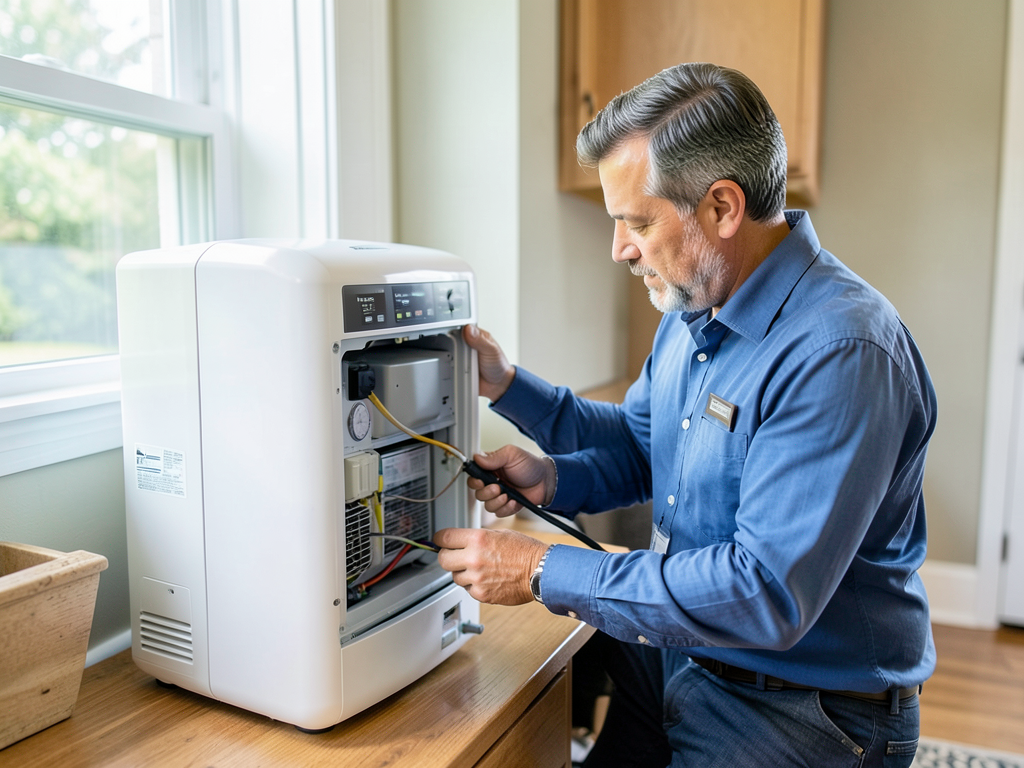
The Impact of High Mineral Content Water on Whole-Home Humidifiers in Waxahachie Living in Waxahachie means dealing with hard water that can cause problems for your whole-home humidifier. The high mineral content in North Texas…
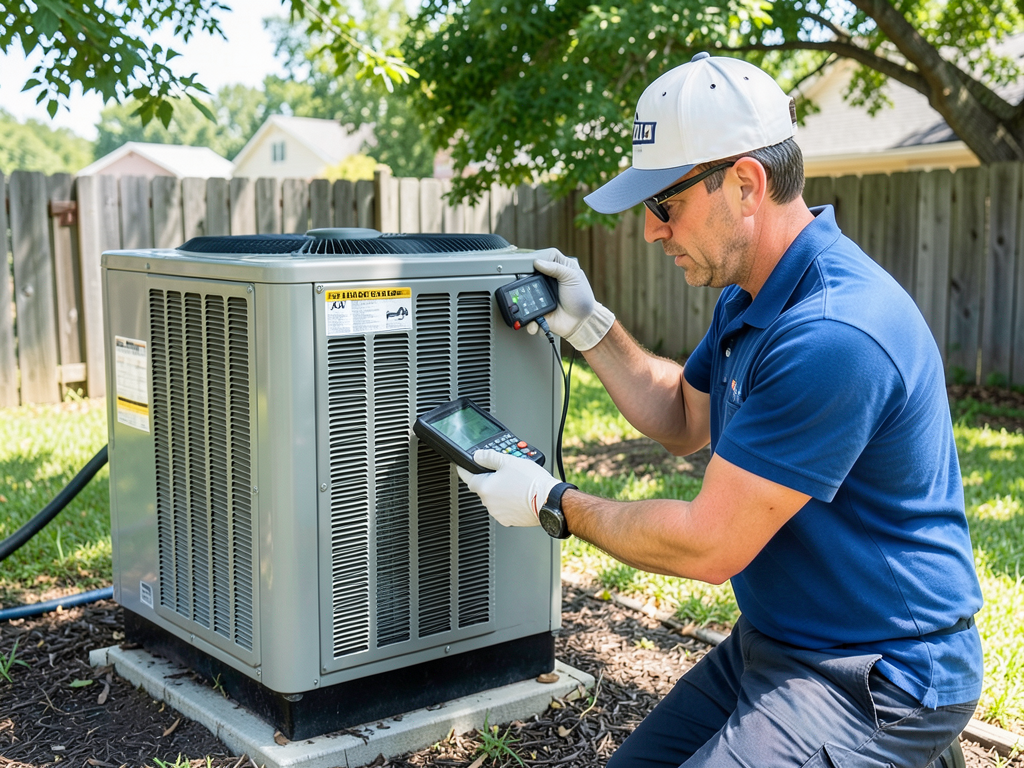
Why Your Outdoor AC Unit Sounds Like a Jet Engine (And How to Quiet It…
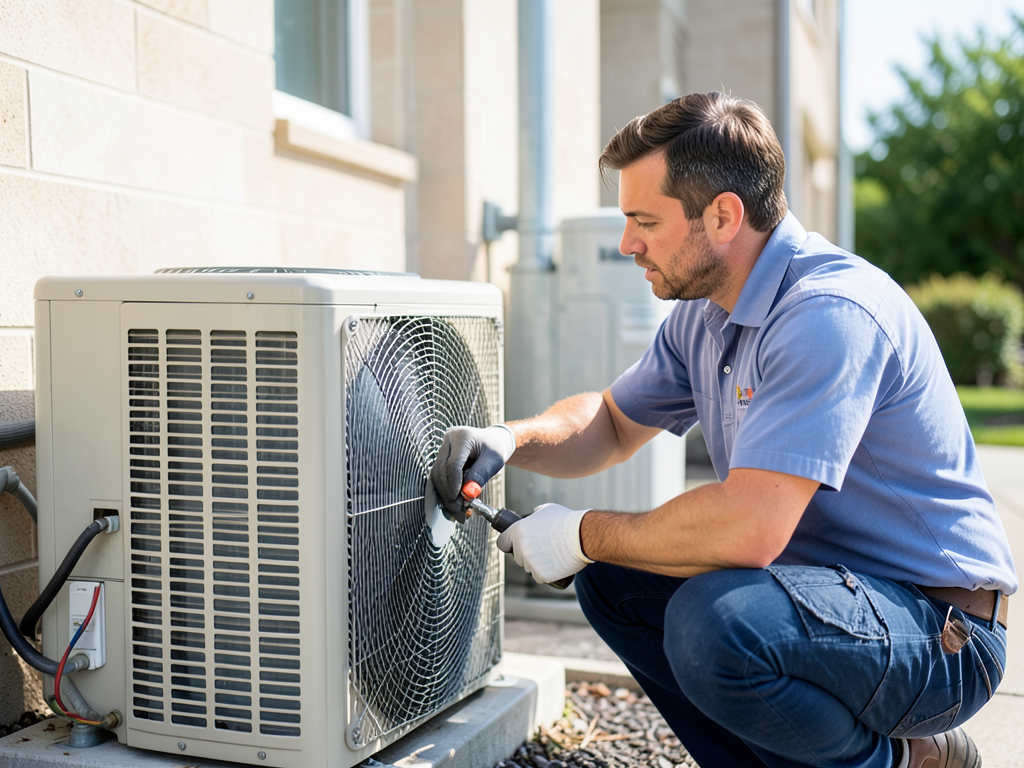
Dallas summers push air conditioners to their limits. When your AC stops working on a…
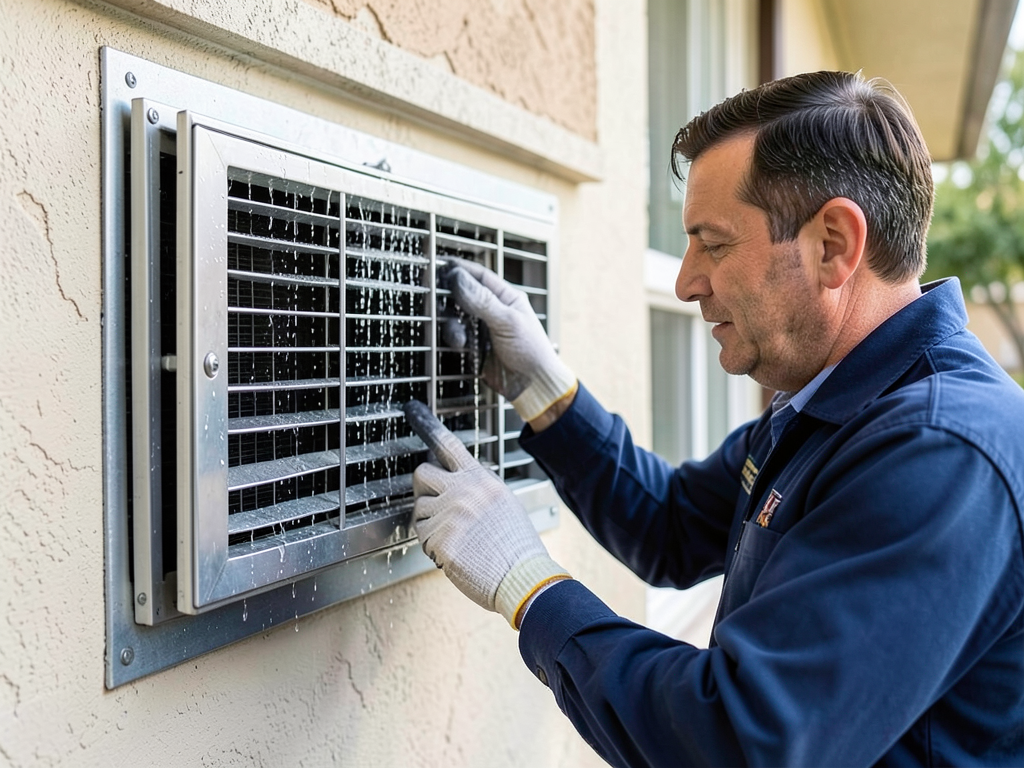
How to Keep Your AC Vents From Sweating and Dripping on Your Hardwood Floors When…
Don't wait when your heating or cooling system fails. Call Cornerstone HVAC Dallas at (972) 850-2750 now for fast service. Our technicians respond quickly with the parts and expertise to fix your HVAC problem right. We're available 24/7 for emergencies.