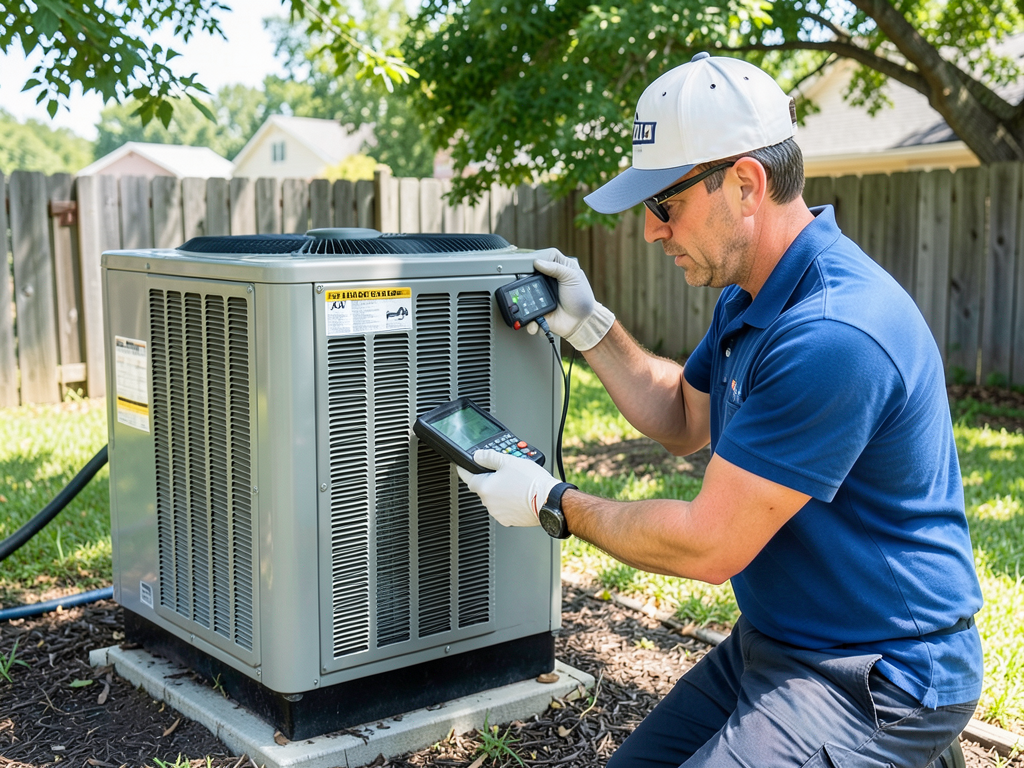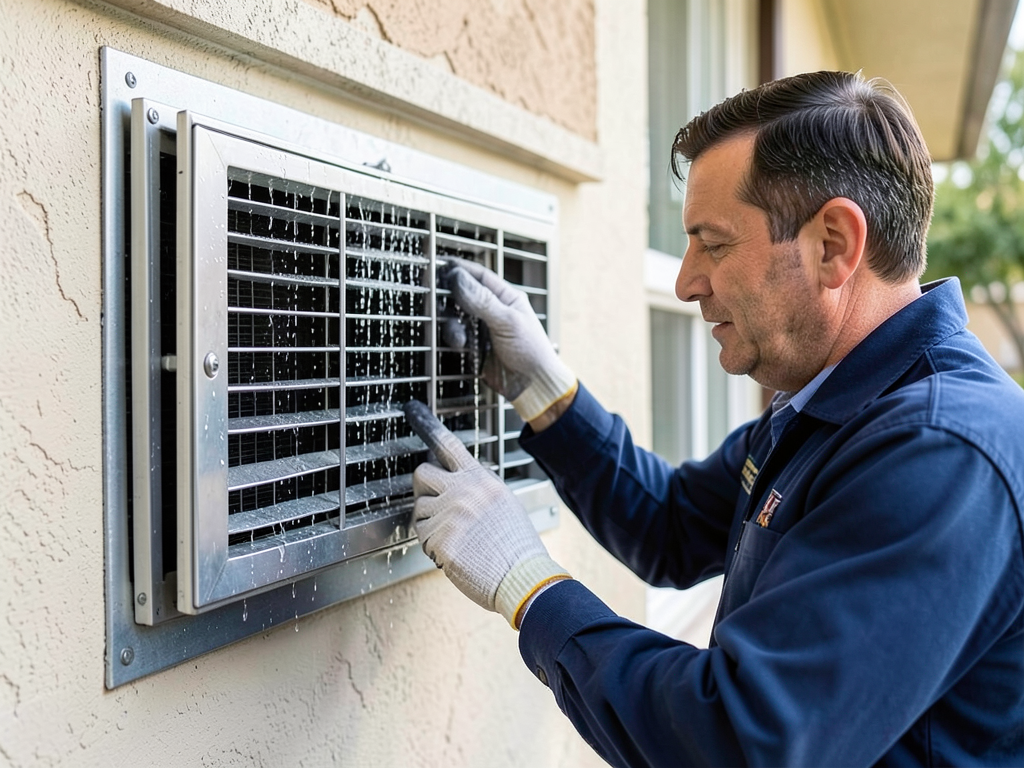







Dallas sits in a unique climate zone where summer dew points regularly hit 70 degrees while winter humidity can drop below 30 percent. This extreme seasonal variation creates condensation problems that accelerate mold and mildew growth inside air handlers and ductwork. When your AC runs during humid months, cold evaporator coils pull moisture from the air. If your condensate drain line clogs or your system short-cycles due to oversizing, that moisture never fully evacuates. It sits on coil fins and drip pans, feeding biofilm that produces the characteristic musty smell. During winter, when you switch to heat, dormant spores get blasted throughout your home. The clay soil under most Dallas homes also contributes, as foundation settling can disconnect duct joints and allow humid crawl space air to infiltrate your system.
Dallas homeowners need HVAC technicians who understand these local moisture dynamics and know how to design solutions that account for our climate extremes. Generic advice from national chains often misses critical factors like the need for oversized condensate drain lines in high-humidity zones or the importance of proper attic ventilation in homes where summer attic temperatures exceed 140 degrees. Cornerstone HVAC Dallas has diagnosed hundreds of odor complaints across every Dallas neighborhood, from older homes near White Rock Lake with original ductwork to new builds in Preston Hollow with modern zoned systems. We know which problems plague which housing types and which solutions actually work long-term in North Texas conditions.