





menu

Noisy AC or Heater in Dallas – Expert Diagnosis Stops the Racket Fast

Our technicians identify the exact source of loud air conditioner and furnace noises in one visit, fixing rattling compressors, worn blower motors, and loose ductwork before minor sounds turn into major system failures across the Dallas metro.

Slider Image 1
Slider Image 2
Slider Image 3
Slider Image 4
Slider Image 5
Slider Image 7
Slider Image 8
Slider Image 9
Slider Image 10
Slider Image 11

Why Your HVAC System Sounds Like a Freight Train in Dallas Homes

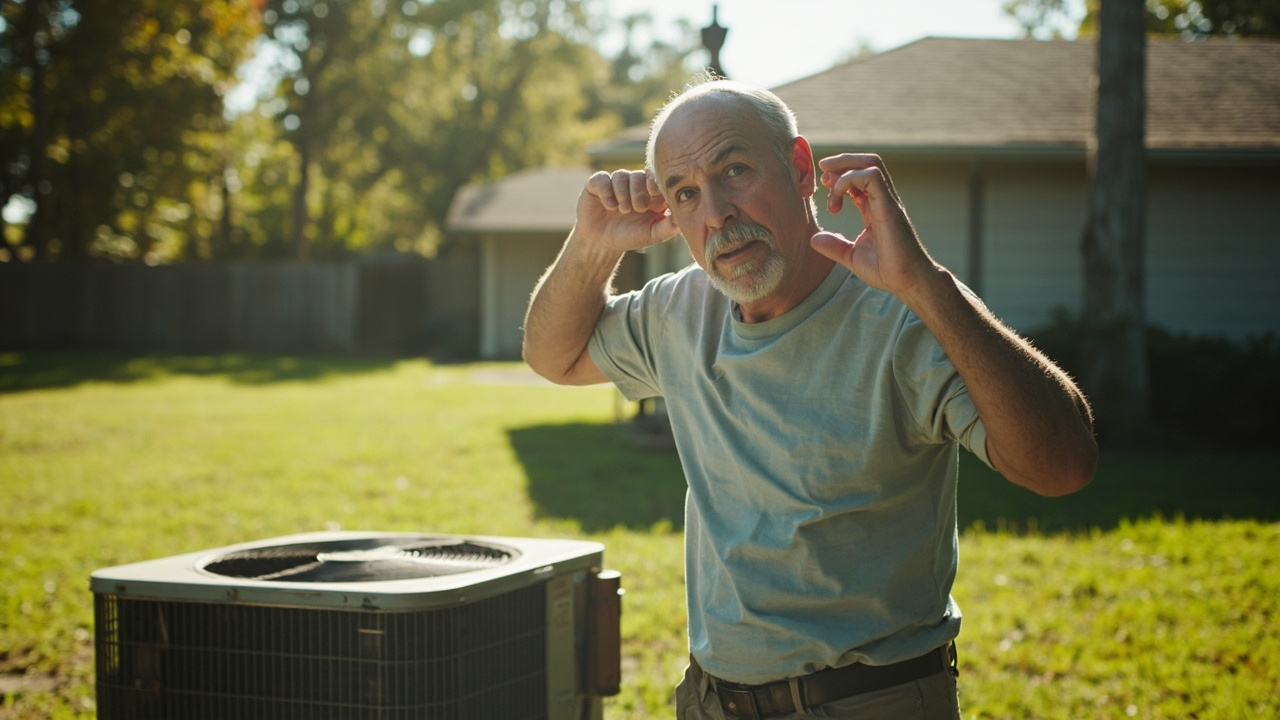
You hear it the second your system kicks on. A banging furnace. A screeching air conditioner. A loud heater that rattles the walls. The noise keeps you awake, disrupts dinner conversations, and makes you wonder if the whole unit is about to explode.

Dallas's extreme temperature swings put brutal stress on HVAC components. When your air conditioner runs 120 days straight during those 100-degree summers, compressor mounts loosen. Blower wheels collect dust and throw the balance off. Refrigerant lines vibrate against framing. When your furnace fires up during those surprise January freezes, heat exchangers expand and contract, cracking welds and creating banging sounds.

The clay soil underneath North Dallas and Plano homes shifts constantly. As your foundation settles, ductwork pulls apart at the seams. Sheet metal separates. Return air plenums develop gaps. Every cubic foot of air rushing through those gaps creates whistling, humming, or roaring sounds that echo through your walls.

A noisy hvac system is not just annoying. It signals mechanical wear that reduces efficiency by 15 to 30 percent. That grinding sound from your compressor means metal-on-metal contact. That squealing blower motor is running on worn bearings that will seize without warning. The longer you ignore a loud air conditioner or furnace making noise, the more expensive the repair becomes.

Most homeowners in Richardson and Frisco wait until the noise becomes unbearable. By then, a simple belt replacement has turned into a full blower motor swap or compressor failure.

Why Your HVAC System Sounds Like a Freight Train in Dallas Homes
How We Pinpoint and Eliminate HVAC Noise at the Source

How We Pinpoint and Eliminate HVAC Noise at the Source

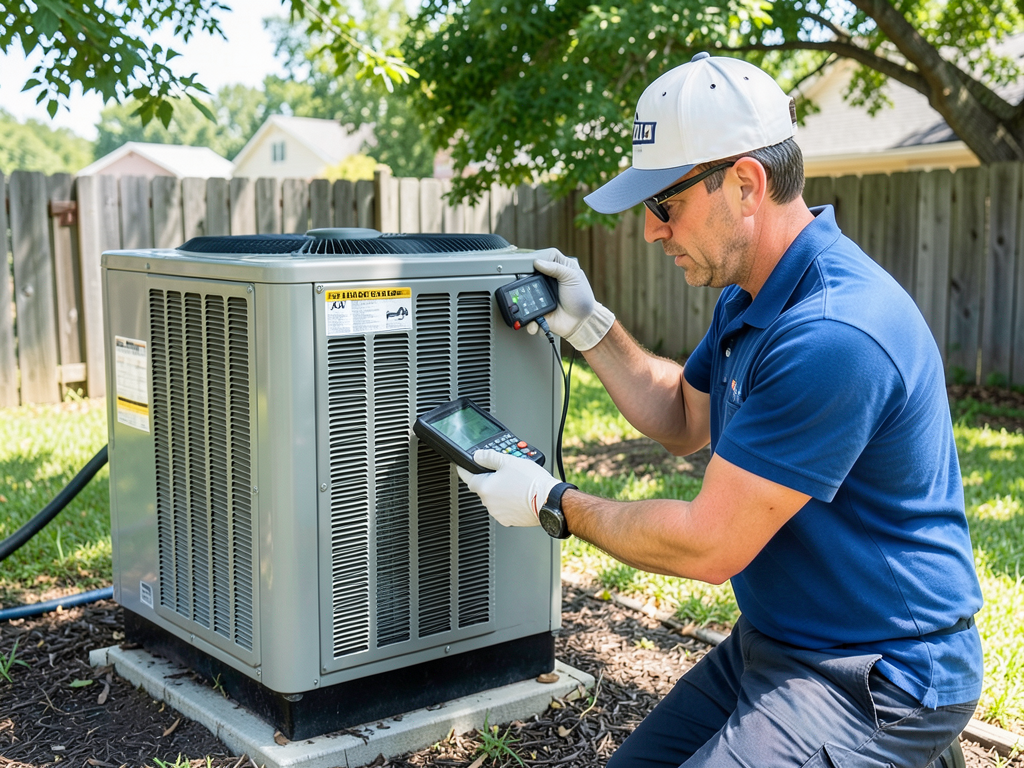
We do not guess. We diagnose with precision tools that isolate sound frequencies and vibration patterns. Our technicians arrive with decibel meters, thermal imaging cameras, and amperage testers to find the exact component causing your noisy ac or heater.

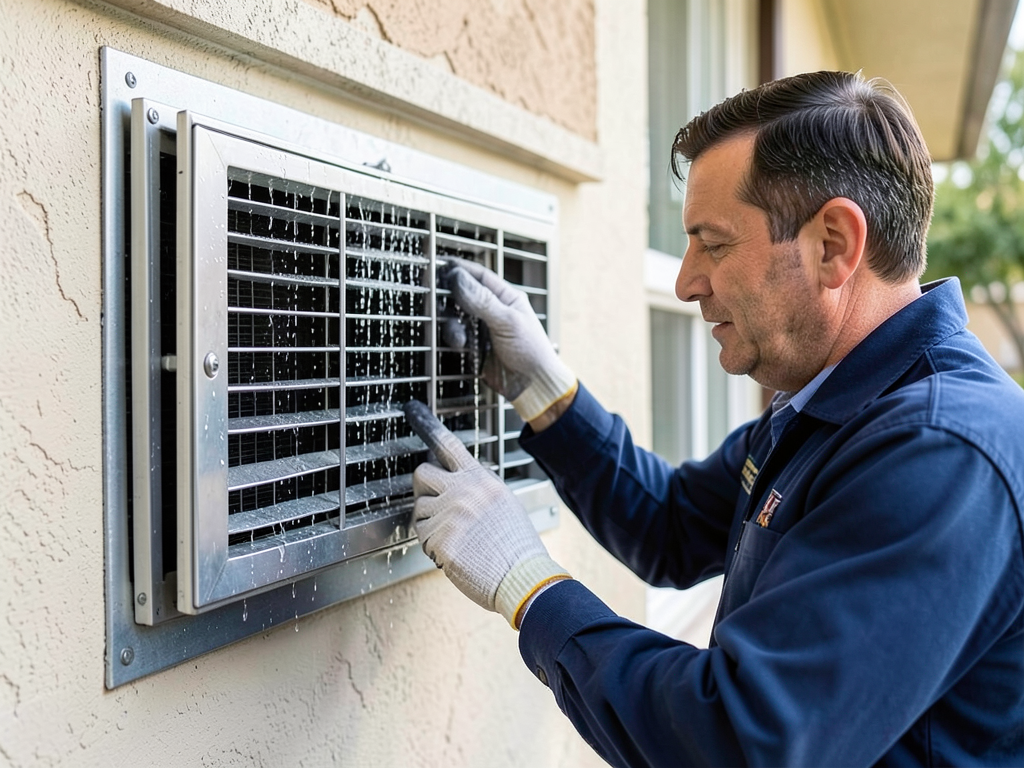
First, we run a full system cycle while measuring sound output at the air handler, condensing unit, and every supply register. We check compressor mount integrity, blower wheel balance, and motor bearing wear. We inspect every duct joint for separation, every refrigerant line for contact points, and every combustion chamber for cracked heat exchangers.

Dallas homes built before 1995 often have undersized ductwork that creates high air velocity and turbulent flow. We measure static pressure at the plenum and compare it to manufacturer specs. If your system is starving for return air, we identify the bottleneck. If your ducts are flexing and popping every cycle, we locate the weak points.

Loose electrical contactors create buzzing sounds. Failing capacitors hum at 60 Hz. Refrigerant undercharge causes compressors to run louder and hotter. We test voltage, capacitance, and refrigerant charge to eliminate electrical and mechanical noise sources.

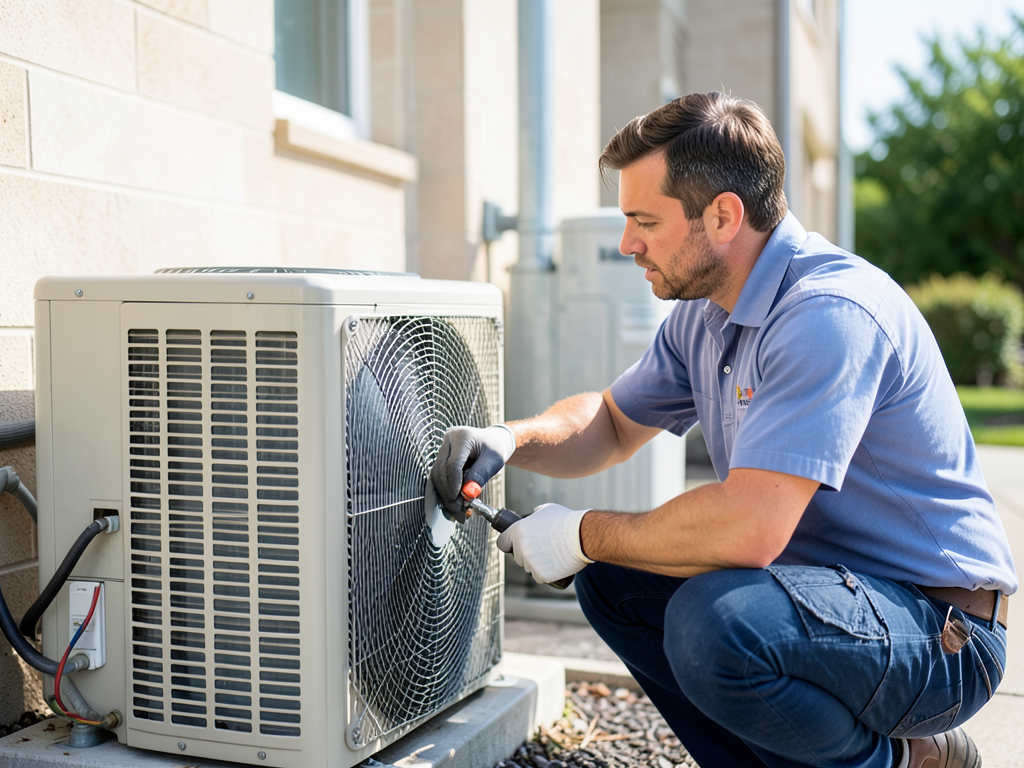
We do not just tighten a few screws and leave. If your blower motor is worn, we replace it with a direct OEM match. If your compressor mounts are cracked, we install new isolators rated for Texas heat. If your ductwork is undersized, we re-engineer the return air path to eliminate restriction.

Every repair we make targets the root cause, not the symptom. You get a quiet system that runs efficiently and lasts longer.

What Happens During a Noise Diagnosis Visit

Noisy AC or Heater in Dallas – Expert Diagnosis Stops the Racket Fast
01

Sound and System Assessment

We start by listening to your system run through a full heating and cooling cycle. Our technician uses a decibel meter to measure sound levels at the air handler, outdoor unit, and registers. We ask when the noise started, what it sounds like, and whether it happens during startup, shutdown, or continuous operation. This tells us if the problem is mechanical, electrical, or airflow-related.
02

Component Inspection and Testing

We open access panels and inspect every moving part. Blower motors get amp-tested for bearing wear. Compressors get checked for loose mounting bolts and refrigerant charge. Ductwork gets examined for separation, flex duct sag, and static pressure imbalance. Heat exchangers get scoped for cracks. Electrical contactors and capacitors get tested under load. We isolate the noise source with precision, not guesswork.
03

Repair and Verification

Once we identify the cause, we explain the repair in plain terms and give you the cost before we start. We replace worn components, tighten loose hardware, balance blower wheels, or re-secure ductwork. After the fix, we run the system again and measure sound levels to confirm the noise is gone. You hear the difference immediately. No rattles. No hums. Just smooth, quiet operation.

Why Dallas Homeowners Trust Cornerstone HVAC Dallas for Noise Repairs

We have been diagnosing and repairing loud hvac systems in Dallas, Richardson, Plano, and Frisco for years. We know how Texas heat accelerates compressor wear. We know how foundation movement in clay soil affects ductwork integrity. We understand the difference between a loose blower wheel and a cracked heat exchanger.

Our technicians are not just parts-swappers. They are trained diagnosticians who understand mechanical failure patterns and airflow dynamics. They carry the tools to measure amperage, capacitance, static pressure, and refrigerant subcooling on every call. They do not rely on guesswork or trial-and-error repairs.

We stock OEM replacement parts for every major brand sold in the Dallas metro. Carrier, Trane, Lennox, Rheem, Goodman, York. If your blower motor fails, we replace it that day with a factory-matched unit, not a universal substitute that might fit. If your compressor mount is cracked, we install the correct isolator, not a generic rubber pad.

Dallas building codes require proper duct sealing and static pressure balancing for new construction. We follow those same standards for every repair. If your ductwork is undersized or poorly sealed, we bring it up to code so your system runs quieter and more efficiently.

We do not upsell you on a new system if your current one can be fixed. If your 12-year-old unit has a worn blower motor, we replace the motor. If your compressor is shot and the rest of the system is failing, we tell you the truth. You get honest advice based on the actual condition of your equipment, not a sales quota.

When we leave, your system runs quietly. You sleep through the night. Your energy bills drop because the system is no longer working twice as hard to move air.

What to Expect When You Call About a Noisy HVAC System

Same-Day Diagnosis Availability

We schedule most noise diagnosis calls within 24 hours. If your system is making a dangerous sound like grinding metal or gas combustion backfiring, we prioritize the call and send someone that day. Our technicians arrive in a fully stocked van with diagnostic tools, replacement parts, and the experience to fix most noise issues in one visit. You do not wait days for parts to arrive or schedule multiple appointments.

Thorough Multi-Point Inspection

Our noise diagnosis is not a five-minute visual inspection. We spend 45 to 60 minutes running your system, measuring performance, and testing components under load. We check amperage draw on motors, capacitance on start capacitors, refrigerant pressures, static pressure in ducts, and voltage at contactors. We inspect ductwork, mounting hardware, and heat exchangers. You get a complete picture of what is causing the noise and what other issues might be developing.

Permanent Fixes, Not Bandaids

We do not tighten a loose panel and call it fixed. If the noise comes from a worn bearing, we replace the motor. If the ductwork is undersized and creating turbulence, we re-engineer the return air path. If the compressor is failing, we give you honest options for replacement. Every repair we make addresses the root cause so the noise does not come back in two weeks. You get a system that runs quietly for years.

Post-Repair Performance Verification

After we complete the repair, we run the system through multiple cycles and measure sound levels again. We verify that temperatures match setpoints, airflow is balanced, and the noise is eliminated. We explain what we fixed, why it was making noise, and what you can do to prevent future issues. You get a detailed invoice that shows exactly what parts were replaced and what labor was performed. No surprises. No return trips.

Frequently Asked Questions

You Have Questions,
We Have Answers

Why is my AC so loud all of a sudden? +

A sudden increase in AC noise usually signals a failing component. Loose fan blades create a rattling or clanking sound. Worn compressor bearings produce grinding or squealing. Debris in the outdoor unit causes banging. Dallas heat makes systems work harder, accelerating wear on moving parts. If you hear new sounds, turn off the unit to prevent further damage. A rattling blower wheel or loose mounting bolts are common culprits. Refrigerant leaks can cause hissing. Do not ignore loud noises. They rarely fix themselves and usually worsen. A technician can diagnose the source before a small issue becomes a complete system failure.

What is the 3 minute rule for AC? +

The 3 minute rule prevents short cycling and compressor damage. After your AC shuts off, wait 3 minutes before restarting. This allows refrigerant pressure to equalize between the high and low sides of the system. Restarting too quickly forces the compressor to start against high pressure, causing strain and potential failure. Most modern thermostats have built-in delay timers. In Dallas, where systems run almost continuously during summer, this protection is critical. If your system short cycles frequently, you have a bigger problem like incorrect sizing, low refrigerant, or a faulty thermostat. Short cycling reduces efficiency and shortens equipment life.

What are the signs of a failing furnace? +

A failing furnace shows several warning signs. You notice yellow or flickering pilot light flames instead of steady blue, indicating incomplete combustion and potential carbon monoxide risk. The blower runs constantly or struggles to start. You smell gas or burning odors. Heating becomes uneven, with cold spots throughout your home. Strange noises like banging, popping, or rumbling mean mechanical failure or cracked heat exchangers. Your energy bills spike without explanation. Dallas winters are mild, but you still need reliable heat. Frequent cycling or delayed ignition signals problems. Rust or corrosion on the heat exchanger is serious. Address these signs immediately to prevent safety hazards.

What is the $5000 AC rule? +

The $5000 AC rule is not an official guideline but a consumer shorthand. If repair costs exceed $5000 or half the replacement cost of a new system, replacement makes more financial sense. Consider the age of your unit. If it is over 10 years old and needs expensive repairs, replacement delivers better long-term value. Dallas heat puts extreme stress on AC systems. Factor in rising energy bills from inefficient older units. A newer, high-efficiency system pays for itself through lower operating costs. Evaluate refrigerant type too. R-22 refrigerant is being phased out, making repairs on older systems increasingly expensive.

What does an AC compressor sound like when it's going bad? +

A failing AC compressor makes distinct sounds. You hear a grinding noise from worn internal bearings. Squealing or screeching signals a failing motor or loose belt on older models. Clicking without the compressor starting indicates electrical failure. A hard start creates a stuttering or chattering sound as the compressor struggles to engage. Rattling suggests loose internal components or mounting bolts. In Dallas heat, compressors work overtime and fail faster. Hissing or bubbling sounds point to refrigerant leaks. If the compressor hums loudly but does not start, the motor is seized or capacitors have failed. Do not run the system if you hear grinding.

How to tell if an AC blower motor is going out? +

A dying blower motor shows specific symptoms. Weak airflow from vents means the motor cannot spin the blower wheel at proper speed. You hear squealing or screeching from worn bearings. The motor overheats and shuts off frequently, causing inconsistent temperatures. You smell burning or notice the circuit breaker tripping. Rattling or banging sounds indicate a loose blower wheel. Higher energy bills occur as the motor draws more current while struggling. In Dallas, where systems run constantly, blower motors wear faster. If the motor hums but does not spin, the capacitor likely failed. Complete motor failure leaves you without air circulation.

How cool should my house be if it's 100 outside? +

When outside temperatures hit 100 degrees in Dallas, expect your home to stay around 75 to 80 degrees. Most residential AC systems can cool about 20 degrees below outdoor temperature. Pushing your thermostat lower forces the system to run continuously without reaching setpoint. This wastes energy and stresses components. Older homes with poor insulation struggle more. Direct sun exposure on west-facing walls increases heat load. Close blinds during peak sun hours. Ensure your system is properly sized for your square footage. If indoor temperature exceeds 80 degrees, you may have low refrigerant, dirty coils, or insufficient airflow. Schedule maintenance before summer peaks.

What is the 2 foot rule for HVAC? +

The 2 foot rule requires clear space around HVAC equipment for proper airflow and safe access. Keep outdoor condenser units free from vegetation, fences, and debris within a 2 foot radius. This prevents airflow restriction, which reduces efficiency and causes overheating. Indoor air handlers and furnaces need 2 feet of clearance for filter changes and service access. Dallas landscaping grows fast. Trim shrubs regularly. Blocked airflow forces the system to work harder, increasing energy costs and shortening equipment life. The rule also ensures technicians can safely service your unit. Crowded equipment creates fire hazards and ventilation problems with gas furnaces.

How do the amish keep cool in the summer? +

The Amish cool their homes without electricity through passive design and lifestyle. They build homes with high ceilings, cross ventilation, and large porches for shade. They use whole-house fans, basement coolers, and ice blocks in front of fans. Windows stay open at night to capture cool air. They avoid heat-generating appliances during the day. While these methods work in moderate climates, Dallas summer heat makes them impractical for most households. Temperatures routinely exceed 100 degrees with high humidity. The Amish approach requires significant lifestyle adjustment and home design changes. Modern AC systems are necessary for comfort and safety in extreme heat.

What does it sound like when a furnace is going out? +

A failing furnace produces several distinct sounds. Banging or popping during startup means delayed ignition, where gas builds up before igniting. This can crack the heat exchanger. Rumbling after shutdown indicates dirty burners or a failing gas valve. Squealing or screeching points to worn blower motor bearings or belt issues. Rattling suggests loose ductwork or internal components. A humming sound without heat means electrical problems or a stuck blower motor. Clicking without ignition signals a faulty igniter or gas valve. Dallas homeowners need functional furnaces for winter comfort. Unusual sounds mean immediate inspection. Ignoring these warnings risks carbon monoxide exposure or complete system failure.

How Dallas Heat and Foundation Shift Accelerate HVAC Noise Problems

Dallas summers run your air conditioner harder and longer than almost anywhere in the country. When your condensing unit runs 10 hours a day for four straight months, compressor mounts vibrate loose, fan blades collect debris and throw balance off, and refrigerant lines rub against service panels. The constant expansion and contraction of metal components creates stress cracks in mounting brackets and ductwork seams. Add in the clay soil shift that affects every home from North Dallas to Plano, and your ductwork separates at joints, creating whistling and rumbling sounds as air leaks through gaps.

Cornerstone HVAC Dallas understands the specific conditions that cause noisy hvac systems in this region. We have diagnosed noise issues in homes across Richardson, Frisco, and the greater Dallas metro. We know which duct sealing methods hold up in shifting foundations. We know which compressor isolators handle the thermal stress of Texas heat. We follow Dallas building code standards for duct installation and static pressure balancing. When you hire a local team that understands regional challenges, you get repairs that last.
HVAC Services in The Dallas Area

Looking for expert HVAC services near you? Cornerstone HVAC Dallas proudly serves homeowners and businesses throughout the greater Dallas area with professional heating and cooling repairs, system installations, indoor air quality solutions, and emergency HVAC services. From Plano to Arlington, our certified technicians are ready to deliver fast, efficient service wherever you are. Use the map below to explore our coverage areas and discover trusted HVAC support right around the corner.

Address:
Cornerstone HVAC Dallas, 5956 Sherry Ln, Suite 2000, Dallas, TX, 75225

Additional Services We Offer

Our news updates

Latest Articles & News from The Blogs

How to Solve C-Wire Issues When Upgrading Your Thermostat in Highland Village Upgrading to a smart thermostat in Highland Village…

How to Solve C-Wire Issues When Upgrading Your Thermostat in Highland Village

How to Solve C-Wire Issues When Upgrading Your Thermostat in Highland Village Upgrading to a smart thermostat in Highland Village…

A Simple Guide to SEER2 Ratings for Homeowners in Little Elm

A Simple Guide to SEER2 Ratings for Homeowners in Little Elm If you’re shopping for a new air conditioner in…

Choosing the Right Climate Control for Your Westlake Pool House or Luxury Cabana

Choosing the Right Climate Control for Your Westlake Pool House or Luxury Cabana Living in Westlake means dealing with Texas…

Contact Us

Call Cornerstone HVAC Dallas at (972) 850-2750 right now. We will diagnose the source of your loud air conditioner or furnace making noise and fix it fast. Same-day service available across the Dallas metro.