





Irving sits in the heart of North Texas where summer temperatures regularly exceed 100 degrees from June through September. Your air conditioner runs 10 to 12 hours daily during peak season, creating extreme wear on compressors, capacitors, and condenser coils. The Trinity River floodplain creates high humidity levels that corrode outdoor units and promote mold growth in ductwork. Winter brings freeze-thaw cycles that crack heat exchangers and damage outdoor coil fins.
The clay soil throughout Irving expands and contracts with moisture changes, shifting foundation slabs that stress ductwork connections and refrigerant lines. Homes near DFW Airport and along the 114 corridor experience constant vibration that loosens electrical connections. Las Colinas high-rises deal with rooftop unit exposure to intense sun and wind, while older neighborhoods like North Lake have aging systems in homes built before modern efficiency standards existed. Your HVAC system faces conditions here that equipment in milder climates never encounters.
We built our reputation in Irving by showing up when other companies won't. While competitors quote 3-day wait times or tack on weekend surcharges, we dispatch technicians around the clock because we know a broken AC in July isn't just uncomfortable, it's dangerous for kids, elderly family members, and pets. Our service vans stay stocked with the parts that fail most often in North Texas heat, which means we fix most problems on the first visit instead of ordering parts and coming back later.
Every technician on our team holds NATE certification and completes ongoing training on new equipment technologies. We don't send rookies to your home. You get experienced professionals who diagnose problems accurately the first time, explain what failed and why, and present repair options in plain language without pressure tactics. We've repaired thousands of systems across Irving neighborhoods from Valley Ranch to Hackberry Creek, and our track record speaks through word-of-mouth referrals from satisfied customers.
Our pricing stays transparent. You see the cost before we start work, with no hidden fees for after-hours service or "trip charges" that inflate the bill. We respect your time by arriving within the scheduled window and cleaning up completely when the job finishes. When we say we'll be there, we show up. When we quote a price, that's what you pay. That reliability has made us the first call for Irving homeowners when their HVAC systems quit working.

We dispatch technicians to Irving homes within hours of your call, not tomorrow or next week. Our trucks run 24/7 because AC failures don't wait for business hours. You get fast response when you're sweating through a Texas summer night or shivering through a winter cold snap.

Our vans carry the capacitors, contactors, thermostats, and motors that fail most often in North Texas heat. We complete most repairs on the first visit instead of scheduling return trips to install parts ordered later. That gets your system running faster and saves you time.
Every technician who enters your Irving home holds North American Technician Excellence certification and completes regular training on new HVAC technologies. You get experienced professionals who diagnose problems correctly, not apprentices learning on your equipment. That accuracy prevents repeat breakdowns and wasted service calls.
We've serviced systems in every Irving neighborhood from Las Colinas high-rises to North Lake family homes. We understand how foundation movement affects ductwork, how airport proximity impacts outdoor units, and how local building codes apply to HVAC installations. That local knowledge translates to faster, more accurate service.
Cornerstone HVAC Dallas handles every air conditioning and heating need that Irving property owners face. Our service range covers emergency breakdowns that need immediate attention, planned system replacements that improve efficiency and reliability, and preventive maintenance that stops failures before they happen. We service all major brands including Carrier, Trane, Lennox, Rheem, Goodman, and American Standard.
Our technicians diagnose and repair split systems, package units, heat pumps, gas furnaces, and electric heating systems. We work on residential homes from single-story ranch houses to multi-story estates, plus commercial properties including retail spaces, office buildings, and restaurants. Whether you need a quick capacitor replacement or a complete system installation, we bring the expertise and equipment to complete the job correctly. Our goal is keeping Irving comfortable year-round through reliable HVAC service that addresses immediate problems and prevents future breakdowns.
System breakdowns happen without warning, usually during the worst possible weather. We dispatch technicians around the clock to diagnose and repair failed air conditioners, frozen evaporator coils, broken heat pumps, and malfunctioning furnaces. Our trucks carry common failure parts so we restore cooling or heating on the first visit in most cases. No waiting days for parts orders or return appointments while your family suffers through extreme temperatures.
When repair costs approach replacement value or your 15-year-old system keeps breaking down, we help Irving homeowners select and install new high-efficiency equipment. We calculate proper system sizing based on home square footage, insulation levels, and ductwork capacity. Our installations include load calculations, permit acquisition, city inspections, and manufacturer warranty registration. You get reliable cooling and heating plus lower energy bills from modern equipment.
Regular maintenance catches small problems before they become expensive failures. Our tune-up service includes cleaning condenser coils, checking refrigerant levels, testing capacitors and contactors, lubricating motors, inspecting ductwork, and replacing filters. We schedule maintenance twice yearly, before cooling season and before heating season, so your system runs efficiently when you need it most. Maintained systems last longer and break down less often than neglected equipment.
North Texas heat and humidity create specific failure patterns that Irving residents encounter repeatedly. Understanding these common problems helps you recognize warning signs before complete system failure leaves your home without cooling. The intense summer workload stresses components that might last longer in milder climates. Clay soil movement unique to this region damages ductwork and refrigerant lines. High humidity promotes biological growth that affects indoor air quality and system efficiency.
Most failures happen during the first extreme heat wave in June when systems that sat idle all spring suddenly run at maximum capacity for hours. Catching problems during spring maintenance prevents these mid-summer breakdowns. Recognizing early warning signs like weak airflow, strange noises, or rising energy bills lets you schedule repairs before minor issues become major failures that require expensive emergency service.
Capacitors give your compressor and fan motors the electrical jolt needed to start. Texas heat degrades these components faster than normal, causing sudden system failure. When your outdoor unit hums but won't start or your indoor blower won't run, failed capacitors are usually the culprit. These are quick repairs if caught early.
Foundation movement from expanding clay soil stresses refrigerant lines running between indoor and outdoor units. Small leaks develop at connections or where lines pass through walls. Your system runs constantly but never reaches the thermostat setting. Ice forms on indoor coils. Refrigerant must be recovered, leaks repaired, and systems recharged to proper levels.
Your outdoor unit pulls air through thin aluminum fins that easily clog with cottonwood seeds, grass clippings, and dust. Blocked airflow causes high head pressure that damages compressors and reduces cooling capacity. Regular coil cleaning prevents this gradual efficiency loss that many homeowners don't notice until their electric bills spike and their homes won't cool properly.
Irving attics reach 150 degrees in summer. That extreme heat degrades duct tape and mastic seals, causing connections to separate. Conditioned air pours into your attic instead of into living spaces. You notice weak airflow from certain vents and rooms that won't cool. Sealing these leaks improves comfort and reduces wasted energy.
We know you're stressed when your HVAC system fails. You're hot, uncomfortable, and worried about costs. Our process focuses on removing that stress through clear communication, fast response, and transparent pricing. From your first call to final payment, you'll know exactly what's happening, when we'll arrive, what we found, and what repairs will cost.
We don't play games with pricing or pressure you into unnecessary upgrades. You get honest assessments and real solutions. Our technicians explain problems in plain language, show you the failed parts when possible, and present options that fit your budget and timeline. You make informed decisions based on facts, not sales pitches. That straightforward approach has earned trust across Irving neighborhoods where customers refer friends and family because they know we'll treat them fairly.
When you call our office, you speak with a real person who asks targeted questions to understand your problem. We dispatch the nearest available technician and provide a specific arrival window, not all-day ranges that waste your time. You receive a text when the technician is 30 minutes away. Emergency calls get priority scheduling. Most Irving customers see a technician within 3 to 4 hours of their first call.
Our technicians inspect your entire system, not just the obvious problem. We test electrical components, measure refrigerant pressures, check airflow, and examine ductwork. You get a complete explanation of what failed, why it failed, and what other issues might need attention soon. We provide written quotes before starting any repair work so you approve costs upfront with no surprises on the final bill.
We use OEM or equivalent-quality replacement parts, never cheap aftermarket components that fail quickly. Repairs include workmanship guarantees and manufacturer parts warranties. After completing work, we test system operation to verify proper cooling or heating. We clean up completely and explain maintenance steps that prevent future problems. You get follow-up contact to confirm everything works correctly.
We've streamlined HVAC service to three essential steps that get your system running quickly while keeping you informed throughout the process. No confusion, no delays, no hidden steps that add costs.
Your call triggers immediate technician dispatch to your Irving location. We ask key questions to help our technician prepare, then provide your arrival window and send confirmation via text. Our dispatcher coordinates with the technician to navigate traffic and arrive promptly. You track progress through text updates and can call our office anytime for status checks.
The technician examines your entire HVAC system using diagnostic tools and testing equipment. We identify the root cause, not just symptoms, and check for related problems that could cause future failures. You receive a clear explanation of what failed and why, plus a written quote for repairs. We answer questions and discuss options before starting any work.
After you approve the quote, we complete repairs using quality parts from our stocked truck. We test system operation thoroughly, checking temperatures, pressures, and airflow to verify proper performance. You see the system running correctly before we leave. We provide maintenance recommendations and answer any questions about operating your repaired system efficiently.
Irving enforces the International Mechanical Code and International Residential Code with local amendments that govern HVAC installations and repairs. Any system replacement or major modification requires permit acquisition and final inspection by city building officials. These regulations protect homeowners by ensuring proper equipment sizing, safe refrigerant handling, correct electrical connections, and adequate combustion air for gas furnaces.
Refrigerant handling follows EPA Section 608 regulations that require certified technicians to recover existing refrigerant before opening sealed systems, repair leaks before recharging, and maintain records of refrigerant amounts added. Texas licenses HVAC contractors through the Texas Department of Licensing and Regulation, which sets minimum standards for technician training and business operations. All work must meet manufacturer installation specifications to preserve equipment warranties.
Load calculations determine proper system sizing using Manual J methodology that accounts for home square footage, insulation R-values, window areas, orientation, and typical occupancy. Oversized systems short-cycle and fail to dehumidify properly. Undersized systems run continuously without reaching desired temperatures. Ductwork sizing follows Manual D protocols to ensure proper air distribution and system efficiency. Improper duct sizing creates pressure imbalances that reduce equipment lifespan and waste energy.
Modern high-efficiency systems require specific installation practices including proper refrigerant charging using subcooling or superheat methods, not just pressure charts. Thermostatic expansion valves require precise superheat settings. Variable-speed air handlers need airflow verification using static pressure measurements. These technical requirements separate professional installations from amateur work that causes premature failures and voided warranties.
Irving requires permits for system replacements, new installations, and ductwork modifications. The city inspects refrigerant line installations, electrical connections, combustion venting, and condensate drainage. Unpermitted work voids equipment warranties and creates problems during home sales. We handle all permit applications and coordinate inspection scheduling as part of installation service.
Proper system sizing requires Manual J load calculations specific to your home's construction, not guessing based on square footage alone. Correctly sized equipment runs longer cycles that dehumidify effectively and maintain even temperatures. Higher SEER ratings reduce operating costs but increase upfront investment. We help balance efficiency benefits against budget constraints for your situation.
R-22 refrigerant is no longer produced, making repairs expensive on older systems. New equipment uses R-410A, which requires different operating pressures and compatible components. You cannot simply convert R-22 systems to R-410A. When R-22 repairs become costly, replacement with modern equipment makes financial sense for long-term reliability and efficiency.
Typical Irving homes lose 20 to 30 percent of conditioned air through duct leaks in attics and crawlspaces. Proper sealing uses mastic or foil-backed tape at all connections. Duct insulation prevents condensation and reduces heat gain in unconditioned spaces. Sealed ductwork improves comfort, lowers energy bills, and reduces system runtime.
This video explains common HVAC problems affecting Irving, Texas homeowners and how North Texas climate accelerates air conditioning system failures. Topics include capacitor failure from extreme heat, refrigerant leaks caused by foundation movement, condenser coil blockage, and ductwork issues in attic installations. The video provides guidance on recognizing warning signs, understanding repair versus replacement decisions, and selecting qualified HVAC service providers in the Irving area.
Cornerstone HVAC Dallas provides complete air conditioning and heating service throughout Irving and surrounding North Texas communities. Our service area covers every Irving neighborhood from the master-planned communities of Las Colinas and Valley Ranch to established areas like North Lake, Hackberry Creek, and the historic downtown district near Heritage Park. We service homes and businesses along the 114 corridor, near DFW Airport, and throughout the Las Colinas Urban Center where high-rise buildings require specialized HVAC expertise.
Each Irving neighborhood presents unique HVAC challenges. Las Colinas properties include luxury homes with zoned systems and rooftop commercial units exposed to extreme sun and wind. The older North Lake area features homes built in the 1960s and 1970s with aging ductwork in cramped attics that complicate repairs and replacements. Valley Ranch neighborhoods include energy-efficient homes with modern variable-speed systems that require advanced diagnostic capabilities. Downtown Irving properties mix historic buildings with limited mechanical spaces and newer construction with high-efficiency equipment.
We also serve surrounding communities including Coppell to the northwest, Farmers Branch to the east, Grand Prairie to the south, and parts of Dallas proper. Our technicians know the area thoroughly, navigating efficiently between service calls to minimize response times. We understand how proximity to DFW Airport affects outdoor unit performance through constant vibration and debris. We've worked with the local building inspection offices on countless installations and know exactly what Irving officials expect for code compliance.
Whether you live near the Toyota Music Factory, work in the Las Colinas business district, own rental properties throughout Irving, or operate a restaurant along Highway 183, we provide the same fast response and quality service. Our reputation spans the entire Irving community through referrals from satisfied customers who trust us to maintain their comfort year-round. When your HVAC system needs repair, replacement, or maintenance anywhere in the Irving area, you get experienced technicians who know your neighborhood and arrive prepared to solve your specific problem.
The $5000 rule is a quick calculation to help you decide between repair or replacement. Multiply the age of your system by the repair cost. If the total exceeds $5000, replacement makes more financial sense. For example, a 12-year-old system needing $500 in repairs equals $6000, suggesting replacement. In Irving's hot summers, older systems strain harder, reducing efficiency. This rule helps you avoid throwing money at failing equipment when a new, energy-efficient system would save you more long-term on utility bills and prevent repeated breakdowns.
In Irving, basic HVAC repairs typically range from $150 to $500 for common issues like thermostat problems or capacitor replacements. More complex jobs, such as compressor or evaporator coil replacements, can run higher. Full system replacements vary widely based on home size, equipment efficiency, and ductwork condition. Labor costs, equipment tier (standard versus high-efficiency models), and necessary permits all influence the final price. Get multiple quotes from local contractors who understand Irving's climate demands and can assess your specific situation before committing to any work.
A new HVAC system in Irving typically ranges from mid-range to higher-end investments, depending on home size and efficiency ratings. Factors include equipment brand, SEER rating (higher efficiency costs more upfront but saves long-term), ductwork modifications, and installation complexity. Irving's extreme summer heat pushes systems hard, so many homeowners choose higher SEER units (16-20+) for better performance and lower bills. Two-stage or variable-speed systems cost more initially but handle humidity better and run quieter. Always get detailed quotes that include labor, permits, and warranty coverage.
The $5000 rule is a quick calculation to help you decide between repair or replacement. Multiply the age of your system by the repair cost. If the total exceeds $5000, replacement makes more financial sense. For example, a 12-year-old system needing $500 in repairs equals $6000, suggesting replacement. In Irving's hot summers, older systems strain harder, reducing efficiency. This rule helps you avoid throwing money at failing equipment when a new, energy-efficient system would save you more long-term on utility bills and prevent repeated breakdowns.
In Irving, basic HVAC repairs typically range from $150 to $500 for common issues like thermostat problems or capacitor replacements. More complex jobs, such as compressor or evaporator coil replacements, can run higher. Full system replacements vary widely based on home size, equipment efficiency, and ductwork condition. Labor costs, equipment tier (standard versus high-efficiency models), and necessary permits all influence the final price. Get multiple quotes from local contractors who understand Irving's climate demands and can assess your specific situation before committing to any work.
A new HVAC system in Irving typically ranges from mid-range to higher-end investments, depending on home size and efficiency ratings. Factors include equipment brand, SEER rating (higher efficiency costs more upfront but saves long-term), ductwork modifications, and installation complexity. Irving's extreme summer heat pushes systems hard, so many homeowners choose higher SEER units (16-20+) for better performance and lower bills. Two-stage or variable-speed systems cost more initially but handle humidity better and run quieter. Always get detailed quotes that include labor, permits, and warranty coverage.
Dirty or clogged air filters cause the most common HVAC problems in Irving. When filters get packed with dust, pet hair, and pollen, airflow drops. Your system works harder, efficiency plummets, and components overheat. This leads to frozen evaporator coils, blower motor failure, and higher electric bills. Irving's climate means systems run almost year-round, so filters clog faster. Check your filter monthly during peak seasons. Most homeowners should replace standard filters every 30-60 days. This simple step prevents expensive repairs and keeps your system running efficiently.
For a 4000 square foot home in Irving, expect to invest significantly in a properly sized system. You'll need a larger-capacity unit, often 4-5 tons or more, depending on insulation, ceiling height, and window exposure. Multi-zone systems or dual units may be necessary for proper coverage and efficiency. High-efficiency models with better SEER ratings cost more upfront but handle Irving's brutal summers without skyrocketing your electric bills. Ductwork modifications, zoning controls, and installation complexity add to the total. Get a detailed load calculation from a qualified contractor.
Your HVAC may qualify for federal tax credits if it meets specific efficiency standards. As of recent legislation, systems with SEER2 ratings of 16 or higher for central air, or high-efficiency heat pumps, may be eligible. Credits can cover a percentage of equipment and installation costs, with annual caps. Requirements change, so verify current IRS guidelines before purchasing. Some utility companies serving Irving also offer rebates for high-efficiency installations. Keep all receipts, manufacturer certifications, and model numbers. Consult a tax professional to confirm eligibility and maximize your savings.
Installing AC in a 1000 square foot house in Irving typically requires a 1.5 to 2-ton unit. Costs vary based on whether you're adding central air to an existing forced-air system with ductwork, or starting from scratch. If ductwork already exists, you'll pay less. New duct installation adds significantly to the project. Equipment efficiency (SEER rating), brand, and installation complexity all affect pricing. Irving's heat demands reliable cooling, so choosing quality equipment matters. Get quotes from multiple licensed contractors who can assess your home's specific needs and insulation quality.
Standard homeowners insurance rarely covers HVAC repairs from normal wear and tear or lack of maintenance. Insurance typically covers sudden, unexpected damage from covered perils like lightning strikes, fire, vandalism, or storm damage. If a tree falls on your condenser during a storm, you're likely covered. If your compressor fails after 15 years of use, you're not. Some home warranty companies offer HVAC coverage for mechanical breakdowns, but read the fine print carefully. Regular maintenance and timely repairs prevent most failures and keep your system running when Irving temperatures soar.
Most HVAC systems last 15 to 20 years with proper maintenance in Irving's climate. Furnaces often reach 20-25 years, while air conditioners and heat pumps typically last 15-18 years due to harder workloads. Irving's long cooling seasons and high summer temperatures stress AC components more than moderate climates. Systems that receive annual professional maintenance, clean filters, and prompt repairs for small issues last longer. Poor maintenance, oversized or undersized equipment, and cheap installations shorten lifespan significantly. If your system approaches 15 years and needs frequent repairs, start planning for replacement.
Fall (October-November) and early spring (March-April) offer the best pricing for HVAC system purchases in Irving. Demand drops after summer's peak cooling season and before the next heat wave hits. Contractors have more availability, can schedule installation faster, and often run promotions to fill their calendars. You'll get better attention to detail when technicians aren't rushing between emergency calls. Avoid buying during July-August when everyone's AC fails simultaneously and prices spike. Planning ahead lets you research options, compare quotes, and choose the right system without panic-driven decisions.
Dirty or clogged air filters cause the most common HVAC problems in Irving. When filters get packed with dust, pet hair, and pollen, airflow drops. Your system works harder, efficiency plummets, and components overheat. This leads to frozen evaporator coils, blower motor failure, and higher electric bills. Irving's climate means systems run almost year-round, so filters clog faster. Check your filter monthly during peak seasons. Most homeowners should replace standard filters every 30-60 days. This simple step prevents expensive repairs and keeps your system running efficiently.
For a 4000 square foot home in Irving, expect to invest significantly in a properly sized system. You'll need a larger-capacity unit, often 4-5 tons or more, depending on insulation, ceiling height, and window exposure. Multi-zone systems or dual units may be necessary for proper coverage and efficiency. High-efficiency models with better SEER ratings cost more upfront but handle Irving's brutal summers without skyrocketing your electric bills. Ductwork modifications, zoning controls, and installation complexity add to the total. Get a detailed load calculation from a qualified contractor.
Your HVAC may qualify for federal tax credits if it meets specific efficiency standards. As of recent legislation, systems with SEER2 ratings of 16 or higher for central air, or high-efficiency heat pumps, may be eligible. Credits can cover a percentage of equipment and installation costs, with annual caps. Requirements change, so verify current IRS guidelines before purchasing. Some utility companies serving Irving also offer rebates for high-efficiency installations. Keep all receipts, manufacturer certifications, and model numbers. Consult a tax professional to confirm eligibility and maximize your savings.
Installing AC in a 1000 square foot house in Irving typically requires a 1.5 to 2-ton unit. Costs vary based on whether you're adding central air to an existing forced-air system with ductwork, or starting from scratch. If ductwork already exists, you'll pay less. New duct installation adds significantly to the project. Equipment efficiency (SEER rating), brand, and installation complexity all affect pricing. Irving's heat demands reliable cooling, so choosing quality equipment matters. Get quotes from multiple licensed contractors who can assess your home's specific needs and insulation quality.
Standard homeowners insurance rarely covers HVAC repairs from normal wear and tear or lack of maintenance. Insurance typically covers sudden, unexpected damage from covered perils like lightning strikes, fire, vandalism, or storm damage. If a tree falls on your condenser during a storm, you're likely covered. If your compressor fails after 15 years of use, you're not. Some home warranty companies offer HVAC coverage for mechanical breakdowns, but read the fine print carefully. Regular maintenance and timely repairs prevent most failures and keep your system running when Irving temperatures soar.
Most HVAC systems last 15 to 20 years with proper maintenance in Irving's climate. Furnaces often reach 20-25 years, while air conditioners and heat pumps typically last 15-18 years due to harder workloads. Irving's long cooling seasons and high summer temperatures stress AC components more than moderate climates. Systems that receive annual professional maintenance, clean filters, and prompt repairs for small issues last longer. Poor maintenance, oversized or undersized equipment, and cheap installations shorten lifespan significantly. If your system approaches 15 years and needs frequent repairs, start planning for replacement.
Fall (October-November) and early spring (March-April) offer the best pricing for HVAC system purchases in Irving. Demand drops after summer's peak cooling season and before the next heat wave hits. Contractors have more availability, can schedule installation faster, and often run promotions to fill their calendars. You'll get better attention to detail when technicians aren't rushing between emergency calls. Avoid buying during July-August when everyone's AC fails simultaneously and prices spike. Planning ahead lets you research options, compare quotes, and choose the right system without panic-driven decisions.
Looking for expert HVAC services near you? Cornerstone HVAC Dallas proudly serves homeowners and businesses throughout the greater Dallas area with professional heating and cooling repairs, system installations, indoor air quality solutions, and emergency HVAC services. From Plano to Arlington, our certified technicians are ready to deliver fast, efficient service wherever you are. Use the map below to explore our coverage areas and discover trusted HVAC support right around the corner.
Address:
Irving, TX, 75060
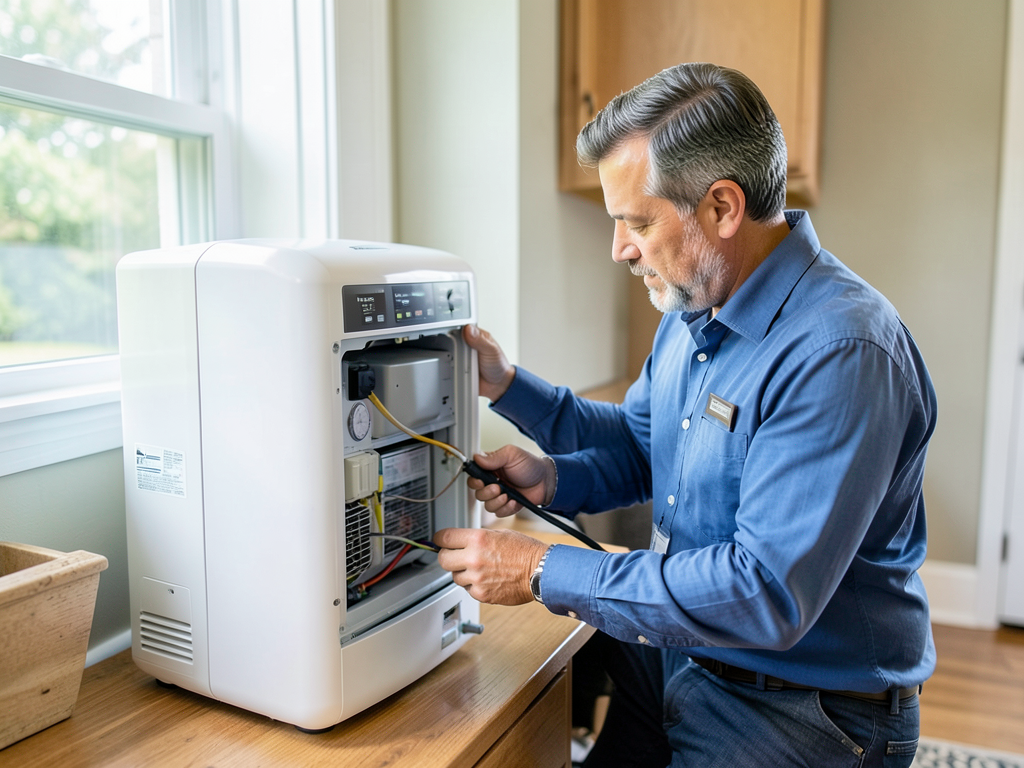
The Impact of High Mineral Content Water on Whole-Home Humidifiers in Waxahachie Living in Waxahachie means dealing with hard water that can cause problems for your whole-home humidifier. The high mineral content in North Texas…
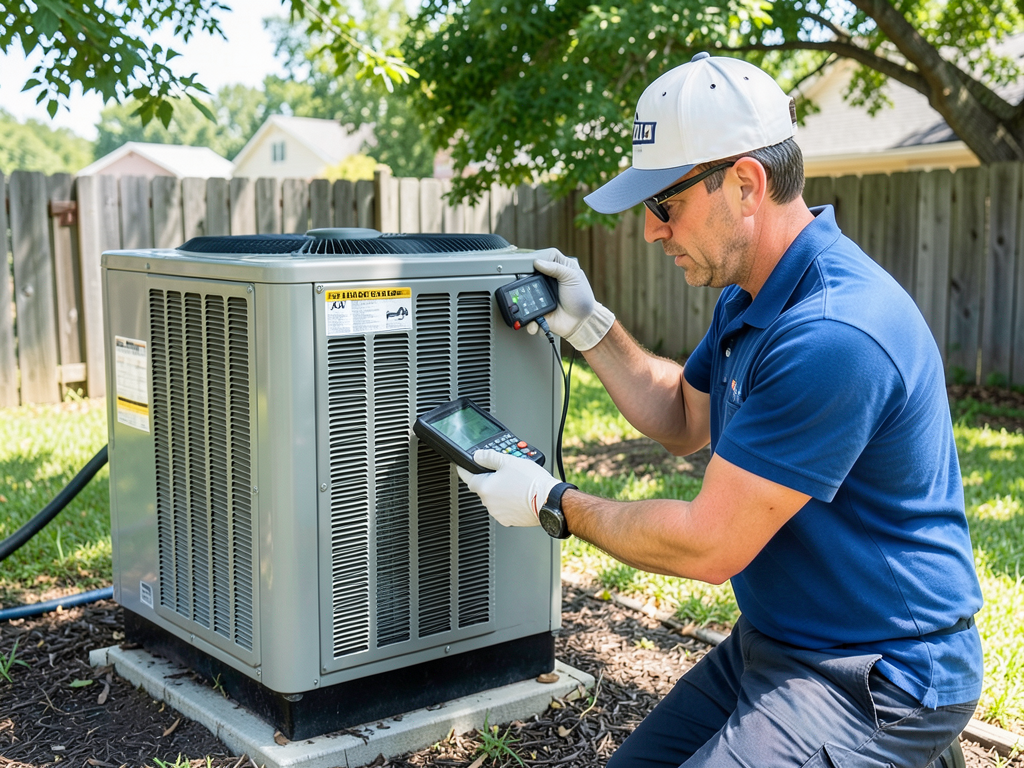
Why Your Outdoor AC Unit Sounds Like a Jet Engine (And How to Quiet It…
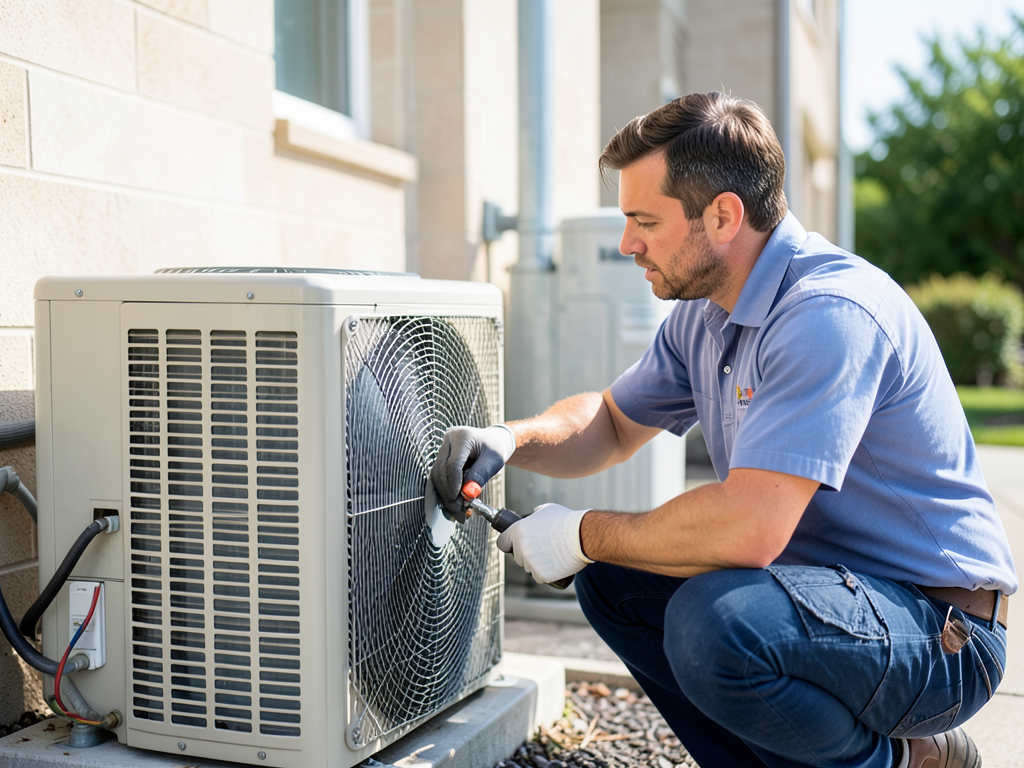
Dallas summers push air conditioners to their limits. When your AC stops working on a…
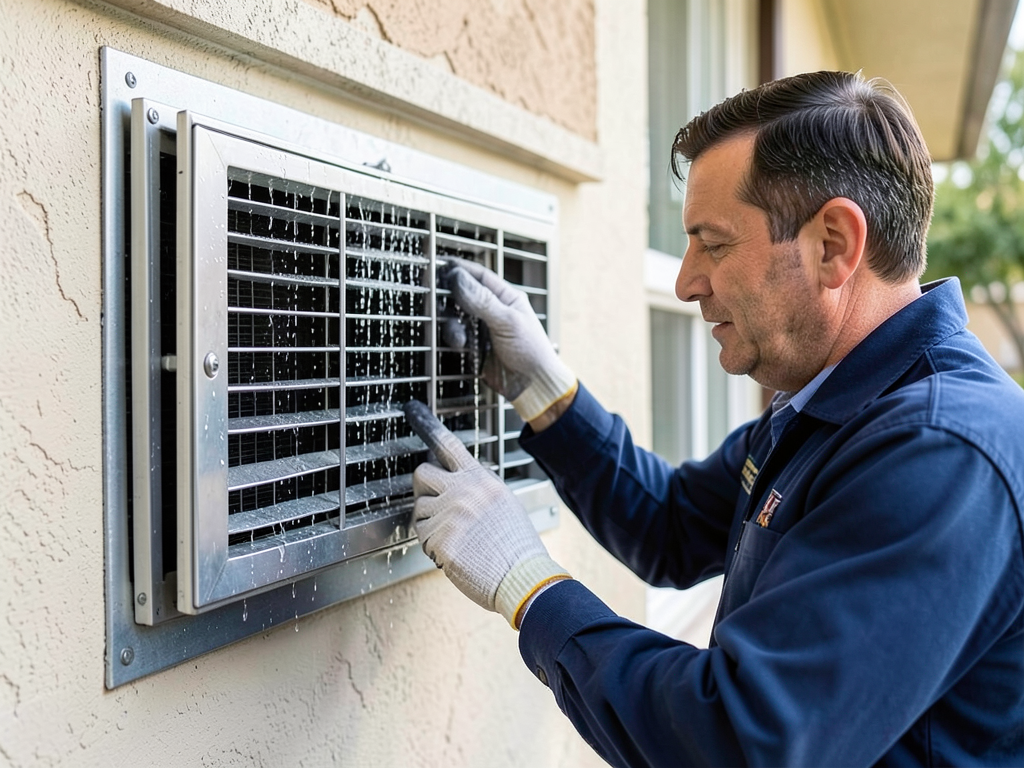
How to Keep Your AC Vents From Sweating and Dripping on Your Hardwood Floors When…
Your comfort can't wait. Call Cornerstone HVAC Dallas at (972) 850-2750 right now for same-day service on AC and heating repairs. Our technicians are ready to dispatch to your Irving home with the parts and expertise to restore your comfort today.