





Highland Park's mix of historic homes and modern construction creates specific HVAC demands. Homes in Old Highland Park and Hackberry Creek often feature original ductwork from the 1920s and 1930s, built before modern insulation standards. These older systems struggle with Texas heat loads, forcing air conditioners to run constantly and driving up energy bills.
The clay soil throughout Dallas County causes foundation shifts that stress ductwork connections. Even minor settling creates air leaks that waste 20 to 30 percent of cooled air before it reaches living spaces. Highland Park's tree canopy provides shade but drops leaves and debris that clog outdoor condensing units, reducing efficiency and shortening equipment life.
Modern Highland Park homes near Armstrong Parkway face different issues. Oversized AC units installed by builders cycle on and off too frequently, failing to remove humidity. Rooms feel clammy even when temperatures drop. Zoning systems in multi-story homes malfunction when installers skip proper damper balancing.
Texas heat puts extreme stress on HVAC equipment. Highland Park sees 100-degree days from June through September, forcing air conditioners to work at maximum capacity for months. Systems that might last 20 years in moderate climates fail in 12 to 15 years here. Regular maintenance becomes critical, not optional.
Cornerstone HVAC Dallas built our reputation in Highland Park through honest service and technical expertise. We don't work on commission, so our technicians never pressure you to replace equipment that can be repaired. When we recommend replacement, we show you exactly why repair doesn't make financial sense, with photos and clear cost comparisons.
Our technicians average 12 years of field experience and receive ongoing training on residential and commercial systems. We work on everything from 1930s gravity furnaces in historic Highland Park homes to modern variable-speed heat pumps in new construction. This experience matters when diagnosing intermittent problems that stump other companies.
We stock parts for major brands on every service truck, which means most repairs finish the same day. Other companies order parts and return later, leaving you without cooling or heating. Our inventory investment costs more upfront but saves Highland Park customers time and discomfort.
Response time defines emergency service. We answer calls 24/7 and dispatch within one hour for no-cooling emergencies when temperatures exceed 90 degrees. You get a real person on the phone, not an answering service. We text when the technician is 15 minutes away, so you're not waiting by the window.
Highland Park customers appreciate our transparent pricing. We provide written quotes before starting work, with parts and labor separated. No surprise charges appear on the final bill. If we find additional problems during repair, we stop and get your approval before proceeding.

We dispatch emergency calls within one hour when your AC fails during Highland Park's brutal summer heat. Our trucks stock common parts for immediate repair, so most customers get cooling restored the same day. No waiting days for appointments while temperatures climb past 100 degrees inside your home.

Our technicians work on salary, not commission, which eliminates pressure to oversell. We repair equipment whenever repair makes financial sense. When we recommend replacement, you see photos of the failed components and detailed cost comparisons. Highland Park customers tell us they trust our recommendations because we've talked them out of unnecessary replacements.
Our team services everything from vintage gravity furnaces in Old Highland Park to modern variable-speed systems with smart thermostats. We maintain commercial HVAC for Highland Park Village retailers and residential systems in single-family homes. This range of experience means we solve complex problems other companies can't diagnose.
We understand Highland Park's unique housing stock and HVAC challenges. Our technicians know which homes have undersized return air, which neighborhoods experience foundation movement, and how clay soil affects ductwork. This local knowledge speeds diagnosis and prevents repeat callbacks for the same problem.
Cornerstone HVAC Dallas provides full-spectrum heating and cooling services throughout Highland Park. We handle emergency repairs when systems fail, planned maintenance to prevent breakdowns, and complete system replacement when equipment reaches end of life. Our service range covers residential homes from small bungalows to estates, plus commercial HVAC for retail spaces and office buildings.
Highland Park's extreme temperature swings demand different services throughout the year. Air conditioning repair dominates summer calls, while heating system service peaks during winter cold snaps. We staff accordingly, maintaining fast response times year-round. Our maintenance programs include spring AC tune-ups before cooling season and fall furnace inspections before heating season.
System replacement requires careful sizing and duct evaluation. We perform Manual J load calculations for every installation, ensuring your new equipment matches your home's actual heating and cooling requirements. Undersized units run constantly and fail early. Oversized units cycle rapidly and waste energy. Proper sizing matters more than brand names.
We separate our services into three main categories based on urgency and scope. Emergency repairs get priority dispatch. Planned replacements allow time for proper design and installation. Maintenance prevents both categories by catching problems early, before they cause system failure or major damage.
When your air conditioner quits during a Texas heat wave or your furnace fails on a freezing night, you need immediate response. We dispatch emergency calls within one hour and arrive with diagnostic tools and common parts. Our technicians troubleshoot electrical failures, refrigerant leaks, compressor problems, blower motor failures, and control board issues. Most emergency repairs finish same-day because we stock parts on every truck. You get your system running again fast.
System replacement goes beyond swapping equipment. We perform Manual J load calculations to size your new system correctly, evaluate ductwork for leaks and proper sizing, and design solutions for hot or cold rooms. Our installations include new thermostats, fresh refrigerant lines, updated electrical connections, and duct sealing when needed. We pull permits and schedule city inspections. Highland Park homes get custom solutions, not cookie-cutter installations.
Regular maintenance prevents emergency breakdowns and extends equipment life. Our tune-ups include refrigerant level checks, electrical connection testing, condensate drain cleaning, air filter replacement, and blower motor lubrication. We catch small problems before they cause system failure. Highland Park customers on maintenance plans get priority scheduling and discounted repairs. Spring AC tune-ups prepare systems for summer heat loads. Fall furnace inspections ensure safe heating operation.
Highland Park's climate and housing characteristics create predictable HVAC problems. Understanding these issues helps homeowners recognize warning signs before minor problems become expensive failures. The combination of extreme heat, foundation movement, and aging housing stock stresses heating and cooling systems in specific ways.
Old Highland Park homes built before 1950 often lack proper insulation and feature undersized ductwork designed for smaller, less efficient equipment. Modern high-efficiency systems move more air and require larger return ducts than original installations provided. This creates negative pressure that pulls unconditioned air through wall penetrations, reducing efficiency.
Foundation shifts from clay soil expansion and contraction disconnect duct joints and crack plenum boxes. These leaks waste conditioned air in attics and crawl spaces, forcing systems to run longer to maintain temperature. Homeowners notice higher energy bills before they discover the actual problem.
Texas heat punishes outdoor condensing units. Compressors fail when debris clogs condenser coils and reduces airflow. Capacitors weaken in extreme temperatures and fail to start motors. Refrigerant leaks develop at vibration points when copper lines work-harden from constant operation. These problems spike during peak summer months when temperatures exceed 100 degrees for weeks.
Systems that run constantly but can't reach thermostat settings usually suffer from refrigerant leaks, dirty condenser coils, or duct leakage. Highland Park's summer heat exposes undersized equipment that worked fine in spring. Low refrigerant reduces cooling capacity while wasting energy. Dirty coils reduce heat rejection, forcing compressors to work harder and fail sooner.
Hot second floors and cold first floors indicate duct design problems or damper failures. Multi-story Highland Park homes need proper air balancing to distribute cooling evenly. Closed or blocked registers, disconnected ducts, and insufficient return air all create temperature imbalances. Zoning systems fix these problems by conditioning different areas independently.
Oversized air conditioners cool spaces quickly but shut off before removing humidity. Rooms feel clammy even at 72 degrees. This problem affects newer Highland Park homes where builders installed oversized equipment for marketing purposes. Properly sized systems run longer cycles that dehumidify while cooling. Variable-speed equipment solves this problem in existing installations.
Complete system failure during July and August heat waves usually involves capacitor failure, compressor burnout, or electrical problems. Texas heat weakens capacitors that start motors. Compressors fail when running at maximum capacity for months without rest. These failures are preventable through spring maintenance that catches weakening components before they fail.
We designed our service process to eliminate the frustrations Highland Park customers complain about with other HVAC companies. You talk to real people who answer technical questions, not offshore call centers reading scripts. We show up when promised, in clearly marked trucks, with technicians in company uniforms. Our service vans carry diagnostic equipment and common parts for immediate repair.
Communication starts when you call and continues until the job finishes. We provide arrival time windows and text when the technician is 15 minutes away. During diagnosis, technicians explain what they find in plain language, show you the problem components, and provide written repair quotes before starting work. You approve all work before we proceed.
Our technicians protect your home during service calls. We wear shoe covers indoors, lay down floor protection when moving equipment, and clean up completely before leaving. Highland Park homes deserve respect, whether we're working on a routine maintenance call or a major system replacement. This attention to detail separates professional service from careless contractors.
Pricing transparency matters as much as technical competence. We provide itemized quotes with parts and labor separated. Our rates stay consistent whether we're working on a Tuesday afternoon or Sunday emergency. No price gouging during heat waves when customers are desperate.
Emergency calls get dispatched within one hour when temperatures exceed 90 degrees and your AC fails. We answer phones 24/7 with real people, not answering services. You receive a text with your technician's name, photo, and estimated arrival time. We call if we're running late, which rarely happens. Our scheduling system builds in realistic travel time for Highland Park's traffic patterns.
Our technicians perform complete system evaluation, not just Band-Aid fixes. We test refrigerant pressures, measure airflow, check electrical connections, and inspect ductwork. You see photos of problem components and get written explanations of what failed and why. We present repair options with honest recommendations. If your system needs replacement, we explain exactly why repair doesn't make financial sense.
All repairs include written warranties on parts and labor. We guarantee our work and return if problems develop. System installations include manufacturer warranties plus our workmanship guarantee. You receive detailed documentation of all work performed, parts installed, and warranty terms. Our goal is solving your HVAC problem permanently, not creating repeat service calls.
We keep HVAC service simple and transparent. Most companies complicate the process with unnecessary steps and delays. Our approach focuses on fast diagnosis, honest recommendations, and quality repairs that last.
Call us at (972) 850-2750 and speak with someone who understands HVAC, not a call center operator. We gather information about your system and symptoms, then schedule a service window that fits your day. Emergency calls get dispatched immediately. You receive a text with technician details and arrival time. We respect your schedule and show up when promised.
Our technician evaluates your entire system, not just the obvious problem. We test all components, check refrigerant levels, measure airflow, and inspect electrical connections. You receive a clear explanation of what's wrong, why it failed, and what it costs to fix. We provide written quotes before starting any repair work and never add surprise charges.
Once you approve the quote, we complete repairs using quality parts backed by manufacturer warranties. After repair, we test system operation and verify proper performance. You receive documentation of all work performed, parts installed, and warranty information. We clean up completely and explain how to prevent future problems. Your HVAC system works properly when we leave.
Professional HVAC installation and repair in Highland Park requires adherence to specific codes and industry standards that protect homeowners and ensure system performance. The City of Highland Park enforces mechanical codes based on the International Mechanical Code, which mandates proper sizing, installation methods, and safety protocols. All system replacements and major modifications require permits and inspections.
Manual J load calculations determine correct equipment sizing for Highland Park homes. This ACCA protocol accounts for home square footage, insulation levels, window area and orientation, occupancy, and internal heat loads. Proper sizing prevents short cycling, humidity problems, and premature equipment failure. Contractors who skip this step and guess at tonnage create problems that persist for the life of the equipment.
Refrigerant handling follows EPA Section 608 regulations requiring certified technicians and proper recovery procedures. R-410A systems operate at higher pressures than older R-22 equipment, demanding different installation techniques and safety protocols. Refrigerant leaks must be repaired before recharging systems. Simply adding refrigerant without fixing leaks wastes money and damages the environment.
Ductwork installation and modification must meet ACCA Manual D standards for proper sizing and layout. Undersized ducts create high static pressure that reduces airflow and efficiency. Leaky ducts waste 25 to 40 percent of conditioned air in typical Highland Park homes. Professional duct sealing with mastic compound and proper insulation in unconditioned spaces significantly improves system performance and reduces energy costs.
Highland Park's clay soil creates unique installation challenges. Outdoor condensing units require stable concrete pads that resist settling and maintain level position. Unlevel units cause compressor oil migration and premature failure. Proper pad installation includes compacted gravel base and reinforced concrete minimum four inches thick.
Highland Park requires mechanical permits for system replacement, major repairs, and duct modifications. Inspections verify proper installation, electrical connections, gas line sizing, condensate drainage, and combustion air supply for furnaces. Permitted work protects your investment and ensures insurance coverage. Contractors who skip permits to save money create liability for homeowners.
Correct tonnage depends on load calculations, not square footage rules of thumb. Highland Park homes with mature trees and good insulation need less capacity than sun-exposed homes with poor insulation. Variable-speed equipment costs more upfront but provides better humidity control and efficiency. Brand matters less than proper installation and regular maintenance.
Professional installation includes proper refrigerant line sizing, nitrogen purging during brazing, vacuum testing before charging, and airflow verification. Ductwork gets sealed with mastic and insulated in unconditioned spaces. Condensate drains receive proper pitch and secondary overflow protection. These details determine whether your system lasts 12 years or 20 years.
Texas heat demands annual maintenance before cooling season starts. Spring tune-ups include coil cleaning, refrigerant level checks, electrical connection testing, and capacitor evaluation. Filter changes every 30 to 90 days depending on home occupancy and pets prevent airflow restriction. Fall furnace inspections check heat exchangers, burner operation, and carbon monoxide safety.
Highland Park HVAC repair guidance covering common air conditioning problems in North Dallas homes. Explains how Texas heat, clay soil, and home age affect heating and cooling systems. Details emergency AC repair, system replacement sizing, duct sealing benefits, and preventive maintenance schedules. Provides honest advice on refrigerant leaks, compressor failures, and humidity control for Highland Park residential properties.
Cornerstone HVAC Dallas serves all of Highland Park, from historic neighborhoods near Armstrong Parkway to established areas around Lakeside Park and newer developments throughout the community. Our technicians know Highland Park's street layout, traffic patterns, and response routes for emergency calls. We maintain fast response times whether you're located near Highland Park Village, in the Hackberry Creek area, or along Turtle Creek Boulevard.
Old Highland Park presents unique HVAC challenges with homes built in the 1920s and 1930s featuring original ductwork, minimal insulation, and architectural details that complicate modern system installation. We've worked on countless historic Highland Park homes, understanding how to integrate efficient equipment without compromising original character. Homes near Beverly Drive and in the Preston Hollow boundary areas often feature similar vintage construction requiring specialized expertise.
The eastern sections of Highland Park closer to Knox Street and the Dallas border include both mid-century homes and contemporary renovations. These properties often feature updated HVAC systems but suffer from duct leakage in older homes or oversized equipment in newer construction. We provide duct sealing services and right-sized replacement systems that match actual cooling loads.
Highland Park's position in Dallas County means we also serve nearby University Park, parts of Preston Hollow, and neighborhoods along Mockingbird Lane. Our service area extends throughout North Dallas, but Highland Park remains a focus community where we've built strong relationships through reliable service. The proximity to downtown Dallas and major corridors like Central Expressway allows fast emergency response from our dispatch location.
Commercial properties in Highland Park Village and along Preston Road require different expertise than residential service. We maintain rooftop package units, split systems serving retail spaces, and commercial refrigeration for Highland Park businesses. This commercial experience enhances our residential service because we understand larger, more complex systems.
Highland Park homeowners near Lakeside Drive and around Exall Park experience foundation movement from clay soil that stresses ductwork connections. We've repaired countless duct disconnections in crawl spaces and attics caused by settling. Understanding this local soil condition helps us diagnose problems faster and recommend preventive measures during system replacement.
HVAC replacement expenses in Highland Park TX depend on your home's square footage, system efficiency, and equipment type. A standard residential system typically falls within a moderate range, while high-efficiency models command higher investment. Your home's ductwork condition affects total expense. Older homes often need duct modifications or repairs. Equipment brands influence pricing. Premium manufacturers offer extended lifespans and better warranties. Get three written estimates from licensed contractors. Ask about financing options and seasonal promotions. Most Highland Park homeowners see returns through lower energy bills within five to seven years.
Highland Park homes typically need 2.5 to 5-ton AC units. Your square footage determines the baseline requirement. A 1,500-square-foot home needs approximately 3 tons. Ceiling height, insulation quality, and window count affect sizing calculations. South-facing homes require larger units. Old single-pane windows increase cooling demands. Your HVAC contractor should perform a Manual J load calculation. This assessment evaluates your specific home's needs. Oversized units cycle on and off frequently, wasting energy. Undersized systems run continuously without reaching desired temperatures. Proper sizing ensures efficiency and comfort.
Service your HVAC system twice yearly in Highland Park. Schedule air conditioning maintenance in early spring before summer heat arrives. Book furnace service in early fall before winter temperatures drop. Regular maintenance prevents unexpected breakdowns. Technicians clean coils, check refrigerant levels, and inspect electrical connections. They test thermostat accuracy and examine ductwork for leaks. Filter changes happen every one to three months, depending on usage and pet ownership. Homes with allergies or pets need monthly filter changes. Preventive maintenance extends equipment lifespan by three to five years.
HVAC replacement expenses in Highland Park TX depend on your home's square footage, system efficiency, and equipment type. A standard residential system typically falls within a moderate range, while high-efficiency models command higher investment. Your home's ductwork condition affects total expense. Older homes often need duct modifications or repairs. Equipment brands influence pricing. Premium manufacturers offer extended lifespans and better warranties. Get three written estimates from licensed contractors. Ask about financing options and seasonal promotions. Most Highland Park homeowners see returns through lower energy bills within five to seven years.
Highland Park homes typically need 2.5 to 5-ton AC units. Your square footage determines the baseline requirement. A 1,500-square-foot home needs approximately 3 tons. Ceiling height, insulation quality, and window count affect sizing calculations. South-facing homes require larger units. Old single-pane windows increase cooling demands. Your HVAC contractor should perform a Manual J load calculation. This assessment evaluates your specific home's needs. Oversized units cycle on and off frequently, wasting energy. Undersized systems run continuously without reaching desired temperatures. Proper sizing ensures efficiency and comfort.
Service your HVAC system twice yearly in Highland Park. Schedule air conditioning maintenance in early spring before summer heat arrives. Book furnace service in early fall before winter temperatures drop. Regular maintenance prevents unexpected breakdowns. Technicians clean coils, check refrigerant levels, and inspect electrical connections. They test thermostat accuracy and examine ductwork for leaks. Filter changes happen every one to three months, depending on usage and pet ownership. Homes with allergies or pets need monthly filter changes. Preventive maintenance extends equipment lifespan by three to five years.
Air conditioner freezing happens when airflow drops below normal levels. Dirty air filters block airflow, causing evaporator coil temperatures to plunge. Low refrigerant from leaks creates freezing conditions. Blocked return vents restrict air circulation. Malfunctioning blower motors reduce air movement across coils. Running your AC when outdoor temperatures fall below 60 degrees causes freezing. Check your filter first and replace if dirty. Clear furniture and curtains from vents. Turn off your system for several hours to thaw ice. Contact an HVAC technician if freezing recurs after addressing these issues.
Complete HVAC system installation in Highland Park takes one to three days. Simple replacements with existing ductwork finish in one day. Complex installations requiring duct modifications take two to three days. Your home's accessibility affects timeline. Attic and crawl space conditions influence installation speed. Older homes need additional work bringing electrical systems to current code. Multi-zone systems require extra time for proper setup. Weather delays occasionally extend timelines. Experienced installation teams work efficiently while maintaining quality standards. Your contractor provides a specific timeline after evaluating your property. Most homeowners resume normal activities within 24 hours.
Yes, Highland Park requires permits for HVAC replacement. The town enforces strict building codes for mechanical systems. Permits ensure installations meet safety and efficiency standards. Your contractor typically handles permit applications and inspections. The permit process takes three to five business days. Inspectors verify proper installation, ductwork integrity, and electrical connections. Operating without permits risks fines and complications during home sales. Future buyers' inspectors flag unpermitted work. Insurance claims for HVAC-related damage need proof of permitted installation. Reputable contractors include permit expenses in their quotes and complete all required paperwork.
Trane, Lennox, and Carrier systems perform well in Highland Park's hot, humid climate. These brands engineer units for Texas weather extremes. Average lifespans reach 15 to 20 years with proper maintenance. Rheem and American Standard offer reliable mid-range options lasting 12 to 18 years. Equipment longevity depends more on installation quality and maintenance than brand alone. Choose contractors certified by your preferred manufacturer. They receive specialized training for proper installation. Two-stage and variable-speed systems handle temperature fluctuations better. Regular maintenance appointments preserve equipment regardless of brand. Premium warranties protect long-term investments.
Install a programmable thermostat to reduce Highland Park energy expenses. Set temperatures 7 to 10 degrees higher when away from home. Seal air leaks around windows and doors with weatherstripping. Add attic insulation to R-38 or higher for Texas climates. Replace air filters monthly during peak cooling and heating seasons. Close blinds and curtains on south-facing windows during summer afternoons. Schedule professional HVAC tune-ups twice yearly. Upgrade to a high-efficiency system if your equipment exceeds 12 years old. Clean condenser coils annually. Plant shade trees on your home's south and west sides.
Furnace odors at startup happen for several reasons. Dust accumulation on heat exchangers burns off during first use each season. This smell disappears within 30 minutes. Musty odors indicate mold growth in ductwork or on evaporator coils. Gas odors require immediate attention. Shut off your furnace and call your gas company. Burning plastic smells suggest electrical problems or foreign objects in vents. Metallic odors point to overheating components. Clean or replace filters before heating season begins. Professional duct cleaning eliminates persistent musty smells. Schedule furnace inspection if odors continue beyond initial startup.
Replace your HVAC system if it exceeds 12 years old and needs major repairs. Repair expenses exceeding 50% of replacement value favor new equipment. Systems requiring frequent service calls within two years need replacement. Your energy bills climbing 20% or more indicate declining efficiency. Uneven temperatures throughout your Highland Park home signal system failure. R-22 refrigerant systems face expensive repairs due to phase-out regulations. New systems reduce energy bills by 20 to 40%. They include modern features like variable-speed operation and smart thermostats. Financing options make replacement affordable for most budgets.
Air conditioner freezing happens when airflow drops below normal levels. Dirty air filters block airflow, causing evaporator coil temperatures to plunge. Low refrigerant from leaks creates freezing conditions. Blocked return vents restrict air circulation. Malfunctioning blower motors reduce air movement across coils. Running your AC when outdoor temperatures fall below 60 degrees causes freezing. Check your filter first and replace if dirty. Clear furniture and curtains from vents. Turn off your system for several hours to thaw ice. Contact an HVAC technician if freezing recurs after addressing these issues.
Complete HVAC system installation in Highland Park takes one to three days. Simple replacements with existing ductwork finish in one day. Complex installations requiring duct modifications take two to three days. Your home's accessibility affects timeline. Attic and crawl space conditions influence installation speed. Older homes need additional work bringing electrical systems to current code. Multi-zone systems require extra time for proper setup. Weather delays occasionally extend timelines. Experienced installation teams work efficiently while maintaining quality standards. Your contractor provides a specific timeline after evaluating your property. Most homeowners resume normal activities within 24 hours.
Yes, Highland Park requires permits for HVAC replacement. The town enforces strict building codes for mechanical systems. Permits ensure installations meet safety and efficiency standards. Your contractor typically handles permit applications and inspections. The permit process takes three to five business days. Inspectors verify proper installation, ductwork integrity, and electrical connections. Operating without permits risks fines and complications during home sales. Future buyers' inspectors flag unpermitted work. Insurance claims for HVAC-related damage need proof of permitted installation. Reputable contractors include permit expenses in their quotes and complete all required paperwork.
Trane, Lennox, and Carrier systems perform well in Highland Park's hot, humid climate. These brands engineer units for Texas weather extremes. Average lifespans reach 15 to 20 years with proper maintenance. Rheem and American Standard offer reliable mid-range options lasting 12 to 18 years. Equipment longevity depends more on installation quality and maintenance than brand alone. Choose contractors certified by your preferred manufacturer. They receive specialized training for proper installation. Two-stage and variable-speed systems handle temperature fluctuations better. Regular maintenance appointments preserve equipment regardless of brand. Premium warranties protect long-term investments.
Install a programmable thermostat to reduce Highland Park energy expenses. Set temperatures 7 to 10 degrees higher when away from home. Seal air leaks around windows and doors with weatherstripping. Add attic insulation to R-38 or higher for Texas climates. Replace air filters monthly during peak cooling and heating seasons. Close blinds and curtains on south-facing windows during summer afternoons. Schedule professional HVAC tune-ups twice yearly. Upgrade to a high-efficiency system if your equipment exceeds 12 years old. Clean condenser coils annually. Plant shade trees on your home's south and west sides.
Furnace odors at startup happen for several reasons. Dust accumulation on heat exchangers burns off during first use each season. This smell disappears within 30 minutes. Musty odors indicate mold growth in ductwork or on evaporator coils. Gas odors require immediate attention. Shut off your furnace and call your gas company. Burning plastic smells suggest electrical problems or foreign objects in vents. Metallic odors point to overheating components. Clean or replace filters before heating season begins. Professional duct cleaning eliminates persistent musty smells. Schedule furnace inspection if odors continue beyond initial startup.
Replace your HVAC system if it exceeds 12 years old and needs major repairs. Repair expenses exceeding 50% of replacement value favor new equipment. Systems requiring frequent service calls within two years need replacement. Your energy bills climbing 20% or more indicate declining efficiency. Uneven temperatures throughout your Highland Park home signal system failure. R-22 refrigerant systems face expensive repairs due to phase-out regulations. New systems reduce energy bills by 20 to 40%. They include modern features like variable-speed operation and smart thermostats. Financing options make replacement affordable for most budgets.
Looking for expert HVAC services near you? Cornerstone HVAC Dallas proudly serves homeowners and businesses throughout the greater Dallas area with professional heating and cooling repairs, system installations, indoor air quality solutions, and emergency HVAC services. From Plano to Arlington, our certified technicians are ready to deliver fast, efficient service wherever you are. Use the map below to explore our coverage areas and discover trusted HVAC support right around the corner.
Address:
Highland Park, TX, 75205
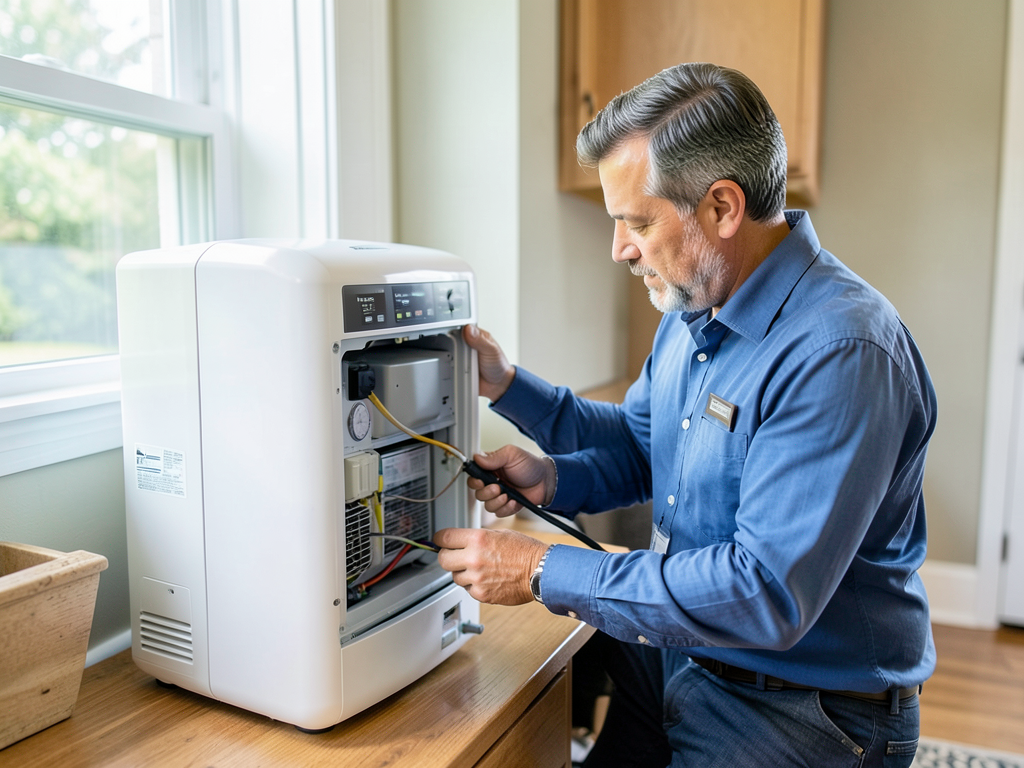
The Impact of High Mineral Content Water on Whole-Home Humidifiers in Waxahachie Living in Waxahachie means dealing with hard water that can cause problems for your whole-home humidifier. The high mineral content in North Texas…
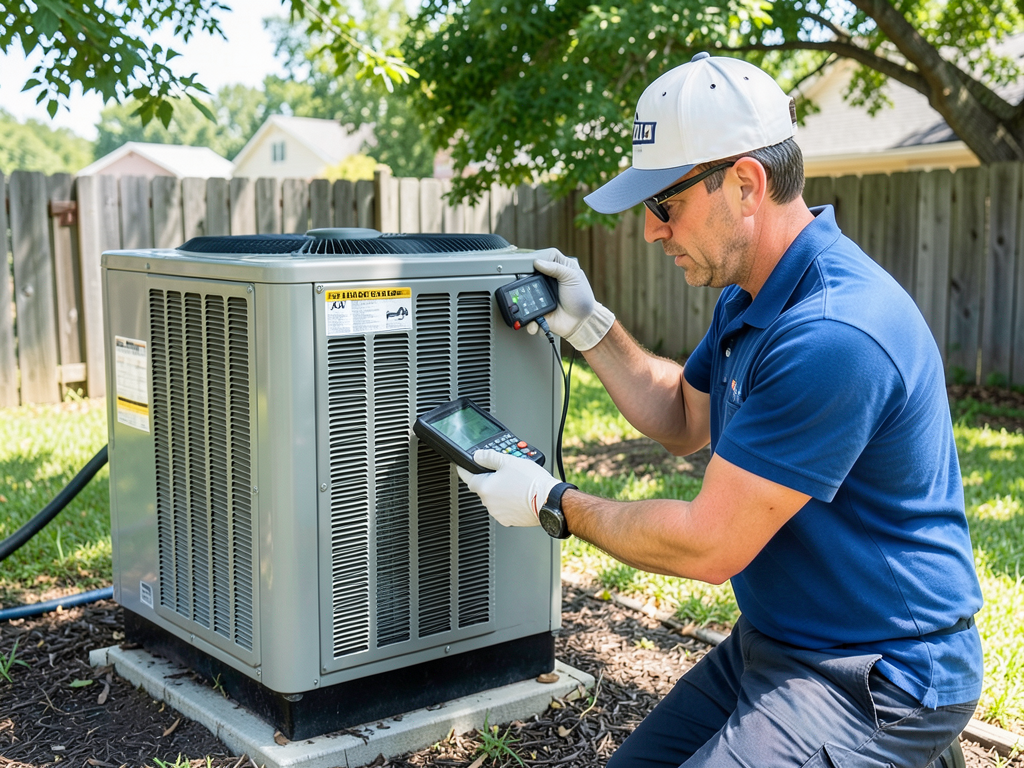
Why Your Outdoor AC Unit Sounds Like a Jet Engine (And How to Quiet It…
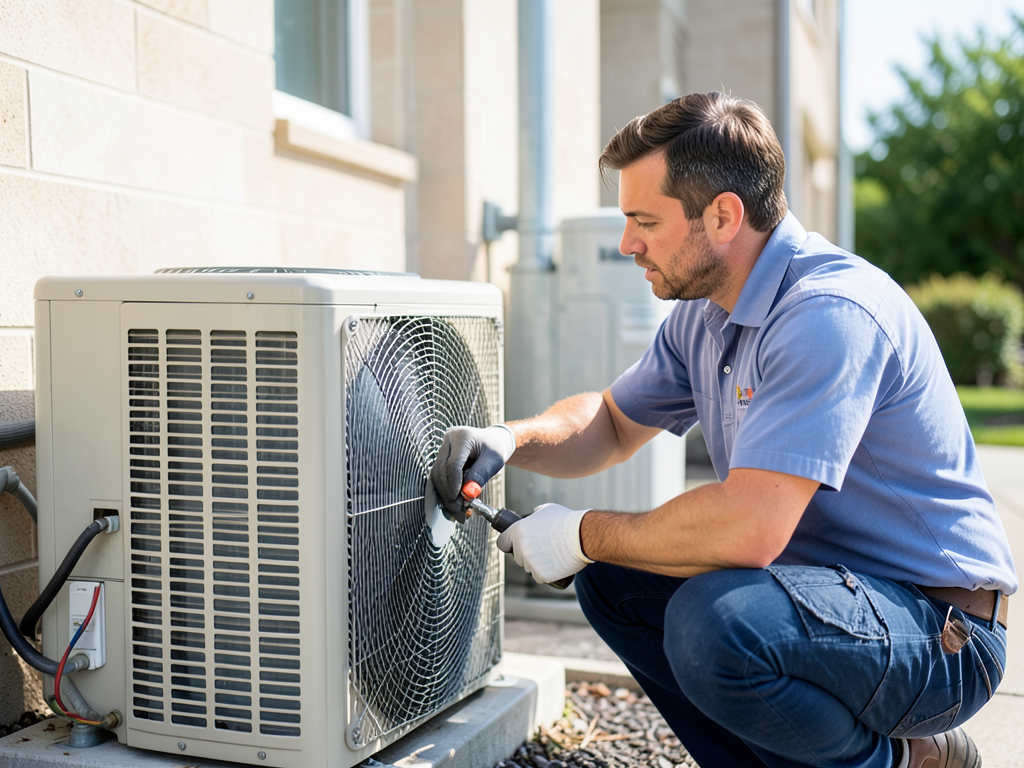
Dallas summers push air conditioners to their limits. When your AC stops working on a…
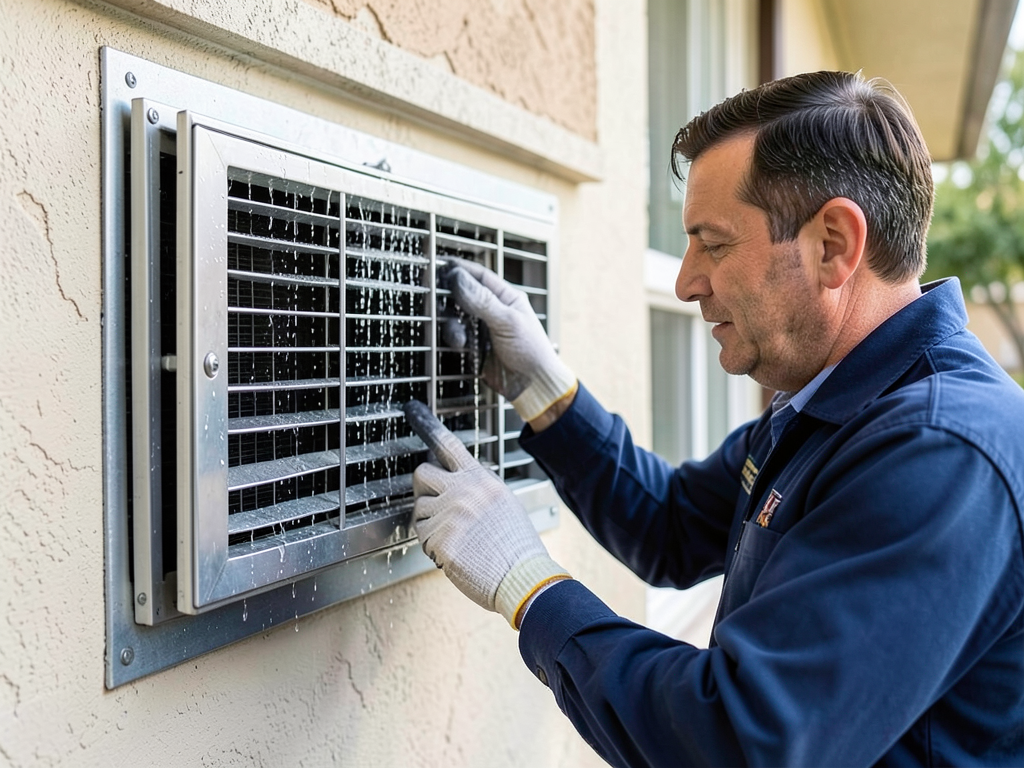
How to Keep Your AC Vents From Sweating and Dripping on Your Hardwood Floors When…
Your comfort matters. Call Cornerstone HVAC Dallas at (972) 850-2750 for same-day emergency repair or schedule maintenance to prevent breakdowns. We answer 24/7 and dispatch within one hour for cooling emergencies. Highland Park trusts us for honest service and quality repairs that last.