



menu

Furnace Repair & Heating Service in Dallas | Fast Response When Your System Fails

Expert furnace repair and heating service for Dallas homes and businesses, with trained technicians who diagnose problems accurately and restore comfort quickly during Texas cold snaps.

Slider Image 1
Slider Image 2
Slider Image 3
Slider Image 4
Slider Image 5
Slider Image 7
Slider Image 8
Slider Image 9
Slider Image 10
Slider Image 11

Why Dallas Furnaces Fail When You Need Them Most

Dallas heating systems face unique stress patterns. Winter temperatures drop fast, and when a cold front pushes through, your furnace shifts from dormant to full operation in hours. This sudden demand exposes weaknesses.

The DFW area's clay soil shifts constantly. Foundation movement creates stress on ductwork connections and gas lines, leading to disconnects and leaks that compromise heating system performance. You might notice rooms heating unevenly or strange odors when the system runs.

Dallas's humid spring and fall seasons promote corrosion inside heat exchangers. When these components crack, carbon monoxide becomes a real danger. Residential furnace repair addresses these cracks before they threaten your family's safety.

Dust accumulation is aggressive here. The combination of construction activity across the metro, seasonal pollen, and dry winter air clogs filters rapidly. A dirty filter forces your blower motor to work harder, shortening its life and driving up energy costs.

Central heating maintenance prevents most emergency failures, but when your system stops working during a freeze, you need heater repair services immediately. Ignoring warning signs like short cycling, weak airflow, or the smell of gas creates dangerous situations and leads to complete system failure. Home heating service should address problems early, before minor issues cascade into expensive replacements.

Why Dallas Furnaces Fail When You Need Them Most
How We Diagnose and Fix Heating System Problems

How We Diagnose and Fix Heating System Problems

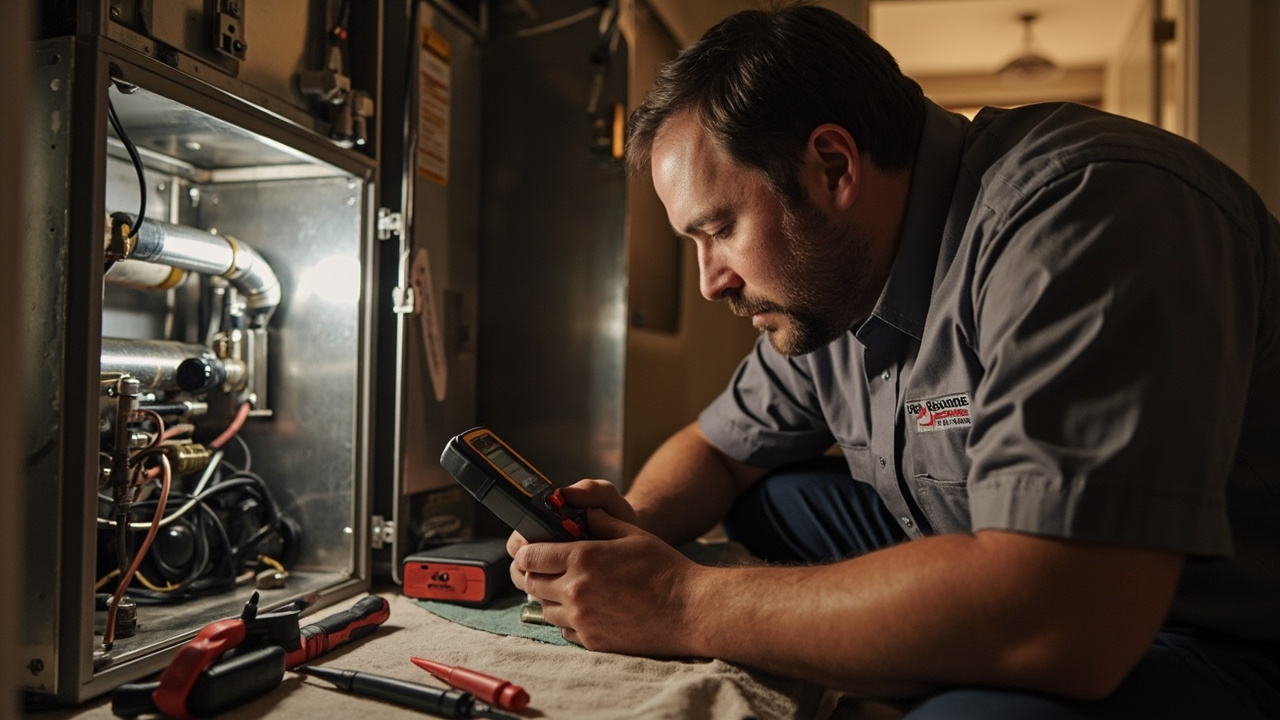
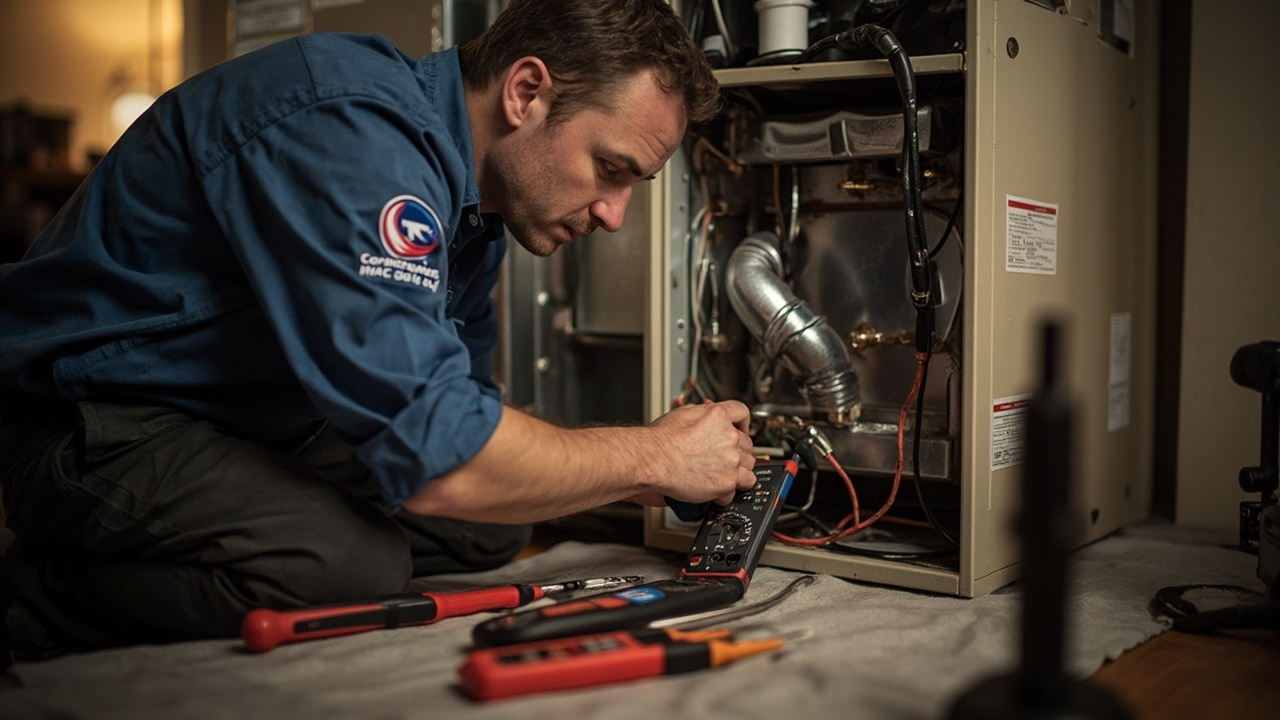
We start every heating system repair with diagnostic testing, not guesswork. Our technicians measure static pressure across your ductwork to identify restrictions. We check gas pressure at the manifold and verify proper combustion with digital analyzers. This data tells us exactly what failed and why.

Many heating problems stem from bad installations or deferred maintenance. We inspect heat exchanger integrity with visual inspection and use combustion analysis to detect early cracks. A cracked heat exchanger requires immediate replacement because it allows combustion gases to mix with your breathing air.

Ignition problems cause most no-heat calls. We test flame sensors, hot surface igniters, and pilot assemblies. When these components wear out, your furnace either won't start or shuts down mid-cycle. We carry common replacement parts for Bryant, Carrier, Trane, Lennox, and Goodman systems.

Blower motor failures happen when bearings wear out or capacitors fail. We test capacitance values and measure amp draw to determine if your motor runs efficiently or struggles. A failing blower motor often shows warning signs like unusual noises or weak airflow before it quits completely.

We verify thermostat calibration and wiring connections. Smart thermostats sometimes lose programming or connection settings, causing heating cycles to malfunction. We also check for voltage drops that indicate electrical problems at the breaker panel or disconnect box. Proper heater repair services address the root cause, not just symptoms, so problems don't return after we leave.

What Happens During Your Furnace Repair Visit

Furnace Repair & Heating Service in Dallas | Fast Response When Your System Fails
01

System Diagnostics

Our technician arrives with diagnostic tools and runs a complete system analysis. We test voltage at critical points, measure gas pressure, check flame characteristics, and verify airflow. This assessment identifies the failed component and any secondary issues that contributed to the breakdown. You receive a clear explanation of what failed and why before any repair work begins.
02

Repair Execution

We complete the repair using manufacturer-specified parts. This includes replacing the failed component, testing all safety controls, and verifying proper combustion. We check for gas leaks at every connection point and ensure the heat exchanger shows no cracks or damage. Our technicians follow manufacturer service procedures to maintain proper system operation and safety standards throughout your Dallas home.
03

Performance Verification

After repairs, we run your furnace through multiple heating cycles. We verify temperature rise across the heat exchanger falls within specifications, confirm proper ignition sequence, and test safety shutoffs. You see your system running correctly before we leave. We document all work completed and provide recommendations for preventing future failures through proper central heating maintenance.

Why Dallas Homeowners Choose Cornerstone HVAC Dallas

Dallas building codes require specific venting configurations and combustion air requirements. We know these standards because we work in this market every day. Your furnace installation must comply with local amendments to the International Mechanical Code, and repairs must maintain that compliance.

We understand how Dallas-area home construction affects heating performance. Homes in Lakewood, Oak Cliff, and Highland Park have different ductwork configurations and space constraints. Newer construction in Frisco and McKinney often has undersized ductwork that creates airflow problems. We adapt our approach based on your home's specific layout and construction type.

Foundation movement is constant in North Texas. We inspect gas line connections and ductwork joints for stress damage caused by soil shifting. A loose connection at a union fitting creates safety hazards. We identify these problems during routine maintenance before they cause service interruptions.

Our technicians train continuously on new equipment and diagnostic methods. Furnace technology changes rapidly, with variable-speed blowers, modulating gas valves, and advanced control boards becoming standard. We invest in training and tools to service modern equipment correctly.

You receive straightforward information about your heating system's condition. We explain what failed, why it failed, and what you can do to prevent similar problems. No pressure tactics, no unnecessary add-ons. Just honest assessment and skilled repair work that restores your comfort quickly.

What to Expect From Our Heating Service

Response Time and Availability

We schedule most residential furnace repair visits within 24 hours of your call. During extreme cold snaps when temperatures drop below freezing, we prioritize no-heat emergencies. Our dispatch system routes technicians efficiently across the Dallas metro area, from downtown to the northern suburbs. You receive a call when your technician is 30 minutes away, so you don't wait around all day. We staff adequately during peak heating season to handle increased service demand without excessive delays.

Initial Assessment Process

Your technician examines your complete heating system, not just the obvious problem. We check electrical connections, gas pressure, burner condition, heat exchanger integrity, and blower operation. This comprehensive approach catches multiple problems that often contribute to system failures. You receive a written assessment that explains what we found, what needs immediate attention, and what issues might develop later. We provide repair pricing before starting work, so you make informed decisions about your heating system repair without surprises on your final bill.

Repair Quality Standards

We use OEM parts whenever possible because aftermarket components often fail prematurely. Your furnace runs quieter and more efficiently with proper parts. Our technicians torque gas line fittings to specification and test for leaks with professional-grade detection equipment. We verify proper combustion after every repair that affects the burner assembly or gas valve. Your system must pass our safety checklist before we consider the job complete. This attention to detail prevents callbacks and ensures your home heating service meets professional standards.

Maintenance Recommendations

After completing repairs, we provide specific maintenance guidance based on your system's age and condition. Dallas's climate requires filter changes every 30 to 60 days during heating season. We recommend annual inspections before cold weather arrives to catch problems early. If your furnace is over 15 years old, we discuss replacement timing and efficiency upgrades. Regular central heating maintenance extends equipment life and reduces emergency repair costs. We document all service work in your account file, creating a maintenance history that helps diagnose future problems quickly.

Frequently Asked Questions

You Have Questions,
We Have Answers

What is the $5000 rule for HVAC? +

The $5000 rule is a simple decision framework for older furnaces. Multiply the repair cost by the age of your furnace. If the result exceeds $5000, replacement makes more financial sense than repair. For example, a $400 repair on a 15-year-old furnace equals $6000, suggesting replacement is smarter. This rule helps Dallas homeowners avoid throwing money at aging equipment that will fail again. Texas heat stresses furnaces during our short but intense winters, making older units less reliable. A technician can assess your furnace's condition and help you decide whether repair or replacement delivers better long-term value.

How much is it to get a furnace serviced? +

Furnace service costs vary based on your system's complexity and current condition. Standard annual maintenance typically runs less than major repairs. During a service visit, a technician inspects your heat exchanger, tests gas pressure, checks electrical connections, and cleans burners. Dallas homeowners should schedule service before winter hits. Our brief but cold snaps can stress neglected systems. Costs increase if your technician discovers worn parts or safety issues requiring immediate attention. Regular maintenance prevents expensive breakdowns and keeps your furnace running efficiently. Most service providers offer maintenance plans that bundle inspections with priority service and discounts on repairs.

What is the most expensive part to fix on a furnace? +

The heat exchanger ranks as the most expensive furnace component to replace. This metal chamber transfers heat from combustion gases to your home's air. Cracks in the heat exchanger create serious safety risks by allowing carbon monoxide to escape into your living space. Replacement requires significant labor because technicians must disassemble much of the furnace. Gas valves and blower motors also carry high price tags. In Dallas, heat exchangers can crack prematurely due to short cycling during our mild winters. Furnaces cycle on and off frequently when outdoor temperatures hover in the 40s, creating thermal stress that weakens metal over time.

What is the most common problem of a furnace? +

Dirty or clogged air filters cause the majority of furnace problems. When airflow gets restricted, your furnace overheats and shuts down on its safety limit switch. This prevents heat exchanger damage but leaves your Dallas home cold. Filters clog faster during our dusty fall months when northerly winds kick up. Ignition failures rank second, particularly in older furnaces with standing pilot lights. Thermostat malfunctions, faulty flame sensors, and worn blower motors also create common issues. Many furnace problems stem from deferred maintenance. Regular filter changes and annual inspections prevent most breakdowns and extend your equipment's lifespan significantly.

What is the 2 foot rule for HVAC? +

The 2-foot rule requires clear space around your furnace and HVAC equipment for safety and proper operation. Keep combustible materials, storage boxes, cleaning supplies, and other items at least 2 feet away from your furnace on all sides. This clearance prevents fire hazards and ensures adequate airflow for combustion. Dallas building codes enforce these clearances during inspections. The rule also gives technicians access to service your equipment safely. Blocked furnaces overheat and trip safety switches. Garages and utility closets often violate this rule when homeowners use space around their furnace for storage. Proper clearance protects your home and keeps your furnace running efficiently.

Is HVAC system cost tax deductible? +

HVAC costs may qualify for tax deductions or credits depending on the work performed. Energy-efficient upgrades often qualify for federal tax credits under the Inflation Reduction Act. High-efficiency furnaces meeting specific ENERGY STAR ratings can generate tax savings. Standard repairs and routine maintenance are not tax deductible for residential properties. Business owners can deduct HVAC expenses as operating costs or capital improvements. Dallas homeowners should consult a tax professional to determine eligibility. Documentation matters. Keep receipts, manufacturer certifications, and contractor invoices. Some utility companies offer rebates for efficient equipment that stack with federal incentives, increasing your overall savings beyond tax benefits.

What does a furnace service include? +

A complete furnace service includes inspection, cleaning, testing, and adjustment of critical components. Your technician examines the heat exchanger for cracks, tests gas pressure and flame characteristics, and checks electrical connections for corrosion or looseness. They clean burners, inspect the blower assembly, test safety controls, and verify proper airflow. Carbon monoxide testing ensures your safety. In Dallas, technicians also check for dust accumulation that builds up during our long cooling season. They lubricate moving parts, test thermostat calibration, and inspect flue pipes for proper venting. A thorough service identifies small problems before they become expensive failures and optimizes efficiency to lower your heating bills.

How much does it cost for someone to check your furnace? +

Diagnostic visits and furnace inspections vary in cost depending on what the service includes. A basic safety inspection costs less than diagnostic work to identify specific problems. Many Dallas HVAC companies waive diagnostic fees if you approve recommended repairs. Annual maintenance agreements often include free inspections. Emergency service calls during evenings, weekends, or holidays carry premium rates. When your furnace stops working, a technician uses specialized tools to test components, measure gas pressure, check electrical circuits, and identify the failure point. Investing in diagnosis prevents guesswork repairs and ensures your money targets the actual problem rather than unnecessary part replacements.

How much does it cost to replace an entire furnace? +

Complete furnace replacement costs depend on your home's size, chosen efficiency rating, and installation complexity. High-efficiency models cost more upfront but deliver lower monthly utility bills. Your existing ductwork condition affects total project cost. Dallas homes with undersized or leaky ducts may need modifications for optimal performance. Installation complexity increases in tight spaces or homes requiring gas line modifications. Two-stage and modulating furnaces provide better comfort and efficiency than single-stage models but carry higher price tags. Financing options make upgrades affordable through monthly payments. Many homeowners find that utility savings and improved comfort justify investment in higher-efficiency equipment over basic models.

Will homeowners insurance cover furnace repair? +

Homeowners insurance typically does not cover furnace repair unless damage results from a covered peril like fire, lightning strike, or vandalism. Normal wear and tear, lack of maintenance, and mechanical breakdown fall outside standard policy coverage. Some insurers offer optional equipment breakdown coverage that includes HVAC systems. This rider adds modest cost to your premium but covers sudden mechanical failures. In Dallas, insurance may cover furnace damage from frozen pipes or storm-related power surges. Review your policy carefully and document regular maintenance. Insurance companies may deny claims if you neglected routine service. Home warranty plans offer alternative coverage specifically for appliance and system breakdowns.

How Dallas's Temperature Swings Affect Furnace Reliability

Dallas heating systems handle dramatic temperature fluctuations that stress components. A typical January week might swing from 65 degrees to 28 degrees in 24 hours. Your furnace shifts from idle to maximum output rapidly, cycling the heat exchanger through extreme temperature changes. This thermal stress accelerates metal fatigue and causes cracks to develop in older heat exchangers. The stop-start cycling also wears out ignition components faster than steady operation would. These weather patterns make preventive heating system repair more critical in North Texas than in regions with stable winter temperatures.

We work extensively throughout Dallas County, from University Park to DeSoto, and understand how local construction practices affect heating performance. Many homes built during the 1980s and 1990s have ductwork installed in unconditioned attics, where temperature extremes reduce efficiency. We know which neighborhoods have homes with original equipment that's reached end of life. Our familiarity with Dallas building permits and inspection requirements ensures all heater repair services meet current code standards. This local knowledge helps us diagnose problems faster and recommend solutions that work specifically for North Texas homes.
HVAC Services in The Dallas Area

Looking for expert HVAC services near you? Cornerstone HVAC Dallas proudly serves homeowners and businesses throughout the greater Dallas area with professional heating and cooling repairs, system installations, indoor air quality solutions, and emergency HVAC services. From Plano to Arlington, our certified technicians are ready to deliver fast, efficient service wherever you are. Use the map below to explore our coverage areas and discover trusted HVAC support right around the corner.

Address:
Cornerstone HVAC Dallas, 5956 Sherry Ln, Suite 2000, Dallas, TX, 75225

Additional Services We Offer

Our news updates

Latest Articles & News from The Blogs

How to Solve C-Wire Issues When Upgrading Your Thermostat in Highland Village Upgrading to a smart thermostat in Highland Village…

How to Solve C-Wire Issues When Upgrading Your Thermostat in Highland Village

How to Solve C-Wire Issues When Upgrading Your Thermostat in Highland Village Upgrading to a smart thermostat in Highland Village…

A Simple Guide to SEER2 Ratings for Homeowners in Little Elm

A Simple Guide to SEER2 Ratings for Homeowners in Little Elm If you’re shopping for a new air conditioner in…

Choosing the Right Climate Control for Your Westlake Pool House or Luxury Cabana

Choosing the Right Climate Control for Your Westlake Pool House or Luxury Cabana Living in Westlake means dealing with Texas…

Contact Us

Your Dallas home deserves reliable heat when temperatures drop. Call Cornerstone HVAC Dallas at (972) 850-2750 for fast, professional furnace repair. Our technicians diagnose problems accurately and fix them right the first time.