





Richardson sits in the middle of North Texas weather extremes that punish HVAC equipment harder than almost anywhere else. Summer temperatures regularly hit 100 degrees with humidity that makes your air conditioner run longer cycles. Winter freezes can damage outdoor units and ductwork in attics. The clay soil throughout Richardson shifts with moisture changes, stressing ductwork connections and refrigerant lines in crawl spaces and slabs.
Most Richardson homes were built between the 1970s and early 2000s, meaning many systems are reaching the end of their 15 to 20 year lifespan. Older neighborhoods near Campbell and Belt Line have original ductwork that leaks conditioned air into attics. Newer developments in west Richardson near Coit Road use higher efficiency systems that require specialized diagnostics when they malfunction.
The city's location in the Dallas Fort Worth urban heat island means your system works harder than units in rural areas. Concrete and asphalt absorb heat during the day and release it at night, preventing your AC from getting a break. Air filters clog faster from construction dust, pollen from the urban tree canopy, and particulates from Central Expressway traffic. Your HVAC system is not just cooling air, it's fighting an environment designed to wear it down.
We built our reputation in Richardson by showing up when other companies went silent. When your AC dies on a Saturday afternoon in July, you don't need an answering service or a callback on Monday. You need a truck in your driveway and a technician who can diagnose the problem without guessing. That's what we do.
Our technicians live and work in the Dallas area, so we understand the specific challenges Richardson homes face. We know which neighborhoods have undersized ductwork from the building boom. We recognize the signs of compressor failure common in units that run nonstop through Texas summers. We stock parts for the brands installed in most Richardson homes, which means we can complete repairs in one visit instead of making you wait days for an order.
We don't upsell replacements when a repair will keep your system running for years. If your compressor failed but your air handler and ductwork are solid, we tell you exactly what makes sense for your situation and budget. When replacement is the right call, we explain why and show you the failed components. You make the decision with full information, not pressure tactics.
Every technician on our team completes ongoing training on new refrigerants, variable speed systems, and diagnostic technology. We invest in equipment that finds problems faster and fixes them correctly. Our service vehicles carry diagnostic tools that pinpoint electrical issues, refrigerant leaks, and airflow restrictions without tearing apart your system. We find the actual problem, not the obvious symptom, which saves you money on repeat service calls.
Richardson families call us back because we answer the phone, show up on time, and explain everything in plain language. No jargon, no runaround, no surprise charges on the invoice.

Your comfort can't wait until next week. We dispatch technicians the same day you call for emergency repairs. Our trucks carry common parts for major brands, so most repairs finish in one visit. We work evenings and weekends because AC failures don't respect business hours.

You get a clear price before any work starts. No hidden fees, no surprises when we hand you the invoice. We explain what failed, why it failed, and what it costs to fix. If we find additional issues during repair, we stop and get your approval before adding any work.
Our technicians use professional grade diagnostic equipment to find the root cause, not just the obvious symptom. We test electrical systems, measure airflow, check refrigerant pressures, and inspect every component that affects performance. Accurate diagnosis means you pay to fix the actual problem once.
We know Richardson homes and the specific HVAC challenges they face. Our technicians recognize common issues in different neighborhoods and building eras. We understand local climate patterns, construction methods, and the equipment most homes use. That local knowledge means faster diagnosis and better solutions.
Your heating and cooling system keeps your family comfortable through extreme North Texas weather. When something goes wrong, you need a company that handles every type of problem without passing you to another contractor. Cornerstone HVAC Dallas provides complete service for residential HVAC systems in Richardson.
We handle emergency repairs when your AC quits during a heatwave or your furnace dies on a freezing night. We perform seasonal maintenance that prevents breakdowns and keeps your system running efficiently. We replace worn out systems and install new equipment sized correctly for your home. Every service includes the same attention to detail and commitment to doing it right.
Most HVAC problems fall into three categories. Emergency repairs address immediate failures that leave you without heating or cooling. Maintenance and tune ups prevent problems before they cause breakdowns. System replacements become necessary when your equipment reaches the end of its useful life or repairs no longer make financial sense. We provide honest recommendations about which service fits your situation, and we explain why one option makes more sense than another.
Air conditioners quit without warning during the hottest days. Heaters fail when temperatures drop below freezing. We respond quickly to restore comfort in your home. Our technicians diagnose compressor failures, refrigerant leaks, electrical problems, blower motor failures, and control board issues. We carry parts for major brands and complete most repairs in one visit. You get your system running again without waiting days for parts or callbacks.
Seasonal maintenance catches small problems before they cause expensive failures. We clean coils, check refrigerant levels, test electrical connections, inspect ductwork, replace filters, and verify your system operates at peak efficiency. Regular service extends equipment life and reduces energy bills. Spring tune ups prepare your AC for summer heat. Fall service ensures your furnace works safely through winter. Prevention costs less than emergency repairs.
Old systems eventually cost more to repair than replace. When major components fail on equipment over 15 years old, replacement usually makes better financial sense. We calculate proper system size for your home, recommend equipment that fits your budget and efficiency goals, and install everything to manufacturer specifications. Correct sizing and installation determine how well your new system performs and how long it lasts.
Richardson's climate and housing create specific HVAC challenges that affect comfort and efficiency. The combination of extreme heat, humidity swings, temperature fluctuations, and aging housing stock causes problems that repeat across different neighborhoods. Understanding these common issues helps you recognize when your system needs professional attention.
Most problems start small but get worse without intervention. A refrigerant leak might reduce cooling performance gradually until your system can't keep up on hot days. Dirty coils force your compressor to work harder until it overheats and fails. Ductwork leaks waste energy and create hot or cold spots in your home. Electrical connections loosen over time and cause intermittent failures that get more frequent.
These issues appear in homes throughout Richardson, from older neighborhoods near downtown to newer developments in west Richardson. The specific problems vary based on equipment age, installation quality, and maintenance history, but the patterns stay consistent. Recognizing warning signs early prevents emergency failures and expensive repairs.
Your air conditioner runs constantly but never reaches the temperature you set. Low refrigerant from leaks is the most common cause. Dirty outdoor coils and clogged filters also reduce cooling capacity. Systems undersized for your home struggle during extreme heat. We diagnose the actual problem and recommend the most cost effective solution.
Some rooms stay comfortable while others feel too hot or too cold. Ductwork leaks in attics waste conditioned air before it reaches certain rooms. Blocked vents and closed dampers create airflow restrictions. Poor insulation in specific areas affects temperature control. We test airflow to each room and identify where your system loses efficiency.
Your HVAC turns on for a few minutes then shuts off before completing a full cycle. Oversized equipment, failing thermostats, and dirty filters cause short cycling. Refrigerant problems and electrical issues also trigger this pattern. Short cycling wastes energy, reduces comfort, and damages components. We find the root cause and restore proper operation.
Your electricity costs jumped but you haven't changed how you use your system. Aging equipment loses efficiency as components wear. Ductwork leaks force your system to run longer. Refrigerant loss makes your compressor work harder to produce the same cooling. We perform efficiency testing to identify why your system uses more energy.
Working with an HVAC company shouldn't feel like a gamble. You need to know someone will answer your call, show up when promised, and fix your problem correctly. We built our process around the frustrations customers told us they experienced with other companies.
When you call our office, you talk to a real person who listens to your problem and schedules service quickly. For emergencies, we dispatch a technician the same day whenever possible. For maintenance and non emergency repairs, we offer appointment windows that respect your schedule.
Our technicians arrive in marked vehicles with your address already programmed. They call before arriving so you know when to expect them. They wear shoe covers inside your home and use drop cloths to protect your floors. After completing the work, they clean up completely and remove all trash.
You receive clear explanations at every step. Before starting any work, you get a written price that covers all labor and parts. If we discover additional problems during repair, we stop and explain your options before adding any work. The invoice matches the estimate unless you approved additional services.
Our technicians explain problems in plain language without confusing jargon. We show you the failed component and explain why it stopped working. If you have options between repair and replacement, we explain the costs and benefits of each choice. You make the decision with complete information. We answer every question until you feel confident about moving forward.
We arrive during the scheduled window and call if any delay occurs. Our technicians work efficiently without rushing through diagnostics or cutting corners. We protect your floors and furniture while working. We clean up completely before leaving, including vacuuming around work areas. Your home looks the same after we finish, except your HVAC works correctly again.
We use quality parts and follow manufacturer installation specifications. Our repairs address the root cause, not just symptoms, so problems don't come back. New installations include proper sizing calculations, correct refrigerant charges, and thorough testing before we consider the job complete. We stand behind our work because we do it right the first time.
Getting your HVAC fixed shouldn't involve confusion or delays. We streamlined our process to get your system running again as quickly as possible while keeping you informed at every step.
Our technician arrives and listens to your description of the problem. We test your system thoroughly to identify the actual cause, not just the obvious symptom. We use diagnostic equipment to measure performance and pinpoint failures. Once we know what failed, we provide a clear written price for the repair. You approve the work before we start.
After you approve the estimate, we complete the repair using quality parts and proper techniques. We replace failed components, test the system thoroughly, and verify everything works correctly. If we find additional issues while working, we stop and get your approval before addressing them. You stay in control of what gets fixed and how much you spend.
Before we leave, we run your system through complete cycles to confirm the repair solved the problem. We verify temperatures, check airflow, and ensure everything operates safely. We explain what we did and answer any questions. You receive documentation of all work completed. If any issue appears after we leave, we come back and make it right.
Professional HVAC work requires more than basic mechanical skills. Proper diagnosis and repair demand understanding of thermodynamics, electrical systems, refrigeration cycles, and airflow dynamics. Cutting corners during installation or repair creates problems that appear months or years later.
Richardson falls under Dallas County building codes, which require permits for system replacements and major modifications. Permitted work gets inspected to verify proper installation, correct electrical connections, adequate combustion air for furnaces, and proper refrigerant charging. These inspections protect homeowners from dangerous installations and ensure systems operate efficiently.
Refrigerant handling follows EPA regulations that require technician certification. Since 2020, R410A has been the standard refrigerant for residential systems, replacing older R22. Proper refrigerant charging matters more than most homeowners realize. Overcharging reduces efficiency and can damage compressors. Undercharging from leaks makes your system work harder while producing less cooling. We measure refrigerant charge by superheat and subcooling, not just pressure gauges, to ensure optimal performance.
Ductwork design affects system performance as much as equipment quality. Manual D calculations determine correct duct sizes for proper airflow. Undersized ducts create excessive static pressure that reduces efficiency and shortens equipment life. Leaky ductwork in attics wastes 20 to 30 percent of conditioned air before it reaches your living space. We test duct leakage with calibrated equipment and seal connections properly.
Load calculations using Manual J methodology determine correct equipment size for your home. Oversized equipment short cycles and never removes humidity properly. Undersized equipment runs constantly and can't maintain comfort during temperature extremes. We measure square footage, insulation levels, window area, orientation, and infiltration to calculate precise heating and cooling loads.
Many Richardson homes have incorrectly sized equipment from installers who guessed instead of calculating loads. Manual J load calculations account for your home's specific characteristics to determine the right equipment capacity. Correct sizing ensures comfort, efficiency, and proper humidity control. We perform load calculations on every installation to get sizing right.
Repair costs depend on which component failed and labor involved. Compressor replacement costs more than a capacitor. System replacement prices vary based on equipment efficiency ratings, capacity, and features. Higher SEER ratings cost more upfront but reduce operating costs. We explain pricing factors so you understand what drives investment in your comfort system.
Most repairs finish in two to four hours once we diagnose the problem. System replacements typically take one full day for straightforward installations. Complex jobs involving ductwork modifications or electrical upgrades may require two days. We provide accurate time estimates after assessing your specific situation. Emergency repairs get priority scheduling for same day service.
Texas requires HVAC contractors to hold proper licensing and insurance. Our technicians maintain EPA certification for refrigerant handling. We pull permits for work that requires inspection and ensure all installations meet current building codes. Proper licensing and code compliance protect you from liability and ensure safe, legal work on your home.
Educational video explaining common HVAC problems in Richardson, Texas homes. Covers air conditioning repair issues caused by extreme heat, humidity effects on system performance, ductwork challenges from clay soil movement, and warning signs of equipment failure. Discusses short cycling, uneven cooling, high energy bills, and maintenance importance. Provides Richardson homeowners with practical knowledge about when to call for professional AC service and central air repair.
Cornerstone HVAC Dallas provides complete heating and cooling service throughout Richardson and the greater Dallas metro area. Our service area covers every Richardson neighborhood, from established communities near downtown to newer developments spreading west toward Plano.
We serve homes in Canyon Creek, one of Richardson's most established neighborhoods near Coit Road and Belt Line. The mature trees and quality construction in Canyon Creek create specific HVAC challenges, particularly with ductwork in older homes and systems approaching replacement age. Families in Northrich near Arapaho Road call us for reliable service on both newer and older equipment.
The neighborhoods along Campbell Road between Central Expressway and Coit Road include a mix of housing ages and styles. We work on everything from original systems in 1970s ranch homes to high efficiency variable speed equipment in recent construction. Homes near Breckinridge Park often have mature landscaping that affects outdoor unit placement and airflow.
West Richardson neighborhoods near Spring Valley Road and Coit Road feature newer construction with modern HVAC systems. These homes typically use higher efficiency equipment that requires specialized diagnostic tools and training. We service all major brands installed in these developments. The proximity to Richardson High School and Pearce High School means many families in these areas need reliable service during summer months when students are home.
Homes near the University of Texas at Dallas along Campbell Road have varied HVAC needs depending on building age and student occupancy patterns. Rental properties require durable equipment and responsive service. Owner occupied homes in the area benefit from our maintenance programs that prevent breakdowns.
The Heights of Richardson near Renner Road and homes throughout the Cottonwood Creek area trust us for both emergency repairs and planned replacements. The distance from Central Expressway and proximity to Plano creates specific service needs we understand from years working in the area.
Our service area extends beyond Richardson city limits to include nearby communities in Dallas and Collin counties. We serve Garland homes east of Richardson, Plano neighborhoods to the north, and Dallas areas south along Central Expressway. This coverage area means we understand regional HVAC challenges and can respond quickly regardless of which community you call home.
The $5000 rule helps you decide between repairing or replacing your HVAC system. Multiply the age of your unit by the repair cost. If the total exceeds $5000, replacement makes more financial sense. For example, a 12-year-old system needing a $500 repair equals $6000, signaling replacement time. Richardson's extreme summer heat and humidity put heavy strain on aging equipment, making this calculation important. Older systems also run less efficiently, driving up your electric bills. Consider efficiency ratings, refrigerant type, and remaining lifespan when making your decision.
HVAC job costs in Richardson vary widely based on scope. Simple repairs like thermostat replacement or capacitor fixes run a few hundred dollars. Compressor or evaporator coil replacements can reach several thousand. Full system replacements for typical homes range from mid to upper five figures, depending on equipment quality, SEER rating, and ductwork condition. Richardson's clay soil can shift foundations and damage ductwork, adding costs. System size, labor rates, and permit fees influence final pricing. Always get multiple quotes and ask about efficiency rebates from local utility providers.
Replacing HVAC in a 2000 square foot Richardson home typically requires a 3 to 4-ton system. Costs depend on equipment tier, SEER rating, and installation complexity. Budget systems start lower, while high-efficiency units with variable-speed technology cost more upfront but save on monthly bills. Richardson's hot summers justify higher SEER ratings for long-term savings. Factors like ductwork condition, insulation quality, and home layout affect final pricing. Two-story homes often need zoning systems. Get load calculations from qualified contractors to ensure proper sizing for Texas heat.
The $5000 rule helps you decide between repairing or replacing your HVAC system. Multiply the age of your unit by the repair cost. If the total exceeds $5000, replacement makes more financial sense. For example, a 12-year-old system needing a $500 repair equals $6000, signaling replacement time. Richardson's extreme summer heat and humidity put heavy strain on aging equipment, making this calculation important. Older systems also run less efficiently, driving up your electric bills. Consider efficiency ratings, refrigerant type, and remaining lifespan when making your decision.
HVAC job costs in Richardson vary widely based on scope. Simple repairs like thermostat replacement or capacitor fixes run a few hundred dollars. Compressor or evaporator coil replacements can reach several thousand. Full system replacements for typical homes range from mid to upper five figures, depending on equipment quality, SEER rating, and ductwork condition. Richardson's clay soil can shift foundations and damage ductwork, adding costs. System size, labor rates, and permit fees influence final pricing. Always get multiple quotes and ask about efficiency rebates from local utility providers.
Replacing HVAC in a 2000 square foot Richardson home typically requires a 3 to 4-ton system. Costs depend on equipment tier, SEER rating, and installation complexity. Budget systems start lower, while high-efficiency units with variable-speed technology cost more upfront but save on monthly bills. Richardson's hot summers justify higher SEER ratings for long-term savings. Factors like ductwork condition, insulation quality, and home layout affect final pricing. Two-story homes often need zoning systems. Get load calculations from qualified contractors to ensure proper sizing for Texas heat.
Clogged or dirty air filters cause the most common HVAC problems in Richardson. When filters become blocked with dust, pet hair, and pollen, airflow drops and your system works harder. This leads to frozen evaporator coils, reduced cooling capacity, and higher energy bills. Richardson's high pollen counts and dusty conditions mean filters need monthly checks during peak seasons. Other frequent issues include refrigerant leaks, faulty thermostats, and capacitor failures. Regular filter changes prevent most breakdowns and extend equipment life. Change filters every 30 to 90 days based on household conditions.
New HVAC system costs in Richardson depend on home size, equipment quality, and installation complexity. Systems range from budget single-stage units to premium variable-speed models with advanced filtration. Higher SEER ratings cost more initially but reduce electric bills, important for Richardson's long cooling season. Installation factors include ductwork modifications, electrical upgrades, permits, and removal of old equipment. Multi-zone systems for larger homes increase costs. Tax credits and utility rebates can offset expenses. Get proper load calculations and avoid oversized units that cycle inefficiently and create humidity problems in Texas climate.
The 2-foot rule requires maintaining two feet of clearance around outdoor HVAC condenser units for proper airflow and service access. In Richardson, this means trimming shrubs, removing storage items, and keeping landscaping back from your unit. Blocked airflow forces your system to work harder, reduces efficiency, and can cause overheating. The dense vegetation common in North Texas yards needs regular trimming. Technicians also need access for maintenance and repairs. Keep the area above the unit clear too. Proper clearance extends equipment life and maintains cooling performance during hot Richardson summers.
Installing central AC in a 1000 square foot house in Richardson typically requires a 1.5 to 2-ton system. Costs vary based on existing ductwork, electrical capacity, and equipment quality. Homes without existing ducts face higher costs for duct installation. Mini-split systems offer ductless alternatives for smaller homes or additions. Richardson's building codes require proper permits and inspections. Window units cost less upfront but run inefficiently and lack whole-home comfort. Consider SEER ratings, noise levels, and warranty coverage. Proper sizing prevents short cycling and humidity issues common in Texas.
HVAC systems in Richardson average 12 to 15 years with proper maintenance. Texas heat and humidity shorten lifespan compared to milder climates. Units running constantly through long summers wear faster. Regular maintenance, including seasonal tune-ups, filter changes, and coil cleaning, extends equipment life. Neglected systems fail earlier. Coastal humidity in nearby areas accelerates corrosion. Higher-quality equipment with better warranties often lasts longer. Clay soil movement common in Richardson can stress ductwork and connections. Plan for replacement when your system reaches 10 to 12 years and needs frequent repairs.
Homeowners insurance rarely covers HVAC repairs from normal wear and tear or lack of maintenance. Most policies exclude mechanical breakdowns. Insurance may cover damage from covered perils like fire, lightning strikes, vandalism, or storm damage. If a tree falls on your outdoor unit during a Richardson thunderstorm, you might have coverage. Review your policy declarations and exclusions. Some homeowners add equipment breakdown endorsements or home warranties for mechanical coverage. Document all maintenance records. File claims promptly after covered events. Preventive maintenance helps avoid most failures insurance would not cover.
Fall and spring offer the best pricing for HVAC systems in Richardson. October through November and March through April see lower demand as temperatures moderate. Contractors offer promotional pricing and have more availability for installation. You avoid the panic pricing of summer breakdowns when everyone needs immediate service. Richardson's mild fall weather lets you research options without suffering. Spring installations prepare you for brutal Texas summers. Financing promotions often run during shoulder seasons. Avoid buying during July and August when demand peaks and lead times extend. Plan ahead for better selection and negotiating power.
Clogged or dirty air filters cause the most common HVAC problems in Richardson. When filters become blocked with dust, pet hair, and pollen, airflow drops and your system works harder. This leads to frozen evaporator coils, reduced cooling capacity, and higher energy bills. Richardson's high pollen counts and dusty conditions mean filters need monthly checks during peak seasons. Other frequent issues include refrigerant leaks, faulty thermostats, and capacitor failures. Regular filter changes prevent most breakdowns and extend equipment life. Change filters every 30 to 90 days based on household conditions.
New HVAC system costs in Richardson depend on home size, equipment quality, and installation complexity. Systems range from budget single-stage units to premium variable-speed models with advanced filtration. Higher SEER ratings cost more initially but reduce electric bills, important for Richardson's long cooling season. Installation factors include ductwork modifications, electrical upgrades, permits, and removal of old equipment. Multi-zone systems for larger homes increase costs. Tax credits and utility rebates can offset expenses. Get proper load calculations and avoid oversized units that cycle inefficiently and create humidity problems in Texas climate.
The 2-foot rule requires maintaining two feet of clearance around outdoor HVAC condenser units for proper airflow and service access. In Richardson, this means trimming shrubs, removing storage items, and keeping landscaping back from your unit. Blocked airflow forces your system to work harder, reduces efficiency, and can cause overheating. The dense vegetation common in North Texas yards needs regular trimming. Technicians also need access for maintenance and repairs. Keep the area above the unit clear too. Proper clearance extends equipment life and maintains cooling performance during hot Richardson summers.
Installing central AC in a 1000 square foot house in Richardson typically requires a 1.5 to 2-ton system. Costs vary based on existing ductwork, electrical capacity, and equipment quality. Homes without existing ducts face higher costs for duct installation. Mini-split systems offer ductless alternatives for smaller homes or additions. Richardson's building codes require proper permits and inspections. Window units cost less upfront but run inefficiently and lack whole-home comfort. Consider SEER ratings, noise levels, and warranty coverage. Proper sizing prevents short cycling and humidity issues common in Texas.
HVAC systems in Richardson average 12 to 15 years with proper maintenance. Texas heat and humidity shorten lifespan compared to milder climates. Units running constantly through long summers wear faster. Regular maintenance, including seasonal tune-ups, filter changes, and coil cleaning, extends equipment life. Neglected systems fail earlier. Coastal humidity in nearby areas accelerates corrosion. Higher-quality equipment with better warranties often lasts longer. Clay soil movement common in Richardson can stress ductwork and connections. Plan for replacement when your system reaches 10 to 12 years and needs frequent repairs.
Homeowners insurance rarely covers HVAC repairs from normal wear and tear or lack of maintenance. Most policies exclude mechanical breakdowns. Insurance may cover damage from covered perils like fire, lightning strikes, vandalism, or storm damage. If a tree falls on your outdoor unit during a Richardson thunderstorm, you might have coverage. Review your policy declarations and exclusions. Some homeowners add equipment breakdown endorsements or home warranties for mechanical coverage. Document all maintenance records. File claims promptly after covered events. Preventive maintenance helps avoid most failures insurance would not cover.
Fall and spring offer the best pricing for HVAC systems in Richardson. October through November and March through April see lower demand as temperatures moderate. Contractors offer promotional pricing and have more availability for installation. You avoid the panic pricing of summer breakdowns when everyone needs immediate service. Richardson's mild fall weather lets you research options without suffering. Spring installations prepare you for brutal Texas summers. Financing promotions often run during shoulder seasons. Avoid buying during July and August when demand peaks and lead times extend. Plan ahead for better selection and negotiating power.
Looking for expert HVAC services near you? Cornerstone HVAC Dallas proudly serves homeowners and businesses throughout the greater Dallas area with professional heating and cooling repairs, system installations, indoor air quality solutions, and emergency HVAC services. From Plano to Arlington, our certified technicians are ready to deliver fast, efficient service wherever you are. Use the map below to explore our coverage areas and discover trusted HVAC support right around the corner.
Address:
Richardson, TX, 75081
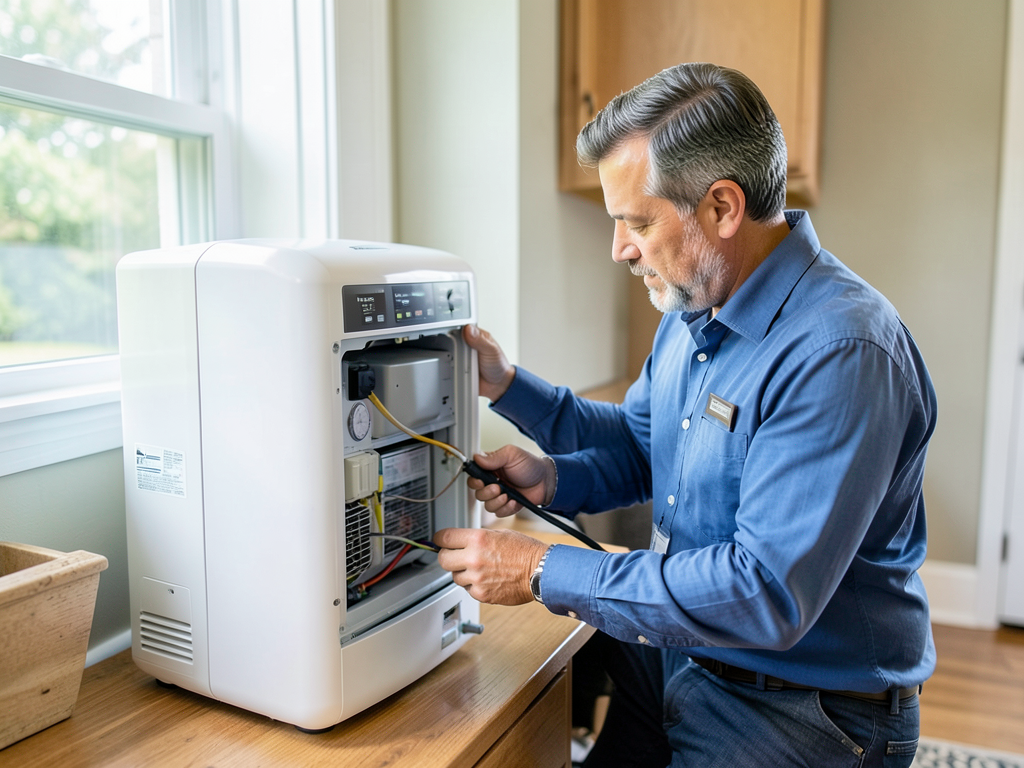
The Impact of High Mineral Content Water on Whole-Home Humidifiers in Waxahachie Living in Waxahachie means dealing with hard water that can cause problems for your whole-home humidifier. The high mineral content in North Texas…
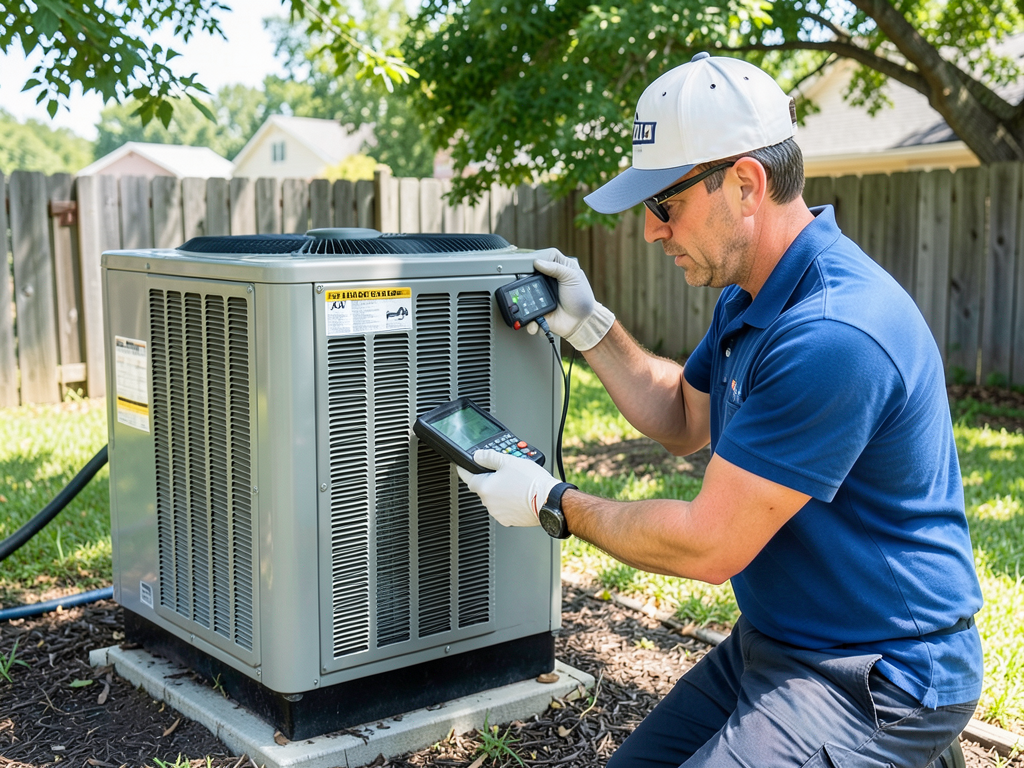
Why Your Outdoor AC Unit Sounds Like a Jet Engine (And How to Quiet It…
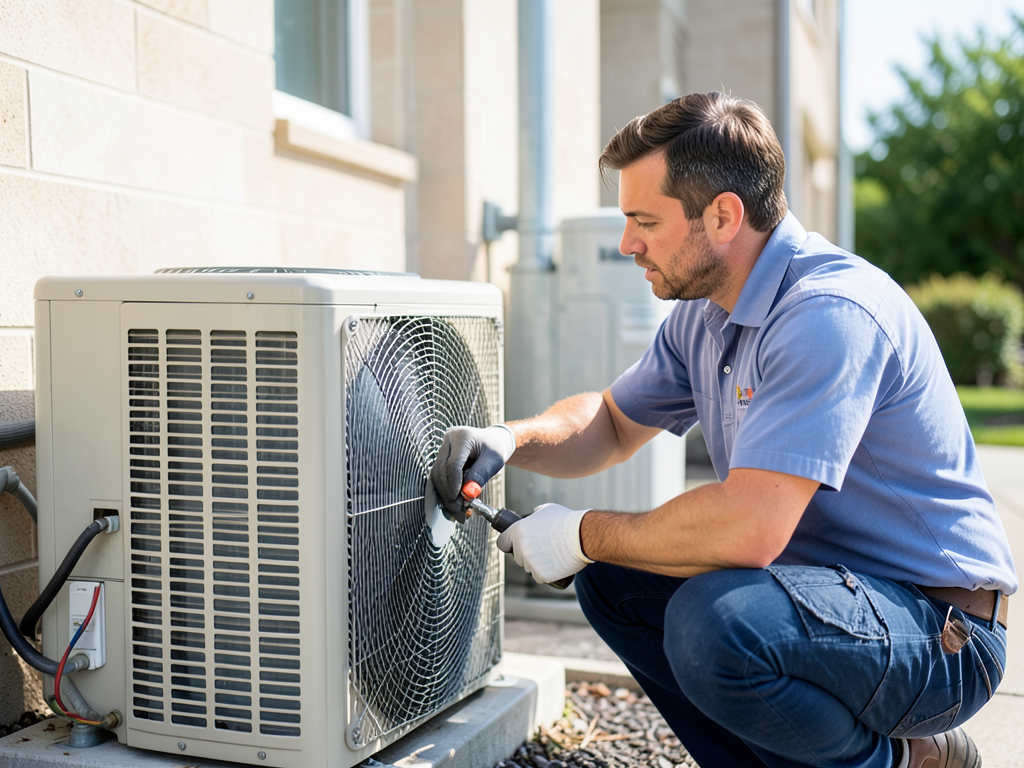
Dallas summers push air conditioners to their limits. When your AC stops working on a…
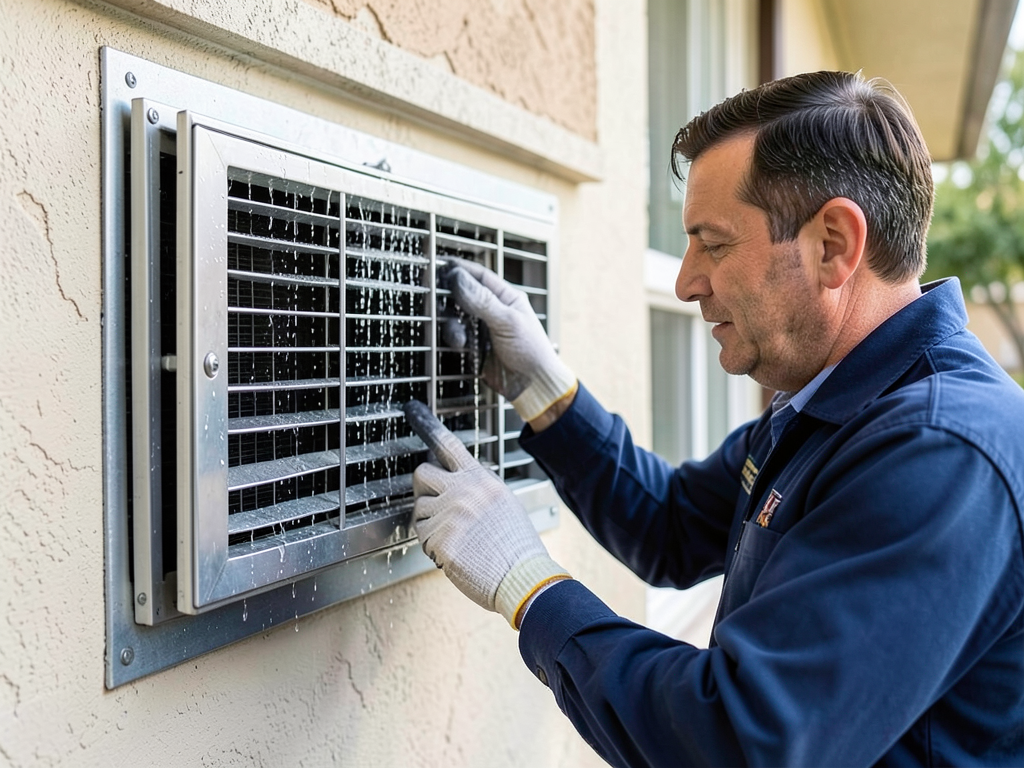
How to Keep Your AC Vents From Sweating and Dripping on Your Hardwood Floors When…
Your comfort matters. Don't wait until a small problem becomes an expensive emergency. Call Cornerstone HVAC Dallas now at (972) 850-2750 for same day service. We answer the phone, show up on time, and fix your system right the first time.