
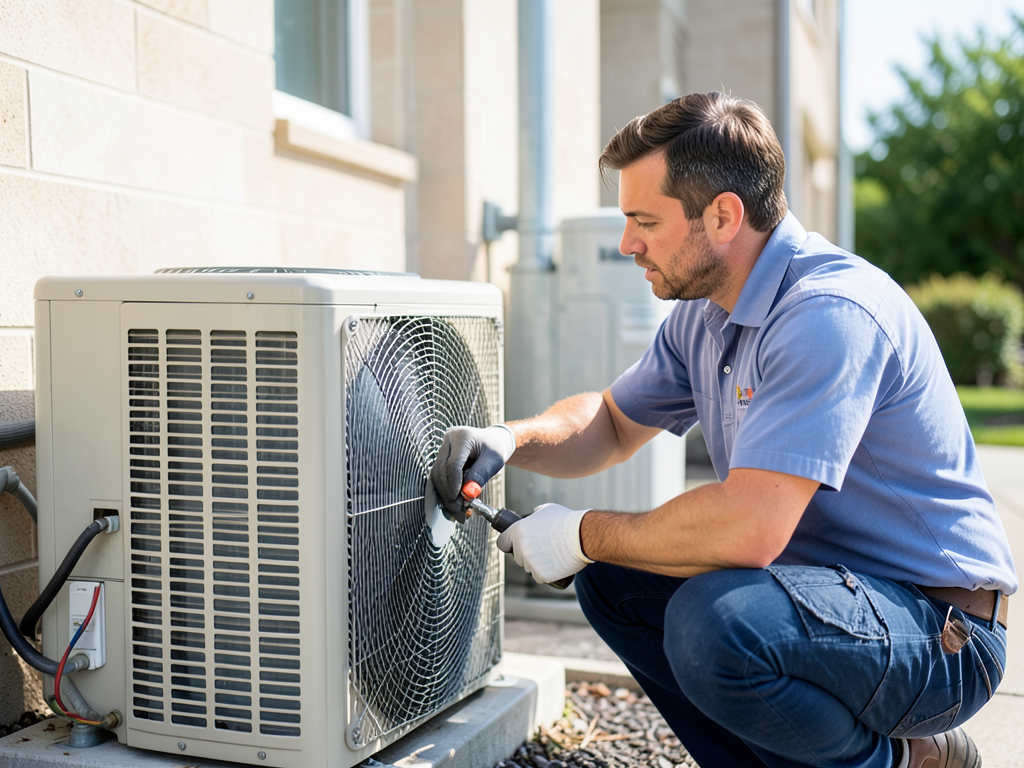
Dallas summers push air conditioners to their limits. When your AC stops working on a 100°F day you need to decide fast. Is this an emergency that needs immediate repair or can it wait until tomorrow? The answer affects your comfort safety and wallet. Dallas County Heat Resources.
Many Dallas homeowners face this decision during heat waves. Understanding what makes a repair an emergency versus a standard service call helps you make the right choice and avoid unnecessary costs. Who to Call for Same-Day AC Service in University Park and North Dallas.
Key Differences Between Emergency and Standard AC Service
Emergency AC repair means immediate response from a technician any time day or night. Standard service means scheduling during normal business hours usually within 24-48 hours.
The main differences include:
- Response time: Emergency service arrives within hours. Standard service arrives within 1-2 days.
- Cost: Emergency calls include after-hours fees. Standard calls use regular rates.
- Availability: Emergency service works 24/7 including weekends and holidays. Standard service works Monday through Friday 8 AM to 5 PM.
- Urgency level: Emergency repairs address health and safety risks. Standard repairs handle comfort and efficiency issues.
When Your AC Problem Becomes an Emergency
Several situations require immediate emergency service in Dallas. These conditions create health risks or could cause serious property damage if not addressed quickly. HVAC Dallas.
Complete system failure during extreme heat qualifies as an emergency. When indoor temperatures reach 85°F or higher and your AC won’t turn on you need immediate help. This becomes critical for elderly people young children or anyone with health conditions. Indoor Air Quality Solutions.
Electrical burning smells or smoke coming from your AC unit signals an emergency. Turn off the system at the breaker and call for immediate service. This could indicate wiring problems that pose fire risks.
Refrigerant leaks create both health and environmental hazards. If you notice hissing sounds ice buildup on lines or see refrigerant pooling under your unit call immediately. Refrigerant exposure can cause dizziness headaches and respiratory issues.
Water leaks that threaten property damage require emergency attention. If your AC is flooding your home or causing ceiling damage shut it off and call for help right away.
Standard AC Issues That Can Wait
Not every AC problem needs immediate attention. Many issues can wait 24-48 hours without causing harm.
Squeaking or rattling noises often indicate loose parts or worn bearings. While annoying these sounds rarely pose immediate risks. You can schedule standard service to address them.
Reduced cooling efficiency or higher energy bills suggest maintenance needs. Your home might still stay comfortable even if the system isn’t running at peak performance. Schedule standard service to improve efficiency.
Minor water leaks from clogged drain lines can wait if they’re small and contained. Place a bucket under the leak and schedule service for the next business day.
Thermostat malfunctions often cause comfort issues but don’t require emergency repair. You can use the fan setting for air circulation while waiting for standard service.
Dallas Climate Factors That Affect Your Decision
Dallas heat creates unique challenges for AC systems. Understanding local conditions helps you make better repair decisions.
Summer temperatures regularly exceed 100°F in Dallas. At these temperatures indoor heat buildup happens quickly especially in homes with poor insulation. What might be a minor inconvenience at 85°F becomes dangerous at 105°F.
High humidity levels common in Dallas make heat feel worse. When humidity combines with high temperatures your body struggles to cool itself through sweat evaporation. This increases health risks during AC failures.
Older homes in neighborhoods like Lakewood and the M-Streets often have less insulation and older ductwork. These homes heat up faster when AC systems fail making emergency service more critical.
Many Dallas homes use heat pumps for both heating and cooling. When these systems fail in extreme weather you lose both heating and cooling capabilities increasing the urgency of repairs.
Health Risks of Delayed AC Repair
Heat exposure poses serious health risks especially for vulnerable populations. Understanding these risks helps you decide when to call for emergency service.
Heat exhaustion symptoms include heavy sweating weakness dizziness and nausea. If indoor temperatures rise above 85°F these symptoms can develop within hours especially during physical activity.
Heat stroke represents a life-threatening emergency. Signs include confusion seizures and loss of consciousness. Body temperatures above 104°F can cause permanent organ damage or death.
Respiratory issues worsen in hot humid conditions. People with asthma or COPD may experience increased symptoms when indoor air quality deteriorates due to lack of AC filtration.
Sleep disruption from heat affects overall health. Poor sleep quality can worsen existing medical conditions and reduce immune function.
Common AC Emergency Causes
Understanding what typically causes AC emergencies helps you recognize serious problems.
Compressor failure often requires emergency repair. The compressor is the heart of your AC system. When it fails your system won’t cool at all. This commonly occurs during heat waves when systems work hardest.
Refrigerant leaks develop from corroded coils or damaged lines. Low refrigerant levels prevent proper cooling and can freeze evaporator coils causing complete system shutdown.
Electrical component failures including capacitors contactors and control boards can cause sudden system shutdowns. These issues often produce burning smells or visible sparking.
Fan motor failures prevent air circulation even if the compressor works. This creates hot spots throughout your home and reduces cooling effectiveness.
Thermostat wiring problems can cause systems to run continuously or not at all. While less common these issues can create comfort emergencies.
Before You Call: Troubleshooting Steps
Before deciding between emergency and standard service try these basic troubleshooting steps.
Check your thermostat settings. Ensure it’s set to “cool” and the temperature is lower than the current room temperature. Replace batteries if needed.
Inspect your air filter. Dirty filters restrict airflow and can cause system shutdowns. Replace if visibly dirty.
Check circuit breakers. AC systems have dedicated breakers that may trip during power surges. Reset if tripped but call if it trips again.
Look for visible ice on refrigerant lines or the outdoor unit. Ice indicates airflow restrictions or refrigerant problems. Turn off the system and call for service.
Listen for unusual sounds. Clicking or humming without the fan running suggests electrical issues. Loud banging or screeching indicates mechanical problems.
Cost Comparison: Emergency vs Standard Service
Emergency AC repair costs more than standard service but provides immediate response. Understanding typical cost differences helps you make informed decisions.
Emergency service calls often include after-hours dispatch fees ranging from $75 to $150 above standard rates. These fees cover technician availability outside normal business hours.
Labor rates during emergencies typically increase by 50% to 100%. A repair that costs $200 during business hours might cost $300 to $400 after hours.
Parts pricing remains consistent regardless of service timing. However emergency service may require rush ordering parts at premium shipping costs.
Standard service calls during business hours usually cost $75 to $125 for the initial diagnostic visit. Most companies waive this fee if you proceed with repairs.
Preventive maintenance contracts can reduce both emergency and standard service costs. Many Dallas companies offer annual plans with priority service and discounted rates.
Commercial vs Residential Emergency Criteria
Emergency criteria differ between homes and businesses in Dallas.
Residential emergencies focus on health and comfort. Complete cooling loss during extreme heat poses health risks especially for vulnerable occupants.
Commercial emergencies often involve business continuity and liability. Restaurants need cooling for food safety. Server rooms require temperature control to prevent equipment damage.
Medical facilities have strict temperature requirements for patient safety and equipment function. These situations always constitute emergencies.
Retail businesses may need emergency service to protect inventory or maintain customer comfort. However some can operate with temporary cooling solutions while waiting for standard service.
Preparing for Emergency Service Calls
If you determine you need emergency AC repair take these steps to prepare for the technician’s arrival.
Turn off your AC system at the thermostat and circuit breaker. This prevents further damage and reduces safety risks.
Clear access to your indoor and outdoor units. Remove furniture plants or other obstacles that block technician access.
Document symptoms and when they started. Note any unusual sounds smells or performance changes. This information helps technicians diagnose problems faster.
Have your system information ready. Know your AC model number age and any recent repairs or maintenance. This helps technicians bring appropriate parts and tools.
Prepare questions about repair options and costs. Emergency situations can feel rushed but you still deserve clear explanations of recommended repairs.
Preventing AC Emergencies
Regular maintenance reduces emergency repair needs. Consider these preventive measures.
Schedule annual professional maintenance before cooling season. Technicians can identify worn parts and potential failures before they cause emergencies.
Change air filters regularly. Dirty filters cause many AC problems including frozen coils and system shutdowns.
Keep outdoor units clear of debris leaves and vegetation. Restricted airflow reduces efficiency and can cause system overheating.
Install a programmable thermostat to reduce system runtime during unoccupied hours. This extends equipment life and reduces failure risks.
Consider a maintenance contract with a local Dallas HVAC company. These plans often include priority service and discounts on repairs.
Local Dallas Resources
Several Dallas-area resources can help during AC emergencies.
The City of Dallas maintains cooling centers during extreme heat events. These facilities provide air-conditioned spaces for residents without functioning AC.
Dallas County Health and Human Services offers heat safety information and resources for vulnerable populations during summer months.
Many Dallas HVAC companies provide 24/7 emergency service. Keep contact information for a trusted local company handy during summer months.
Local hardware stores often stock temporary cooling solutions like fans and portable AC units. These can provide relief while waiting for emergency repairs.
Making the Right Choice
Deciding between emergency and standard AC service requires balancing urgency cost and risk. Consider these factors when making your decision.
Current indoor temperature and outdoor conditions affect urgency. What’s merely uncomfortable at 85°F becomes dangerous at 100°F.
Occupant health conditions increase emergency priority. Elderly people young children and those with medical conditions face higher heat risks.
Property damage potential affects timing. Water leaks that could damage floors or ceilings require faster attention than simple comfort issues.
Business needs differ from residential needs. Commercial operations often require faster service to maintain operations and meet liability requirements.
Your comfort with temporary solutions matters. Some people can manage with fans and open windows while others need immediate cooling.
When in doubt err on the side of caution. Heat-related illnesses can develop quickly and unexpectedly. Professional assessment provides peace of mind regardless of repair timing.
Frequently Asked Questions
How much does emergency AC repair cost in Dallas?
Emergency AC repair typically costs 50% to 100% more than standard service. After-hours dispatch fees range from $75 to $150 plus higher labor rates. Parts costs remain the same but rush shipping may add fees.
What temperature inside my house is considered dangerous?
Indoor temperatures above 85°F become dangerous especially for elderly people young children and those with health conditions. At 90°F or higher heat exhaustion and heat stroke risks increase significantly.
Can I wait until morning if my AC stops working at night?
This depends on indoor temperature outdoor conditions and occupant health. If temperatures are mild and everyone is healthy you can likely wait. During heat waves or with vulnerable occupants call for emergency service.
What should I do while waiting for emergency AC repair?
Turn off your AC system at the thermostat and breaker. Move to the coolest part of your home. Use fans and stay hydrated. If temperatures become dangerous consider temporary accommodations or cooling centers.
How can I tell if my AC problem is electrical versus mechanical?
Electrical problems often produce burning smells clicking sounds or complete system silence. Mechanical issues typically create rattling banging or screeching noises. However many problems involve both electrical and mechanical components. For more information, visit CDC Heat Safety Guidelines. For more information, visit Energy.gov AC Maintenance Guide.
{
“@context”: “https://schema.org”,
“@type”: “BlogPosting”,
“headline”: “Understanding the Difference Between an AC Emergency and a Next-Day Repair”,
“description”: “Learn when AC problems require emergency service versus next-day repair in Dallas. Understand cost differences, health risks, and how to make the right call.”,
“wordCount”: 1989,
“datePublished”: “2026-06-18T12:57:00.000Z”,
“dateModified”: “2026-06-18T12:57:00.000Z”,
“inLanguage”: “en-US”,
“mainEntityOfPage”: {
“@type”: “WebPage”,
“@id”: “https://cornerstonehvacdallas.com”
},
“publisher”: {
“@type”: “LocalBusiness”,
“name”: “Cornerstone HVAC Dallas”,
“url”: “https://cornerstonehvacdallas.com”
},
“author”: {
“@type”: “Organization”,
“name”: “Cornerstone HVAC Dallas”,
“url”: “https://cornerstonehvacdallas.com”
},
“image”: {
“@type”: “ImageObject”,
“url”: “https://cornerstonehvacdallas.com/wp-content/uploads/2026/03/understanding-the-difference-between-an-ac-emergen-1.png”
}
}
{
“@context”: “https://schema.org”,
“@type”: “HVACBusiness”,
“name”: “Cornerstone HVAC Dallas”,
“url”: “https://cornerstonehvacdallas.com”,
“address”: {
“@type”: “PostalAddress”,
“addressLocality”: “Dallas”
},
“areaServed”: {
“@type”: “City”,
“name”: “Dallas”
}
}
{
“@context”: “https://schema.org”,
“@type”: “FAQPage”,
“mainEntity”: [
{
“@type”: “Question”,
“name”: “How much does emergency AC repair cost in Dallas?”,
“acceptedAnswer”: {
“@type”: “Answer”,
“text”: “Emergency AC repair typically costs 50% to 100% more than standard service. After-hours dispatch fees range from $75 to $150 plus higher labor rates. Parts costs remain the same but rush shipping may add fees.”
}
},
{
“@type”: “Question”,
“name”: “What temperature inside my house is considered dangerous?”,
“acceptedAnswer”: {
“@type”: “Answer”,
“text”: “Indoor temperatures above 85°F become dangerous especially for elderly people young children and those with health conditions. At 90°F or higher heat exhaustion and heat stroke risks increase significantly.”
}
},
{
“@type”: “Question”,
“name”: “Can I wait until morning if my AC stops working at night?”,
“acceptedAnswer”: {
“@type”: “Answer”,
“text”: “This depends on indoor temperature outdoor conditions and occupant health. If temperatures are mild and everyone is healthy you can likely wait. During heat waves or with vulnerable occupants call for emergency service.”
}
},
{
“@type”: “Question”,
“name”: “What should I do while waiting for emergency AC repair?”,
“acceptedAnswer”: {
“@type”: “Answer”,
“text”: “Turn off your AC system at the thermostat and breaker. Move to the coolest part of your home. Use fans and stay hydrated. If temperatures become dangerous consider temporary accommodations or cooling centers.”
}
}
]
}
{
“@context”: “https://schema.org”,
“@type”: “BreadcrumbList”,
“itemListElement”: [
{
“@type”: “ListItem”,
“position”: 1,
“name”: “Home”,
“item”: “https://cornerstonehvacdallas.com”
},
{
“@type”: “ListItem”,
“position”: 2,
“name”: “Blog”,
“item”: “https://cornerstonehvacdallas.com/blog”
},
{
“@type”: “ListItem”,
“position”: 3,
“name”: “Understanding the Difference Between an AC Emergency and a Next-Day Repair”
}
]
}
{
“@context”: “https://schema.org”,
“@type”: “Service”,
“serviceType”: “HVAC”,
“provider”: {
“@type”: “LocalBusiness”,
“name”: “Cornerstone HVAC Dallas”,
“url”: “https://cornerstonehvacdallas.com”
},
“areaServed”: {
“@type”: “City”,
“name”: “Dallas”
},
“description”: “Learn when AC problems require emergency service versus next-day repair in Dallas. Understand cost differences, health risks, and how to make the right call.”
}