




menu

Furnace Pilot Light Issues in Dallas – Expert Diagnosis and Permanent Fixes

When your pilot light keeps going out or refuses to stay lit, you need a technician who understands gas furnace pilot light malfunctions and can resolve them the first time, not band-aid the problem.

Slider Image 1
Slider Image 2
Slider Image 3
Slider Image 4
Slider Image 5
Slider Image 7
Slider Image 8
Slider Image 9
Slider Image 10
Slider Image 11

Why Dallas Furnaces Struggle with Pilot Light Problems

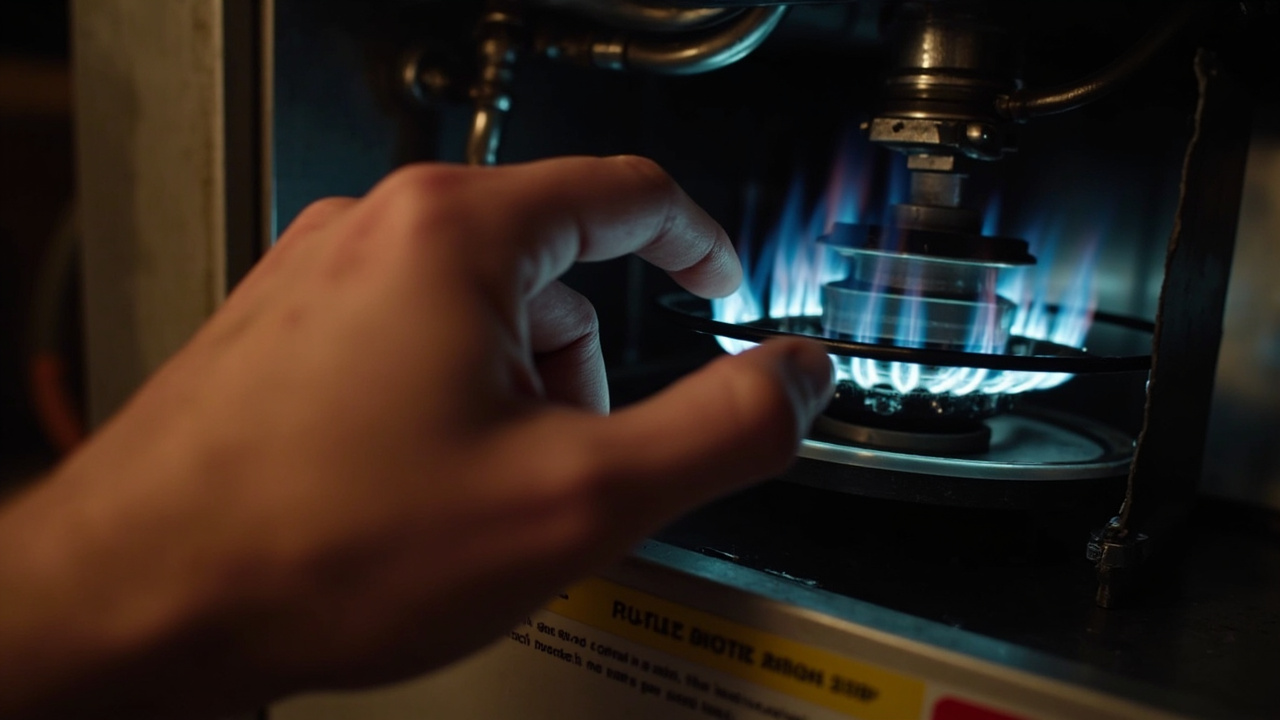
You walk to your furnace expecting to see that small, steady blue flame. Instead, you find it dark. You relight it. Two hours later, it goes out again. This cycle frustrates Dallas homeowners every winter, and the problem is rarely random.

Dallas's variable winter weather creates unique challenges for gas furnaces. When outdoor temperatures swing from 70 degrees one day to 28 degrees the next, your furnace cycles on and off erratically. These rapid temperature changes stress the thermocouple, the safety device that senses whether the pilot light is burning. If the thermocouple fails or becomes coated in carbon buildup from incomplete combustion, your pilot light won't stay lit.

North Texas also experiences higher-than-average particulate matter in the air during dry months. This dust and debris infiltrate your furnace cabinet and accumulate on the pilot assembly. A clogged pilot orifice restricts gas flow, creating a weak, unstable flame that extinguishes easily. You might notice the flame flickering or burning yellow instead of a crisp blue.

Gas furnace pilot light malfunctions also stem from draft issues. Many Dallas homes built in the 1980s and 1990s have furnaces installed in attics or garages where wind infiltration can blow out the pilot. Improper venting, damaged heat exchangers, or negative air pressure from poorly sealed ductwork compounds the issue.

When your pilot light keeps going out, you are not dealing with a minor annoyance. You are dealing with a combustion safety issue that requires immediate professional attention. Every relight attempt wastes gas and increases the risk of carbon monoxide exposure if the problem involves a cracked heat exchanger.

Why Dallas Furnaces Struggle with Pilot Light Problems
How We Diagnose and Fix Furnace Pilot Light Problems

How We Diagnose and Fix Furnace Pilot Light Problems

Most HVAC technicians treat pilot light problems as simple cleaning jobs. They blow out the orifice, wipe down the thermocouple, and leave. Two weeks later, your pilot light goes out again because they never identified the root cause.

Cornerstone HVAC Dallas approaches gas furnace pilot light malfunctions systematically. We start with a combustion analysis using a calibrated digital analyzer. This tool measures oxygen levels, carbon monoxide output, and gas pressure at the manifold. If your furnace is running rich or lean, we know immediately. A rich mixture creates soot buildup that fouls the pilot assembly. A lean mixture produces a weak flame that cannot generate enough millivolts to keep the thermocouple energized.

Next, we inspect the thermocouple itself. This device generates a small electrical current when heated by the pilot flame. If the thermocouple is worn, corroded, or misaligned, it fails to signal the gas valve to stay open. We test continuity with a multimeter and measure millivolt output under load. A functional thermocouple should produce 25 to 30 millivolts. Anything below 20 millivolts means replacement is necessary.

We also examine the pilot orifice and gas valve. Sediment from the gas line can clog the orifice, reducing flame intensity. If your gas valve is failing, it may allow intermittent gas flow or shut off prematurely. We test gas pressure upstream and downstream of the valve to confirm proper regulation.

Finally, we check for draft issues. We inspect the venting system for blockages, damage, or improper termination. We test for negative pressure inside the furnace cabinet using a manometer. If your furnace is starved for combustion air, we identify the source and correct it.

What Happens During a Pilot Light Service Call

Furnace Pilot Light Issues in Dallas – Expert Diagnosis and Permanent Fixes
01

Initial System Evaluation

Our technician arrives and runs a full diagnostic on your furnace before touching any components. We test gas pressure at the meter, inspect the flue for blockages, and measure draft pressure. We also check for visible signs of soot, corrosion, or heat exchanger cracks. This step identifies whether your pilot light problem is isolated or symptomatic of a larger combustion issue.
02

Component Testing and Repair

We test the thermocouple, thermopile, and gas valve using precision instruments. If the thermocouple is weak, we replace it with an OEM part matched to your furnace model. We clean the pilot orifice with compressed air and a micro-drill bit if sediment is present. We adjust the pilot flame to the correct height and verify stable ignition. Every adjustment is tested under load to confirm reliability.
03

System Verification and Documentation

After repairs, we run your furnace through multiple heating cycles while monitoring flame characteristics and thermocouple output. We document all readings and provide you with a written report of what we found and what we fixed. You receive clear guidance on maintenance intervals and warning signs that indicate future issues. We do not leave until your furnace cycles reliably and safely.

Why Dallas Homeowners Trust Our Pilot Light Expertise

Dallas has no shortage of HVAC companies. What separates Cornerstone HVAC Dallas is our refusal to guess. Pilot light problems have multiple causes, and throwing parts at the issue wastes your money and time.

We invest in diagnostic equipment most residential HVAC companies skip. Our combustion analyzers cost thousands of dollars, but they give us real-time data on what your furnace is doing wrong. We do not rely on visual inspections alone. We measure, test, and verify before we make any repair recommendation.

Our technicians also understand Dallas-specific furnace challenges. We know that homes in East Dallas often have older cast-iron furnaces with standing pilots that require different troubleshooting than newer electronic ignition systems in Frisco or Plano. We know that furnaces installed in unconditioned attics face higher failure rates due to temperature extremes and poor ventilation. We factor these variables into every diagnosis.

We also respect your time. When you call with a pilot light problem, we do not string you along with vague estimates or unnecessary upsells. We give you a clear explanation of what is wrong, what it costs to fix, and how long the repair will take. If your furnace is old and throwing multiple failure codes, we tell you honestly whether repair makes sense or if replacement is the smarter investment.

You also get transparent pricing. We provide written estimates before starting work. No hidden fees. No surprises. If we find additional issues during the repair, we stop and get your approval before proceeding.

Dallas homeowners return to us because we solve problems permanently, not temporarily.

What You Can Expect From Our Pilot Light Service

Same-Day Service Availability

We understand that a furnace without a working pilot light leaves you without heat. When you call, we prioritize emergency service calls and dispatch a technician within hours, not days. Most pilot light repairs are completed the same day. We stock common thermocouples, pilot assemblies, and gas valves on every truck so we can resolve the issue without waiting on parts. If your furnace requires a specialty component, we source it quickly and return to finish the job.

Comprehensive Combustion Analysis

We do not assume your pilot light problem is simple until we prove it. Our technicians perform a full combustion analysis using calibrated digital instruments. We measure oxygen levels, carbon monoxide output, gas pressure, and draft pressure. This analysis reveals whether your furnace is burning efficiently or if carbon buildup, venting issues, or gas valve problems are causing your pilot to fail. You receive a printed report with all readings and our findings.

Reliable, Long-Lasting Repairs

We use OEM parts matched to your furnace make and model. Generic thermocouples and pilot assemblies often fail prematurely because they are not calibrated to your specific gas valve. We test every repair under load before we leave. Your pilot light should stay lit reliably, and your furnace should cycle cleanly without hesitation. If you experience a repeat failure within 30 days, we return at no additional diagnostic charge to identify the underlying issue.

Ongoing Maintenance Guidance

After we fix your pilot light, we provide clear maintenance recommendations. You learn how often to inspect your pilot assembly, what warning signs indicate thermocouple wear, and when to schedule professional tune-ups. Dallas furnaces benefit from annual combustion testing, especially if your furnace runs on propane or if your home has poor ventilation. We offer maintenance plans that include priority scheduling, discounted service calls, and pre-season inspections to catch problems before they leave you without heat.

Frequently Asked Questions

You Have Questions,
We Have Answers

What are the symptoms of a bad igniter on a furnace? +

A bad igniter shows clear signs. You hear the furnace click or hum, but the burner does not light. The igniter may glow orange or white but fail to spark the gas. In older Dallas homes, you might smell gas briefly without ignition. Some igniters crack visibly or do not glow at all. Your furnace cycles on and off repeatedly without producing heat. If the igniter glows weakly or inconsistently, it needs replacement. Dallas temperature swings stress igniters over time, causing wear and failure.

What are the common causes of pilot light issues? +

Pilot light issues stem from several culprits. A dirty or clogged pilot orifice blocks gas flow, common in Dallas due to dust infiltration. Thermocouple failure prevents the gas valve from staying open. Drafts from poorly sealed ductwork or attic access points blow out the flame. Gas supply problems or low pressure affect ignition. Faulty gas valves fail to deliver fuel consistently. In North Texas, power surges during storms damage electronic ignition systems. Debris buildup from lack of maintenance restricts airflow and combustion.

How do I know if my thermocouple is bad? +

A bad thermocouple shows specific symptoms. Your pilot light ignites but goes out when you release the knob. The thermocouple fails to sense heat and signals the gas valve to close. You see corrosion or a bent probe near the flame. The pilot flame does not touch the thermocouple tip directly. In Dallas homes with older furnaces, thermocouples weaken after years of temperature cycling. The connection may loosen from vibration. If cleaning and repositioning do not fix the issue, replacement is necessary.

Why is my furnace pilot light not igniting? +

Several factors prevent pilot ignition. The thermocouple may be faulty or misaligned. Gas supply issues or a closed valve stop fuel flow. A clogged pilot orifice blocks gas, especially in dusty Dallas conditions. The igniter electrode may be dirty or positioned incorrectly. Drafts from attic spaces blow out the flame immediately after ignition. Electronic ignition modules fail from age or power surges. Low gas pressure prevents proper flame establishment. Dirt accumulation in the pilot assembly restricts combustion.

Can I replace a furnace igniter myself? +

You can replace a furnace igniter if you have mechanical aptitude and follow safety protocols. Turn off gas and power at the breaker first. The igniter is typically ceramic and fragile, so handle carefully. You need basic tools and the correct replacement part for your model. However, gas appliance work carries risk. One mistake can cause gas leaks or carbon monoxide hazards. For Dallas homeowners without HVAC experience, professional installation ensures safety and warranty protection. Improper installation voids manufacturer coverage.

Can you manually light a gas furnace with electronic ignition? +

No, you cannot manually light a gas furnace with electronic ignition. These systems lack the standing pilot and manual lighting access found in older models. Electronic ignition furnaces use hot surface igniters or intermittent pilot systems controlled by circuit boards. They require proper voltage and electronic sequencing to operate safely. Attempting manual ignition risks gas buildup and explosion. If your electronic ignition fails in Dallas, call a qualified technician. The system needs diagnostic testing and component replacement, not a match.

Is it expensive to repair a pilot light? +

Pilot light repair costs vary by the problem. Simple relighting takes minutes and costs little if you do it yourself. Thermocouple replacement is affordable and straightforward. Gas valve replacement costs more due to parts and labor. Electronic ignition repairs depend on which component failed. Dallas area pricing reflects labor rates and part availability. Most repairs cost less than emergency service calls for no heat. Regular maintenance prevents expensive failures. Ignoring pilot issues leads to complete system breakdowns and higher repair bills.

Should I call a professional to relight it? +

Call a professional if you smell gas, see damaged components, or lack experience with gas appliances. In Dallas, natural gas leaks require immediate expert attention. If the pilot will not stay lit after multiple attempts, the problem goes beyond simple relighting. Thermocouples, gas valves, and ignition systems need diagnostic testing. Professionals carry proper tools and replacement parts. They ensure safe operation and code compliance. For older furnaces or repeated failures, expert inspection prevents dangerous situations and costly breakdowns.

How to tell if your pilot light is bad? +

A bad pilot light shows distinct signs. The flame appears yellow or orange instead of steady blue. It flickers constantly or burns weakly. The flame does not fully engulf the thermocouple tip. You smell gas near the furnace. The pilot goes out frequently, requiring relighting. In Dallas homes, dust buildup causes weak, inconsistent flames. A properly functioning pilot burns blue and steady, about one inch tall. If your pilot exhibits any abnormal behavior, inspection and cleaning are necessary before it fails completely.

How to clean a clogged thermocouple? +

Turn off the gas valve and let the thermocouple cool completely. Remove the thermocouple from the pilot assembly using a wrench. Use fine-grit sandpaper or steel wool to gently clean the probe tip. Remove soot, corrosion, and buildup without scratching the metal. Wipe clean with a dry cloth. Check the connection threads and clean if needed. Reinstall carefully, positioning the tip in the pilot flame's hottest part. In Dallas, clean thermocouples every maintenance cycle to prevent dust-related failures.

How Dallas's Temperature Swings Accelerate Pilot Light Wear

Dallas experiences some of the most erratic winter weather in Texas. A 40-degree temperature drop in 12 hours is not unusual. Your furnace responds by cycling aggressively, turning on and off repeatedly as outdoor conditions change. This rapid cycling stresses the thermocouple and pilot assembly. The constant heating and cooling causes metal fatigue, and the thermocouple loses its ability to generate consistent millivolt output. Homes in North Dallas and Richardson, where furnaces are often installed in attics, face even higher failure rates because attic temperatures swing more dramatically than conditioned spaces.

Cornerstone HVAC Dallas has diagnosed and repaired pilot light problems across Dallas County for years. We understand how local climate and building practices affect furnace performance. Many Dallas homes built in the 1980s and 1990s have undersized returns and poor attic ventilation, creating negative pressure that starves furnaces of combustion air. We factor these variables into every service call. When you choose a local HVAC company that understands Dallas-specific challenges, you get solutions that last, not quick fixes that fail in weeks.
HVAC Services in The Dallas Area

Looking for expert HVAC services near you? Cornerstone HVAC Dallas proudly serves homeowners and businesses throughout the greater Dallas area with professional heating and cooling repairs, system installations, indoor air quality solutions, and emergency HVAC services. From Plano to Arlington, our certified technicians are ready to deliver fast, efficient service wherever you are. Use the map below to explore our coverage areas and discover trusted HVAC support right around the corner.

Address:
Cornerstone HVAC Dallas, 5956 Sherry Ln, Suite 2000, Dallas, TX, 75225

Additional Services We Offer

Our news updates

Latest Articles & News from The Blogs

How to Solve C-Wire Issues When Upgrading Your Thermostat in Highland Village Upgrading to a smart thermostat in Highland Village…

How to Solve C-Wire Issues When Upgrading Your Thermostat in Highland Village

How to Solve C-Wire Issues When Upgrading Your Thermostat in Highland Village Upgrading to a smart thermostat in Highland Village…

A Simple Guide to SEER2 Ratings for Homeowners in Little Elm

A Simple Guide to SEER2 Ratings for Homeowners in Little Elm If you’re shopping for a new air conditioner in…

Choosing the Right Climate Control for Your Westlake Pool House or Luxury Cabana

Choosing the Right Climate Control for Your Westlake Pool House or Luxury Cabana Living in Westlake means dealing with Texas…

Contact Us

Stop relighting your pilot every few hours. Call Cornerstone HVAC Dallas at (972) 850-2750 and schedule same-day service. We diagnose the root cause and fix it right the first time.