
Finding an HVAC Contractor Who Specializes in Historic Preservation for Swiss Avenue Homes
The challenge of installing modern HVAC systems in Dallas’s historic neighborhoods goes far beyond standard comfort concerns. When you own a home in the Swiss Avenue Historic District you face a unique set of preservation requirements that demand specialized expertise. These beautiful homes built between 1905 and 1940 feature lath and plaster walls original hardwood floors and intricate architectural details that cannot be compromised during any renovation. Dallas Landmark Commission.
Standard HVAC contractors often lack the knowledge to navigate Dallas Landmark Commission regulations or the skills to preserve your home’s historical integrity. You need someone who understands the delicate balance between modern comfort and architectural preservation. This means knowing how to install systems without damaging original crown molding avoiding bulkhead construction in living spaces and working within the strict guidelines that protect these architectural treasures.
The Dallas climate adds another layer of complexity. Your historic home faces 100°F+ summer heat and high humidity levels that can strain outdated systems and damage original materials. Finding the right contractor means finding someone who can solve these modern comfort challenges while respecting the craftsmanship that makes your home special. Finding a Reliable Tech for Emergency AC Repair in Highland Park.
Why Historic Homes Need Specialized HVAC Solutions
Historic Dallas homes present unique HVAC challenges that standard installations simply cannot address. The construction methods used in early 20th century homes differ dramatically from modern building practices. Balloon framing lath and plaster walls and pier and beam foundations require completely different approaches than contemporary stick-built homes with drywall and concrete slabs. How Much a New AC Installation Actually Costs in Dallas This Year.
Many Swiss Avenue homes lack the closet or attic space needed for traditional ductwork. The original architects never anticipated the need for extensive mechanical systems. This means you cannot simply cut into walls or drop ceilings to run standard ducts without destroying the home’s character and potentially violating preservation codes.
Energy efficiency presents another challenge. These homes often have single-pane windows and minimal insulation by modern standards. However aggressive air sealing can create moisture problems in older structures not designed for tight envelopes. You need a contractor who understands how to improve efficiency without creating new problems.
High-Velocity HVAC Systems for Historic Preservation
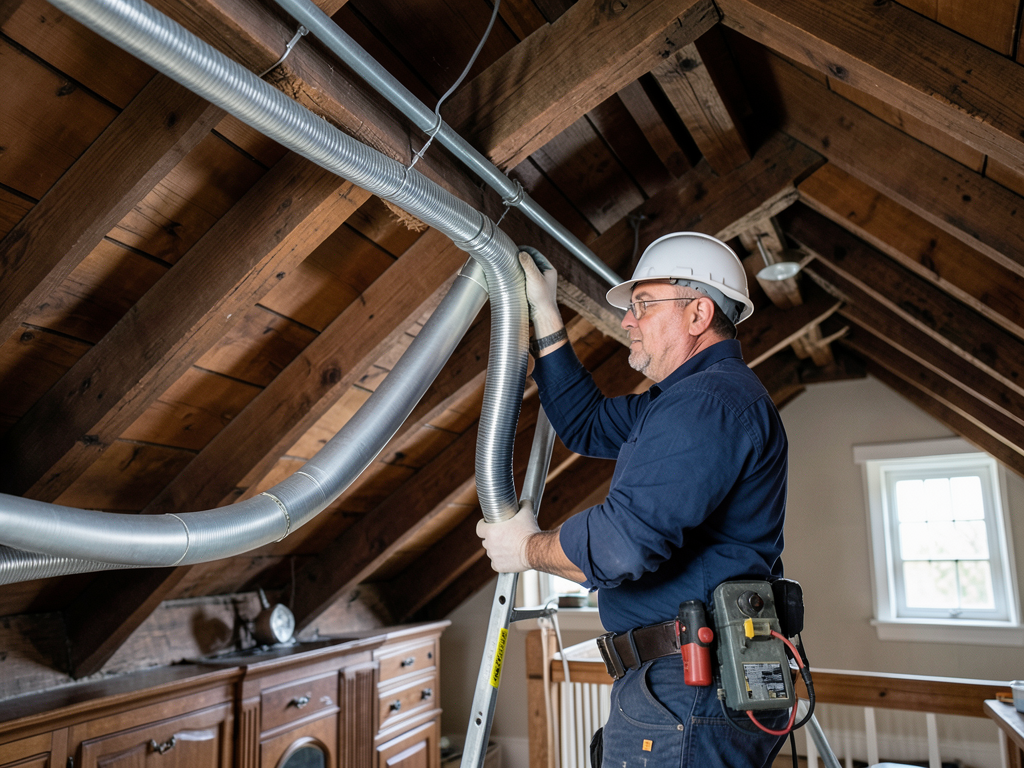
High-velocity HVAC systems offer the ideal solution for historic homes where traditional ductwork is impossible. These systems use small flexible tubes typically two to three inches in diameter instead of the standard six to twelve inch ducts. The tubes can snake through existing wall cavities floor joists and other tight spaces without major demolition.
The Unico System and SpacePak represent the leading high-velocity options for historic preservation. These systems deliver conditioned air through special outlets that can be painted to match your walls or disguised as decorative elements. The outlets are much smaller than standard vents preserving your home’s original aesthetic. EPA Indoor Air Quality.
Beyond the preservation benefits high-velocity systems offer superior dehumidification. This matters in Dallas where summer humidity can make your home feel uncomfortable even at the right temperature. The high-velocity air movement helps distribute cool air more evenly throughout your home reducing hot spots common in older construction.
Ductless Mini-Split Solutions for Swiss Avenue Homes
Ductless mini-split systems provide another excellent option for historic preservation. These systems consist of an outdoor compressor connected to one or more indoor air handlers mounted on walls or ceilings. The indoor units require only a small three-inch hole for refrigerant lines eliminating the need for any ductwork. Installing a Ductless Mini-Split in Your M Streets Bungalow or Garage Suite.
Modern mini-splits offer impressive energy efficiency with SEER2 ratings often exceeding 20. This means lower utility bills while maintaining comfort in your historic home. The indoor units come in various styles including low-profile ceiling cassettes that can be recessed above crown molding or concealed in built-in cabinetry. Indoor Air Quality Solutions.
The zoning capabilities of mini-splits allow you to condition only the rooms you use. This proves especially valuable in larger historic homes where heating and cooling every room may be unnecessary or impractical. You can maintain different temperatures in different zones reducing energy waste while preserving comfort.
Navigating Dallas Landmark Commission Requirements
Working within the Dallas Landmark Commission guidelines requires specialized knowledge. The commission reviews any exterior modifications visible from public rights of way including HVAC equipment placement. You cannot simply mount a condenser unit anywhere on your property without proper approval.
The commission typically requires that outdoor units be screened from view using landscaping or fencing that matches your home’s architectural style. In some cases they may require that units be placed on the least visible side of your home even if this creates longer refrigerant line runs and higher installation costs.
Interior modifications also face scrutiny. While the commission generally allows modern mechanical systems they expect contractors to minimize visible impact. This means avoiding dropped ceilings bulkheads and other modifications that alter the home’s original character. Your contractor should have experience preparing the documentation needed for Landmark Commission approval.
Preserving Lath and Plaster Walls During Installation
Lath and plaster walls require special handling during any HVAC installation. Unlike modern drywall these walls consist of wood lath covered with multiple layers of plaster creating a much harder and more brittle surface. Standard cutting techniques can cause extensive cracking and damage.
Experienced historic preservation contractors use specialized tools and techniques for working with lath and plaster. This includes using oscillating multi-tools instead of reciprocating saws to minimize vibration and employing plaster washers and specialized patching compounds when repairs are necessary.
The contractor should also understand how to identify load-bearing walls and avoid compromising structural elements. Many historic homes have different framing patterns than modern construction. Cutting into the wrong area could weaken your home’s structure or create costly repairs.
Indoor Air Quality Challenges in Older Dallas Homes
Historic homes often suffer from poor indoor air quality due to outdated construction methods and accumulated dust in old materials. The same features that give these homes character can trap allergens and pollutants. Your HVAC contractor should address IAQ as part of any system upgrade.
High-quality filtration becomes especially important in older homes. Standard one-inch filters may not capture the fine particulates common in historic structures. Consider upgrading to MERV 11 or higher filters or installing a whole-house air cleaner specifically designed for older homes with unique air quality challenges.
Humidity control proves critical in Dallas’s climate. Older homes often experience condensation problems when modern HVAC systems create temperature differentials that did not exist with original heating methods. Your contractor should calculate proper system sizing to avoid short cycling which reduces dehumidification effectiveness.
Energy Efficiency Upgrades for Historic Structures
Improving energy efficiency in historic homes requires a delicate balance. Aggressive measures like spray foam insulation or replacing original windows can violate preservation guidelines and potentially damage the home’s structure. However you can still achieve meaningful efficiency improvements through careful planning.
Attic insulation often provides the best return on investment for historic homes. Adding blown-in insulation to accessible attic spaces can significantly reduce heat gain without affecting the home’s visible character. Ensure your contractor uses proper ventilation techniques to prevent moisture problems in the attic.
Window treatments offer another energy-saving opportunity. While replacing original windows may not be allowed adding interior or exterior storm windows can dramatically improve efficiency while preserving the original glass and frames. Modern low-e storm windows can reduce heat transfer by up to 50%.
Custom Solutions for Common Historic Home Challenges
Historic Dallas homes share common HVAC challenges that require creative solutions. Many homes feature tall ceilings that trap heat in summer making downstairs rooms feel cool while upstairs spaces remain uncomfortably warm. Your contractor should address these temperature stratification issues through proper system design.
Pier and beam foundations create unique challenges for HVAC installation. These raised foundations provide access for running ductwork underneath but also create moisture and pest concerns. Your contractor should understand how to properly seal and insulate under-floor spaces while maintaining adequate ventilation.
Many historic homes lack the electrical capacity for modern HVAC systems. Your contractor should assess your electrical service and recommend upgrades if necessary. This may include installing dedicated circuits for new equipment or upgrading your main electrical panel to handle increased loads. Who to Call for Same-Day AC Service in University Park and North Dallas.
Comparing HVAC Options for Historic Preservation
| System Type | Installation Impact | Energy Efficiency | Preservation Compatibility |
|---|---|---|---|
| High-Velocity | Minimal wall damage | SEER2 15-19 | Excellent |
| Ductless Mini-Split | No ductwork required | SEER2 20-25 | Very Good |
| Traditional Ducted | Major demolition | SEER2 14-16 | Poor |
| SpacePak | Minimal wall damage | SEER2 15-18 | Excellent |
Cost Factors for Historic Home HVAC Projects
Historic home HVAC installations typically cost more than standard replacements due to the specialized expertise and careful work required. Several factors influence your final project cost.
System type significantly affects pricing. High-velocity systems often cost 20-30% more than traditional installations due to specialized equipment and smaller market competition. However this premium may be offset by reduced demolition and reconstruction costs.
Permit and commission fees add another cost layer. Working with the Dallas Landmark Commission requires additional documentation and review time. Some projects may need multiple review cycles extending project timelines and increasing administrative costs.
Unexpected discoveries during demolition can impact budgets. Older homes may contain asbestos lead paint or other hazardous materials requiring professional abatement. Your contractor should include contingency planning for these possibilities.
Finding the Right Contractor for Your Historic Home
Not all HVAC contractors have the expertise needed for historic preservation work. Look for specific qualifications and experience when selecting your contractor.
Certifications matter but specialized experience matters more. Look for contractors with NATE certification and specific experience with historic home projects. Ask for references from other Swiss Avenue or Munger Place homeowners who have completed similar work.
Portfolio review provides insight into a contractor’s capabilities. Ask to see photos or visit completed projects to evaluate their work quality and attention to preservation details. A good contractor should be proud to showcase their historic preservation work.
Insurance and licensing requirements increase for historic work. Ensure your contractor carries adequate liability coverage and workers’ compensation. Some historic districts may require additional insurance or bonding for major renovation work.
Questions to Ask Potential Contractors
- How many historic homes have you worked on in the Dallas area?
- Are you familiar with Dallas Landmark Commission requirements?
- What high-velocity or ductless systems do you recommend for my home?
- Can you provide references from other Swiss Avenue homeowners?
- How do you handle unexpected issues during historic renovations?
- What warranties do you offer on both equipment and workmanship?
Project Timeline Expectations
Historic home HVAC projects typically require more time than standard installations. Planning and permitting alone can take several weeks depending on Landmark Commission review cycles.
Installation timelines vary based on project complexity. A straightforward high-velocity replacement might take one to two weeks while a complete system redesign with new equipment could require four to six weeks. Your contractor should provide detailed timelines including buffer periods for unexpected discoveries.
Seasonal timing affects project scheduling. Many homeowners prefer spring or fall installations to avoid extreme weather during the work. However this means contractors may have longer wait times during these peak seasons.
Maintaining Your Historic Home’s HVAC System
Proper maintenance extends the life of your HVAC system and protects your historic home’s integrity. Historic homes often require more frequent maintenance due to their unique construction and the specialized systems they use.
Annual professional maintenance should include checking refrigerant levels inspecting electrical connections and cleaning all system components. For high-velocity systems this also means checking the small tubing for leaks or damage that could affect system performance.
Filter maintenance becomes even more critical in older homes. The unique air quality challenges in historic structures mean your filters may need more frequent replacement. Consider upgrading to high-efficiency filters and establishing a regular replacement schedule.
Energy Rebates and Historic Preservation Incentives
Several programs offer financial incentives for energy efficiency improvements in historic homes. While some standard utility rebates may not apply to Landmark District properties others specifically support historic preservation work.
The Texas Historical Commission offers various grant and loan programs for historic preservation projects. These may help offset the costs of energy efficiency improvements that meet preservation standards. Your contractor should help you identify applicable programs and prepare required documentation.
Federal tax credits may be available for certain energy efficiency improvements in historic homes. These credits can help offset the higher costs of specialized equipment and installation methods required for preservation work.
Case Studies: Successful Historic Home HVAC Projects
Understanding how similar projects succeeded can help you plan your own installation. Here are examples of successful historic home HVAC solutions in Dallas.
A 1920s Craftsman in Munger Place successfully used a high-velocity system to eliminate hot spots without touching original plaster walls. The installation required only small ceiling outlets and preserved all original woodwork and trim.
A Tudor Revival in the M Streets used ductless mini-splits to provide zoned cooling while maintaining the home’s architectural integrity. The indoor units were placed in closets and utility spaces keeping them completely hidden from view.
A Mediterranean-style home in Lakewood used a hybrid approach combining high-velocity air conditioning with radiant floor heating. This provided year-round comfort while preserving the home’s original character and avoiding any visible mechanical equipment.
Future-Proofing Your Historic Home’s Comfort
Technology continues to advance offering new solutions for historic home comfort challenges. Smart thermostats and zoning systems can significantly improve efficiency without requiring major system changes.
Consider planning for future upgrades when installing your new system. High-velocity systems can often accommodate additional zones or equipment additions more easily than traditional ducted systems. Discuss expansion possibilities with your contractor during initial planning.
Regular system evaluation helps ensure your historic home remains comfortable as your needs change. What works perfectly today may need adjustment as your family grows or as Dallas’s climate patterns continue to evolve.
Protecting Your Investment in Historic Preservation
Your historic home represents both a financial investment and a piece of Dallas history. The right HVAC contractor helps protect both aspects through careful system design and quality installation.
Documentation proves valuable for future reference and potential resale. Keep records of all system specifications installation methods and Landmark Commission approvals. This documentation helps future owners understand the care taken to preserve the home’s character.
Regular system evaluation ensures continued performance and efficiency. As your home settles and Dallas’s climate changes your HVAC needs may evolve. Working with a contractor who understands historic preservation ensures any future modifications maintain your home’s integrity.
Frequently Asked Questions
Can I install a standard HVAC system in my historic Dallas home?
Standard systems can work but often require extensive modifications that damage historic features. High-velocity or ductless systems typically provide better preservation outcomes while meeting modern comfort needs.
How long does Landmark Commission approval take?
Approval typically takes two to four weeks but can extend to eight weeks if revisions are needed. Your contractor should submit complete applications with detailed plans to minimize review cycles.
Are high-velocity systems more expensive than traditional HVAC?
Yes high-velocity systems typically cost 20-30% more upfront. However they often save money by avoiding demolition and reconstruction costs associated with traditional ducted systems.
Will a new HVAC system increase my home’s value?
A properly installed preservation-compatible system can increase value by improving comfort and efficiency without compromising historic character. Poor installations that damage original features can decrease value significantly.
How do I find contractors with historic preservation experience?
Look for contractors with NATE certification who specifically mention historic home experience. Ask for references from other Swiss Avenue or Munger Place homeowners and verify their Landmark Commission experience.
What maintenance do high-velocity systems require?
High-velocity systems need annual professional maintenance plus regular filter changes every three to six months. The small tubing requires periodic inspection for leaks that could affect system performance.
{
“@context”: “https://schema.org”,
“@type”: “BlogPosting”,
“headline”: “Finding an HVAC Contractor Who Specializes in Historic Preservation for Swiss Avenue Homes”,
“description”: “Discover how to find an HVAC specialist who understands Dallas’s historic homes. Learn about high-velocity systems, preservation codes, and non-invasive installation methods.”,
“wordCount”: 2656,
“datePublished”: “2026-06-01T14:27:00.000Z”,
“dateModified”: “2026-06-01T14:27:00.000Z”,
“inLanguage”: “en-US”,
“mainEntityOfPage”: {
“@type”: “WebPage”,
“@id”: “https://cornerstonehvacdallas.com”
},
“publisher”: {
“@type”: “LocalBusiness”,
“name”: “Cornerstone HVAC Dallas”,
“url”: “https://cornerstonehvacdallas.com”
},
“author”: {
“@type”: “Organization”,
“name”: “Cornerstone HVAC Dallas”,
“url”: “https://cornerstonehvacdallas.com”
},
“image”: {
“@type”: “ImageObject”,
“url”: “https://cornerstonehvacdallas.com/wp-content/uploads/2026/03/finding-an-hvac-contractor-who-specializes-in-hist-1.png”
}
}
{
“@context”: “https://schema.org”,
“@type”: “HVACBusiness”,
“name”: “Cornerstone HVAC Dallas”,
“url”: “https://cornerstonehvacdallas.com”,
“address”: {
“@type”: “PostalAddress”,
“addressLocality”: “Dallas”
},
“areaServed”: {
“@type”: “City”,
“name”: “Dallas”
}
}
{
“@context”: “https://schema.org”,
“@type”: “FAQPage”,
“mainEntity”: [
{
“@type”: “Question”,
“name”: “Can I install a standard HVAC system in my historic Dallas home?”,
“acceptedAnswer”: {
“@type”: “Answer”,
“text”: “Standard systems can work but often require extensive modifications that damage historic features. High-velocity or ductless systems typically provide better preservation outcomes while meeting modern comfort needs.”
}
},
{
“@type”: “Question”,
“name”: “How long does Landmark Commission approval take?”,
“acceptedAnswer”: {
“@type”: “Answer”,
“text”: “Approval typically takes two to four weeks but can extend to eight weeks if revisions are needed. Your contractor should submit complete applications with detailed plans to minimize review cycles.”
}
},
{
“@type”: “Question”,
“name”: “Are high-velocity systems more expensive than traditional HVAC?”,
“acceptedAnswer”: {
“@type”: “Answer”,
“text”: “Yes high-velocity systems typically cost 20-30% more upfront. However they often save money by avoiding demolition and reconstruction costs associated with traditional ducted systems.”
}
},
{
“@type”: “Question”,
“name”: “Will a new HVAC system increase my home’s value?”,
“acceptedAnswer”: {
“@type”: “Answer”,
“text”: “A properly installed preservation-compatible system can increase value by improving comfort and efficiency without compromising historic character. Poor installations that damage original features can decrease value significantly.”
}
},
{
“@type”: “Question”,
“name”: “How do I find contractors with historic preservation experience?”,
“acceptedAnswer”: {
“@type”: “Answer”,
“text”: “Look for contractors with NATE certification who specifically mention historic home experience. Ask for references from other Swiss Avenue or Munger Place homeowners and verify their Landmark Commission experience.”
}
},
{
“@type”: “Question”,
“name”: “What maintenance do high-velocity systems require?”,
“acceptedAnswer”: {
“@type”: “Answer”,
“text”: “High-velocity systems need annual professional maintenance plus regular filter changes every three to six months. The small tubing requires periodic inspection for leaks that could affect system performance.”
}
}
]
}
{
“@context”: “https://schema.org”,
“@type”: “BreadcrumbList”,
“itemListElement”: [
{
“@type”: “ListItem”,
“position”: 1,
“name”: “Home”,
“item”: “https://cornerstonehvacdallas.com”
},
{
“@type”: “ListItem”,
“position”: 2,
“name”: “Blog”,
“item”: “https://cornerstonehvacdallas.com/blog”
},
{
“@type”: “ListItem”,
“position”: 3,
“name”: “Finding an HVAC Contractor Who Specializes in Historic Preservation for Swiss Avenue Homes”
}
]
}
{
“@context”: “https://schema.org”,
“@type”: “Service”,
“serviceType”: “HVAC”,
“provider”: {
“@type”: “LocalBusiness”,
“name”: “Cornerstone HVAC Dallas”,
“url”: “https://cornerstonehvacdallas.com”
},
“areaServed”: {
“@type”: “City”,
“name”: “Dallas”
},
“description”: “Discover how to find an HVAC specialist who understands Dallas’s historic homes. Learn about high-velocity systems, preservation codes, and non-invasive installation methods.”
}