




menu

Furnace Maintenance Checklist in Dallas – Prevent Winter Breakdowns Before They Happen

Our detailed furnace maintenance checklist helps Dallas homeowners catch small problems before they become expensive emergency repairs during the coldest weeks of the year.

Slider Image 1
Slider Image 2
Slider Image 3
Slider Image 4
Slider Image 5
Slider Image 7
Slider Image 8
Slider Image 9
Slider Image 10
Slider Image 11

Why Dallas Furnaces Need Year-Round Attention

Dallas heating systems face a unique challenge. The unpredictable winter weather puts stress on components that sit idle for eight months of the year. When temperatures drop from 75 degrees to 28 degrees overnight, your furnace gets shocked into action without warning.

Clay soil expansion and contraction in the Dallas area shifts foundations and stresses ductwork connections. This creates air leaks that waste energy and reduce system efficiency. Most homeowners do not realize their furnace is struggling until it fails during the first hard freeze in December.

A proper furnace tune-up checklist addresses these local conditions. The heating system maintenance steps should include checking heat exchanger cracks caused by thermal cycling, inspecting gas valve connections loosened by foundation movement, and testing ignition systems that corrode during humid summer months.

Your annual furnace inspection list needs to account for Dallas-specific issues. Dust accumulation from our dry fall months clogs burners and reduces combustion efficiency. The preventative heating maintenance guide should include filter replacement every 60 days during active seasons, not the generic 90-day interval suggested by manufacturers.

Following a seasonal furnace service schedule prevents the panic of waking up to a cold house when your family needs heat most. The small investment in maintenance saves you from emergency repair bills that triple during peak winter demand.

Why Dallas Furnaces Need Year-Round Attention
The Professional Furnace Inspection Process

The Professional Furnace Inspection Process

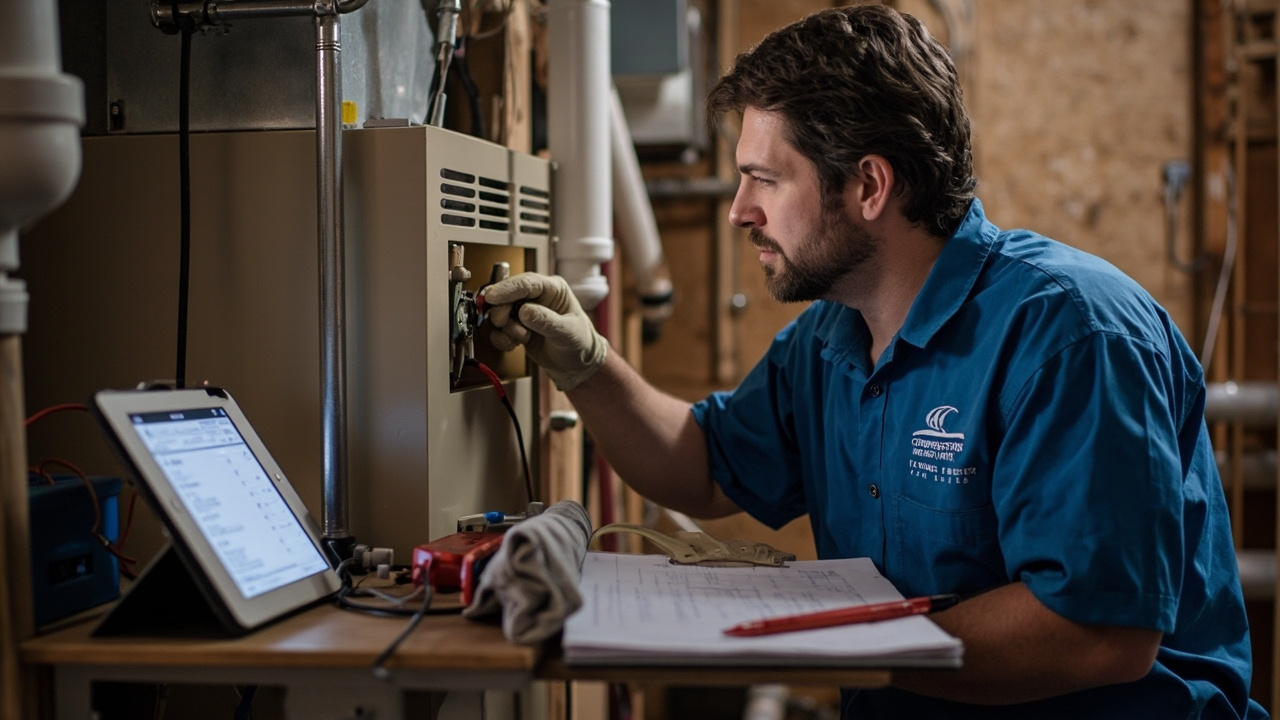
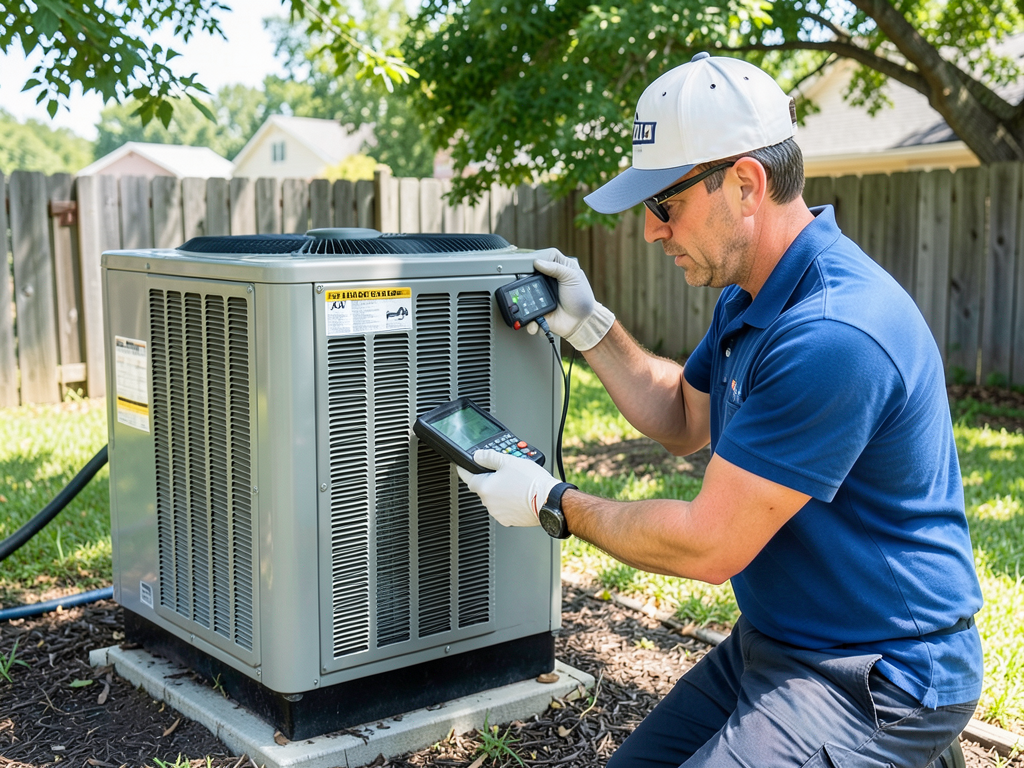
A thorough heating system maintenance routine goes far beyond changing the filter and checking the thermostat. Professional technicians use combustion analyzers to measure flue gas composition and verify proper air-to-fuel ratios. This diagnostic tool catches efficiency problems invisible to visual inspection.

The heat exchanger inspection requires removing the blower assembly to check for stress cracks that leak carbon monoxide into your home. We use a borescope camera to inspect internal surfaces without disassembling the entire furnace cabinet. This technology finds problems early, before they become safety hazards.

Gas pressure testing verifies the manifold pressure matches manufacturer specifications. Low gas pressure causes incomplete combustion and sooting. High pressure creates flame rollout and potential fire hazards. We measure static pressure across the blower to identify duct restrictions that force your system to work harder than designed.

Electrical testing includes measuring amp draw on the blower motor, checking capacitor microfarad ratings, and inspecting wire connections for heat damage. A capacitor operating at 85 percent of rated capacity will fail soon. We catch it during maintenance, not at 2 a.m. on a Sunday.

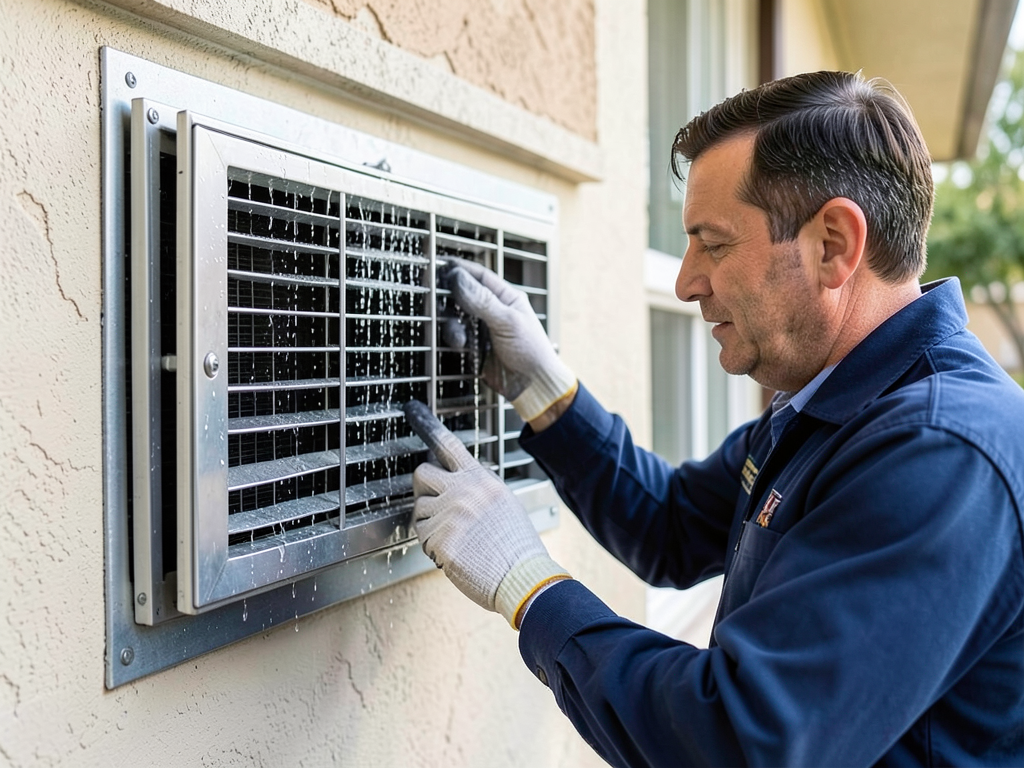
The condensate drain system needs cleaning in Dallas because humidity during shoulder seasons creates algae growth that blocks drainage. A clogged drain triggers the safety float switch and shuts down your furnace. Preventative maintenance includes treating the drain line with tablets that prevent biological growth.

Cornerstone HVAC Dallas follows a 32-point inspection protocol that addresses every system component. We document baseline performance metrics so you can track system degradation over time and plan for replacement before emergency failure.

What Happens During Your Furnace Tune-Up

Furnace Maintenance Checklist in Dallas – Prevent Winter Breakdowns Before They Happen
01

System Performance Testing

We start by running your furnace through multiple heating cycles while monitoring temperature rise, burner ignition timing, and blower operation. This baseline test reveals how your system performs before we make any adjustments. We measure supply and return air temperatures to calculate heat output and identify problems with airflow or combustion efficiency.
02

Component Inspection and Cleaning

The technician removes panels to access internal components. We vacuum dust from burners, clean the flame sensor, inspect the inducer motor bearings, and check all electrical connections for corrosion or heat damage. The blower wheel gets cleaned to restore proper airflow. We lubricate motors that have oil ports and check belt tension on older systems.
03

Calibration and Documentation

After cleaning and repairs, we recalibrate the system. This includes adjusting gas pressure if needed, verifying thermostat calibration, and programming any available efficiency settings. You receive a detailed report showing all measurements, photos of any problem areas, and recommendations for repairs or upgrades. This documentation helps you track system health over time.

Why Dallas Homeowners Trust Local HVAC Experts

Choosing a Dallas-based HVAC company means working with technicians who understand local building practices and common system configurations. Homes built in the 1970s in North Dallas typically have undersized ductwork that creates static pressure problems. Newer construction in Frisco and McKinney often has spray foam insulation that requires special attention to combustion air supply.

We know which brands perform best in the Dallas climate. We have seen how Carrier systems handle our temperature swings differently than Trane units. This experience guides our maintenance recommendations and helps you avoid problems specific to your equipment model.

Local expertise matters when dealing with permitting and code compliance. Dallas requires specific venting configurations for high-efficiency furnaces. We ensure your system meets current requirements, which protects your home value and prevents problems during future home sales or refinancing inspections.

Cornerstone HVAC Dallas maintains relationships with local suppliers, which means we can source parts quickly when problems arise. We do not wait three days for shipping on a critical component. Our warehouse stocks common parts for systems throughout the Dallas metro area.

You also get service from technicians who live in your community. We understand the frustration of waiting for a national company to dispatch someone from another city. Our trucks are already in your neighborhood, which means faster response times and better availability during peak heating season.

The difference shows in our approach to maintenance. We do not rush through a checklist. We take time to explain what we find, answer your questions, and help you make informed decisions about repairs or upgrades.

What to Expect from Professional Furnace Maintenance

Service Timeline

A complete furnace tune-up takes 90 to 120 minutes, depending on system age and complexity. We schedule appointments with two-hour windows so technicians have time to perform thorough inspections without rushing. You do not need to be home for the entire service, but we prefer someone available to answer questions about system performance. We offer same-week appointments during fall months and can usually schedule service within 24 hours for existing maintenance plan members.

Inspection and Assessment

The technician arrives with diagnostic equipment including combustion analyzers, digital manometers, and thermal imaging cameras. We inspect every accessible component and document findings with photos. You receive a detailed report showing actual measurements compared to manufacturer specifications. If we find problems requiring immediate attention, we explain the issue, show you the problem area, and provide options for repair. You never get pressured into unnecessary work.

Performance Improvement

Most homeowners notice improved comfort immediately after maintenance. The system heats more evenly, cycles less frequently, and runs quieter. You should see lower utility bills because clean burners and proper airflow improve combustion efficiency. The blower moves air more effectively after cleaning, which means better temperature control in rooms farthest from the furnace. Systems that struggled to maintain temperature before service typically perform better afterward.

Ongoing Support

All maintenance includes a 30-day callback period. If you notice any problems with system operation after service, we return at no additional charge to address concerns. We recommend annual tune-ups performed in October before heating season begins. Maintenance plan members receive priority scheduling, discounted service rates, and extended coverage on repairs. We keep detailed service records so each technician knows your system history.

Frequently Asked Questions

You Have Questions,
We Have Answers

What maintenance should be done on a furnace? +

A furnace needs annual inspection of the heat exchanger for cracks, burner cleaning, flame sensor checks, and blower motor lubrication. In Dallas, where heating systems sit idle for months during hot summers, dust and debris accumulate in burners and blower assemblies. Technicians test thermostat calibration, inspect gas connections for leaks, check venting systems, and measure carbon monoxide levels. Filter replacement, electrical connection tightening, and belt inspections prevent mid-winter breakdowns. Dallas homes with older gas furnaces benefit from pressure switch testing and ignitor replacement before winter demand spikes. Annual maintenance catches small issues before they become expensive repairs.

What are the 7 basic preventive maintenance elements? +

The seven basic preventive maintenance elements include inspection, cleaning, lubrication, adjustment, replacement, testing, and documentation. For furnaces in Dallas, this means checking all components for wear, removing dust from burners and blower wheels, lubricating moving parts, adjusting gas pressure and airflow, replacing worn belts or filters, testing safety controls and carbon monoxide levels, and documenting findings for future reference. These steps prevent unexpected failures during cold snaps when Dallas temperatures drop below freezing. Skipping any element increases breakdown risk and reduces equipment lifespan, especially in systems that cycle on and off frequently during mild Texas winters.

What is the $5000 rule for HVAC? +

The $5000 rule states that if your furnace repair cost multiplied by the system age in years exceeds $5000, replace the unit instead of repairing it. For example, a $500 repair on a 12-year-old furnace equals $6000, suggesting replacement makes better financial sense. In Dallas, where furnaces experience less annual runtime than northern climates, this calculation shifts. A 15-year-old furnace here might have the wear equivalent of a 10-year-old system in Chicago. Factor in modern efficiency gains and utility costs. Units older than 20 years should typically be replaced regardless of repair costs.

What is included in a furnace maintenance? +

Furnace maintenance includes filter replacement, burner inspection and cleaning, heat exchanger inspection for cracks, flame sensor cleaning, blower motor lubrication, thermostat calibration, gas pressure testing, electrical connection tightening, belt inspection, venting system checks, and carbon monoxide testing. Technicians measure temperature rise across the heat exchanger and test all safety controls including limit switches and pressure switches. In Dallas homes, condensate drain inspection matters for high-efficiency units. The service includes checking ductwork connections near the furnace and measuring airflow. Annual maintenance typically takes 60 to 90 minutes and identifies potential failures before they happen during cold weather.

What's the average cost of a furnace tune-up? +

Furnace tune-ups in Dallas range from $80 to $200 depending on system type and service scope. Basic maintenance runs $80 to $120 for standard gas furnaces. High-efficiency or two-stage systems cost $120 to $200 due to added complexity. Many Dallas HVAC companies offer maintenance agreements that bundle furnace and air conditioner service at discounted rates, often saving homeowners money compared to standalone visits. Prices vary by company size, technician experience, and what the service includes. Expect to pay more for emergency or same-day service. Maintenance costs less than emergency repairs during January cold fronts.

How do I service my furnace myself? +

Homeowners can change filters monthly, clear debris from outdoor intake and exhaust pipes, and keep the area around the furnace clean. Check for unusual noises, yellow pilot light flames (should be blue), or soot buildup. Reset tripped breakers and replace thermostat batteries. However, gas furnace maintenance requires professional tools and training. Opening the cabinet, cleaning burners, testing gas pressure, measuring carbon monoxide, and inspecting heat exchangers needs licensed technicians. Dallas building codes require professional inspection for gas appliances. DIY mistakes create carbon monoxide risks and void warranties. Leave technical work to qualified professionals who carry proper insurance and follow safety protocols.

What are the 4 P's of maintenance? +

The 4 P's of maintenance are Prevent, Predict, Plan, and Perform. Prevent means stopping failures through regular inspections and adjustments. Predict involves analyzing equipment condition to forecast when components will fail. Plan means scheduling maintenance during off-peak times, ideal for Dallas furnaces serviced in fall before heating season. Perform refers to executing maintenance tasks correctly with proper documentation. This framework reduces emergency breakdowns and extends equipment life. For Dallas homeowners, the 4 P's mean scheduling annual furnace checks in October or November, not waiting until December cold snaps when technicians are booked solid and emergency rates apply.

What is the 10% rule of preventive maintenance? +

The 10% rule states that preventive maintenance costs should equal roughly 10% of replacement cost annually. For a furnace with a $5000 replacement cost, budget $500 yearly for maintenance and minor repairs. In Dallas, this translates to annual tune-ups plus filter changes and occasional small part replacements like igniters or flame sensors. Systems requiring repairs exceeding this threshold signal approaching end of life. Track maintenance spending over time. If annual costs consistently exceed 10% of replacement value, start planning for a new furnace rather than throwing money at an aging system that will fail during the next cold spell.

What are the 3 P's of maintenance? +

The 3 P's of maintenance are Proactive, Preventive, and Predictive. Proactive maintenance means addressing issues before they cause failures. Preventive maintenance includes scheduled inspections and service regardless of equipment condition. Predictive maintenance uses data like temperature measurements and pressure readings to forecast failures. In Dallas, proactive maintenance means checking furnaces before winter rather than waiting for problems. Preventive maintenance follows manufacturer schedules, typically annual for residential furnaces. Predictive maintenance tracks how many heating cycles your system runs, helping technicians anticipate when parts like blower motors or igniters will wear out based on actual usage patterns.

What is the 2 foot rule for HVAC? +

The 2-foot rule requires maintaining 2 feet of clearance around HVAC equipment for safety, ventilation, and service access. In Dallas homes, this means keeping storage boxes, holiday decorations, paint cans, and clutter away from furnaces. Adequate clearance prevents fire hazards, allows proper combustion air intake, and gives technicians room to work safely during maintenance. Many Dallas homes use furnace closets or garage installations where clearance gets compromised over time. Blocked equipment overheats, trips safety switches, and creates code violations. Local inspectors can red-tag installations without proper clearance. Keep the area clean and accessible year-round for safety and efficiency.

How Dallas Temperature Swings Affect Furnace Reliability

Dallas experiences dramatic temperature fluctuations that stress heating system components. A furnace might run for three days straight during a January cold snap, then sit idle for two weeks when temperatures return to the 60s. This cycling between heavy use and dormancy causes thermal expansion stress on heat exchangers and metal fatigue in electrical connections. The preventative heating maintenance guide for Dallas should include extra attention to expansion joints and stress points that fail under these conditions. Our seasonal furnace service schedule accounts for these local weather patterns.

Working with a Dallas-based HVAC company means getting service from technicians who understand these local challenges. We know that furnaces in Highland Park face different issues than systems in Garland because of building age and installation practices. Our annual furnace inspection list includes checks specific to problems we see repeatedly in Dallas homes. This local knowledge prevents misdiagnosis and ensures your heating system maintenance steps address actual risk factors, not generic manufacturer recommendations that ignore Texas climate conditions.
HVAC Services in The Dallas Area

Looking for expert HVAC services near you? Cornerstone HVAC Dallas proudly serves homeowners and businesses throughout the greater Dallas area with professional heating and cooling repairs, system installations, indoor air quality solutions, and emergency HVAC services. From Plano to Arlington, our certified technicians are ready to deliver fast, efficient service wherever you are. Use the map below to explore our coverage areas and discover trusted HVAC support right around the corner.

Address:
Cornerstone HVAC Dallas, 5956 Sherry Ln, Suite 2000, Dallas, TX, 75225

Additional Services We Offer

Our news updates

Latest Articles & News from The Blogs

How to Solve C-Wire Issues When Upgrading Your Thermostat in Highland Village Upgrading to a smart thermostat in Highland Village…

How to Solve C-Wire Issues When Upgrading Your Thermostat in Highland Village

How to Solve C-Wire Issues When Upgrading Your Thermostat in Highland Village Upgrading to a smart thermostat in Highland Village…

A Simple Guide to SEER2 Ratings for Homeowners in Little Elm

A Simple Guide to SEER2 Ratings for Homeowners in Little Elm If you’re shopping for a new air conditioner in…

Choosing the Right Climate Control for Your Westlake Pool House or Luxury Cabana

Choosing the Right Climate Control for Your Westlake Pool House or Luxury Cabana Living in Westlake means dealing with Texas…

Contact Us

Do not wait until the first freeze to discover your furnace needs repairs. Call Cornerstone HVAC Dallas at (972) 850-2750 to schedule your annual maintenance. We offer convenient appointment times and transparent pricing with no hidden fees.