




menu

Iced Up Evaporator Coil in Dallas – Expert Diagnosis Stops the Freeze Before Your System Fails

When your air conditioner coil freezing up happens mid-summer, you need technicians who understand Dallas's extreme heat cycles and can identify the root cause fast, not just thaw the ice and send you a bill.

Slider Image 1
Slider Image 2
Slider Image 3
Slider Image 4
Slider Image 5
Slider Image 7
Slider Image 8
Slider Image 9
Slider Image 10
Slider Image 11

Why Dallas AC Units Freeze Solid in 100-Degree Heat

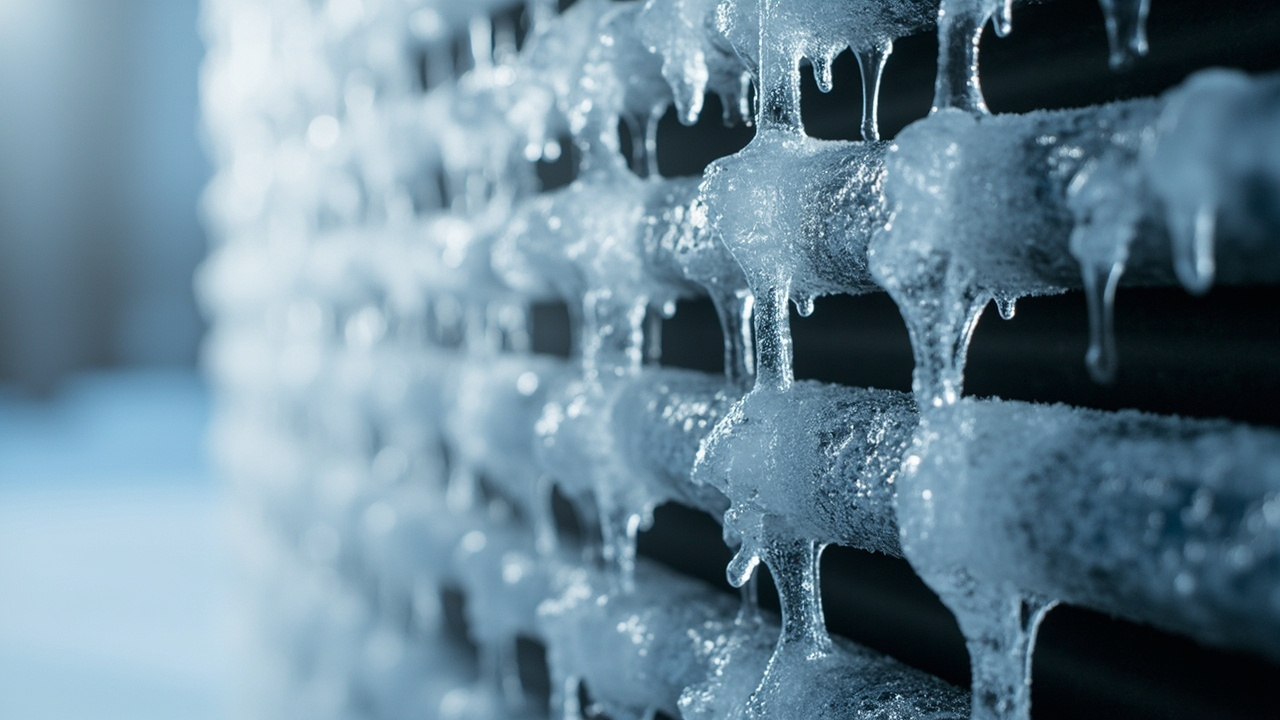
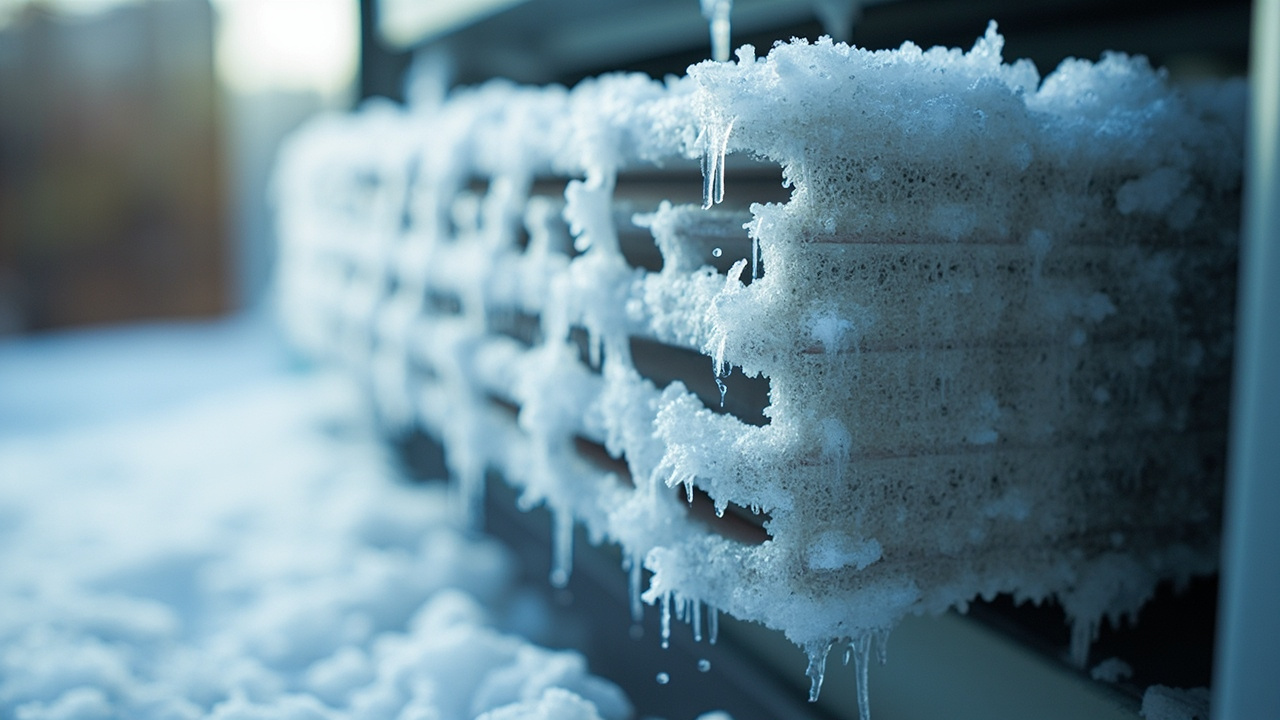
You walk past your air handler and see a block of ice where your evaporator coil should be. The house is 85 degrees. Outside, it's 102. This makes no sense.

A frozen ac evaporator coil is not a temperature problem. It's an airflow problem, a refrigerant problem, or both. In Dallas, the combination of relentless summer heat and aging HVAC systems creates the perfect storm. Your AC runs 18 hours a day from June through September. That constant cycling exposes every weak point in the system.

When airflow drops below the threshold needed to absorb heat, the refrigerant inside the evaporator coil gets too cold. Moisture in the air freezes on contact. Within hours, you have frozen cooling coils that block all airflow. The system keeps running, but no cold air reaches your rooms.

The usual suspects in North Texas homes are clogged air filters, collapsed ductwork in poorly insulated attics, or refrigerant leaks caused by vibration and thermal expansion. Homes built in the 1980s and 1990s often have undersized return air grilles that choke the system. New construction in Frisco and McKinney sometimes has flex duct kinked in tight attic spaces.

An ac evaporator iced over is a symptom. The root cause could be a $12 filter or a $1,200 refrigerant leak. Thawing the ice without fixing the underlying issue guarantees it will happen again, often within 48 hours. You need a diagnostic approach that identifies why the coil lost its thermal balance, not a bandaid.

Why Dallas AC Units Freeze Solid in 100-Degree Heat
How We Diagnose and Fix Ice on Evaporator Coil the Right Way

How We Diagnose and Fix Ice on Evaporator Coil the Right Way

We do not turn off your system, wait four hours for the ice to melt, and then guess. That wastes your time and solves nothing.

Our approach starts with airflow measurement. We use a manometer to check static pressure across the evaporator coil and compare it to the manufacturer's spec. High static pressure means restricted airflow. We inspect the filter, the evaporator coil fins for dirt buildup, and the blower wheel for dust accumulation. In Dallas homes, cottonwood seeds and construction dust clog coils faster than you expect.

Next, we check refrigerant charge with superheat and subcooling measurements. A frozen coil often signals low refrigerant, which drops the coil temperature below freezing. We find the leak using electronic leak detectors and nitrogen pressure tests. Common leak points include the evaporator coil itself, which corrodes from condensate exposure, and the service valves on the outdoor unit, which loosen from thermal cycling.

If airflow and refrigerant are correct, we look at the metering device. A clogged thermostatic expansion valve or a failed piston can starve the evaporator of refrigerant, causing localized freezing. We also verify the blower motor is running at the correct speed. A failing capacitor can slow the blower just enough to drop airflow below the threshold.

We document findings with photos and pressure readings, then explain what failed and why. You get a clear diagnosis, not a sales pitch for a new system. Most air conditioner coil freezing up issues are repairable. We fix the root cause, verify airflow and refrigerant balance, then monitor the system through a full cooling cycle before we leave.

What Happens When We Respond to Your Frozen Coil Call

Iced Up Evaporator Coil in Dallas – Expert Diagnosis Stops the Freeze Before Your System Fails
01

Safe Thaw and Inspection

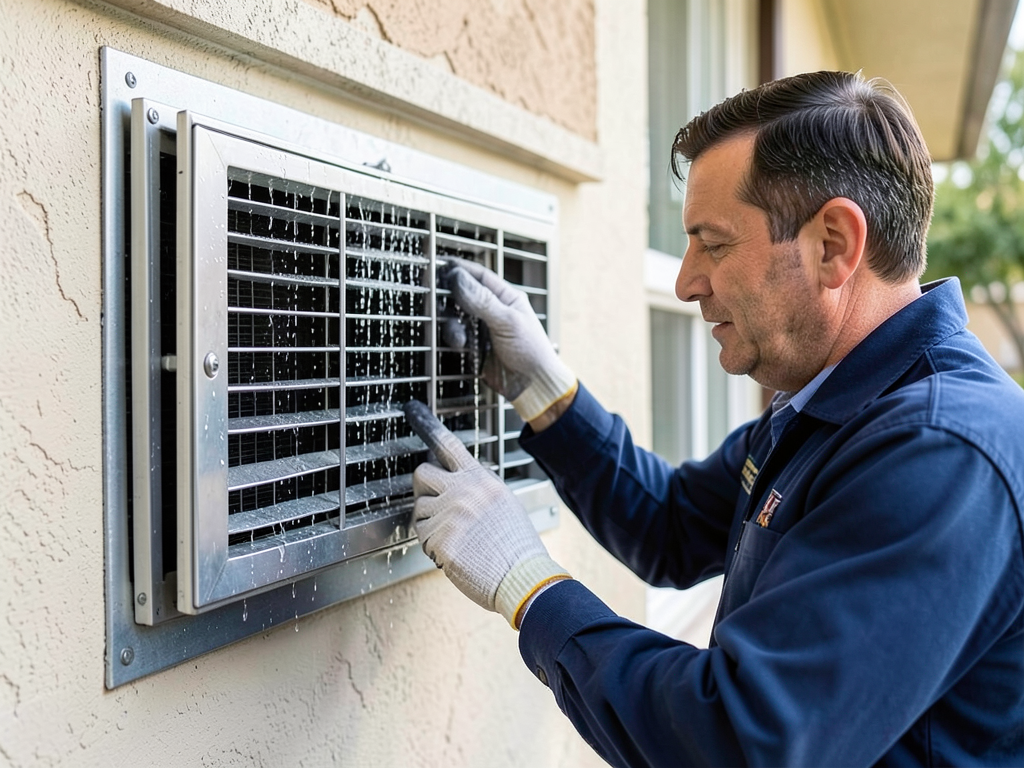
We shut down the compressor but leave the blower running to accelerate thawing without forcing it with heat guns, which can damage the coil. While the ice melts, we inspect the air filter, ductwork connections, and condensate drain pan for clues. We also check the thermostat wiring for short cycling issues that can cause freeze-ups. This step usually takes 30 to 90 minutes depending on ice thickness.
02

Airflow and Refrigerant Testing

Once the coil is thawed, we measure airflow using static pressure readings and verify the blower is delivering the correct CFM for your tonnage. We then check refrigerant levels with gauges, measuring both suction and liquid line pressures. We compare superheat and subcooling to factory specs. If we find low refrigerant, we locate the leak before adding any charge. This is where most shortcuts happen. We do not skip the leak check.
03

Repair and System Verification

After repairs, whether that means replacing a filter, sealing a refrigerant leak, cleaning the coil, or adjusting airflow, we run the system through a complete cooling cycle. We monitor suction line temperature, verify no frost forms, and confirm the system holds steady-state operation for at least 20 minutes. You get a written report showing before and after readings, so you know the problem is fixed, not just postponed.

Why Dallas Homeowners Call Cornerstone HVAC Dallas for Frozen Coil Problems

Most HVAC companies in Dallas will sell you a new coil or a new system the moment they see ice. We diagnose first.

Cornerstone HVAC Dallas employs NATE-certified technicians who understand refrigerant dynamics, airflow physics, and the specific challenges of cooling homes in the Dallas-Fort Worth metro. We know that homes in Plano with bonus rooms often have airflow balance issues. We know that Richardson homes built in the 1970s frequently have undersized ductwork. We know that Garland and Mesquite properties near the rail lines accumulate brake dust that clogs outdoor coils faster than you expect.

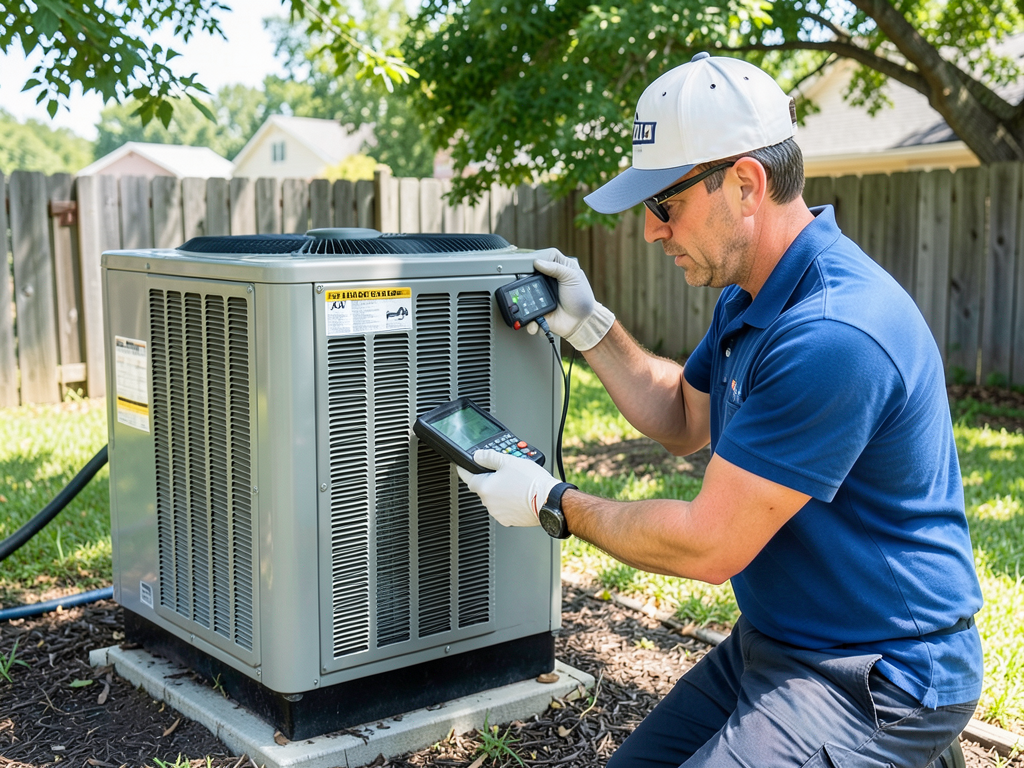
We carry diagnostic tools most residential HVAC companies skip: digital manometers, micron gauges for deep vacuum pulls, and calibrated thermometers for accurate superheat calculations. We do not eyeball refrigerant charge. We measure it.

When we find a refrigerant leak, we fix it properly. That means recovering the old refrigerant, pressure testing the repair with nitrogen, pulling a deep vacuum to remove moisture, and then charging to the exact weight specified on your data plate. Shortcuts cause callbacks. We do it right the first time.

We also understand Dallas building codes and the complications they create. If your evaporator coil is in the attic and the condensate drain is clogged, we verify the secondary drain pan and float switch are functioning. If your system uses R-22 refrigerant, we discuss your options clearly, without pushing you toward a replacement you may not need yet.

You get honest answers, not fear tactics. If your frozen coil is a $200 fix, we tell you. If it signals a larger system failure, we show you the evidence and explain your options.

What to Expect When You Call Us About a Frozen Evaporator Coil

Same-Day Service Available

We know a frozen coil in July is not something you can wait three days to fix. We prioritize frozen coil calls because they indicate a system in distress. Most calls receive same-day or next-day service, depending on when you contact us. We dispatch technicians from our Dallas location, which means faster response times for neighborhoods in North Dallas, East Dallas, and the surrounding suburbs. You get a two-hour arrival window, and we call 30 minutes before arrival. No all-day waiting.

Thorough Diagnostic Process

Our diagnostic process takes 60 to 90 minutes. We do not rush. We check airflow, refrigerant charge, coil condition, ductwork integrity, and electrical components. We test the capacitor, contactor, and thermostat calibration. We inspect the condensate drain for clogs, which can trigger a safety float switch that shuts down the system mid-cycle. You receive a written diagnostic report with pressure readings, temperature measurements, and a clear explanation of what caused the ice buildup. We explain your options before starting any repair work.

Repairs That Last

We use OEM parts when available and high-quality aftermarket components when OEM parts are discontinued. If your evaporator coil is leaking and cannot be repaired, we source a direct replacement that matches your system tonnage and refrigerant type. We do not mix refrigerants or install mismatched components. Refrigerant leaks are sealed with silver brazing, not stop-leak additives that clog metering devices. Ductwork repairs use mastic sealant and metal-backed tape, not standard duct tape that fails in attic heat. The repair is done correctly, so you do not see us again for the same issue.

Follow-Up and Maintenance Guidance

After the repair, we provide clear maintenance guidance to prevent recurrence. That includes filter change schedules, signs of airflow restriction, and when to schedule your next tune-up. If the frozen coil revealed a deeper issue like an aging blower motor or corroded coil fins, we document it for your records. We do not pressure you into maintenance contracts, but we do offer annual tune-up plans that include priority scheduling, discounted service rates, and comprehensive system inspections. You decide what makes sense for your budget and your system's condition.

Frequently Asked Questions

You Have Questions,
We Have Answers

How to fix ice on an evaporator coil? +

Turn off your AC immediately to prevent compressor damage. Switch the thermostat to 'fan only' mode to speed up melting. Check your air filter and replace it if dirty or clogged. Inspect supply vents for furniture or drapes blocking airflow. Once thawed, check that all return vents are open. If ice returns after fixing these issues, you have a refrigerant leak or a failing blower motor. Dallas humidity makes coil freezing worse, so address the root cause fast. Call a licensed HVAC tech if the problem persists.

What causes icing on evaporator coils? +

Restricted airflow is the most common cause. Dirty filters, closed vents, or blocked return grilles starve the coil of warm air. Low refrigerant from leaks causes pressure drops, freezing moisture on the coil. Blower motor failure reduces airflow. Dirty coils trap moisture. Thermostat malfunctions cause the compressor to run nonstop. In Dallas, high humidity increases moisture on coils, making freezing worse. Running your AC below 65 degrees at night during spring or fall also triggers freezing. Each cause requires a different fix.

Will low refrigerant cause an evaporator to ice up? +

Yes. Low refrigerant lowers pressure in the evaporator coil, dropping temperatures below freezing. The coil gets too cold, freezing condensation that forms on the fins. Refrigerant does not get used up, so low levels mean you have a leak. You need a tech to find the leak, repair it, and recharge the system. Simply adding refrigerant without fixing the leak wastes money and damages your compressor. Dallas heat stresses AC systems, making refrigerant leaks more common over time.

How to thaw out a frozen evaporator coil? +

Turn off your AC at the thermostat. Set the fan to 'on' to circulate air and speed thawing. Never chip, scrape, or use heat guns on the ice, you will damage the delicate fins. Open the furnace panel and place towels under the coil to catch melt water. Thawing takes 2 to 8 hours depending on ice thickness. While you wait, replace your air filter and check for blocked vents. Once thawed, find the cause before restarting or the ice will return.

Can I turn my AC back on after it thaws? +

Not yet. First, identify and fix what caused the freeze. Check your air filter, vents, and registers. If airflow was the issue and you fixed it, wait 30 minutes after thawing, then restart. If ice returns within hours, shut down and call a tech. You likely have a refrigerant leak or blower motor problem. Running a system with unresolved issues damages the compressor, a repair that costs thousands. Dallas summer heat makes AC failures expensive and uncomfortable, so fix it right.

What are the six common causes of evaporator freezing? +

Dirty air filters restrict airflow. Closed or blocked supply and return vents starve the coil. Low refrigerant from leaks drops coil temperature. Dirty evaporator coils trap moisture and freeze. Blower motor failure reduces air movement. Thermostat malfunctions cause the system to overcool. Each issue requires a specific fix. Dallas humidity accelerates coil icing when airflow drops. Regular filter changes every 30 days during summer prevent most freezing problems. If you fixed airflow issues and ice returns, call a licensed HVAC tech.

Should I turn off AC if the coil is frozen? +

Yes, immediately. Continuing to run your AC with a frozen coil floods the compressor with liquid refrigerant, causing permanent damage. The compressor cannot compress liquid, only gas. Turn off the system at the thermostat and switch the fan to 'on' to thaw the coil faster. Let it thaw completely before diagnosing the cause. Compressor replacement costs $1,500 to $3,000 in Dallas. A frozen coil is fixable, a damaged compressor is not. Stop the damage now.

How long does it take air conditioning coils to unfreeze? +

Thawing takes 2 to 8 hours depending on ice thickness. Thin frost melts in 2 hours. Heavy ice buildup takes 6 to 8 hours. Running the fan speeds the process. Do not restart your AC until the coil is completely dry. Moisture left on the coil refreezes immediately. Use this time to replace your filter, check vents, and inspect for airflow blockages. Dallas humidity slows evaporation, so give the coil extra time to dry before restarting.

How to solve icing problem in AC? +

Start with airflow. Replace your air filter and open all supply and return vents. Remove furniture or curtains blocking airflow. If ice returns, you have low refrigerant, a dirty coil, or a blower motor issue. These require a licensed tech. Raise your thermostat to 72 degrees or higher at night to prevent overcooling. Dallas humidity increases condensation, so clean coils and good airflow prevent icing. Schedule annual maintenance before summer to catch problems early.

What is the $5000 AC rule? +

The $5,000 rule is a guideline for replacement decisions. Multiply the repair cost by your system's age in years. If the result exceeds $5,000, replace the unit instead of repairing it. Example: a $1,200 repair on a 6-year-old system equals $7,200, so replace. A $1,200 repair on a 3-year-old system equals $3,600, so repair. This rule accounts for future repair costs and efficiency losses. Dallas heat stresses older systems, making replacement more cost-effective after 10 years.

How Dallas Summer Heat Cycles Accelerate Evaporator Coil Failures

Dallas air conditioners run harder and longer than almost anywhere else in the country. Triple-digit temperatures from June through September force your system into near-constant operation. That relentless cycling exposes every weakness. A slightly dirty coil that would coast through a mild summer in Seattle becomes a frozen block in Dallas within days. Low refrigerant that might cause minor inefficiency elsewhere triggers complete evaporator icing here because the system never shuts off long enough to recover. The combination of heat, humidity swings, and urban air quality creates an environment where minor issues become major failures fast.

Cornerstone HVAC Dallas has worked in every neighborhood from Oak Cliff to Lake Highlands. We understand how older homes in Lakewood struggle with undersized ductwork and how new builds in The Colony deal with flex duct sag in unconditioned attics. We know Dallas building codes require float switches on secondary drain pans, and we verify they work during every frozen coil diagnostic. Local expertise matters when ice on evaporator coil appears in your system, because the fix is not generic. It is specific to how Dallas homes are built, how they age, and how they operate under extreme thermal stress.
HVAC Services in The Dallas Area

Looking for expert HVAC services near you? Cornerstone HVAC Dallas proudly serves homeowners and businesses throughout the greater Dallas area with professional heating and cooling repairs, system installations, indoor air quality solutions, and emergency HVAC services. From Plano to Arlington, our certified technicians are ready to deliver fast, efficient service wherever you are. Use the map below to explore our coverage areas and discover trusted HVAC support right around the corner.

Address:
Cornerstone HVAC Dallas, 5956 Sherry Ln, Suite 2000, Dallas, TX, 75225

Additional Services We Offer

Our news updates

Latest Articles & News from The Blogs

How to Solve C-Wire Issues When Upgrading Your Thermostat in Highland Village Upgrading to a smart thermostat in Highland Village…

How to Solve C-Wire Issues When Upgrading Your Thermostat in Highland Village

How to Solve C-Wire Issues When Upgrading Your Thermostat in Highland Village Upgrading to a smart thermostat in Highland Village…

A Simple Guide to SEER2 Ratings for Homeowners in Little Elm

A Simple Guide to SEER2 Ratings for Homeowners in Little Elm If you’re shopping for a new air conditioner in…

Choosing the Right Climate Control for Your Westlake Pool House or Luxury Cabana

Choosing the Right Climate Control for Your Westlake Pool House or Luxury Cabana Living in Westlake means dealing with Texas…

Contact Us

Do not let a frozen evaporator coil turn into a failed compressor. Call Cornerstone HVAC Dallas at (972) 850-2750 for same-day service. We diagnose the root cause, fix it right, and get your home cool again.