




menu

Heat Pump vs. Furnace Guide for Dallas – Clear Comparison to Choose the Right System for Your Home

Compare efficiency, costs, and climate suitability for Dallas winters to make an informed decision about your home's heating system with the Heat Pump vs. Furnace Guide built specifically for North Texas homeowners.

Slider Image 1
Slider Image 2
Slider Image 3
Slider Image 4
Slider Image 5
Slider Image 7
Slider Image 8
Slider Image 9
Slider Image 10
Slider Image 11

Why Dallas Homeowners Need to Understand the Heat Pump vs Furnace Decision

Dallas presents a unique climate challenge for home heating. Winters here are mild compared to northern states, but you still face occasional hard freezes that drop into the teens. These conditions create confusion about whether a heat pump or furnace makes more sense for your home.

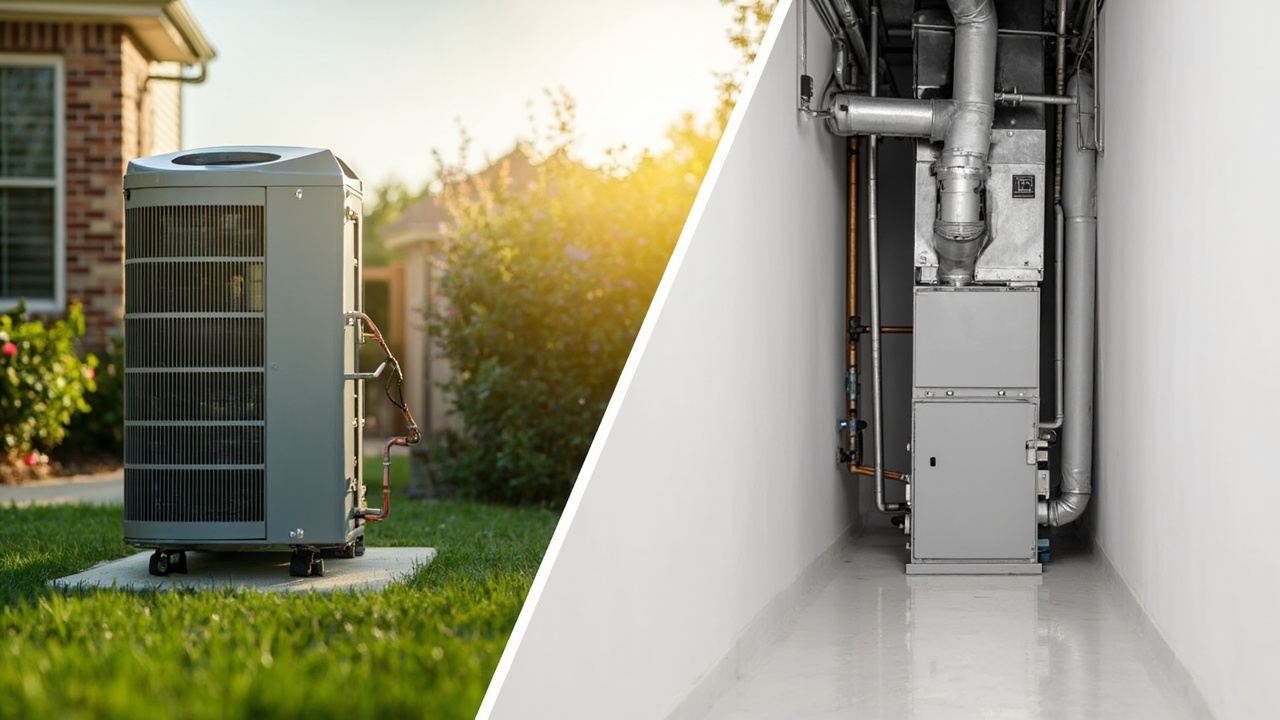
Most Dallas neighborhoods experience fewer than 30 days below freezing each year. This matters because heat pumps work differently than furnaces. A heat pump transfers heat from outside air into your home, while a gas furnace burns natural gas to create heat. When temperatures stay above 25 degrees, heat pumps operate efficiently and cost less to run than furnaces.

The heat pump vs furnace comparison becomes critical when you factor in Dallas's long cooling season. You need air conditioning far more than heating in this climate. Heat pumps provide both heating and cooling in one system, which eliminates the need for a separate air conditioner.

The difference between heat pump and furnace extends beyond just heating method. Gas furnaces in Dallas typically last 15 to 20 years but only run a few months annually. Heat pumps work year-round for both heating and cooling, which means more wear but also more value from a single system.

Understanding heat pump or furnace options matters most during system replacement. Your existing ductwork, electrical service, gas line availability, and budget all influence which system works best. The heat pump vs furnace pros and cons shift based on your specific home and usage patterns. The heat pump vs gas furnace debate in Dallas often comes down to upfront cost versus long-term efficiency in a climate where heating demands remain moderate.

Why Dallas Homeowners Need to Understand the Heat Pump vs Furnace Decision
How Heat Pumps and Furnaces Actually Work in North Texas Conditions

How Heat Pumps and Furnaces Actually Work in North Texas Conditions

A heat pump uses refrigerant and a reversing valve to move heat rather than generate it. During winter, the outdoor coil acts as an evaporator, extracting heat from outside air even when temperatures feel cold. The refrigerant absorbs this heat, gets compressed to increase temperature, then releases warmth through your indoor coil. This process reverses in summer for cooling.

Gas furnaces operate through combustion. Natural gas enters the burner assembly, ignites, and heats a heat exchanger. Your blower pushes air across this hot metal surface, warming the air before distributing it through ductwork. Combustion gases vent outside through a flue pipe.

The coefficient of performance explains why heat pumps work well in Dallas. For every unit of electricity consumed, a heat pump can move three units of heat when outdoor temperatures stay above 40 degrees. This efficiency drops as temperatures fall, but Dallas rarely experiences extended cold that reduces heat pump performance significantly.

Gas furnaces maintain consistent output regardless of outdoor temperature. An 80,000 BTU furnace delivers the same heat at 10 degrees as it does at 50 degrees. This reliability matters during the occasional arctic blast that hits North Texas, but you pay for that consistency with higher fuel costs during mild winters.

Dual fuel systems combine both technologies. A heat pump handles heating during moderate weather, while a gas furnace takes over during hard freezes. This approach maximizes efficiency across Dallas's variable winter conditions. The system automatically switches based on outdoor temperature and which heating source costs less to operate at that moment.

System sizing matters more than technology choice in some cases. An oversized heat pump short cycles and wastes energy. An undersized furnace runs constantly during cold snaps. Load calculations based on your home's insulation, window quality, and square footage determine proper equipment capacity.

How to Evaluate Your Home for Heat Pump or Furnace Installation

Heat Pump vs. Furnace Guide for Dallas – Clear Comparison to Choose the Right System for Your Home
01

Home Assessment and Load Analysis

A technician measures your home's square footage, insulation levels, window types, and air sealing quality. Manual J load calculations determine exact heating and cooling requirements for your specific structure. This data reveals whether your home can maintain comfort with a heat pump during Dallas's coldest days, or if a furnace provides necessary backup. Ductwork condition and electrical service capacity get evaluated to identify any upgrades needed before installation.
02

Cost and Efficiency Projection

Your energy bills from the past year help project operating costs for each system type. Natural gas rates versus electricity rates in your area determine which fuel source costs less annually. Equipment efficiency ratings, including SEER for cooling and HSPF for heat pump heating or AFUE for furnace efficiency, factor into long-term cost analysis. Installation complexity affects upfront investment, particularly if gas line installation or electrical panel upgrades become necessary for your chosen system.
03

System Recommendation and Specification

Based on load calculations and cost projections, you receive specific equipment recommendations with model numbers and capacity ratings. The proposal outlines expected installation timeline, any structural modifications needed, and projected annual operating costs for each option. You gain clarity on whether a single-stage furnace, variable-speed heat pump, or dual fuel system best matches your comfort priorities and budget. Financing options and available rebates get presented to help you move forward with confidence.

Why Dallas Homeowners Trust Local HVAC Expertise for System Selection

Dallas's building stock ranges from 1950s ranch homes in Lakewood to new construction in Prosper and Frisco. Each era and neighborhood presents different ductwork configurations, insulation standards, and electrical systems. A contractor familiar with these variations provides better guidance than national chains following generic protocols.

Local utility rates influence the heat pump vs gas furnace decision significantly. Atmos Energy natural gas pricing and Oncor electric delivery charges vary by season and usage tier. A Dallas-based HVAC company knows current rate structures and can project your annual heating costs accurately for either fuel source.

North Texas weather patterns require specific knowledge. The February 2021 winter storm taught many homeowners that backup heating matters during extreme events. A local contractor understands how that week of single-digit temperatures exposed weaknesses in heat pump-only installations and can design systems with appropriate auxiliary heat or dual fuel capability.

Dallas building codes and permit requirements differ from surrounding municipalities. Richardson, Plano, and Garland each have specific inspection protocols for HVAC replacements. Working with a contractor who navigates these jurisdictions daily prevents delays and ensures your installation meets all local standards.

Equipment selection changes based on your specific neighborhood microclimates. Homes near White Rock Lake face different humidity levels than properties in West Dallas. Properties with significant tree cover have different solar heat gain than homes in newer subdivisions with minimal shade. These factors influence proper system sizing and technology selection.

Cornerstone HVAC Dallas understands these local variables because we work exclusively in this market. We size equipment based on actual Dallas weather data, not national averages. We know which equipment manufacturers provide the best warranty support in this region and which models perform reliably in North Texas conditions.

What to Expect When Choosing Between a Heat Pump and Furnace

Consultation and Decision Timeline

Your initial consultation takes 60 to 90 minutes. A technician inspects your current system, ductwork, and home characteristics. You receive a detailed comparison showing projected costs, efficiency ratings, and comfort differences between heat pump and furnace options. Most homeowners make a decision within a few days after reviewing the analysis. Installation scheduling depends on equipment availability and typically occurs within one to two weeks for standard replacements. Custom installations requiring ductwork modifications or electrical upgrades may need additional time for planning and permits.

Installation Process and Home Impact

Furnace installations typically take one full day. Heat pump installations require one to two days depending on whether you need new refrigerant lines and outdoor pad placement. Your home will be without heating during installation, so scheduling during mild weather makes sense for Dallas. The crew protects flooring and work areas, removes old equipment, installs new systems, and tests all operations before leaving. Noise levels during installation reach moderate levels from power tools and equipment movement. You should plan to be home for the final walkthrough where the technician explains thermostat operation and maintenance requirements.

Performance and Efficiency Results

Heat pumps provide consistent temperature control without the temperature swings some homeowners experience with furnaces. You'll notice quieter operation compared to older systems, particularly with variable-speed models. Energy bills typically drop 20 to 40 percent with new high-efficiency equipment compared to systems over 10 years old. Heat pumps take slightly longer to warm a cold house compared to furnaces because they deliver air at lower temperatures for longer periods. Most Dallas homeowners adapt to this difference quickly and appreciate the improved humidity control heat pumps provide during both heating and cooling seasons.

Maintenance and Longevity Expectations

Both systems require annual maintenance to maintain efficiency and prevent breakdowns. Heat pumps need service twice yearly because they run year-round for heating and cooling. Furnaces typically need one annual tune-up before heating season. Filter changes every one to three months keep both systems running properly. Gas furnaces last 15 to 20 years in Dallas with proper maintenance. Heat pumps typically last 12 to 15 years due to year-round operation. Manufacturer warranties cover parts for 5 to 10 years depending on model and registration. Extended labor warranties provide additional protection against unexpected repair costs during the first several years.

Frequently Asked Questions

You Have Questions,
We Have Answers

How Dallas's Mild Winters and High Cooling Demands Affect the Heat Pump vs Gas Furnace Choice

Dallas averages only 2,350 heating degree days annually compared to 6,500 in Chicago or 4,700 in St. Louis. This mild winter climate means your heating system runs far less than your air conditioning. Heat pumps provide both functions in one unit, eliminating the need for a separate AC condenser and reducing equipment costs. The occasional hard freeze that drops temperatures into the teens for a few days doesn't justify the ongoing higher operating costs of a gas furnace when heat pumps handle the majority of Dallas's heating season efficiently. Your home's heating and cooling balance should drive system selection, not just the coldest week of the year.

North Texas building codes and energy standards increasingly favor high-efficiency equipment. Many newer Dallas subdivisions in Frisco, McKinney, and Celina require minimum SEER ratings that push homeowners toward heat pump technology. Local utility rebate programs through Oncor and Texas Gas Service often provide larger incentives for heat pump installations compared to furnace replacements. Working with a Dallas-based contractor who understands these local programs and code requirements ensures you maximize available rebates and meet all compliance standards. The right system choice depends on your specific home, budget, and comfort priorities within the context of Dallas's unique climate and energy landscape.
HVAC Services in The Dallas Area

Looking for expert HVAC services near you? Cornerstone HVAC Dallas proudly serves homeowners and businesses throughout the greater Dallas area with professional heating and cooling repairs, system installations, indoor air quality solutions, and emergency HVAC services. From Plano to Arlington, our certified technicians are ready to deliver fast, efficient service wherever you are. Use the map below to explore our coverage areas and discover trusted HVAC support right around the corner.

Address:
Cornerstone HVAC Dallas, 5956 Sherry Ln, Suite 2000, Dallas, TX, 75225

Additional Services We Offer

Our news updates

Latest Articles & News from The Blogs

How to Solve C-Wire Issues When Upgrading Your Thermostat in Highland Village Upgrading to a smart thermostat in Highland Village…

How to Solve C-Wire Issues When Upgrading Your Thermostat in Highland Village

How to Solve C-Wire Issues When Upgrading Your Thermostat in Highland Village Upgrading to a smart thermostat in Highland Village…

A Simple Guide to SEER2 Ratings for Homeowners in Little Elm

A Simple Guide to SEER2 Ratings for Homeowners in Little Elm If you’re shopping for a new air conditioner in…

Choosing the Right Climate Control for Your Westlake Pool House or Luxury Cabana

Choosing the Right Climate Control for Your Westlake Pool House or Luxury Cabana Living in Westlake means dealing with Texas…

Contact Us

Stop guessing which system works best for your home. Call (972) 850-2750 now for a detailed comparison based on your specific property, energy costs, and comfort needs. Cornerstone HVAC Dallas provides transparent recommendations without pressure, helping you choose the right heating solution.