




menu

Emergency Ductwork Repair in Dallas – 24/7 Dispatch Gets Your Air Moving Again Fast

When ductwork fails in the middle of a Texas summer, you need a crew on-site now. Cornerstone HVAC Dallas delivers same day emergency ductwork repair with fully stocked service vehicles and trained technicians ready to restore airflow and comfort.

Slider Image 1
Slider Image 2
Slider Image 3
Slider Image 4
Slider Image 5
Slider Image 7
Slider Image 8
Slider Image 9
Slider Image 10
Slider Image 11

When Your Ductwork Fails, Every Minute Without AC Counts

Dallas heat does not wait. When your ductwork tears, disconnects, or collapses, you lose conditioned air before it reaches your rooms. Your AC runs nonstop but your home stays hot. Utility bills spike while comfort plummets.

This happens without warning. Flex duct deteriorates faster in Dallas attics where temperatures hit 150 degrees. Pests chew through insulation and duct lining. Poor installation from years past finally gives way. Sheet metal joints rust through from condensation. When you hear hissing, feel weak airflow, or notice rooms that never cool, your ductwork is leaking or blocked.

Dallas homeowners face specific duct challenges. Clay soil shifts foundations, pulling duct connections apart in crawlspaces. The constant thermal cycling between 100-degree days and 70-degree nights stresses every joint and seam. Older homes in neighborhoods like Lakewood and Oak Cliff often have original ductwork that was never designed for modern high-efficiency systems.

You need urgent air duct repair when your system cannot maintain pressure. You need 24/7 hvac duct repair when your family is sweating at midnight. Immediate ductwork service is not optional when your business loses climate control during operating hours. Same day air duct fixing prevents secondary damage like mold growth and water intrusion. Emergency ac duct repair stops the financial hemorrhage of wasted energy and ruined inventory.

Cornerstone HVAC Dallas responds to ductwork emergencies across the Dallas metro. We understand what 95-degree indoor temperatures do to your family, your pets, and your productivity. When you call, we move.

When Your Ductwork Fails, Every Minute Without AC Counts
How We Diagnose and Repair Failed Ductwork Under Emergency Conditions

How We Diagnose and Repair Failed Ductwork Under Emergency Conditions

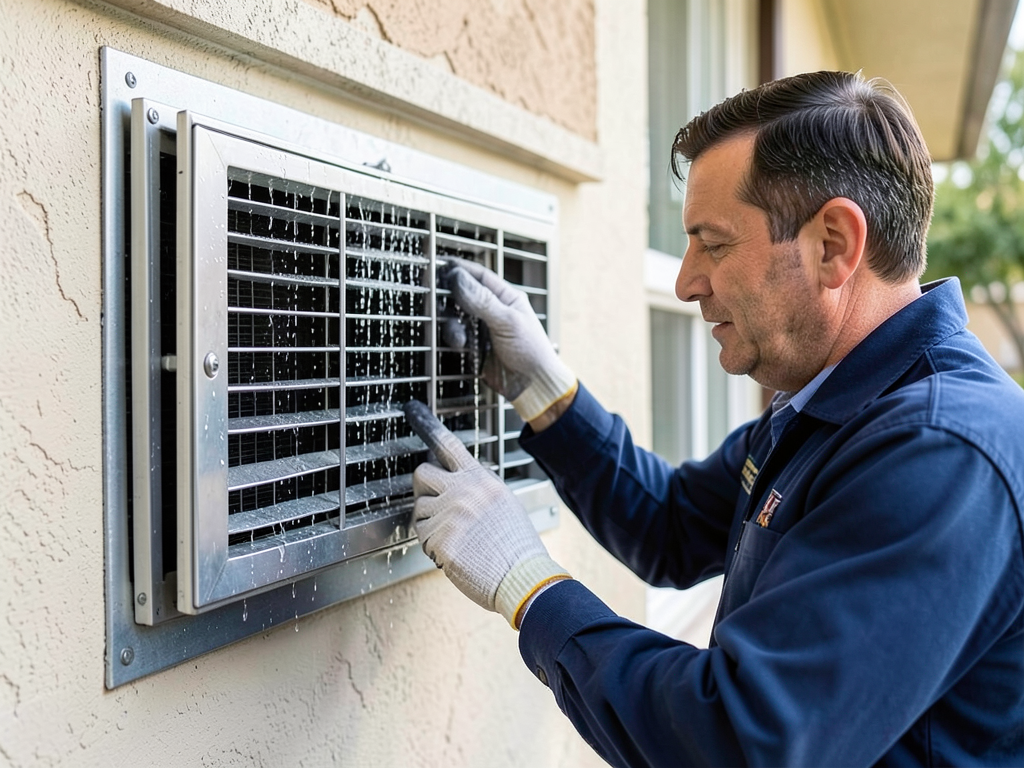
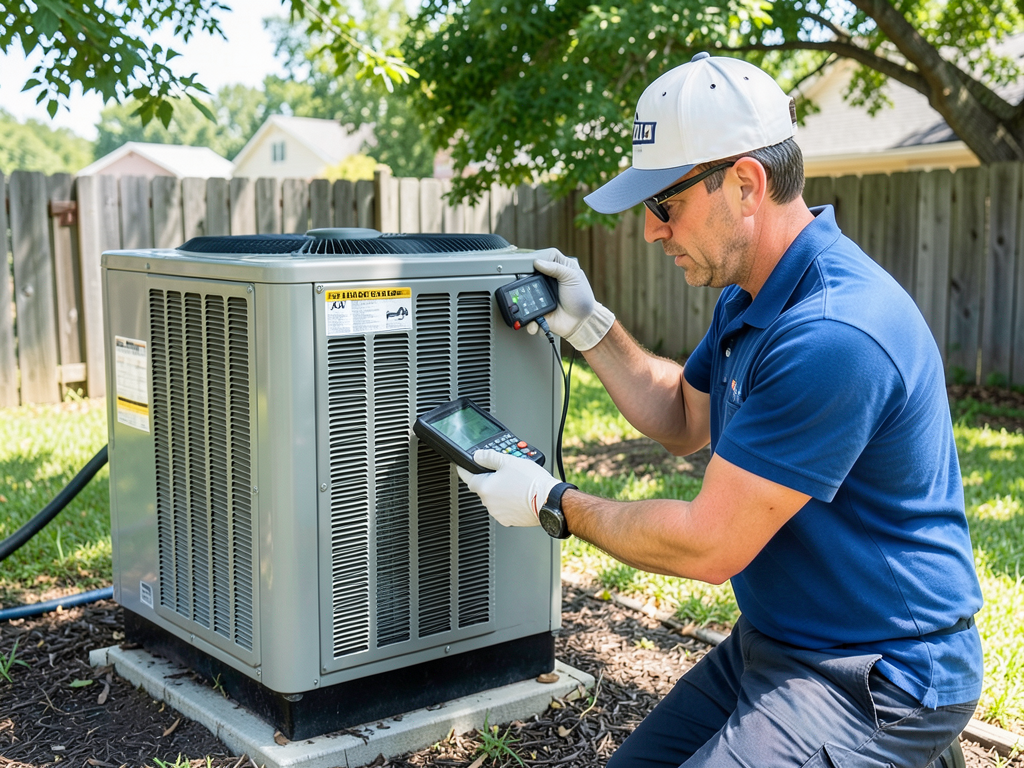
Emergency ductwork repair requires fast assessment and immediate fixes. Our technicians arrive with thermal imaging cameras, digital manometers, and airflow measurement tools. We do not guess. We locate the failure point, measure static pressure loss, and identify whether the problem is mechanical separation, pest damage, or structural failure.

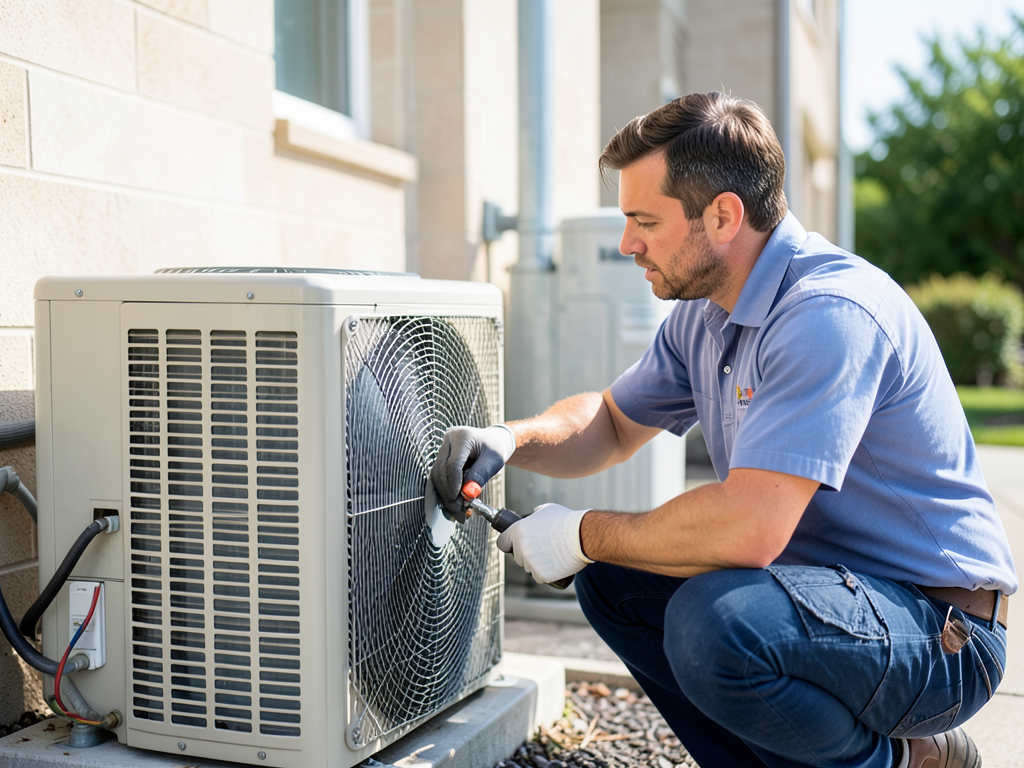
Most emergency calls involve torn flex duct, disconnected boots at registers, or crushed supply lines. We carry sheet metal, flex duct, mastic sealant, and insulation on every truck. If your main trunk line collapsed in the attic, we fabricate a replacement section on-site using galvanized steel and mechanical fasteners. If rodents destroyed your return plenum, we seal it with UL-181 rated foil tape and mastic, then verify airtightness with a pressure test.

We prioritize restoring airflow first. If your bedroom lost AC overnight, we reconnect the supply boot, seal the joint, and confirm air velocity at the register. If your commercial kitchen lost exhaust capacity, we replace the damaged section of rigid duct and re-balance the system to meet code requirements.

Dallas ductwork sits in hostile environments. Attic temperatures exceed 140 degrees in July. Crawlspaces flood during spring storms. We use materials designed for these conditions. We do not patch with tape that will fail in six months. We rebuild the section with proper connectors, secure it with metal straps, and insulate it to R-8 specifications.

After repairs, we measure supply air temperature at each register. We verify static pressure across the system. We check for leaks using smoke pencils at every joint we touched. You get documentation showing before and after pressure readings, so you know the repair restored full system performance.

What Happens When You Call for Emergency Ductwork Repair

Emergency Ductwork Repair in Dallas – 24/7 Dispatch Gets Your Air Moving Again Fast
01

Immediate Dispatch and Assessment

You call our emergency line at (972) 850-2750. We dispatch a technician within the hour. While en route, we ask targeted questions about symptoms: weak airflow, strange noises, visible damage. Our technician arrives with diagnostic equipment and common repair materials. The first 15 minutes focus on locating the failure using pressure testing and visual inspection of accessible ductwork. We identify the scope before starting repairs.
02

On-Site Repair and Testing

Once we locate the problem, we execute the repair using professional-grade materials. Disconnected boots get reattached with sheet metal screws and sealed with mastic. Torn flex duct gets replaced with new insulated flex, secured with proper draw bands. Crushed trunks get rebuilt with galvanized steel. We test airflow at affected registers using an anemometer. We verify the system holds pressure. This phase typically takes two to four hours depending on damage severity and accessibility.
03

System Verification and Documentation

After completing repairs, we run the system through a full cycle. We measure supply air temperature at every register to confirm balanced distribution. We check static pressure to ensure the blower motor is not overworking. You receive a written report detailing what failed, what we repaired, and measured performance data. We explain what caused the failure and how to prevent recurrence. Your system is back online before we leave.

Why Dallas Homes and Businesses Trust Cornerstone HVAC for Ductwork Emergencies

Emergency ductwork repair requires more than fast response. It requires technicians who understand Dallas construction methods and local system configurations.

Most Dallas homes built before 2000 use flex duct in attics and sheet metal in crawlspaces. Homes in East Dallas and Lakewood often have original 1950s ductwork retrofitted for central air. We have repaired ductwork in ranch homes, two-stories, and mid-century bungalows across every Dallas neighborhood. We know where builders cut corners. We know which connections fail first.

Commercial properties face different challenges. Retail spaces in Deep Ellum or Uptown often have rooftop units with long duct runs. Restaurants need makeup air systems that comply with mechanical codes. Office buildings require zone control with motorized dampers. When emergency ductwork failure threatens business operations, we prioritize restoring capacity to critical zones first.

We carry inventory that other companies order from suppliers. Our trucks stock insulated flex duct in multiple diameters, sheet metal in various gauges, and specialty fasteners for different substrates. When your ductwork fails on a Saturday night, we do not tell you to wait until Monday for parts. We fix it now.

Our technicians hold certifications in HVAC installation and repair. They understand air balancing, static pressure calculations, and Manual D duct design principles. When we repair your ductwork, we ensure the fix integrates properly with your existing system. We do not create new bottlenecks or pressure imbalances.

Dallas families and business owners call us because we answer the phone at 2 AM and arrive prepared to complete the repair on the first visit. We understand that ductwork failure is not an inconvenience. It is a threat to your comfort, your operations, and your bottom line.

What to Expect During Emergency Ductwork Repair Service

Rapid Response and Arrival Times

When you call (972) 850-2750 with a ductwork emergency, we dispatch immediately. Our typical arrival time is 60 to 90 minutes across the Dallas metro, including North Dallas, Richardson, and Garland. We operate 24 hours a day, seven days a week. Late night and weekend emergencies receive the same priority as weekday calls. Our technician contacts you en route with an accurate ETA. We do not schedule emergency calls for the next day. We come now because your comfort and safety cannot wait.

Comprehensive Diagnostic Process

Our technician inspects accessible ductwork in attics, crawlspaces, and mechanical rooms. We use a digital manometer to measure static pressure at the air handler and compare it to manufacturer specifications. We check register airflow with an anemometer to identify which zones lost capacity. We look for visible damage like torn flex duct, disconnected boots, or crushed trunks. If needed, we use a thermal camera to detect temperature loss patterns that indicate hidden leaks. You get a clear explanation of what failed and why before we start repairs.

Professional Repair Quality

We do not use temporary fixes. When we replace a section of ductwork, we use materials rated for the application. Flex duct installations follow manufacturer specifications for maximum length and bend radius. Sheet metal joints are mechanically fastened and sealed with water-based mastic. We insulate repaired sections to match or exceed existing R-values. After completing repairs, we measure airflow at affected registers to confirm restoration of design capacity. You receive documentation showing measured performance before and after our work. The repair is permanent, not a patch that fails in three months.

Follow-Up and System Optimization

Emergency repairs get your system operational, but we also identify underlying issues that contributed to failure. If poor installation caused premature duct deterioration, we explain what needs upgrading. If your system runs high static pressure due to undersized ductwork, we provide recommendations for long-term solutions. We offer follow-up inspections to verify the repair holds up under normal operating conditions. If we find additional ductwork in similar condition to what failed, we document it so you can address potential problems before they become emergencies. Our goal is to prevent your next breakdown.

Frequently Asked Questions

You Have Questions,
We Have Answers

What qualifies as an HVAC emergency? +

An HVAC emergency means your system fails and threatens safety, health, or property. In Dallas, this includes no cooling during 100-degree summer heat, which risks heat exhaustion. Gas leaks near ductwork demand immediate evacuation and professional help. Complete loss of heating when temperatures drop below freezing can burst pipes. Strange burning smells, loud rattling sounds, or visible duct damage releasing insulation particles into your home also qualify. If your system stops working after midnight or on weekends and you cannot safely wait until morning, you need emergency ductwork repair. Call a 24/7 service immediately.

What's the average cost to replace ductwork? +

Duct replacement costs vary widely based on home size, accessibility, and material choice. Most Dallas homes require metal or flex duct systems. A full replacement involves removing old sections, sealing connections, and ensuring proper airflow to handle summer cooling loads. Attic installations cost less than crawlspace or slab installations. Homes built before 1990 often need complete overhauls due to outdated sizing or asbestos concerns. Get multiple quotes from licensed contractors who inspect your attic layout and calculate proper load requirements. Emergency repairs cost more than scheduled replacements due to after-hours labor rates and urgent material sourcing.

Can I repair ductwork myself? +

You should not repair ductwork yourself during an emergency. Dallas building codes require licensed HVAC professionals to ensure proper sealing, insulation values, and airflow balance. Incorrect repairs cause energy loss, mold growth from condensation leaks, and poor indoor air quality. Duct systems operate under pressure, and amateur patches with store-bought tape fail quickly in Texas heat. Attic work in Dallas summer temperatures exceeds 140 degrees, creating dangerous conditions. If you see a small tear and the system still functions, you can temporarily cover it with foil tape until a professional arrives. Never attempt repairs near gas lines or electrical components.

Is duct work covered by homeowners insurance? +

Homeowners insurance covers ductwork damage only if a covered peril caused it. In Dallas, sudden burst pipe flooding that soaks insulation or storm damage from roof collapse typically qualifies. Gradual wear, rodent damage, or poor maintenance does not. Insurance also covers emergency repairs after fires or severe weather events. Document everything with photos immediately. Your adjuster will inspect visible damage and attic conditions. Most policies exclude mold remediation unless you reported water damage within 48 hours. Review your policy's dwelling coverage and exclusions. File claims quickly after storms, as Dallas sees hail and wind damage that can compromise duct integrity.

What is the $5000 rule for HVAC? +

The $5000 rule helps you decide between repair and replacement. If your HVAC system needs a repair costing more than $5000, and the unit is over 10 years old, replacement makes more financial sense. Multiply the repair cost by the system age. If that number exceeds $5000, replace the entire system. For example, a $600 repair on a 12-year-old unit equals $7200, suggesting replacement. In Dallas, older systems struggle with high cooling demands and use outdated refrigerants. This rule does not apply to emergency ductwork repairs unless the entire duct system needs replacement due to extensive damage or code violations.

What conditions constitute an emergency? +

Emergency conditions for ductwork include complete system failure during extreme Dallas weather, visible flames or sparks near ducts, strong gas odors, carbon monoxide detector alarms, or water actively pouring from ceiling vents. Disconnected ductwork in the attic that stops airflow to bedrooms during triple-digit heat qualifies. Major collapses from storm damage or fallen insulation blocking return air also need immediate attention. If family members experience sudden breathing problems, dizziness, or headaches when the system runs, shut it down and call for emergency service. Waiting until morning risks heat stroke, frozen pipes, or carbon monoxide poisoning. Act immediately when safety is compromised.

How much to replace ductwork in a 1500 sq ft house? +

Replacing ductwork in a 1500 square foot Dallas home depends on system layout and attic access. Most homes this size need 8 to 12 supply runs plus return ducts. Single-story ranch homes with accessible attics cost less than two-story homes requiring wall chases. Flex duct installations run cheaper than rigid metal, but metal lasts longer in hot attics. Emergency replacements add premium charges for after-hours work and expedited material delivery. Dallas clay soil foundation shifts sometimes crush ducts in crawlspaces, increasing labor costs. Request written estimates that include insulation upgrades, proper sizing calculations, and warranty coverage.

Is replacing ductwork worth it? +

Replacing old ductwork is worth it when you face constant repairs, high energy bills, or uneven temperatures between rooms. Dallas homes built before 2000 often have undersized ducts that cannot handle modern high-efficiency systems. Leaky ducts lose 20 to 40 percent of conditioned air into attics, wasting money every month. New ductwork improves airflow, reduces strain on your HVAC unit, and lowers cooling costs during brutal summers. If you plan to stay in your home five or more years, replacement pays for itself through energy savings. Proper sizing and sealing also improve indoor air quality and comfort throughout your home.

How many years does ductwork last? +

Ductwork lasts 15 to 25 years depending on material quality, installation, and maintenance. Metal ducts in Dallas attics withstand heat better than flex duct, which degrades faster under 140-degree temperatures. Homes near high-traffic areas accumulate dust faster, requiring more frequent cleaning to prevent deterioration. Rodents in attics chew through insulation and flex connections, shortening lifespan. Poorly sealed joints leak conditioned air and develop moisture problems that corrode metal over time. Inspect your ducts every five years for rust, disconnections, or sagging sections. Replace damaged sections immediately to prevent total system failure during peak summer demand when you need cooling most.

What is the 2 foot rule for ducts? +

The 2-foot rule requires supply and return ducts to maintain at least 2 feet of separation from each other in attics and crawlspaces. This prevents short-cycling, where conditioned air immediately gets sucked back into the return without circulating through living spaces. Dallas building codes enforce this spacing to ensure proper airflow and system efficiency. Violations cause hot spots, poor dehumidification, and higher energy bills. Older homes often ignore this standard, leading to comfort problems. During emergency repairs or replacements, contractors must correct spacing violations to pass inspection. Proper separation also reduces noise transmission and prevents pressure imbalances that strain your HVAC equipment.

How Dallas Heat and Attic Conditions Accelerate Ductwork Failure

Dallas attics reach 150 degrees during summer months. This extreme heat degrades flex duct insulation, hardens plastic vapor barriers, and weakens adhesive connections. The constant expansion and contraction from daily temperature swings stresses every joint and seam. Homes in Lakewood, Oak Cliff, and older North Dallas neighborhoods often have original ductwork that was never designed for modern high-SEER systems pushing higher static pressures. Clay soil movement shifts foundations, pulling ductwork connections apart in crawlspaces and under-slab installations. These conditions make emergency ductwork repair more common in Dallas than in moderate climates.

Cornerstone HVAC Dallas understands local building practices and common failure points in Dallas homes. We have repaired ductwork in every neighborhood from Preston Hollow to South Dallas. We know which builders used substandard materials in the 1980s and 1990s. We understand Dallas mechanical codes and inspection requirements. When you need immediate ductwork service, you want technicians who have worked in hundreds of local attics and crawlspaces. We carry materials rated for Texas heat. We use installation methods that withstand foundation movement and thermal cycling. Local expertise matters when your family is sweating in a 90-degree house at midnight.
HVAC Services in The Dallas Area

Looking for expert HVAC services near you? Cornerstone HVAC Dallas proudly serves homeowners and businesses throughout the greater Dallas area with professional heating and cooling repairs, system installations, indoor air quality solutions, and emergency HVAC services. From Plano to Arlington, our certified technicians are ready to deliver fast, efficient service wherever you are. Use the map below to explore our coverage areas and discover trusted HVAC support right around the corner.

Address:
Cornerstone HVAC Dallas, 5956 Sherry Ln, Suite 2000, Dallas, TX, 75225

Additional Services We Offer

Our news updates

Latest Articles & News from The Blogs

How to Solve C-Wire Issues When Upgrading Your Thermostat in Highland Village Upgrading to a smart thermostat in Highland Village…

How to Solve C-Wire Issues When Upgrading Your Thermostat in Highland Village

How to Solve C-Wire Issues When Upgrading Your Thermostat in Highland Village Upgrading to a smart thermostat in Highland Village…

A Simple Guide to SEER2 Ratings for Homeowners in Little Elm

A Simple Guide to SEER2 Ratings for Homeowners in Little Elm If you’re shopping for a new air conditioner in…

Choosing the Right Climate Control for Your Westlake Pool House or Luxury Cabana

Choosing the Right Climate Control for Your Westlake Pool House or Luxury Cabana Living in Westlake means dealing with Texas…

Contact Us

Do not wait another hour in a hot house. Call Cornerstone HVAC Dallas now at (972) 850-2750. Our emergency technicians are standing by with fully equipped trucks. We will diagnose your ductwork failure, complete the repair, and restore comfort before the night is over.