
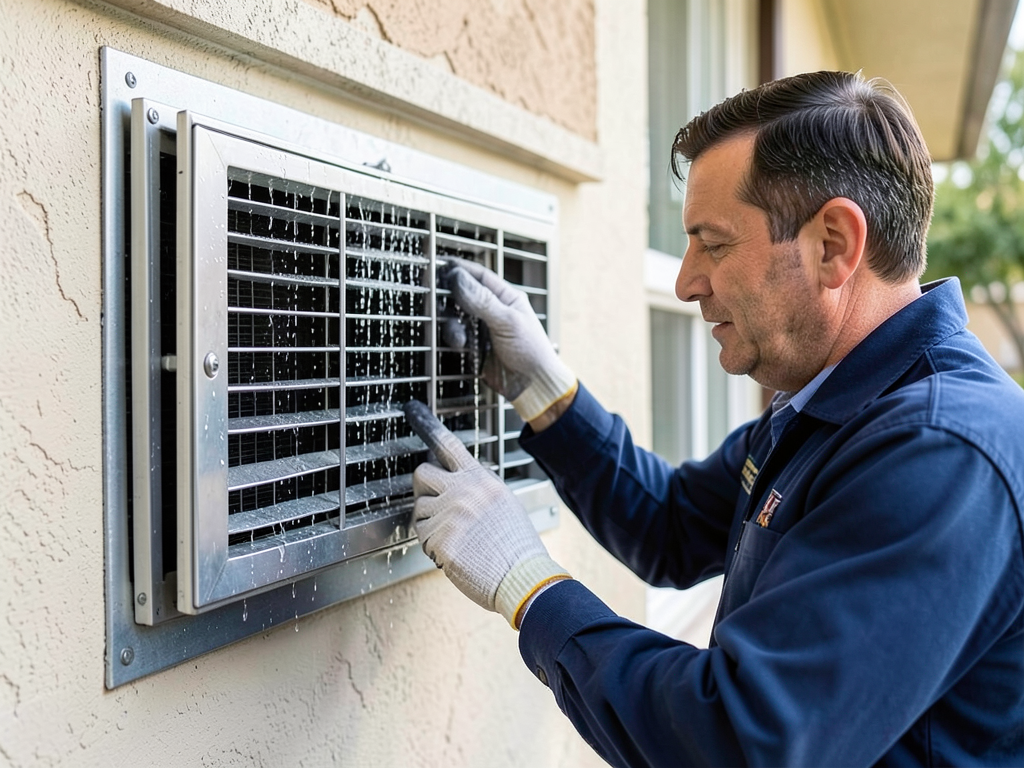
How to Keep Your AC Vents From Sweating and Dripping on Your Hardwood Floors
When cold air meets warm, humid air, condensation forms. That’s exactly what happens inside your air conditioning system when warm attic air surrounds cold metal ductwork. In Dallas homes, this common problem can leave your AC vents dripping water onto hardwood floors, causing damage and creating the perfect environment for mold growth. HVAC Dallas.
High humidity levels in North Texas make vent sweating a frequent issue for homeowners in neighborhoods like Lakewood, East Dallas, and Lake Highlands. Understanding why this happens and how to fix it can save you from costly repairs and protect your home’s air quality. EPA guide to moisture control.
Why Are My AC Vents Sweating? Understanding the Science
Condensation forms when warm, moist air contacts a cold surface below the dew point. Your AC vents become cold because they carry air cooled by your evaporator coil, often to temperatures around 55-60°F. When this cold metal meets the warm, humid air common in Dallas during summer months, water droplets form on the vent surface.
The problem intensifies in homes with ductwork running through unconditioned attic spaces. Dallas attics can reach temperatures above 130°F during summer, creating a dramatic temperature difference with the cold air inside the ducts. This temperature differential, combined with North Texas humidity levels that often exceed 70% in July and August, creates ideal conditions for condensation.
Current dew point levels in Dallas typically range from 65-75°F during peak summer months. When your vent surface temperature drops below this dew point, moisture forms. Homes in older Dallas neighborhoods like Munger Place or Swiss Avenue often face this issue more frequently due to aging ductwork and poor attic insulation.
Top Causes of AC Vent Condensation in Dallas Homes
Several factors contribute to sweating vents. Identifying the specific cause in your home helps determine the most effective solution.
High Indoor Humidity Levels
When indoor humidity exceeds 50%, the risk of condensation increases significantly. Dallas homes often struggle with high humidity due to our climate. Activities like cooking, showering, and even breathing add moisture to indoor air. Without proper dehumidification, this moisture seeks the coldest surfaces in your home. Indoor Air Quality Solutions.
Poor Ductwork Insulation
Uninsulated or poorly insulated ducts allow cold air to contact warm attic air directly. Building codes in Texas now require R-8 insulation for supply ducts in unconditioned spaces, but many older Dallas homes were built to lower standards. Homes in areas like Vickery Place or Junius Heights with original 1920s-1940s construction often have minimal duct insulation.
Restricted Airflow
When airflow through your system decreases, the temperature of air coming from vents drops. This makes condensation more likely. Common causes include dirty air filters, closed vents, or undersized ductwork. A clogged filter can reduce airflow by 15-20%, significantly increasing the risk of vent sweating.
Low Refrigerant Levels
Low refrigerant causes your evaporator coil to become excessively cold. This overcools the air in your ducts, making vent surfaces colder than normal. If you notice your AC running constantly but not cooling effectively, low refrigerant could be the culprit behind sweating vents.
Air Leaks Around Duct Boots
The connection between your duct and the ceiling or wall is called the boot. Gaps around these boots allow warm attic air to contact the cold metal surface of the vent. Even small leaks can create significant condensation problems, especially in homes with high vaulted ceilings common in modern Dallas developments.
The Risks of Ignoring Sweating AC Vents
Water dripping from your vents isn’t just an annoyance. It can cause serious damage to your home and health risks for your family.
Hardwood floors are particularly vulnerable to water damage. Prolonged exposure to moisture can cause warping, buckling, and discoloration. Replacing damaged hardwood flooring can cost $8-15 per square foot, making prevention far more economical than repair.
Mold growth represents another significant risk. The combination of moisture, organic materials like drywall, and warm temperatures creates ideal conditions for mold spores to multiply. Once established, mold remediation can cost thousands of dollars and may require removing affected materials.
Indoor air quality also suffers when vents sweat. Mold spores, dust mites, and other allergens thrive in humid conditions. For Dallas families with allergies or respiratory issues, this can lead to increased symptoms and discomfort.
Dallas-Specific Challenges for AC Vent Condensation
North Texas presents unique challenges for HVAC systems that directly impact vent sweating issues.
Our extreme summer heat means air conditioning systems run almost continuously from June through September. This constant operation, combined with our naturally high humidity, creates more opportunities for condensation to form. Homes in areas like Preston Hollow or University Park with large, energy-efficient windows often experience higher indoor humidity levels, exacerbating the problem.
Many Dallas homes have HVAC systems in unconditioned attics. These attics can reach temperatures 30-40 degrees higher than the outdoor temperature. When cold air moves through ducts in these hot spaces, the temperature differential creates perfect conditions for condensation.
Older Dallas neighborhoods often feature pier-and-beam foundations or lack modern vapor barriers. This can allow ground moisture to enter homes, increasing indoor humidity levels. Homes in historic districts like Munger Place or Greenland Hills may need additional dehumidification to combat this issue.
DIY Troubleshooting Checklist for Sweating Vents
Before calling a professional, homeowners can perform several checks to identify potential causes of vent sweating.
- Check and replace your air filter. A dirty filter restricts airflow. Replace standard 1-inch filters every 30-60 days, or more frequently during heavy use periods.
- Verify thermostat settings. Ensure your fan is set to “AUTO” rather than “ON.” Continuous fan operation can cause condensation by not allowing the system to complete its cooling cycle.
- Inspect visible ductwork. Look for gaps, tears, or damaged insulation in accessible duct runs. Pay special attention to connections and joints.
- Check the condensate drain line. A clogged drain line can cause water to back up and overflow, creating moisture problems that affect vent performance.
- Monitor indoor humidity. Use a hygrometer to measure indoor humidity levels. Levels above 50% indicate a need for dehumidification.
- Examine vent boots. Look for gaps between the boot and ceiling or wall. Even small gaps can allow enough warm air infiltration to cause condensation.
Many of these issues are simple fixes that homeowners can handle themselves. However, if problems persist after addressing these items, professional diagnosis may be necessary.
Professional Solutions for Persistent Vent Sweating
When DIY efforts don’t resolve the issue, professional HVAC services can address more complex causes of vent condensation. Who to Call for Same-Day AC Service in University Park and North Dallas.
Duct sealing and insulation upgrades represent one of the most effective solutions. Professional duct sealing using products like Aeroseal can reduce air leaks by up to 90%. Adding proper R-8 insulation to unconditioned duct runs prevents cold air from contacting warm surfaces.
Whole-home dehumidification systems can maintain indoor humidity at optimal levels (30-50%) regardless of outdoor conditions. These systems work with your existing HVAC equipment to remove excess moisture from the air before it can cause condensation problems.
Variable speed blowers can help manage humidity by running at lower speeds for longer periods. This allows more moisture removal without overcooling the space. Many modern HVAC systems include this feature, which can be particularly beneficial in humid climates like Dallas.
Refrigerant level testing and adjustment requires professional equipment and certification. If low refrigerant is causing your system to overcool, a licensed technician can identify and repair leaks, then recharge the system to proper levels.
Attic ventilation improvements can reduce the temperature differential between your ducts and the surrounding space. Adding soffit vents, ridge vents, or powered attic fans can lower attic temperatures by 20-30 degrees, significantly reducing condensation risk.
Comparing DIY vs. Professional Solutions
| Solution Type | Cost Range | Effectiveness | Best For |
|---|---|---|---|
| Air filter replacement | $15-40 | Low-Medium | Restricted airflow issues |
| Basic duct sealing | $200-600 | Medium | Minor air leaks |
| Professional duct sealing | $1,500-3,000 | High | Significant air leaks |
| Duct insulation upgrade | $1,000-2,500 | High | Poor insulation |
| Whole-home dehumidifier | $1,500-3,500 | High | High indoor humidity |
| Variable speed system | $4,000-8,000 | Very High | Comprehensive solution |
Preventing Future Vent Sweating Issues
Once you’ve addressed current condensation problems, several maintenance practices can prevent recurrence.
Regular HVAC maintenance includes checking refrigerant levels, cleaning coils, and inspecting ductwork. Annual professional maintenance can identify potential issues before they cause water damage.
Humidity monitoring and control helps maintain optimal indoor conditions. Smart thermostats with humidity sensors can alert you when levels rise above recommended ranges.
Attic inspections during extreme weather can reveal developing problems. Check for signs of moisture or temperature issues in your attic space, especially after severe weather events common in North Texas.
Proper landscaping and drainage around your home’s foundation can reduce moisture infiltration. Ensure gutters and downspouts direct water away from your home’s foundation to prevent ground moisture from affecting indoor humidity.
When to Call a Professional Immediately
Some signs indicate you need professional help right away to prevent serious damage.
Visible water damage on ceilings or walls suggests active leaks that could be causing structural damage. This requires immediate attention to prevent mold growth and material deterioration.
Musty odors or visible mold growth indicates moisture problems have already led to biological contamination. Professional remediation may be necessary to ensure complete removal and prevent recurrence.
System short cycling (frequent on/off operation) can indicate serious issues affecting both performance and moisture control. This often requires professional diagnosis to identify the underlying cause.
High indoor humidity despite normal thermostat settings suggests your system cannot maintain proper conditions. This may indicate equipment sizing issues or control system problems requiring professional assessment.
Energy Efficiency and Cost Considerations
Addressing vent sweating often improves your HVAC system’s overall efficiency. When your system operates properly, it uses less energy to maintain comfortable temperatures.
Leaky ducts can waste 20-30% of conditioned air, forcing your system to work harder and longer. Sealing these leaks not only prevents condensation but also reduces energy consumption and utility bills.
Proper humidity control allows you to set your thermostat slightly higher while maintaining comfort. Each degree you raise your thermostat setting can reduce cooling costs by 3-5%, making humidity management both a comfort and economic benefit.
Many utility companies offer rebates for energy efficiency improvements, including duct sealing and insulation upgrades. These incentives can offset a significant portion of improvement costs while providing immediate energy savings.
Frequently Asked Questions
Is vent sweating dangerous for my family’s health?
Yes, if left unaddressed. Persistent moisture creates conditions for mold growth, which can trigger allergies, asthma, and other respiratory issues. The water damage can also compromise indoor air quality by providing a breeding ground for bacteria and dust mites.
How can I tell if my ductwork needs replacement versus repair?
Minor damage like small leaks or torn insulation can often be repaired. However, if your ductwork is over 15-20 years old, has significant corrosion, or shows widespread damage, replacement may be more cost-effective. A professional inspection can help determine the best approach.
Will a ceiling fan help prevent vent sweating?
Ceiling fans can help by improving air circulation and reducing the temperature differential between the vent and surrounding air. However, they’re not a substitute for addressing the underlying causes like high humidity or poor insulation.
How long does professional duct sealing typically take?
Most residential duct sealing projects take 4-8 hours, depending on your home’s size and the extent of leaks. The process involves sealing accessible ducts from the inside using specialized equipment, with minimal disruption to your home.
Can I use a portable dehumidifier instead of a whole-home system?
Portable dehumidifiers can help in specific rooms but are less effective for whole-house moisture control. They require manual emptying, can be noisy, and may not adequately address humidity throughout your home. Whole-home systems integrate with your HVAC equipment for more consistent results.
Take Action to Protect Your Home Today
Don’t let sweating AC vents damage your beautiful hardwood floors or create unhealthy conditions in your Dallas home. Whether you’re in Lakewood, East Dallas, or anywhere in the Dallas-Fort Worth metroplex, addressing this issue promptly can save you from costly repairs and protect your family’s health.
Start with the DIY troubleshooting steps outlined above. If problems persist, professional assessment can identify the specific causes affecting your home and recommend the most effective solutions.
CornerStone HVAC has been helping Dallas homeowners solve humidity and condensation problems for over 15 years. Our technicians understand the unique challenges of North Texas climate and can provide solutions tailored to your home’s specific needs.
Call us today at (972) 850-2750 to schedule a comprehensive inspection of your HVAC system. We’ll identify the causes of your vent sweating and recommend the most cost-effective solutions to protect your home and improve your comfort.
Don’t wait until water damage becomes severe or mold becomes a health hazard. Take action now to keep your AC vents dry and your hardwood floors protected throughout the hot Dallas summer. For more information, visit Department of Energy air sealing guide.
{
“@context”: “https://schema.org”,
“@type”: “BlogPosting”,
“headline”: “How to Keep Your AC Vents From Sweating and Dripping on Your Hardwood Floors”,
“description”: “Stop AC vent condensation in Dallas homes. Learn why vents sweat, the risks of water damage, and proven fixes to protect your hardwood floors from moisture.”,
“wordCount”: 2169,
“datePublished”: “2026-06-17T12:40:00.000Z”,
“dateModified”: “2026-06-17T12:40:00.000Z”,
“inLanguage”: “en-US”,
“mainEntityOfPage”: {
“@type”: “WebPage”,
“@id”: “https://cornerstonehvacdallas.com”
},
“publisher”: {
“@type”: “LocalBusiness”,
“name”: “Cornerstone HVAC Dallas”,
“url”: “https://cornerstonehvacdallas.com”
},
“author”: {
“@type”: “Organization”,
“name”: “Cornerstone HVAC Dallas”,
“url”: “https://cornerstonehvacdallas.com”
},
“image”: {
“@type”: “ImageObject”,
“url”: “https://cornerstonehvacdallas.com/wp-content/uploads/2026/03/how-to-keep-your-ac-vents-from-sweating-and-drippi-1.png”
}
}
{
“@context”: “https://schema.org”,
“@type”: “HVACBusiness”,
“name”: “Cornerstone HVAC Dallas”,
“url”: “https://cornerstonehvacdallas.com”,
“address”: {
“@type”: “PostalAddress”,
“addressLocality”: “Dallas”
},
“areaServed”: {
“@type”: “City”,
“name”: “Dallas”
}
}
{
“@context”: “https://schema.org”,
“@type”: “FAQPage”,
“mainEntity”: [
{
“@type”: “Question”,
“name”: “Is vent sweating dangerous for my family’s health?”,
“acceptedAnswer”: {
“@type”: “Answer”,
“text”: “Yes, if left unaddressed. Persistent moisture creates conditions for mold growth, which can trigger allergies, asthma, and other respiratory issues. The water damage can also compromise indoor air quality by providing a breeding ground for bacteria and dust mites.”
}
},
{
“@type”: “Question”,
“name”: “How can I tell if my ductwork needs replacement versus repair?”,
“acceptedAnswer”: {
“@type”: “Answer”,
“text”: “Minor damage like small leaks or torn insulation can often be repaired. However, if your ductwork is over 15-20 years old, has significant corrosion, or shows widespread damage, replacement may be more cost-effective. A professional inspection can help determine the best approach.”
}
},
{
“@type”: “Question”,
“name”: “Will a ceiling fan help prevent vent sweating?”,
“acceptedAnswer”: {
“@type”: “Answer”,
“text”: “Ceiling fans can help by improving air circulation and reducing the temperature differential between the vent and surrounding air. However, they’re not a substitute for addressing the underlying causes like high humidity or poor insulation.”
}
},
{
“@type”: “Question”,
“name”: “How long does professional duct sealing typically take?”,
“acceptedAnswer”: {
“@type”: “Answer”,
“text”: “Most residential duct sealing projects take 4-8 hours, depending on your home’s size and the extent of leaks. The process involves sealing accessible ducts from the inside using specialized equipment, with minimal disruption to your home.”
}
},
{
“@type”: “Question”,
“name”: “Can I use a portable dehumidifier instead of a whole-home system?”,
“acceptedAnswer”: {
“@type”: “Answer”,
“text”: “Portable dehumidifiers can help in specific rooms but are less effective for whole-house moisture control. They require manual emptying, can be noisy, and may not adequately address humidity throughout your home. Whole-home systems integrate with your HVAC equipment for more consistent results.”
}
}
]
}
{
“@context”: “https://schema.org”,
“@type”: “BreadcrumbList”,
“itemListElement”: [
{
“@type”: “ListItem”,
“position”: 1,
“name”: “Home”,
“item”: “https://cornerstonehvacdallas.com”
},
{
“@type”: “ListItem”,
“position”: 2,
“name”: “Blog”,
“item”: “https://cornerstonehvacdallas.com/blog”
},
{
“@type”: “ListItem”,
“position”: 3,
“name”: “How to Keep Your AC Vents From Sweating and Dripping on Your Hardwood Floors”
}
]
}
{
“@context”: “https://schema.org”,
“@type”: “Service”,
“serviceType”: “HVAC”,
“provider”: {
“@type”: “LocalBusiness”,
“name”: “Cornerstone HVAC Dallas”,
“url”: “https://cornerstonehvacdallas.com”
},
“areaServed”: {
“@type”: “City”,
“name”: “Dallas”
},
“description”: “Stop AC vent condensation in Dallas homes. Learn why vents sweat, the risks of water damage, and proven fixes to protect your hardwood floors from moisture.”
}