




menu

Energy Saving Tips for Summer in Dallas – Cut Your Cooling Costs Without Sacrificing Comfort

Learn proven strategies to reduce air conditioning bills and lower summer utility costs in Dallas's brutal heat. These energy saving tips for summer help you stay cool while keeping more money in your pocket.

Slider Image 1
Slider Image 2
Slider Image 3
Slider Image 4
Slider Image 5
Slider Image 7
Slider Image 8
Slider Image 9
Slider Image 10
Slider Image 11

Why Dallas Homeowners Face Skyrocketing Summer Energy Bills

Dallas summers are relentless. When temperatures push past 100 degrees for weeks at a time, your air conditioner runs nearly nonstop. The strain on your HVAC system and your wallet becomes impossible to ignore.

The North Texas heat island effect makes things worse. Concrete and asphalt in urban Dallas absorb heat during the day and radiate it back at night. Your AC never gets a break. Even at midnight, outdoor temperatures hover in the 80s.

Most Dallas homes were built during construction booms in the 1980s and 2000s. Many still have original insulation and single-pane windows. These older homes bleed cold air. Your compressor struggles to keep up, cycling constantly and burning electricity.

Clay soil shifts during our summer drought cycles, creating gaps in foundations and ductwork. Conditioned air escapes through cracks you cannot see. You pay to cool your attic and crawl space instead of your living room.

Understanding ways to lower cooling costs starts with recognizing these local challenges. Summer energy efficiency ideas that work in Seattle fail in Dallas. You need strategies designed for triple-digit heat and relentless sun exposure.

Reducing air conditioning bills requires a different approach here. The goal is not to turn off your system. That creates dangerous indoor heat and humidity. Instead, focus on how to save electricity in summer while maintaining safe, comfortable temperatures. Lowering summer utility costs in Dallas means working smarter, not harder.

Why Dallas Homeowners Face Skyrocketing Summer Energy Bills
The Science Behind Effective Summer Energy Savings

The Science Behind Effective Summer Energy Savings

Energy efficiency starts with understanding your HVAC system's operation. Your air conditioner does not create cold air. It removes heat and humidity from indoor air, then dumps that heat outside through the condenser.

When outdoor temperatures exceed 95 degrees, your system works against a massive temperature differential. The compressor must run longer to achieve the same cooling effect. This is when energy consumption spikes.

The refrigerant cycle depends on proper airflow across both the evaporator coil and condenser coil. Restricted airflow forces the compressor to work harder. A dirty filter reduces airflow by 30 percent or more. Clogged condenser fins reduce heat rejection efficiency.

Thermostat placement matters more than most homeowners realize. A thermostat mounted on a west-facing wall reads artificially high temperatures in the afternoon. Your system runs longer than necessary. Direct sunlight on the thermostat can trigger cooling cycles even when your home is comfortable.

Ductwork accounts for up to 40 percent of cooling losses in Dallas homes. Leaks at boot connections and plenum joints allow conditioned air to escape into unconditioned spaces. Poorly sealed return ducts pull hot attic air into your system, forcing it to work harder.

Static pressure imbalances create comfort problems and energy waste. When supply and return airflows are mismatched, some rooms stay hot while others freeze. Homeowners compensate by lowering the thermostat, which increases runtime and costs.

Professional system diagnostics identify these inefficiencies. Cornerstone HVAC Dallas uses blower door tests and thermal imaging to pinpoint energy waste. We measure actual airflow, refrigerant charge, and static pressure to optimize system performance.

Your Summer Energy Efficiency Action Plan

Energy Saving Tips for Summer in Dallas – Cut Your Cooling Costs Without Sacrificing Comfort
01

System Assessment and Optimization

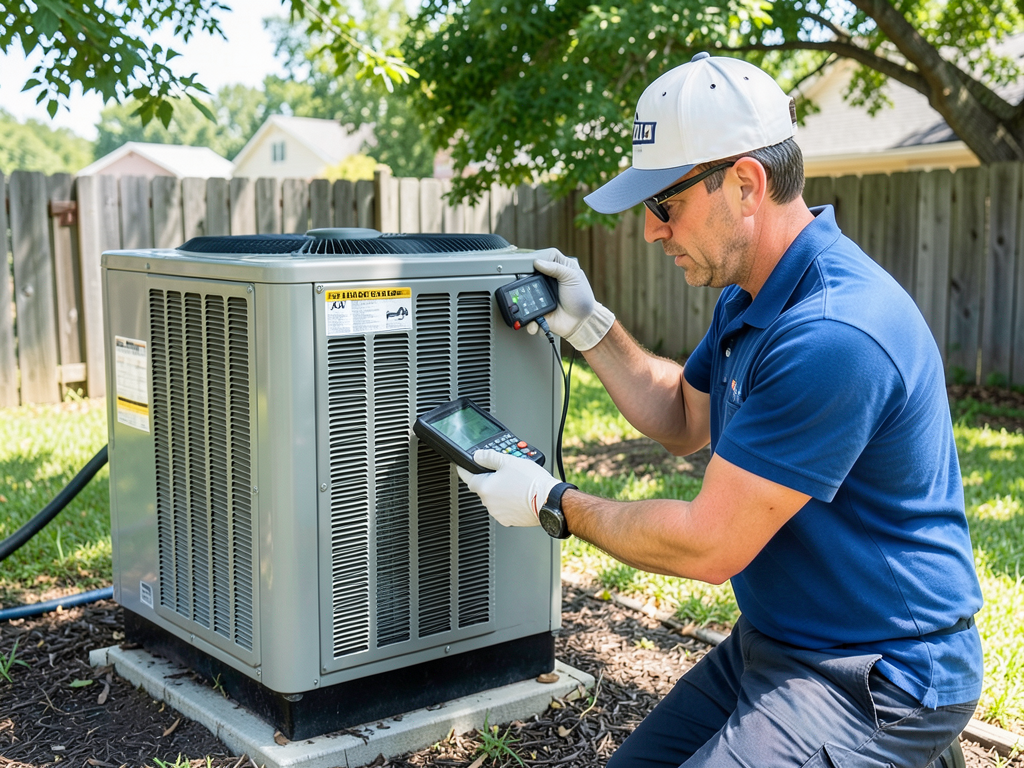
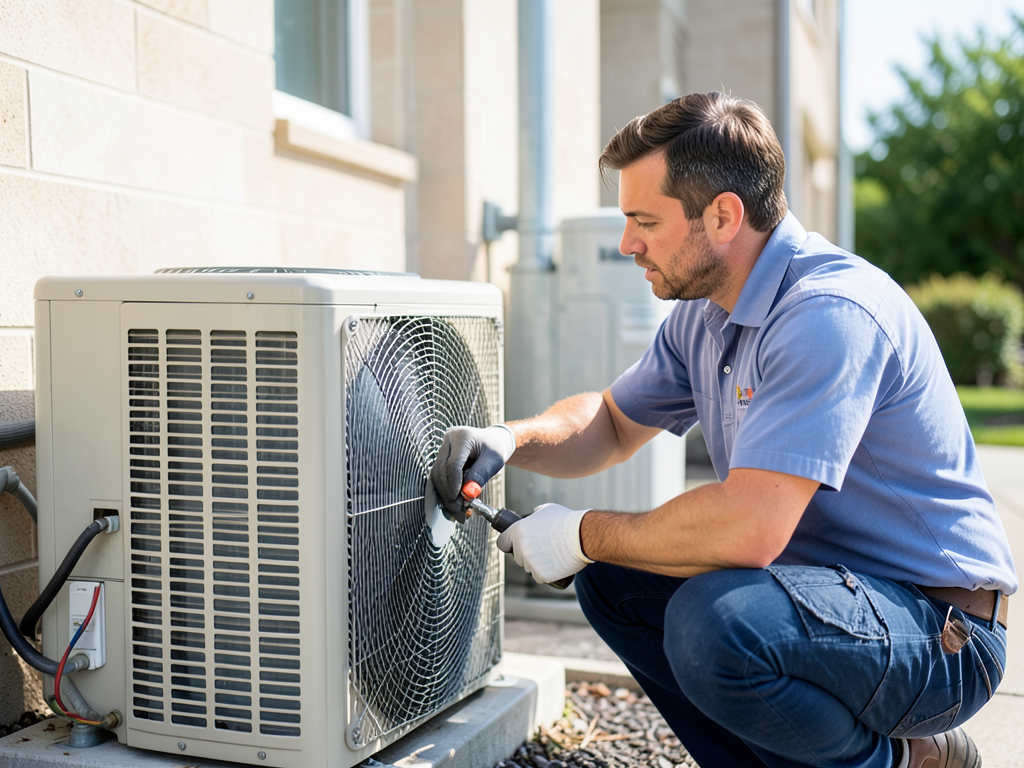
Start with a professional tune-up before summer heat arrives. A technician cleans both coils, checks refrigerant levels, and measures airflow across the evaporator. They inspect electrical connections and test capacitor performance. This baseline assessment identifies problems before they cause breakdowns. Clean coils and proper refrigerant charge can reduce energy consumption by 15 percent. Schedule this service in April or early May.
02

Home Envelope Improvements

Address air leaks and insulation gaps that waste cooling. Seal around electrical outlets, recessed lights, and plumbing penetrations. Add weatherstripping to doors and windows. Check attic insulation levels. Dallas building code requires R-38 in attics, but many older homes have R-19 or less. Boost insulation to reduce heat gain through the ceiling. These envelope improvements reduce cooling loads and allow your system to cycle less frequently.
03

Operational Strategy Adjustments

Change how you operate your system during peak heat. Set your thermostat to 78 degrees when home, 85 when away. Use ceiling fans to create air movement. Close blinds and curtains on south and west windows during afternoon hours. Run heat-generating appliances like dishwashers and ovens in the evening. Shift laundry to off-peak hours. These behavioral changes complement system improvements and deliver measurable savings on summer utility bills.

Why Dallas Homeowners Trust Local HVAC Expertise

Dallas's unique climate demands specialized knowledge. Our technicians understand how North Texas heat affects system performance. We know which equipment handles sustained triple-digit temperatures. We recognize the signs of thermal expansion in ductwork and refrigerant line sets.

Local building codes evolve to address energy efficiency. Dallas amended its residential code to require higher SEER ratings and improved duct sealing. We stay current with these requirements and apply them to retrofit work. This knowledge protects you from code violations during future home sales.

We work in Dallas neighborhoods daily. We know which subdivisions have problematic duct systems, which builders used undersized equipment, and which homes have attic ventilation issues. This familiarity allows faster diagnosis and more accurate recommendations.

Cornerstone HVAC Dallas maintains relationships with local utility providers. We understand Oncor's time-of-use rate structures and rebate programs. We can guide you toward efficiency upgrades that qualify for utility incentives, reducing your upfront investment.

Our technicians train specifically on heat pump systems common in Dallas. Many homes use heat pumps for both heating and cooling. These systems require different service procedures than straight AC units. Improper refrigerant charge affects heat pumps differently than conventional systems.

We stock parts for equipment popular in the Dallas market. When your Trane, Carrier, or Lennox system needs service, we have the components on hand. No waiting days for special orders. Faster repairs mean less discomfort and lower emergency cooling costs.

Our service history database tracks Dallas weather patterns and failure modes. We know when capacitor failures spike, when refrigerant leaks become common, and when compressor warranties expire. This data helps us provide proactive maintenance recommendations.

What to Expect When Implementing Energy Saving Strategies

Timeline for Results

Some improvements deliver immediate savings. Changing your air filter and cleaning condenser coils reduce energy consumption within hours. You will notice longer off-cycles and better temperature control right away. Thermostat adjustments show results on your next billing cycle. Insulation upgrades and duct sealing take one full billing period to demonstrate impact. Compare your usage to the same month last year for accurate assessment. Most Dallas homeowners see 20 to 35 percent reductions in summer cooling costs after implementing a comprehensive efficiency plan. Track your kilowatt-hour usage, not just your bill amount, to account for rate changes.

Professional Energy Audit Process

A thorough energy audit takes two to three hours. The technician starts with a visual inspection of your HVAC system, ductwork, and attic insulation. They use thermal imaging cameras to identify air leaks and insulation voids. Blower door testing measures your home's air tightness. Duct leakage testing quantifies losses in your distribution system. The technician records equipment model numbers, SEER ratings, and installation dates. They measure supply and return air temperatures to verify proper refrigerant charge. You receive a detailed report ranking improvements by cost and energy savings potential. This data-driven approach eliminates guesswork.

Measurable Outcomes

Expect comfort improvements alongside energy savings. Properly sealed ducts eliminate hot spots and temperature variations between rooms. Adequate insulation keeps upstairs bedrooms cooler. Improved airflow reduces humidity levels, making 78 degrees feel comfortable. Your system will cycle less frequently, reducing wear on the compressor and extending equipment life. Indoor air quality improves as your system operates more efficiently. Reduced cycling means better dehumidification and fewer airborne particles. You gain peace of mind knowing your system will not fail during a heat wave. Energy efficiency improvements also increase home value and appeal to future buyers.

Ongoing Maintenance Requirements

Sustaining energy savings requires consistent maintenance. Change your air filter every 30 to 60 days during summer. Check your condensate drain monthly to prevent clogs. Keep vegetation trimmed back at least two feet from your outdoor unit. Schedule professional maintenance twice annually, spring and fall. During these visits, technicians verify refrigerant charge, clean coils, and test safety controls. They catch small problems before they become expensive failures. Many Dallas homeowners join maintenance plans that include priority scheduling and discounted repairs. These plans typically pay for themselves by preventing one major breakdown. Regular maintenance preserves your energy efficiency gains year after year.

Frequently Asked Questions

You Have Questions,
We Have Answers

How can we save energy in summer? +

Save energy in summer by setting your thermostat to 78°F when home and higher when away. Replace air filters monthly during Dallas's intense cooling season. Close blinds and curtains during peak afternoon heat to block solar gain. Run ceiling fans counterclockwise to circulate cool air. Schedule annual AC maintenance to keep your system running efficiently. Seal air leaks around windows and doors. Use exhaust fans sparingly. Shift high-energy tasks like laundry and dishwashing to early morning or evening hours when temperatures drop. Install a programmable thermostat to automate temperature adjustments throughout the day.

What are the 5 P's of energy conservation? +

The 5 P's of energy conservation are People, Process, Product, Plant, and Performance. People refers to behavior changes and awareness. Process involves optimizing how systems operate. Product means choosing efficient equipment and appliances. Plant covers the physical building and infrastructure improvements like insulation and sealing. Performance measures tracking and monitoring energy use to identify waste. In Dallas's brutal summer heat, applying all five principles helps combat high electricity bills. Focus on process by maintaining your AC system, product by upgrading to efficient equipment, and plant by improving attic insulation to handle extreme temperatures.

Does keeping the AC at 72 save money? +

Keeping your AC at 72°F does not save money in Dallas summers. You waste energy fighting the extreme heat differential between indoor and outdoor temperatures. Every degree below 78°F increases cooling costs by 6-8%. In Dallas, where summer temperatures hit 100°F, maintaining 72°F forces your system to run constantly. This strains equipment and spikes bills. Set your thermostat to 78°F when home, 85°F when away. Use ceiling fans to make 78°F feel cooler. The higher setting reduces runtime, cuts electricity consumption, and extends your system's lifespan.

What runs up the electric bill the most? +

Your air conditioner runs up the electric bill most, especially in Dallas. Cooling accounts for 50-70% of summer energy costs when outdoor temperatures exceed 95°F daily. The AC works overtime fighting Texas heat and humidity. Other major culprits include electric water heaters, which run constantly, and older refrigerators. Pool pumps drain significant power if run during peak hours. Washers and dryers add to the load. Combat high bills by maintaining your AC system, upgrading to a high-SEER unit, installing a programmable thermostat, and running pool equipment at night when electricity rates drop.

What is the $5000 AC rule? +

The $5,000 AC rule means if your AC repair cost multiplied by your system's age exceeds $5,000, replace the unit instead of repairing it. For example, a $500 repair on a 12-year-old system equals $6,000, so replacement makes financial sense. This guideline helps Dallas homeowners decide when aging equipment becomes a money pit. Older systems run inefficiently, wasting electricity and breaking down frequently. A new high-efficiency system costs more upfront but slashes monthly bills and provides reliable cooling during brutal Dallas summers. Consider replacement if your system exceeds 10-12 years old.

What are 7 ways to save energy? +

Seven ways to save energy include setting your thermostat to 78°F, replacing AC filters monthly, sealing air leaks around doors and windows, adding attic insulation, using ceiling fans to circulate air, closing blinds during afternoon heat, and scheduling annual AC maintenance. In Dallas, upgrade to a programmable thermostat to automate temperature changes. Run major appliances during off-peak evening hours. Switch to LED bulbs. Unplug devices when not in use. Check ductwork for leaks that waste cooled air. Plant shade trees on the west side of your home to block intense afternoon sun.

What are 20 ways to conserve energy? +

Twenty ways to conserve energy include raising your thermostat, replacing air filters, sealing air leaks, adding insulation, using ceiling fans, closing blinds, scheduling AC maintenance, installing a programmable thermostat, running appliances at night, switching to LED bulbs, unplugging devices, fixing duct leaks, planting shade trees, upgrading to Energy Star appliances, using a water heater blanket, washing clothes in cold water, air-drying dishes, keeping the refrigerator full, using power strips, and cooking outdoors. Dallas homeowners should prioritize AC-related improvements first since cooling dominates summer bills. Focus on reducing heat gain and maintaining system efficiency.

What are 10 examples of conservation of energy? +

Ten examples of energy conservation include raising your thermostat setting, replacing disposable air filters with clean ones, caulking window gaps, adding blown-in attic insulation, running ceiling fans, installing solar screens, cleaning AC coils, programming temperature setbacks, switching to LED lighting, and insulating hot water pipes. In Dallas, weatherstripping doors prevents cool air loss. Using exhaust fans briefly reduces AC load. Grilling outdoors keeps kitchen heat out. Closing vents in unused rooms redirects airflow. Installing radiant barrier in attics reflects heat. Upgrading to a two-stage compressor improves efficiency. These actions cut consumption without sacrificing comfort.

What appliances use the most energy? +

Air conditioners use the most energy, accounting for half your summer electric bill in Dallas. Electric water heaters rank second, heating 40-50 gallons constantly. Refrigerators run 24/7, consuming significant power if older than 10 years. Washers and dryers spike usage during operation. Pool pumps draw heavy loads if run during daytime. Electric ovens and ranges add heat and consumption. Reduce usage by maintaining your AC, lowering water heater temperature to 120°F, upgrading old refrigerators, washing clothes in cold water, running pool pumps at night, and grilling outdoors to avoid oven heat.

What is the 3 minute rule for AC? +

The 3-minute rule for AC means waiting three minutes between thermostat adjustments or system restarts to protect the compressor. Rapid cycling causes pressure imbalances that damage internal components. If your system trips a breaker or loses power, wait three full minutes before restarting. This allows refrigerant pressure to equalize and prevents compressor failure. In Dallas's extreme heat, homeowners often adjust thermostats impatiently when the house feels warm. Resist the urge. Set your temperature once and leave it. Constant changes force your system to work harder, waste energy, and risk expensive compressor damage.

How Dallas's Urban Heat Island Effect Amplifies Summer Cooling Costs

Downtown Dallas and surrounding urban areas experience temperatures 5 to 10 degrees higher than rural Collin or Rockwall counties. Concrete, asphalt, and building materials absorb solar radiation during the day and release it slowly at night. This urban heat island effect means your air conditioner never gets relief, even after sunset. Neighborhoods near highways and commercial districts face the most severe temperature amplification. Energy saving tips for summer must account for this constant thermal load. Homes in these areas benefit most from radiant barrier installation in attics and high-efficiency window films to reject solar heat gain.

Dallas building codes have evolved to address energy efficiency in our climate. The city adopted amendments requiring duct leakage testing on all new construction and major renovations. These standards recognize that ductwork integrity directly impacts cooling costs in extreme heat. Cornerstone HVAC Dallas applies these same standards to retrofit work, even when not legally required. Our technicians understand local inspection requirements and can provide documentation for permit applications. Choosing a contractor familiar with Dallas codes and climate conditions protects your investment and ensures compliance. We know how to balance energy efficiency with comfort in North Texas heat.
HVAC Services in The Dallas Area

Looking for expert HVAC services near you? Cornerstone HVAC Dallas proudly serves homeowners and businesses throughout the greater Dallas area with professional heating and cooling repairs, system installations, indoor air quality solutions, and emergency HVAC services. From Plano to Arlington, our certified technicians are ready to deliver fast, efficient service wherever you are. Use the map below to explore our coverage areas and discover trusted HVAC support right around the corner.

Address:
Cornerstone HVAC Dallas, 5956 Sherry Ln, Suite 2000, Dallas, TX, 75225

Additional Services We Offer

Our news updates

Latest Articles & News from The Blogs

How to Solve C-Wire Issues When Upgrading Your Thermostat in Highland Village Upgrading to a smart thermostat in Highland Village…

How to Solve C-Wire Issues When Upgrading Your Thermostat in Highland Village

How to Solve C-Wire Issues When Upgrading Your Thermostat in Highland Village Upgrading to a smart thermostat in Highland Village…

A Simple Guide to SEER2 Ratings for Homeowners in Little Elm

A Simple Guide to SEER2 Ratings for Homeowners in Little Elm If you’re shopping for a new air conditioner in…

Choosing the Right Climate Control for Your Westlake Pool House or Luxury Cabana

Choosing the Right Climate Control for Your Westlake Pool House or Luxury Cabana Living in Westlake means dealing with Texas…

Contact Us

Stop throwing money away on inefficient cooling. Call Cornerstone HVAC Dallas at (972) 850-2750 to schedule your energy efficiency consultation. Our technicians will identify the improvements that deliver the biggest savings for your home and budget.