




menu

AC Unit Leaking Water in Dallas – Expert Diagnosis and Repair That Stops the Drip Fast

When your AC system leaks water, you need more than a quick fix. You need technicians who understand Dallas condensate drain failures, frozen evaporator coils, and the condensation problems that come with our brutal summer humidity.

Slider Image 1
Slider Image 2
Slider Image 3
Slider Image 4
Slider Image 5
Slider Image 7
Slider Image 8
Slider Image 9
Slider Image 10
Slider Image 11

Why Your Air Conditioner Is Dripping Water in Dallas

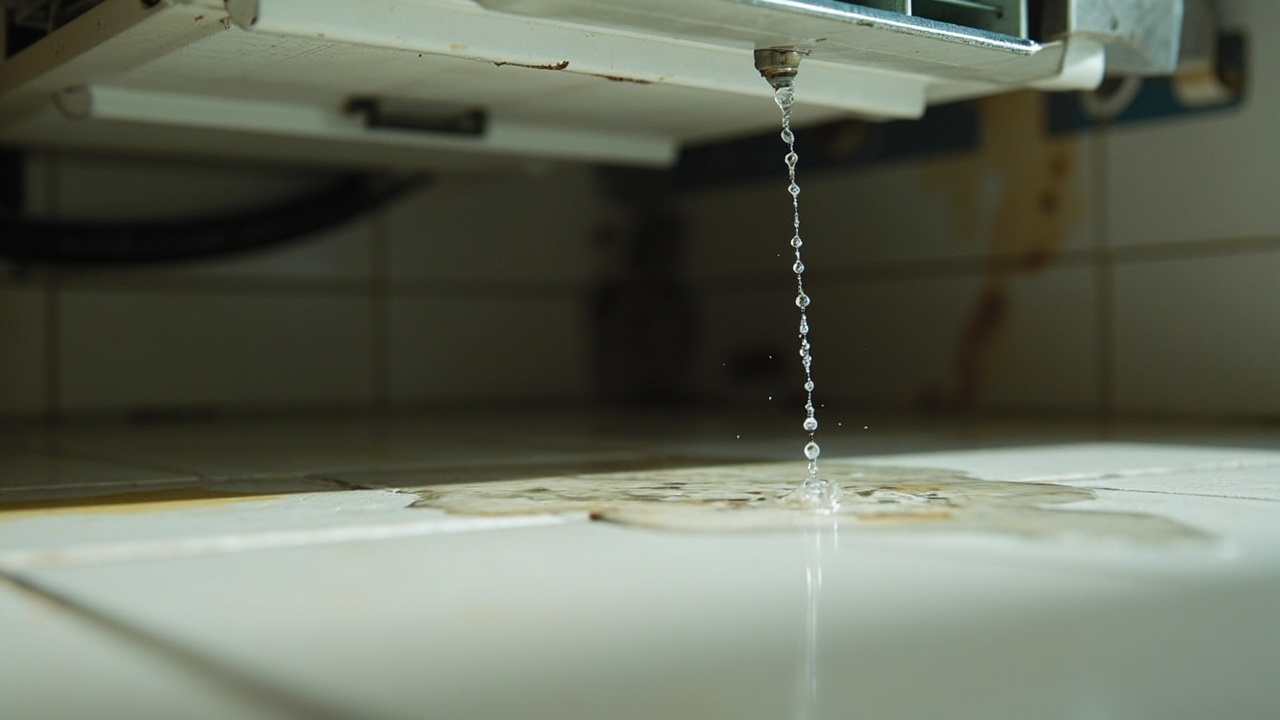
You walk into your hallway and see a puddle forming under your air handler. Water drips from your AC unit onto the floor, staining your ceiling or pooling around the baseboards. This is not normal, and it signals a problem that will get worse if you ignore it.

Dallas's sweltering summers push your air conditioning system to its limit. When outdoor temperatures hit triple digits and your AC runs 18 hours a day, condensation builds up fast. That moisture has to drain somewhere. If your condensate drain line clogs with algae, dust, or biofilm, the water backs up into the drain pan and overflows. If your evaporator coil freezes because of restricted airflow or low refrigerant, it melts and floods the pan faster than it can drain.

An air conditioner dripping water can also mean your drain pan has corroded through after years of use, or your condensate pump has failed. In older homes around Lakewood or Uptown, we see rusted pans regularly. The high mineral content in Dallas water accelerates corrosion.

Water dripping from your AC unit can damage drywall, ruin insulation, promote mold growth, and wreck your HVAC system's internal components. The longer the AC water leak continues, the more expensive the repair gets. Catching the problem early means stopping secondary damage before it spreads through your attic or crawlspace.

You need a technician who knows the difference between a simple clog and a compressor issue causing freeze-ups. You need someone who can fix it right the first time.

Why Your Air Conditioner Is Dripping Water in Dallas
How We Fix Your AC System Leaking Water

How We Fix Your AC System Leaking Water

We do not guess. We diagnose the exact cause of your air conditioning leaking water before we touch a single component.

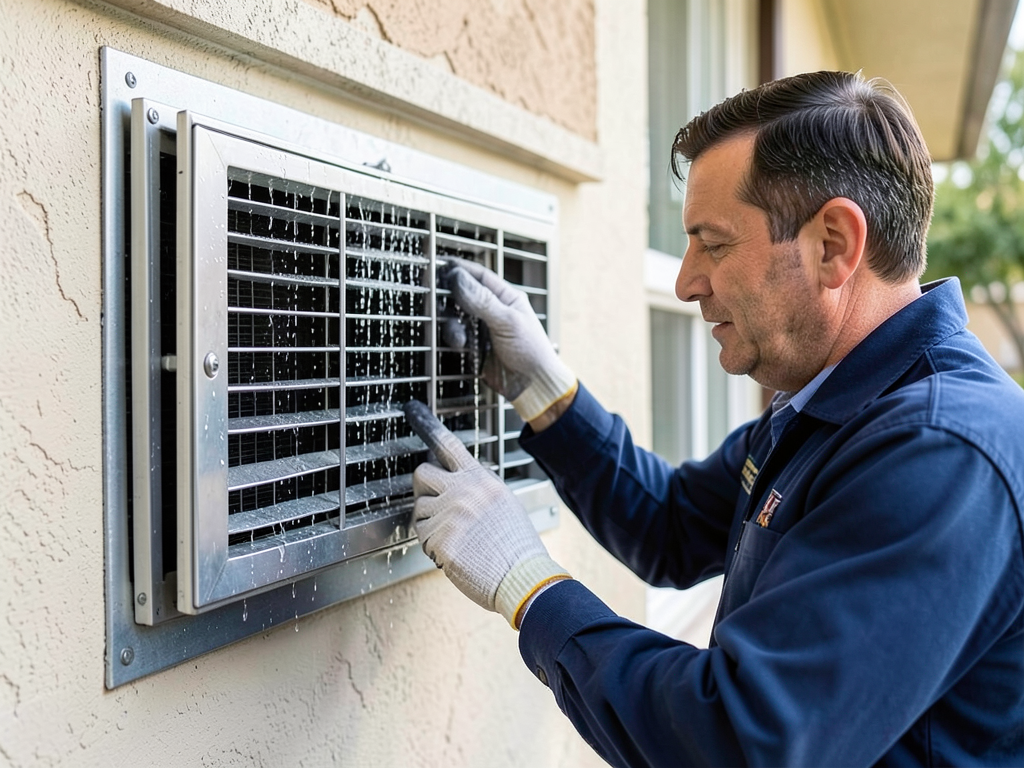
First, we inspect your condensate drain line from the air handler to the discharge point. We use a wet vac to clear blockages and a specialized brush to scrub out biofilm buildup. If the line has separated joints or improper slope, we correct it. A drain line that pitches backward will never drain properly, no matter how many times you flush it.

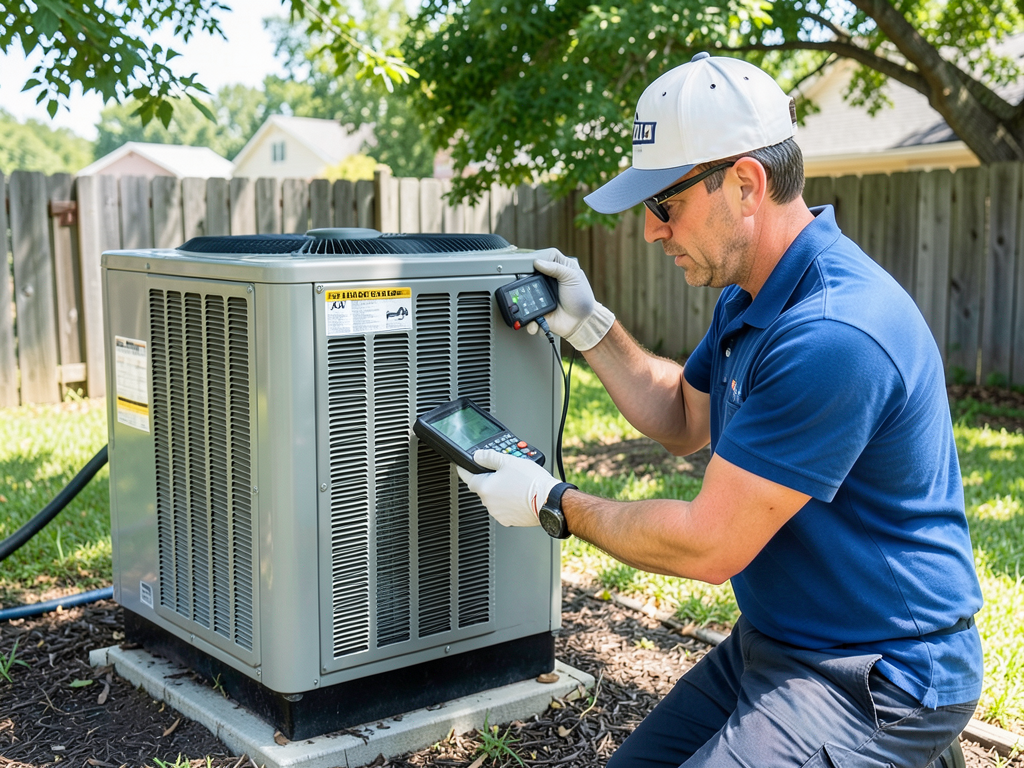
Next, we check your evaporator coil and airflow. If your coil is freezing, we measure the refrigerant charge with gauges and verify superheat and subcool numbers. Low refrigerant means a leak somewhere in the system, and adding refrigerant without fixing the leak is a waste of your money. We also inspect your air filter, return grilles, and blower wheel. A dirty filter or blocked return chokes airflow, which drops coil temperature below freezing.

We inspect your drain pan for cracks, rust-through, or misalignment. If the pan is damaged, we replace it with a code-compliant pan that fits your air handler model. If your system uses a condensate pump, we test it under load to confirm it is lifting water out correctly. Pumps fail when the float switch sticks or the motor burns out.

After the repair, we test the system under operating conditions to confirm the water drains correctly and the coil maintains proper temperature. We do not leave until the problem is solved.

What Happens When You Call About Water Leaking From Your AC

AC Unit Leaking Water in Dallas – Expert Diagnosis and Repair That Stops the Drip Fast
01

Initial System Assessment

We start by inspecting your air handler, drain pan, and condensate line to locate the source of the water. We check for visible clogs, pan damage, frozen coils, or pump failure. This step identifies whether the issue is drainage, refrigerant, airflow, or component failure. You get a clear explanation of what is broken and why it is leaking.
02

Targeted Repair Work

Once we identify the cause, we clear the drain line, replace the damaged pan, fix the refrigerant leak, or install a new condensate pump. We address airflow restrictions by replacing filters or cleaning the blower assembly. Every repair uses components that match your system's specifications. We do not use universal parts that fail in six months.
03

System Testing and Verification

After the repair, we run your AC through a full cooling cycle and monitor the condensate drainage under load. We verify the evaporator coil stays above freezing, the drain line flows freely, and the pan stays dry. You see the system working correctly before we leave. We also give you maintenance tips to prevent future clogs or freeze-ups.

Why Cornerstone HVAC Dallas Is the Right Choice for AC Water Leak Repairs

You need a team that understands how Dallas heat, humidity, and water quality affect your air conditioning system. We have diagnosed and repaired thousands of water leaks in homes across Oak Cliff, Highland Park, East Dallas, and Richardson. We know the common failure points in older systems and the condensate issues that plague newer high-efficiency units.

Dallas's mineral-heavy water accelerates drain pan corrosion and clogs condensate lines faster than in other regions. We account for this when we clean your system and recommend preventive treatments that reduce algae and biofilm buildup. We also understand how attic-mounted air handlers in Dallas homes create unique drainage challenges. If your drain line pitches incorrectly or your pan lacks a secondary drain, we fix it to code.

When you call Cornerstone HVAC Dallas, you get technicians who arrive with the diagnostic tools and replacement parts needed to fix the problem the same day. We do not make multiple trips because we forgot a drain pan or a pump. We stock the components that fail most often in Dallas systems.

We also respect your time. We show up when we say we will, we explain what we find, and we give you a clear price before we start the repair. No surprises, no upselling, no pressure. Just honest work done right.

You want your AC water leak fixed permanently, not patched with a temporary fix that fails next month. We build our reputation on repairs that last and customers who call us first when something goes wrong.

What to Expect When We Repair Your AC Unit Leaking Water

Fast Response and Same-Day Service

We know an air conditioner dripping water can cause serious damage fast. We prioritize leak calls and offer same-day service when you contact us before noon. Our trucks carry the drain line fittings, pans, pumps, and cleaning tools needed to handle the most common causes of AC water leaks. You will not wait days for parts to arrive. We fix the problem today so you can stop worrying about water damage and mold growth spreading through your home.

Thorough Diagnosis, Not Guesswork

We do not assume the problem is a clogged drain and move on. We inspect every component that could cause water dripping from your AC unit. That includes checking refrigerant levels, measuring airflow, testing the condensate pump, inspecting the drain pan for damage, and verifying the drain line has proper slope and no blockages. You get a complete picture of what is wrong and why it happened. This approach prevents repeat failures and catches problems before they damage your compressor or air handler.

Repairs That Last

We use manufacturer-approved replacement parts and follow installation best practices. If your drain pan is cracked, we replace it with a pan designed for your air handler model, not a universal retrofit that leaks in six months. If your drain line needs resloping, we secure it correctly and test the flow under operating conditions. You get work that holds up through Dallas summers, not a quick fix that fails when your AC runs nonstop during a heat wave.

Preventive Maintenance Guidance

After we fix your AC system leaking water, we show you how to prevent future clogs and leaks. That includes changing your air filter on schedule, pouring a vinegar solution down your drain line quarterly, and scheduling annual maintenance to catch small issues before they cause water damage. We also explain warning signs that indicate your drain line is starting to clog or your coil is freezing. Catching problems early saves you money and prevents emergency repairs during peak cooling season.

Frequently Asked Questions

You Have Questions,
We Have Answers

How do I stop my AC unit from leaking water? +

First, turn off your AC to prevent further water damage. Check if the condensate drain line is clogged. This line removes water from your evaporator coil. In Dallas, dust and pollen often block this line. Locate the drain pan under your indoor unit and clear visible debris. If the pan is cracked or rusted, it needs replacement. Low refrigerant can also freeze the coil, causing leaks when ice melts. Dirty air filters restrict airflow and create the same problem. Replace filters monthly during Dallas summers. For persistent leaks, a professional can diagnose issues like failed condensate pumps or disconnected drain lines.

Can I still use my AC if it's leaking water? +

You should not run your AC while it leaks water. Continued operation can flood your home and damage ceilings, walls, and flooring. A leaking unit often signals a clogged drain line or frozen evaporator coil. Running the system worsens ice buildup or pumps more water where it should not go. In Dallas homes, water damage spreads quickly through drywall and insulation, creating mold growth within 48 hours. The leak also means your AC works harder but cools less, spiking your electric bill. Turn off the system immediately. Dry the area around the unit. Call a technician to identify the root cause before restarting.

Is a leaking AC unit an emergency? +

A leaking AC is not always an emergency, but it demands quick attention. If water pools near electrical components or drips through your ceiling, shut off the unit immediately and call for service. Dallas homes with AC units in attics face higher risk because leaks damage ceilings and insulation before you notice them. A small drip from a clogged drain line is manageable short-term if you catch it early. However, leaks from refrigerant issues or cracked drain pans worsen fast in our heat. The longer you wait, the more expensive repairs become. Address leaks within 24 hours to prevent mold and structural damage.

How expensive is it to fix an AC leak? +

Repair costs vary by the leak source. Clearing a clogged condensate drain line typically runs low, while replacing a cracked drain pan or evaporator coil costs significantly more. Refrigerant leaks requiring recharge and seal repair fall in the mid-range. In Dallas, repair costs reflect our extreme summer demand. Technicians stay busy, and worn components fail faster under constant use. Age matters too. Units over 10 years old may need multiple repairs, making replacement more economical. The specific problem dictates the price. A diagnostic visit identifies the issue and provides an accurate estimate before work begins.

How do I unclog my AC condensate drain line? +

Locate the condensate drain line, a PVC pipe exiting your indoor unit. In Dallas homes, it usually drains outside near your foundation. Turn off your AC first. Find the access point, often a T-shaped vent with a cap. Remove the cap and pour distilled vinegar down the line to break up algae and mold. Wait 30 minutes, then flush with water. For stubborn clogs, use a wet-dry vacuum on the outdoor drain opening to suck out debris. You can also try a drain snake. If water still backs up, the clog sits deeper in the line or the drain pan itself has failed. Call a technician for persistent blockages.

Can I fix a leaking AC myself? +

You can handle simple fixes like changing air filters or clearing visible debris from the drain pan. Pouring vinegar down a condensate line is safe for homeowners. However, most leak causes require professional diagnosis. Refrigerant leaks need specialized tools and EPA certification to repair legally. Frozen coils signal airflow or refrigerant problems that you cannot assess without gauges. Cracked drain pans require disassembly of your air handler. In Dallas, attempting DIY repairs on complex issues often worsens the problem and voids warranties. For anything beyond basic maintenance, hire a licensed technician. You will save money and avoid safety risks like electrical shock or refrigerant exposure.

What is the 3 minute rule for AC? +

The 3 minute rule prevents short cycling and compressor damage. After your AC shuts off, wait at least 3 minutes before restarting it. This delay allows refrigerant pressure to equalize throughout the system. Restarting too quickly forces the compressor to work against high pressure, which burns out the motor over time. In Dallas, where AC units run constantly from May through September, short cycling wears components faster. If your thermostat rapidly cycles the unit on and off, you have a separate problem. Check your thermostat placement, dirty filters, or refrigerant levels. Always give your system this brief rest between cycles to extend its lifespan.

Should I turn off my AC if it is leaking? +

Yes, turn off your AC immediately when you discover a leak. Continued operation spreads water damage and can cause electrical hazards if water reaches wiring or the control board. A leaking unit often means a frozen coil or backed-up drain line. Running the system makes both problems worse. In Dallas, where AC units work overtime in summer heat, ignoring a leak leads to compressor failure or complete system breakdown. Turn off the thermostat and the breaker to your outdoor unit. Place towels around the leak and contact a technician. Once the problem is fixed and everything dries, you can safely restart your system.

Should I call a professional for AC leaks? +

Yes, call a professional for AC leaks beyond basic maintenance. While you can clear simple drain line clogs or replace filters, most leak sources require technical expertise. A technician uses specialized tools to diagnose refrigerant leaks, test drain pans, and inspect the evaporator coil. In Dallas, high humidity and extreme heat accelerate AC wear, making accurate diagnosis critical. Misdiagnosing the problem wastes money on wrong repairs. Professionals also spot secondary issues like mold growth in ductwork or damaged insulation. Licensed technicians carry insurance for any accidental damage during repairs. For reliable fixes and warranty protection, professional service is worth the investment.

What is the $5000 rule for AC? +

The $5000 rule is a repair-versus-replace guideline. Multiply the repair cost by your unit's age in years. If the result exceeds $5000, replacement makes more financial sense than repair. For example, a $400 repair on a 10-year-old unit equals $4000, so repair it. A $600 repair on a 12-year-old unit equals $7200, so replace it. In Dallas, this rule helps homeowners decide when aging AC units become money pits. Factor in efficiency too. New units use less electricity and include warranties. This formula provides a starting point, but also consider refrigerant type, brand reliability, and how often you have needed recent repairs.

How Dallas Heat and Humidity Make AC Water Leaks More Common

Dallas summers mean your air conditioner runs almost nonstop from June through September. When outdoor temperatures stay above 95 degrees for weeks, your evaporator coil pulls gallons of moisture out of the air every day. That condensation drains through a half-inch PVC line that clogs easily. The constant moisture, combined with dust and organic material, creates the perfect environment for algae and biofilm to grow inside your drain line. Once that buildup blocks the line, water backs up into the pan and overflows. Dallas homeowners see condensate drain clogs more often than homeowners in milder climates because the system never gets a break.

Cornerstone HVAC Dallas understands the condensate drainage challenges that come with our climate. We have cleared thousands of drain lines in homes across Preston Hollow, Lake Highlands, and beyond. We know how attic heat affects air handler performance and how Dallas water quality accelerates pan corrosion. When you call a local team with years of experience fixing air conditioning leaking water in this specific environment, you get repairs that account for the conditions your system faces every day. We are not learning on your equipment. We already know what fails and how to fix it permanently.
HVAC Services in The Dallas Area

Looking for expert HVAC services near you? Cornerstone HVAC Dallas proudly serves homeowners and businesses throughout the greater Dallas area with professional heating and cooling repairs, system installations, indoor air quality solutions, and emergency HVAC services. From Plano to Arlington, our certified technicians are ready to deliver fast, efficient service wherever you are. Use the map below to explore our coverage areas and discover trusted HVAC support right around the corner.

Address:
Cornerstone HVAC Dallas, 5956 Sherry Ln, Suite 2000, Dallas, TX, 75225

Additional Services We Offer

Our news updates

Latest Articles & News from The Blogs

How to Solve C-Wire Issues When Upgrading Your Thermostat in Highland Village Upgrading to a smart thermostat in Highland Village…

How to Solve C-Wire Issues When Upgrading Your Thermostat in Highland Village

How to Solve C-Wire Issues When Upgrading Your Thermostat in Highland Village Upgrading to a smart thermostat in Highland Village…

A Simple Guide to SEER2 Ratings for Homeowners in Little Elm

A Simple Guide to SEER2 Ratings for Homeowners in Little Elm If you’re shopping for a new air conditioner in…

Choosing the Right Climate Control for Your Westlake Pool House or Luxury Cabana

Choosing the Right Climate Control for Your Westlake Pool House or Luxury Cabana Living in Westlake means dealing with Texas…

Contact Us

Do not let water dripping from your AC unit damage your home. Call Cornerstone HVAC Dallas now at (972) 850-2750. We will diagnose the problem, fix it right, and get your system running dry again.