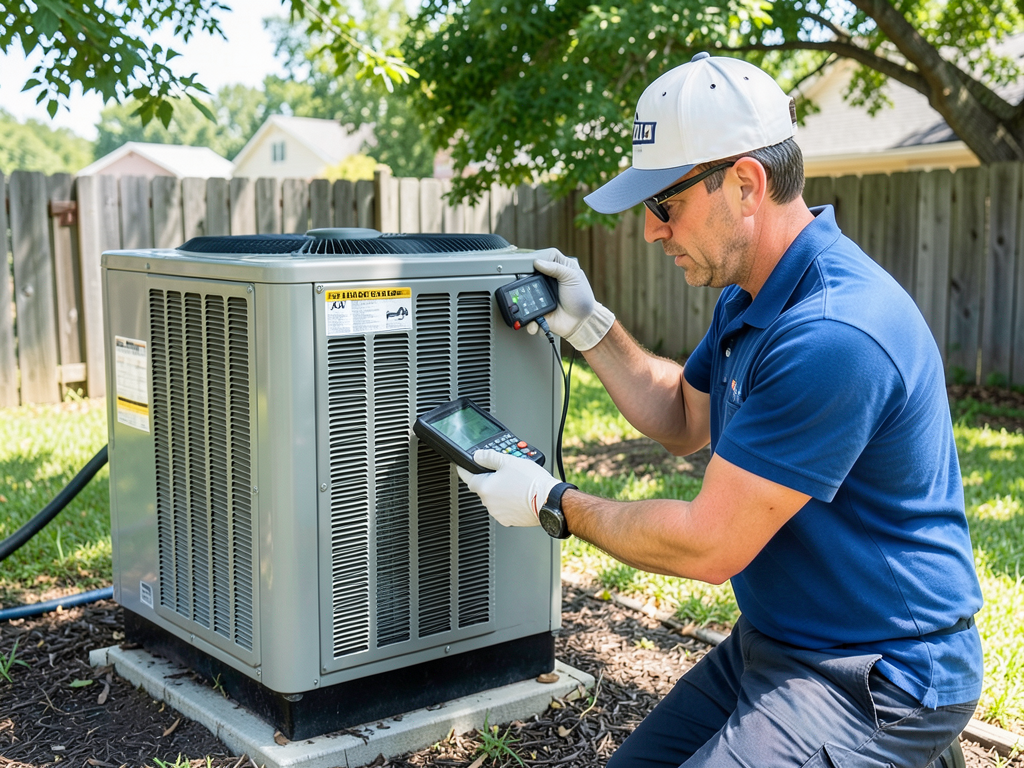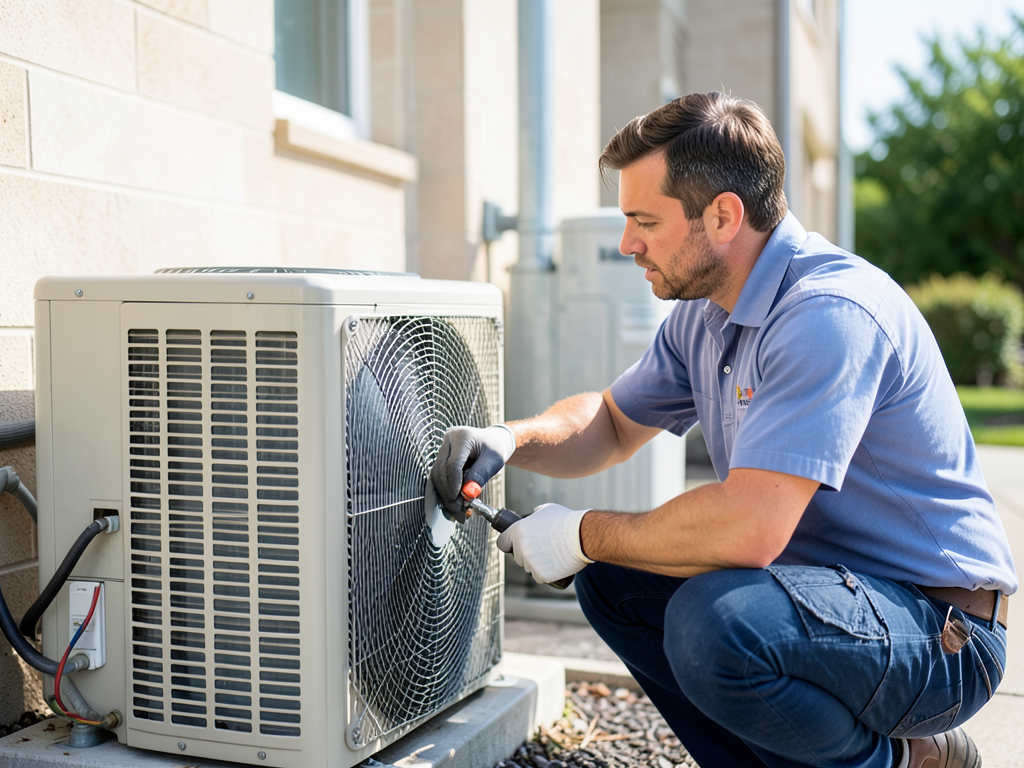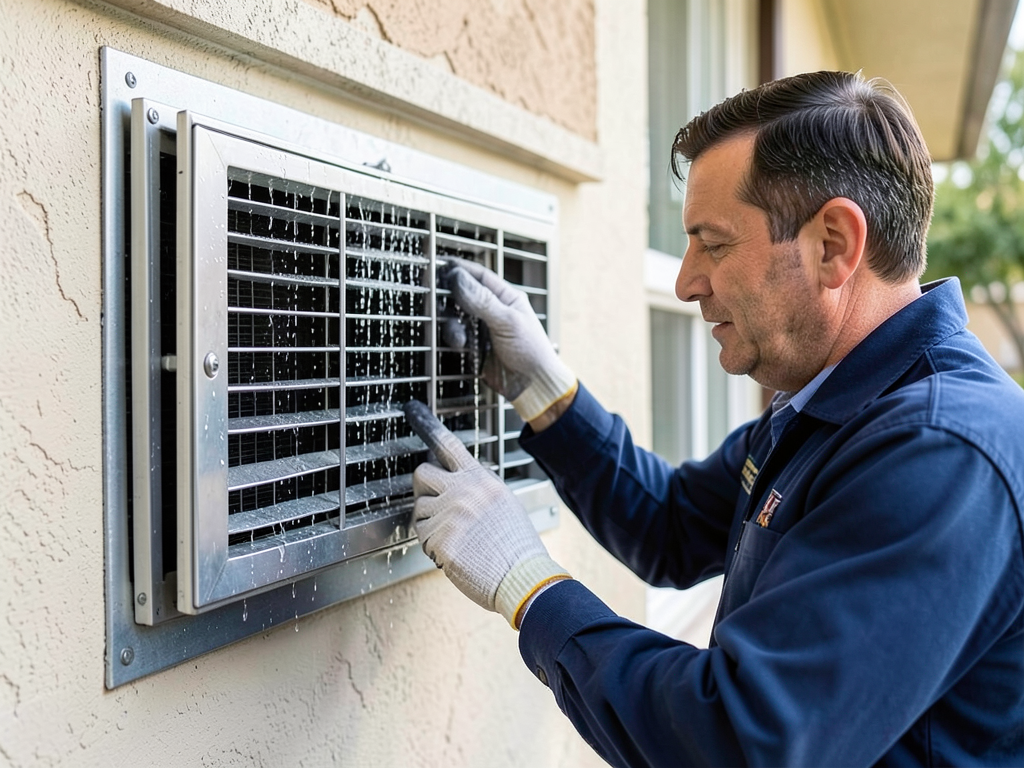







Dallas's dense urban core experiences ambient temperatures 5 to 7 degrees higher than surrounding suburban areas during summer months. This urban heat island effect concentrates in neighborhoods like Uptown, Downtown, and the Medical District, where multi-family housing dominates. Rooftop HVAC units in these areas operate in 110-degree ambient conditions when the official temperature reads 103 degrees. Condensers reject less heat at elevated ambient temperatures, forcing compressors to run longer cycles. This extended runtime accelerates wear on contactors, capacitors, and compressor windings. Multi-family properties in urban Dallas require maintenance intervals 25 percent more frequent than suburban properties to maintain equivalent reliability.
Property management HVAC contractors in Dallas must navigate city permitting requirements that vary by property age and zoning classification. Buildings constructed before 1990 may require additional electrical service upgrades when replacing HVAC equipment due to updated National Electrical Code standards. Historic districts like Swiss Avenue impose architectural review requirements for rooftop equipment visibility. Cornerstone HVAC Dallas maintains relationships with city inspectors and understands expedited permitting processes that prevent installation delays. Our familiarity with Dallas building codes protects property managers from compliance issues that result in failed inspections and costly reinstallation work.