





Dallas hits triple digits for weeks every summer, pushing air conditioning systems to their absolute limits. Compressors run constantly, refrigerant pressures spike, and electrical components fail under sustained heat loads. Winter brings rapid temperature swings that stress heating elements and blower motors. February ice storms can freeze condensate lines and damage outdoor units within hours.
The clay soil beneath Dallas foundations shifts constantly, pulling ductwork apart at seams and causing air handler cabinets to tilt. Poor attic ventilation in ranch-style homes common throughout North Dallas neighborhoods like Lake Highlands and Casa View creates superheated environments that shorten equipment lifespan by years. Older systems in Historic East Dallas homes often lack proper sizing for modern cooling demands.
Dallas sits in the perfect zone for high humidity during spring and fall, which means systems must handle both temperature control and moisture removal. When AC units fail to dehumidify properly, mold grows in ductwork and indoor air quality plummets. The extended cooling season from April through October means Dallas systems cycle millions more times than equipment in moderate climates, accelerating wear on contactors, capacitors, and fan motors.
Most HVAC companies in Dallas dispatch technicians who replace parts without understanding why they failed. Cornerstone HVAC Dallas trains every technician to diagnose root causes, not just swap components. When we find a failed capacitor, we measure voltage supply, check for electrical imbalances, and verify proper airflow before declaring the repair complete. This approach prevents repeat failures and saves customers thousands in unnecessary callbacks.
We stock our service vehicles with parts for 90 percent of residential and commercial systems, which means most repairs finish the same day we arrive. Other companies order parts and leave you waiting days in the heat. Our inventory investment reflects our commitment to fast resolution when systems fail.
Every Cornerstone technician holds NATE certification and completes quarterly training on refrigerant management, electrical troubleshooting, and ductwork modification. We follow International Mechanical Code standards on every repair and pull permits when regulations require them. Our work passes city inspections the first time because we know Dallas building requirements inside out.
We serve Dallas metro residents who need reliable climate control without sales pressure or inflated quotes. Our pricing is transparent, our diagnoses are accurate, and our repairs last. When we tell you what failed and why, you get honest information that helps you make smart decisions about repair versus replacement.

We answer emergency calls 24 hours a day and dispatch technicians to Dallas locations within two hours. Our trucks carry diagnostic tools and common repair parts to complete most fixes on the first visit, restoring your comfort fast without multiple trips or delays.

Our technicians identify why components failed, not just which part quit working. We measure electrical supply, test airflow, check refrigerant charge, and verify proper cycling. This diagnostic depth prevents repeat failures and extends system lifespan by addressing underlying problems other companies miss.
Every Cornerstone technician holds North American Technician Excellence certification and completes ongoing training in refrigerant handling, electrical systems, and ductwork modification. Our team stays current on International Mechanical Code requirements and Dallas building standards to ensure compliant, lasting repairs.
We understand how Dallas clay soil affects ductwork, how attic heat impacts equipment lifespan, and how humidity demands differ across the metroplex. Our local knowledge means faster diagnosis and repairs designed for the specific challenges Dallas systems face every cooling season.
Cornerstone HVAC Dallas provides complete climate control services for residential and commercial properties across the metroplex. Our service range covers emergency breakdowns, planned maintenance, system replacements, and indoor air quality solutions. We work on all major brands including Trane, Carrier, Lennox, Rheem, Goodman, and York.
Emergency repair calls receive priority dispatch with technicians arriving equipped to diagnose and fix most common failures immediately. Our maintenance programs prevent breakdowns through systematic inspection and tune-up of critical components before they fail. When systems reach end of life, we provide honest replacement recommendations with multiple equipment options and financing.
We structure our services around three core categories that address different customer needs and system conditions. Each service category uses specialized diagnostic approaches and repair protocols designed for specific situations Dallas property owners face during extreme weather and extended cooling seasons.
When your air conditioner quits during a heat wave or your furnace fails during a freeze, our emergency technicians dispatch immediately. We diagnose compressor failures, refrigerant leaks, blower motor burnouts, electrical faults, and thermostat malfunctions on-site. Most emergency repairs finish the same day using parts we stock on every truck. We handle residential and commercial breakdowns across Dallas with transparent pricing and no overtime gouging during crisis calls.
Regular maintenance catches small problems before they become expensive breakdowns. Our seasonal tune-ups include refrigerant charge verification, electrical connection testing, capacitor load measurement, condensate drain clearing, and airflow optimization. We clean coils, tighten connections, lubricate motors, and calibrate thermostats. Maintenance customers get priority scheduling and discounted repair rates. This proactive approach extends equipment life and prevents emergency failures during peak demand.
When repair costs exceed replacement value or equipment reaches 15 years old, we provide honest recommendations about new system installation. We perform Manual J load calculations to properly size equipment, design ductwork modifications for improved airflow, and pull all required permits. Our installations include high-efficiency units with manufacturer warranties and financing options. We handle everything from single-zone residential systems to multi-zone commercial applications.
Dallas climate extremes create specific failure patterns that predictably damage HVAC systems. Summer heat drives compressor failures when units run 12 hours daily for weeks. Electrical storms knock out control boards and damage outdoor disconnect boxes. Clay soil movement pulls ductwork apart, creating air leaks that waste energy and reduce comfort.
Older systems in established neighborhoods like Lakewood and M Streets struggle to keep up with modern insulation standards and larger open floor plans. Undersized equipment cycles constantly, wearing out contactors and compressors years early. Poor attic ventilation in ranch homes creates ambient temperatures that exceed manufacturer specifications, voiding warranties and shortening lifespan.
These problems intensify during peak cooling season when service waits stretch to days. Understanding common failure points helps property owners recognize warning signs before complete breakdowns occur during the worst possible timing.
Compressors fail when units run continuously during triple-digit temperatures. Extended runtime overheats windings, burns out start components, and causes refrigerant breakdown. We see compressor failures spike in July and August when Dallas systems operate at maximum capacity for weeks without relief.
Dallas clay soil expands and contracts with moisture changes, shifting foundations and pulling ductwork apart at connection points. Separated ducts dump conditioned air into attics and crawlspaces, driving up utility bills and reducing system capacity. These air leaks often go undetected until infrared scanning reveals the damage.
February ice storms freeze condensate drain lines and crack drain pans in outdoor units. When temperatures drop below 20 degrees, standing water in drain lines freezes solid and splits PVC pipes. Spring thaw reveals the damage when water backs up into air handlers and floods surrounding areas.
Summer thunderstorms cause power surges that damage control boards, burn out capacitors, and destroy contactor coils. Lightning strikes to nearby transformers send voltage spikes through electrical systems, frying sensitive electronics in modern HVAC equipment. Whole-house surge protection prevents most storm-related damage.
When your system fails, you need clear communication and fast action. Cornerstone HVAC Dallas provides transparent service from first contact through final testing. Our dispatch team asks diagnostic questions during your initial call to help technicians arrive prepared with likely parts and tools. We provide arrival windows and text updates when technicians are en route.
Every service call starts with systematic diagnosis using calibrated instruments. We measure electrical supply, test capacitor loads, verify refrigerant pressures, and check airflow before recommending repairs. You receive a written estimate with parts breakdown and labor costs before any work begins. No surprises, no hidden fees.
Our goal is same-visit resolution whenever possible. We stock common repair parts on every truck and maintain relationships with local suppliers for rapid procurement of specialized components. You get honest answers about repair viability versus replacement, with clear explanations of cost factors and expected lifespan for aging equipment.
Emergency calls receive priority dispatch with technicians en route within two hours. We text you when the technician leaves for your location and call if arrival timing changes. Our dispatch system tracks truck locations to provide accurate arrival estimates. You stay informed throughout the entire process without wondering when help will arrive or sitting home all day waiting.
Our technicians spend time understanding how your system failed, not just replacing the broken part. We test electrical circuits, measure refrigerant charge, verify proper airflow, and inspect related components that might have caused the failure. You receive a complete explanation of what failed, why it failed, and what we recommend to prevent recurrence.
Every repair estimate includes parts costs, labor time, and total price before work begins. We explain what each component does and why replacement is necessary. You approve the estimate in writing before technicians start repairs. Our pricing is consistent and fair, without emergency surcharges or inflated parts markups that other companies use during crisis situations.
We designed our service process for speed and clarity. From your first call to final system testing, every step focuses on fast resolution and transparent communication about what we find and what you need.
Call our service line at (972) 850-2750 and speak directly with our dispatch team. We ask diagnostic questions about symptoms, when the failure occurred, and what you observed. This information helps us send the right technician with appropriate parts and tools. Emergency calls get immediate dispatch, while scheduled maintenance receives confirmed appointment times within your preferred window.
Our technician arrives and performs systematic diagnosis using calibrated test instruments. We measure voltages, test capacitors, verify refrigerant pressures, and check airflow rates. After identifying the problem, we provide a written estimate with parts breakdown and labor costs. You review the estimate, ask questions, and approve the work before repairs begin.
We complete the repair using quality parts and proper installation techniques. After repairs finish, we test system operation through complete cooling or heating cycles. We verify proper temperatures, check electrical draw, and confirm correct refrigerant pressures. You receive documentation of all work performed and recommendations for preventing future problems.
Professional HVAC work in Dallas follows International Mechanical Code standards adopted by the city building department. These regulations govern everything from refrigerant handling to electrical connections to ductwork installation. Cornerstone HVAC Dallas maintains full compliance with IMC requirements and Texas Department of Licensing and Regulation standards for mechanical contractors.
Refrigerant work requires EPA Section 608 certification, which our technicians maintain through ongoing training and recertification. We follow proper recovery procedures when removing refrigerant from failed systems, preventing environmental release and ensuring compliance with Clean Air Act regulations. Refrigerant charging follows manufacturer specifications using superheat or subcooling methods appropriate to system type and metering device.
Electrical work must meet National Electrical Code standards for circuit sizing, wire gauge selection, and disconnect placement. We verify proper voltage supply at the outdoor unit, check amp draw against nameplate specifications, and confirm that circuit breakers match equipment requirements. Undersized electrical supply causes premature component failure and creates fire hazards that insurance companies scrutinize after system-related incidents.
Ductwork modifications require calculation of friction loss, velocity limits, and static pressure. We use Manual D guidelines to size supply and return ducts, ensuring adequate airflow without excessive noise or pressure drop. Duct sealing follows SMACNA standards using mastic and mesh reinforcement at all connections. Properly sealed ductwork prevents the 20 to 40 percent energy loss common in older Dallas homes.
Permits are required for system replacements, major repairs involving refrigerant circuit modifications, and ductwork alterations. We pull permits through the Dallas building department and schedule required inspections. City inspectors verify proper installation, code compliance, and manufacturer specifications before final approval.
All refrigerant work requires EPA Section 608 certification and proper recovery equipment. We evacuate systems to 500 microns before charging, use electronic scales for precise refrigerant weight, and verify charge using superheat or subcooling measurements. Refrigerant leaks receive proper repair and pressure testing before recharging to prevent environmental release and ensure system efficiency.
Repair costs depend on component type, system age, refrigerant type, and labor complexity. Compressor replacement costs more than capacitor replacement because of refrigerant recovery, brazing requirements, and system evacuation. Older R-22 systems cost more to service because refrigerant prices have increased dramatically since production ended. Parts availability affects timing and cost for obsolete equipment.
Most common repairs finish within two to four hours, including diagnosis, parts replacement, and system testing. Compressor replacement takes four to eight hours because of refrigerant recovery, brazing, evacuation, and recharging procedures. Complex repairs requiring specialized parts may need ordering time, but we provide temporary solutions when possible to maintain comfort during parts procurement.
Texas requires mechanical contractor licensing through TDLR for HVAC work. We maintain current licensing, liability insurance, and workers compensation coverage. This protection shields property owners from liability if technicians are injured on-site. Unlicensed contractors create legal liability and void manufacturer warranties, costing property owners thousands when problems develop.
This video explains common HVAC failures in Dallas and professional repair approaches for air conditioning and heating systems. Topics include compressor failures during heat waves, ductwork damage from foundation movement, refrigerant leaks, electrical component failures, and when to repair versus replace aging equipment. Cornerstone HVAC Dallas demonstrates diagnostic procedures and explains how climate extremes affect system performance and lifespan in North Texas.
Cornerstone HVAC Dallas provides emergency repair and maintenance services throughout the Dallas metroplex and surrounding Collin, Denton, and Rockwall counties. Our service area spans from Plano and Frisco in the north through downtown Dallas to DeSoto and Cedar Hill in the south. We respond to calls from East Dallas neighborhoods including Lakewood, White Rock, and Casa View, where older homes often have undersized ductwork and aging equipment.
North Dallas areas like Preston Hollow, Far North Dallas, and University Park present unique challenges with large custom homes requiring multi-zone systems and sophisticated control networks. We service high-rise residential and commercial buildings in Uptown and downtown Dallas where rooftop units handle extreme heat exposure and limited maintenance access. Our technicians understand the specific requirements for condo associations and commercial property managers who need fast response during tenant complaints.
West Dallas and Oak Cliff communities increasingly face cooling demands as older single-story homes lack the insulation and duct design for efficient climate control. We help property owners in these areas upgrade systems and improve energy performance without complete replacement when possible. Richardson, Garland, and Mesquite residents deal with similar aging infrastructure challenges in established neighborhoods built during the 1960s and 1970s.
Suburbs including Irving, Carrollton, Farmers Branch, and Addison feature a mix of residential and commercial properties with diverse HVAC needs. Our service range extends to Grand Prairie, Arlington, and Duncanville for customers needing reliable technicians who respond quickly and diagnose accurately. We maintain service agreements with property management companies overseeing multiple locations across the metroplex.
The Dallas climate creates consistent demand for air conditioning service from April through October, with emergency heating calls concentrated in December through February. Our dispatch system routes technicians efficiently to minimize response times regardless of location. We understand that North Dallas cooling loads differ from southern suburbs because of elevation, tree cover, and building density. This geographic knowledge helps us diagnose problems faster and recommend solutions suited to specific neighborhood characteristics.
The $5000 rule helps you decide whether to repair or replace your HVAC system. Multiply the age of your unit by the repair cost. If the result exceeds $5000, replacement makes more financial sense. For example, a 12-year-old system needing $500 in repairs equals $6000, signaling replacement time. In Dallas, where extreme summer heat stresses aging equipment and drives up cooling costs, this rule matters even more. Factor in efficiency gains with newer models. A modern system can cut your energy bills by 20 to 40 percent compared to older units.
HVAC technicians in Dallas earn between $40,000 and $75,000 annually, depending on experience and specialization. Entry-level techs start around $35,000 to $45,000. Experienced technicians with EPA certification and expertise in commercial systems can reach $65,000 to $80,000. Master technicians and those running service routes often earn more. The Dallas metro area offers strong demand due to our relentless summer heat and rapid population growth. Overtime during peak cooling season significantly boosts earnings. Techs who specialize in commercial refrigeration or complex building automation systems command premium wages in our expanding commercial market.
A 3000 square foot home in Dallas typically requires a 4 to 5 ton HVAC system. Exact sizing depends on insulation quality, ceiling height, window placement, and sun exposure. Dallas homes face intense summer heat and direct sun, which increases cooling load. Poor attic insulation common in older North Dallas neighborhoods can push you toward a larger unit. A proper Manual J load calculation accounts for these variables. Oversized systems short cycle and waste energy. Undersized units run constantly and fail prematurely. Professional load calculation ensures your system matches your home's specific cooling demands.
The $5000 rule helps you decide whether to repair or replace your HVAC system. Multiply the age of your unit by the repair cost. If the result exceeds $5000, replacement makes more financial sense. For example, a 12-year-old system needing $500 in repairs equals $6000, signaling replacement time. In Dallas, where extreme summer heat stresses aging equipment and drives up cooling costs, this rule matters even more. Factor in efficiency gains with newer models. A modern system can cut your energy bills by 20 to 40 percent compared to older units.
HVAC technicians in Dallas earn between $40,000 and $75,000 annually, depending on experience and specialization. Entry-level techs start around $35,000 to $45,000. Experienced technicians with EPA certification and expertise in commercial systems can reach $65,000 to $80,000. Master technicians and those running service routes often earn more. The Dallas metro area offers strong demand due to our relentless summer heat and rapid population growth. Overtime during peak cooling season significantly boosts earnings. Techs who specialize in commercial refrigeration or complex building automation systems command premium wages in our expanding commercial market.
A 3000 square foot home in Dallas typically requires a 4 to 5 ton HVAC system. Exact sizing depends on insulation quality, ceiling height, window placement, and sun exposure. Dallas homes face intense summer heat and direct sun, which increases cooling load. Poor attic insulation common in older North Dallas neighborhoods can push you toward a larger unit. A proper Manual J load calculation accounts for these variables. Oversized systems short cycle and waste energy. Undersized units run constantly and fail prematurely. Professional load calculation ensures your system matches your home's specific cooling demands.
A complete HVAC system replacement in Dallas ranges from $5,000 to $15,000. The wide range depends on system size, efficiency rating, ductwork condition, and brand selection. A basic 3 ton, 14 SEER unit for a smaller home starts around $5,500 installed. Larger homes requiring 5 ton systems with high efficiency ratings approach $12,000 to $15,000. Dallas homes often need duct sealing or replacement, adding $1,500 to $3,500. Spring and fall offer better pricing than peak summer when demand skyrockets. Get multiple quotes and verify proper load calculations before committing.
Your HVAC system may qualify for federal tax credits if it meets efficiency requirements. The Inflation Reduction Act offers credits up to $2,000 for heat pumps with specific SEER2 and HSPF2 ratings. Standard air conditioners and furnaces may qualify for smaller credits. Equipment must be installed in your primary residence. In Dallas, high efficiency systems qualify more easily because our climate demands robust cooling capacity. Check the ENERGY STAR website for current qualified models and efficiency thresholds. Keep all receipts and manufacturer certification statements. Credits reduce your tax liability dollar for dollar when you file.
The 2 foot rule requires outdoor condenser units to sit at least 2 feet away from walls, fences, and vegetation. This clearance allows proper airflow across condenser coils for efficient heat exchange. Blocked airflow forces your system to work harder, increases energy costs, and shortens equipment life. In Dallas backyards where space is tight and landscaping grows aggressively, homeowners often violate this rule. Trim shrubs regularly and avoid planting directly against your unit. The top of the condenser needs 5 feet of clearance. Poor airflow reduces efficiency by 10 to 15 percent and increases compressor strain.
HVAC techs can earn $200,000 annually, but it requires specific circumstances. You need to own a successful service company, work extensive overtime in commercial settings, or specialize in high end industrial refrigeration. Most techs cap around $80,000 to $100,000 as employees. The path to $200,000 involves running your own business in a high demand market like Dallas, managing multiple service trucks, and building a strong commercial client base. Some master techs working emergency service calls year round with overtime and bonuses approach $120,000 to $150,000, but $200,000 remains rare for individual technicians.
A livable salary in Dallas ranges from $50,000 to $65,000 for a single person, depending on lifestyle and housing choices. Housing costs drive this number. Rent for a one bedroom apartment in decent neighborhoods runs $1,200 to $1,800 monthly. Add transportation, food, insurance, and utilities. Families need $75,000 to $100,000 to live comfortably. Dallas offers no state income tax, which helps stretch your paycheck. Areas like Oak Cliff or East Dallas offer more affordable housing than Uptown or North Dallas. Your specific needs, debt load, and savings goals determine what feels livable.
HVAC trade school in Texas takes 6 months to 2 years, depending on program type. Certificate programs run 6 to 12 months and focus on core technical skills. Associate degree programs take 18 to 24 months and include broader education. Many Dallas area schools like Texas State Technical College and Tarrant County College offer accelerated programs. You need EPA certification to handle refrigerants, which adds testing time. Apprenticeships combine classroom learning with paid on the job training over 3 to 5 years. Fast track programs get you working quickly, but longer programs provide deeper knowledge and better job prospects.
The 3 minute rule prevents compressor damage by requiring a 3 minute wait between system shutdowns and restarts. When your AC stops, refrigerant pressure needs time to equalize throughout the system. Restarting too quickly forces the compressor to start against high pressure, straining internal components and shortening lifespan. Most modern thermostats include built in delay timers. Never rapidly cycle your thermostat on and off to cool your Dallas home faster during summer heat. This damages your equipment. If your system short cycles, running less than 3 minutes per cycle, call a technician immediately.
A complete HVAC system replacement in Dallas ranges from $5,000 to $15,000. The wide range depends on system size, efficiency rating, ductwork condition, and brand selection. A basic 3 ton, 14 SEER unit for a smaller home starts around $5,500 installed. Larger homes requiring 5 ton systems with high efficiency ratings approach $12,000 to $15,000. Dallas homes often need duct sealing or replacement, adding $1,500 to $3,500. Spring and fall offer better pricing than peak summer when demand skyrockets. Get multiple quotes and verify proper load calculations before committing.
Your HVAC system may qualify for federal tax credits if it meets efficiency requirements. The Inflation Reduction Act offers credits up to $2,000 for heat pumps with specific SEER2 and HSPF2 ratings. Standard air conditioners and furnaces may qualify for smaller credits. Equipment must be installed in your primary residence. In Dallas, high efficiency systems qualify more easily because our climate demands robust cooling capacity. Check the ENERGY STAR website for current qualified models and efficiency thresholds. Keep all receipts and manufacturer certification statements. Credits reduce your tax liability dollar for dollar when you file.
The 2 foot rule requires outdoor condenser units to sit at least 2 feet away from walls, fences, and vegetation. This clearance allows proper airflow across condenser coils for efficient heat exchange. Blocked airflow forces your system to work harder, increases energy costs, and shortens equipment life. In Dallas backyards where space is tight and landscaping grows aggressively, homeowners often violate this rule. Trim shrubs regularly and avoid planting directly against your unit. The top of the condenser needs 5 feet of clearance. Poor airflow reduces efficiency by 10 to 15 percent and increases compressor strain.
HVAC techs can earn $200,000 annually, but it requires specific circumstances. You need to own a successful service company, work extensive overtime in commercial settings, or specialize in high end industrial refrigeration. Most techs cap around $80,000 to $100,000 as employees. The path to $200,000 involves running your own business in a high demand market like Dallas, managing multiple service trucks, and building a strong commercial client base. Some master techs working emergency service calls year round with overtime and bonuses approach $120,000 to $150,000, but $200,000 remains rare for individual technicians.
A livable salary in Dallas ranges from $50,000 to $65,000 for a single person, depending on lifestyle and housing choices. Housing costs drive this number. Rent for a one bedroom apartment in decent neighborhoods runs $1,200 to $1,800 monthly. Add transportation, food, insurance, and utilities. Families need $75,000 to $100,000 to live comfortably. Dallas offers no state income tax, which helps stretch your paycheck. Areas like Oak Cliff or East Dallas offer more affordable housing than Uptown or North Dallas. Your specific needs, debt load, and savings goals determine what feels livable.
HVAC trade school in Texas takes 6 months to 2 years, depending on program type. Certificate programs run 6 to 12 months and focus on core technical skills. Associate degree programs take 18 to 24 months and include broader education. Many Dallas area schools like Texas State Technical College and Tarrant County College offer accelerated programs. You need EPA certification to handle refrigerants, which adds testing time. Apprenticeships combine classroom learning with paid on the job training over 3 to 5 years. Fast track programs get you working quickly, but longer programs provide deeper knowledge and better job prospects.
The 3 minute rule prevents compressor damage by requiring a 3 minute wait between system shutdowns and restarts. When your AC stops, refrigerant pressure needs time to equalize throughout the system. Restarting too quickly forces the compressor to start against high pressure, straining internal components and shortening lifespan. Most modern thermostats include built in delay timers. Never rapidly cycle your thermostat on and off to cool your Dallas home faster during summer heat. This damages your equipment. If your system short cycles, running less than 3 minutes per cycle, call a technician immediately.
Looking for expert HVAC services near you? Cornerstone HVAC Dallas proudly serves homeowners and businesses throughout the greater Dallas area with professional heating and cooling repairs, system installations, indoor air quality solutions, and emergency HVAC services. From Plano to Arlington, our certified technicians are ready to deliver fast, efficient service wherever you are. Use the map below to explore our coverage areas and discover trusted HVAC support right around the corner.
Address:
Dallas, TX, 75226
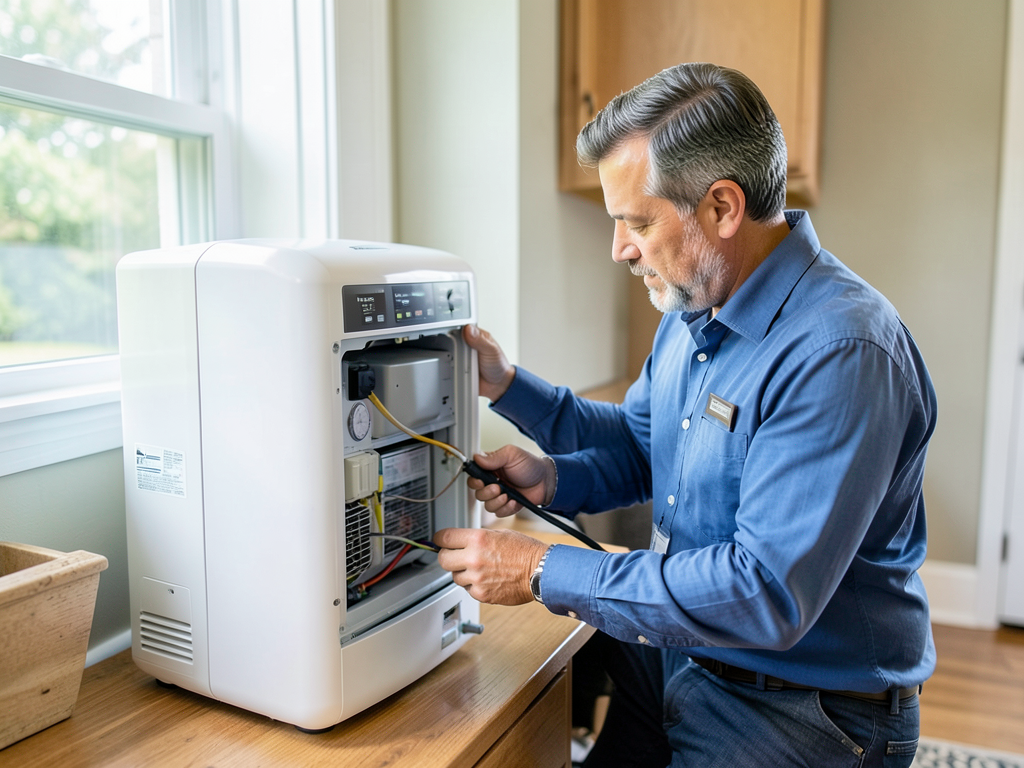
The Impact of High Mineral Content Water on Whole-Home Humidifiers in Waxahachie Living in Waxahachie means dealing with hard water that can cause problems for your whole-home humidifier. The high mineral content in North Texas…
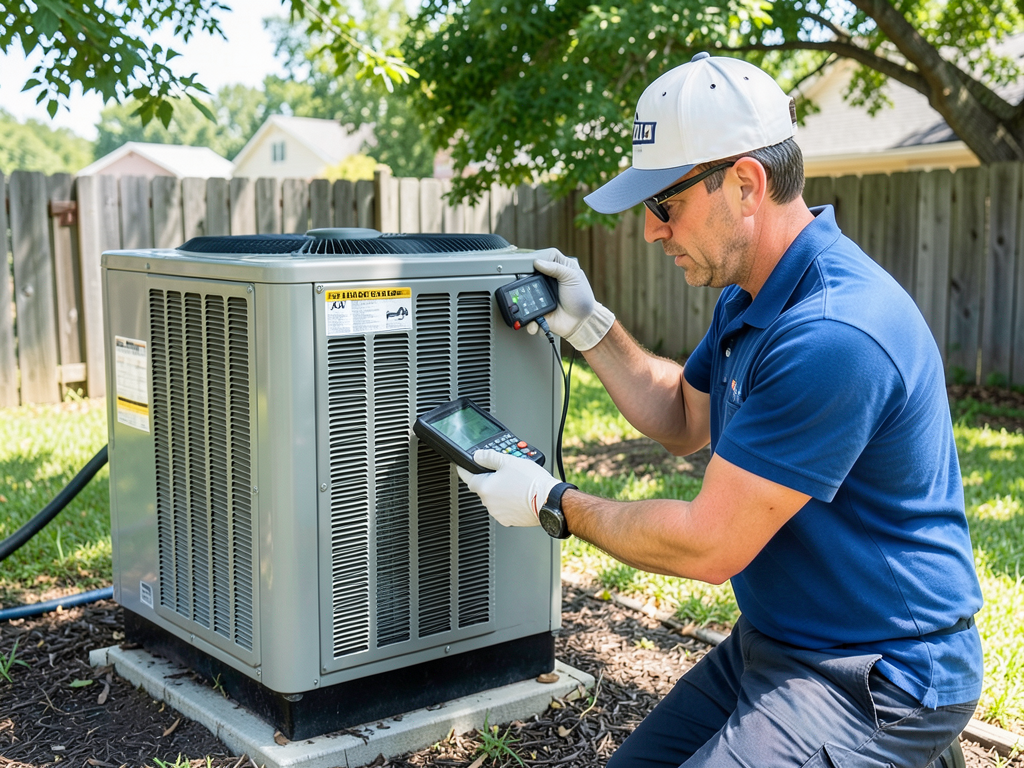
Why Your Outdoor AC Unit Sounds Like a Jet Engine (And How to Quiet It…
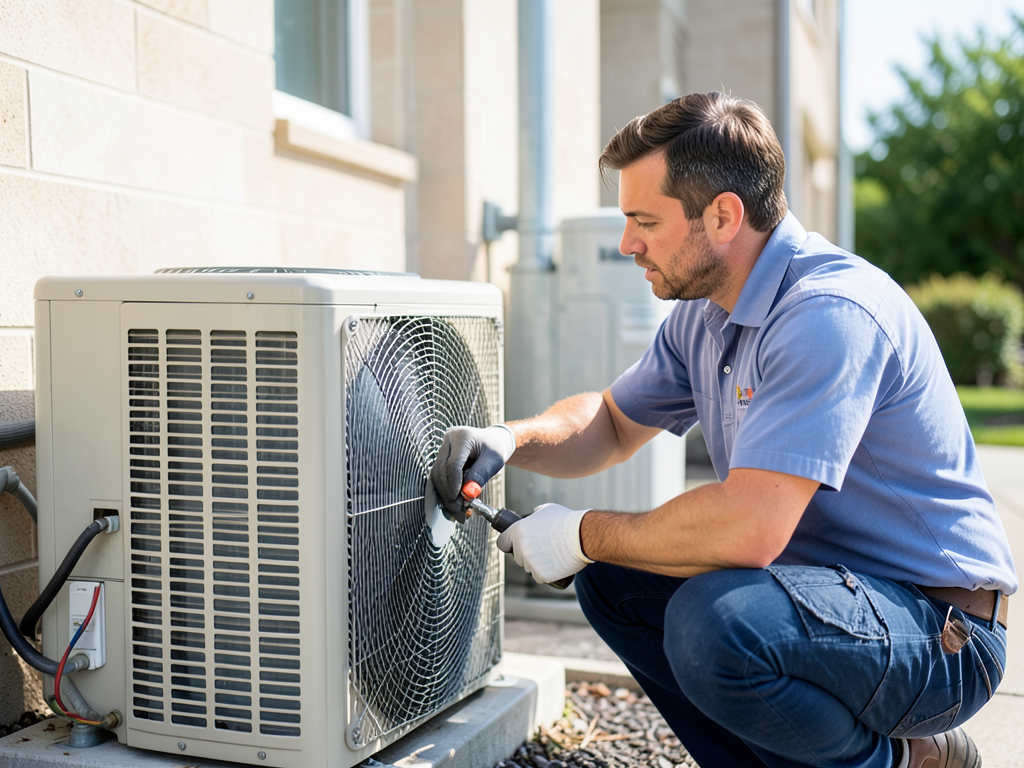
Dallas summers push air conditioners to their limits. When your AC stops working on a…
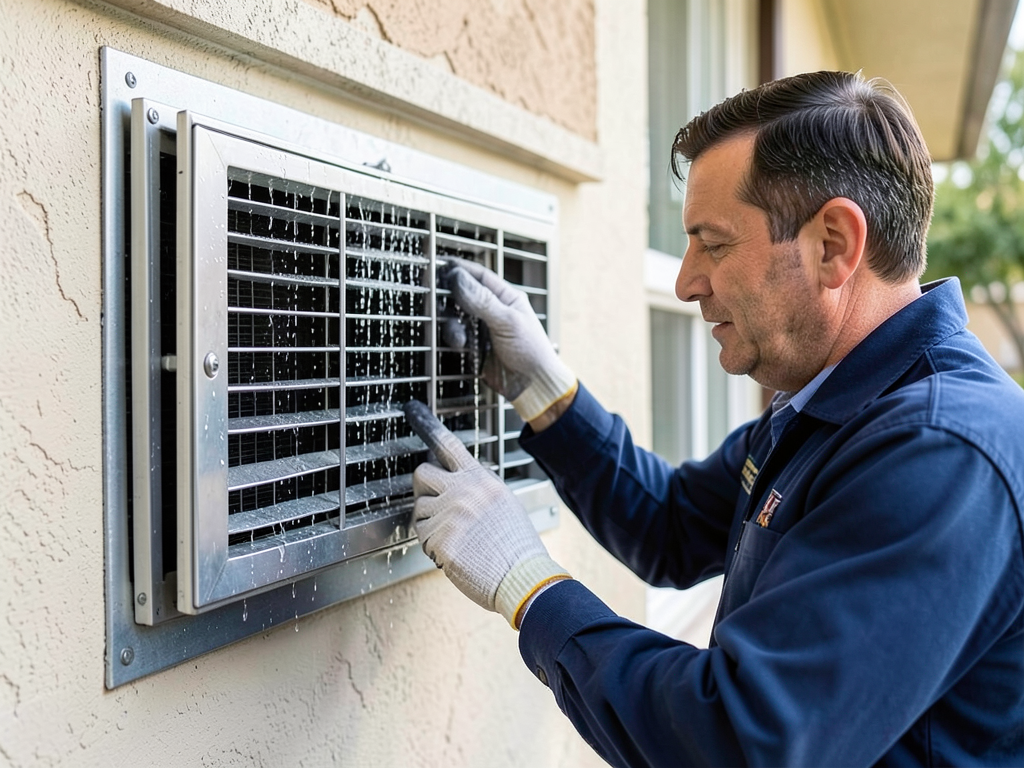
How to Keep Your AC Vents From Sweating and Dripping on Your Hardwood Floors When…
Your comfort matters when systems fail. Call Cornerstone HVAC Dallas now at (972) 850-2750 for same-day emergency service. Our technicians are ready to diagnose your problem and restore climate control fast.