





Lancaster sits in the heart of North Texas, where summer temperatures regularly exceed 100 degrees and winter freezes stress heating systems. The clay soil beneath Lancaster homes expands and contracts with moisture changes, shifting foundations and stressing ductwork connections. These shifts create air leaks that force your HVAC system to work harder, driving up energy bills and shortening equipment life.
The humidity swings between dry winter air and muggy summer conditions challenge both heating and cooling equipment. Systems that run smoothly in moderate climates struggle here. Lancaster homes built in the 1980s and 1990s near Pleasant Run and Ten Mile Creek often have undersized ductwork that never matched the square footage, making rooms uncomfortable and straining compressors. Newer construction in developments off Interstate 35E installed builder-grade equipment that fails faster under Texas heat loads. Your system faces constant stress from temperature extremes, dust from nearby fields, and the stop-start cycles that wear down components faster than steady operation would.
We built our reputation in Lancaster by showing up when we say we will and fixing problems right the first time. Other companies dispatch technicians from across the metroplex, but our team operates locally and knows the specific challenges Lancaster homes face. We have worked on every type of system installed in this area over the past two decades, from the standard builder units in Pleasant Run neighborhoods to the high-efficiency systems in newer Lancaster developments.
Our technicians arrive with fully stocked trucks carrying the parts that commonly fail in Texas heat. We do not make multiple trips or order parts that take days to arrive. Most repairs finish the same day because we plan for the reality of HVAC work in this climate. When we diagnose your system, we explain what failed, why it failed, and what you can do to prevent future problems. No pressure tactics, no selling you equipment you do not need.
We invested in ongoing training for our team because HVAC technology changes fast. New refrigerants, smart thermostats, and variable-speed systems require different diagnostic approaches than older equipment. Our technicians hold certifications from major manufacturers and attend quarterly training on new equipment and repair techniques. That matters when your system uses newer technology that general repair companies do not understand yet.
We guarantee our repair work for a full year because we stand behind our quality. If something we fixed fails again, we come back and make it right at no charge. That confidence comes from doing the job correctly from the start, using quality parts, and refusing to cut corners that lead to callback visits.

When your air conditioning fails during a Lancaster heat wave, you need help today. We prioritize emergency calls and dispatch technicians fast. Our trucks stay stocked with common parts so repairs finish during the first visit. No waiting days for parts to arrive while your home becomes unbearable.

We diagnose the actual problem, not the most expensive problem. Our technicians explain what your system needs in plain language and provide options at different price points. You decide what makes sense for your situation. No pressure to replace equipment that can be repaired affordably.
Our team holds certifications from major HVAC manufacturers and completes quarterly training on new equipment and repair methods. This matters when your system uses newer technology or requires specialized knowledge. We invest in education so our technicians stay current with industry advances.
We have serviced HVAC systems across Lancaster for years, from older homes near Pleasant Run to new construction off I-35E. We understand how clay soil shifts foundations and stresses ductwork, how Lancaster humidity affects equipment, and which systems hold up best in extreme Texas temperatures.
Cornerstone HVAC Dallas handles every aspect of heating and cooling service for Lancaster residents. Air conditioning repair forms the core of our emergency work during brutal Texas summers when system failures create dangerous conditions. We also provide furnace repair and heating system service for winter months when equipment fails during cold snaps. Central air service includes maintenance that prevents breakdowns and extends equipment life.
Our comprehensive approach means you call one company for all your HVAC needs. We service all major brands and system types, from basic split systems to high-efficiency variable-speed equipment. Whether you need urgent repairs, routine maintenance, or help deciding if repair or replacement makes financial sense, our team provides straight answers based on your specific situation. We organize our services around what Lancaster homeowners actually need, focusing on fast emergency response, reliable repairs, and honest guidance that protects your investment.
System breakdowns during extreme weather create dangerous conditions fast. We prioritize emergency calls and dispatch technicians the same day. Our trucks carry common replacement parts so most air conditioner repairs finish during the first visit. We diagnose compressor failures, refrigerant leaks, electrical problems, and blower motor issues quickly. When your family needs relief from Texas heat or cold, we respond with urgency and expertise.
Preventive maintenance catches small problems before they become expensive failures. We inspect electrical connections, test refrigerant levels, clean coils, check airflow, and verify proper operation of all components. Regular HVAC service reduces energy bills by keeping your system running efficiently. Lancaster's extreme temperatures and dust stress equipment harder than moderate climates do, making maintenance even more important here. We recommend service twice yearly to catch wear before it causes breakdowns.
When your system reaches the end of its service life or repair costs approach replacement value, we help you choose new equipment that fits your home and budget. We properly size systems based on your square footage, insulation, and ductwork capacity. Poor sizing causes short-cycling, humidity problems, and premature failure. Our installations include proper refrigerant charging, airflow balancing, and thorough testing. We pull permits and schedule required inspections to ensure your new system meets all local codes.
Lancaster's climate creates specific patterns of HVAC failure that we see repeatedly across the area. Summer heat pushes systems beyond design limits, causing compressor failures and refrigerant leaks. The clay soil beneath Lancaster homes expands when wet and contracts when dry, shifting foundations and pulling apart ductwork connections. These gaps waste conditioned air and force your system to run longer cycles.
Older homes near downtown Lancaster and around Pleasant Run often have undersized ductwork that creates pressure imbalances and strains blower motors. Newer construction developments installed builder-grade equipment chosen for low cost rather than durability under Texas conditions. These units fail faster than quality systems would. Dust from surrounding agricultural areas clogs filters quickly, restricting airflow and causing coils to freeze. Understanding these local factors helps us diagnose problems accurately and recommend solutions that address root causes rather than just symptoms.
Texas summer temperatures exceed design specifications for many air conditioning systems. Compressors cycle on and off constantly trying to maintain set temperatures, wearing down internal components. Capacitors fail from heat stress, leaving compressors unable to start. We see spike in compressor problems every June when temperatures first reach triple digits and systems that coasted through spring suddenly face full load.
Lancaster sits on expansive clay soil that swells with moisture and shrinks during drought. This movement shifts foundations and stresses ductwork connections. Joints separate and flex ducts tear, leaking conditioned air into attics and crawlspaces. These leaks waste energy and create hot or cold spots in rooms. Foundation movement is constant here, making ductwork inspection part of any thorough HVAC service.
Clogged filters and dirty coils restrict airflow across evaporator coils, causing refrigerant to drop below freezing point. Ice builds up and blocks airflow completely. Systems run constantly but produce no cooling. The problem accelerates during summer when dust levels peak. Regular filter changes prevent most frozen coil situations, but neglected systems require coil cleaning and refrigerant checks to restore proper operation.
Older thermostats lose calibration over time, reading temperatures inaccurately and causing systems to short-cycle or run constantly. Newer smart thermostats fail when software updates introduce bugs or Wi-Fi connections drop. We see thermostats mounted in poor locations that read temperatures unrepresentative of actual home conditions. This causes comfort problems that homeowners blame on their HVAC system when the real issue is thermostat placement or failure.
We built our business on clear communication and realistic expectations. When you call for HVAC service in Lancaster, you talk to a person who schedules your appointment immediately, not an automated system. We provide arrival windows we actually meet and call ahead when our technician is on the way. Our service vehicles display clear company identification so you know who is arriving at your home.
The technician who arrives brings diagnostic equipment and common replacement parts. We start by listening to your description of the problem, then inspect your system thoroughly. The diagnostic process takes time because rushing leads to misdiagnosis. Once we identify the issue, we explain what failed, why it failed, and what repair options you have. We provide pricing before starting work so you can make informed decisions. Our goal is fixing your system correctly, not selling you services you do not need.
We keep you informed at every step of the repair process. Our technician explains the diagnostic findings in plain language and shows you the failed components when possible. You receive detailed pricing before we start repairs, with options at different price points when they exist. We answer your questions honestly and never pressure you toward more expensive solutions. If your system needs replacement rather than repair, we explain why and help you understand your options without using scare tactics.
Our fully stocked trucks carry the parts that commonly fail in Lancaster's climate. This means most repairs finish during the first visit without waiting for parts delivery. We test systems thoroughly after repairs to verify proper operation across all functions. You receive documentation of work completed and recommendations for preventing future problems. Our one-year warranty on repairs covers both parts and labor because we stand behind our work quality.
We follow up after major repairs to ensure your system continues operating properly. If you have questions or concerns after we leave, you call the same number and reach our team directly. Problems with our work get resolved immediately at no additional charge. We maintain service records on your system so future technicians understand its repair history and can diagnose problems more accurately. This continuity of care prevents repeated diagnostic charges and conflicting recommendations.
We streamlined our service process to get your system running again fast. No complicated procedures or unnecessary delays. Just straightforward service focused on solving your HVAC problem efficiently.
Call our Lancaster service line and speak directly with our scheduling team. We prioritize emergency calls based on weather conditions and health risks. You receive a specific arrival window, not an all-day wait. Our technician calls when headed to your location and arrives in a fully stocked service vehicle with diagnostic equipment and common replacement parts. We respect your property and your time from the moment we arrive.
Our technician inspects your system thoroughly and uses diagnostic tools to identify the root cause of failure. We explain the problem in plain terms and show you the failed components when possible. You receive detailed pricing for repair options before we start work. We discuss whether repair makes financial sense or if replacement is the smarter choice. Once you approve the work, we complete most repairs the same day.
After completing repairs, we test your system through complete heating or cooling cycles to verify proper operation. We check airflow, measure temperatures, and confirm all components function correctly. You receive documentation of work completed and recommendations for preventing future problems. Our one-year warranty covers the repair work. We follow up to ensure your system continues operating properly and answer any questions that arise.
Lancaster operates under Texas state mechanical codes and local amendments that govern HVAC installation and repair. These regulations exist to protect homeowners from dangerous installations and ensure systems operate safely and efficiently. All refrigerant handling requires EPA certification because refrigerants harm the environment when released. The phase-out of R-22 refrigerant means older systems face expensive repairs or mandatory replacement when major components fail.
Proper refrigerant charging requires precise measurement, not guesswork. Overcharging damages compressors and wastes energy. Undercharging reduces cooling capacity and causes coils to freeze. We use digital manifold gauges and follow manufacturer specifications exactly. The superheat and subcooling measurements tell us if charge levels match design parameters for your specific equipment and current conditions.
Electrical work on HVAC systems must meet National Electrical Code standards. We verify proper wire sizing, disconnect switches, and overcurrent protection on every service call. Undersized wiring causes voltage drops that damage compressor motors. Missing or improperly rated disconnects create safety hazards during future service work. Lancaster requires permits for system replacements and major modifications. We pull permits and schedule required inspections to keep your installation legal.
Ductwork sizing follows Air Conditioning Contractors of America Manual D calculations based on your home's square footage, insulation levels, window area, and orientation. Undersized ducts create excessive static pressure that strains blower motors and reduces system life. Oversized ducts waste energy and cause uneven temperatures. We measure actual airflow using calibrated instruments and make adjustments to achieve proper distribution across all supply registers.
Federal law requires EPA Section 608 certification for anyone who handles refrigerants. This certification verifies knowledge of proper recovery procedures, leak detection, and environmental regulations. Uncertified technicians cannot legally purchase refrigerant or work on sealed systems. All Cornerstone HVAC Dallas technicians hold current EPA certifications and follow proper refrigerant handling procedures on every service call.
Repair costs depend on which component failed and how extensive the damage is. Simple repairs like capacitor replacement or thermostat issues cost far less than compressor replacement or refrigerant leak repairs. Parts availability affects pricing because obsolete components for older systems cost more and take longer to source. We provide detailed pricing before starting work so you can make informed decisions about repair versus replacement.
Most common repairs finish within two to four hours because we stock frequently needed parts. Compressor replacement or extensive ductwork repairs take longer, sometimes requiring a full day. Custom parts for older equipment may need ordering, extending timelines by several days. We provide accurate time estimates based on diagnostic findings and keep you informed if complications arise during repairs.
Lancaster requires mechanical permits for system replacements and major modifications. The permit process includes plan review and final inspection by city building officials. We handle all permit applications and schedule required inspections. Unpermitted work creates problems when you sell your home because title companies flag unpermitted improvements. Proper permits protect your investment and ensure code compliance.
Expert overview of HVAC repair services in Lancaster, Texas, covering common air conditioning and heating system failures, climate-specific challenges affecting equipment performance, repair versus replacement decisions, and what homeowners should expect from quality HVAC service. Includes detailed information about emergency response, diagnostic procedures, and factors affecting system reliability in extreme Texas weather conditions.
Cornerstone HVAC Dallas provides fast HVAC repair and service throughout Lancaster and neighboring areas. We serve the historic neighborhoods near downtown Lancaster where older homes require careful attention to undersized ductwork and outdated electrical systems. The Pleasant Run area presents unique challenges with clay soil movement affecting ductwork connections and foundation-mounted equipment. Residents near Ten Mile Creek call us for emergency service during summer heat waves when aging air conditioners struggle under extreme temperatures.
Newer developments off Interstate 35E feature modern construction with builder-grade HVAC systems that often fail within the first decade. These areas need technicians who understand current equipment technology and can diagnose complex electronic controls. The neighborhoods along Belt Line Road face different challenges, with larger homes requiring properly balanced multi-zone systems and adequate airflow distribution. We service homes throughout the Lancaster Independent School District area, from compact starter homes to larger properties with multiple HVAC units.
Our service area extends into southern Dallas County and northern Ellis County, covering communities that share Lancaster's climate challenges and construction patterns. We understand how Texas heat stresses equipment differently than moderate climates would. The constant temperature extremes, humidity swings, and dust from surrounding agricultural areas create specific failure patterns we see repeatedly. Our technicians live and work in this region, so they respond quickly to emergency calls without long travel times from distant service centers.
We maintain detailed records on HVAC systems across Lancaster, tracking repair history and equipment performance. This knowledge helps us diagnose problems faster and recommend solutions based on real performance data from systems operating in identical conditions. Whether you live near the Lancaster Recreation Center, in the neighborhoods around Lancaster High School, or in the developing areas east of Interstate 35E, we provide the same fast, honest service. Your location within Lancaster does not change our response time or service quality.
HVAC systems in Lancaster require attention to extreme temperature swings. Summers reach 100°F while winters drop to freezing. Your system works harder in these conditions. Local contractors understand how desert heat and valley cold affect equipment performance. They recommend maintenance twice yearly before peak seasons. Air filters need changing monthly during summer due to dust. Lancaster's dry climate affects humidity levels inside your home. Systems need proper sizing for your square footage. Energy efficiency matters more here because your AC runs 6-8 months yearly. Choose SEER ratings of 16 or higher for better performance.
Lancaster homeowners face high energy bills from constant HVAC use. Your system accounts for 40-60% of total energy consumption. Smart thermostats reduce usage by learning your schedule and adjusting automatically. Set temperatures to 78°F in summer and 68°F in winter for optimal efficiency. Seal ductwork to prevent 20-30% energy loss through leaks. Replace systems older than 15 years with modern units. Clean coils and fins improve airflow and reduce strain. Add insulation in attics to R-38 rating. Close vents in unused rooms. Schedule maintenance before summer and winter to keep systems running efficiently.
Air quality in Lancaster suffers from dust, pollen, and agricultural particles. Your HVAC system needs upgraded filtration to protect your family. MERV 11-13 filters capture smaller particles than standard filters. Change filters every 30-60 days depending on outdoor conditions. Air purifiers with UV lights kill bacteria and viruses. Whole-home humidifiers add moisture during dry months. Duct cleaning removes years of accumulated debris. Ventilation systems bring fresh air inside while exhausting stale air. Test for indoor air pollutants if family members have allergies or asthma. Clean return vents monthly to improve circulation.
HVAC systems in Lancaster require attention to extreme temperature swings. Summers reach 100°F while winters drop to freezing. Your system works harder in these conditions. Local contractors understand how desert heat and valley cold affect equipment performance. They recommend maintenance twice yearly before peak seasons. Air filters need changing monthly during summer due to dust. Lancaster's dry climate affects humidity levels inside your home. Systems need proper sizing for your square footage. Energy efficiency matters more here because your AC runs 6-8 months yearly. Choose SEER ratings of 16 or higher for better performance.
Lancaster homeowners face high energy bills from constant HVAC use. Your system accounts for 40-60% of total energy consumption. Smart thermostats reduce usage by learning your schedule and adjusting automatically. Set temperatures to 78°F in summer and 68°F in winter for optimal efficiency. Seal ductwork to prevent 20-30% energy loss through leaks. Replace systems older than 15 years with modern units. Clean coils and fins improve airflow and reduce strain. Add insulation in attics to R-38 rating. Close vents in unused rooms. Schedule maintenance before summer and winter to keep systems running efficiently.
Air quality in Lancaster suffers from dust, pollen, and agricultural particles. Your HVAC system needs upgraded filtration to protect your family. MERV 11-13 filters capture smaller particles than standard filters. Change filters every 30-60 days depending on outdoor conditions. Air purifiers with UV lights kill bacteria and viruses. Whole-home humidifiers add moisture during dry months. Duct cleaning removes years of accumulated debris. Ventilation systems bring fresh air inside while exhausting stale air. Test for indoor air pollutants if family members have allergies or asthma. Clean return vents monthly to improve circulation.
Your furnace needs annual inspection before cold weather arrives. Technicians check gas connections, heat exchangers, and safety controls. Cracked heat exchangers leak carbon monoxide and require immediate replacement. Listen for unusual noises like banging or whistling. Yellow pilot light flames indicate incomplete combustion. Check your thermostat batteries and settings. Clean or replace filters before running heat. Test your system in October before temperatures drop. Furnaces last 15-20 years with proper maintenance. Keep vents and registers clear of furniture. Install carbon monoxide detectors on every floor. Schedule repairs promptly to prevent breakdowns during winter.
Air conditioning systems in Lancaster work overtime during summer. Your AC needs professional maintenance in spring. Technicians check refrigerant levels, clean coils, and test electrical connections. Low refrigerant indicates leaks that need repair. Frozen coils mean restricted airflow or refrigerant problems. Strange sounds like grinding or squealing need immediate attention. Clean outdoor units monthly to remove debris and dirt. Shade outdoor units to improve efficiency by 10%. Keep thermostat away from heat sources. Replace aging systems before they fail during heat waves. Modern units cool faster and use less energy. Emergency repairs during summer heat waves take longer due to high demand.
Ductwork in Lancaster homes loses efficiency through leaks and poor insulation. Your ducts need sealing with mastic or metal tape. Inspect accessible ducts in attics and crawlspaces for damage. Insulate ducts to R-8 in unconditioned spaces. Poor duct design creates hot and cold spots throughout your home. Balance airflow by adjusting dampers in supply lines. Clean ducts every 3-5 years to remove accumulated dust. Holes and gaps waste 20-40% of conditioned air. Professionals use pressure tests to find hidden leaks. Properly sealed and insulated ductwork improves comfort and lowers bills.
Choosing an HVAC contractor in Lancaster requires research and comparison. Check online reviews and ask neighbors for recommendations. Verify contractors respond quickly to service calls. Get three written estimates for major work. Ask about experience with your system type and brand. Technicians need proper training and certification. Request references from recent customers. Avoid contractors who pressure you into immediate decisions. Compare warranty terms on labor and parts. Look for contractors who explain problems clearly. Emergency service availability matters during extreme weather. Established local companies provide better long-term support. Trust your instincts about professionalism and communication.
New HVAC installations in Lancaster homes need careful planning. Calculate proper system size using Manual J load calculations. Oversized units cycle frequently and waste energy. Undersized systems run constantly without reaching comfortable temperatures. Consider split systems for better zone control. Variable speed systems adjust output to match demand. Install programmable or smart thermostats for maximum savings. Position outdoor units away from direct sun when possible. Upgrade electrical panels if needed for new equipment. Remove old equipment and dispose of refrigerants properly. Quality installation affects performance for the next 15-20 years. Request detailed quotes before starting work.
Emergency HVAC problems need quick response to protect your family. Keep emergency contact numbers readily available. Systems failing during extreme heat or cold create safety concerns. Turn off equipment if you smell gas or burning odors. Check circuit breakers before calling for service. Listen for unusual sounds that indicate mechanical problems. Rising energy bills signal declining efficiency. Weak airflow from vents means blocked filters or duct issues. Water leaks around indoor units need immediate attention. Age matters when deciding between repair and replacement. Emergency service calls typically happen outside business hours. Regular maintenance prevents most emergency situations.
Maintenance plans in Lancaster keep your HVAC system running efficiently. Annual agreements include spring and fall tune-ups. Technicians spot small problems before they become expensive repairs. Plans often include priority service and discounts on repairs. Regular maintenance extends equipment life by 5-10 years. Expect filter changes, coil cleaning, and safety inspections. Maintained systems use 15-20% less energy. Keep service records to track system history. Manufacturers require proof of maintenance for warranty claims. Compare plan features and frequency between providers. Preventive care saves money compared to emergency repairs. Schedule visits during mild weather for convenience.
Your furnace needs annual inspection before cold weather arrives. Technicians check gas connections, heat exchangers, and safety controls. Cracked heat exchangers leak carbon monoxide and require immediate replacement. Listen for unusual noises like banging or whistling. Yellow pilot light flames indicate incomplete combustion. Check your thermostat batteries and settings. Clean or replace filters before running heat. Test your system in October before temperatures drop. Furnaces last 15-20 years with proper maintenance. Keep vents and registers clear of furniture. Install carbon monoxide detectors on every floor. Schedule repairs promptly to prevent breakdowns during winter.
Air conditioning systems in Lancaster work overtime during summer. Your AC needs professional maintenance in spring. Technicians check refrigerant levels, clean coils, and test electrical connections. Low refrigerant indicates leaks that need repair. Frozen coils mean restricted airflow or refrigerant problems. Strange sounds like grinding or squealing need immediate attention. Clean outdoor units monthly to remove debris and dirt. Shade outdoor units to improve efficiency by 10%. Keep thermostat away from heat sources. Replace aging systems before they fail during heat waves. Modern units cool faster and use less energy. Emergency repairs during summer heat waves take longer due to high demand.
Ductwork in Lancaster homes loses efficiency through leaks and poor insulation. Your ducts need sealing with mastic or metal tape. Inspect accessible ducts in attics and crawlspaces for damage. Insulate ducts to R-8 in unconditioned spaces. Poor duct design creates hot and cold spots throughout your home. Balance airflow by adjusting dampers in supply lines. Clean ducts every 3-5 years to remove accumulated dust. Holes and gaps waste 20-40% of conditioned air. Professionals use pressure tests to find hidden leaks. Properly sealed and insulated ductwork improves comfort and lowers bills.
Choosing an HVAC contractor in Lancaster requires research and comparison. Check online reviews and ask neighbors for recommendations. Verify contractors respond quickly to service calls. Get three written estimates for major work. Ask about experience with your system type and brand. Technicians need proper training and certification. Request references from recent customers. Avoid contractors who pressure you into immediate decisions. Compare warranty terms on labor and parts. Look for contractors who explain problems clearly. Emergency service availability matters during extreme weather. Established local companies provide better long-term support. Trust your instincts about professionalism and communication.
New HVAC installations in Lancaster homes need careful planning. Calculate proper system size using Manual J load calculations. Oversized units cycle frequently and waste energy. Undersized systems run constantly without reaching comfortable temperatures. Consider split systems for better zone control. Variable speed systems adjust output to match demand. Install programmable or smart thermostats for maximum savings. Position outdoor units away from direct sun when possible. Upgrade electrical panels if needed for new equipment. Remove old equipment and dispose of refrigerants properly. Quality installation affects performance for the next 15-20 years. Request detailed quotes before starting work.
Emergency HVAC problems need quick response to protect your family. Keep emergency contact numbers readily available. Systems failing during extreme heat or cold create safety concerns. Turn off equipment if you smell gas or burning odors. Check circuit breakers before calling for service. Listen for unusual sounds that indicate mechanical problems. Rising energy bills signal declining efficiency. Weak airflow from vents means blocked filters or duct issues. Water leaks around indoor units need immediate attention. Age matters when deciding between repair and replacement. Emergency service calls typically happen outside business hours. Regular maintenance prevents most emergency situations.
Maintenance plans in Lancaster keep your HVAC system running efficiently. Annual agreements include spring and fall tune-ups. Technicians spot small problems before they become expensive repairs. Plans often include priority service and discounts on repairs. Regular maintenance extends equipment life by 5-10 years. Expect filter changes, coil cleaning, and safety inspections. Maintained systems use 15-20% less energy. Keep service records to track system history. Manufacturers require proof of maintenance for warranty claims. Compare plan features and frequency between providers. Preventive care saves money compared to emergency repairs. Schedule visits during mild weather for convenience.
Looking for expert HVAC services near you? Cornerstone HVAC Dallas proudly serves homeowners and businesses throughout the greater Dallas area with professional heating and cooling repairs, system installations, indoor air quality solutions, and emergency HVAC services. From Plano to Arlington, our certified technicians are ready to deliver fast, efficient service wherever you are. Use the map below to explore our coverage areas and discover trusted HVAC support right around the corner.
Address:
Lancaster, TX, 75146
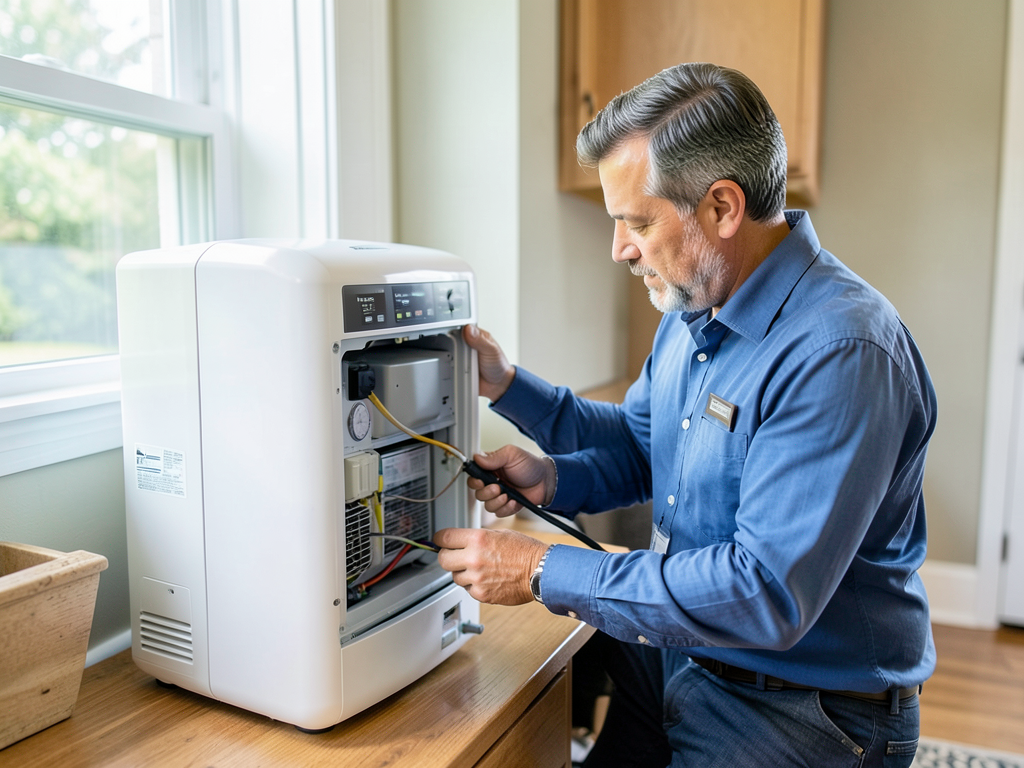
The Impact of High Mineral Content Water on Whole-Home Humidifiers in Waxahachie Living in Waxahachie means dealing with hard water that can cause problems for your whole-home humidifier. The high mineral content in North Texas…
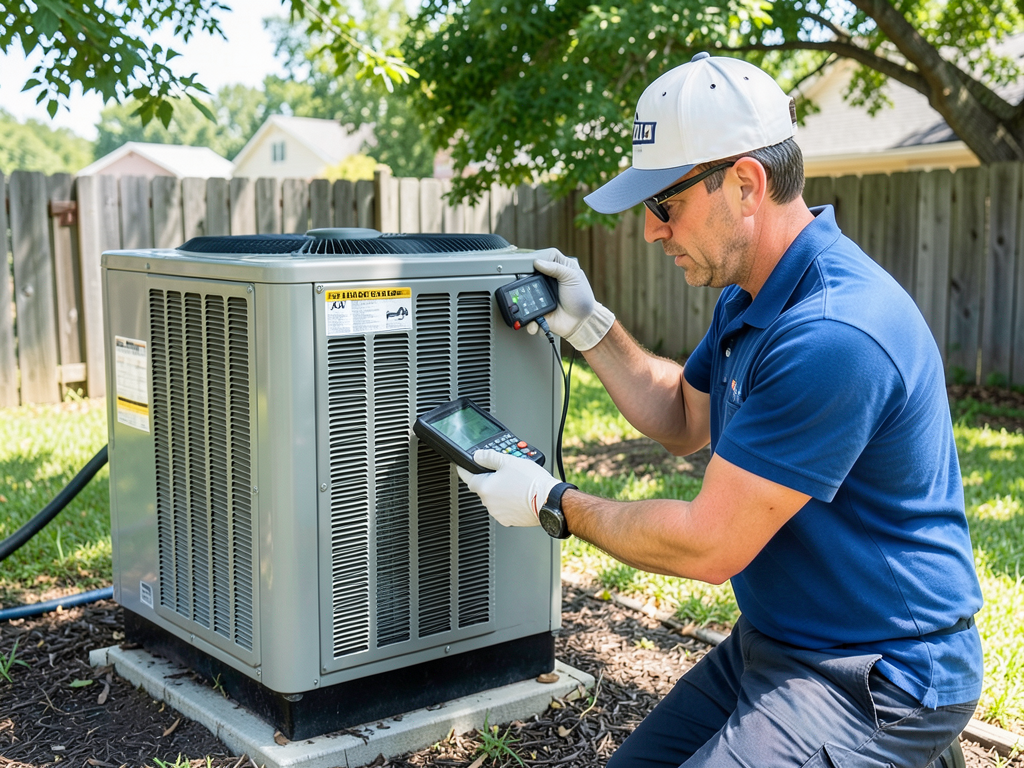
Why Your Outdoor AC Unit Sounds Like a Jet Engine (And How to Quiet It…
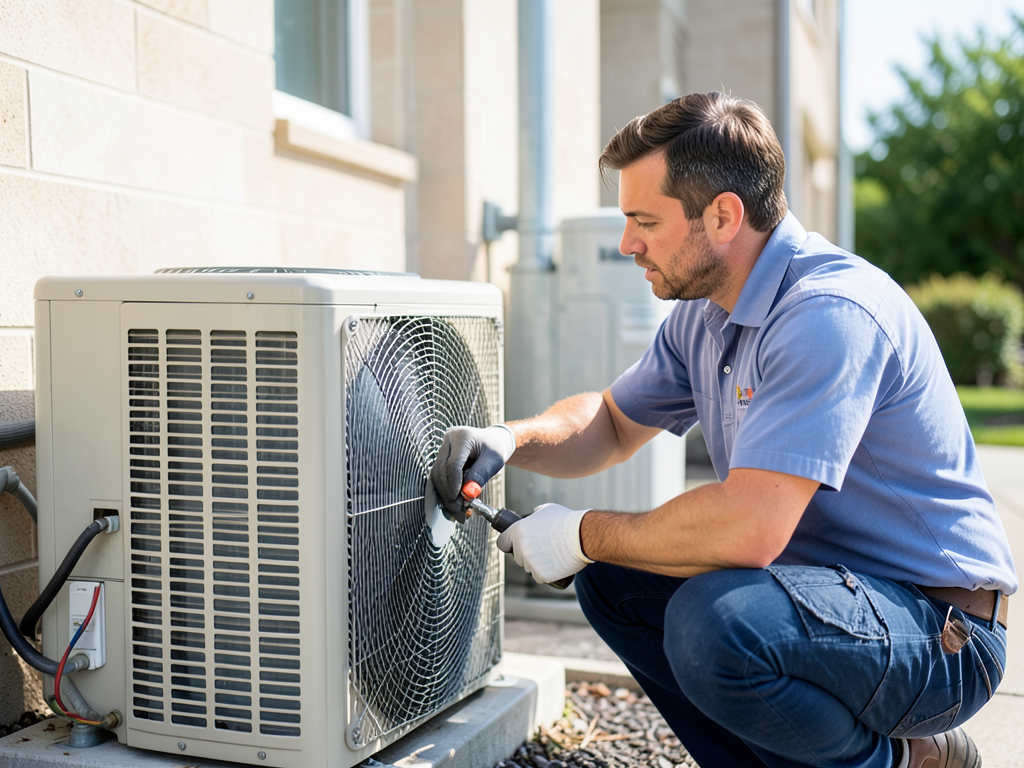
Dallas summers push air conditioners to their limits. When your AC stops working on a…
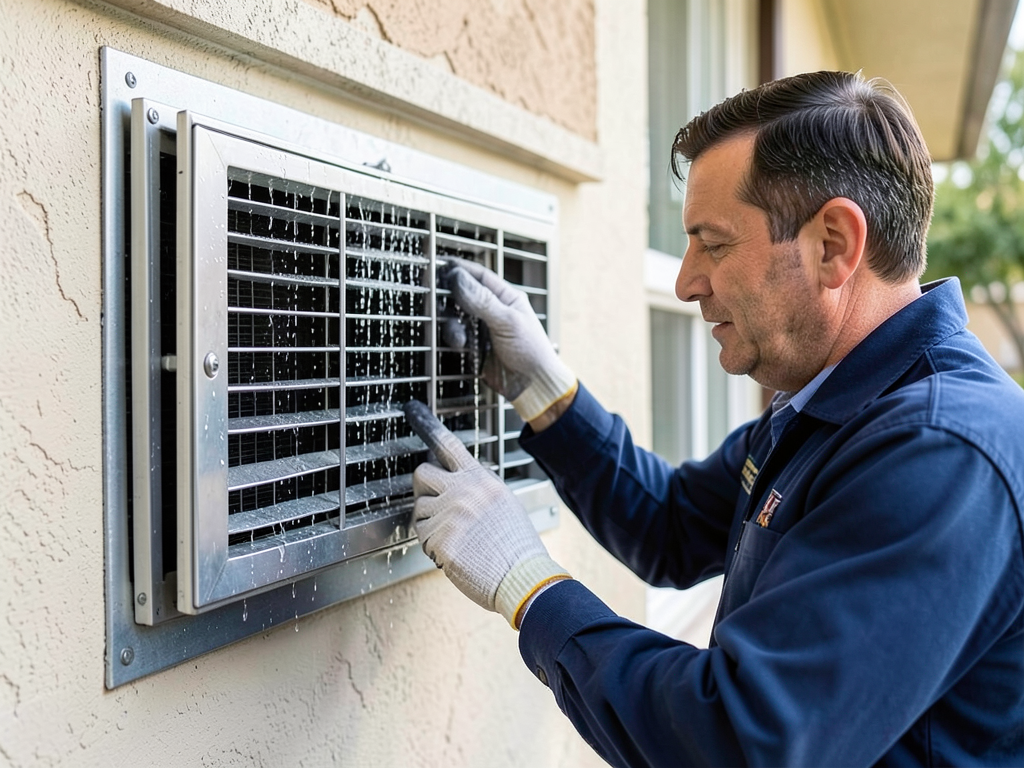
How to Keep Your AC Vents From Sweating and Dripping on Your Hardwood Floors When…
Your comfort cannot wait when your HVAC system fails. Call Cornerstone HVAC Dallas now at (972) 850-2750 for same-day emergency service in Lancaster. Our technicians are ready to diagnose and repair your system fast.