




menu

Furnace Blowing Cold Air in Dallas – Fast Diagnosis and Same-Day Repair Available

When your heating system blows cold air instead of heat, you need answers fast. Our certified technicians diagnose the root cause of furnace failures and restore warm air to Dallas homes within hours, not days.

Slider Image 1
Slider Image 2
Slider Image 3
Slider Image 4
Slider Image 5
Slider Image 7
Slider Image 8
Slider Image 9
Slider Image 10
Slider Image 11

Why Your Furnace Blows Cold Air in Dallas Homes

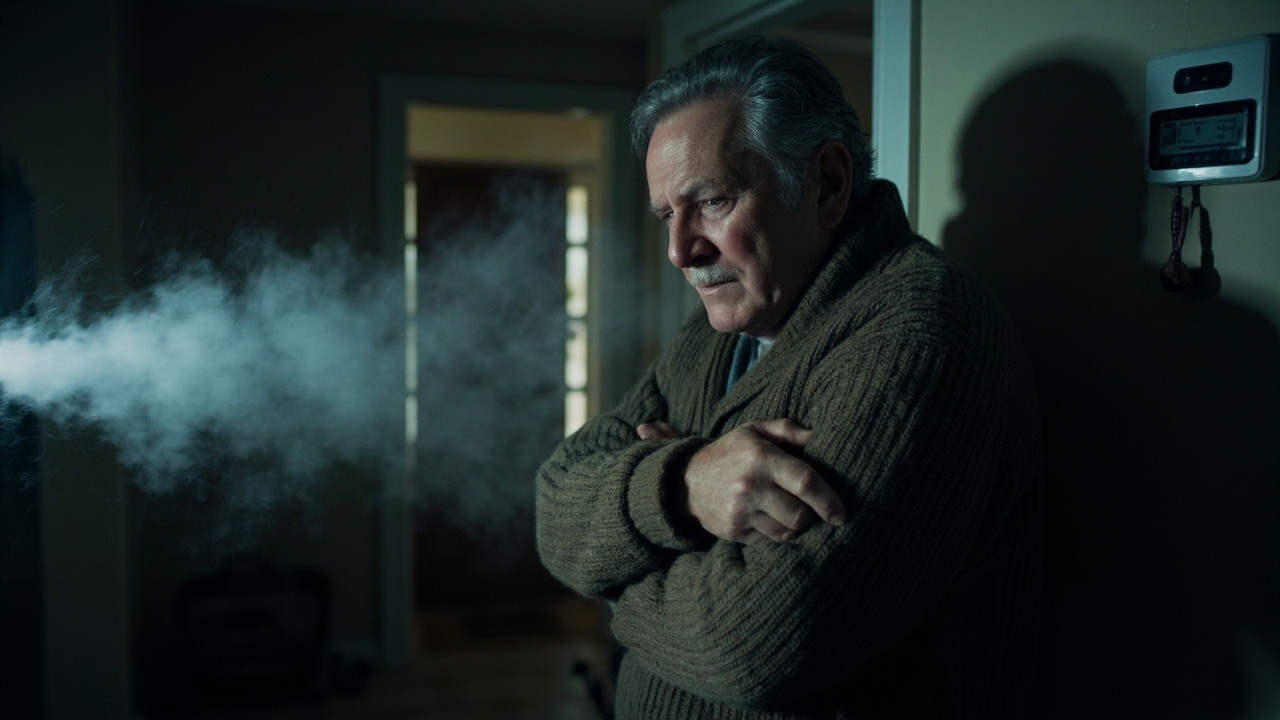
You walk to the thermostat expecting warmth. Instead, your furnace blows cold air through the vents. The confusion sets in immediately. You check the settings. Everything looks correct. The system runs, but no heat comes out.

This problem hits Dallas residents hard during our unpredictable winter cold snaps. When temperatures drop from 70 degrees to 28 degrees overnight, your heater blowing cold air is not just uncomfortable. It creates genuine risk for your family and your pipes.

The issue is rarely simple. A furnace not blowing hot air can mean a failed ignitor, a tripped flame sensor, or a malfunctioning gas valve. Sometimes the pilot light goes out. Other times, the heat exchanger cracks. In North Texas homes built on expansive clay soil, shifting foundations can disconnect ductwork or damage gas lines, causing your heating system to blow unheated air into rooms while heated air leaks into your attic or crawlspace.

The problem accelerates fast. Dallas homes lose interior heat quickly because most were built for cooling, not heating. Insulation standards focus on keeping cool air in during summer. When your furnace blows cool air instead of heat, indoor temperatures drop 15 to 20 degrees in just a few hours.

You need a technician who understands how North Texas construction, soil movement, and rapid temperature swings create unique furnace failures. Generic troubleshooting wastes time. Specific diagnosis solves the problem.

Why Your Furnace Blows Cold Air in Dallas Homes
How We Diagnose and Fix Furnaces Blowing Cold Air

How We Diagnose and Fix Furnaces Blowing Cold Air

We do not guess. We test every component in your heating system using calibrated instruments and systematic protocols.

First, we verify thermostat communication. We check voltage at the control board, inspect the flame sensor for carbon buildup, and test ignitor resistance. Most furnaces blowing cold air fail at one of these three points.

Next, we examine the limit switch and rollout switches. These safety devices shut down burner operation if temperatures exceed safe parameters. When they fail or false-trigger, your blower runs but the burners stay off. You get air movement but zero heat.

We inspect the inducer motor and pressure switch. The inducer creates negative pressure to vent combustion gases. If the pressure switch does not close, the control board will not send power to the ignitor. Your furnace attempts to start but never completes the sequence.

For gas furnaces, we test gas valve voltage and manifold pressure. Low gas pressure produces weak flames that the flame sensor cannot detect. The system shuts down after three ignition attempts. You hear clicking, see the ignitor glow, but get no sustained heat.

We also check ductwork integrity. In Dallas homes, foundation settlement creates gaps at plenum connections. Heated air escapes before reaching your rooms. Your furnace works correctly, but you feel cold air at the registers because conditioned air leaks into unconditioned spaces.

After identifying the failure point, we explain what failed, why it failed, and what we will do to fix it. You get clear information before we start repairs.

What Happens When You Call About Cold Air From Your Furnace

Furnace Blowing Cold Air in Dallas – Fast Diagnosis and Same-Day Repair Available
01

Emergency Dispatch and Arrival

You call our direct line and speak with a technician, not an answering service. We ask specific questions about what you observe: does the blower run, do you hear clicking, do you smell gas, when did the problem start. We dispatch a truck to your Dallas address within the hour for emergency calls. You receive a text with your technician's name, photo, and estimated arrival time.
02

Systematic Component Testing

Our technician performs a full sequence test on your furnace. We use multimeters to check voltage, amp clamps to verify current draw, and manometers to measure gas pressure. We document readings at each test point. This methodical approach identifies the exact failed component instead of replacing parts randomly. You see what we find as we find it.
03

Repair and Heat Restoration

We carry common failure parts on every truck: ignitors, flame sensors, pressure switches, and limit switches. We replace the failed component, reassemble the furnace, and run a complete heating cycle while monitoring temperatures. You feel warm air at the registers before we leave. We explain what caused the failure and what you can do to prevent future problems.

Why Dallas Homeowners Choose Cornerstone HVAC for Furnace Problems

You need someone who understands Dallas furnaces specifically. We work on systems every day in neighborhoods from Lakewood to Oak Cliff, from Uptown to Lake Highlands. We know which brands hold up in North Texas and which ones fail repeatedly.

We understand how Dallas weather patterns create unique stress on heating systems. Your furnace might sit unused for eight months, then suddenly run continuously during a hard freeze. This start-stop cycle destroys marginal components. We test the parts that fail first in this climate.

We also know Dallas building practices. Many homes built in the 1980s and 1990s used undersized ductwork and minimal return air paths. When your blower pushes air through restrictive ducts, the furnace overheats. The limit switch trips. The burners shut off. You get cold air until the system cools down, then the cycle repeats. Generic technicians replace the limit switch. We fix the airflow restriction.

Foundation movement is another Dallas-specific issue. Expansive clay soil swells when wet and shrinks when dry. This movement shifts your home's structure and stresses duct connections. We inspect for gaps, disconnections, and crushed flex duct in attics and crawlspaces. We seal leaks with mastic and mechanical fasteners, not just tape.

We also work with local building inspectors and understand current Dallas code requirements for combustion air, venting, and gas line sizing. If your repair requires a permit, we pull it and schedule the inspection. You do not have to manage that process.

You get technicians who have seen your exact problem in your exact type of home dozens of times before.

What to Expect From Our Furnace Repair Service

Same-Day Service Availability

We maintain a full crew during Dallas cold weather events. When freezing temperatures hit, we add technicians and extend hours to handle the surge in service calls. Most furnace failures happen overnight when temperatures drop hardest. We respond quickly because we plan for demand. You will not wait three days for heat in your home. Our goal is arrival within 60 to 90 minutes for emergency calls. For scheduled appointments, you get a two-hour arrival window, not an all-day wait.

Comprehensive Furnace Diagnostics

We test your entire heating system, not just the obvious problem. This includes checking your thermostat wiring, inspecting the condensate drain and trap, verifying proper combustion air supply, and measuring supply and return air temperatures. We check gas line pressure at the meter and at the furnace. We inspect flue pipes for corrosion and proper slope. We photograph problem areas so you see what we see. You receive a written report that lists current conditions and potential issues before they become failures.

Permanent Repairs That Last

We fix the root cause, not the symptom. If your flame sensor keeps failing, we find out why. Carbon buildup indicates incomplete combustion, which means your air-fuel mixture is wrong. We adjust the gas valve and verify proper flame color and pattern. If your pressure switch keeps tripping, we check the inducer motor bearings and clean the pressure hose. You do not get repeat failures on the same component. Our repairs address why the part failed in the first place.

Post-Repair Support and Maintenance

After we restore heat, we explain what caused your furnace to blow cold air and how to prevent future problems. We recommend filter change intervals based on your specific home and occupancy. We explain which maintenance tasks you can handle and which require professional service. We offer seasonal tune-ups that catch small problems before they become cold-air emergencies. You get a direct phone number to reach your technician if questions come up after we leave.

Frequently Asked Questions

You Have Questions,
We Have Answers

Why is my furnace blowing cool air when on heat? +

Your furnace blows cool air on heat mode for several reasons. The thermostat might be set to fan-only mode instead of auto. A dirty air filter restricts airflow, causing the blower to circulate unheated air. The pilot light or ignition system could be malfunctioning, preventing the burners from lighting. In Dallas homes, sudden temperature swings can also trip the flame sensor, which shuts down the burners as a safety measure. Check your thermostat settings first, then inspect the filter. If those are fine, you need a professional to diagnose ignition or sensor issues.

How do you reset a furnace that blows cold air? +

To reset a furnace blowing cold air, locate the reset button near the blower motor or control panel. Turn off your thermostat and switch the furnace breaker off for 30 seconds. Flip the breaker back on, then press the reset button once. Wait five minutes before turning the thermostat back to heat mode. If the furnace trips again within an hour, stop trying. Repeated resets indicate a deeper problem like a faulty flame sensor or gas valve. Dallas homeowners should call a technician rather than repeatedly resetting, as this can damage components or create safety risks.

Should I turn off my heater if it's blowing cold air? +

Yes, turn off your heater if it blows cold air for more than 10 minutes after startup. Running the system without heat wastes energy and can overheat the blower motor. If the issue is a tripped limit switch or faulty ignition, continued operation can worsen the problem. In Dallas, where winter temperatures still dip into the 30s at night, you want to address this fast. Turn the thermostat to off, check your filter and breaker, then call a technician. Do not leave the system running in fan-only mode hoping it fixes itself.

Why is my furnace blowing cold air but no heat? +

A furnace that blows cold air with no heat usually has an ignition failure or a flame sensor problem. The blower runs because the thermostat calls for heat, but the burners never ignite. This happens when the pilot light goes out, the ignitor cracks, or the flame sensor is coated with soot and shuts down the gas valve prematurely. Dallas homes with older furnaces often face sensor buildup due to dust from dry winter winds. Check if you hear clicking sounds or see a glow from the ignitor. If not, you need professional repair.

How do you fix your heater when it's blowing out cold air? +

Start by checking your thermostat settings and replacing a dirty filter. If that does not help, inspect the circuit breaker to make sure the furnace has power. Look for a tripped limit switch, which stops the burners when the system overheats. In Dallas, where HVAC systems work year-round, wear on igniters and flame sensors is common. If basic checks fail, call a technician to test the ignition system, gas valve, and flame sensor. Attempting DIY repairs on gas components is dangerous and violates most warranties. Let a licensed professional handle internal diagnostics.

How can I tell if my heat pump is low on refrigerant? +

A heat pump low on refrigerant blows lukewarm or cold air during heating mode. You might notice ice buildup on the outdoor unit even in mild Dallas winters. The system runs constantly but never reaches the thermostat setpoint. Listen for hissing sounds near the refrigerant lines, which signal a leak. Energy bills spike because the compressor works harder to compensate. If the outdoor fan runs but the unit feels cold to the touch, refrigerant is low. Do not add refrigerant yourself. A technician must find and repair the leak first, then recharge the system to manufacturer specifications.

How do you know if your furnace needs to be reset? +

Your furnace needs a reset if it shuts down unexpectedly during a heating cycle or if the blower runs but no heat comes out. You might hear repeated clicking sounds as the ignitor tries to light the burners but fails. A flashing LED light on the control board often indicates a fault code that requires a reset. In Dallas, power surges from winter storms can trip the system. If the furnace does not respond to thermostat changes or the reset button trips multiple times, call a technician. Frequent resets point to a failing component that needs replacement.

Why is cold air coming out of my vents when the heat is on? +

Cold air from vents when the heat is on means the burners are not igniting or the blower starts too early. A malfunctioning fan limit switch can trigger the blower before the heat exchanger warms up, pushing cold air through the ducts. The thermostat might also be wired incorrectly, running the fan continuously. Dallas homes with dual-fuel systems sometimes default to heat pump mode, which feels cooler than gas heat. Check your thermostat fan setting. It should be on auto, not on. If the problem continues, a technician needs to test the limit switch and ignition sequence.

What is the most expensive part to fix on a furnace? +

The heat exchanger is the most expensive furnace part to fix, often costing as much as a new unit. This component transfers heat from the burners to the air and can crack from repeated expansion and contraction. In Dallas, where furnaces cycle frequently due to variable winter weather, heat exchanger stress is common. The control board and gas valve are also costly repairs. If your furnace is over 15 years old and needs a heat exchanger replacement, compare the repair cost to a new high-efficiency system. Replacement often makes more financial sense long-term.

Why is cold air blowing instead of heat? +

Cold air blows instead of heat when the burners fail to ignite or the blower starts before the heat exchanger warms. A faulty thermostat, dead batteries, or incorrect wiring can prevent the furnace from entering heating mode. The flame sensor might shut down the gas valve after detecting incomplete combustion. Dallas homeowners with older thermostats sometimes face calibration drift, where the system misreads temperature and runs the fan alone. Check thermostat batteries and settings first. If the furnace still blows cold air after adjustments, call a technician to inspect the ignition system and flame sensor.

How Dallas Temperature Swings Cause Furnaces to Blow Unheated Air

Dallas winters are not consistently cold. You might run your air conditioner on Monday and wake up to 25 degrees on Wednesday. This rapid cycling stresses furnace components in ways that steady cold climates never create. Expansion and contraction crack heat exchangers. Condensation from temperature swings corrodes gas valves and control boards. Furnaces that sit dormant for months develop stuck ignitors and seized inducer motors. When you finally need heat during a sudden freeze, these marginal components fail immediately. Your heater blows cold air right when you need warmth most. North Texas HVAC systems require different maintenance and inspection protocols because of this unique thermal stress pattern.

We have worked on thousands of furnaces across Dallas, Richardson, Plano, and Garland. We know which systems hold up and which ones fail predictably. We understand how local construction practices affect heating performance. We know that homes in older East Dallas neighborhoods have different duct layouts than new construction in Far North Dallas. We work with the same supply houses and inspectors you will encounter if repairs require permits or code compliance. This local knowledge means faster diagnosis and fewer return trips. You get someone who has solved your exact furnace problem in your exact neighborhood before.
HVAC Services in The Dallas Area

Looking for expert HVAC services near you? Cornerstone HVAC Dallas proudly serves homeowners and businesses throughout the greater Dallas area with professional heating and cooling repairs, system installations, indoor air quality solutions, and emergency HVAC services. From Plano to Arlington, our certified technicians are ready to deliver fast, efficient service wherever you are. Use the map below to explore our coverage areas and discover trusted HVAC support right around the corner.

Address:
Cornerstone HVAC Dallas, 5956 Sherry Ln, Suite 2000, Dallas, TX, 75225

Additional Services We Offer

Our news updates

Latest Articles & News from The Blogs

How to Solve C-Wire Issues When Upgrading Your Thermostat in Highland Village Upgrading to a smart thermostat in Highland Village…

How to Solve C-Wire Issues When Upgrading Your Thermostat in Highland Village

How to Solve C-Wire Issues When Upgrading Your Thermostat in Highland Village Upgrading to a smart thermostat in Highland Village…

A Simple Guide to SEER2 Ratings for Homeowners in Little Elm

A Simple Guide to SEER2 Ratings for Homeowners in Little Elm If you’re shopping for a new air conditioner in…

Choosing the Right Climate Control for Your Westlake Pool House or Luxury Cabana

Choosing the Right Climate Control for Your Westlake Pool House or Luxury Cabana Living in Westlake means dealing with Texas…

Contact Us

Your furnace should blow warm air, not cold. Call Cornerstone HVAC Dallas at (972) 850-2750 right now. We will diagnose the problem, explain what failed, and restore heat to your home today. No guesswork. No delays.