





Glenn Heights sits in the middle of North Texas where summer temperatures routinely climb past 100 degrees and winter freezes test every heating system. Your HVAC equipment runs harder here than in most of the country. The clay soil that characterizes this region shifts with seasonal moisture changes, putting stress on ductwork and causing air leaks that waste energy and money. Units installed in neighborhoods like Red Oak Creek and areas near Bear Creek face constant demand from June through September, then switch to heating mode when blue northers drop temperatures 40 degrees overnight.
Local homes built in the 1990s and 2000s expansion often have original equipment reaching the end of its service life. The combination of extreme heat, humidity from nearby Joe Pool Lake, and dust from surrounding agricultural areas creates the perfect storm for system failures. Your air conditioner doesn't just cool your home. It protects your family from dangerous heat and maintains indoor air quality in an environment where allergens run high year-round.
We built our reputation in Glenn Heights by showing up when we say we will and fixing problems right the first time. While other companies send salespeople to your door pushing expensive replacements, we send experienced technicians who diagnose accurately and repair honestly. Our team knows the specific challenges facing HVAC systems in this area because we service them every day.
We stock parts for the major brands installed throughout Glenn Heights neighborhoods, which means faster repairs and fewer callbacks. When your system fails at 9 PM on a Saturday, you need a company that answers the phone and sends real help, not an answering service that takes messages. We provide true emergency response because we understand that air conditioning in Texas summer is not a luxury.
Our pricing stays transparent from the first phone call. You get a clear explanation of what's wrong, what it costs to fix, and what happens if you wait. We never use scare tactics or push unnecessary replacements. Some systems need repair, some need replacement, and we tell you the honest difference. Our technicians carry no sales quotas and earn no commission on equipment sales, which means you get advice based on your actual needs, not our profit margins.
This approach has earned us calls from families throughout Red Oak Creek, neighborhoods near Wintergreen Road, and homes along Bear Creek. When your neighbor recommends an HVAC company, they're vouching for service they received personally. That matters more than any advertisement.

We answer emergency calls 24 hours a day, seven days a week. When your air conditioner quits during a heat wave or your heater fails on a freezing night, we dispatch a technician immediately. Most emergency calls in Glenn Heights get same-day service because we understand that comfort and safety can't wait until Monday.

Our technicians diagnose problems accurately and explain your options clearly. We show you what failed, why it happened, and what it costs to fix. You get the same straight answer whether your system needs a simple repair or complete replacement. No pressure, no scare tactics, just honest assessment from experienced professionals.
Every technician we send to your Glenn Heights home has years of hands-on experience with residential HVAC systems. They know the common failures in equipment installed throughout this area and carry the parts needed for most repairs. This experience means faster diagnosis, fewer return trips, and repairs that last.
We serve Glenn Heights and immediate surrounding areas, which means shorter response times and better familiarity with local homes. Our technicians know the neighborhoods, understand the typical systems installed here, and recognize the climate challenges that affect your equipment. This local focus translates to faster, more effective service for your family.
Cornerstone HVAC Dallas handles every heating and cooling need for residential properties in Glenn Heights. We repair central air conditioners, heat pumps, and furnaces from all major manufacturers. We install new systems when replacement makes more sense than continued repairs. We maintain equipment to prevent breakdowns and extend service life.
Our service range covers emergency repairs when your system quits unexpectedly, planned replacements for aging equipment, and preventive maintenance that catches small problems before they become expensive failures. We work on split systems, package units, and heat pumps. We service gas furnaces, electric heating, and dual fuel systems. Whatever keeps your home comfortable, we fix it, install it, or maintain it.
The goal stays consistent across every service call. Get your home comfortable quickly, explain what happened and why, and give you options that fit your situation and budget. Some families need immediate repair to restore cooling or heating. Others benefit from replacement when their current system costs more to maintain than replace. We help you make that decision with clear information and honest advice.
When your cooling or heating system fails, we respond fast with accurate diagnosis and effective repairs. Our emergency service covers compressor failures, refrigerant leaks, blower motor problems, thermostat issues, and ignition failures. We arrive with a fully stocked truck and the experience to identify problems quickly. Most emergency repairs get completed the same day, restoring your comfort without delay or unnecessary expense.
We install high-efficiency air conditioners, heat pumps, and furnaces sized correctly for your Glenn Heights home. Our installation process includes proper load calculation, ductwork evaluation, and equipment selection that matches your comfort needs and budget. We handle permits, remove old equipment, and ensure your new system operates at peak efficiency from day one. Every installation includes clear warranty information and operation instructions.
Regular maintenance prevents most emergency breakdowns and extends equipment life. Our tune-up service includes cleaning coils, checking refrigerant levels, testing capacitors, inspecting electrical connections, and calibrating thermostats. We catch worn parts before they fail and identify efficiency problems that waste energy. Spring and fall maintenance keeps your system ready for extreme summer heat and winter cold when you need it most.
Glenn Heights homeowners face specific heating and cooling challenges driven by local climate and housing characteristics. Extreme summer temperatures push air conditioners to their limits for months on end. Rapid temperature swings stress components and accelerate wear. Dust from surrounding areas clogs filters and coats coils, reducing efficiency and straining blowers.
Many homes in established neighborhoods run original equipment installed 15 to 20 years ago. These aging systems break down more frequently and cost more to operate. The clay soil common throughout this region shifts with moisture changes, occasionally stressing ductwork and creating air leaks. Houses built during the rapid expansion of the 1990s sometimes have undersized equipment or poorly designed duct systems that create hot and cold spots.
These local factors contribute to the problems we see most often. Understanding these patterns helps us diagnose quickly and repair effectively, getting your home comfortable again without wasted time or unnecessary expense.
Loss of cooling typically traces to refrigerant leaks, failed compressors, or frozen evaporator coils. In Glenn Heights summer heat, a non-cooling system creates dangerous indoor temperatures quickly. We diagnose the root cause, explain your repair options, and restore cooling fast. Refrigerant leaks require location, repair, and proper recharge. Compressor failure often justifies system replacement on older units.
Heating failures during winter cold leave families uncomfortable and put pipes at risk. Common causes include failed igniters on gas furnaces, defective reversing valves on heat pumps, and broken heating elements on electric systems. We identify which component failed and complete repairs quickly. Gas furnace problems require careful safety checks before returning equipment to service.
Sudden increases in electricity or gas costs often signal HVAC efficiency problems. Dirty coils, low refrigerant, failing capacitors, and duct leaks all force your system to run longer while delivering less comfort. We measure system performance, identify efficiency losses, and recommend repairs that reduce energy waste. Sometimes cleaning and tune-up restore efficiency. Other times, aging equipment justifies replacement.
Short cycling wears out components rapidly and fails to remove humidity properly. Causes include oversized equipment, thermostat problems, refrigerant issues, and airflow restrictions. We test system operation, check airflow and pressures, and determine why your equipment won't run normal cycles. Fixing short cycling extends equipment life and improves comfort throughout your home.
From your first phone call through completed repair or installation, we focus on clear communication and reliable service. You talk to real people who answer questions, schedule appointments, and dispatch technicians. We arrive on time within the scheduled window and call if delays occur. Our technicians identify themselves, explain the diagnostic process, and respect your home while they work.
You receive straightforward explanations of what's wrong, what it costs to fix, and how long repairs take. We present options when choices exist and explain the pros and cons of each approach. If your system needs replacement, we discuss that honestly without pressure tactics. If repair makes sense, we complete the work efficiently and test operation before we leave.
This transparent approach eliminates the anxiety that comes with HVAC service calls. You know what to expect at every step, what you're paying for, and why we recommend specific solutions. Our goal is earning your trust through competent work and honest dealing, not maximizing profit on a single transaction.
Our technician examines your system thoroughly, tests components, and identifies the problem accurately. You get a clear explanation of what failed, why it happened, and what happens if you delay repairs. We provide upfront pricing before starting work so you can make informed decisions. No hidden fees, no surprise charges, no pressure to approve work immediately. You receive honest assessment and fair pricing every time.
We treat your home with respect. Our technicians use drop cloths, clean up completely, and leave your property as clean as we found it. We complete repairs efficiently without cutting corners or creating future problems. All work meets manufacturer specifications and local code requirements. You get professional service from experienced technicians who take pride in quality workmanship and customer satisfaction.
We guarantee our repair work and stand behind the parts we install. If problems develop with completed repairs, we return and make it right at no additional charge. You receive clear warranty information on parts and labor. We follow up after major repairs to ensure your system operates properly and you're satisfied with our service. This commitment to customer satisfaction drives our repeat business and referrals.
We designed our service process to minimize stress and maximize results. Three straightforward steps get your heating or cooling system working properly again.
Call us at (972) 850-2750 and describe your problem. We ask questions to understand your situation and schedule a service appointment that fits your schedule. Emergency calls get same-day response. Routine service gets scheduled at your convenience. We provide a clear time window and call before arrival. You talk to knowledgeable staff who answer questions and address concerns immediately.
Our technician arrives on time, examines your system, and identifies the problem. You receive a clear explanation of what's wrong and upfront pricing for repairs. We answer your questions and explain options if multiple solutions exist. Once you approve the work and pricing, we complete repairs efficiently using quality parts and proper techniques. Most repairs finish the same day.
After completing repairs, we test system operation thoroughly to ensure proper function. You receive warranty information on parts and labor, plus guidance on maintaining your equipment. We clean up completely and answer any final questions. If problems develop with our work, we return and make it right at no charge. Your satisfaction matters more than completing the call quickly.
Professional HVAC service requires more than basic mechanical knowledge. Proper diagnosis and repair demand understanding of refrigeration cycles, airflow principles, electrical systems, and combustion safety. Texas regulations require specific licensing for anyone handling refrigerants, and EPA Section 608 certification ensures technicians know proper recovery, recycling, and charging procedures.
Equipment sizing follows Manual J load calculations that account for square footage, insulation values, window area, orientation, and local climate data. Undersized systems run constantly without achieving comfort. Oversized equipment short cycles, wasting energy and failing to control humidity. Proper sizing requires careful measurement and calculation, not guesswork based on existing equipment.
Duct design affects system performance as much as equipment quality. Manual D calculations determine proper duct sizing for balanced airflow. Leaky ductwork wastes 20 to 30 percent of conditioned air in typical homes, forcing equipment to run longer and driving up utility costs. Proper sealing using mastic or approved tape, not standard duct tape which fails quickly, recovers this lost efficiency.
Refrigerant charging requires precise measurement, not adding cans until the system seems cold. Superheat and subcooling measurements verify proper charge levels. Overcharged systems damage compressors. Undercharged systems lose capacity and efficiency. Temperature measurements alone don't indicate proper charge because multiple factors affect outlet temperatures.
Installation quality determines equipment longevity and performance. Proper brazing techniques prevent refrigerant leaks. Correct electrical connections prevent failures and fire hazards. Adequate condensate drainage prevents water damage. Level outdoor units ensure proper oil return and compressor lubrication. Rushed installations that skip these fundamentals create problems that surface months or years later, long after the installer has moved on to the next job.
Texas requires HVAC contractors to hold state licenses and technicians to carry EPA certification for refrigerant handling. These requirements ensure basic competency and safety knowledge. We maintain all required licenses and certifications, and our technicians receive ongoing training on new equipment and techniques. This professional qualification protects your home and ensures code-compliant work.
Repair costs reflect part prices, labor time, and diagnostic complexity. Emergency service costs more than scheduled appointments because it requires immediate response and after-hours availability. Complex repairs on difficult-to-access equipment take longer and cost more than simple fixes. Refrigerant prices fluctuate with market conditions and regulatory changes. We explain cost factors clearly so you understand what you're paying for.
Most repairs complete within two to four hours once parts arrive. Complex problems requiring specialized parts may need return visits after ordering. New system installations typically take one to two days depending on home size and complexity. We provide realistic timelines upfront and communicate promptly if delays occur. Rush jobs that skip proper procedures create future problems.
New equipment includes manufacturer warranties covering parts for five to ten years depending on brand and model. Some manufacturers offer extended warranties on specific components like compressors. Installation labor warranties vary by contractor. We provide clear warranty information on all equipment and repair work, explaining what's covered and for how long. Proper maintenance keeps warranties valid.
Educational video explaining common HVAC system failures affecting Glenn Heights, Texas homes including air conditioner breakdowns, heater malfunctions, and efficiency problems. Covers local climate factors that stress heating and cooling equipment, diagnostic procedures for identifying system problems, and guidance on repair versus replacement decisions. Provides homeowners with information on selecting qualified HVAC service providers and understanding realistic repair timelines and costs.
Cornerstone HVAC Dallas serves residential properties throughout Glenn Heights and the immediate surrounding area. Our service coverage extends from established neighborhoods near Wintergreen Road to newer developments along Bear Creek, from homes near Joe Pool Lake to properties east toward Red Oak Creek. We know these communities because we service them daily.
The older section of Glenn Heights near the historic town center features homes built in the 1970s and 1980s, many with original HVAC equipment now requiring replacement. These neighborhoods see frequent service calls for aging air conditioners and furnaces reaching the end of useful life. Moving south toward the newer developments built during the 2000s growth period, we find homes with first-generation equipment now hitting the 15 to 20 year mark where major repairs become common.
Properties near Wintergreen Road and the neighborhoods spreading east benefit from slightly newer construction but face the same climate challenges that stress all HVAC systems in this region. The proximity to Joe Pool Lake adds humidity to summer heat, forcing air conditioners to work harder removing moisture while cooling. Western sections near Red Oak see more dust infiltration from agricultural areas, requiring more frequent filter changes and coil cleaning.
Our technicians navigate these neighborhoods daily, responding to emergency calls and scheduled maintenance throughout Glenn Heights. This familiarity means faster response times because we know the routes and don't waste time finding addresses. We understand the typical systems installed in different subdivisions and stock parts accordingly. When you call for service in Glenn Heights, you get a technician who knows your area and understands the common problems affecting local homes.
We also serve adjacent communities in southern Dallas County, providing the same reliable response and honest service throughout the region. Our local focus keeps our service area tight enough for quick response but broad enough to serve the greater Glenn Heights community efficiently.
Schedule professional HVAC maintenance twice per year in Glenn Heights. Get your air conditioner serviced in early spring before temperatures climb. Have your heating system checked in fall before winter arrives. Texas heat stresses cooling equipment hard, making regular maintenance critical. Each service visit includes filter changes, coil cleaning, refrigerant checks, and system testing. Biannual maintenance prevents breakdowns during extreme weather, improves energy efficiency, and extends equipment life. Skipping maintenance leads to higher energy bills and premature system failure. Most homeowners schedule spring and fall appointments to keep systems running smoothly year-round.
Your Glenn Heights home needs 1 ton of cooling for each 400-600 square feet. A 1,600 square foot home typically requires a 3-ton unit, while 2,400 square feet needs 4 tons. Size depends on insulation quality, ceiling height, window count, and sun exposure. Oversized units cycle on and off too frequently, failing to remove humidity. Undersized systems run continuously and struggle to cool your home. An HVAC professional performs a Manual J load calculation to determine exact requirements. This calculation accounts for Glenn Heights climate conditions and your home's specific characteristics.
HVAC replacement expenses in Glenn Heights vary based on system size, efficiency rating, and installation complexity. A complete system for an average home involves equipment, labor, permits, and modifications to existing ductwork or electrical systems. High-efficiency units reduce monthly energy bills but require higher upfront investment. Single-story homes with accessible attic spaces typically need less installation time than multi-story homes. Get three written estimates from local contractors. Compare equipment specifications, warranty coverage, and included services. Most contractors offer financing options to spread expenses over time. Your investment returns through lower energy bills and improved comfort.
Schedule professional HVAC maintenance twice per year in Glenn Heights. Get your air conditioner serviced in early spring before temperatures climb. Have your heating system checked in fall before winter arrives. Texas heat stresses cooling equipment hard, making regular maintenance critical. Each service visit includes filter changes, coil cleaning, refrigerant checks, and system testing. Biannual maintenance prevents breakdowns during extreme weather, improves energy efficiency, and extends equipment life. Skipping maintenance leads to higher energy bills and premature system failure. Most homeowners schedule spring and fall appointments to keep systems running smoothly year-round.
Your Glenn Heights home needs 1 ton of cooling for each 400-600 square feet. A 1,600 square foot home typically requires a 3-ton unit, while 2,400 square feet needs 4 tons. Size depends on insulation quality, ceiling height, window count, and sun exposure. Oversized units cycle on and off too frequently, failing to remove humidity. Undersized systems run continuously and struggle to cool your home. An HVAC professional performs a Manual J load calculation to determine exact requirements. This calculation accounts for Glenn Heights climate conditions and your home's specific characteristics.
HVAC replacement expenses in Glenn Heights vary based on system size, efficiency rating, and installation complexity. A complete system for an average home involves equipment, labor, permits, and modifications to existing ductwork or electrical systems. High-efficiency units reduce monthly energy bills but require higher upfront investment. Single-story homes with accessible attic spaces typically need less installation time than multi-story homes. Get three written estimates from local contractors. Compare equipment specifications, warranty coverage, and included services. Most contractors offer financing options to spread expenses over time. Your investment returns through lower energy bills and improved comfort.
AC units freeze when airflow drops or refrigerant runs low. Dirty air filters block airflow, causing evaporator coils to get too cold. Change filters monthly during Glenn Heights summers when systems run constantly. Closed or blocked vents reduce air circulation throughout your home. Low refrigerant from leaks prevents proper heat absorption. Malfunctioning blower motors fail to move enough air across coils. Dirty evaporator coils restrict airflow and heat transfer. Turn off your system immediately when you notice ice. Let ice melt completely before restarting. Call an HVAC technician to diagnose and fix the underlying problem.
Standard HVAC installations in Glenn Heights take 1-2 days. Single-unit replacements with existing ductwork usually finish in one day. Complete system overhauls with new ductwork, electrical upgrades, or structural modifications need 2-3 days. Multi-zone systems or complex layouts extend installation time. Technicians remove your old equipment, install new units, connect refrigerant lines, test system operation, and verify proper airflow. Weather delays or material availability issues add time. Most contractors complete work during business hours. Your home lacks climate control during installation. Plan accordingly during extreme summer heat or winter cold.
Trane, Carrier, Lennox, and Rheem perform well in Glenn Heights climate. These brands build systems engineered for hot, humid conditions with reliable compressors and durable components. Higher SEER ratings improve efficiency during long cooling seasons. Look for units rated SEER 16 or above. Two-stage or variable-speed compressors handle temperature fluctuations better than single-stage units. Quality matters more than brand name. Professional installation affects performance as much as equipment choice. Poor installation ruins even premium equipment. Focus on finding an experienced local contractor who installs your chosen brand correctly and offers strong service support.
Yes, Glenn Heights requires permits for furnace replacement. The city enforces building codes to ensure safe installation. Your contractor typically handles permit applications and inspections. Permit requirements cover electrical connections, gas lines, ventilation systems, and combustion safety. Inspectors verify proper installation before approving work. Installing without permits risks fines, insurance claim denials, and resale complications. Future buyers or appraisers often request permit records. Unpermitted work requires expensive corrections later. Reputable contractors include permit fees in their quotes and schedule required inspections. Permits protect you by ensuring work meets safety standards and local codes.
Install a programmable or smart thermostat to reduce runtime when you're away. Seal air leaks around windows, doors, and ductwork to prevent conditioned air loss. Add attic insulation to R-38 or higher to block summer heat. Replace old equipment with high-efficiency systems rated SEER 16 or above. Clean or replace filters monthly to maintain airflow. Schedule biannual maintenance to keep systems running efficiently. Install ceiling fans to improve air circulation and reduce thermostat settings. Upgrade to dual-pane windows to reduce heat gain. Plant shade trees on south and west sides to block afternoon sun.
Uneven cooling stems from blocked vents, leaky ducts, inadequate insulation, or improper system sizing. Check that all supply vents are open and unblocked by furniture. Leaky ductwork in attics loses up to 30% of cooled air before reaching rooms. Poor insulation lets heat penetrate specific areas. Rooms with large windows or west-facing exposure gain more heat. Single-zone systems struggle to balance temperatures throughout larger homes. Undersized units fail to push air to distant rooms. Closed interior doors restrict airflow. Solutions include duct sealing, adding insulation, installing dampers, or upgrading to a zoned system.
Replace your 15-year-old AC unit. Most systems last 12-15 years with proper maintenance. Older units use outdated refrigerant and operate inefficiently. Repair expenses increase as components wear out. New systems offer SEER ratings of 16-20 compared to your unit's likely SEER 10-13. Higher efficiency cuts energy bills by 20-40%. New equipment includes manufacturer warranties covering parts for 5-10 years. Frequent repairs indicate multiple failing components. Replacing now prevents emergency breakdowns during Glenn Heights summer heat. Modern units provide better humidity control and quieter operation. Your old system costs more to operate than financing a new installation.
AC units freeze when airflow drops or refrigerant runs low. Dirty air filters block airflow, causing evaporator coils to get too cold. Change filters monthly during Glenn Heights summers when systems run constantly. Closed or blocked vents reduce air circulation throughout your home. Low refrigerant from leaks prevents proper heat absorption. Malfunctioning blower motors fail to move enough air across coils. Dirty evaporator coils restrict airflow and heat transfer. Turn off your system immediately when you notice ice. Let ice melt completely before restarting. Call an HVAC technician to diagnose and fix the underlying problem.
Standard HVAC installations in Glenn Heights take 1-2 days. Single-unit replacements with existing ductwork usually finish in one day. Complete system overhauls with new ductwork, electrical upgrades, or structural modifications need 2-3 days. Multi-zone systems or complex layouts extend installation time. Technicians remove your old equipment, install new units, connect refrigerant lines, test system operation, and verify proper airflow. Weather delays or material availability issues add time. Most contractors complete work during business hours. Your home lacks climate control during installation. Plan accordingly during extreme summer heat or winter cold.
Trane, Carrier, Lennox, and Rheem perform well in Glenn Heights climate. These brands build systems engineered for hot, humid conditions with reliable compressors and durable components. Higher SEER ratings improve efficiency during long cooling seasons. Look for units rated SEER 16 or above. Two-stage or variable-speed compressors handle temperature fluctuations better than single-stage units. Quality matters more than brand name. Professional installation affects performance as much as equipment choice. Poor installation ruins even premium equipment. Focus on finding an experienced local contractor who installs your chosen brand correctly and offers strong service support.
Yes, Glenn Heights requires permits for furnace replacement. The city enforces building codes to ensure safe installation. Your contractor typically handles permit applications and inspections. Permit requirements cover electrical connections, gas lines, ventilation systems, and combustion safety. Inspectors verify proper installation before approving work. Installing without permits risks fines, insurance claim denials, and resale complications. Future buyers or appraisers often request permit records. Unpermitted work requires expensive corrections later. Reputable contractors include permit fees in their quotes and schedule required inspections. Permits protect you by ensuring work meets safety standards and local codes.
Install a programmable or smart thermostat to reduce runtime when you're away. Seal air leaks around windows, doors, and ductwork to prevent conditioned air loss. Add attic insulation to R-38 or higher to block summer heat. Replace old equipment with high-efficiency systems rated SEER 16 or above. Clean or replace filters monthly to maintain airflow. Schedule biannual maintenance to keep systems running efficiently. Install ceiling fans to improve air circulation and reduce thermostat settings. Upgrade to dual-pane windows to reduce heat gain. Plant shade trees on south and west sides to block afternoon sun.
Uneven cooling stems from blocked vents, leaky ducts, inadequate insulation, or improper system sizing. Check that all supply vents are open and unblocked by furniture. Leaky ductwork in attics loses up to 30% of cooled air before reaching rooms. Poor insulation lets heat penetrate specific areas. Rooms with large windows or west-facing exposure gain more heat. Single-zone systems struggle to balance temperatures throughout larger homes. Undersized units fail to push air to distant rooms. Closed interior doors restrict airflow. Solutions include duct sealing, adding insulation, installing dampers, or upgrading to a zoned system.
Replace your 15-year-old AC unit. Most systems last 12-15 years with proper maintenance. Older units use outdated refrigerant and operate inefficiently. Repair expenses increase as components wear out. New systems offer SEER ratings of 16-20 compared to your unit's likely SEER 10-13. Higher efficiency cuts energy bills by 20-40%. New equipment includes manufacturer warranties covering parts for 5-10 years. Frequent repairs indicate multiple failing components. Replacing now prevents emergency breakdowns during Glenn Heights summer heat. Modern units provide better humidity control and quieter operation. Your old system costs more to operate than financing a new installation.
Looking for expert HVAC services near you? Cornerstone HVAC Dallas proudly serves homeowners and businesses throughout the greater Dallas area with professional heating and cooling repairs, system installations, indoor air quality solutions, and emergency HVAC services. From Plano to Arlington, our certified technicians are ready to deliver fast, efficient service wherever you are. Use the map below to explore our coverage areas and discover trusted HVAC support right around the corner.
Address:
Glenn Heights, TX, 75154
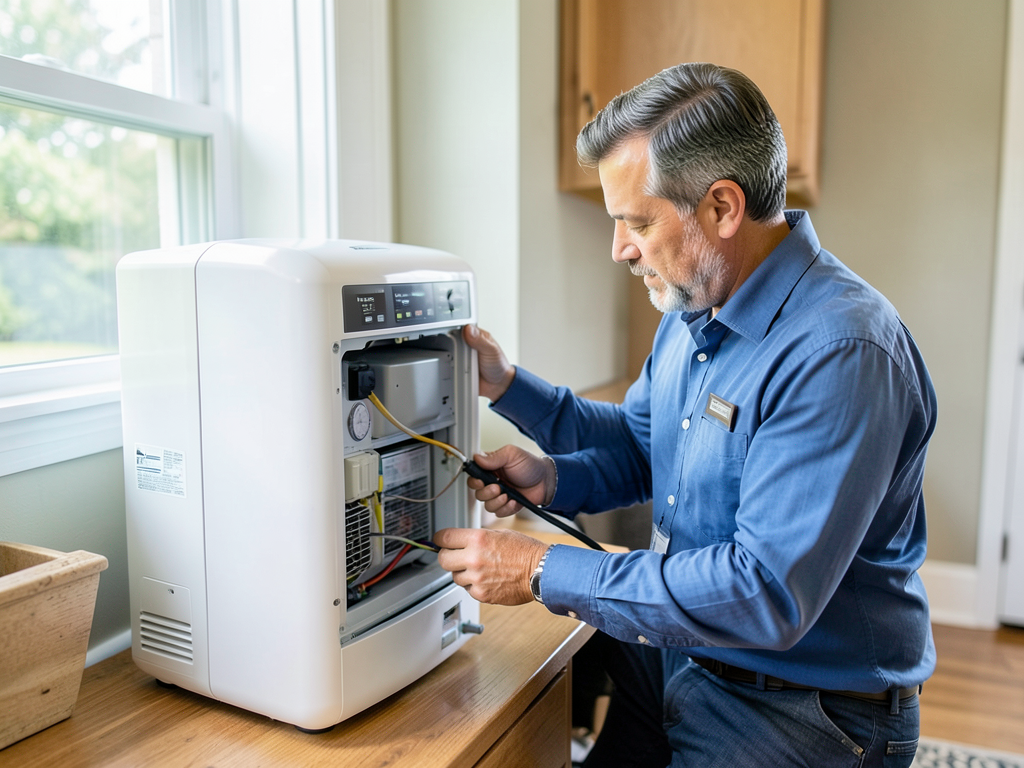
The Impact of High Mineral Content Water on Whole-Home Humidifiers in Waxahachie Living in Waxahachie means dealing with hard water that can cause problems for your whole-home humidifier. The high mineral content in North Texas…
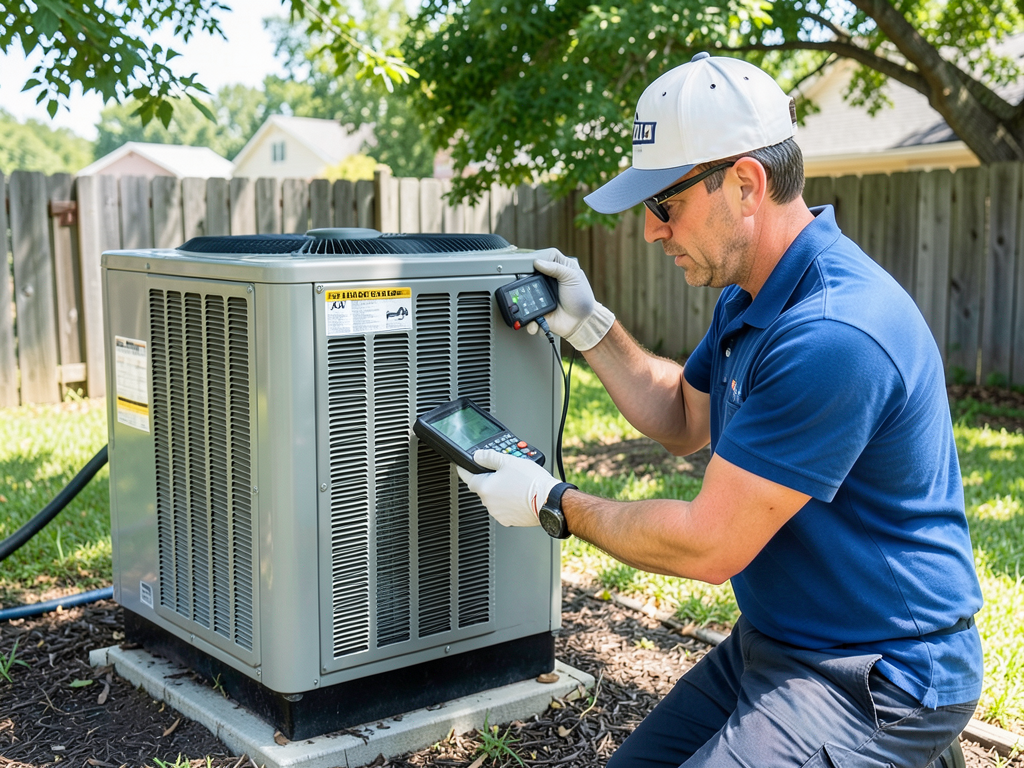
Why Your Outdoor AC Unit Sounds Like a Jet Engine (And How to Quiet It…
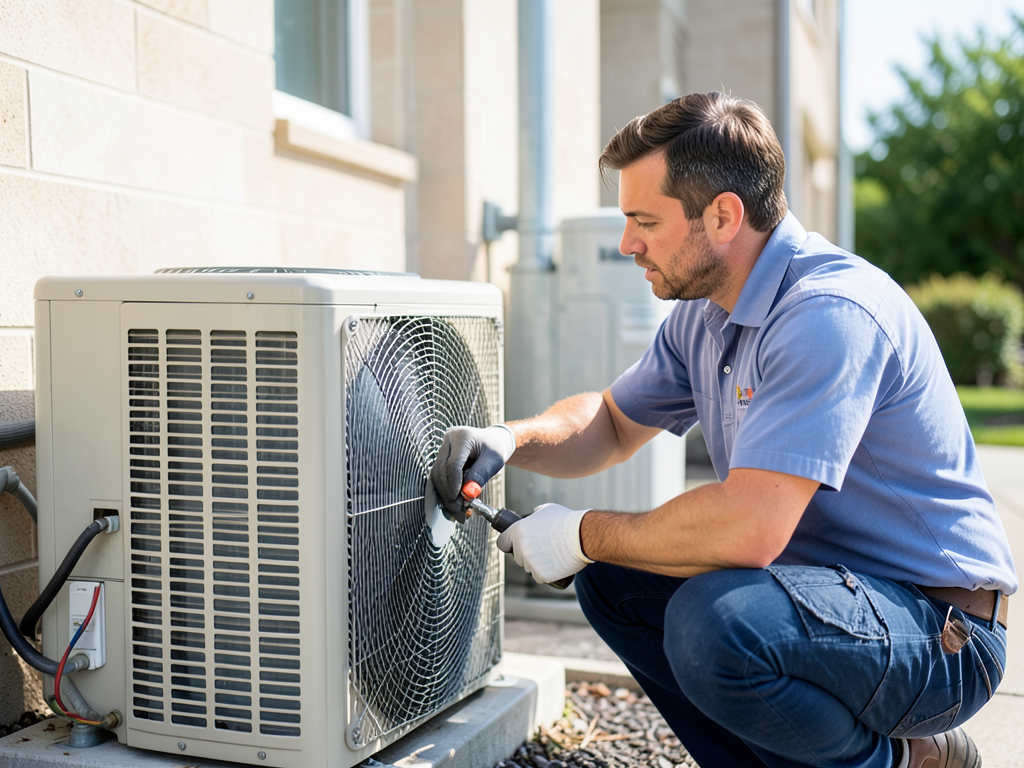
Dallas summers push air conditioners to their limits. When your AC stops working on a…
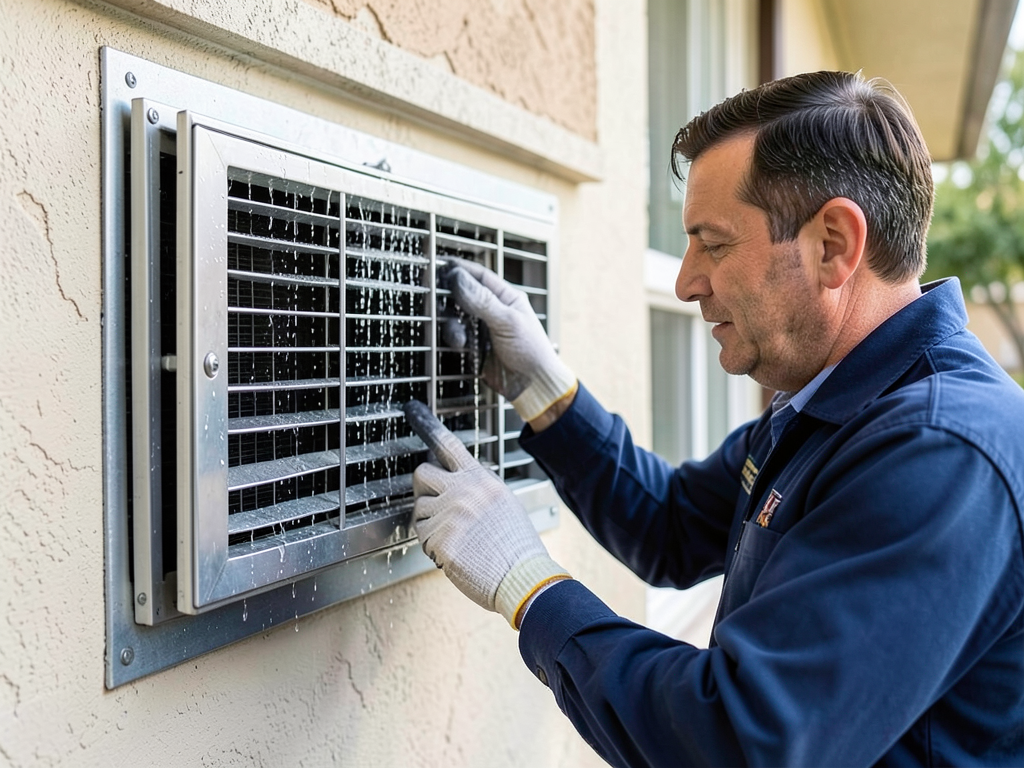
How to Keep Your AC Vents From Sweating and Dripping on Your Hardwood Floors When…
Your comfort matters. Call Cornerstone HVAC Dallas at (972) 850-2750 for same-day service on air conditioner and heater problems. We answer emergency calls 24 hours a day and provide honest repairs that last.