
How to Keep the Mother-In-Law Suite Comfortable Without Freezing Out the Rest of Your Desoto Home
When the Texas sun turns your Desoto backyard into an oven the last thing you want is a guest house that feels like a sauna. Yet cranking up the central AC to cool that extra space often leaves the main house freezing and your utility bill skyrocketing. The challenge is real: Dallas summers regularly push past 100°F with humidity that makes it feel even hotter. A mother-in-law suite needs its own climate control strategy that works independently without stealing comfort from the rest of your home. Texas Department of Licensing and Regulation.
Why Your Guest House Gets Too Hot in Dallas
Desoto’s climate creates unique cooling problems. The intense summer heat combined with high humidity means your guest house absorbs more thermal energy than homes in milder regions. If the structure sits in direct sunlight for most of the day its walls and roof become heat sinks. Poor insulation or single-pane windows common in older additions make the problem worse. When you try to cool it with your main HVAC system the thermostat in your primary living space never registers the extra heat load. That forces you to overcool the entire house just to make the guest space livable.
Understanding the Load: Size Matters More Than You Think
Before picking any cooling solution you need to know exactly how much heat your guest house generates. A 400-square-foot efficiency unit in Desoto might need 9 000 to 12 000 BTUs per hour during peak summer. A 600-square-foot one-bedroom suite could require 15 000 to 18 000 BTUs. These numbers assume average insulation. If your addition has vaulted ceilings large windows or minimal attic insulation those requirements jump significantly. Guessing leads to systems that are too small and run constantly or too large and short-cycle wasting energy.
Common Guest House Scenarios in Desoto
- Detached efficiency units behind ranch-style homes in Walnut Grove
- Attached in-law suites off Sunridge Estates’ mid-century floor plans
- Converted garages in the Devonshire Park area
Each scenario has different heat gain patterns. Detached units lose and gain heat faster than attached spaces. Converted garages often lack proper insulation making them the toughest to cool efficiently.
Top 3 HVAC Options for Dallas Guest Houses
Choosing the right system means balancing upfront cost installation complexity and long-term efficiency. Here are the three approaches that work best for Desoto’s climate. How Much a New AC Installation Actually Costs in Dallas This Year.
1. Ductless Mini-Split Systems
Mini-splits have become the gold standard for cooling detached guest spaces in North Texas. These systems have two main components: an outdoor condenser and one or more indoor air handlers connected by refrigerant lines. The indoor unit mounts on a wall or ceiling and cools only the space it serves. Indoor Air Quality Solutions.
The big advantage is zoning. You set the temperature for just the guest house without affecting your main home. Modern mini-splits achieve SEER2 ratings of 18 to 22 making them extremely efficient for Texas summers. They also provide heating in winter which matters during Desoto’s occasional cold snaps.
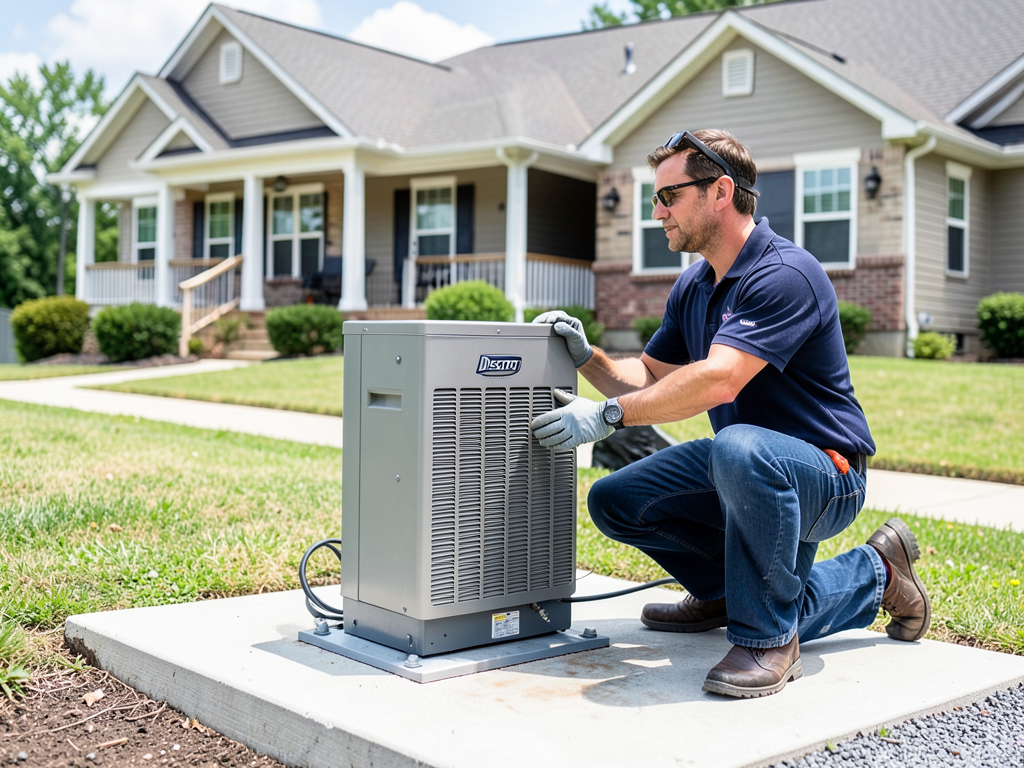
Installation is straightforward since no ductwork is needed. A three-inch hole through the wall handles the refrigerant and control lines. The outdoor unit can sit on a concrete pad just a few feet from the guest house. Noise levels stay low since the compressor sits outside.
2. Extending Your Existing HVAC System
Adding ductwork from your main system to the guest house works when the space is attached and close to existing ducts. A new supply and return duct run can bring conditioned air directly to the addition. This approach keeps everything on one system and thermostat.
The downsides show up quickly in Desoto’s climate. Extending ducts often means cutting into walls or ceilings which can be invasive and expensive. If the guest house has different insulation or window exposure than your main home the system struggles to balance temperatures. You also lose the ability to control the guest space independently which means freezing the main house to cool the addition.
Another issue: older homes in Desoto often have undersized ductwork. Adding another room’s worth of airflow can reduce efficiency throughout the house and strain your existing equipment.
3. High-Efficiency Heat Pumps
Modern heat pumps work extremely well in Dallas’s mild winters and hot summers. A dedicated heat pump for your guest house provides both cooling and heating without relying on your main system. Look for units with inverter technology that adjust compressor speed based on demand rather than cycling on and off.
The efficiency advantage comes from heat pumps moving heat rather than generating it. In cooling mode they work like air conditioners. In heating mode they extract heat from outside air even when temperatures drop into the 30s. For Desoto’s climate this means reliable comfort year-round with lower operating costs than electric resistance heating. Finding a Reliable Tech for Emergency AC Repair in Highland Park.
The trade-off is higher upfront cost compared to basic window units. However the energy savings and comfort level usually offset that within a few summers.
Why Dallas Humidity Matters for Your Addition
Temperature control is only half the battle in North Texas. Humidity levels often stay above 70% during summer months. That moisture in the air makes 85°F feel like 95°F and creates perfect conditions for mold growth in enclosed spaces.
Standard cooling systems remove some humidity but not enough for the muggy Dallas climate. Mini-splits with advanced filtration and longer run cycles handle moisture better than basic window units. Some high-end models include dedicated dehumidification modes that can run without cooling to dry out the space.
If your guest house will store sensitive items like documents electronics or musical instruments proper humidity control becomes critical. Excess moisture can warp wood damage paper and promote mildew growth in carpets and upholstery.
Understanding Texas Building Codes for Guest House Cooling
Installing HVAC in a guest house isn’t just about comfort. Texas Department of Licensing and Regulation (TDLR) requires licensed contractors to handle refrigerant work. Dallas building codes mandate proper permits for new HVAC installations especially for detached structures. Installing a Ductless Mini-Split in Your M Streets Bungalow or Garage Suite.
The City of Dallas Green Building Code Chapter 40 requires minimum energy efficiency standards for new installations. That means SEER2 ratings of at least 14 for cooling equipment in new construction. Older systems might not meet current requirements if you’re replacing equipment.
Electrical codes also come into play. Mini-split outdoor units need dedicated circuits with proper disconnects. If you’re adding significant electrical load to your service panel you might need an upgrade. Local inspectors check for proper condensate drainage which prevents water damage and mold growth. Who to Call for Same-Day AC Service in University Park and North Dallas.
Skipping permits might save money upfront but can cause problems when selling your home or making insurance claims. Licensed contractors handle permitting as part of the installation process.
Cost Comparison: Installation vs. Long-Term Efficiency
Upfront costs vary dramatically between cooling options. Window units cost $300 to $800 each but only cool small spaces effectively. They also create security concerns and look unprofessional in a guest suite.
Ductless mini-splits run $2 500 to $4 500 installed for a single zone covering 400 to 600 square feet. Multi-zone systems for larger spaces cost more but provide better efficiency and comfort.
Extending existing ductwork costs $3 000 to $8 000 depending on accessibility and distance. The price climbs quickly if walls need opening or if your existing system lacks capacity.
Heat pumps for dedicated guest houses range from $3 500 to $6 000 installed. The higher efficiency models cost more upfront but use 30% to 50% less electricity than basic systems.
Operating costs tell a different story. A basic window unit might cost $50 to $80 per month to run during Dallas summers. A high-efficiency mini-split could cost $30 to $50 monthly for the same cooling. Over five years the efficiency premium often pays for itself through lower utility bills.
Schedule a Professional Load Calculation in Dallas
The only way to know exactly what your guest house needs is a professional Manual J load calculation. This analysis considers square footage insulation windows orientation and local climate data to determine precise cooling requirements.
DIY sizing often leads to systems that are too small and run constantly or too large and short-cycle. Both scenarios waste energy and reduce comfort. A proper calculation ensures you install exactly the right capacity for your specific space.
Local HVAC contractors in Desoto understand the unique challenges of North Texas heat loads. They factor in the intense summer sun humidity levels and even the heat generated by typical guest house appliances and electronics.
Getting this right the first time saves money prevents comfort issues and ensures your system handles Dallas’s harshest weather without breaking down.
Smart Thermostat Integration for Guest Management
Modern smart thermostats add convenience and efficiency to guest house cooling. Wi-Fi enabled models let you monitor and adjust temperatures remotely through smartphone apps. This proves invaluable when guests arrive unexpectedly or when you want to prepare the space before someone checks in.
Some systems include occupancy sensors that adjust temperatures based on whether the space is occupied. Others learn usage patterns and optimize cooling schedules automatically. Integration with voice assistants like Alexa or Google Home adds hands-free control.
For rental properties smart thermostats provide energy usage reports and can send alerts if temperatures drift outside set ranges. This helps prevent frozen pipes in winter or excessive heat buildup in summer when the space sits empty.
The key is choosing a system that works with your chosen HVAC equipment. Not all mini-splits or heat pumps support every smart thermostat brand.
Maintenance Tips for Year-Round Guest House Comfort
Keeping your guest house HVAC system running efficiently requires regular maintenance. Clean or replace air filters every one to three months depending on usage and dust levels. Dirty filters reduce airflow and force systems to work harder.
Check the outdoor condenser unit monthly during cooling season. Remove leaves grass clippings and debris that block airflow. Ensure the unit sits level on its pad since settling soil in Desoto can cause vibration and inefficiency.
Inspect insulation on refrigerant lines annually. Damaged insulation causes energy loss and can lead to condensate problems. Check drain lines for clogs which can cause water damage and mold growth.
Schedule professional maintenance twice yearly. Spring checkups prepare systems for summer heat. Fall inspections ensure heating components work properly for winter use. Technicians can catch small problems before they become expensive repairs.
Consider a maintenance agreement with a local Desoto HVAC company. These programs often include priority service discounts and regular reminders for filter changes and system checks.
Making the Right Choice for Your Desoto Home
The best cooling solution depends on your specific situation. If your guest house is detached and you want true independence go with a ductless mini-split. The installation is clean the efficiency is excellent and you gain separate temperature control.
If the space is attached and close to existing ductwork extending your current system might work if you’re okay with shared control. Just understand you’ll likely sacrifice some efficiency and independent comfort.
For year-round use and maximum efficiency a dedicated high-efficiency heat pump provides the best long-term value. The higher upfront cost pays off through lower utility bills and better humidity control.
Whatever you choose factor in Desoto’s brutal summers and high humidity. Systems that work fine in milder climates often struggle here. Local expertise matters when choosing equipment that will keep your guest house comfortable without freezing out the rest of your home.
Ready to stop fighting with your guest house temperatures? Call CornerStone HVAC at (972) 850-2750 for a free consultation and professional load calculation. We’ll help you find the perfect cooling solution for your Desoto home that keeps everyone comfortable year-round.
Frequently Asked Questions
How much does it cost to cool a guest house in Dallas?
Costs vary by system type and size. Window units run $300 to $800 but cool limited areas poorly. Mini-splits cost $2 500 to $4 500 installed for efficient cooling of 400 to 600 square feet. Heat pumps range from $3 500 to $6 000 installed. Operating costs depend on efficiency with high-efficiency systems using 30% to 50% less electricity than basic units.
Can I use my existing HVAC system for a guest house addition?
Extending existing ductwork works for attached spaces near current ducts but has limitations. You lose independent temperature control and may struggle to balance temperatures if the guest house has different insulation or window exposure. Older homes often have undersized ductwork making additions problematic. The system might also run constantly trying to cool both spaces.
What size AC do I need for a 500-square-foot guest house?
A 500-square-foot guest house in Desoto typically needs 12 000 to 15 000 BTUs per hour during peak summer. This assumes average insulation and windows. Factors like vaulted ceilings large windows or minimal insulation increase requirements. The only accurate way to determine size is a professional Manual J load calculation that accounts for your specific conditions.
Are mini-splits worth the cost for guest houses?
Yes for most Desoto homeowners. Mini-splits provide independent temperature control excellent efficiency and simple installation without ductwork. They achieve SEER2 ratings of 18 to 22 reducing monthly utility costs by 30% to 50% compared to basic systems. The ability to cool only the guest house without affecting your main home’s temperature provides significant comfort and energy savings.
How do I handle humidity in a Dallas guest house?
Standard cooling removes some humidity but not enough for North Texas’s muggy climate. Choose systems with advanced filtration and longer run cycles. Some mini-splits include dedicated dehumidification modes. Proper insulation prevents condensation on cool surfaces. Regular maintenance of drain lines prevents water damage and mold growth. Consider standalone dehumidifiers for particularly humid spaces or sensitive contents. For more information, visit Energy.gov heat pump guide.
You may also find this helpful. Why a Bigger AC Unit Isn’t Always Better for Your Midlothian Home (The Problem With Oversizing).
You may also find this helpful. Dealing With Pockets of Trapped Hot Air in Your High-Ceiling Devonshire Living Room.
{
“@context”: “https://schema.org”,
“@type”: “BlogPosting”,
“headline”: “How to Keep the Mother-In-Law Suite Comfortable Without Freezing Out the Rest of Your Desoto Home”,
“description”: “Learn Dallas-specific HVAC solutions for cooling a guest house without disrupting your main home’s comfort. Expert tips on mini-splits, zoning, and local codes.”,
“wordCount”: 2343,
“datePublished”: “2026-05-06T10:00:00.000Z”,
“dateModified”: “2026-05-06T10:00:00.000Z”,
“inLanguage”: “en-US”,
“mainEntityOfPage”: {
“@type”: “WebPage”,
“@id”: “https://cornerstonehvacdallas.com”
},
“publisher”: {
“@type”: “LocalBusiness”,
“name”: “Cornerstone HVAC Dallas”,
“url”: “https://cornerstonehvacdallas.com”
},
“author”: {
“@type”: “Organization”,
“name”: “Cornerstone HVAC Dallas”,
“url”: “https://cornerstonehvacdallas.com”
},
“image”: {
“@type”: “ImageObject”,
“url”: “https://cornerstonehvacdallas.com/wp-content/uploads/2026/03/how-to-keep-the-mother-in-law-suite-comfortable-wi-1.png”
}
}
{
“@context”: “https://schema.org”,
“@type”: “HVACBusiness”,
“name”: “Cornerstone HVAC Dallas”,
“url”: “https://cornerstonehvacdallas.com”,
“address”: {
“@type”: “PostalAddress”,
“addressLocality”: “Dallas”
},
“areaServed”: {
“@type”: “City”,
“name”: “Dallas”
}
}
{
“@context”: “https://schema.org”,
“@type”: “FAQPage”,
“mainEntity”: [
{
“@type”: “Question”,
“name”: “How much does it cost to cool a guest house in Dallas?”,
“acceptedAnswer”: {
“@type”: “Answer”,
“text”: “Costs vary by system type and size. Window units run $300 to $800 but cool limited areas poorly. Mini-splits cost $2 500 to $4 500 installed for efficient cooling of 400 to 600 square feet. Heat pumps range from $3 500 to $6 000 installed. Operating costs depend on efficiency with high-efficiency systems using 30% to 50% less electricity than basic units.”
}
},
{
“@type”: “Question”,
“name”: “Can I use my existing HVAC system for a guest house addition?”,
“acceptedAnswer”: {
“@type”: “Answer”,
“text”: “Extending existing ductwork works for attached spaces near current ducts but has limitations. You lose independent temperature control and may struggle to balance temperatures if the guest house has different insulation or window exposure. Older homes often have undersized ductwork making additions problematic. The system might also run constantly trying to cool both spaces.”
}
},
{
“@type”: “Question”,
“name”: “What size AC do I need for a 500-square-foot guest house?”,
“acceptedAnswer”: {
“@type”: “Answer”,
“text”: “A 500-square-foot guest house in Desoto typically needs 12 000 to 15 000 BTUs per hour during peak summer. This assumes average insulation and windows. Factors like vaulted ceilings large windows or minimal insulation increase requirements. The only accurate way to determine size is a professional Manual J load calculation that accounts for your specific conditions.”
}
},
{
“@type”: “Question”,
“name”: “Are mini-splits worth the cost for guest houses?”,
“acceptedAnswer”: {
“@type”: “Answer”,
“text”: “Yes for most Desoto homeowners. Mini-splits provide independent temperature control excellent efficiency and simple installation without ductwork. They achieve SEER2 ratings of 18 to 22 reducing monthly utility costs by 30% to 50% compared to basic systems. The ability to cool only the guest house without affecting your main home’s temperature provides significant comfort and energy savings.”
}
},
{
“@type”: “Question”,
“name”: “How do I handle humidity in a Dallas guest house?”,
“acceptedAnswer”: {
“@type”: “Answer”,
“text”: “Standard cooling removes some humidity but not enough for North Texas’s muggy climate. Choose systems with advanced filtration and longer run cycles. Some mini-splits include dedicated dehumidification modes. Proper insulation prevents condensation on cool surfaces. Regular maintenance of drain lines prevents water damage and mold growth. Consider standalone dehumidifiers for particularly humid spaces or sensitive contents. For more information, visit Energy.gov heat pump guide.”
}
}
]
}
{
“@context”: “https://schema.org”,
“@type”: “BreadcrumbList”,
“itemListElement”: [
{
“@type”: “ListItem”,
“position”: 1,
“name”: “Home”,
“item”: “https://cornerstonehvacdallas.com”
},
{
“@type”: “ListItem”,
“position”: 2,
“name”: “Blog”,
“item”: “https://cornerstonehvacdallas.com/blog”
},
{
“@type”: “ListItem”,
“position”: 3,
“name”: “How to Keep the Mother-In-Law Suite Comfortable Without Freezing Out the Rest of Your Desoto Home”
}
]
}
{
“@context”: “https://schema.org”,
“@type”: “Service”,
“serviceType”: “HVAC”,
“provider”: {
“@type”: “LocalBusiness”,
“name”: “Cornerstone HVAC Dallas”,
“url”: “https://cornerstonehvacdallas.com”
},
“areaServed”: {
“@type”: “City”,
“name”: “Dallas”
},
“description”: “Learn Dallas-specific HVAC solutions for cooling a guest house without disrupting your main home’s comfort. Expert tips on mini-splits, zoning, and local codes.”
}