
Is Your AC Short Cycling? (How to Tell if Your System is Dying or Just Needs a Reset)
Your air conditioner kicks on and then shuts off in just a few minutes. Then it repeats the cycle over and over again. This frustrating pattern is called short cycling and it can signal anything from a simple fix to a system on the verge of failure.
In Dallas where summer temperatures regularly exceed 100 degrees short cycling becomes more than an annoyance. It can drive up your electric bill strain your compressor and leave you without cooling when you need it most. Understanding what causes it and how to respond can save you money and prevent a complete breakdown.. Read more about How to Landscape Around Your AC Unit Without Killing the Airflow in Your Forest Hills Backyard.
What Short Cycling Looks Like in a Dallas Home
A properly functioning air conditioner runs for about 15 to 20 minutes before shutting off. If your system runs for less than 10 minutes at a time it is short cycling. You might notice:
- The outdoor unit clicking on and off rapidly
- Rooms feeling warm even though the system is running
- Higher than normal electric bills
- Condensate dripping from the air handler
In neighborhoods like University Park or Highland Park where many homes have older ductwork short cycling often pairs with uneven cooling upstairs. In newer builds in Frisco or Rowlett it can point to an oversized system struggling to dehumidify properly. Solving Uneven Temperatures in Two-Story Frisco Homes With Smart Zoning.
Common Causes of Short Cycling in North Texas
Short cycling happens when the system cannot complete a full cooling cycle. Several issues can trigger it:
Clogged Air Filter
A dirty filter restricts airflow. The evaporator coil can freeze and the system shuts down early to protect itself. This is the most common DIY fix. Replace your filter every one to three months especially during pollen season.
Refrigerant Leak
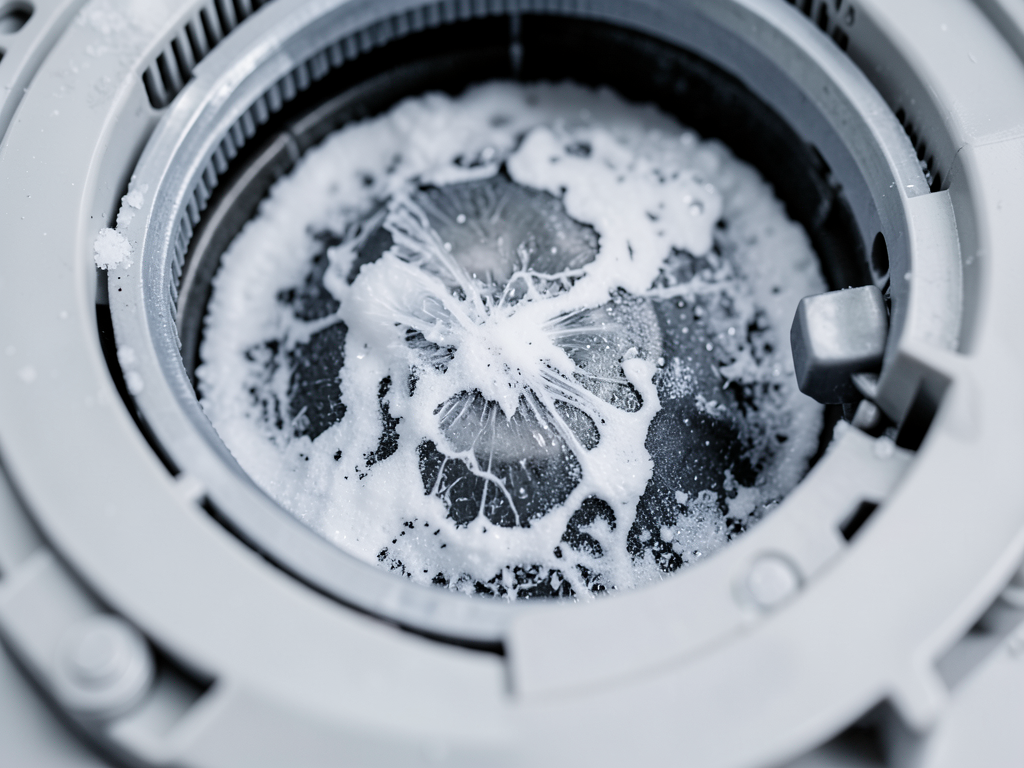
Low refrigerant pressure causes the evaporator coil to ice over. The system senses the problem and shuts off before reaching the set temperature. EPA regulations require certified technicians to handle refrigerant. A leak left unrepaired can destroy the compressor. EPA Section 608 refrigerant regulations.
Oversized AC Unit
Many builders install units that are too large for the space. The system cools the air so quickly it never runs long enough to remove humidity. This creates a cold but clammy indoor environment. It also causes the compressor to wear out faster from constant starts and stops. Indoor Air Quality Solutions.
Faulty Thermostat or Poor Placement
If the thermostat is near a supply vent or in direct sunlight it can misread the room temperature. This causes the system to shut off too soon. Smart thermostats can sometimes misread if placed near electronics or in a drafty hallway.
Electrical Component Failure
A failing run capacitor or contactor can cause the compressor to struggle during startup. In Dallas heat this is a common failure point. The system may try to start but shut off within seconds.. Read more about How to Tell if Your AC Capacitor is Blown in Your Sachse Home.
Clogged Condensate Drain
When the drain line backs up the system senses a water overflow and shuts down as a safety measure. This often happens after heavy spring rains or when algae builds up in the drain.
Why Dallas Heat and Humidity Make Short Cycling Worse
Dallas summers push air conditioners to their limits. When outdoor temperatures climb above 100 degrees the system must work harder to cool and dehumidify. High humidity means the evaporator coil must remove more moisture. If the system short cycles it never completes the dehumidification process. This leaves the air feeling heavy and can even lead to condensation on vents and ductwork.. Read more about Why Your Outdoor AC Unit Sounds Like a Jet Engine (And How to Quiet It Down).
In neighborhoods with mature trees like the M Streets or Lakewood shade helps but also means more debris in the outdoor unit. In more open areas like Mesquite or Rockwall direct sun exposure can raise the temperature of the condenser coil making the system work harder.
North Texas soil also plays a role. Expansive clay can shift HVAC pads causing the outdoor unit to sit unevenly. This reduces efficiency and can cause vibration that damages internal components over time. Texas Department of Licensing and Regulation.
DIY Troubleshooting Steps Before Calling a Pro
Before assuming the worst try these safe checks. Always turn off power at the breaker before inspecting any component.
- Check the air filter. If it looks gray or clogged replace it.
- Inspect the thermostat. Make sure it is set to cool and the batteries are fresh.
- Clear debris from the outdoor unit. Leaves grass and cottonwood fuzz can block airflow.
- Look for ice on the refrigerant lines or evaporator coil. If you see frost turn the system off and let it thaw for a few hours.
- Check the condensate drain pan. If it is full of water the drain may be clogged.
If the system still short cycles after these steps it is time to call a licensed technician. Continuing to run a malfunctioning system can cause permanent damage.
What a Professional Technician Will Check
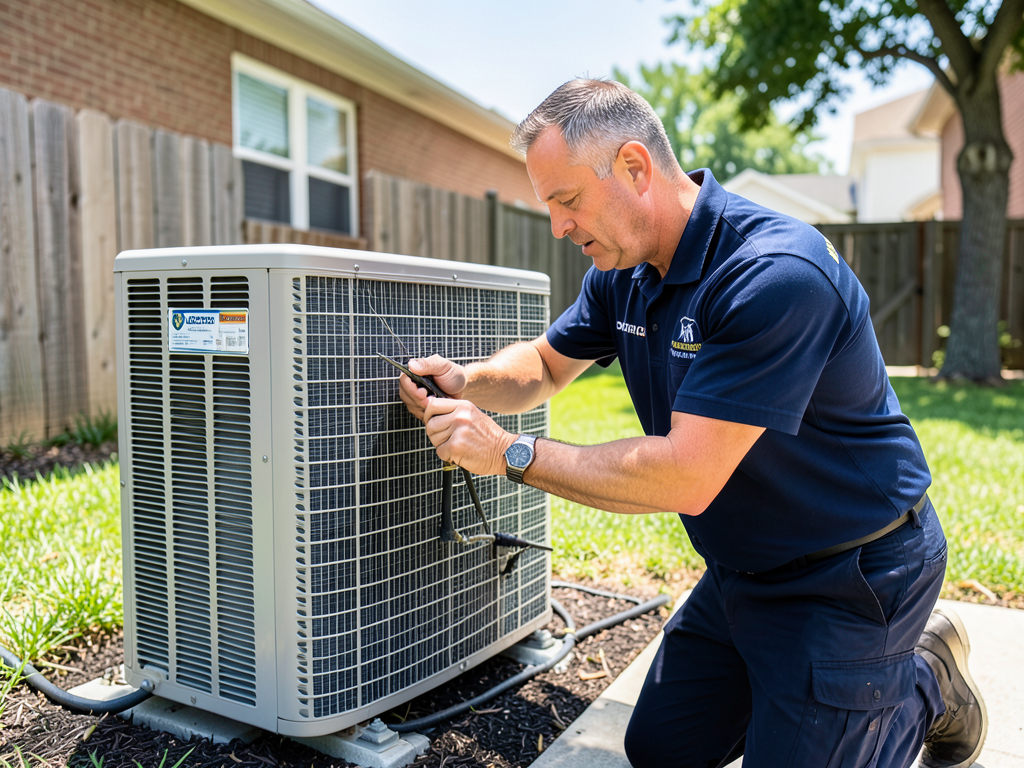
A trained HVAC technician will use specialized tools to diagnose the problem. The process typically includes:
- Measuring refrigerant pressures to detect leaks or undercharge
- Testing capacitors and contactors for electrical failure
- Inspecting the evaporator and condenser coils for dirt or ice
- Checking the condensate drain for blockages
- Verifying thermostat calibration and placement
- Evaluating ductwork for leaks or restrictions
In Dallas many technicians also check for proper insulation on refrigerant lines. Poor insulation can cause the system to short cycle in extreme heat.
Repair Costs in the Dallas Market
Repair prices vary based on the problem. Here are typical ranges for common fixes:
| Repair Type | Typical Price Range |
|---|---|
| Capacitor replacement | $150 – $350 |
| Contactor replacement | $200 – $400 |
| Refrigerant recharge (R-410A) | $400 – $1,200 |
| Thermostat replacement | $150 – $500 |
| Coil cleaning | $100 – $300 |
| Full system replacement | $4,500 – $12,000 |
These are averages for the Dallas-Fort Worth area. Prices can be higher for high-efficiency systems or if the equipment is in a difficult to access attic.
Preventing Short Cycling in Your Dallas Home
Preventive maintenance is the best way to avoid short cycling. Schedule a professional tune-up twice a year. In spring before the heat hits and in fall after the cooling season ends.
Other steps to reduce risk:
- Replace air filters on schedule
- Keep the area around the outdoor unit clear
- Install a programmable thermostat to avoid constant cycling
- Seal and insulate ductwork to improve efficiency
- Consider a whole house dehumidifier if humidity is a constant issue
For homes in older Dallas neighborhoods like Lakewood or the M Streets where ductwork may be original upgrading to a ductless mini split can eliminate many short cycling problems while improving comfort. Installing a Ductless Mini-Split in Your M Streets Bungalow or Garage Suite.
When Short Cycling Signals a Bigger Problem
Sometimes short cycling is the first sign of a failing compressor. If the system is over 10 years old and repairs are becoming frequent replacement may be more cost effective. Modern high-efficiency units can cut cooling costs by 30 percent or more.. Read more about Why Frequent Summer Brownouts in Denton are Damaging Your AC Unit.
In some cases short cycling points to an incorrectly sized system. If your home was expanded or renovated without updating the HVAC load calculation the unit may never be able to keep up. A Manual J load calculation can confirm whether your system matches your home’s needs.
Frequently Asked Questions
Is short cycling dangerous for my AC?
Yes. Short cycling puts extra stress on the compressor and electrical components. If left unchecked it can lead to complete system failure especially during a Dallas heat wave.
Can I keep running my AC if it is short cycling?
It is best to turn it off and call a technician. Running a malfunctioning system can cause expensive damage and leave you without cooling during extreme heat.. Read more about Protecting Your Expensive AC Unit From Rowlett Power Surges and Storms.
How long should my AC run on a hot day?
A healthy system runs for 15 to 20 minutes per cycle. In extreme heat it may run longer but should not turn on and off every few minutes.
Will a bigger AC stop short cycling?
Not necessarily. An oversized unit can actually cause short cycling because it cools too quickly. Proper sizing is key to efficiency and comfort. How Much a New AC Installation Actually Costs in Dallas This Year.
How much does it cost to fix short cycling?
Costs range from $100 for a filter change to over $1,000 for refrigerant work. A technician can give you an accurate estimate after diagnosing the problem.
Take Action Before the Heat Takes Your AC
Short cycling is your system’s way of telling you something is wrong. In Dallas where summer heat can be relentless ignoring the warning can leave you without cooling at the worst possible time.
If your AC is turning on and off every few minutes do not wait. Call a licensed HVAC technician to diagnose the problem. A quick repair now can save you from a costly replacement later and keep your home comfortable all summer long.
CornerStone HVAC has served Dallas homeowners for years. Our technicians understand the unique challenges of North Texas heat and humidity. Call us at (972) 850-2750 for fast reliable service and honest advice. Who to Call for Same-Day AC Service in University Park and North Dallas.
Do not let short cycling ruin your summer. Get your system checked today.
You may also find this helpful. Understanding the Difference Between an AC Emergency and a Next-Day Repair.
{
“@context”: “https://schema.org”,
“@type”: “BlogPosting”,
“headline”: “Is Your AC Short Cycling? (How to Tell if Your System is Dying or Just Needs a Reset)”,
“description”: “Is your AC turning on and off every few minutes? Learn how Dallas heat and humidity cause short cycling and what it means for your system’s health.”,
“wordCount”: 1550,
“datePublished”: “2026-06-12T09:44:00.000Z”,
“dateModified”: “2026-06-12T09:44:00.000Z”,
“inLanguage”: “en-US”,
“mainEntityOfPage”: {
“@type”: “WebPage”,
“@id”: “https://cornerstonehvacdallas.com”
},
“publisher”: {
“@type”: “LocalBusiness”,
“name”: “Cornerstone HVAC Dallas”,
“url”: “https://cornerstonehvacdallas.com”
},
“author”: {
“@type”: “Organization”,
“name”: “Cornerstone HVAC Dallas”,
“url”: “https://cornerstonehvacdallas.com”
},
“image”: {
“@type”: “ImageObject”,
“url”: “https://cornerstonehvacdallas.com/wp-content/uploads/2026/03/is-your-ac-short-cycling-how-to-tell-if-your-syste-1.png”
}
}
{
“@context”: “https://schema.org”,
“@type”: “HVACBusiness”,
“name”: “Cornerstone HVAC Dallas”,
“url”: “https://cornerstonehvacdallas.com”,
“address”: {
“@type”: “PostalAddress”,
“addressLocality”: “Dallas”
},
“areaServed”: {
“@type”: “City”,
“name”: “Dallas”
}
}
{
“@context”: “https://schema.org”,
“@type”: “FAQPage”,
“mainEntity”: [
{
“@type”: “Question”,
“name”: “Is short cycling dangerous for my AC?”,
“acceptedAnswer”: {
“@type”: “Answer”,
“text”: “Yes. Short cycling puts extra stress on the compressor and electrical components. If left unchecked it can lead to complete system failure especially during a Dallas heat wave.”
}
},
{
“@type”: “Question”,
“name”: “Can I keep running my AC if it is short cycling?”,
“acceptedAnswer”: {
“@type”: “Answer”,
“text”: “It is best to turn it off and call a technician. Running a malfunctioning system can cause expensive damage and leave you without cooling during extreme heat.”
}
},
{
“@type”: “Question”,
“name”: “How long should my AC run on a hot day?”,
“acceptedAnswer”: {
“@type”: “Answer”,
“text”: “A healthy system runs for 15 to 20 minutes per cycle. In extreme heat it may run longer but should not turn on and off every few minutes.”
}
},
{
“@type”: “Question”,
“name”: “Will a bigger AC stop short cycling?”,
“acceptedAnswer”: {
“@type”: “Answer”,
“text”: “Not necessarily. An oversized unit can actually cause short cycling because it cools too quickly. Proper sizing is key to efficiency and comfort. How Much a New AC Installation Actually Costs in Dallas This Year.”
}
},
{
“@type”: “Question”,
“name”: “How much does it cost to fix short cycling?”,
“acceptedAnswer”: {
“@type”: “Answer”,
“text”: “Costs range from $100 for a filter change to over $1,000 for refrigerant work. A technician can give you an accurate estimate after diagnosing the problem.”
}
}
]
}
{
“@context”: “https://schema.org”,
“@type”: “BreadcrumbList”,
“itemListElement”: [
{
“@type”: “ListItem”,
“position”: 1,
“name”: “Home”,
“item”: “https://cornerstonehvacdallas.com”
},
{
“@type”: “ListItem”,
“position”: 2,
“name”: “Blog”,
“item”: “https://cornerstonehvacdallas.com/blog”
},
{
“@type”: “ListItem”,
“position”: 3,
“name”: “Is Your AC Short Cycling? (How to Tell if Your System is Dying or Just Needs a Reset)”
}
]
}
{
“@context”: “https://schema.org”,
“@type”: “Service”,
“serviceType”: “HVAC”,
“provider”: {
“@type”: “LocalBusiness”,
“name”: “Cornerstone HVAC Dallas”,
“url”: “https://cornerstonehvacdallas.com”
},
“areaServed”: {
“@type”: “City”,
“name”: “Dallas”
},
“description”: “Is your AC turning on and off every few minutes? Learn how Dallas heat and humidity cause short cycling and what it means for your system’s health.”
}