
Why Frequent Summer Brownouts in Denton are Damaging Your AC Unit
Denton’s summer brownouts are more than just an inconvenience. They are actively destroying your air conditioning system. Every time the power flickers or dips during those scorching 100°F+ Texas afternoons, your AC compressor takes a hit that could cost you thousands in repairs. UL surge protective devices.
The problem starts with how modern AC units work. Your compressor is the heart of your system. It pumps refrigerant through coils to cool your home. When voltage drops suddenly during a brownout, the compressor struggles to start. This causes electrical stress that damages internal components. The damage builds up over time until one day your system just stops working.
Denton residents face unique challenges. The city sits in North Texas where summer heat drives electricity demand to record levels. Oncor’s power grid struggles to keep up. Add in severe thunderstorms that knock out power and you have the perfect storm for AC damage.
How Brownouts Destroy Your AC Compressor
A brownout is when voltage drops below normal levels. Your lights dim. Your electronics struggle. Your AC tries to keep running. But it cannot operate properly on reduced power.
When voltage drops, your AC’s motor draws more current to compensate. This creates heat. The heat damages insulation on motor windings. It also stresses capacitors that help the motor start. Over time, this damage accumulates until the compressor fails completely.
The real danger comes from the on-off cycles. When power returns after a brownout, your AC tries to restart immediately. If voltage is still unstable, the compressor may not start properly. This creates a hard start condition that can destroy a motor in seconds.
Voltage Spikes Are Just as Dangerous
Voltage spikes often follow brownouts. When power returns, it can come back with a surge. These spikes send a jolt of electricity through your system. Modern AC units have sensitive electronics that cannot handle these surges. surge protectors.
Control boards, capacitors, and the compressor itself can all fail from a single large spike. Even smaller repeated spikes cause cumulative damage. The result is the same: an expensive repair bill or complete system replacement.
Denton’s Power Grid Problems
Denton’s electrical infrastructure faces several challenges. The city is growing fast. New homes and businesses increase electricity demand. During summer peaks, demand can exceed supply. This forces Oncor to implement rolling brownouts to prevent total blackouts.
Severe weather compounds the problem. North Texas experiences frequent thunderstorms during summer. Lightning strikes can damage power lines. High winds knock down trees onto electrical equipment. Each storm creates more opportunities for power fluctuations.
The aging infrastructure in some Denton neighborhoods cannot handle modern electrical loads. Older homes with outdated wiring are especially vulnerable to power quality issues. Indoor Air Quality Solutions.
Real Cost of AC Damage from Brownouts
Replacing an AC compressor in Denton costs between $2,500 and $4,000. That is just for the part and basic labor. If your system is older than 10 years, replacement might be the better option. A new AC system costs $5,000 to $12,000 depending on size and efficiency.
But the costs go beyond just repairs. When your AC fails during a summer heatwave, you face uncomfortable living conditions. You might need emergency hotel stays. Food in your refrigerator spoils. The total cost of a system failure can easily exceed $5,000.
Business owners face even higher costs. Commercial refrigeration, computer systems, and production equipment all depend on stable power. A single brownout can halt operations for days.
Whole-Home Surge Protection Options
Protecting your AC requires more than just plugging it into a surge protector. You need comprehensive protection that covers your entire electrical system.
Whole-home surge protectors install at your main electrical panel. They protect everything in your home from external surges. These devices can absorb spikes up to 20,000 volts. They sacrifice themselves to protect your equipment.
Look for units with at least 1,000 joules of protection. Higher ratings provide better protection. The best units have indicator lights that show when protection is active.
AC-Specific Surge Protection
Standard whole-home protectors may not provide enough protection for your AC. The compressor is the most expensive component in your system. It needs dedicated protection.
AC surge protectors mount directly to your outdoor unit. They respond faster to voltage changes. They also provide higher joule ratings specific to HVAC needs. These devices protect both the compressor and the control board.
Many modern AC units have inverter technology. These systems are more efficient but also more sensitive to power fluctuations. They need specialized protection to maintain warranty coverage.
Hard Start Kits as Backup Protection
Hard start kits help your AC compressor start under difficult conditions. They provide extra torque during startup. This is especially important during brownouts when voltage is low.
These kits include a capacitor and relay. The capacitor stores energy. The relay engages it during startup. This gives your compressor the boost it needs to start even when power is unstable.
Hard start kits cost $200 to $400 installed. They can extend the life of your compressor by several years. Many HVAC technicians recommend them for older systems or homes with frequent power issues.
Installation Process for Surge Protection
Installing surge protection requires a licensed electrician. The process starts with evaluating your electrical panel. The electrician checks for available space and adequate grounding. Installing a Ductless Mini-Split in Your M Streets Bungalow or Garage Suite.
Whole-home protectors mount inside or outside your panel. Installation takes about one hour. The electrician connects the device to your main bus bars. They also install indicator lights for monitoring. How Much a New AC Installation Actually Costs in Dallas This Year.
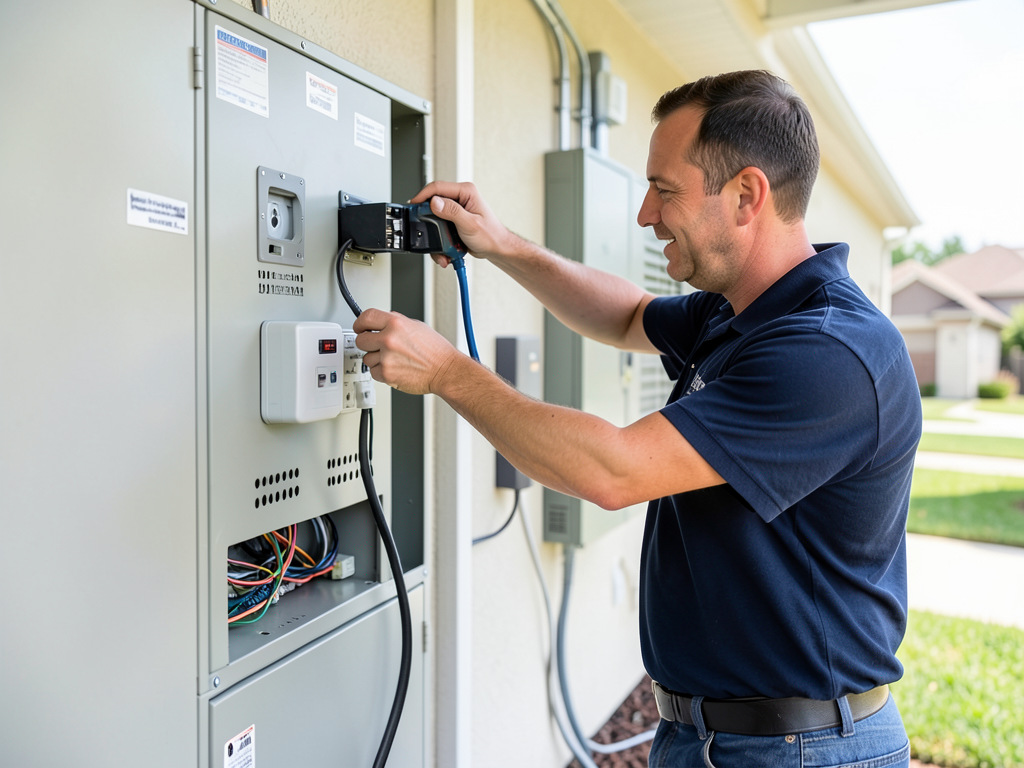
AC-specific protectors mount near your outdoor condenser unit. The technician runs wiring from your electrical disconnect. Installation takes about 30 minutes. The device mounts to the unit’s frame for protection from the elements.
Maintenance and Monitoring
Surge protectors are sacrificial devices. They absorb damage to protect your equipment. Over time, they wear out and need replacement.
Most whole-home protectors last 5 to 7 years. AC-specific units may need replacement every 3 to 5 years. The indicator lights show when protection is no longer active.
Annual HVAC maintenance should include checking your surge protection. The technician tests the devices and replaces them if needed. This simple step can prevent expensive repairs.
Insurance and Warranty Considerations
Many homeowner insurance policies cover damage from power surges. However, they may not cover cumulative damage from repeated small surges. Check your policy details carefully.
Modern AC manufacturers often require surge protection to maintain warranties. Some high-efficiency units specifically list surge protection as a warranty requirement. Without it, you might void your coverage.
Document your surge protection installation. Keep receipts and warranty information. This can help with insurance claims if damage occurs.
Cost Comparison: Protection vs. Repair
Investing in surge protection costs $300 to $800 for basic whole-home coverage. Adding AC-specific protection brings the total to $500 to $1,200.
Compare this to repair costs. A single compressor replacement costs $2,500 to $4,000. If you protect your system for 10 years, you might prevent one major repair. That alone pays for the protection.
The peace of mind is worth even more. Knowing your system is protected during every storm and brownout eliminates stress during Texas summers.
Choosing the Right Protection Level
Your protection needs depend on several factors. Consider your AC’s age and value. Newer high-efficiency units need more protection than older basic models.
Think about your power quality. If you experience frequent brownouts or live in an area with severe weather, invest in higher protection levels.
Budget also matters. Start with whole-home protection if funds are limited. Add AC-specific protection later when possible.
Emergency Response During Power Issues
When a brownout occurs, turn off your AC at the thermostat. This prevents damage from hard start attempts. Wait 30 minutes after power returns before turning it back on.
If you hear clicking or humming from your outdoor unit, turn it off immediately. These sounds indicate a hard start failure. Continuing to run the system will cause damage.
Keep emergency contact numbers handy. A failed AC during a heatwave needs immediate attention. Quick response can prevent further damage.
Future-Proofing Your Protection
Technology is changing how we protect HVAC systems. Smart surge protectors can now communicate with your thermostat. They automatically shut down your system during dangerous power conditions.
Some new systems include built-in surge protection. However, these protections may not be sufficient for severe conditions. External protection still provides the best defense.
As more homes add solar panels and battery storage, surge protection becomes even more critical. These systems create new electrical pathways that need protection.
Local Building Code Requirements
Denton and surrounding areas are updating building codes to address power quality issues. New construction often requires whole-home surge protection. Some jurisdictions mandate it for all new HVAC installations.
Check with your local building department before starting any major electrical work. They can tell you about current requirements and permit needs.
Working with a licensed contractor ensures your installation meets all local codes. This protects you from potential liability issues.
Environmental Factors in North Texas
Denton’s location in North Texas creates specific challenges. The region experiences more lightning strikes than many other areas. The flat terrain allows storms to build intensity before hitting populated areas.
Summer heat creates additional stress on electrical systems. Air conditioners run constantly during heatwaves. This increases the chance of power quality issues.
Spring thunderstorms bring both lightning and high winds. These storms often cause widespread power outages that lead to damaging power surges when electricity returns.
Commercial Applications
Businesses in Denton face even greater risks from power issues. Commercial refrigeration, computer systems, and production equipment all depend on stable power.
Restaurants cannot afford refrigeration failures. Data centers need constant uptime. Manufacturing plants lose thousands of dollars per hour when production stops.
Commercial surge protection often includes battery backup systems. These provide ride-through power during brief outages. They also ensure clean power for sensitive equipment.
DIY vs. Professional Installation
Surge protection installation involves working with high-voltage electricity. This makes it dangerous for untrained individuals. Professional installation ensures safety and proper function.
Licensed electricians understand local codes and requirements. They can identify potential issues with your electrical system. They also provide warranties on their work.
The cost of professional installation is minimal compared to the risks of DIY work. One mistake could cause a fire or personal injury.
Monitoring and Maintenance Schedule
Create a regular schedule for checking your surge protection. Test indicator lights monthly. Listen for unusual sounds from your AC during startup.
Schedule professional maintenance annually. The technician can test your protection and replace worn components. They can also identify developing issues before they cause failures.
Keep a log of all maintenance and replacements. This helps track the life of your protection and plan for future upgrades.
Peace of Mind During Storm Season
Knowing your AC is protected provides peace of mind during North Texas storm season. You can relax during thunderstorms instead of worrying about power surges.
This protection also extends to other valuable electronics in your home. Your computer, television, and appliances all benefit from whole-home surge protection.
The small investment in protection pays dividends every day through reliable operation and prevented damage. Finding a Reliable Tech for Emergency AC Repair in Highland Park.
Taking Action Today
Don’t wait for a brownout to destroy your AC compressor. The damage happens gradually over time. Each power fluctuation adds to the cumulative stress on your system.
Schedule a professional assessment of your surge protection needs. A qualified technician can recommend the right solution for your home and budget.
Protect your investment in your HVAC system. The cost of prevention is always less than the cost of repair or replacement.
Frequently Asked Questions
How do I know if my AC has been damaged by brownouts?
Common signs include your AC struggling to start, unusual clicking sounds during startup, or the system tripping breakers frequently. If your AC seems less efficient or runs longer than normal, power quality issues might be the cause.
Can I install surge protection myself?
Whole-home surge protectors require working inside your electrical panel with live voltage. This is extremely dangerous without proper training and tools. AC-specific protectors also require electrical knowledge to install safely. Professional installation is strongly recommended.
How long does surge protection last?
Most surge protectors last 3 to 7 years depending on the type and how many surges they absorb. The indicator lights will show when protection is no longer active. Annual maintenance checks can identify when replacement is needed.
Will surge protection affect my AC warranty?
Many modern AC manufacturers require surge protection to maintain warranty coverage. Some high-efficiency units specifically list it as a warranty requirement. Check your owner’s manual or contact the manufacturer for specific requirements.
What’s the difference between a power strip and whole-home surge protection?
Power strips provide minimal protection for individual devices. Whole-home protectors mount at your electrical panel and protect your entire house from external surges. They offer much higher joule ratings and faster response times.
Should I turn off my AC during a brownout?
Yes, turning off your AC at the thermostat during a brownout prevents damage from hard start attempts. Wait at least 30 minutes after power returns before turning it back on to ensure voltage has stabilized.
How much does professional surge protection installation cost?
Basic whole-home protection costs $300 to $800 installed. Adding AC-specific protection brings the total to $500 to $1,200. Commercial systems cost more depending on the level of protection needed.
{
“@context”: “https://schema.org”,
“@type”: “BlogPosting”,
“headline”: “Why Frequent Summer Brownouts in Denton are Damaging Your AC Unit”,
“description”: “Frequent summer brownouts in Denton are silently destroying your AC compressor. Learn how to protect your system from voltage spikes and Dallas power grid instability.”,
“wordCount”: 2266,
“datePublished”: “2026-05-14T10:38:00.000Z”,
“dateModified”: “2026-05-14T10:38:00.000Z”,
“inLanguage”: “en-US”,
“mainEntityOfPage”: {
“@type”: “WebPage”,
“@id”: “https://cornerstonehvacdallas.com”
},
“publisher”: {
“@type”: “LocalBusiness”,
“name”: “Cornerstone HVAC Dallas”,
“url”: “https://cornerstonehvacdallas.com”
},
“author”: {
“@type”: “Organization”,
“name”: “Cornerstone HVAC Dallas”,
“url”: “https://cornerstonehvacdallas.com”
},
“image”: {
“@type”: “ImageObject”,
“url”: “https://cornerstonehvacdallas.com/wp-content/uploads/2026/03/why-frequent-summer-brownouts-in-denton-are-damagi-1.png”
}
}
{
“@context”: “https://schema.org”,
“@type”: “HVACBusiness”,
“name”: “Cornerstone HVAC Dallas”,
“url”: “https://cornerstonehvacdallas.com”,
“address”: {
“@type”: “PostalAddress”,
“addressLocality”: “Dallas”
},
“areaServed”: {
“@type”: “City”,
“name”: “Dallas”
}
}
{
“@context”: “https://schema.org”,
“@type”: “FAQPage”,
“mainEntity”: [
{
“@type”: “Question”,
“name”: “How do I know if my AC has been damaged by brownouts?”,
“acceptedAnswer”: {
“@type”: “Answer”,
“text”: “Common signs include your AC struggling to start, unusual clicking sounds during startup, or the system tripping breakers frequently. If your AC seems less efficient or runs longer than normal, power quality issues might be the cause.”
}
},
{
“@type”: “Question”,
“name”: “Can I install surge protection myself?”,
“acceptedAnswer”: {
“@type”: “Answer”,
“text”: “Whole-home surge protectors require working inside your electrical panel with live voltage. This is extremely dangerous without proper training and tools. AC-specific protectors also require electrical knowledge to install safely. Professional installation is strongly recommended.”
}
},
{
“@type”: “Question”,
“name”: “How long does surge protection last?”,
“acceptedAnswer”: {
“@type”: “Answer”,
“text”: “Most surge protectors last 3 to 7 years depending on the type and how many surges they absorb. The indicator lights will show when protection is no longer active. Annual maintenance checks can identify when replacement is needed.”
}
},
{
“@type”: “Question”,
“name”: “Will surge protection affect my AC warranty?”,
“acceptedAnswer”: {
“@type”: “Answer”,
“text”: “Many modern AC manufacturers require surge protection to maintain warranty coverage. Some high-efficiency units specifically list it as a warranty requirement. Check your owner’s manual or contact the manufacturer for specific requirements.”
}
},
{
“@type”: “Question”,
“name”: “What’s the difference between a power strip and whole-home surge protection?”,
“acceptedAnswer”: {
“@type”: “Answer”,
“text”: “Power strips provide minimal protection for individual devices. Whole-home protectors mount at your electrical panel and protect your entire house from external surges. They offer much higher joule ratings and faster response times.”
}
},
{
“@type”: “Question”,
“name”: “Should I turn off my AC during a brownout?”,
“acceptedAnswer”: {
“@type”: “Answer”,
“text”: “Yes, turning off your AC at the thermostat during a brownout prevents damage from hard start attempts. Wait at least 30 minutes after power returns before turning it back on to ensure voltage has stabilized.”
}
},
{
“@type”: “Question”,
“name”: “How much does professional surge protection installation cost?”,
“acceptedAnswer”: {
“@type”: “Answer”,
“text”: “Basic whole-home protection costs $300 to $800 installed. Adding AC-specific protection brings the total to $500 to $1,200. Commercial systems cost more depending on the level of protection needed.”
}
}
]
}
{
“@context”: “https://schema.org”,
“@type”: “BreadcrumbList”,
“itemListElement”: [
{
“@type”: “ListItem”,
“position”: 1,
“name”: “Home”,
“item”: “https://cornerstonehvacdallas.com”
},
{
“@type”: “ListItem”,
“position”: 2,
“name”: “Blog”,
“item”: “https://cornerstonehvacdallas.com/blog”
},
{
“@type”: “ListItem”,
“position”: 3,
“name”: “Why Frequent Summer Brownouts in Denton are Damaging Your AC Unit”
}
]
}
{
“@context”: “https://schema.org”,
“@type”: “Service”,
“serviceType”: “HVAC”,
“provider”: {
“@type”: “LocalBusiness”,
“name”: “Cornerstone HVAC Dallas”,
“url”: “https://cornerstonehvacdallas.com”
},
“areaServed”: {
“@type”: “City”,
“name”: “Dallas”
},
“description”: “Frequent summer brownouts in Denton are silently destroying your AC compressor. Learn how to protect your system from voltage spikes and Dallas power grid instability.”
}