
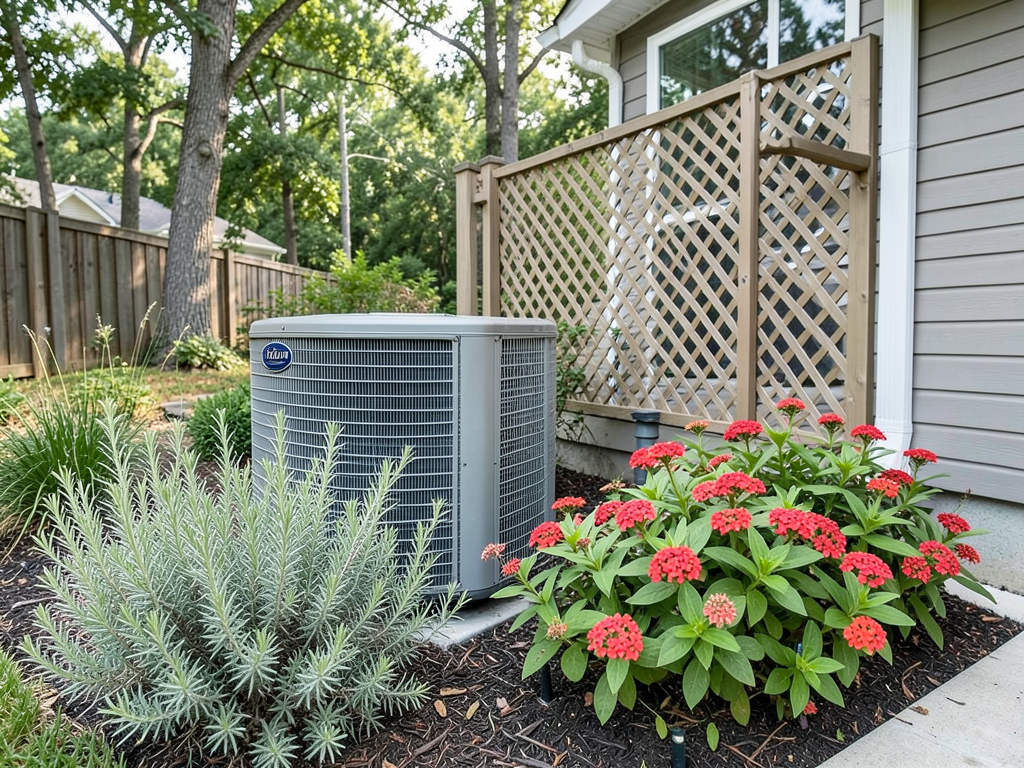
The Golden Rules of Landscaping Around Your Dallas AC Unit
Your AC condenser sits in the backyard battling 100°F+ Dallas heat every summer. You want to hide it with plants or a screen. But you cannot block the airflow. Restricted airflow makes your system work harder. It raises your electricity bill. It can even void your warranty. Before you plant anything near your condenser, you need to understand the rules. HVAC Dallas.
Dallas summers push your AC to its limits. The condenser needs constant airflow to release heat. When plants grow too close or mulch piles up against the unit, the system struggles. The compressor works overtime. Your SEER rating drops. You pay more for cooling. In some cases, the system shuts down entirely.
Forest Hills homes often sit on Blackland Prairie clay soil. This soil expands when wet and contracts when dry. Over time, it can shift your AC pad. If you build a garden bed right next to the unit, water can pool. That water can seep into the base. You might end up with a tilted condenser that no longer drains properly.
Before you grab your shovel, measure your space. Most manufacturers require at least two to three feet of clearance on all sides. You also need five feet of vertical clearance above the unit. This gives the fan room to push hot air away. If tree branches hang too low, they trap heat. If shrubs grow into that space, they choke the system.
Local HOAs in Forest Hills and nearby Lake Highlands often have rules about unit screening. Some require lattice panels or decorative fencing. Others ban solid walls near mechanical equipment. Check your HOA guidelines before building anything. You do not want to plant a beautiful hedge only to tear it out later.
Remember that your HVAC technician needs access. If you box in the unit with a solid fence, the tech cannot reach the service panels. Leave a removable panel or gate. Make sure the path to the unit is wide enough for a service cart. A good design hides the condenser without blocking maintenance. Who to Call for Same-Day AC Service in University Park and North Dallas.
Why Airflow is the #1 Priority for Your HVAC Efficiency
Airflow is not just a suggestion. It is the foundation of your AC’s performance. The condenser coil releases heat collected from your home. If that heat cannot escape, the system cannot cool your house. Restricted airflow can drop your efficiency by 10 to 30 percent.
In Dallas, where summer temperatures often exceed 100°F, that loss is critical. Your system already fights extreme heat. Adding airflow resistance forces it to run longer cycles. Longer cycles mean higher energy use. They also mean more wear on the compressor. That wear can lead to early failure.
Grass clippings are a common problem. When you mow near the unit, clippings can get sucked into the coil. They stick to the fins and block airflow. Over time, this buildup acts like a blanket around the coil. The system cannot release heat. Cleaning the coil requires a service call.
Pollen is another issue in North Texas. Spring winds carry oak and ragweed pollen. It coats the condenser fins. If plants around your unit produce heavy pollen, you will need to rinse the coil more often. Choose plants with low pollen production for areas near the AC. Texas A&M guide to North Texas gardening.
Dust and cotton from cottonwood trees can also clog the coil. In neighborhoods like Forest Hills, where mature trees are common, this is a real concern. A thin layer of dust might not seem like much. But over a month of Dallas summer, it can cut efficiency in half.
Airflow restriction does not always come from plants. Mulch pushed against the unit can block the bottom vents. Small gravel can kick up during storms and dent the fins. Even a solid fence too close to the unit can create a heat trap. Hot air recirculates instead of escaping.
The best way to protect airflow is to keep a clear zone around the condenser. Use hardscape materials like pavers or river rock in that zone. They do not blow around. They do not hold moisture against the base. They give a clean, modern look while protecting your system.
Recommended Clearance: The 2-3 Foot Rule
Manufacturers specify minimum clearances for a reason. The two-to-three-foot rule applies to all sides of the condenser. This means from the edge of the unit to any obstruction. Plants, walls, fences, or storage bins all count. If you ignore this rule, you risk damaging your system.
Vertical clearance is just as important. Most manufacturers require at least five feet of open space above the unit. This allows the fan to push hot air straight up. If tree branches or a porch overhang block that space, heat gets trapped. The system works harder and runs longer.
Side clearance keeps the coil fins clean. When shrubs grow too close, they drop leaves and twigs into the unit. These debris block the coil. They also hold moisture against the metal. In Dallas humidity, that moisture can accelerate corrosion. A rusted coil is an expensive repair. EPA guide to HVAC and indoor air quality.
Clearance also matters for service access. HVAC technicians need room to remove panels and reach wiring. If plants or structures block the panels, the tech must spend time clearing the area. That adds to your service bill. It also delays repairs in an emergency.
Consider the mature size of any plant you place near the unit. A small shrub might fit the space now. In three years, it could be crowding the condenser. Choose slow-growing or dwarf varieties. Or plant them farther away and let them fill in gradually.
Hardscape clearance is easier to control. A gravel border or paver path gives you a visual guide. You can see exactly where the no-plant zone begins. This makes it simple to keep the area clear during routine yard work.
If you use a lattice screen, mount it on standoffs. Do not attach it directly to the unit. Standoffs create an air gap. That gap allows airflow while hiding the equipment. It also makes it easy to remove the screen for service.
Remember that Dallas storms can bring high winds. A poorly secured screen can blow into the unit. Choose sturdy materials. Anchor posts in concrete. Check the structure each spring before the cooling season begins.
Best Heat-Hardy Plants for North Texas AC Surrounds
North Texas falls in USDA Zone 8b. Plants must survive 100°F+ summers and occasional winter freezes. They also need to handle clay soil and periods of drought. The best choices for AC surrounds are low-maintenance and low-debris.
Texas Sage, also called Cenizo, is a top choice. It grows in a natural rounded shape. It produces purple flowers after rain. The leaves are small and do not shed heavily. It thrives in full sun and poor soil. It also resists pests and disease.
Lantana is another excellent option. It blooms in bright colors all summer. It attracts butterflies but not bees in large numbers. The plant stays compact and does not drop many leaves. It handles heat and drought once established.
Ornamental grasses like Gulf Muhly or Lindheimer’s Muhly add texture without blocking airflow. They grow in clumps and do not spread aggressively. Their leaves are thin and do not trap heat. In fall, they produce feathery plumes that catch the light.
Dwarf Palmetto is a native palm that tolerates both heat and cold. It stays low to the ground and does not produce messy fruit. Its fan-shaped leaves create a tropical look without the maintenance of larger palms.
Yuccas and Agaves are succulents that thrive in Dallas. They need almost no water. Their leaves are stiff and do not shed. They create a bold architectural statement. Just give them room to spread and avoid placing them where their spines could scratch the unit.
Creeping Thyme or Stonecrop Sedum work well as ground covers. They stay low and do not produce much debris. They also help prevent weeds. Their small flowers attract pollinators but do not create heavy pollen issues.
Avoid plants that drop large leaves, fruit, or seed pods. Magnolias, mulberries, and large oaks are poor choices near a condenser. Their debris clogs the coil. They also produce heavy pollen in spring.
Also avoid vines that attach with tendrils or adhesive pads. They can grow into the unit and wrap around the fan. If you want a trellis, use a freestanding one with a gap between the screen and the condenser.
Group plants with similar water needs. This makes irrigation simple. It also prevents overwatering some plants while underwatering others. In Dallas, drought-tolerant plants are the safest bet.
Finally, mulch wisely. Use inorganic mulch like decomposed granite or pea gravel near the unit. Organic mulch like bark holds moisture and can attract pests. It also breaks down and can blow into the coil.
Materials to Avoid: Why Mulch and Small Gravel Can Kill Your System
Organic mulch seems like a good idea. It retains moisture, suppresses weeds, and looks neat. But near your AC, it creates problems. As mulch breaks down, it forms a fine layer of compost. Wind can blow this into the condenser fins. Once inside, it holds moisture against the metal. That moisture speeds corrosion.
Shredded hardwood mulch is the worst offender. Its light, fluffy texture makes it easy to displace. A strong Dallas wind can send it flying. It can land on the coil or get sucked into the fan. Even if you keep it contained with an edging, heavy rain can wash it into the unit.
Small gravel or pea gravel is another material to avoid. It looks tidy and drains well. But it does not stay in place. During a storm, wind-driven rain can splash gravel against the unit. The rocks can dent the fins or crack the housing. If the gravel is light enough, it can even get pulled into the fan.
Rubber mulch is sometimes marketed as a low-maintenance option. It does not break down like wood. But it holds heat. In Dallas summer, that extra heat around the condenser makes the system work harder. It also does not allow water to drain freely, which can lead to pooling.
Landscape fabric under mulch or gravel might seem like a good weed barrier. But it can trap moisture against the AC pad. In clay soil, that trapped moisture can cause the pad to shift. A tilted condenser is a serious problem that requires professional leveling.
Instead of organic mulch, consider inorganic options. Decomposed granite, also called DG, packs down firm. It does not blow away easily. It allows water to drain. It also gives a clean, desert-modern look that fits the Texas climate.
Large river rock is another safe choice. Its weight keeps it in place. Its smooth edges do not damage the unit if contact occurs. Use a layer thick enough to suppress weeds but not so deep that it holds heat.
Concrete pavers or stepping stones create a defined border. They prevent plants from creeping into the clearance zone. They also give you a solid surface for maintenance access. Choose light colors to reflect heat rather than absorb it.
If you want a green look without the mess, artificial turf is an option. Modern turf looks realistic and does not produce debris. It also stays cool if you choose a product designed for high-heat climates. Just avoid letting it grow right up to the unit.
Remember that any material you place near the condenser becomes part of the system’s environment. Choose materials that enhance airflow, resist displacement, and do not hold excess heat. Your AC will run more efficiently and last longer.
Designing for Serviceability: Ensuring Your Technician Has Access
Landscaping around your AC should never make service harder. Your technician needs clear access to the unit. This means leaving space for tools, parts, and movement. It also means creating a path from your gate to the condenser that is wide and level.
Service panels are often on the sides of the unit. If you build a solid fence around the condenser, the tech cannot open these panels. A removable lattice section or a gate in the fence solves this. Make sure the opening is at least three feet wide. This allows a service cart to pass through.
Consider the height of the unit. Most condensers are about three feet tall. If you build a screen, it should be at least six inches taller than the unit. This allows heat to escape over the top. A screen that is too short traps hot air and defeats the purpose.
Access also means lighting. If your tech must service the unit after dark, a well-lit path is essential. Solar path lights or low-voltage landscape lighting can mark the way. Avoid placing lights where they shine directly on the unit, as this can interfere with temperature readings.
Think about the ground surface. Mud or uneven pavers make it hard to move equipment. A solid, level surface from the gate to the unit is best. This could be concrete, large pavers, or compacted decomposed granite. The goal is to prevent tripping hazards and equipment damage. Solving Uneven Temperatures in Two-Story Frisco Homes With Smart Zoning.
If your condenser sits on a raised pad, consider a ramp for the service cart. A single step might not seem like much, but it can be a major obstacle for a heavy cart. A removable ramp stored nearby can make a big difference.
Labeling is another helpful touch. If you have multiple HVAC components, a small sign showing which unit is which saves time. This is especially useful if you have more than one system or if the condenser is not visible from the street.
Keep a clear zone around the service disconnect switch. This is usually a metal box mounted near the unit. It should be visible and reachable without moving plants or furniture. In an emergency, the tech may need to shut off power quickly.
Finally, consider seasonal changes. In winter, you might not use the AC for months. But the unit still needs access for maintenance. Avoid placing holiday decorations or seasonal furniture in the service path. A clear zone year-round prevents last-minute scrambling when a repair is needed.
Seasonal Maintenance Tips for Dallas Homeowners
Dallas weather creates unique challenges for your AC condenser. Spring brings oak pollen and cottonwood fluff. Summer brings dust and intense heat. Fall leaves can pile up. Winter might bring ice or freezing rain. Each season requires a different maintenance focus.
In early spring, inspect the area around your condenser. Remove any leaves or debris that accumulated over winter. Check the pad for cracks or shifting. If the unit is not level, water can pool inside. Use a carpenter’s level to check side-to-side and front-to-back tilt.
Spring is also when pollen is worst. Rinse the coil with a garden hose. Use low pressure to avoid bending the fins. Spray from the inside out to push debris away from the unit. If you notice heavy buildup, a professional coil cleaning might be needed.
Summer maintenance focuses on airflow. Keep grass trimmed around the unit. Do not let weeds grow into the clearance zone. If you have gravel or DG around the condenser, rake it smooth to prevent piles that could block vents.
Check the condensate drain line in summer. Dallas humidity means your AC removes a lot of moisture from the air. If the drain clogs, water can back up into the unit. Look for a white PVC pipe near the condenser. If it drips constantly, it is working. If it is dry, it might be clogged.
Fall brings falling leaves. Even if you do not have trees nearby, wind can blow leaves into the unit. Check the condenser weekly in October and November. Remove any buildup from the top and sides. A small leaf caught in the fan can cause a loud noise or even damage.
Winter in Dallas is mild, but freezing rain can occur. If ice forms on the unit, do not chip it off with a tool. That can damage the fins. Instead, rinse it gently with warm water. If you expect a hard freeze, you can cover the top of the unit with a piece of plywood. Do not wrap the entire unit, as this traps moisture.
Year-round, keep an eye on plant growth. Fast-growing plants can invade the clearance zone before you notice. Trim them back as needed. If a plant dies, replace it with a lower-maintenance option.
Finally, schedule professional maintenance twice a year. A spring tune-up prepares the system for summer. A fall check ensures it is ready for heating season. The tech will check refrigerant levels, test electrical components, and clean the coil. This prevents small issues from becoming expensive repairs.
Regular maintenance not only extends the life of your AC, it also keeps your energy bills lower. In Dallas, where cooling can account for half your electric bill in summer, that savings adds up quickly.
Frequently Asked Questions
Can I plant shrubs right next to my AC unit if I prune them regularly?
Even with regular pruning, shrubs too close to the condenser restrict airflow. The two-to-three-foot rule is based on the mature size of the plant, not the pruned size. Choose slow-growing or dwarf varieties and plant them outside the clearance zone.
What is the best way to hide my AC unit without blocking airflow?
Use a lattice screen mounted on standoffs so there is an air gap between the screen and the unit. Plant heat-tolerant, low-debris plants like Texas Sage or Lantana outside the clearance zone. Use inorganic mulch like decomposed granite to keep the area tidy.
How often should I clean the area around my AC condenser?
Check the area monthly during the cooling season. Remove leaves, grass clippings, and other debris. Rinse the coil with a garden hose in spring and fall to remove pollen and dust. Schedule professional cleaning if you notice reduced cooling performance.
Can I build a solid fence around my AC unit?
You can build a fence, but it must allow for the required clearance and vertical space. Include a removable panel or gate for service access. Do not attach the fence directly to the unit. Use materials that do not trap heat, such as open lattice or slatted wood with gaps.
Will shading my AC unit improve efficiency?
Shading the condenser can reduce the temperature of the air around it, which may improve efficiency slightly. However, the shade structure must not block airflow or violate clearance requirements. Planting a tree to the south or west can provide afternoon shade without interfering with the unit.
What should I do if my AC pad has shifted?
A shifted pad can cause the unit to tilt, leading to water pooling and potential damage. This is common in Dallas due to expansive clay soil. Contact a professional to level the pad. Do not attempt to lift the unit yourself, as this can damage refrigerant lines.
Are there any plants that repel pests around the AC unit?
Some plants like lavender, mint, and marigolds are said to repel certain insects. However, their effectiveness is limited and they may not thrive in full sun near a hot condenser. The best pest prevention is to keep the area clean and free of debris where pests can nest.
How can I protect my AC from hail damage?
Consider installing a hail guard or protective mesh over the coil. These allow airflow while deflecting hail. Some manufacturers offer factory-installed hail guards. You can also build a simple wooden frame with hardware cloth to place over the unit during storm season. Installing a Ductless Mini-Split in Your M Streets Bungalow or Garage Suite.
Is it okay to store items near my AC unit?
Avoid storing anything within the clearance zone. Items like garden tools, toys, or furniture can block airflow and create a fire hazard. Keep the area clear for both efficiency and safety.
What is the best ground cover to use around an AC condenser?
Inorganic materials like decomposed granite, large river rock, or concrete pavers are best. They do not blow away, do not hold excess moisture, and do not produce debris. Avoid organic mulch and small gravel near the unit.
{
“@context”: “https://schema.org”,
“@type”: “BlogPosting”,
“headline”: “How to Landscape Around Your AC Unit Without Killing the Airflow in Your Forest Hills Backyard”,
“description”: “Learn how to landscape around your AC unit in Forest Hills with heat-tolerant plants, proper clearance, and drainage solutions that protect your system and boost efficiency.”,
“wordCount”: 3412,
“datePublished”: “2026-04-27T09:49:00.000Z”,
“dateModified”: “2026-04-27T09:49:00.000Z”,
“inLanguage”: “en-US”,
“mainEntityOfPage”: {
“@type”: “WebPage”,
“@id”: “https://cornerstonehvacdallas.com”
},
“publisher”: {
“@type”: “LocalBusiness”,
“name”: “Cornerstone HVAC Dallas”,
“url”: “https://cornerstonehvacdallas.com”
},
“author”: {
“@type”: “Organization”,
“name”: “Cornerstone HVAC Dallas”,
“url”: “https://cornerstonehvacdallas.com”
},
“image”: {
“@type”: “ImageObject”,
“url”: “https://cornerstonehvacdallas.com/wp-content/uploads/2026/03/how-to-landscape-around-your-ac-unit-without-killi-1.png”
}
}
{
“@context”: “https://schema.org”,
“@type”: “HVACBusiness”,
“name”: “Cornerstone HVAC Dallas”,
“url”: “https://cornerstonehvacdallas.com”,
“address”: {
“@type”: “PostalAddress”,
“addressLocality”: “Dallas”
},
“areaServed”: {
“@type”: “City”,
“name”: “Dallas”
}
}
{
“@context”: “https://schema.org”,
“@type”: “FAQPage”,
“mainEntity”: [
{
“@type”: “Question”,
“name”: “Can I plant shrubs right next to my AC unit if I prune them regularly?”,
“acceptedAnswer”: {
“@type”: “Answer”,
“text”: “Even with regular pruning, shrubs too close to the condenser restrict airflow. The two-to-three-foot rule is based on the mature size of the plant, not the pruned size. Choose slow-growing or dwarf varieties and plant them outside the clearance zone.”
}
},
{
“@type”: “Question”,
“name”: “What is the best way to hide my AC unit without blocking airflow?”,
“acceptedAnswer”: {
“@type”: “Answer”,
“text”: “Use a lattice screen mounted on standoffs so there is an air gap between the screen and the unit. Plant heat-tolerant, low-debris plants like Texas Sage or Lantana outside the clearance zone. Use inorganic mulch like decomposed granite to keep the area tidy.”
}
},
{
“@type”: “Question”,
“name”: “How often should I clean the area around my AC condenser?”,
“acceptedAnswer”: {
“@type”: “Answer”,
“text”: “Check the area monthly during the cooling season. Remove leaves, grass clippings, and other debris. Rinse the coil with a garden hose in spring and fall to remove pollen and dust. Schedule professional cleaning if you notice reduced cooling performance.”
}
},
{
“@type”: “Question”,
“name”: “Can I build a solid fence around my AC unit?”,
“acceptedAnswer”: {
“@type”: “Answer”,
“text”: “You can build a fence, but it must allow for the required clearance and vertical space. Include a removable panel or gate for service access. Do not attach the fence directly to the unit. Use materials that do not trap heat, such as open lattice or slatted wood with gaps.”
}
},
{
“@type”: “Question”,
“name”: “Will shading my AC unit improve efficiency?”,
“acceptedAnswer”: {
“@type”: “Answer”,
“text”: “Shading the condenser can reduce the temperature of the air around it, which may improve efficiency slightly. However, the shade structure must not block airflow or violate clearance requirements. Planting a tree to the south or west can provide afternoon shade without interfering with the unit.”
}
},
{
“@type”: “Question”,
“name”: “What should I do if my AC pad has shifted?”,
“acceptedAnswer”: {
“@type”: “Answer”,
“text”: “A shifted pad can cause the unit to tilt, leading to water pooling and potential damage. This is common in Dallas due to expansive clay soil. Contact a professional to level the pad. Do not attempt to lift the unit yourself, as this can damage refrigerant lines.”
}
},
{
“@type”: “Question”,
“name”: “Are there any plants that repel pests around the AC unit?”,
“acceptedAnswer”: {
“@type”: “Answer”,
“text”: “Some plants like lavender, mint, and marigolds are said to repel certain insects. However, their effectiveness is limited and they may not thrive in full sun near a hot condenser. The best pest prevention is to keep the area clean and free of debris where pests can nest.”
}
},
{
“@type”: “Question”,
“name”: “How can I protect my AC from hail damage?”,
“acceptedAnswer”: {
“@type”: “Answer”,
“text”: “Consider installing a hail guard or protective mesh over the coil. These allow airflow while deflecting hail. Some manufacturers offer factory-installed hail guards. You can also build a simple wooden frame with hardware cloth to place over the unit during storm season. Installing a Ductless Mini-Split in Your M Streets Bungalow or Garage Suite.”
}
},
{
“@type”: “Question”,
“name”: “Is it okay to store items near my AC unit?”,
“acceptedAnswer”: {
“@type”: “Answer”,
“text”: “Avoid storing anything within the clearance zone. Items like garden tools, toys, or furniture can block airflow and create a fire hazard. Keep the area clear for both efficiency and safety.”
}
},
{
“@type”: “Question”,
“name”: “What is the best ground cover to use around an AC condenser?”,
“acceptedAnswer”: {
“@type”: “Answer”,
“text”: “Inorganic materials like decomposed granite, large river rock, or concrete pavers are best. They do not blow away, do not hold excess moisture, and do not produce debris. Avoid organic mulch and small gravel near the unit.”
}
}
]
}
{
“@context”: “https://schema.org”,
“@type”: “BreadcrumbList”,
“itemListElement”: [
{
“@type”: “ListItem”,
“position”: 1,
“name”: “Home”,
“item”: “https://cornerstonehvacdallas.com”
},
{
“@type”: “ListItem”,
“position”: 2,
“name”: “Blog”,
“item”: “https://cornerstonehvacdallas.com/blog”
},
{
“@type”: “ListItem”,
“position”: 3,
“name”: “How to Landscape Around Your AC Unit Without Killing the Airflow in Your Forest Hills Backyard”
}
]
}
{
“@context”: “https://schema.org”,
“@type”: “Service”,
“serviceType”: “HVAC”,
“provider”: {
“@type”: “LocalBusiness”,
“name”: “Cornerstone HVAC Dallas”,
“url”: “https://cornerstonehvacdallas.com”
},
“areaServed”: {
“@type”: “City”,
“name”: “Dallas”
},
“description”: “Learn how to landscape around your AC unit in Forest Hills with heat-tolerant plants, proper clearance, and drainage solutions that protect your system and boost efficiency.”
}