




menu

Commercial Duct Cleaning in Dallas – Minimize Downtime with Industrial-Grade HVAC Solutions

Cornerstone HVAC Dallas delivers commercial ductwork cleaning and industrial air duct cleaning services that protect business continuity, maintain code compliance, and optimize indoor air quality across Dallas facilities without disrupting your operations.

Slider Image 1
Slider Image 2
Slider Image 3
Slider Image 4
Slider Image 5
Slider Image 7
Slider Image 8
Slider Image 9
Slider Image 10
Slider Image 11

Why Dallas Commercial Facilities Need Professional Ductwork Cleaning

Your facility's ductwork accumulates more than dust. In Dallas, high humidity levels throughout spring and summer create ideal conditions for mold growth inside commercial HVAC systems. The region's seasonal allergens, including cedar pollen from the Texas Hill Country and urban particulates from I-35 and I-30 traffic corridors, infiltrate air handlers and settle deep inside ductwork. Add construction dust from Dallas's rapid development boom and you face serious indoor air quality degradation.

Contaminated ductwork forces your HVAC system to work harder. Restricted airflow increases energy consumption by 20 to 40 percent. Employees experience respiratory issues, productivity drops, and facility managers face tenant complaints or health inspections. For industrial facilities in areas like Stemmons Corridor or West Dallas, metalworking residues and manufacturing particulates compound the problem.

Commercial air vent cleaning addresses surface buildup, but industrial ductwork cleaning reaches the full system. Most Dallas commercial buildings operate HVAC systems 12 to 16 hours daily. Without regular commercial HVAC duct cleaning, contaminants circulate continuously through occupied spaces. Retail locations near NorthPark Center or office buildings in Uptown Dallas require different approaches than warehouse facilities in South Dallas, but all face the same core issue: dirty ducts compromise air quality and system efficiency.

The solution requires specialized equipment and knowledge of commercial air handling systems. Standard residential cleaning methods fail in commercial applications. Industrial air duct cleaning demands negative air machines, rotary brush systems, and proper containment protocols to prevent cross-contamination during the cleaning process.

Why Dallas Commercial Facilities Need Professional Ductwork Cleaning
How Professional Commercial Duct Cleaning Protects Your Operations

How Professional Commercial Duct Cleaning Protects Your Operations

Commercial ductwork cleaning begins with system assessment. We evaluate your air handling units, supply and return plenums, branch runs, and terminal devices. Dallas facilities often use variable air volume systems or dedicated outdoor air systems that require specific cleaning protocols. We identify contamination levels, locate access points, and determine the scope of work before starting.

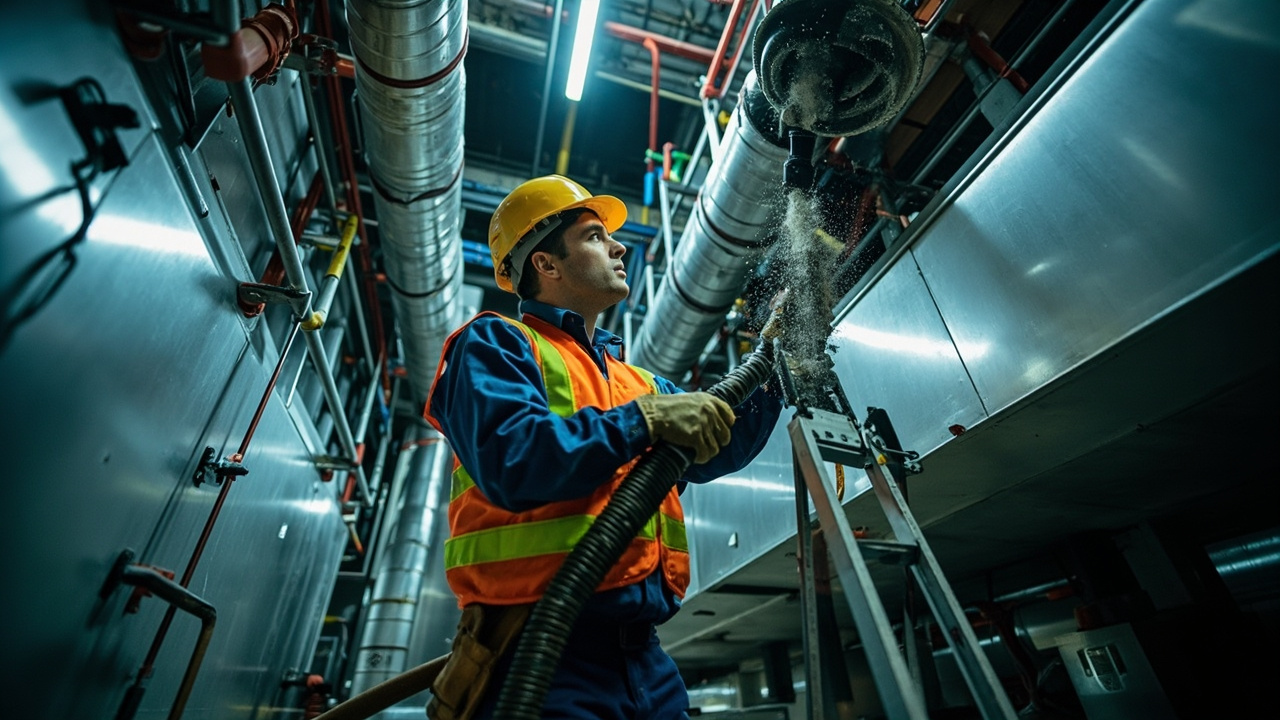
Our industrial air duct cleaning process uses HEPA-filtered negative air machines to create controlled negative pressure. This prevents dislodged contaminants from escaping into occupied spaces during cleaning. We insert rotary brush systems through access panels to mechanically scrub interior duct surfaces. For supply ducts, we work systematically from the air handler outward. For return ducts, we reverse the process to capture contaminants at the source.

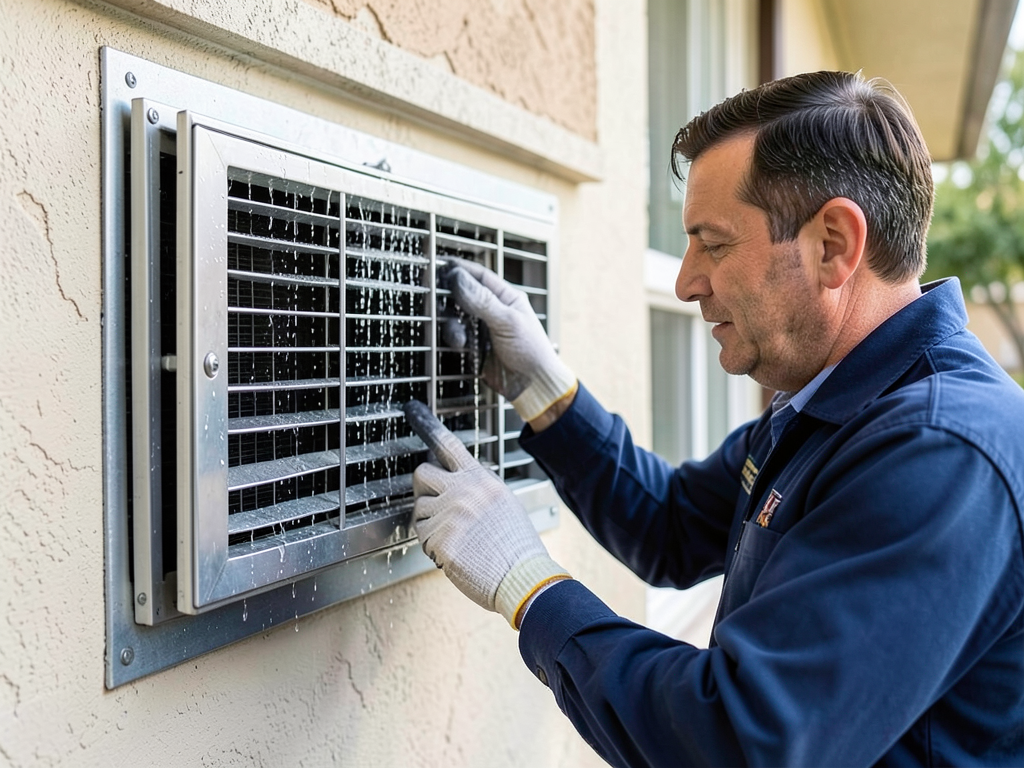
Commercial air vent cleaning includes all diffusers, grilles, and registers. We remove these components, clean them separately, then reinstall them after ductwork cleaning completes. For facilities with specialty ventilation like kitchen exhaust systems common in Dallas restaurants along Lower Greenville or McKinney Avenue, we use degreasing agents and high-pressure washing to remove accumulated oils.

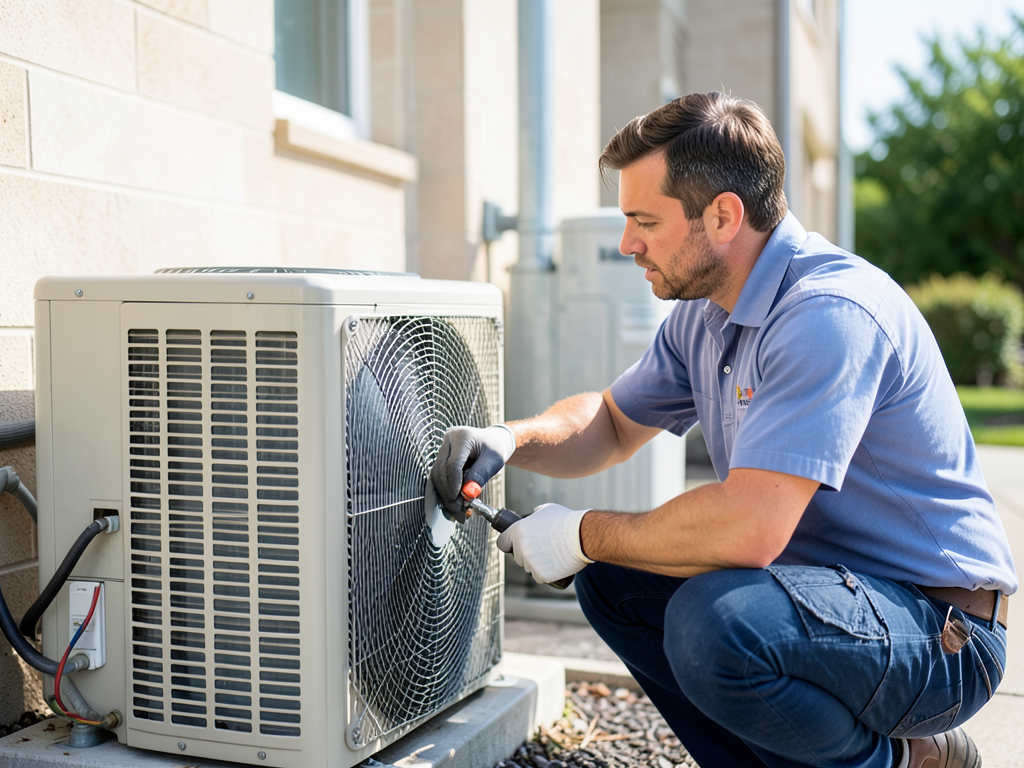
We clean coils, drain pans, and blower assemblies as part of comprehensive commercial HVAC duct cleaning. Dirty coils reduce heat transfer efficiency. Clogged drain pans breed bacteria and cause water damage. These components directly affect system performance and indoor air quality.

After cleaning, we seal all access points and test system airflow. Proper sealing prevents air leakage that wastes energy and reduces system capacity. Airflow testing confirms cleaning restored design performance. For industrial facilities, we document cleaning with before and after photos to support compliance requirements.

Our Commercial Duct Cleaning Workflow

Commercial Duct Cleaning in Dallas – Minimize Downtime with Industrial-Grade HVAC Solutions
01

System Assessment and Containment

We inspect your entire HVAC system to map ductwork layout, identify access points, and assess contamination levels. Our team establishes containment barriers around work zones to isolate cleaning areas from occupied spaces. We coordinate scheduling to minimize disruption, often working during off-hours for retail or office environments. This planning phase ensures efficient execution and protects business operations throughout the cleaning process.
02

Mechanical Cleaning and Extraction

We deploy HEPA-filtered negative air machines and insert rotary brush systems through strategically placed access points. Brushes scrub duct interiors while negative pressure captures dislodged debris. We clean supply ducts, return ducts, plenums, and all branch runs. Our technicians monitor extraction equipment continuously to maintain proper containment. For industrial facilities, we use specialized tools to address heavy contamination from manufacturing processes or warehouse operations.
03

Component Service and Verification

We clean coils, blower assemblies, drain pans, and all registers. After sealing access points, we test system airflow to verify cleaning restored design performance. You receive documentation including before and after photos, scope of work completed, and recommendations for maintaining clean ductwork. This verification confirms your system operates efficiently and delivers clean air to occupied spaces while meeting building code requirements.

Why Dallas Businesses Choose Cornerstone HVAC Dallas for Ductwork Cleaning

Commercial facilities require contractors who understand business operations, not just HVAC systems. We schedule around your needs, working nights and weekends when necessary to avoid disrupting revenue-generating activities. For 24-hour operations common in Dallas healthcare facilities or data centers, we work in phases to maintain continuous operation.

We know Dallas commercial building requirements. The city's mechanical code mandates specific ventilation rates for different occupancy types. Our commercial HVAC duct cleaning services support compliance with these standards. We document work thoroughly because facility managers need records for tenant inquiries, lease agreements, or building inspections.

Our experience spans Dallas's diverse commercial landscape. We have cleaned ductwork in Deep Ellum restaurants where kitchen exhaust systems require monthly attention, Uptown office towers with complex VAV systems serving 30-plus floors, and industrial warehouses in Stemmons Corridor where high bay spaces create unique ventilation challenges. This range gives us perspective other contractors lack.

We use commercial-grade equipment designed for large-scale applications. Our truck-mounted systems generate the negative pressure needed for buildings with extensive ductwork. We maintain backup equipment to prevent delays if primary systems fail. For industrial air duct cleaning projects requiring multiple days, we mobilize complete crews rather than stretching small teams across extended timelines.

Dallas summers put extreme stress on HVAC systems. When outdoor temperatures exceed 100 degrees for weeks, every efficiency gain matters. Clean ductwork reduces cooling loads, lowers energy bills, and extends equipment life. These factors directly affect your operating costs. We help facility managers justify duct cleaning to ownership by quantifying energy savings and demonstrating ROI through documented performance improvements.

What to Expect from Commercial Duct Cleaning Services

Project Timeline and Scheduling

Most commercial ductwork cleaning projects require one to five days depending on facility size and system complexity. Small retail spaces or medical offices typically need eight to 16 hours. Large office buildings or industrial facilities may require multiple crews working simultaneously over several days. We provide detailed timelines during assessment. For businesses that cannot close, we phase work to maintain partial HVAC operation or schedule cleaning during low-occupancy periods. Our project managers coordinate with your facility team to minimize operational impact while delivering thorough cleaning.

Initial System Assessment

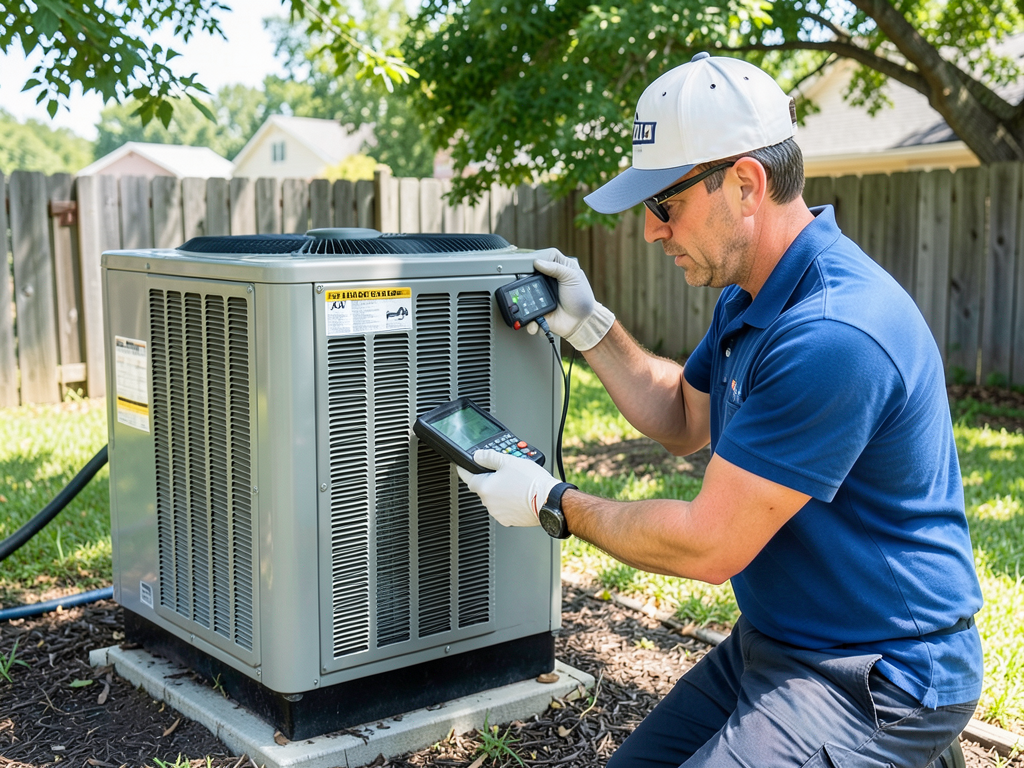
We conduct a comprehensive walkthrough to examine your HVAC equipment, access existing ductwork layouts, and identify contamination sources. Our technicians use cameras to inspect interior duct conditions and document problem areas. This assessment reveals whether you need basic commercial air vent cleaning or comprehensive industrial ductwork cleaning. We test airflow at key points to establish baseline performance metrics. You receive a written scope of work detailing what we will clean, how we will access ductwork, and what results you should expect.

Performance Outcomes

Clean ductwork restores design airflow and improves indoor air quality immediately. You will notice reduced dust accumulation on surfaces, fewer odors, and more consistent temperatures throughout your facility. Energy consumption typically decreases as your HVAC system no longer fights restricted airflow. Tenants and employees report fewer respiratory complaints. For facilities with air quality monitoring, you will see measurable improvements in particulate counts. We provide before and after documentation showing contamination removed and system conditions post-cleaning. These records support your maintenance files and demonstrate due diligence for liability purposes.

Ongoing Maintenance Planning

Commercial facilities need regular duct cleaning every three to five years under normal conditions. High-contamination environments like restaurants, manufacturing facilities, or medical offices require more frequent service. We develop maintenance schedules based on your specific conditions and usage patterns. Regular filter changes between professional cleanings extend the time between full duct cleaning services. We offer maintenance agreements that lock in pricing and ensure timely service. These agreements include priority scheduling and detailed record keeping that facility managers need for building operation documentation and budget planning.

Frequently Asked Questions

You Have Questions,
We Have Answers

How much does commercial duct cleaning cost? +

Commercial duct cleaning costs vary based on system size, complexity, and contamination level. A 5,000-square-foot office typically costs less than a 50,000-square-foot warehouse with multiple air handlers. Pricing factors include linear footage of ductwork, number of air handlers, accessibility issues, and whether mold remediation or sanitizing is required. Dallas commercial buildings with heavy dust accumulation from construction activity or near high-traffic corridors often require more intensive cleaning. Request a site assessment to get accurate pricing based on your facility's specific needs. Most contractors charge per square foot or by the hour for commercial projects.

How often should commercial HVAC ducts be cleaned? +

NADCA recommends commercial duct cleaning every three to five years under normal conditions. Dallas facilities face higher dust loads from dry climate conditions and frequent construction activity, which may require more frequent cleaning. High-traffic businesses like restaurants, medical offices, and retail stores should clean ducts every two to three years due to higher contamination rates. Monitor system performance and indoor air quality between cleanings. Buildings with ongoing renovations, water damage, or visible mold need immediate attention. Establish a maintenance schedule based on occupancy rates, business type, and system performance rather than arbitrary timelines.

How to clean commercial ducting? +

Commercial duct cleaning requires specialized equipment and training. Professionals use truck-mounted or portable negative air machines to create suction while agitating debris with compressed air tools, rotary brushes, and contact vacuums. The process involves sealing supply and return registers, accessing ductwork through existing openings or creating access panels, and methodically cleaning each section. High-efficiency particulate air filters capture contaminants during extraction. Dallas commercial buildings often require coordination with facility managers to minimize business disruption. This is not a DIY project. Improper cleaning damages ductwork, dislodges hazardous materials, or fails to remove contaminants, creating liability issues and wasting money.

What are the drawbacks of duct cleaning? +

Duct cleaning drawbacks include potential ductwork damage from inexperienced contractors using aggressive tools, temporary business disruption during service, and upfront costs. If cleaning is performed incorrectly, contaminants can spread throughout the building rather than being removed. Some contractors oversell unnecessary services or use cleaning as a pretext to upsell duct replacement. Dallas businesses face scheduling challenges coordinating around operating hours. Not all systems show measurable air quality improvement post-cleaning if the root contamination source remains unaddressed. Choose contractors who follow NADCA standards, provide detailed scope documents, and address source issues like filter maintenance or moisture problems to minimize these risks.

How much does Stanley Steemer charge to clean air ducts? +

Stanley Steemer pricing varies by location and project scope. They typically charge per vent or by square footage for residential work, but commercial pricing requires site-specific quotes. Dallas commercial projects involve different equipment, labor requirements, and liability considerations than residential jobs. Most commercial duct cleaning contractors, including national chains, assess your facility before providing firm pricing. Variables include total ductwork length, air handler quantity, contamination severity, and accessibility challenges. Request detailed proposals from multiple contractors that itemize services, specify NADCA compliance, and outline business disruption mitigation strategies. Compare scope and methodology, not just price, when evaluating commercial duct cleaning bids.

What is the 2 foot rule for ducts? +

The two-foot rule refers to maintaining at least two feet of clearance around HVAC equipment and ductwork for safety, maintenance access, and code compliance. This includes clearance around air handlers, condensers, and major duct junctions. Dallas commercial buildings must comply with International Mechanical Code requirements for equipment access. Adequate clearance allows technicians to perform duct cleaning, inspections, and repairs without dismantling surrounding infrastructure. Blocked access increases service costs and downtime. During facility design or renovation, ensure storage, equipment, and structural elements do not violate clearance requirements. Proper spacing also improves airflow efficiency and reduces fire hazards around mechanical equipment.

What time of year is best for duct cleaning? +

Spring or fall offers optimal timing for commercial duct cleaning in Dallas. Schedule service during shoulder seasons when HVAC demands are lower and business disruption is minimal. Avoid peak cooling season in July and August when system downtime impacts productivity and customer comfort. Fall cleaning removes accumulated summer dust and pollen before winter heating begins. Spring cleaning addresses winter contaminants before cooling season. Coordinate with facility maintenance schedules, lease renewals, or planned shutdowns. Restaurants should avoid peak dining seasons. Retail stores should schedule around inventory cycles. Medical facilities require careful coordination to maintain compliance with health regulations during cleaning operations.

Does homeowners insurance cover air duct cleaning? +

Standard commercial property insurance policies do not cover routine duct cleaning as preventive maintenance. Insurance may cover duct cleaning only when directly required by a covered loss, such as fire damage, smoke contamination, or water intrusion from burst pipes or roof leaks. Dallas businesses experiencing storm damage or flooding may have duct remediation covered under property damage claims. Document contamination with photos and third-party assessments before cleaning. Submit detailed invoices showing cleaning was necessary to restore the property to pre-loss condition. Review your policy's exclusions and coverage limits. Routine maintenance remains the property owner's responsibility and protects against larger insurance claims.

What are the signs your ducts need cleaning? +

Watch for visible dust or debris discharge from supply registers, inconsistent airflow between zones, musty odors when the system operates, or excessive dust accumulation on surfaces shortly after cleaning. Dallas commercial facilities may notice higher utility bills as contaminated ducts reduce system efficiency. Employee complaints about air quality, increased respiratory issues, or allergy symptoms indicate potential duct contamination. Visible mold growth around vents or condensation inside ductwork requires immediate attention. Recent renovations generate construction dust that infiltrates duct systems. Verify filter change frequency first. If problems persist despite regular filter maintenance, schedule a professional duct inspection to assess cleaning needs.

How do professionals clean ductwork in commercial buildings like Lowes? +

Large commercial facilities like big-box retailers require specialized equipment and coordinated logistics. Professionals use truck-mounted negative air machines with high cubic feet per minute capacity to handle extensive ductwork networks. Crews section off zones to maintain conditioned air in customer areas while cleaning proceeds. They create temporary access panels in ductwork, deploy robotic cameras to document contamination, and use powered rotary brushes with HEPA-filtered extraction. Dallas commercial projects require coordination with store management to work during off-hours or low-traffic periods. Multiple technicians work simultaneously across different zones. The process includes pre-cleaning documentation, EPA-approved sanitizers if needed, and post-cleaning verification to meet corporate facility standards.

How Dallas's Urban Growth and Climate Impact Commercial Ductwork

Dallas's construction boom creates constant airborne particulates. When cranes operate near your facility or new developments rise in adjacent lots, construction dust infiltrates outdoor air intakes and settles throughout ductwork. The city's position in the Texas Blackland Prairie means clay-based soils that generate fine dust during dry periods. Summer heat drives ozone formation, making outdoor air quality worse during peak business hours. These factors accelerate contamination in commercial HVAC systems faster than in less urbanized areas. Industrial facilities near shipping corridors absorb diesel particulates from heavy truck traffic. Buildings in older districts like Oak Cliff or East Dallas often have aging ductwork with decades of accumulated contamination that standard filter changes cannot address.

Dallas facility managers work within specific local code requirements for commercial ventilation. The city requires mechanical permits for major HVAC modifications and expects documentation of system maintenance for commercial occupancy permits. When indoor air quality complaints arise, property owners need evidence of proactive maintenance. Professional commercial HVAC duct cleaning creates that documentation trail. Local insurance carriers increasingly request maintenance records when underwriting commercial property policies. Cornerstone HVAC Dallas understands these local requirements because we work within Dallas's regulatory environment daily. Our documentation meets city inspection standards and provides the records facility managers need for compliance verification and liability protection.
HVAC Services in The Dallas Area

Looking for expert HVAC services near you? Cornerstone HVAC Dallas proudly serves homeowners and businesses throughout the greater Dallas area with professional heating and cooling repairs, system installations, indoor air quality solutions, and emergency HVAC services. From Plano to Arlington, our certified technicians are ready to deliver fast, efficient service wherever you are. Use the map below to explore our coverage areas and discover trusted HVAC support right around the corner.

Address:
Cornerstone HVAC Dallas, 5956 Sherry Ln, Suite 2000, Dallas, TX, 75225

Additional Services We Offer

Our news updates

Latest Articles & News from The Blogs

How to Solve C-Wire Issues When Upgrading Your Thermostat in Highland Village Upgrading to a smart thermostat in Highland Village…

How to Solve C-Wire Issues When Upgrading Your Thermostat in Highland Village

How to Solve C-Wire Issues When Upgrading Your Thermostat in Highland Village Upgrading to a smart thermostat in Highland Village…

A Simple Guide to SEER2 Ratings for Homeowners in Little Elm

A Simple Guide to SEER2 Ratings for Homeowners in Little Elm If you’re shopping for a new air conditioner in…

Choosing the Right Climate Control for Your Westlake Pool House or Luxury Cabana

Choosing the Right Climate Control for Your Westlake Pool House or Luxury Cabana Living in Westlake means dealing with Texas…

Contact Us

Your facility's air quality affects productivity and operating costs daily. Contact Cornerstone HVAC Dallas at (972) 850-2750 for a commercial ductwork assessment. We provide detailed proposals with clear timelines and coordinate scheduling to minimize disruption to your business operations.