
Why Placing Your Thermostat Near a Window is Ruining the Comfort of Your Uptown Dallas Apartment
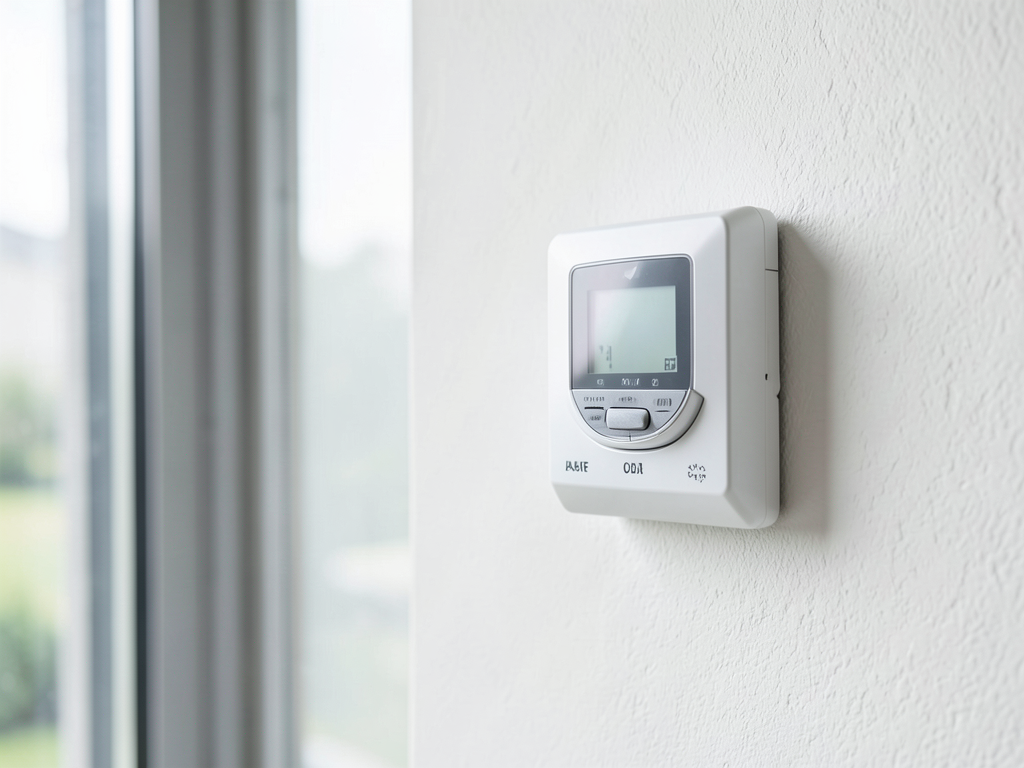
Living in an Uptown Dallas apartment means dealing with some of the most extreme temperature swings in Texas. The relentless afternoon sun beats through floor-to-ceiling windows creating hotspots that your HVAC system struggles to balance. If your thermostat sits near one of those windows it is reading the wrong temperature and making your apartment uncomfortable. HVAC Dallas.
The problem starts with radiant heat. Dallas summers push temperatures above 100°F for weeks. When direct sunlight hits your thermostat through a window it absorbs that heat and signals your air conditioner to run longer than necessary. Meanwhile rooms farther from the thermostat stay too warm. At night the opposite happens. Cool drafts from poorly sealed windows trick the thermostat into thinking your apartment is colder than it really is causing short cycling and wasted energy.
Apartment layouts in Uptown high-rises create unique challenges. Many units have open floor plans where the thermostat sits in a central hallway near the front door. That location exposes it to every temperature fluctuation from the balcony door opening to the kitchen oven running. In older buildings near Knox-Henderson the walls may have settled creating gaps around window frames that let in even more outside air.. Read more about What Every Renter in Victory Park Needs to Know About Landlord HVAC Responsibilities.
The science is simple but the solution requires strategy. A thermostat needs to measure the average ambient temperature of your living space not the microclimate near a heat source or cold draft. When it sits in the wrong spot your HVAC system cannot maintain consistent comfort no matter how new or efficient it is.
The Impact of Dallas Heat on Thermostat Accuracy
Dallas experiences some of the highest cooling degree days in the country. The heat index regularly climbs above 110°F during July and August. Your thermostat battles more than just air temperature. It fights humidity that makes 85°F feel like 95°F and radiant heat from concrete balconies that store thermal energy all day.
West-facing apartments in the State Thomas neighborhood suffer the most. The afternoon sun hits those windows at the hottest part of the day when your AC works hardest. A thermostat on that west wall reads 5-8°F higher than the true room temperature. Your system runs continuously trying to cool a space that is already comfortable.. Read more about How to Keep the Mother-In-Law Suite Comfortable Without Freezing Out the Rest of Your Desoto Home.
Humidity compounds the problem. Dallas averages 78% relative humidity in summer. Moisture in the air holds heat making your thermostat think it needs to cool more than it actually does. This creates a cycle where your AC runs longer dehumidifies less and leaves you feeling clammy and uncomfortable. How Much a New AC Installation Actually Costs in Dallas This Year.
Common Thermostat Placement Mistakes in Dallas Apartments
Most apartment thermostats end up in the worst possible locations. Property managers install them wherever wiring already exists not where they read temperatures most accurately. Here are the mistakes you might be living with right now.
Near exterior walls. Outside temperatures affect interior wall temperatures especially in buildings with poor insulation. Your thermostat thinks your apartment is hotter or colder than it really is.
Above heat sources. Kitchens with gas ranges or electric ovens create radiant heat zones. A thermostat above your refrigerator or near the microwave gets false readings every time you cook.
Close to supply vents. Cold air blowing directly on your thermostat makes it think your apartment is colder than it is. Your system shuts off before other rooms cool properly.
Behind doors or in dead air spaces. Hallways and corners trap air that does not represent your apartment’s true temperature. These areas become temperature islands that confuse your HVAC system.
The 5 Foot Rule and Why Height Matters
Professional HVAC technicians follow the five foot rule for thermostat placement. Mount the thermostat five feet above the floor on an interior wall away from any heat sources or drafts. This height averages the temperature gradient in your room where warm air rises and cool air settles.
In Dallas apartments this means avoiding the lower three feet where cool air from your AC settles and the upper seven feet where hot air collects near the ceiling. The five foot zone gives you the most accurate reading of your actual living space temperature.
Interior walls work better than exterior walls because they maintain more stable temperatures. Shared walls between units actually help moderate temperature swings. Your neighbor’s heating or cooling becomes a buffer against extreme outdoor temperatures.. Read more about Preparing Your Outdoor AC Unit for the First Triple-Digit Dallas Heat Wave.
Smart Solutions for Renters Who Cannot Move Their Thermostat
Not every renter can convince their property manager to relocate a thermostat. The wiring might be buried in walls or the building might have strict renovation rules. You still have options to improve your comfort without major modifications.
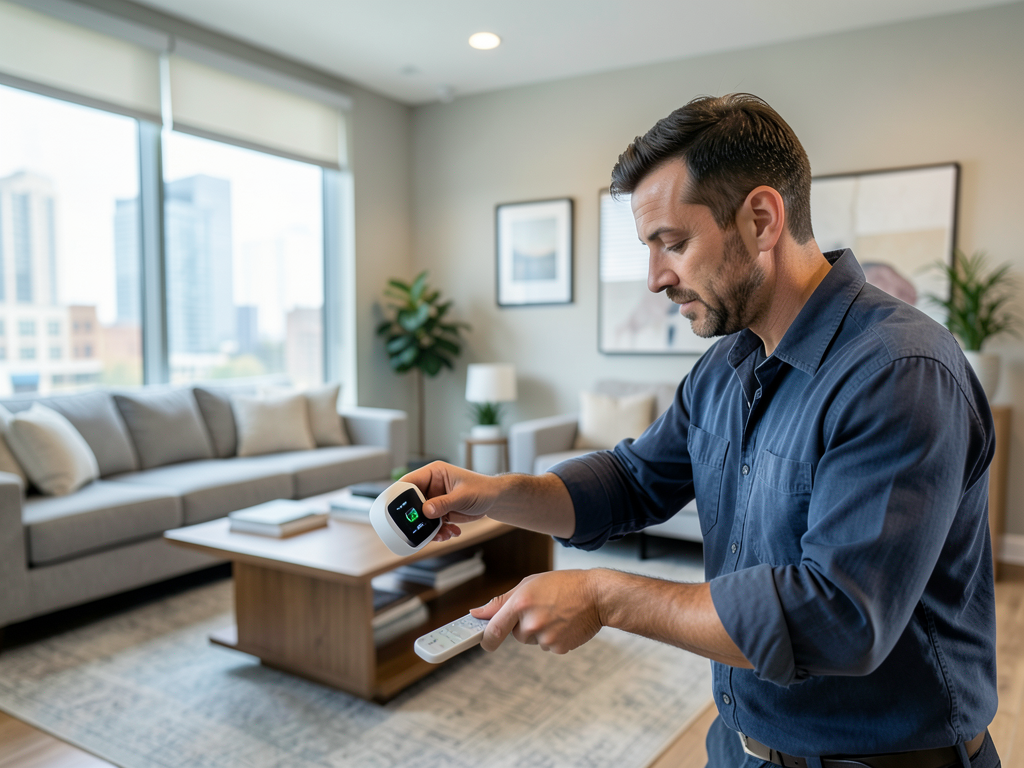
Smart thermostats with remote sensors solve the placement problem. Models from Nest Ecobee and Honeywell let you put battery powered temperature sensors in different rooms. Your thermostat reads the average from all sensors instead of just the one on the wall. Place one sensor in your bedroom another in the living room and your system balances comfort throughout your apartment.
Temperature offset features help too. Many smart thermostats let you calibrate the reading by a few degrees up or down. If your thermostat always reads 3°F high because of window heat you can offset it to compensate.
Smart vents from companies like Flair or Ecovent give you room by room control. They open and close automatically to direct more air to hot rooms and less to cold rooms. This works especially well in open loft apartments where one thermostat cannot possibly manage the whole space.
Dallas Specific Considerations for Apartment Cooling
Dallas building codes and climate create unique challenges for apartment cooling. The city’s 2021 energy code requires better insulation in new construction but many Uptown buildings are older. They rely on your HVAC system to compensate for poor thermal envelopes.
High-rise apartments face stack effect. Heat rises through the building making upper floors warmer. Your thermostat on the sixth floor reads different temperatures than one on the second floor even with identical floor plans. This means upper units need more cooling capacity and better air circulation.
Balcony doors in Dallas apartments often have single pane glass. They act like heat antennas in summer and cold sinks in winter. Even a few feet of distance from these doors can make a huge difference in thermostat accuracy.
Many Uptown buildings have concrete construction. Concrete holds heat for hours after the sun goes down. Your thermostat might read comfortable while your apartment is still radiating stored heat from the afternoon.
DIY Thermostat Troubleshooting for Dallas Renters
Before calling a professional try these simple checks to see if your thermostat location is causing problems. You might be surprised how much a few adjustments improve your comfort.
Check for direct sunlight. Use a thermometer to compare the temperature near your thermostat with other spots in your apartment at different times of day. If the reading jumps 5°F or more when the sun hits that wall you have a placement problem.
Test for drafts. Hold a piece of tissue paper near your thermostat on a windy day. If it flutters you have air leaks that affect the reading. Common culprits include window frames electrical outlets and door frames.
Monitor cycling patterns. If your AC turns on and off every few minutes your thermostat might be reading temperature spikes from nearby appliances or drafts. Consistent short cycling wastes energy and reduces comfort.
Compare room temperatures. Use a handheld thermometer to check temperatures in different rooms. If some rooms are 8-10°F different from your thermostat reading you need better air circulation or a different thermostat location.
When to Call a Dallas HVAC Professional
Some thermostat problems need professional attention. If you have tried basic troubleshooting and your apartment still feels uncomfortable it might be time for expert help.
Electrical issues can cause ghost readings. Faulty wiring or a failing thermostat can make your system behave erratically. A licensed HVAC technician can test the electrical connections and verify the thermostat is working correctly.
Calibration problems affect accuracy. Over time thermostats can drift from their factory settings. A professional can test and recalibrate your unit to ensure it reads true temperatures.
System sizing matters more than most people realize. An air conditioner that is too large or too small for your apartment cannot maintain consistent temperatures no matter where you put the thermostat. A load calculation considers your square footage insulation windows and Dallas climate to determine the right size system.
Smart thermostat installation requires more than just mounting a new device. Proper setup includes configuring the right sensors programming schedules for Dallas weather patterns and integrating with your existing HVAC equipment.
Optimizing Your Dallas Apartment for Better Comfort
Thermostat placement is just one piece of the comfort puzzle. Dallas apartments need a comprehensive approach to stay cool in summer and comfortable year round.
Window treatments make a huge difference. Blackout curtains or cellular shades can reduce heat gain by 25% or more. This helps your thermostat read more accurate temperatures and reduces the load on your AC.
Air circulation prevents hot and cold spots. Ceiling fans or portable fans help distribute air evenly. This makes your thermostat reading more representative of your whole apartment not just the area near the device.
Humidity control is critical in Dallas. A whole house dehumidifier or even portable units can make your apartment feel cooler at higher temperatures. This reduces the workload on your AC and improves comfort.
Regular maintenance keeps your system efficient. Clean filters changed every 30-60 days in Dallas ensure proper airflow. Dirty filters make your system work harder and create temperature imbalances that your thermostat cannot compensate for.
Cost Benefits of Proper Thermostat Placement
The financial impact of bad thermostat placement adds up quickly in Dallas. An inefficient system running extra hours every day can increase your electric bill by 15-30% during peak summer months.
Proper placement helps your AC run more efficiently. Instead of constantly trying to cool a space that is already comfortable it maintains steady temperatures with less energy. This means lower bills and less wear on your equipment.
Smart thermostats with remote sensors can pay for themselves in one or two Dallas summers through energy savings. The initial investment of $150-300 gets offset by monthly utility savings and improved comfort.
Extended equipment life is another benefit. When your system runs efficiently it experiences less stress and lasts longer. This delays expensive replacement costs and reduces maintenance needs.
Future Proofing Your Apartment Comfort
Technology keeps improving for apartment cooling. New smart home integration lets you control temperature humidity and air quality from your phone. Some systems even learn your schedule and adjust automatically for maximum efficiency. Indoor Air Quality Solutions.
Zoning systems are becoming more accessible for apartments. While traditional zoning requires ductwork newer solutions use smart vents and sensors to create temperature zones without major renovations. This means you can keep your bedroom cool while saving energy in unused rooms.
Energy monitoring helps you understand usage patterns. Smart thermostats now track how much energy you use and when. This data helps you make informed decisions about temperature settings and identify problems before they become expensive.
Integration with renewable energy is on the horizon. As more Dallas buildings add solar panels smart HVAC systems can optimize for when solar power is available. This further reduces costs and environmental impact.
Frequently Asked Questions
Can I move my apartment thermostat myself?
Most apartment leases prohibit tenants from modifying electrical systems. Moving a thermostat requires running new wiring which violates rental agreements and building codes. Smart thermostats with remote sensors offer a better solution that does not require permanent changes.
How much does professional thermostat relocation cost in Dallas?
Professional relocation typically costs $200-500 depending on wiring complexity and wall construction. Older buildings with plaster walls or concrete construction cost more to modify. Smart thermostat installation with remote sensors often costs less and provides better functionality.
Will a smart thermostat work in my old Dallas apartment?
Most smart thermostats work with existing 24-volt HVAC systems common in apartments built after 1980. Older systems might need a C wire for continuous power. Many smart thermostats include adapters or can run on battery power if wiring is incompatible.
How do I know if my thermostat is in the wrong place?
Signs include uneven room temperatures frequent short cycling high energy bills and comfort complaints that do not match the thermostat reading. Use a thermometer to check temperatures in different areas and compare them to your thermostat reading throughout the day. Solving Uneven Temperatures in Two-Story Frisco Homes With Smart Zoning.
Should I upgrade my thermostat or fix the placement first?
Fix placement issues first if possible. A basic thermostat in the right location works better than an expensive smart thermostat in the wrong location. If you cannot change placement then upgrade to a smart model with remote sensors for the best results.
Take Control of Your Apartment Comfort Today
Living with an improperly placed thermostat means fighting your HVAC system every day. You deserve consistent comfortable temperatures without fighting with the thermostat or paying high energy bills. Whether you rent or own there are solutions that work for your situation and budget.
Smart thermostats with remote sensors offer the easiest upgrade for most Dallas renters. They solve placement problems without permanent modifications and provide energy savings from day one. For homeowners professional relocation might be the best long term solution.
CornerStone HVAC has been helping Dallas residents optimize their comfort since 2005. Our NATE certified technicians understand the unique challenges of Dallas climate and apartment living. We can evaluate your current setup recommend the best solution and install it correctly the first time.
Stop letting your thermostat ruin your comfort. Call CornerStone HVAC at (972) 850-2750 for a free consultation. We will assess your apartment layout discuss your comfort goals and create a plan that works for your budget. Better comfort is just one phone call away.
Your apartment should be your oasis from Dallas heat not a battleground against temperature swings. Let us help you achieve the consistent comfort you deserve. For more information, visit U.S. Department of Energy thermostat guide. For more information, visit EPA Energy Saver resources.
{
“@context”: “https://schema.org”,
“@type”: “BlogPosting”,
“headline”: “Why Placing Your Thermostat Near a Window is Ruining the Comfort of Your Uptown Dallas Apartment”,
“description”: “Discover why window proximity ruins your apartment’s comfort and learn Dallas-specific thermostat placement strategies for better cooling efficiency.”,
“wordCount”: 2382,
“datePublished”: “2026-04-25T06:21:00.000Z”,
“dateModified”: “2026-04-25T06:21:00.000Z”,
“inLanguage”: “en-US”,
“mainEntityOfPage”: {
“@type”: “WebPage”,
“@id”: “https://cornerstonehvacdallas.com”
},
“publisher”: {
“@type”: “LocalBusiness”,
“name”: “Cornerstone HVAC Dallas”,
“url”: “https://cornerstonehvacdallas.com”
},
“author”: {
“@type”: “Organization”,
“name”: “Cornerstone HVAC Dallas”,
“url”: “https://cornerstonehvacdallas.com”
},
“image”: {
“@type”: “ImageObject”,
“url”: “https://cornerstonehvacdallas.com/wp-content/uploads/2026/03/why-placing-your-thermostat-near-a-window-is-ruini-1.png”
}
}
{
“@context”: “https://schema.org”,
“@type”: “HVACBusiness”,
“name”: “Cornerstone HVAC Dallas”,
“url”: “https://cornerstonehvacdallas.com”,
“address”: {
“@type”: “PostalAddress”,
“addressLocality”: “Dallas”
},
“areaServed”: {
“@type”: “City”,
“name”: “Dallas”
}
}
{
“@context”: “https://schema.org”,
“@type”: “FAQPage”,
“mainEntity”: [
{
“@type”: “Question”,
“name”: “Can I move my apartment thermostat myself?”,
“acceptedAnswer”: {
“@type”: “Answer”,
“text”: “Most apartment leases prohibit tenants from modifying electrical systems. Moving a thermostat requires running new wiring which violates rental agreements and building codes. Smart thermostats with remote sensors offer a better solution that does not require permanent changes.”
}
},
{
“@type”: “Question”,
“name”: “How much does professional thermostat relocation cost in Dallas?”,
“acceptedAnswer”: {
“@type”: “Answer”,
“text”: “Professional relocation typically costs $200-500 depending on wiring complexity and wall construction. Older buildings with plaster walls or concrete construction cost more to modify. Smart thermostat installation with remote sensors often costs less and provides better functionality.”
}
},
{
“@type”: “Question”,
“name”: “Will a smart thermostat work in my old Dallas apartment?”,
“acceptedAnswer”: {
“@type”: “Answer”,
“text”: “Most smart thermostats work with existing 24-volt HVAC systems common in apartments built after 1980. Older systems might need a C wire for continuous power. Many smart thermostats include adapters or can run on battery power if wiring is incompatible.”
}
},
{
“@type”: “Question”,
“name”: “How do I know if my thermostat is in the wrong place?”,
“acceptedAnswer”: {
“@type”: “Answer”,
“text”: “Signs include uneven room temperatures frequent short cycling high energy bills and comfort complaints that do not match the thermostat reading. Use a thermometer to check temperatures in different areas and compare them to your thermostat reading throughout the day. Solving Uneven Temperatures in Two-Story Frisco Homes With Smart Zoning.”
}
},
{
“@type”: “Question”,
“name”: “Should I upgrade my thermostat or fix the placement first?”,
“acceptedAnswer”: {
“@type”: “Answer”,
“text”: “Fix placement issues first if possible. A basic thermostat in the right location works better than an expensive smart thermostat in the wrong location. If you cannot change placement then upgrade to a smart model with remote sensors for the best results.”
}
}
]
}
{
“@context”: “https://schema.org”,
“@type”: “BreadcrumbList”,
“itemListElement”: [
{
“@type”: “ListItem”,
“position”: 1,
“name”: “Home”,
“item”: “https://cornerstonehvacdallas.com”
},
{
“@type”: “ListItem”,
“position”: 2,
“name”: “Blog”,
“item”: “https://cornerstonehvacdallas.com/blog”
},
{
“@type”: “ListItem”,
“position”: 3,
“name”: “Why Placing Your Thermostat Near a Window is Ruining the Comfort of Your Uptown Dallas Apartment”
}
]
}
{
“@context”: “https://schema.org”,
“@type”: “Service”,
“serviceType”: “HVAC”,
“provider”: {
“@type”: “LocalBusiness”,
“name”: “Cornerstone HVAC Dallas”,
“url”: “https://cornerstonehvacdallas.com”
},
“areaServed”: {
“@type”: “City”,
“name”: “Dallas”
},
“description”: “Discover why window proximity ruins your apartment’s comfort and learn Dallas-specific thermostat placement strategies for better cooling efficiency.”
}