
Upgrading the HVAC System in Your Turtle Creek High Rise Condo
Living in a Turtle Creek high-rise condo means enjoying skyline views and walkable access to Dallas’s best restaurants. It also means dealing with a specialized HVAC system that operates differently from a single-family home. Understanding these differences helps you make informed decisions about maintenance repairs and upgrades.
Why Turtle Creek Condos Need Specialized HVAC Knowledge
The HVAC systems in Turtle Creek high-rises differ significantly from standard residential setups. Most units use water-source heat pumps or fan coil units connected to a central chilled water system rather than individual outdoor condensers. This design saves space and reduces noise but requires specific expertise for repairs.
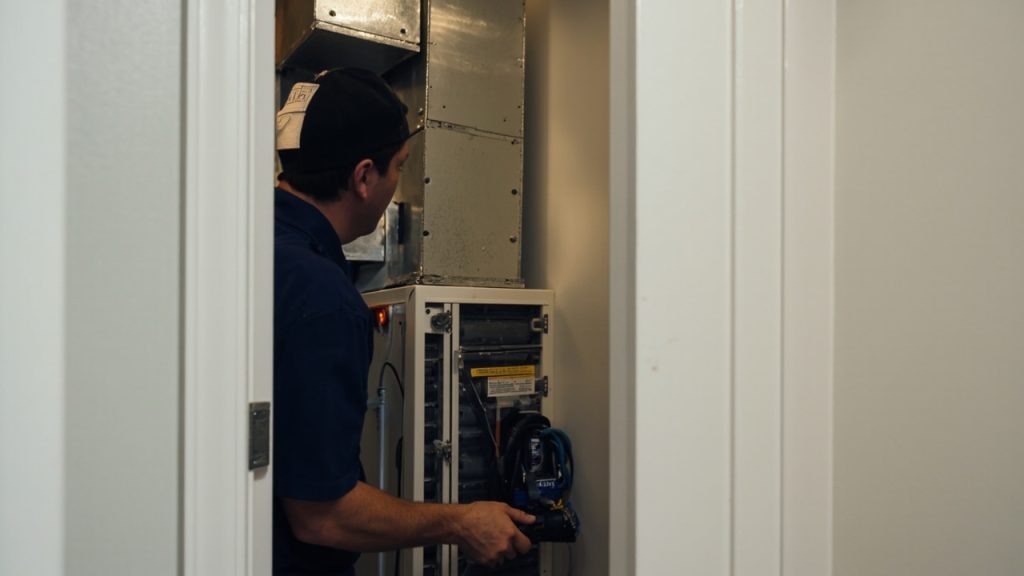
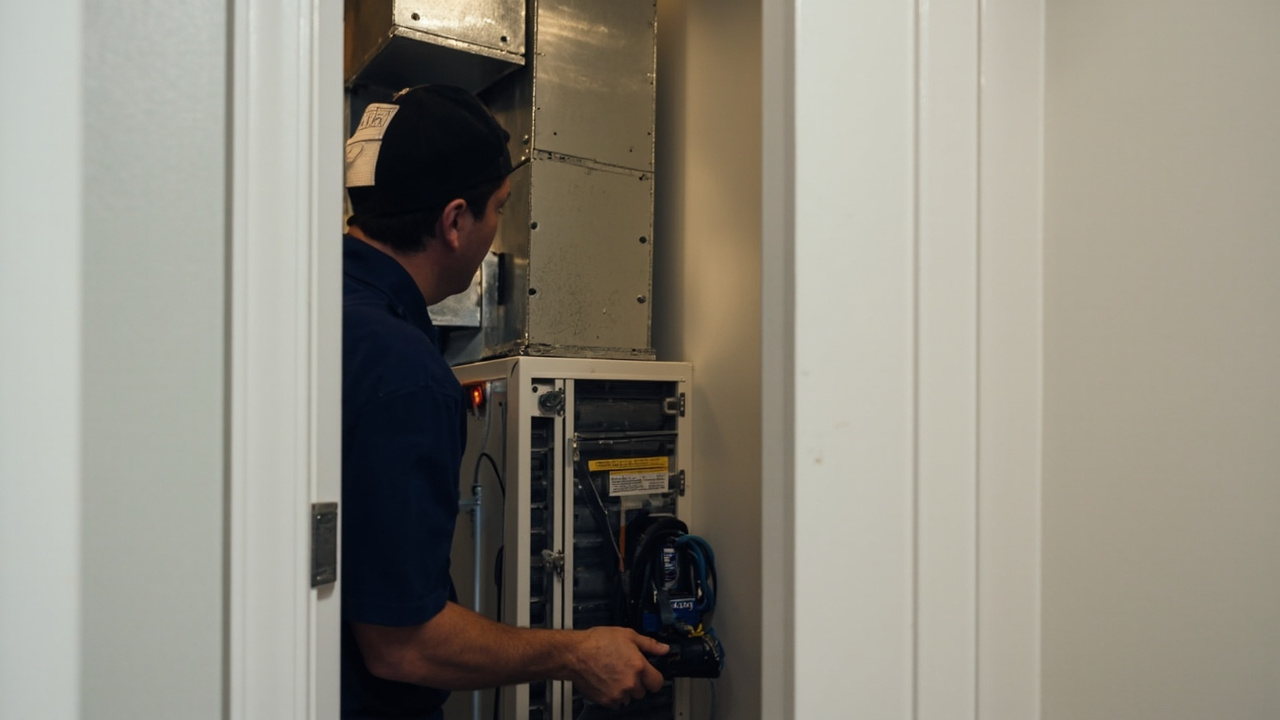
Turtle Creek’s luxury high-rises built between the 1980s and 2000s often feature vertical stack heat pump units. These compact systems fit in closets and serve individual units while drawing from a building-wide water loop. The water circulates through each unit providing both heating and cooling depending on the season.
Unlike homes in nearby Highland Park or University Park where outdoor units are visible high-rise condos must manage condensate drainage through the building’s plumbing system. This creates unique challenges during Dallas’s humid summers when condensation rates increase dramatically.
Common HVAC Systems in Turtle Creek High-Rises
Understanding your building’s specific system helps you communicate effectively with technicians and plan upgrades. Here are the most common setups found in Turtle Creek condominiums.
Water-Source Heat Pumps
Water-source heat pumps represent the most efficient option for high-rise living. These units transfer heat to and from a water loop rather than outside air. During Dallas’s scorching summers they reject heat to the loop which flows to a cooling tower. In winter they extract heat from the loop which connects to a boiler system.
The water loop temperature typically stays between 60°F and 90°F making these systems highly efficient year-round. They work exceptionally well in Turtle Creek’s climate where summer heat can exceed 100°F and winter nights occasionally drop below freezing.
Fan Coil Units
Fan coil units offer a simpler alternative found in older Turtle Creek buildings. These units use chilled or heated water from the building’s central plant to condition air. They lack the reversing valve of heat pumps so they cannot provide both heating and cooling simultaneously.
FCUs work well in Dallas’s long cooling season but may struggle during occasional cold snaps. Many Turtle Creek buildings supplement FCUs with electric resistance heat strips for backup heating.
Vertical Stack Heat Pumps
Vertical stack units maximize limited closet space common in high-rise units. These compact heat pumps stack horizontally rather than spreading out like standard residential units. They typically measure 18 to 24 inches wide and fit in standard closet openings.
Popular brands in Turtle Creek buildings include Magic Chef Skymark and AAON. These units often serve 600 to 1200 square foot condos efficiently while maintaining quiet operation essential for multi-story living.
Understanding Your HOA’s HVAC Responsibilities
Before scheduling any HVAC work review your condominium’s governing documents. Dallas high-rise HOAs typically divide HVAC responsibilities between the association and individual owners creating potential confusion during repairs.
Most Turtle Creek associations own and maintain the central plant including chillers cooling towers and boilers. They also handle the water loop distribution system and main risers serving multiple floors. Individual owners usually maintain the in-unit equipment including fan coils heat pumps and associated controls.
This division means a problem affecting multiple units likely falls under HOA responsibility while issues isolated to your unit remain your responsibility. For example if your neighbor’s heat pump fails and yours follows the building loop might need repair rather than individual units.
Always contact your building management before scheduling repairs. They can confirm whether the issue affects other units and whether HOA approval is needed for access through common areas.
Common HVAC Issues in Turtle Creek Condos
High-rise living creates specific HVAC challenges different from single-family homes. Recognizing these issues helps you address problems quickly.
Condensate Drain Problems
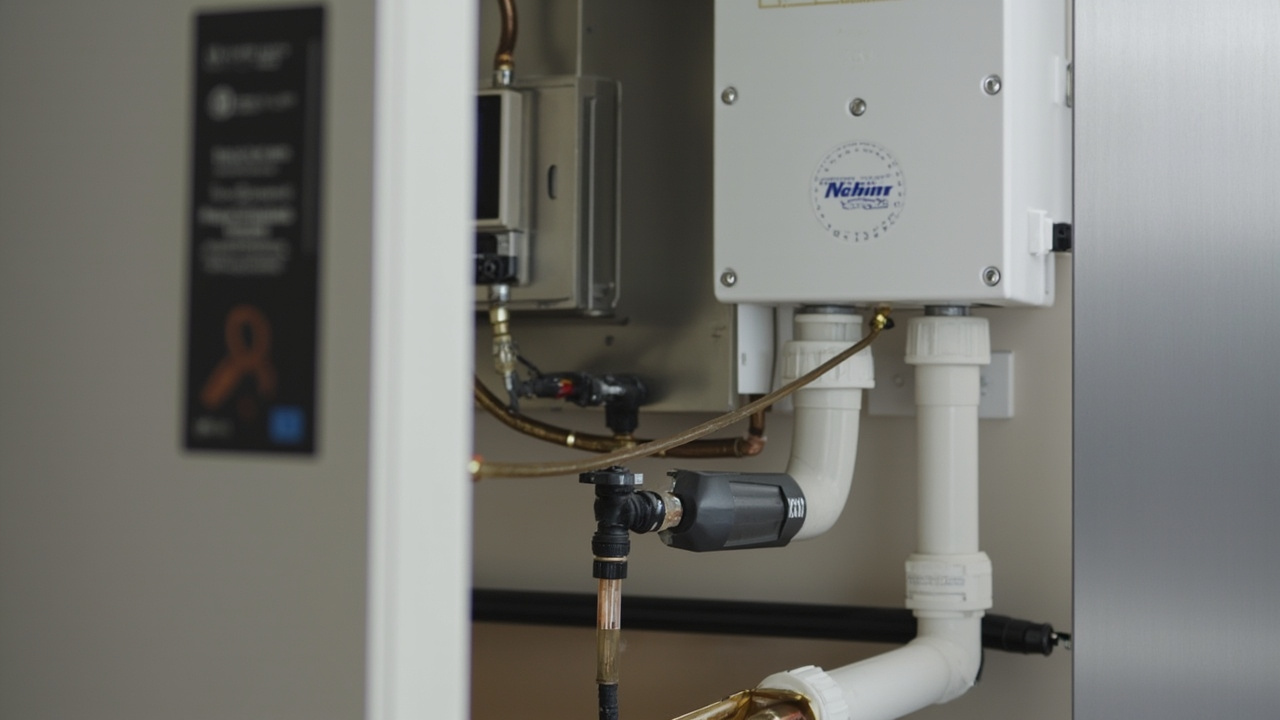
Dallas’s high humidity creates substantial condensation during summer months. In high-rises this water must travel through vertical drain lines often 20 stories or more. These long runs increase clog risks and leak potential.
Common signs include water stains on ceilings below your unit or wet spots near air handlers. Annual drain line cleaning prevents most issues but older buildings may need upgraded piping to handle increased condensation from modern high-efficiency units.
Cooling Tower Performance
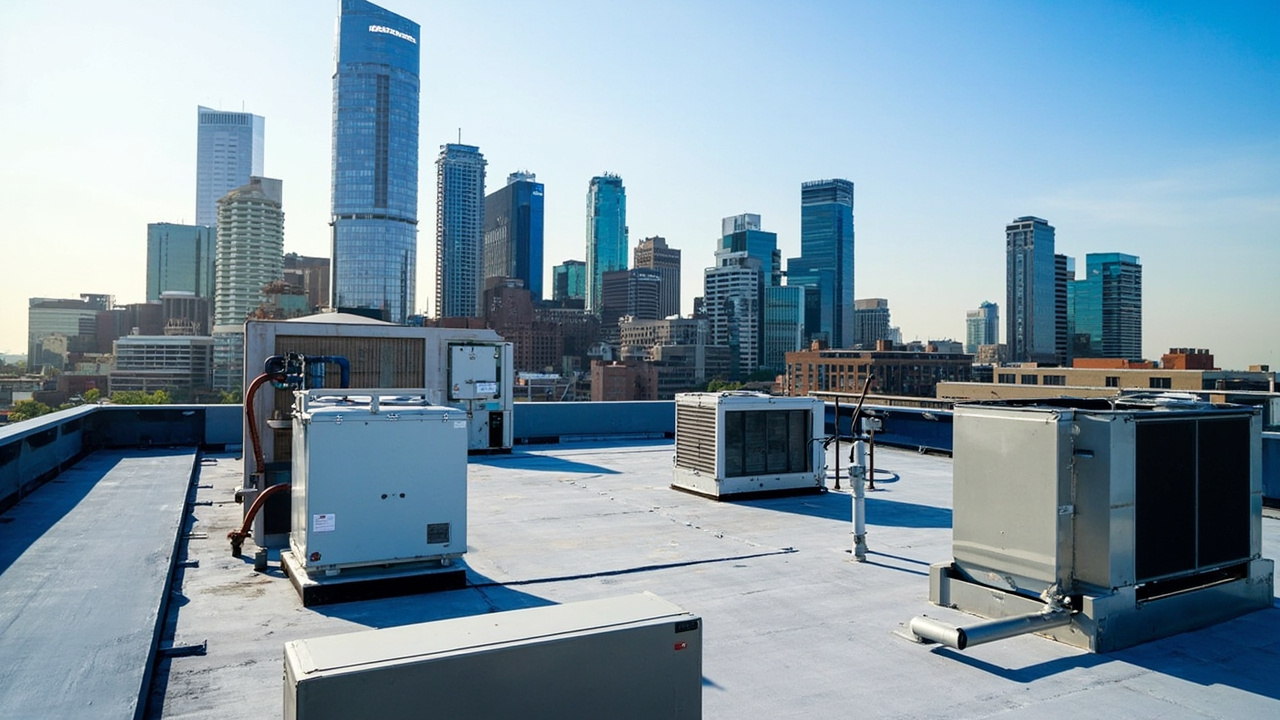
Buildings using water-source heat pumps rely on cooling towers to reject heat during summer. These rooftop units face Dallas’s harsh sun and occasional hail storms. Poor maintenance reduces efficiency and can cause system-wide cooling failures during heat waves.
Listen for unusual fan noises or observe reduced cooling capacity. These often indicate cooling tower problems affecting your entire building rather than just your unit.
Water Loop Contamination
The closed water loop serving multiple units can develop issues over time. Air enters through small leaks creating gurgling sounds and reducing heat transfer efficiency. Corrosion from Dallas’s hard water builds up restricting flow and reducing system capacity.
Annual water quality testing and loop cleaning prevent most problems. However once contamination occurs professional cleaning may require system shutdown affecting all units. Indoor Air Quality Solutions.
Upgrading Your Condo’s HVAC System
Considering an HVAC upgrade in your Turtle Creek condo requires planning beyond selecting equipment. Building constraints and HOA rules significantly impact your options.
Space Limitations
High-rise closets typically measure 24 inches wide by 24 inches deep with limited ceiling height. Standard residential heat pumps often won’t fit requiring specialized vertical stack or compact units.
Measure your available space carefully including door openings and clearance for service access. Some buildings restrict unit sizes to maintain closet usability for residents. Who to Call for Same-Day AC Service in University Park and North Dallas.
Electrical Capacity
Older Turtle Creek buildings built in the 1980s may have limited electrical service for individual units. Upgrading to high-efficiency heat pumps might require electrical panel upgrades or new circuits.
Check your breaker panel capacity and consult with building management about electrical limitations. Some buildings restrict total electrical load per unit to prevent transformer overloads.
HOA Approval Process
Most Turtle Creek HOAs require approval for HVAC replacements. This process typically includes submitting equipment specifications proof of proper disposal of old units and sometimes engineering reviews for major modifications.
Start the approval process early as reviews can take 2 to 4 weeks. Some buildings require specific brands or efficiency ratings to maintain system compatibility.
Energy Efficiency Considerations for High-Rise Living
Upgrading to high-efficiency equipment offers significant benefits in Turtle Creek’s climate but requires understanding building-wide impacts.
SEER2 Ratings and Real-World Performance
Modern heat pumps offer SEER2 ratings up to 18 while older units might rate 10 or below. However high-rise efficiency gains differ from single-family homes due to shared systems and building envelope characteristics.
A new 18 SEER2 unit might reduce your electricity usage by 30% but building-wide efficiency depends on cooling tower performance and water loop temperature. Work with technicians familiar with integrated high-rise systems for accurate efficiency predictions.
Smart Thermostats and Building Integration
Smart thermostats offer convenience but may conflict with building automation systems in some Turtle Creek high-rises. Some buildings use centralized temperature control limiting individual thermostat adjustments.
Verify compatibility before purchasing smart thermostats. Some buildings allow smart controls for fan speed and scheduling but maintain central temperature setpoints for energy management.
Indoor Air Quality in Shared Ventilation
High-rise living often means shared air handling reducing individual control over indoor air quality. Dallas’s high pollen counts and humidity create specific IAQ challenges in confined spaces.. Read more about Top-Rated Indoor Air Quality Solutions for Allergy Sufferers in Irving.
Consider HEPA filtration or UV light systems compatible with your unit type. Some buildings restrict aftermarket IAQ additions due to shared ductwork concerns.
Emergency HVAC Services in Turtle Creek
AC failures during Dallas summers create urgent situations especially in high-rise buildings where heat rises and upper floors become uncomfortable quickly.
24/7 Emergency Response
Choose technicians experienced with high-rise access and building protocols. Turtle Creek buildings often require advance notice for service elevator use and may restrict after-hours access.
Emergency services should include temporary cooling solutions while awaiting parts. Portable AC units or fans can provide relief during multi-day repairs common with specialized high-rise equipment.
Parts Availability
Vertical stack and water-source heat pumps use specialized components not stocked at standard HVAC supply houses. Choose service providers maintaining inventory of common high-rise parts or establishing relationships with specialty suppliers.
Ask about typical repair timelines and parts availability before emergencies occur. Some components require 3 to 5 day shipping from manufacturers.
Building Access Coordination
High-rise repairs often require coordination with building management security and sometimes multiple residents. Technicians must navigate parking restrictions service elevator scheduling and sometimes HOA representative presence during work.
Professional high-rise HVAC companies understand these protocols and can expedite approvals and access. This experience reduces repair times and minimizes disruption to building operations.
Maintenance Schedule for Turtle Creek Condos
Regular maintenance prevents most high-rise HVAC emergencies and extends equipment life. The shared nature of these systems creates specific maintenance needs.
Annual Professional Maintenance
Schedule professional maintenance twice yearly spring before cooling season and fall before heating season. High-rise units work harder than single-family systems due to continuous operation and shared water loop demands.
Maintenance should include checking refrigerant levels cleaning coils inspecting electrical connections and testing safety controls. Water-source heat pumps also need water flow verification and pressure testing.
Drain Line Maintenance
Clean drain lines quarterly during peak cooling season. Dallas humidity creates substantial condensation requiring clear drainage paths. Pour a cup of white vinegar monthly down the drain line to prevent algae growth common in our warm climate.
Watch for water backup signs including unusual sounds from drains or reduced cooling capacity indicating restricted airflow from water accumulation.
Filter Replacement Schedule
Replace filters every 30 to 60 days rather than the standard 90 days. High-rise living often means shared air handling increasing dust and allergen exposure. Dallas’s high pollen season from March through June particularly impacts filter loading.
Use MERV 8 to MERV 11 filters unless your building restricts higher ratings due to shared air handling systems. Higher MERV ratings improve air quality but may restrict airflow in some older systems.
Comparing HVAC Upgrade Options
Choosing between repair and replacement requires understanding your building’s specific constraints and your long-term plans. Here’s a comparison of common scenarios.
| Scenario | Recommended Action | Timeline | Cost Factors |
|---|---|---|---|
| 15+ year old unit failing | Full replacement with high-efficiency model | 2-4 weeks including HOA approval | $4,000 – $8,000 depending on size |
| Minor refrigerant leak | Repair if under 5 years old | 1-2 days | $300 – $800 plus refrigerant |
| Cooling tower issues | Coordinate with HOA for building-wide repair | 1-3 days building access dependent | $2,000 – $5,000 shared cost |
| Water loop contamination | Professional cleaning required | 2-5 days system shutdown | $1,500 – $3,000 |
Finding the Right HVAC Contractor for Your Turtle Creek Condo
Not all HVAC companies understand high-rise systems. Look for specific qualifications and experience when selecting a contractor.
Required Certifications and Licenses
Verify Texas HVAC licensing through the Texas Department of Licensing and Regulation. High-rise work requires additional expertise beyond standard residential licensing. Texas Department of Licensing and Regulation.
Look for technicians with experience in commercial HVAC systems since high-rise equipment shares more similarities with commercial than residential setups. NATE certification indicates advanced technical knowledge.
High-Rise Experience
Ask potential contractors about specific high-rise experience in Turtle Creek or similar Dallas buildings. Experience with water-source heat pumps vertical stacks and fan coil units proves essential technical capability.
Request references from other condo owners or building management companies. High-rise work requires understanding building protocols security procedures and shared system impacts.
Insurance and Building Requirements
High-rise contractors need specific insurance coverage including workers’ compensation and liability insurance with adequate limits. Many Turtle Creek buildings require certificates of insurance naming the HOA as additionally insured.
Verify insurance certificates before work begins. Some buildings also require background checks for technicians accessing secured areas.
Preparing for HVAC Installation in Your Condo
Installation in high-rise buildings requires more planning than single-family homes. Here’s how to prepare for a smooth process. How Much a New AC Installation Actually Costs in Dallas This Year.
Space Preparation
Clear closet space completely including personal items. Technicians need full access to units and may need to remove doors temporarily. Protect adjacent areas from dust and debris during removal of old equipment.
Consider temporary storage for items normally kept in the HVAC closet. Installation may take 4 to 8 hours depending on building access and equipment complexity.
Access Coordination
Schedule installation during building management’s specified service hours typically 8 AM to 5 PM weekdays. Some buildings restrict weekend work or require additional fees for after-hours service.
Arrange parking for service vehicles. Turtle Creek buildings often have limited loading zones requiring advance coordination. Some buildings provide service elevators while others require stairs for equipment transport.
Post-Installation Testing
Verify proper operation before technicians leave. Test both heating and cooling modes even if installation occurs during one season. Check for unusual noises proper airflow and correct thermostat operation.
Review warranty information and maintenance requirements with the technician. Keep all documentation for HOA records and future reference.
Future Trends in High-Rise HVAC Technology
HVAC technology continues evolving offering new options for high-rise efficiency and comfort. Understanding these trends helps you plan future upgrades.
Variable Refrigerant Flow Systems
VRF systems offer zoning capabilities within individual units without separate outdoor units. These systems use refrigerant piping instead of water loops reducing installation complexity in some buildings.
VRF technology continues improving with better cold-climate heating performance making them viable options for Dallas’s occasional winter heating needs.
Building Automation Integration
Modern high-rises increasingly integrate HVAC with building management systems. This integration optimizes energy use across units and can provide individual control through smartphone apps.
Some Turtle Creek buildings already offer app-based control of fan speed and scheduling while maintaining central temperature management for efficiency.
Improved Indoor Air Quality Solutions
New IAQ technologies address shared ventilation concerns common in high-rise living. Bipolar ionization and advanced filtration systems reduce airborne contaminants without requiring extensive ductwork modifications.
These technologies particularly benefit allergy sufferers and those concerned about indoor air quality in shared spaces.
Frequently Asked Questions
How often should I replace my condo’s HVAC filter?
Replace filters every 30 to 60 days in high-rise condos due to shared air handling and Dallas’s high pollen counts. More frequent replacement maintains efficiency and air quality especially during spring and fall seasons.
Can I install a standard residential AC unit in my Turtle Creek condo?
Most Turtle Creek condos cannot accommodate standard residential units due to space constraints and building design. Vertical stack or compact heat pumps specifically designed for high-rise applications are typically required to fit in standard closet spaces.
Who pays for HVAC repairs in a condo building?
Responsibility varies by building. Individual owners typically maintain in-unit equipment while HOAs handle central plant and distribution systems. Review your governing documents or consult building management to determine responsibility for specific issues.
How long does a typical high-rise HVAC replacement take?
Most replacements require 4 to 8 hours including equipment removal and installation. Additional time may be needed for electrical modifications or if building access creates scheduling constraints. Plan for potential delays due to parts availability or building protocols.
What should I do if my AC stops working during a Dallas heat wave?
Contact a high-rise experienced HVAC contractor immediately. Meanwhile use fans reduce heat-generating activities and stay hydrated. Many contractors offer temporary cooling solutions while awaiting parts for specialized high-rise equipment.
- Review HOA Documents
Check governing documents for HVAC responsibilities and approval requirements before scheduling service.
- Clear Access Areas
Remove all items from closets and ensure clear paths for technicians to access equipment and carry tools.
- Coordinate Building Access
Notify building management of scheduled service and arrange for service elevator use if required.
- Protect Valuables
Cover nearby furniture and flooring to protect from dust and debris during equipment removal.
- Verify Contractor Credentials
Confirm licensing insurance and high-rise experience before work begins.
Ready to Upgrade Your Turtle Creek HVAC System?
Turtle Creek high-rise living requires specialized HVAC knowledge and experience. From water-source heat pumps to vertical stack units our team understands the unique challenges of Dallas high-rise systems.
Don’t wait for a summer breakdown to discover your contractor lacks high-rise expertise. Contact us today for a comprehensive evaluation of your current system and recommendations for efficiency improvements.
Call us now at (972) 850-2750 or schedule your consultation online. Our experienced technicians serve Turtle Creek and all Dallas high-rise communities with 24/7 emergency service when you need it most.
Don’t let HVAC problems disrupt your urban lifestyle. Get the expert service your Turtle Creek condo deserves. For more information, visit Department of Energy heat pump information.
{
“@context”: “https://schema.org”,
“@type”: “BlogPosting”,
“headline”: “Upgrading the HVAC System in Your Turtle Creek High Rise Condo”,
“description”: “Discover the specialized HVAC systems in Turtle Creek high-rise condos. Learn about water-source heat pumps, vertical stack units, and Dallas-specific maintenance needs.”,
“wordCount”: 2780,
“datePublished”: “2026-03-14T10:33:00.000Z”,
“dateModified”: “2026-03-14T10:33:00.000Z”,
“inLanguage”: “en-US”,
“mainEntityOfPage”: {
“@type”: “WebPage”,
“@id”: “https://cornerstonehvacdallas.com”
},
“publisher”: {
“@type”: “LocalBusiness”,
“name”: “Cornerstone HVAC Dallas”,
“url”: “https://cornerstonehvacdallas.com”
},
“author”: {
“@type”: “Organization”,
“name”: “Cornerstone HVAC Dallas”,
“url”: “https://cornerstonehvacdallas.com”
},
“image”: {
“@type”: “ImageObject”,
“url”: “https://cornerstonehvacdallas.com/wp-content/uploads/2026/03/upgrading-the-hvac-system-in-your-turtle-creek-hig-1.jpg”
}
}
{
“@context”: “https://schema.org”,
“@type”: “HVACBusiness”,
“name”: “Cornerstone HVAC Dallas”,
“url”: “https://cornerstonehvacdallas.com”,
“address”: {
“@type”: “PostalAddress”,
“addressLocality”: “Dallas”
},
“areaServed”: {
“@type”: “City”,
“name”: “Dallas”
}
}
{
“@context”: “https://schema.org”,
“@type”: “FAQPage”,
“mainEntity”: [
{
“@type”: “Question”,
“name”: “How often should I replace my condo’s HVAC filter?”,
“acceptedAnswer”: {
“@type”: “Answer”,
“text”: “Replace filters every 30 to 60 days in high-rise condos due to shared air handling and Dallas’s high pollen counts. More frequent replacement maintains efficiency and air quality especially during spring and fall seasons.”
}
},
{
“@type”: “Question”,
“name”: “Can I install a standard residential AC unit in my Turtle Creek condo?”,
“acceptedAnswer”: {
“@type”: “Answer”,
“text”: “Most Turtle Creek condos cannot accommodate standard residential units due to space constraints and building design. Vertical stack or compact heat pumps specifically designed for high-rise applications are typically required to fit in standard closet spaces.”
}
},
{
“@type”: “Question”,
“name”: “Who pays for HVAC repairs in a condo building?”,
“acceptedAnswer”: {
“@type”: “Answer”,
“text”: “Responsibility varies by building. Individual owners typically maintain in-unit equipment while HOAs handle central plant and distribution systems. Review your governing documents or consult building management to determine responsibility for specific issues.”
}
},
{
“@type”: “Question”,
“name”: “How long does a typical high-rise HVAC replacement take?”,
“acceptedAnswer”: {
“@type”: “Answer”,
“text”: “Most replacements require 4 to 8 hours including equipment removal and installation. Additional time may be needed for electrical modifications or if building access creates scheduling constraints. Plan for potential delays due to parts availability or building protocols.”
}
},
{
“@type”: “Question”,
“name”: “What should I do if my AC stops working during a Dallas heat wave?”,
“acceptedAnswer”: {
“@type”: “Answer”,
“text”: “Contact a high-rise experienced HVAC contractor immediately. Meanwhile use fans reduce heat-generating activities and stay hydrated. Many contractors offer temporary cooling solutions while awaiting parts for specialized high-rise equipment.”
}
},
{
“@type”: “Question”,
“name”: “Ready to Upgrade Your Turtle Creek HVAC System?”,
“acceptedAnswer”: {
“@type”: “Answer”,
“text”: “Turtle Creek high-rise living requires specialized HVAC knowledge and experience. From water-source heat pumps to vertical stack units our team understands the unique challenges of Dallas high-rise systems.”
}
}
]
}
{
“@context”: “https://schema.org”,
“@type”: “BreadcrumbList”,
“itemListElement”: [
{
“@type”: “ListItem”,
“position”: 1,
“name”: “Home”,
“item”: “https://cornerstonehvacdallas.com”
},
{
“@type”: “ListItem”,
“position”: 2,
“name”: “Blog”,
“item”: “https://cornerstonehvacdallas.com/blog”
},
{
“@type”: “ListItem”,
“position”: 3,
“name”: “Upgrading the HVAC System in Your Turtle Creek High Rise Condo”
}
]
}
{
“@context”: “https://schema.org”,
“@type”: “Service”,
“serviceType”: “HVAC”,
“provider”: {
“@type”: “LocalBusiness”,
“name”: “Cornerstone HVAC Dallas”,
“url”: “https://cornerstonehvacdallas.com”
},
“areaServed”: {
“@type”: “City”,
“name”: “Dallas”
},
“description”: “Discover the specialized HVAC systems in Turtle Creek high-rise condos. Learn about water-source heat pumps, vertical stack units, and Dallas-specific maintenance needs.”
}