
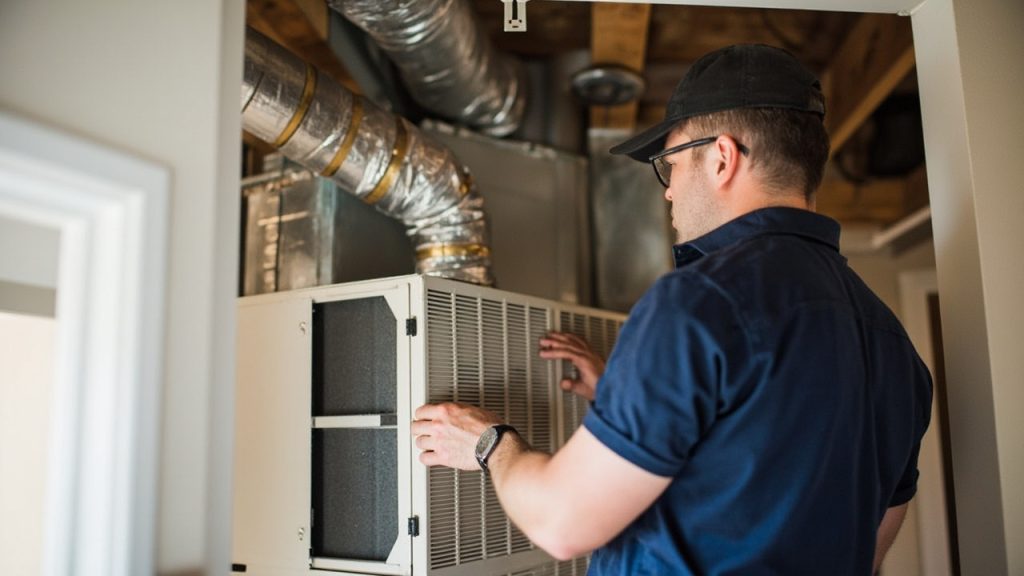
Top-Rated Indoor Air Quality Solutions for Allergy Sufferers in Irving
Living in Irving means dealing with Texas allergens year-round. From spring pollen to winter mountain cedar, your indoor air can trap irritants that trigger sneezing, congestion, and asthma attacks. The good news is that modern indoor air quality solutions can remove these pollutants and help you breathe easier at home. Indoor Air Quality Solutions.
Why Indoor Air Quality Matters for Irving Homes
Irving sits in the heart of the Dallas-Fort Worth metroplex where seasonal allergens run high. Mountain cedar pollen peaks in winter while ragweed and grass pollen surge in fall and spring. These microscopic particles easily enter your home through open doors windows or on clothing. Once inside they circulate through your HVAC system and settle into carpets and furniture. HVAC Dallas.
Beyond allergens the humid Texas climate creates ideal conditions for mold growth. Moisture from summer storms or poor ventilation can lead to mold spores in your air ducts. These spores trigger respiratory issues and create musty odors throughout your home.
Common Indoor Air Pollutants in Irving
Understanding what you are breathing is the first step to cleaner air. Common indoor pollutants in Irving homes include:
- Pollen from local trees and grasses
- Dust mites that thrive in humid conditions
- Mold spores from moisture problems
- Pet dander from household animals
- Volatile organic compounds from cleaning products and paints
- Particulate matter from nearby construction and traffic
These pollutants can cause immediate symptoms like itchy eyes and coughing or long-term health effects for people with asthma or allergies.
Professional Indoor Air Quality Testing
Before installing any air quality equipment you need to know what you are dealing with. Professional air quality testing measures specific pollutants in your home. A technician will test for: Installing a Ductless Mini-Split in Your M Streets Bungalow or Garage Suite.
- Allergen levels including pollen and dust mite counts
- Humidity levels that indicate mold risk
- Carbon dioxide levels showing ventilation efficiency
- Volatile organic compound concentrations
- Particulate matter in different size ranges
Testing typically takes one to two hours and provides a detailed report of your home’s air quality issues. This data helps you choose the right solutions instead of guessing.
Whole-Home Air Purification Systems
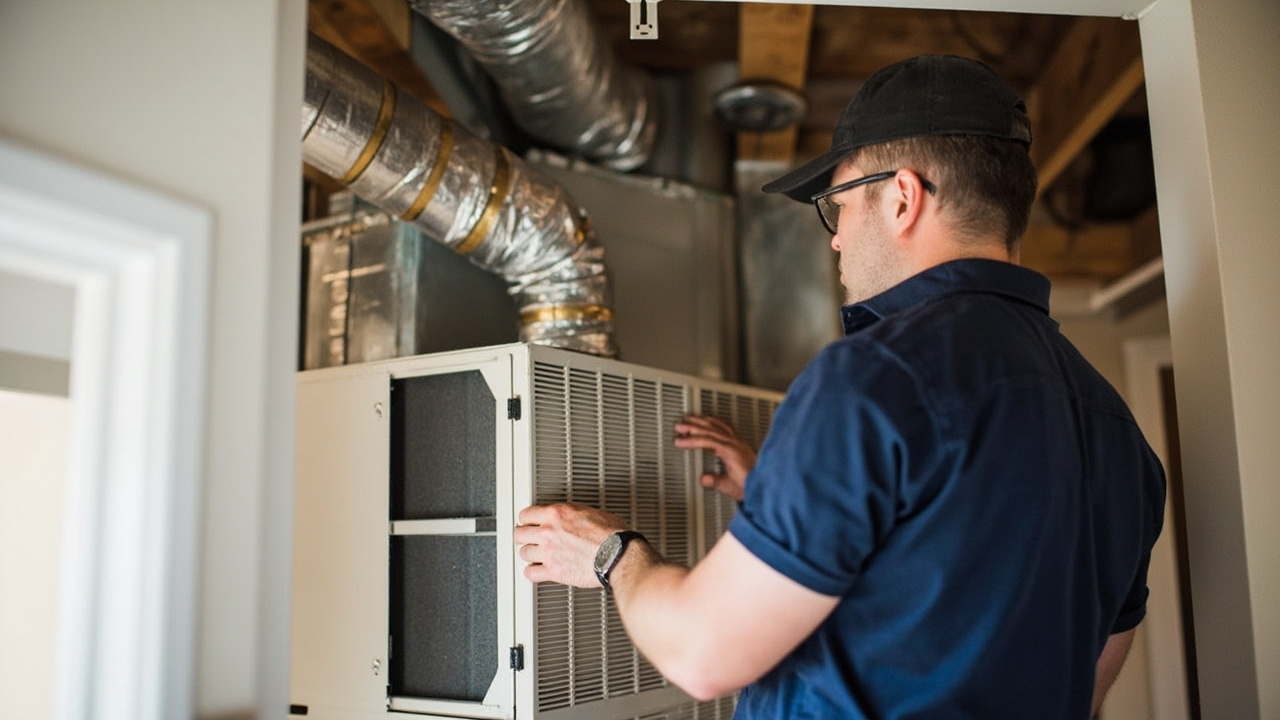
Whole-home air purifiers connect directly to your HVAC system and clean all the air circulating through your home. Unlike portable units these systems treat every room simultaneously.
HEPA Filtration Systems
High-efficiency particulate air filters trap 99.97% of particles 0.3 microns or larger. This includes most pollen dust mites and pet dander. HEPA filters work by forcing air through a dense mat of fibers that capture particles through multiple mechanisms. EPA Indoor Air Quality Information.
Standard HVAC filters catch only large particles. HEPA systems catch the microscopic irritants that trigger allergies. However HEPA filters require specific HVAC system modifications since they restrict airflow more than standard filters.
Electronic Air Cleaners
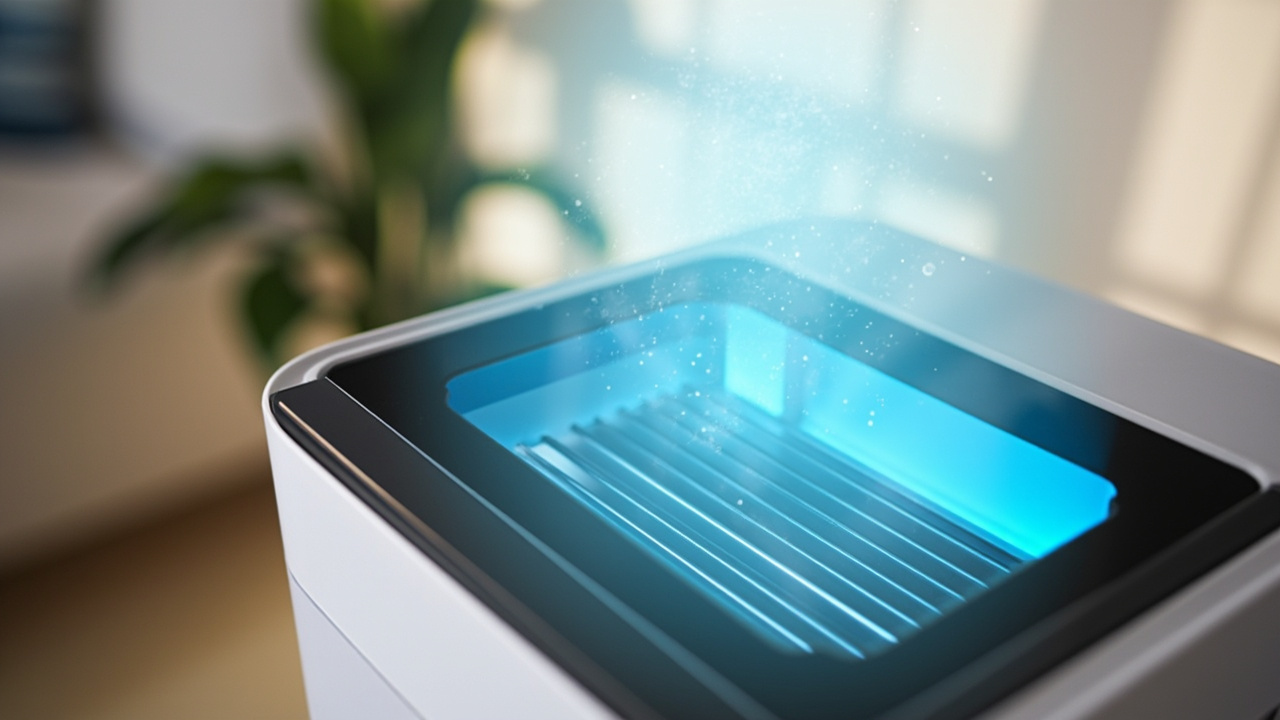
Electronic air cleaners use electrical charges to trap particles. As air passes through the unit particles receive an electrical charge. Collector plates with opposite charges then attract and trap these particles.
These systems excel at capturing smaller particles that mechanical filters miss. They also handle smoke and some bacteria. The collector plates wash clean for reuse making them cost-effective over time.
UV Germicidal Lights
Ultraviolet germicidal irradiation kills bacteria viruses and mold spores. UV lights install inside your air ducts where they expose circulating air to UV-C light. This light damages the DNA of microorganisms preventing them from reproducing.
UV lights work best against biological contaminants rather than dust or pollen. They complement filtration systems by addressing living organisms that filters cannot trap.
Humidity Control Solutions
North Texas humidity creates unique challenges for indoor air quality. Too much humidity promotes mold growth while too little causes respiratory irritation and static electricity.
Whole-Home Dehumidifiers
Whole-home dehumidifiers connect to your HVAC system and remove excess moisture from all circulating air. These units work continuously to maintain optimal humidity levels between 30% and 50%.
During Irving’s humid summers dehumidifiers prevent condensation on windows and walls. This stops mold growth before it starts. They also make your home feel cooler allowing you to set your thermostat higher and save energy.
Whole-Home Humidifiers
Winter heating dries indoor air causing scratchy throats and irritated sinuses. Whole-home humidifiers add moisture to heated air before it circulates through your home.
These systems use water panels or steam to maintain comfortable humidity. They prevent the dry air that makes allergy symptoms worse and protects wood furniture from cracking.
Smart Air Quality Monitoring
Modern air quality monitors track pollutant levels in real time. These devices measure particulate matter volatile organic compounds carbon dioxide and humidity. Many connect to smartphone apps that alert you when air quality drops.
Smart monitors help you understand when your air quality problems occur. You might discover that pollen levels spike in the afternoon or that VOC levels rise when you cook dinner. This data helps you use your air quality equipment more effectively.
Some advanced systems integrate with your HVAC controls. They can automatically adjust fan speeds or activate air purifiers when pollutant levels rise.
Air Duct Cleaning and Sealing
Your air ducts distribute conditioned air throughout your home. If they contain dust mold or debris they also distribute these pollutants.
Professional duct cleaning removes accumulated dust and contaminants using specialized vacuums and brushes. This process typically includes cleaning supply and return ducts registers and the air handler.
Duct sealing prevents air leaks that draw in dust from attics and crawl spaces. Leaky ducts can reduce your HVAC efficiency by 20% or more while pulling in unfiltered air.
Comparing Air Quality Solutions
| Solution | Best For | Maintenance | Cost Range |
|---|---|---|---|
| HEPA Filtration | Pollen dust pet dander | Annual filter replacement | $800-$1500 |
| UV Lights | Bacteria mold viruses | Annual bulb replacement | $400-$800 |
| Electronic Air Cleaner | Smoke fine particles | Wash collector plates quarterly | $600-$1200 |
| Whole-Home Dehumidifier | Humidity control mold prevention | Annual cleaning | $1200-$2500 |
| Smart Monitor | Real-time tracking awareness | Battery replacement | $150-$400 |
Installation Considerations for Irving Homes
Irving homes vary from mid-century ranches to modern developments. Each presents unique installation challenges. How Much a New AC Installation Actually Costs in Dallas This Year.
Older homes in areas like Valley Ranch or Las Colinas often have aging ductwork that may need sealing before installing advanced filtration. The ductwork in these homes might not handle the restricted airflow of HEPA filters without modifications.
Newer constructions in developments near the Toyota Music Factory typically have more modern HVAC systems that accept upgrades more easily. However these homes often have tighter building envelopes that can trap pollutants requiring mechanical ventilation solutions.
Multi-story homes need special consideration for air distribution. Upper floors may require additional equipment or zoning to ensure clean air reaches all levels.
Maintenance Requirements
Air quality equipment needs regular maintenance to work effectively. Filter-based systems require replacement on schedule. UV lights need new bulbs annually. Electronic air cleaners need quarterly cleaning of collector plates.
Many homeowners forget these maintenance tasks leading to reduced effectiveness. Professional maintenance plans ensure your equipment continues removing pollutants as designed.
During maintenance technicians check for duct leaks clean system components and verify that all equipment operates correctly. They also test air quality to confirm improvements.
Energy Efficiency Considerations
Air quality improvements can affect your energy bills. HEPA filters and electronic air cleaners increase static pressure in your ducts making your HVAC system work harder.
However the energy cost is often offset by other benefits. You might find you can set your thermostat higher in summer because dehumidifiers make the air feel cooler. Cleaner coils and ducts also improve HVAC efficiency.
Modern systems include energy-saving features like variable-speed fans that adjust based on filtration needs. These systems provide clean air without dramatically increasing energy use.
Local Building Codes and Permits
Irving follows the 2021 International Energy Conservation Code for HVAC installations. Any modifications to your HVAC system including air quality upgrades may require permits.
Professional installers handle permit requirements and ensure installations meet local codes. This includes proper electrical connections refrigerant handling and duct modifications.
Some air quality improvements qualify for energy efficiency incentives through utility companies. Your installer can help you identify available rebates for qualifying equipment.
Health Benefits of Clean Indoor Air
Clean indoor air provides immediate and long-term health benefits. People with allergies often experience fewer symptoms and reduced medication use. Those with asthma may have fewer attacks and better breathing.
Even people without respiratory issues benefit from cleaner air. Better sleep quality reduced eye irritation and fewer headaches are common improvements.
Children and elderly family members often show the most dramatic improvements since they are more sensitive to air quality issues.
Cost Factors to Consider
Air quality solutions range from simple portable units to whole-home systems. Portable air purifiers cost $200-$500 but only clean one room at a time. Whole-home systems cost more upfront but treat your entire living space.
Professional installation adds to the cost but ensures proper integration with your existing HVAC system. DIY installations often lead to problems like air bypass or reduced system efficiency.
Consider the long-term costs including replacement filters UV bulbs and professional maintenance. These ongoing expenses factor into the total cost of ownership.
Choosing the Right Solutions
The best air quality solution depends on your specific problems. If pollen is your main issue HEPA filtration makes sense. If you have mold concerns UV lights and dehumidifiers work better.
Many homes benefit from multiple solutions working together. A typical setup might combine HEPA filtration UV lights and a dehumidifier for comprehensive protection.
Professional assessment helps you avoid buying equipment you do not need while ensuring you address your actual air quality problems.
Frequently Asked Questions
How often should I replace my HVAC filter?
Standard 1-inch filters need replacement every 30-60 days. Higher efficiency filters may last 3-6 months. Check filters monthly and replace when dirty.
Can air purifiers help with COVID-19?
HEPA filters can trap virus particles but cannot eliminate all risk. UV lights may inactivate some viruses but should not be relied upon as the sole protection method.
Do air quality systems use a lot of electricity?
Most systems add minimal electrical load. Whole-home units typically use less power than a 100-watt light bulb when running continuously.
How long does installation take?
Simple installations like UV lights take 1-2 hours. Complex whole-home systems may require a full day for proper installation and testing.
Will air quality improvements help my energy bills?
Clean systems often run more efficiently. Dehumidifiers may allow higher thermostat settings in summer. The net effect varies by system and usage patterns.
Are air quality improvements worth the cost?
Many homeowners report better sleep fewer allergy symptoms and improved comfort. The value depends on your specific air quality issues and sensitivity to pollutants.

Take Control of Your Indoor Air Quality
Your home should be a refuge from outdoor allergens not a trap for them. With the right air quality solutions you can create a healthier indoor environment for your family.
Professional assessment testing and installation ensure your air quality improvements work as intended. Do not guess about your air quality or waste money on solutions that do not address your specific problems.
Call (972) 850-2750 today to schedule your indoor air quality consultation. Our technicians will test your air identify pollutants and recommend the right solutions for your Irving home. Breathe easier knowing your indoor air is clean and healthy. For more information, visit American Lung Association Air Quality Resources.
{
“@context”: “https://schema.org”,
“@type”: “BlogPosting”,
“headline”: “Top-Rated Indoor Air Quality Solutions for Allergy Sufferers in Irving”,
“description”: “Discover top-rated indoor air quality solutions for allergy sufferers in Irving. Learn about HEPA filters, UV lights, and local IAQ services to breathe easier at home.”,
“wordCount”: 1905,
“datePublished”: “2026-03-06T06:23:00.000Z”,
“dateModified”: “2026-03-06T06:23:00.000Z”,
“inLanguage”: “en-US”,
“mainEntityOfPage”: {
“@type”: “WebPage”,
“@id”: “https://cornerstonehvacdallas.com”
},
“publisher”: {
“@type”: “LocalBusiness”,
“name”: “Cornerstone HVAC Dallas”,
“url”: “https://cornerstonehvacdallas.com”
},
“author”: {
“@type”: “Organization”,
“name”: “Cornerstone HVAC Dallas”,
“url”: “https://cornerstonehvacdallas.com”
},
“image”: {
“@type”: “ImageObject”,
“url”: “https://cornerstonehvacdallas.com/wp-content/uploads/2026/03/top-rated-indoor-air-quality-solutions-for-allergy-1.jpg”
}
}
{
“@context”: “https://schema.org”,
“@type”: “HVACBusiness”,
“name”: “Cornerstone HVAC Dallas”,
“url”: “https://cornerstonehvacdallas.com”,
“address”: {
“@type”: “PostalAddress”,
“addressLocality”: “Dallas”
},
“areaServed”: {
“@type”: “City”,
“name”: “Dallas”
}
}
{
“@context”: “https://schema.org”,
“@type”: “FAQPage”,
“mainEntity”: [
{
“@type”: “Question”,
“name”: “How often should I replace my HVAC filter?”,
“acceptedAnswer”: {
“@type”: “Answer”,
“text”: “Standard 1-inch filters need replacement every 30-60 days. Higher efficiency filters may last 3-6 months. Check filters monthly and replace when dirty.”
}
},
{
“@type”: “Question”,
“name”: “Can air purifiers help with COVID-19?”,
“acceptedAnswer”: {
“@type”: “Answer”,
“text”: “HEPA filters can trap virus particles but cannot eliminate all risk. UV lights may inactivate some viruses but should not be relied upon as the sole protection method.”
}
},
{
“@type”: “Question”,
“name”: “Do air quality systems use a lot of electricity?”,
“acceptedAnswer”: {
“@type”: “Answer”,
“text”: “Most systems add minimal electrical load. Whole-home units typically use less power than a 100-watt light bulb when running continuously.”
}
},
{
“@type”: “Question”,
“name”: “How long does installation take?”,
“acceptedAnswer”: {
“@type”: “Answer”,
“text”: “Simple installations like UV lights take 1-2 hours. Complex whole-home systems may require a full day for proper installation and testing.”
}
},
{
“@type”: “Question”,
“name”: “Will air quality improvements help my energy bills?”,
“acceptedAnswer”: {
“@type”: “Answer”,
“text”: “Clean systems often run more efficiently. Dehumidifiers may allow higher thermostat settings in summer. The net effect varies by system and usage patterns.”
}
}
]
}
{
“@context”: “https://schema.org”,
“@type”: “BreadcrumbList”,
“itemListElement”: [
{
“@type”: “ListItem”,
“position”: 1,
“name”: “Home”,
“item”: “https://cornerstonehvacdallas.com”
},
{
“@type”: “ListItem”,
“position”: 2,
“name”: “Blog”,
“item”: “https://cornerstonehvacdallas.com/blog”
},
{
“@type”: “ListItem”,
“position”: 3,
“name”: “Top-Rated Indoor Air Quality Solutions for Allergy Sufferers in Irving”
}
]
}
{
“@context”: “https://schema.org”,
“@type”: “Service”,
“serviceType”: “HVAC”,
“provider”: {
“@type”: “LocalBusiness”,
“name”: “Cornerstone HVAC Dallas”,
“url”: “https://cornerstonehvacdallas.com”
},
“areaServed”: {
“@type”: “City”,
“name”: “Dallas”
},
“description”: “Discover top-rated indoor air quality solutions for allergy sufferers in Irving. Learn about HEPA filters, UV lights, and local IAQ services to breathe easier at home.”
}