
How to Find a Trustworthy Commercial HVAC Contractor in Addison
Commercial HVAC systems keep your Addison business running smoothly. When temperatures rise above 100°F in summer or fall below freezing in winter, your employees and customers depend on reliable heating and cooling. Finding the right contractor means understanding what separates qualified professionals from general repair companies.
Why Commercial HVAC Expertise Matters in Addison
Addison’s commercial buildings face unique challenges. The area’s rapid temperature swings stress rooftop units and chillers. High humidity levels create condensation problems in large spaces. Many Addison office buildings and restaurants operate 24/7, requiring systems that handle continuous operation without breakdowns.
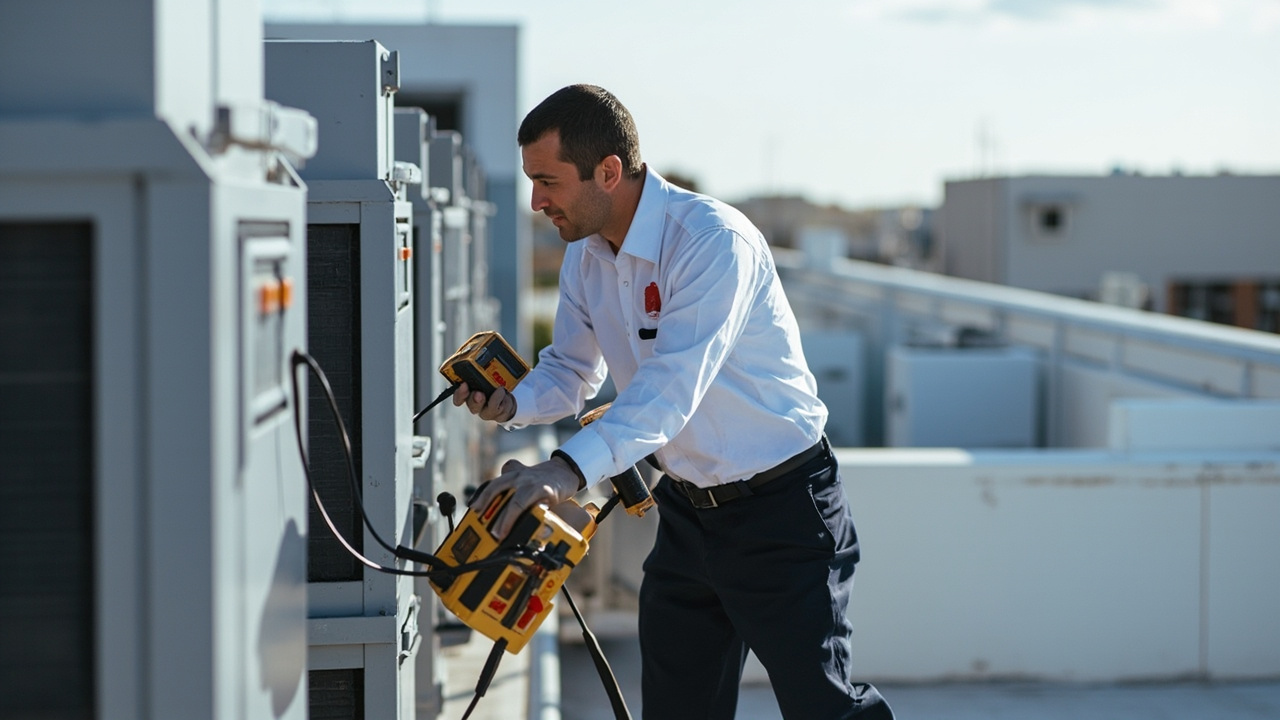
Commercial HVAC systems differ significantly from residential units. They include rooftop units (RTUs) that serve entire buildings, complex zoning controls, and specialized equipment like cooling towers and boilers. These systems require specific training and tools that residential technicians rarely use.. Read more about Specialized Kitchen Ventilation and AC Needs for Deep Ellum Restaurant Owners.
Essential Credentials to Verify
Start with licensing requirements. Texas requires HVAC contractors to hold a valid license from the Texas Department of Licensing and Regulation. Commercial contractors need additional certifications for handling refrigerants and working on large systems.
Look for these key credentials:
- TACLA or TACLB license number – required for legal commercial work
- NATE certification – proves technical expertise
- EPA Section 608 certification – required for refrigerant handling
- OSHA safety training – essential for commercial job sites
Insurance coverage matters just as much as licenses. Commercial contractors should carry general liability insurance, workers’ compensation, and commercial auto insurance. Ask for current certificates of insurance before signing any contracts.
Experience with Addison Commercial Properties
Commercial HVAC work in Addison requires familiarity with local building types. The area includes office buildings along Belt Line Road, restaurants in Addison Circle, and warehouses near Addison Airport. Each property type presents different HVAC challenges.
Office buildings often use VAV (Variable Air Volume) systems that require specialized controls knowledge. Restaurants need kitchen hood ventilation integrated with HVAC systems. Medical facilities demand precise temperature and humidity control for sensitive equipment.
Ask potential contractors about specific experience with your building type. Request references from similar Addison businesses. A contractor who regularly services restaurants on Midway Road will understand the unique demands of food service HVAC systems.
Response Time and Emergency Service
When your commercial HVAC system fails, every hour costs money. Employees can’t work in uncomfortable temperatures. Customers leave when the air conditioning stops. Food spoils in refrigerators when walk-in coolers fail.
Reliable contractors offer 24/7 emergency service with guaranteed response times. Look for companies that promise arrival within 2-4 hours for emergency calls. Ask about after-hours fees and whether they charge extra for nights or weekends.
Emergency service should include access to common replacement parts. Contractors who stock major components like compressors, circuit boards, and blower motors can fix problems faster. Those who must order parts from distant warehouses leave your business waiting days for repairs.
Understanding Commercial Equipment Types
Commercial buildings use various HVAC equipment beyond standard rooftop units. Understanding these systems helps you evaluate contractor expertise.
RTUs (Rooftop Units) serve most Addison office buildings and retail spaces. They contain compressors, heat exchangers, and controls in a single outdoor unit. Good contractors diagnose RTU problems quickly and carry common replacement parts.
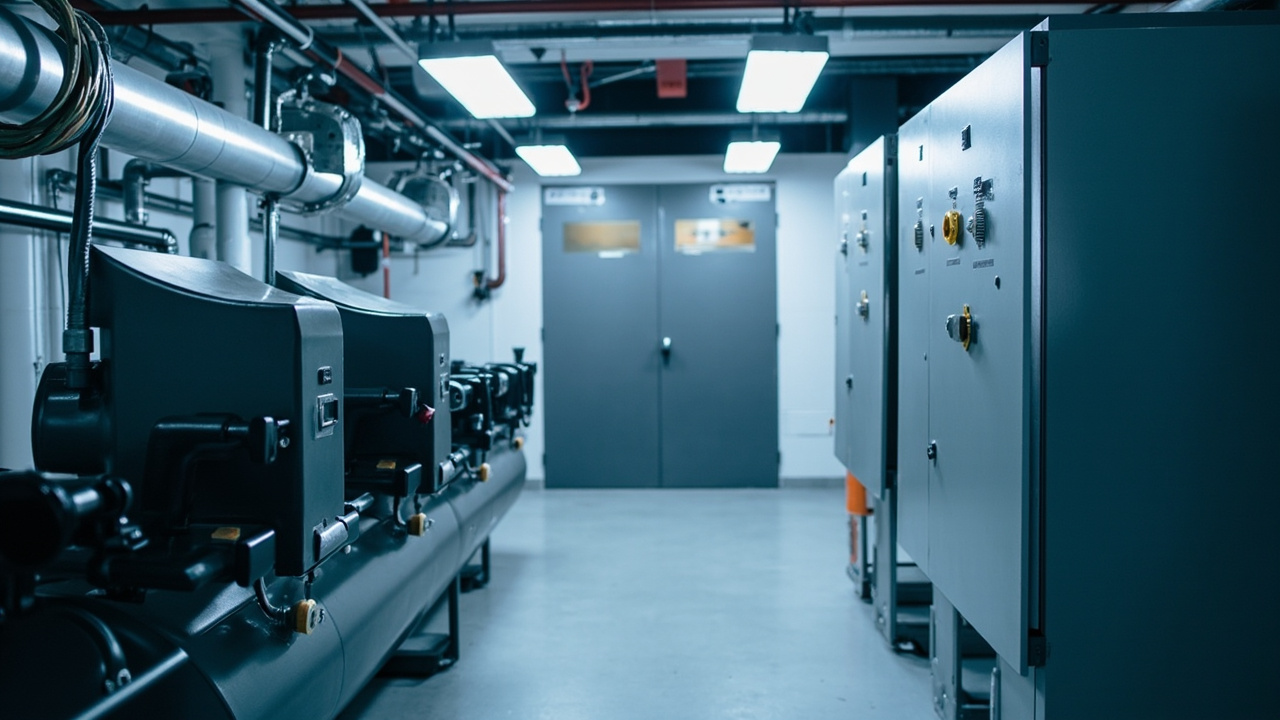
Chillers provide cooling for large buildings and data centers. They use water or refrigerant to cool spaces efficiently. Chiller repair requires specialized knowledge and tools that many general HVAC companies lack.
Make-up air units bring fresh air into buildings while maintaining temperature control. They’re essential for restaurants and facilities with exhaust systems. Proper make-up air prevents negative pressure that can cause doors to slam shut or exhaust systems to fail.
Boilers provide heating for older commercial buildings and facilities needing hot water. They require different expertise than air conditioning systems. Contractors should understand combustion, water treatment, and safety controls for boiler systems.
Preventative Maintenance Programs
Preventative maintenance prevents costly emergency repairs. It extends equipment life and maintains energy efficiency. Commercial buildings benefit from scheduled maintenance more than residential properties because their systems run longer hours.
Quality maintenance programs include regular inspections, cleaning, and adjustments. Technicians should check refrigerant levels, clean coils, inspect electrical connections, and test safety controls. They should provide detailed reports showing system condition and recommended repairs.
Maintenance contracts typically offer priority service for emergencies. When your system fails on a 105°F day, contract customers get faster response than those who call only when problems occur.
Ask about maintenance schedules. Commercial systems often need quarterly service rather than annual maintenance. Restaurants might need monthly hood cleaning and quarterly HVAC checks due to grease and dust accumulation.
Energy Efficiency and Cost Savings
Commercial HVAC systems consume significant energy. In Texas, cooling can account for 60-70% of a building’s electricity use. Efficient systems reduce operating costs and improve comfort.
Energy-efficient upgrades include high-SEER rooftop units, variable frequency drives on motors, and smart building controls. These improvements often pay for themselves through utility savings within 2-5 years.
Good contractors perform energy audits to identify waste. They might recommend upgrading old units, improving insulation, or adding zoning controls. Some utilities offer rebates for energy-efficient upgrades, which contractors should help you access.
Energy management systems monitor HVAC performance and automatically adjust settings for maximum efficiency. They can reduce energy costs by 15-30% while maintaining comfort. Contractors should explain these options and help you understand the return on investment.
Indoor Air Quality Considerations
Commercial buildings must maintain healthy indoor air quality. Poor air quality causes health problems, reduces productivity, and can violate building codes. Addison businesses need HVAC systems that filter pollutants, control humidity, and provide adequate ventilation.
Commercial air quality issues include:
- High humidity causing mold growth
- Poor ventilation creating stuffy air
- Dust and allergens affecting sensitive employees
- Chemical fumes from cleaning products or equipment
Quality contractors test air quality and recommend solutions. These might include upgraded filters, UV light systems, or dedicated ventilation equipment. They should understand ASHRAE standards for indoor air quality and local building code requirements.
Communication and Documentation
Professional contractors communicate clearly about problems and solutions. They explain technical issues in understandable terms and provide detailed estimates before starting work. They should offer multiple repair options with different costs and benefits.
Documentation matters for commercial properties. Contractors should provide:
- Detailed service reports after each visit
- Equipment manuals and warranty information
- Maintenance logs showing service history
- Energy consumption reports for efficiency tracking
Good contractors use digital tools to track service history and send reminders for upcoming maintenance. They should offer online access to service records and the ability to schedule appointments through websites or apps.
Comparing Contractor Quotes
When evaluating quotes, look beyond the bottom line. The cheapest option often costs more long-term through poor quality work or inadequate parts.
Consider these factors when comparing quotes:
| Factor | Why It Matters |
|---|---|
| Licensing and Insurance | Protects your business from liability |
| Response Time Guarantees | Minimizes business disruption |
| Parts Quality | Better parts last longer and perform better |
| Technician Experience | Experienced techs diagnose problems faster |
| Warranty Coverage | Protects your investment |
Ask contractors to explain their pricing structure. Some charge flat rates for common repairs while others bill hourly. Understand what’s included in quotes – some contractors charge extra for travel time or diagnostic fees.
Local Addison Resources and Regulations
Addison commercial properties must comply with local building codes and permit requirements. Contractors should handle permit applications and ensure work meets all regulations.
Addison’s building department requires permits for most HVAC work, including replacements and major repairs. Contractors should know local requirements and handle permitting to avoid fines or failed inspections.
The city’s energy code follows Texas standards but may have local amendments. Contractors should understand these requirements when installing new equipment or making major modifications.
Addison’s commercial areas include specific zones with different requirements. Buildings near Addison Airport face stricter noise regulations. Restaurants in Addison Circle must meet specific ventilation standards. Good contractors understand these local nuances.
Red Flags to Watch For
Several warning signs indicate unreliable contractors. Avoid companies that:
- Refuse to provide license numbers or insurance certificates
- Pressure you to make immediate decisions
- Offer quotes without seeing your equipment
- Request full payment upfront
- Lack physical business address or local presence
Be wary of extremely low bids. They often indicate inexperienced technicians, substandard parts, or hidden fees that appear later. Quality commercial HVAC work requires skilled labor and good equipment – both cost money.
Check online reviews carefully. Look for patterns in complaints rather than isolated negative reviews. Pay attention to how companies respond to criticism – professional responses indicate good customer service.
Building Long-Term Relationships
The best commercial HVAC contractors become trusted partners rather than just service providers. They understand your business operations and work to minimize disruptions. They suggest improvements before problems occur.
Long-term relationships offer benefits like:
- Faster service during emergencies
- Better pricing on maintenance contracts
- Priority scheduling for repairs
- Proactive suggestions for efficiency improvements
Good contractors visit regularly to check system performance even when no repairs are needed. They track energy usage and alert you to unusual patterns that might indicate problems.
Communication remains crucial in long-term relationships. Contractors should provide annual system reviews and budget recommendations for future replacements. They should help you plan for equipment end-of-life rather than facing emergency replacements.
Making Your Final Decision
Choosing a commercial HVAC contractor requires balancing multiple factors. Consider these elements when making your decision:
| Priority | Weight | Why Important | Emergency Response | High | Business continuity depends on quick repairs |
|---|---|---|
| Technical Expertise | High | Proper diagnosis prevents recurring problems |
| Local Experience | Medium | Understanding Addison’s specific challenges |
| Cost Structure | Medium | Predictable pricing helps budgeting |
| Communication | Medium | Clear explanations prevent misunderstandings |
Schedule consultations with your top 2-3 choices. Ask detailed questions about their experience with similar buildings. Request references from current Addison commercial clients.
Trust your instincts during meetings. Professional contractors answer questions directly, provide clear documentation, and seem genuinely interested in your business needs rather than just making a sale.
Getting Started with Your New Contractor
Once you’ve selected a contractor, establish clear expectations. Create a service agreement that outlines response times, pricing, and communication protocols. Schedule an initial system assessment to establish baseline performance.
Provide contractors with building information including floor plans, equipment manuals, and previous service records. This helps them understand your systems quickly and identify potential issues.
Set up regular maintenance schedules based on your equipment and usage patterns. Most commercial systems need quarterly service minimum, with some requiring monthly visits.
Establish emergency contact procedures. Determine who has authority to approve repairs and how contractors should reach them after hours. Clear procedures prevent delays during urgent situations.
Monitor contractor performance during the first few months. Good contractors should meet promised response times, communicate clearly, and provide quality work. Address any concerns early to ensure a successful long-term relationship.
Frequently Asked Questions
How much should I expect to pay for commercial HVAC service in Addison?
Commercial HVAC service costs vary based on system size, problem complexity, and contractor rates. Emergency service typically costs 1.5-2x standard rates. Most contractors charge $150-300 for diagnostic visits, with repairs ranging from $500-5,000 depending on the issue.
How often should commercial HVAC systems be serviced?
Commercial systems generally need quarterly maintenance minimum. Restaurants and facilities with high usage might require monthly service. Systems over 10 years old often benefit from more frequent checks to prevent breakdowns.
What brands of commercial HVAC equipment do contractors typically service?
Most commercial contractors service major brands including Trane, Carrier, York, Lennox, and Rheem. Some specialize in specific brands while others service all major manufacturers. Ask potential contractors about their brand experience with your specific equipment.
How long do commercial HVAC systems typically last?
Commercial rooftop units last 15-20 years with proper maintenance. Chillers can last 20-30 years. Boilers often exceed 30 years. Regular maintenance significantly extends equipment life compared to neglected systems.
What should I do if my commercial HVAC system fails after hours?
Call your contractor’s emergency number immediately. Turn off the system to prevent further damage. Move sensitive equipment or inventory to temperature-controlled areas if possible. Document the failure with photos for insurance purposes.
Do commercial HVAC contractors handle permits in Addison?
Yes, reputable contractors handle all required permits for commercial HVAC work in Addison. They should include permit fees in their quotes and ensure all work passes inspection. Never hire contractors who suggest skipping permits to save money.
How can I improve my commercial building’s HVAC energy efficiency?
Energy efficiency improvements include upgrading to high-efficiency equipment, adding smart controls, improving insulation, and regular maintenance. An energy audit can identify specific opportunities for your building. Many utilities offer rebates for efficiency upgrades.
What’s the difference between commercial and residential HVAC contractors?
Commercial contractors have specialized training for large systems, handle different refrigerants, work with complex controls, and understand commercial building codes. They carry different insurance and licensing than residential contractors. Commercial work requires different tools and parts than residential service.
For reliable commercial HVAC service in Addison, call CornerStone HVAC at (972) 850-2750. Our licensed technicians understand Addison’s unique commercial HVAC challenges and provide 24/7 emergency service to keep your business running smoothly.
{
“@context”: “https://schema.org”,
“@type”: “BlogPosting”,
“headline”: “How to Find a Trustworthy Commercial HVAC Contractor in Addison”,
“description”: “Find reliable commercial HVAC contractors in Addison. Learn key factors like licensing, response times, and commercial experience for your business.”,
“wordCount”: 2163,
“datePublished”: “2026-02-22T13:55:00.000Z”,
“dateModified”: “2026-02-22T13:55:00.000Z”,
“inLanguage”: “en-US”,
“mainEntityOfPage”: {
“@type”: “WebPage”,
“@id”: “https://cornerstonehvacdallas.com”
},
“publisher”: {
“@type”: “LocalBusiness”,
“name”: “Cornerstone HVAC Dallas”,
“url”: “https://cornerstonehvacdallas.com”
},
“author”: {
“@type”: “Organization”,
“name”: “Cornerstone HVAC Dallas”,
“url”: “https://cornerstonehvacdallas.com”
}
}
{
“@context”: “https://schema.org”,
“@type”: “HVACBusiness”,
“name”: “Cornerstone HVAC Dallas”,
“url”: “https://cornerstonehvacdallas.com”,
“address”: {
“@type”: “PostalAddress”,
“addressLocality”: “Dallas”
},
“areaServed”: {
“@type”: “City”,
“name”: “Dallas”
}
}
{
“@context”: “https://schema.org”,
“@type”: “FAQPage”,
“mainEntity”: [
{
“@type”: “Question”,
“name”: “How much should I expect to pay for commercial HVAC service in Addison?”,
“acceptedAnswer”: {
“@type”: “Answer”,
“text”: “Commercial HVAC service costs vary based on system size, problem complexity, and contractor rates. Emergency service typically costs 1.5-2x standard rates. Most contractors charge $150-300 for diagnostic visits, with repairs ranging from $500-5,000 depending on the issue.”
}
},
{
“@type”: “Question”,
“name”: “How often should commercial HVAC systems be serviced?”,
“acceptedAnswer”: {
“@type”: “Answer”,
“text”: “Commercial systems generally need quarterly maintenance minimum. Restaurants and facilities with high usage might require monthly service. Systems over 10 years old often benefit from more frequent checks to prevent breakdowns.”
}
},
{
“@type”: “Question”,
“name”: “What brands of commercial HVAC equipment do contractors typically service?”,
“acceptedAnswer”: {
“@type”: “Answer”,
“text”: “Most commercial contractors service major brands including Trane, Carrier, York, Lennox, and Rheem. Some specialize in specific brands while others service all major manufacturers. Ask potential contractors about their brand experience with your specific equipment.”
}
},
{
“@type”: “Question”,
“name”: “How long do commercial HVAC systems typically last?”,
“acceptedAnswer”: {
“@type”: “Answer”,
“text”: “Commercial rooftop units last 15-20 years with proper maintenance. Chillers can last 20-30 years. Boilers often exceed 30 years. Regular maintenance significantly extends equipment life compared to neglected systems.”
}
},
{
“@type”: “Question”,
“name”: “What should I do if my commercial HVAC system fails after hours?”,
“acceptedAnswer”: {
“@type”: “Answer”,
“text”: “Call your contractor’s emergency number immediately. Turn off the system to prevent further damage. Move sensitive equipment or inventory to temperature-controlled areas if possible. Document the failure with photos for insurance purposes.”
}
},
{
“@type”: “Question”,
“name”: “Do commercial HVAC contractors handle permits in Addison?”,
“acceptedAnswer”: {
“@type”: “Answer”,
“text”: “Yes, reputable contractors handle all required permits for commercial HVAC work in Addison. They should include permit fees in their quotes and ensure all work passes inspection. Never hire contractors who suggest skipping permits to save money.”
}
},
{
“@type”: “Question”,
“name”: “How can I improve my commercial building’s HVAC energy efficiency?”,
“acceptedAnswer”: {
“@type”: “Answer”,
“text”: “Energy efficiency improvements include upgrading to high-efficiency equipment, adding smart controls, improving insulation, and regular maintenance. An energy audit can identify specific opportunities for your building. Many utilities offer rebates for efficiency upgrades.”
}
},
{
“@type”: “Question”,
“name”: “What’s the difference between commercial and residential HVAC contractors?”,
“acceptedAnswer”: {
“@type”: “Answer”,
“text”: “Commercial contractors have specialized training for large systems, handle different refrigerants, work with complex controls, and understand commercial building codes. They carry different insurance and licensing than residential contractors. Commercial work requires different tools and parts than residential service.”
}
}
]
}
{
“@context”: “https://schema.org”,
“@type”: “BreadcrumbList”,
“itemListElement”: [
{
“@type”: “ListItem”,
“position”: 1,
“name”: “Home”,
“item”: “https://cornerstonehvacdallas.com”
},
{
“@type”: “ListItem”,
“position”: 2,
“name”: “Blog”,
“item”: “https://cornerstonehvacdallas.com/blog”
},
{
“@type”: “ListItem”,
“position”: 3,
“name”: “How to Find a Trustworthy Commercial HVAC Contractor in Addison”
}
]
}
{
“@context”: “https://schema.org”,
“@type”: “Service”,
“serviceType”: “HVAC”,
“provider”: {
“@type”: “LocalBusiness”,
“name”: “Cornerstone HVAC Dallas”,
“url”: “https://cornerstonehvacdallas.com”
},
“areaServed”: {
“@type”: “City”,
“name”: “Dallas”
},
“description”: “Find reliable commercial HVAC contractors in Addison. Learn key factors like licensing, response times, and commercial experience for your business.”
}