
Dealing With Pockets of Trapped Hot Air in Your High-Ceiling Devonshire Living Room
Your high-ceiling living room in Devonshire feels like two different climates. The air near the floor stays cool while the upper half bakes in trapped heat. This is not your imagination. It is a physics problem called thermal stratification and it hits hard in North Texas homes.. Read more about How to Keep Your Fair Park Home Cool While Cooking for a Crowd This Thanksgiving.
Hot air rises because it is less dense than cool air. In a room with 12-foot or higher ceilings the warm air collects near the ceiling and creates a dead zone that your standard HVAC system cannot reach. The result is cold feet and a hot head and higher energy bills as your AC runs longer trying to cool air it never actually touches. How Much a New AC Installation Actually Costs in Dallas This Year.
Devonshire homes built in the 1990s and early 2000s often have this exact layout. The great rooms with vaulted ceilings look impressive but they were not designed with Dallas summer heat in mind. Add in the urban heat island effect from nearby Uptown development and you have a recipe for uncomfortable pockets of stagnant warm air. HVAC Dallas.
Why High Ceilings Trap Heat in Dallas Homes
North Texas summers push indoor and outdoor temperature deltas to extreme levels. When it is 103 degrees outside your AC must create a 20-degree swing to hit 73 inside. In a standard 8-foot ceiling room that cool air falls naturally and mixes. In a 15-foot vaulted room the cold air stops halfway up and the upper air stays hot. Indoor Air Quality Solutions.
Humidity makes it worse. Dallas averages 78 percent relative humidity in summer. Moist air holds heat longer than dry air so the upper zone in your living room can stay 5 to 8 degrees warmer than the floor level. That is why you feel that sudden temperature drop when you stand up from the couch.. Read more about The Ideal Humidity and Temperature for Better Sleep During a Muggy Dallas Night.
Older Devonshire homes often have a single central return vent near the floor. That return pulls the coldest air out of the room leaving the hottest air with nowhere to go. The system keeps cycling the same cool air and never touches the trapped warm layer above.
Immediate Fixes You Can Try Today
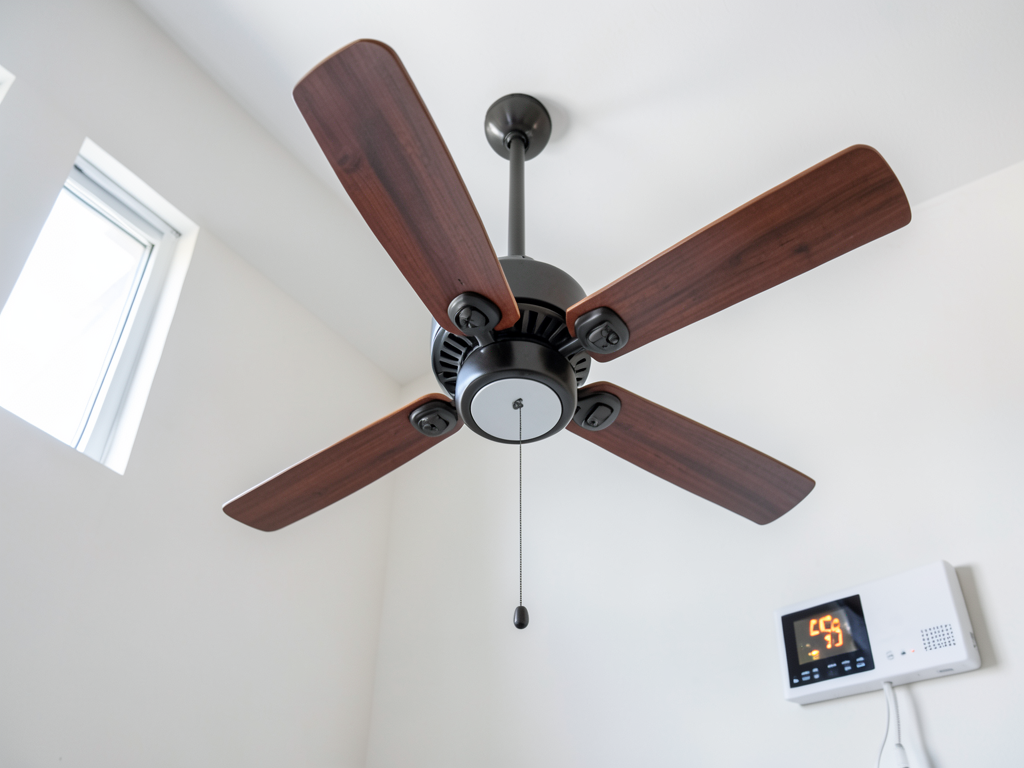
Start with your ceiling fans. In summer they should spin counter-clockwise when you look up at them. This creates a downward breeze that helps mix the air layers. Keep them on the highest comfortable speed. The air movement makes you feel 3 to 4 degrees cooler even though the room temperature does not change.
Adjust the blade pitch if your fans allow it. A steeper pitch moves more air but needs a stronger motor. If your fan wobbles or hums at high speed the motor may be undersized for the room volume.
Close blinds or solar shades on south and west facing windows during peak sun hours. Dallas gets 234 sunny days per year and unshaded glass can add 25000 BTUs of heat per hour to a large room. Window film with a low solar heat gain coefficient can block up to 80 percent of that heat without darkening the room.
Move furniture away from supply vents. Sofas and bookcases block airflow and create cold spots directly under them while starving the rest of the room. Keep at least 12 inches of clearance around each vent.
Professional HVAC Strategies That Work
A Manual J load calculation is the first step. This engineering analysis measures your home’s heat gain and loss in BTUs per hour. For high-ceiling rooms the calculation must include the extra cubic footage or the system will be undersized from day one.
If your current AC is more than 10 years old it may not have the capacity to handle the extra volume. Modern units with SEER2 ratings of 16 or higher move more air and remove more humidity per watt than older models.
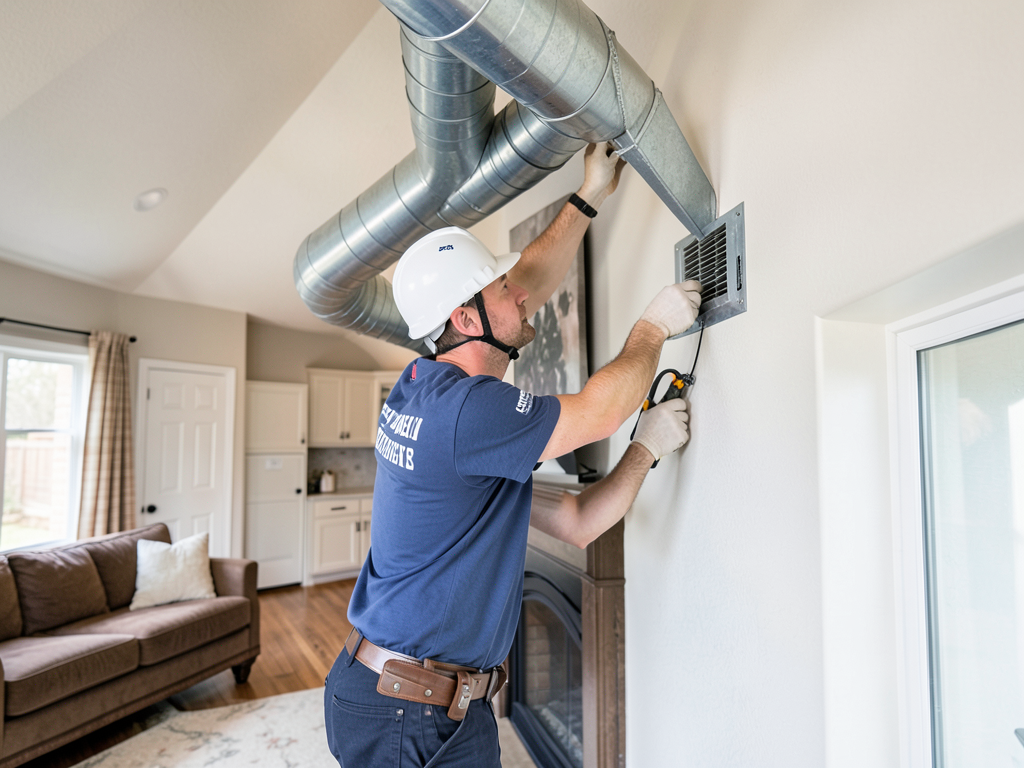
High wall return vents can pull hot air from the upper zone and send it back to the air handler. A return at 8 or 9 feet combined with your floor level return creates a loop that continuously mixes the air. This alone can drop the upper zone temperature by 4 to 6 degrees.
Variable speed air handlers help too. They run at low speed most of the time which keeps air moving without the big temperature swings of single stage units. The constant circulation prevents hot and cold layers from forming.
Zoning systems add dampers to your ductwork and let you control temperatures in different areas. You can keep the high-ceiling living room a couple degrees cooler than bedrooms without wasting energy on empty spaces.
Ductless Mini-Splits for Vaulted Ceilings
Sometimes the best fix is to stop using the old ductwork entirely. Ductless mini-split systems have an outdoor condenser and one or more indoor heads mounted high on the wall. Each head has its own thermostat and fan speed control. Installing a Ductless Mini-Split in Your M Streets Bungalow or Garage Suite.
For a large Devonshire living room a 18000 to 24000 BTU mini-split can handle the entire cooling load without fighting the existing ducts. The indoor unit sits near the ceiling where the hot air lives so it cools the problem area directly.
Modern mini-splits use inverter driven compressors that adjust cooling output in real time. They maintain exact temperatures without the on off cycling of traditional units. In humidity control tests they remove 30 percent more moisture than older central systems.
Installation is less invasive than adding new ducts. A 3 inch hole through the wall carries the refrigerant line and control wiring. The outdoor unit can sit on the ground or mount to the wall depending on your lot layout.
Insulation and Radiant Barriers
Attic heat radiates through the ceiling and turns your high-ceiling room into a slow cooker. Radiant barrier foil installed under the roof deck can reflect 95 percent of that heat back out. In Dallas attics this can lower the ceiling surface temperature by 20 to 30 degrees.
Blown in cellulose or fiberglass insulation with an R-38 rating or higher slows conductive heat transfer. For vaulted ceilings you may need to add insulation to the sidewalls if the room has a dormer or angled ceiling section.
Soffit and ridge vents keep the attic closer to outdoor air temperature. When the attic stays hot it heats everything below it including your living room ceiling. Powered attic fans can pull that heat out but they must be balanced with enough intake vents to avoid creating negative pressure.
Check your can lights and ceiling fans for air leaks. The holes cut for these fixtures let hot attic air seep into the room. Use airtight trim kits or caulk around the housing to seal them.
Smart Home Integration
Smart thermostats with remote sensors give you control where you actually live. Place a sensor on the main floor and another near the top of the stairs. The system can average the readings or prioritize the zone you use most.
Some advanced controllers learn your schedule and adjust fan speeds to prevent stratification before it starts. They can also tie into zoning dampers and mini-split heads for whole home coordination.
Voice control and phone apps let you make quick adjustments when you notice a hot spot. If the room is 5 degrees warmer than the rest of the house you can boost airflow without changing the whole house setpoint.
Cost vs Benefit of Each Solution
| Solution | Typical Cost Range | Expected Temperature Drop | Payback Time |
|---|---|---|---|
| Ceiling fan upgrade | $150 – $400 | 3-4 degrees (perceived) | 1-2 cooling seasons |
| High wall return vent | $400 – $800 | 4-6 degrees | 2-3 cooling seasons |
| Variable speed air handler | $1,500 – $2,500 | 5-7 degrees | 3-5 cooling seasons |
| Ductless mini-split | $3,000 – $5,500 | 6-10 degrees | 4-7 cooling seasons |
| Radiant barrier + insulation | $1,800 – $3,200 | 5-8 degrees (ceiling) | 2-4 cooling seasons |
Maintenance Tips to Keep Air Moving
- Change your air filter every 30 to 60 days during cooling season. A dirty filter reduces airflow and makes stratification worse.
- Have your evaporator coil cleaned annually. Dust buildup insulates the coil and reduces cooling capacity.
- Check ductwork for leaks. A 20 percent leak in supply ducts can cost you hundreds per year in wasted cooling.
- Keep indoor unit coils and blower wheels clean. Dirty components move less air and create uneven temperatures.
- Test your AC charge each spring. Low refrigerant reduces the system’s ability to remove heat and humidity.
When to Call a Professional
If your room is more than 8 degrees warmer than the thermostat setting it is time for an expert diagnosis. A licensed HVAC technician can measure air temperatures at multiple heights and calculate whether your system is properly sized.
Strange noises, weak airflow, or short cycling are signs of deeper issues. These problems rarely fix themselves and usually get worse over time. Early intervention prevents bigger repairs later. EPA indoor air quality and HVAC systems.
If you plan to sell your home in the next few years improving comfort in high-traffic areas like the living room can boost perceived value. Buyers notice hot and cold spots even if they do not know the cause.
Frequently Asked Questions
Why does my high-ceiling room feel colder on the floor but hotter near the ceiling?
Hot air rises due to lower density. In rooms with 12-foot or higher ceilings the warm air collects near the top and creates a stratified layer that your floor-level vents cannot reach.
Will a bigger air conditioner solve the problem?
Not always. Oversized units cool the air quickly but do not run long enough to remove humidity or circulate air through the upper zone. Proper airflow and duct design matter more than raw tonnage.
How much does it cost to add a high wall return vent?
Most installations run between $400 and $800 including labor and materials. The exact price depends on attic access and whether new wiring is needed.. Read more about What to Do if Your HVAC Tech Can’t Safely Access Your Attic in Your Older Bluffview Home.
Are mini-splits worth the investment for a single room?
For large vaulted spaces with severe stratification a mini-split often pays for itself in comfort and energy savings within 4 to 7 years. They also give you independent temperature control.
How can I tell if my attic is making the problem worse?
If your ceiling feels hot to the touch on sunny afternoons your attic is radiating heat downward. An infrared thermometer can confirm surface temperatures above 85 degrees.
Do ceiling fans actually cool the room?
Ceiling fans do not lower air temperature but they create a wind chill effect that makes you feel 3 to 4 degrees cooler. This allows you to raise the thermostat and save energy.
Can I install a high wall return vent myself?
Cutting into walls and connecting to existing ductwork requires HVAC licensing in Texas. DIY work can void warranties and create safety hazards.
How often should I have my HVAC system checked for this issue?
An annual tune up in spring is ideal. The technician can measure airflow, check charge, and inspect ductwork for leaks before the heavy cooling season begins.
Will closing vents in other rooms help my living room?
Closing too many vents can increase duct pressure and reduce overall system efficiency. It is better to improve airflow in the problem room than to starve other areas.
What is the best thermostat setting for a high-ceiling room?
Set the thermostat to your comfort level and use fans or zoning to manage stratification. Lowering the setpoint to cool the upper zone wastes energy and over cools the lower space.
Struggling with heat pockets in your high-ceiling Devonshire living room? Call CornerStone HVAC at (972) 850-2750 for a professional assessment and customized cooling solutions that work in Dallas heat. For more information, visit U.S. Department of Energy thermostat guide.
You may also find this helpful. Why Your Open Concept Kitchen in Prosper Makes it Harder to Cool Your Living Room.
{
“@context”: “https://schema.org”,
“@type”: “BlogPosting”,
“headline”: “Dealing With Pockets of Trapped Hot Air in Your High-Ceiling Devonshire Living Room”,
“description”: “Struggling with heat buildup in your high-ceiling Devonshire home? Learn Dallas-specific fixes for air stratification, ceiling fan settings, and HVAC upgrades that actually work.”,
“wordCount”: 1967,
“datePublished”: “2026-05-20T05:12:00.000Z”,
“dateModified”: “2026-05-20T05:12:00.000Z”,
“inLanguage”: “en-US”,
“mainEntityOfPage”: {
“@type”: “WebPage”,
“@id”: “https://cornerstonehvacdallas.com”
},
“publisher”: {
“@type”: “LocalBusiness”,
“name”: “Cornerstone HVAC Dallas”,
“url”: “https://cornerstonehvacdallas.com”
},
“author”: {
“@type”: “Organization”,
“name”: “Cornerstone HVAC Dallas”,
“url”: “https://cornerstonehvacdallas.com”
},
“image”: {
“@type”: “ImageObject”,
“url”: “https://cornerstonehvacdallas.com/wp-content/uploads/2026/03/dealing-with-pockets-of-trapped-hot-air-in-your-hi-1.png”
}
}
{
“@context”: “https://schema.org”,
“@type”: “HVACBusiness”,
“name”: “Cornerstone HVAC Dallas”,
“url”: “https://cornerstonehvacdallas.com”,
“address”: {
“@type”: “PostalAddress”,
“addressLocality”: “Dallas”
},
“areaServed”: {
“@type”: “City”,
“name”: “Dallas”
}
}
{
“@context”: “https://schema.org”,
“@type”: “FAQPage”,
“mainEntity”: [
{
“@type”: “Question”,
“name”: “Why does my high-ceiling room feel colder on the floor but hotter near the ceiling?”,
“acceptedAnswer”: {
“@type”: “Answer”,
“text”: “Hot air rises due to lower density. In rooms with 12-foot or higher ceilings the warm air collects near the top and creates a stratified layer that your floor-level vents cannot reach.”
}
},
{
“@type”: “Question”,
“name”: “Will a bigger air conditioner solve the problem?”,
“acceptedAnswer”: {
“@type”: “Answer”,
“text”: “Not always. Oversized units cool the air quickly but do not run long enough to remove humidity or circulate air through the upper zone. Proper airflow and duct design matter more than raw tonnage.”
}
},
{
“@type”: “Question”,
“name”: “How much does it cost to add a high wall return vent?”,
“acceptedAnswer”: {
“@type”: “Answer”,
“text”: “Most installations run between $400 and $800 including labor and materials. The exact price depends on attic access and whether new wiring is needed.”
}
},
{
“@type”: “Question”,
“name”: “Are mini-splits worth the investment for a single room?”,
“acceptedAnswer”: {
“@type”: “Answer”,
“text”: “For large vaulted spaces with severe stratification a mini-split often pays for itself in comfort and energy savings within 4 to 7 years. They also give you independent temperature control.”
}
},
{
“@type”: “Question”,
“name”: “Do ceiling fans actually cool the room?”,
“acceptedAnswer”: {
“@type”: “Answer”,
“text”: “Ceiling fans do not lower air temperature but they create a wind chill effect that makes you feel 3 to 4 degrees cooler. This allows you to raise the thermostat and save energy.”
}
},
{
“@type”: “Question”,
“name”: “Can I install a high wall return vent myself?”,
“acceptedAnswer”: {
“@type”: “Answer”,
“text”: “Cutting into walls and connecting to existing ductwork requires HVAC licensing in Texas. DIY work can void warranties and create safety hazards.”
}
},
{
“@type”: “Question”,
“name”: “How often should I have my HVAC system checked for this issue?”,
“acceptedAnswer”: {
“@type”: “Answer”,
“text”: “An annual tune up in spring is ideal. The technician can measure airflow, check charge, and inspect ductwork for leaks before the heavy cooling season begins.”
}
},
{
“@type”: “Question”,
“name”: “What is the best thermostat setting for a high-ceiling room?”,
“acceptedAnswer”: {
“@type”: “Answer”,
“text”: “Set the thermostat to your comfort level and use fans or zoning to manage stratification. Lowering the setpoint to cool the upper zone wastes energy and over cools the lower space.”
}
}
]
}
{
“@context”: “https://schema.org”,
“@type”: “BreadcrumbList”,
“itemListElement”: [
{
“@type”: “ListItem”,
“position”: 1,
“name”: “Home”,
“item”: “https://cornerstonehvacdallas.com”
},
{
“@type”: “ListItem”,
“position”: 2,
“name”: “Blog”,
“item”: “https://cornerstonehvacdallas.com/blog”
},
{
“@type”: “ListItem”,
“position”: 3,
“name”: “Dealing With Pockets of Trapped Hot Air in Your High-Ceiling Devonshire Living Room”
}
]
}
{
“@context”: “https://schema.org”,
“@type”: “Service”,
“serviceType”: “HVAC”,
“provider”: {
“@type”: “LocalBusiness”,
“name”: “Cornerstone HVAC Dallas”,
“url”: “https://cornerstonehvacdallas.com”
},
“areaServed”: {
“@type”: “City”,
“name”: “Dallas”
},
“description”: “Struggling with heat buildup in your high-ceiling Devonshire home? Learn Dallas-specific fixes for air stratification, ceiling fan settings, and HVAC upgrades that actually work.”
}