
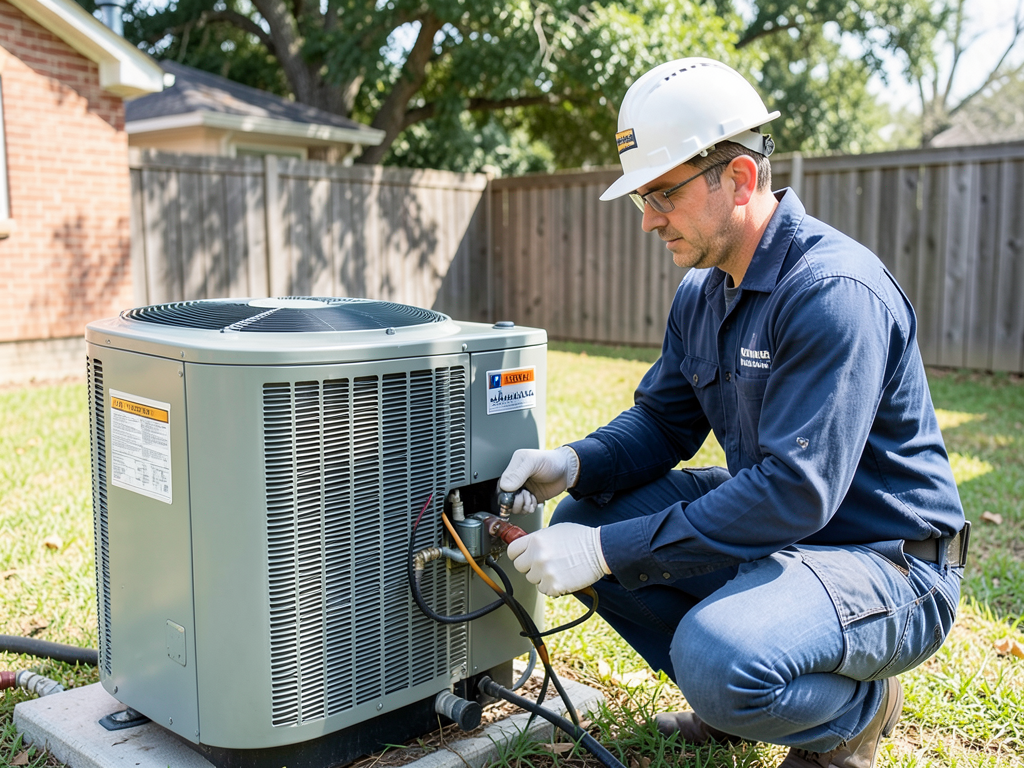
How to Safely Move Your Outdoor AC Condenser During a Little Elm Home Remodel
Planning a home renovation in Little Elm often means rethinking your outdoor space. Whether you are adding a new patio near Lake Lewisville or building a pool in Paloma Creek, your air conditioning condenser might suddenly be in the way. Moving an outdoor AC unit is not a weekend DIY project. It requires licensed HVAC technicians, proper refrigerant handling, and compliance with Denton County building codes.. Read more about Comparing the Best Low Profile Outdoor Units for Narrow Side Yards in Lower Greenville.
Homeowners in Little Elm face unique challenges. The area’s expansive clay soil can shift HVAC pads over time. Local ordinances require permits for condenser relocation. And Texas heat means your system must be reconnected quickly to avoid discomfort. This guide explains the complete process so you can plan your remodel with confidence. Texas Department of Licensing and Regulation.
Why Homeowners in Little Elm Relocate AC Units
Several common renovation projects in Little Elm neighborhoods like Union Park or The Villages trigger the need to move an outdoor condenser. Pool construction often requires clearing the equipment pad area. New decks or outdoor kitchens may clash with existing unit placement. Some homeowners move units farther from bedroom windows to reduce noise during nighttime operation.. Read more about How to Meet Strict Noise Ordinances With Ultra Quiet AC Units in Highland Park.
Foundation repair work in older Little Elm homes sometimes necessitates lifting and shifting the condenser. Even landscaping redesigns can make the current location impractical. Whatever the reason, the goal remains the same: keep your cooling system efficient while accommodating your new outdoor vision. EPA Section 608 Certification.
The Technical Process of Moving an AC Condenser
Relocating an air conditioning condenser involves several precise steps. Licensed technicians follow a methodical process to protect your system and ensure code compliance.
- Refrigerant Recovery
Technicians use EPA Section 608 certified recovery machines to safely capture refrigerant from the system. This prevents environmental harm and allows for proper recharging later.
- Electrical Disconnection
The outdoor disconnect box is shut off and wiring is labeled before removal. Proper handling ensures no damage to control boards or capacitors.. Read more about Preparing Your Outdoor AC Unit for the First Triple-Digit Dallas Heat Wave.
- Copper Line Set Removal
Technicians cut and remove the refrigerant lines connecting the condenser to the indoor evaporator coil. Line length affects system pressure and efficiency. Indoor Air Quality Solutions.
- Pad Preparation
A new concrete or composite pad is poured or placed at the new location. Leveling is critical to prevent vibration and ensure proper drainage.
- Line Set Extension
If the new location is farther from the air handler, technicians braze new copper tubing to extend the refrigerant lines. Proper insulation and sealing prevent energy loss.
- Electrical Rerouting
Conduit and wiring are extended to the new condenser location. Wire gauge must match the unit’s electrical requirements to prevent overheating.
- Vacuum and Recharge
The system is evacuated with a vacuum pump to remove moisture and non-condensables. Technicians then recharge with the exact refrigerant type and amount specified by the manufacturer.
- Performance Testing
Superheat and subcooling measurements confirm the system operates at peak efficiency. Technicians check for leaks and verify electrical connections.
Little Elm Building Permit Requirements
Moving an outdoor AC condenser in Little Elm requires a building permit from the Little Elm Building Safety Department. The process ensures your new placement meets local setback requirements and noise ordinances. Permit fees vary based on project scope but typically range from $75 to $150.
Denton County enforces specific HVAC codes for condenser placement. Units must maintain minimum clearances from property lines, often five feet from side and rear boundaries. Noise level restrictions apply in residential zones. Licensed contractors pull permits and schedule inspections to verify proper installation. How Much a New AC Installation Actually Costs in Dallas This Year.
Skipping permits can result in fines and force you to move the unit again. Working with a permit-savvy HVAC company saves time and avoids compliance issues.
Cost Factors for AC Condenser Relocation
Several variables affect the total cost of moving your outdoor AC unit in Little Elm.
| Cost Factor | Impact on Price |
|---|---|
| Distance of Move | Longer line sets require more copper and labor |
| Refrigerant Type | R-22 systems cost more due to limited supply |
| Electrical Upgrades | Longer runs may need larger wire or new conduit |
| Pad Construction | Elevated or reinforced pads cost more in flood-prone areas |
| Permit Fees | Varies by municipality and project scope |
Most Little Elm homeowners spend between $1,200 and $2,500 for a standard condenser relocation. Complex moves involving long line sets or electrical upgrades can exceed $3,500.
Choosing the Right Location for Your New Condenser
Proper placement affects system efficiency and longevity. Avoid areas with poor airflow or direct afternoon sun exposure. Leave at least two feet of clearance on all sides for maintenance access.
Consider noise when placing units near patios or bedroom windows. Some Little Elm homeowners install sound barriers or choose quieter variable-speed models. Elevation matters too. Low-lying areas can flood during heavy rains common in North Texas.
Your HVAC contractor should evaluate your property’s layout and recommend optimal placement. They consider factors like prevailing winds, shading from trees, and proximity to the indoor air handler.
Timeline Expectations for a Condenser Move
A typical condenser relocation in Little Elm takes one to two days. Day one involves recovery, disconnection, and pad preparation. If line sets need extension, technicians may complete brazing on day two before system evacuation and recharge.
Permit approval can add three to five business days to your timeline. Schedule your HVAC contractor early in your remodel planning to avoid delays. Some companies offer expedited permitting services for an additional fee. Who to Call for Same-Day AC Service in University Park and North Dallas.
Weather impacts outdoor work. Extreme heat or storms common in North Texas may delay certain steps. Your contractor should provide a clear schedule and communicate any changes promptly.
Maintaining Efficiency After Relocation
Moving an AC unit can affect its SEER rating if line sets become too long or improperly sized. Technicians must calculate pressure drops and superheat values to maintain factory efficiency ratings.
Regular maintenance becomes even more important after relocation. Schedule annual tune-ups to check refrigerant levels, electrical connections, and airflow. Clean condenser coils quarterly to prevent debris buildup common in Little Elm’s tree-lined neighborhoods.
Monitor your energy bills for unexpected increases. A 10% rise in cooling costs might indicate installation issues like improper refrigerant charge or restricted airflow.
Frequently Asked Questions
Can I move my AC condenser myself?
No. Moving an AC condenser requires EPA certification for refrigerant handling, electrical expertise, and knowledge of local building codes. DIY attempts can damage your system, void warranties, and create safety hazards.
Will moving my condenser void my warranty?
Relocation itself does not void warranties if performed by licensed HVAC technicians. However, improper handling can damage components and void coverage. Always use certified professionals and keep documentation of the work.
How long can my AC be offline during the move?
Most relocations keep downtime under 24 hours. Your contractor should recover refrigerant quickly and have the system operational before peak heat hours return. Some companies offer temporary cooling solutions for extended projects.
Do I need a new pad if I’m moving the unit only a few feet?
Yes. A level, stable pad prevents vibration and ensures proper drainage. Even short moves require a new pad to meet code requirements and protect your investment.
What if my new location has different electrical requirements?
Technicians assess voltage drop over longer runs and may need to upgrade wiring or breakers. This ensures safe operation and prevents nuisance tripping or equipment damage.
Ready to Relocate Your AC Condenser in Little Elm?
Moving your outdoor AC condenser requires technical expertise, proper permits, and careful planning. CornerStone HVAC has served Little Elm homeowners for years, handling everything from simple relocations to complex system reconfigurations. Our licensed technicians understand Denton County codes, local soil conditions, and the urgency of keeping your home cool during Texas summers.
Don’t risk voiding your warranty or creating code violations. Call (972) 850-2750 today to schedule your AC condenser relocation consultation. We’ll evaluate your property, handle all permitting, and ensure your system operates at peak efficiency in its new location.
Call Now or Contact Us Online to get started on your Little Elm home remodel with confidence.
You may also find this helpful. How to Keep the Mother-In-Law Suite Comfortable Without Freezing Out the Rest of Your Desoto Home.
{
“@context”: “https://schema.org”,
“@type”: “BlogPosting”,
“headline”: “How to Safely Move Your Outdoor AC Condenser During a Little Elm Home Remodel”,
“description”: “Learn the technical process of relocating your AC condenser in Little Elm. Expert HVAC guidance for refrigerant recovery, line set extensions, and local permitting.”,
“wordCount”: 1358,
“datePublished”: “2026-05-02T10:26:00.000Z”,
“dateModified”: “2026-05-02T10:26:00.000Z”,
“inLanguage”: “en-US”,
“mainEntityOfPage”: {
“@type”: “WebPage”,
“@id”: “https://cornerstonehvacdallas.com”
},
“publisher”: {
“@type”: “LocalBusiness”,
“name”: “Cornerstone HVAC Dallas”,
“url”: “https://cornerstonehvacdallas.com”
},
“author”: {
“@type”: “Organization”,
“name”: “Cornerstone HVAC Dallas”,
“url”: “https://cornerstonehvacdallas.com”
},
“image”: {
“@type”: “ImageObject”,
“url”: “https://cornerstonehvacdallas.com/wp-content/uploads/2026/03/how-to-safely-move-your-outdoor-ac-condenser-durin-1.png”
}
}
{
“@context”: “https://schema.org”,
“@type”: “HVACBusiness”,
“name”: “Cornerstone HVAC Dallas”,
“url”: “https://cornerstonehvacdallas.com”,
“address”: {
“@type”: “PostalAddress”,
“addressLocality”: “Dallas”
},
“areaServed”: {
“@type”: “City”,
“name”: “Dallas”
}
}
{
“@context”: “https://schema.org”,
“@type”: “FAQPage”,
“mainEntity”: [
{
“@type”: “Question”,
“name”: “Can I move my AC condenser myself?”,
“acceptedAnswer”: {
“@type”: “Answer”,
“text”: “No. Moving an AC condenser requires EPA certification for refrigerant handling, electrical expertise, and knowledge of local building codes. DIY attempts can damage your system, void warranties, and create safety hazards.”
}
},
{
“@type”: “Question”,
“name”: “Will moving my condenser void my warranty?”,
“acceptedAnswer”: {
“@type”: “Answer”,
“text”: “Relocation itself does not void warranties if performed by licensed HVAC technicians. However, improper handling can damage components and void coverage. Always use certified professionals and keep documentation of the work.”
}
},
{
“@type”: “Question”,
“name”: “How long can my AC be offline during the move?”,
“acceptedAnswer”: {
“@type”: “Answer”,
“text”: “Most relocations keep downtime under 24 hours. Your contractor should recover refrigerant quickly and have the system operational before peak heat hours return. Some companies offer temporary cooling solutions for extended projects.”
}
},
{
“@type”: “Question”,
“name”: “Do I need a new pad if I’m moving the unit only a few feet?”,
“acceptedAnswer”: {
“@type”: “Answer”,
“text”: “Yes. A level, stable pad prevents vibration and ensures proper drainage. Even short moves require a new pad to meet code requirements and protect your investment.”
}
},
{
“@type”: “Question”,
“name”: “What if my new location has different electrical requirements?”,
“acceptedAnswer”: {
“@type”: “Answer”,
“text”: “Technicians assess voltage drop over longer runs and may need to upgrade wiring or breakers. This ensures safe operation and prevents nuisance tripping or equipment damage.”
}
},
{
“@type”: “Question”,
“name”: “Ready to Relocate Your AC Condenser in Little Elm?”,
“acceptedAnswer”: {
“@type”: “Answer”,
“text”: “Moving your outdoor AC condenser requires technical expertise, proper permits, and careful planning. CornerStone HVAC has served Little Elm homeowners for years, handling everything from simple relocations to complex system reconfigurations. Our licensed technicians understand Denton County codes, local soil conditions, and the urgency of keeping your home cool during Texas summers.”
}
}
]
}
{
“@context”: “https://schema.org”,
“@type”: “HowTo”,
“name”: “How to Move an AC Condenser”,
“step”: [
{
“@type”: “HowToStep”,
“position”: 1,
“name”: “Refrigerant Recovery”,
“text”: “Technicians use EPA Section 608 certified recovery machines to safely capture refrigerant from the system. This prevents environmental harm and allows for proper recharging later.”
},
{
“@type”: “HowToStep”,
“position”: 2,
“name”: “Electrical Disconnection”,
“text”: “The outdoor disconnect box is shut off and wiring is labeled before removal. Proper handling ensures no damage to control boards or capacitors.”
},
{
“@type”: “HowToStep”,
“position”: 3,
“name”: “Copper Line Set Removal”,
“text”: “Technicians cut and remove the refrigerant lines connecting the condenser to the indoor evaporator coil. Line length affects system pressure and efficiency. Indoor Air Quality Solutions.”
},
{
“@type”: “HowToStep”,
“position”: 4,
“name”: “Pad Preparation”,
“text”: “A new concrete or composite pad is poured or placed at the new location. Leveling is critical to prevent vibration and ensure proper drainage.”
},
{
“@type”: “HowToStep”,
“position”: 5,
“name”: “Line Set Extension”,
“text”: “If the new location is farther from the air handler, technicians braze new copper tubing to extend the refrigerant lines. Proper insulation and sealing prevent energy loss.”
},
{
“@type”: “HowToStep”,
“position”: 6,
“name”: “Electrical Rerouting”,
“text”: “Conduit and wiring are extended to the new condenser location. Wire gauge must match the unit’s electrical requirements to prevent overheating.”
},
{
“@type”: “HowToStep”,
“position”: 7,
“name”: “Vacuum and Recharge”,
“text”: “The system is evacuated with a vacuum pump to remove moisture and non-condensables. Technicians then recharge with the exact refrigerant type and amount specified by the manufacturer.”
},
{
“@type”: “HowToStep”,
“position”: 8,
“name”: “Performance Testing”,
“text”: “Superheat and subcooling measurements confirm the system operates at peak efficiency. Technicians check for leaks and verify electrical connections.”
}
],
“image”: “https://cornerstonehvacdallas.com/wp-content/uploads/2026/03/how-to-safely-move-your-outdoor-ac-condenser-durin-1.png”
}
{
“@context”: “https://schema.org”,
“@type”: “BreadcrumbList”,
“itemListElement”: [
{
“@type”: “ListItem”,
“position”: 1,
“name”: “Home”,
“item”: “https://cornerstonehvacdallas.com”
},
{
“@type”: “ListItem”,
“position”: 2,
“name”: “Blog”,
“item”: “https://cornerstonehvacdallas.com/blog”
},
{
“@type”: “ListItem”,
“position”: 3,
“name”: “How to Safely Move Your Outdoor AC Condenser During a Little Elm Home Remodel”
}
]
}
{
“@context”: “https://schema.org”,
“@type”: “Service”,
“serviceType”: “HVAC”,
“provider”: {
“@type”: “LocalBusiness”,
“name”: “Cornerstone HVAC Dallas”,
“url”: “https://cornerstonehvacdallas.com”
},
“areaServed”: {
“@type”: “City”,
“name”: “Dallas”
},
“description”: “Learn the technical process of relocating your AC condenser in Little Elm. Expert HVAC guidance for refrigerant recovery, line set extensions, and local permitting.”
}