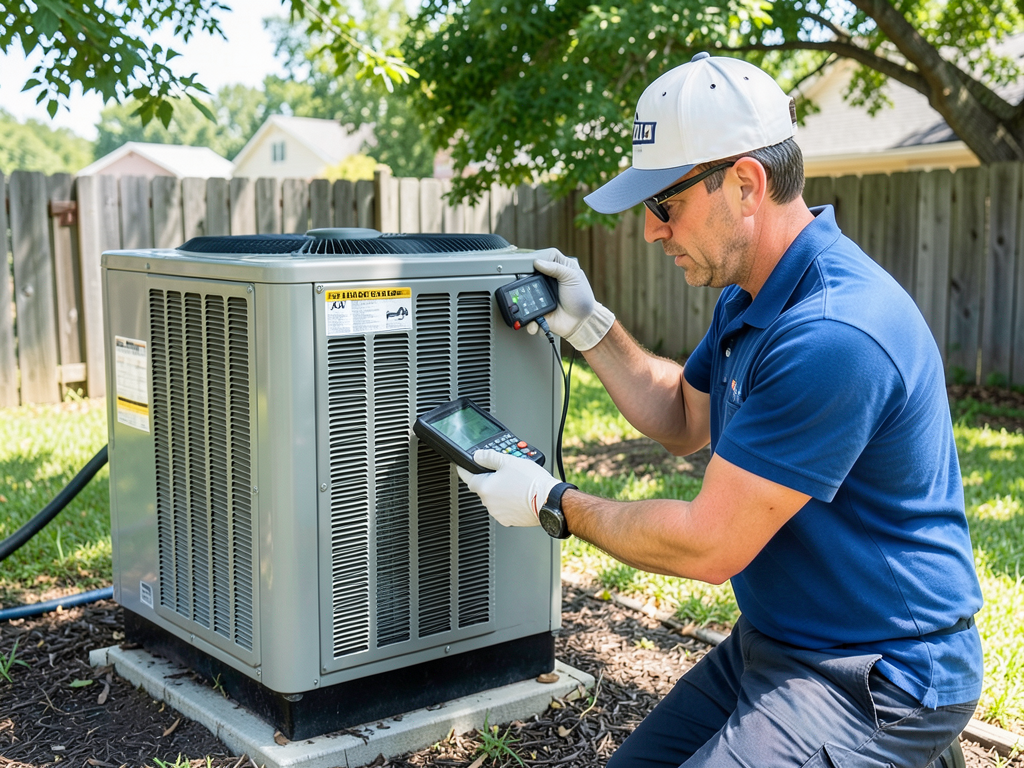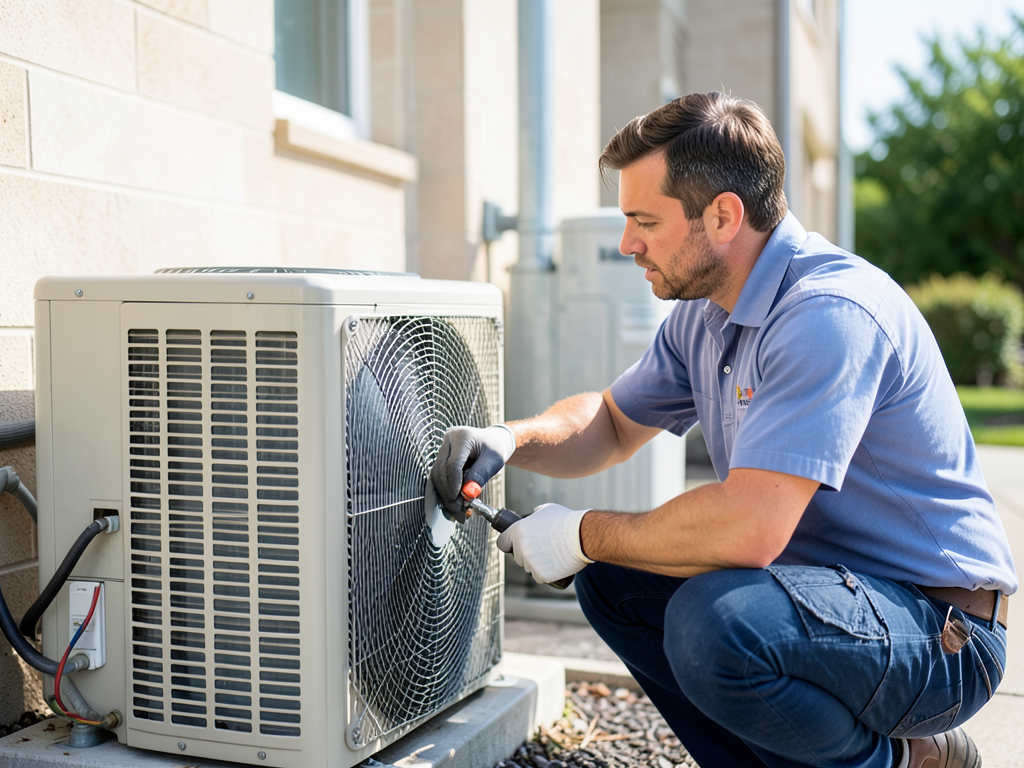







Dallas records 100-plus degree days from late June through August, with July averaging 17 days above 100 degrees. Commercial rooftop units run continuously during these periods, cycling only briefly overnight when temperatures drop into the 80s. This continuous operation at maximum capacity accelerates compressor wear and stresses electrical components. Contactors designed for normal cycling patterns can fail after a single brutal summer. Commercial HVAC service contracts schedule inspections before this peak season to replace contactors showing pitting or wear, preventing mid-summer failures when your building needs cooling most. The extended runtime also concentrates refrigerant contamination, making oil analysis and refrigerant quality testing valuable diagnostic tools during maintenance visits.
Dallas commercial property management companies increasingly require documented maintenance programs as a condition of tenant leases. Office and retail tenants expect reliable climate control and use maintenance documentation during lease negotiations. Properties with established commercial planned maintenance agreements command higher rents and lower vacancy rates because they demonstrate operational reliability. This documentation also satisfies insurance underwriters who offer premium reductions for properties with active maintenance programs. The agreement becomes a competitive advantage during property transactions, as buyers can review maintenance history and forecast capital expenses with greater accuracy. Local lenders familiar with Dallas commercial real estate recognize this value during refinancing evaluations.