
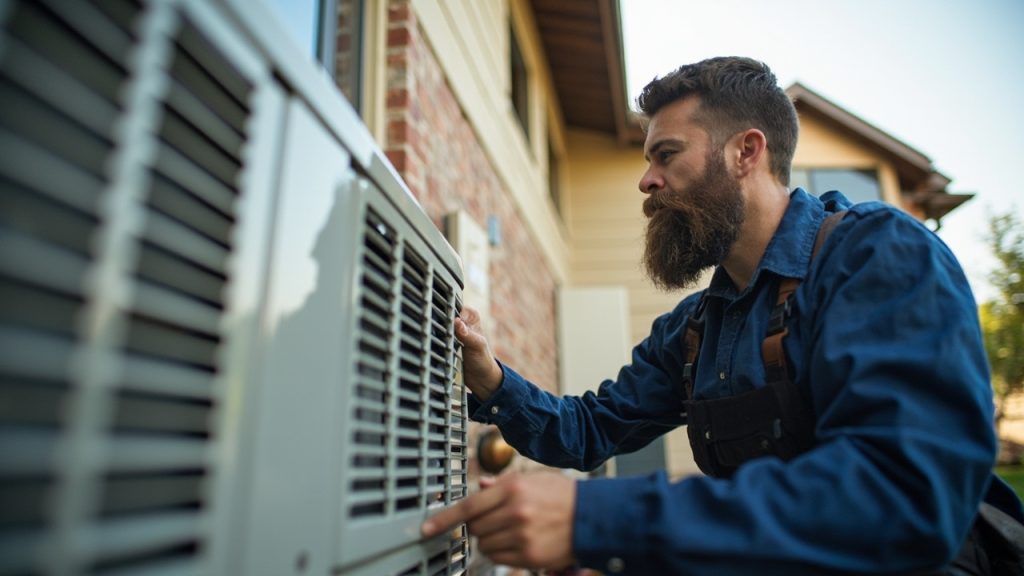
Why Your Copper Canyon or Argyle Home Needs a High-Efficiency AC Upgrade
Living in Copper Canyon or Argyle means dealing with Texas heat that pushes your air conditioning system to its limits. With summer temperatures regularly exceeding 100°F and humidity levels that make the air feel heavy, your current AC unit might be working harder than necessary while costing you more each month.
High-efficiency air conditioning systems have evolved significantly in recent years. The transition from SEER to SEER2 ratings means modern units deliver better cooling performance while using less electricity. For homes in North Texas, this translates to real comfort improvements and substantial energy savings.
Understanding SEER2 and Why It Matters in North Texas
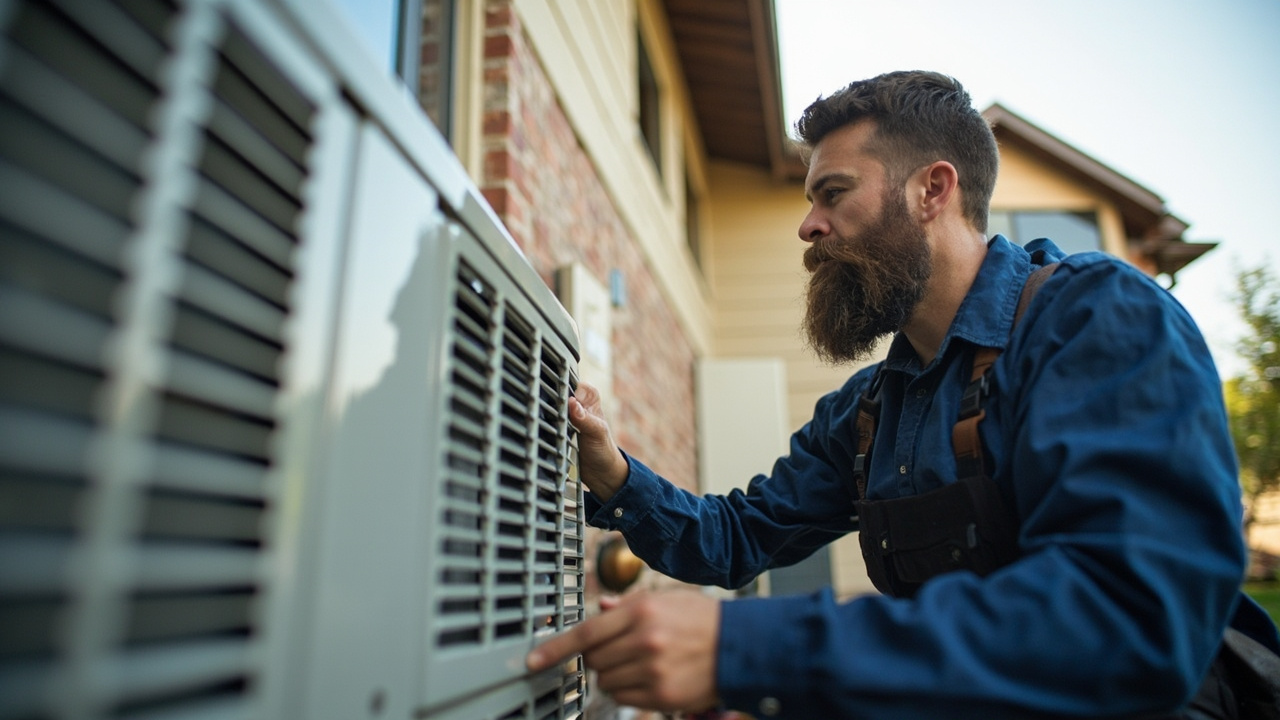
SEER2 ratings measure cooling efficiency under more realistic testing conditions than the old SEER standard. For Dallas-Fort Worth homeowners, this matters because Texas summers create some of the harshest operating conditions for air conditioners in the country.
The minimum SEER2 rating for new installations in Texas is now 14 SEER2, but high-efficiency systems start at 16 SEER2 and can reach 20+ SEER2. The difference in performance becomes clear during those triple-digit heat waves when your system runs constantly. How Much a New AC Installation Actually Costs in Dallas This Year.
Variable-speed compressors represent another major advancement. Unlike single-stage units that run at full blast or not at all, variable-speed systems adjust their output to match your home’s cooling needs. This technology reduces temperature swings, improves humidity control, and can cut energy consumption by 30-50% compared to older systems.
The Real Cost of Running an Inefficient System
Older air conditioners typically operate at 8-10 SEER efficiency. When you upgrade to a 16+ SEER2 system, the energy savings add up quickly. Here’s what that means for your monthly utility bills:
| System Type | SEER2 Rating | Monthly Energy Cost* | Annual Savings vs. 10 SEER |
|---|---|---|---|
| Standard Efficiency | 14 SEER2 | $180 | $360 |
| High Efficiency | 18 SEER2 | $140 | $600 |
| Premium Efficiency | 21 SEER2 | $120 | $720 |
*Based on average 2,000 sq ft home with 8 hours daily operation at $0.14/kWh
These savings become even more significant when you factor in the longer lifespan of high-efficiency units. Quality systems often last 15-20 years with proper maintenance, while older units might need replacement after 10-12 years. Indoor Air Quality Solutions.
Local Climate Challenges for Copper Canyon and Argyle Homes
The rolling hills and rural character of Copper Canyon and Argyle create unique HVAC challenges. Many homes sit on expansive clay soil that shifts with moisture changes, potentially affecting foundation stability and ductwork connections.
High humidity levels in these areas mean your AC must work overtime to remove moisture from the air. Standard systems often struggle to maintain comfortable indoor conditions when outdoor humidity exceeds 70%. High-efficiency units with advanced dehumidification features can remove 10-15% more moisture from the air, creating a noticeably more comfortable environment.
Many Copper Canyon and Argyle homes were built in the 1990s or early 2000s. These properties often have ductwork that wasn’t designed for today’s efficiency standards. Leaky ducts can waste 20-30% of your cooled air before it reaches your living spaces.
Smart Technology Integration for Maximum Efficiency
Modern high-efficiency systems pair perfectly with smart thermostats. These devices learn your schedule and preferences, making automatic adjustments that can save an additional 10-15% on cooling costs.
Smart zoning systems take efficiency even further. For two-story homes common in Argyle’s established neighborhoods, zoning allows you to cool upstairs bedrooms at night while keeping downstairs areas warmer. This targeted approach can reduce energy consumption by another 20%.
Wi-Fi enabled systems also provide valuable diagnostic information. They can alert you to maintenance needs before they become major problems, potentially preventing costly emergency repairs during the hottest days of summer. EPA Energy Star certified air conditioners.
Available Rebates and Tax Credits in 2026
Upgrading to high-efficiency equipment makes even more financial sense when you factor in available incentives. The federal government offers tax credits for qualifying HVAC systems through the Inflation Reduction Act. For 2026, homeowners can receive up to $300-$600 in tax credits for high-efficiency air conditioners and heat pumps.
Oncor Electric Delivery provides additional rebates for North Texas residents. Their Home Energy Efficiency Program offers incentives for systems that meet specific efficiency thresholds. These rebates can reduce your upfront costs by $200-$500 depending on the equipment you choose.
Local utility companies serving Copper Canyon and Argyle may also offer seasonal promotions. These programs typically run during spring and fall when demand for HVAC services is lower. Who to Call for Same-Day AC Service in University Park and North Dallas.
Indoor Air Quality Benefits You Might Not Expect
High-efficiency systems do more than just cool your home. They significantly improve indoor air quality through advanced filtration and humidity control. This matters in North Texas where pollen counts routinely exceed 10,000 grains per cubic meter during spring months.
Modern systems often include MERV 13 or higher filtration, which captures particles as small as 0.3 microns. This includes most pollen, mold spores, and even some bacteria. For families dealing with allergies or asthma, this can mean fewer symptoms and better sleep.
Proper humidity control also prevents mold growth. When indoor humidity stays between 40-60%, mold spores struggle to establish themselves. This creates a healthier living environment year-round.
Professional Installation Makes the Difference
Even the most advanced high-efficiency system won’t perform well without proper installation. Load calculations using Manual J methodology ensure your system is correctly sized for your home’s specific needs.
Factors like insulation levels, window orientation, and even the number of occupants affect the proper sizing. An oversized unit might cool quickly but won’t run long enough to remove humidity effectively. An undersized unit will run constantly, increasing wear and energy costs.
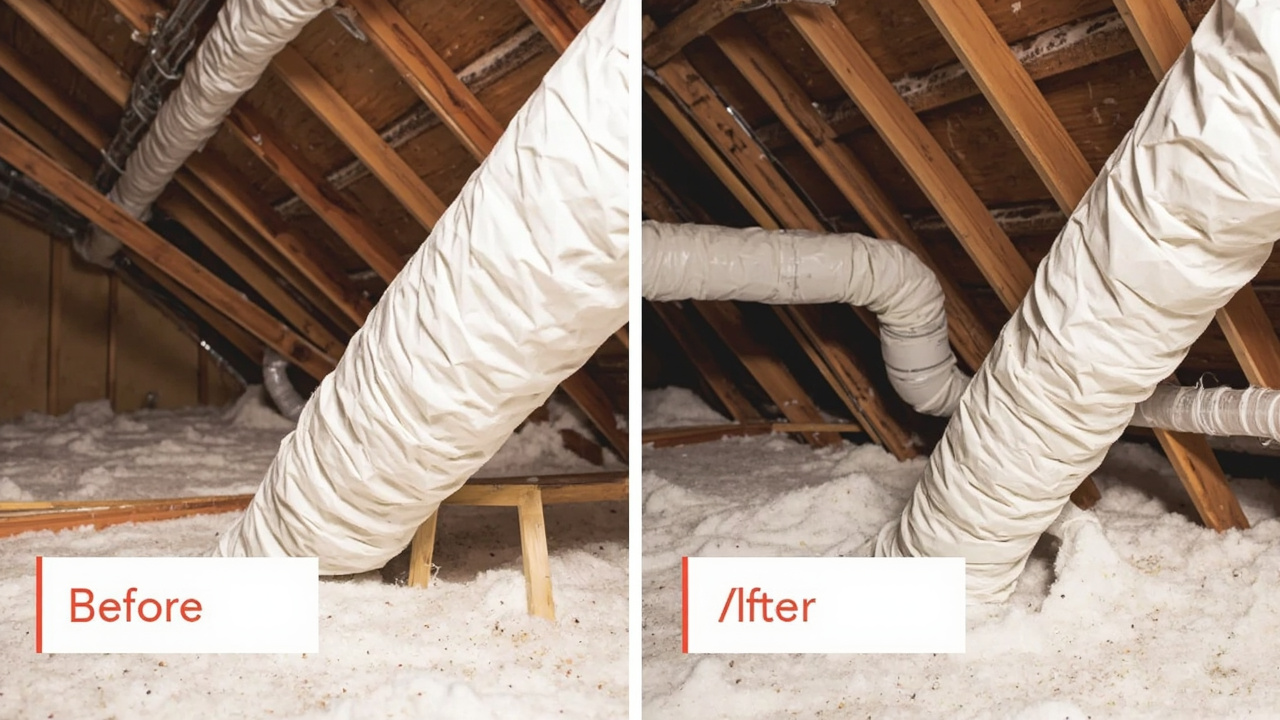
Proper ductwork design and sealing are equally important. High-efficiency systems require tight, well-designed duct systems to deliver their promised performance. This often means upgrading or replacing existing ductwork, especially in older homes.
Comparing Your Options: Central vs. Ductless Systems
For many Copper Canyon and Argyle homes, traditional central air remains the best choice. However, ductless mini-split systems offer compelling advantages for certain situations. Installing a Ductless Mini-Split in Your M Streets Bungalow or Garage Suite.
| System Type | Best For | Efficiency Range | Installation Cost |
|---|---|---|---|
| Central AC | Whole-house cooling | 14-21 SEER2 | $5,000-$12,000 |
| Ductless Mini-Split | Room additions, retrofits | 16-30 SEER2 | $3,000-$8,000 per zone |
| Heat Pump | All-electric homes | 15-25 SEER2 | $6,000-$15,000 |
Ductless systems eliminate duct losses and allow for individual room control. They’re particularly useful for home additions, garage apartments, or historic homes where installing ductwork would be difficult or expensive.
Maintenance Requirements for High-Efficiency Systems
High-efficiency systems require regular maintenance to maintain their performance advantages. This includes annual professional tune-ups, monthly filter changes, and keeping outdoor units clear of debris.
Many manufacturers now offer smart monitoring that tracks system performance and alerts you to potential issues. Some systems can even notify your HVAC contractor automatically when service is needed.
Proper maintenance not only ensures optimal efficiency but also protects your warranty. Most high-efficiency systems require proof of annual maintenance to keep full warranty coverage.
Making the Right Choice for Your Home
Deciding whether to upgrade depends on several factors. If your current system is over 10 years old, requires frequent repairs, or struggles to keep your home comfortable, replacement makes financial sense.
Consider your long-term plans for the property. If you’ll be in your Copper Canyon or Argyle home for more than five years, the energy savings alone can justify the investment in high-efficiency equipment.
Your home’s construction also matters. Well-insulated homes with good windows will see the biggest efficiency gains from high-SEER2 systems. Older homes might benefit from complementary improvements like added insulation or duct sealing.
Environmental Impact of High-Efficiency Cooling
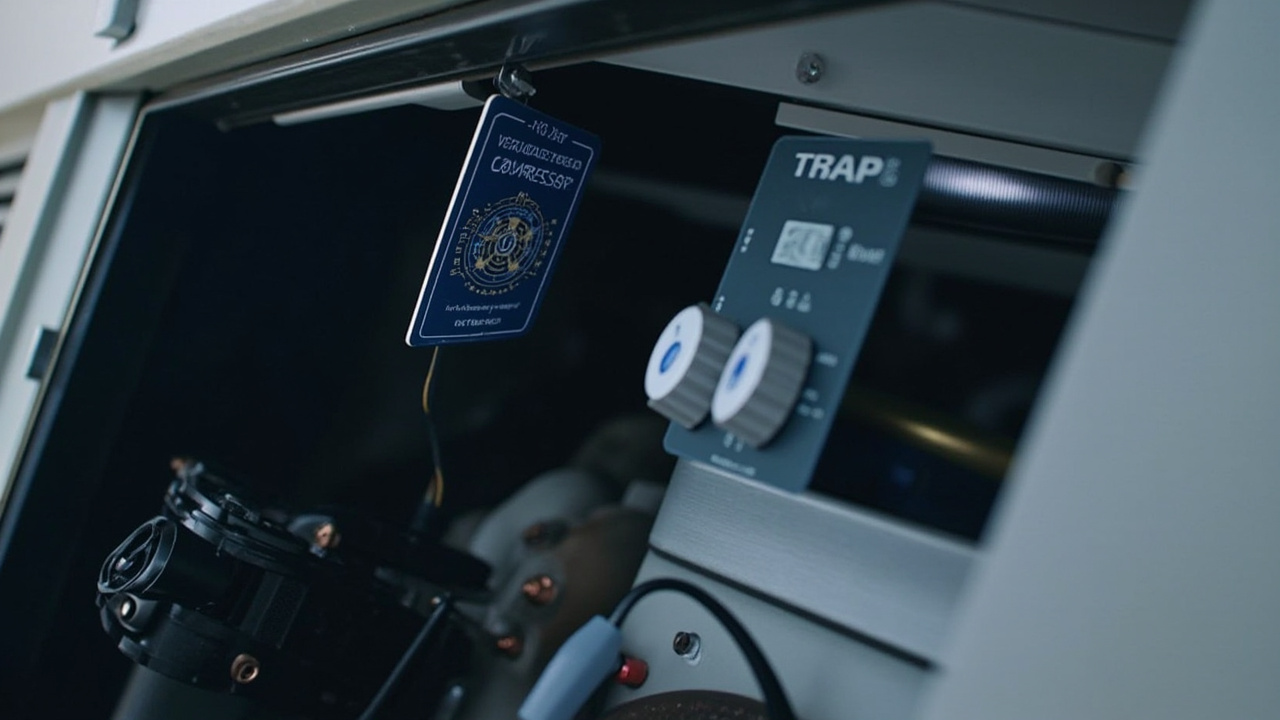
Beyond personal comfort and cost savings, high-efficiency systems reduce your carbon footprint. A 20 SEER2 system uses about 40% less electricity than a 10 SEER system, directly reducing greenhouse gas emissions from power plants.
Many high-efficiency units also use newer refrigerants with lower global warming potential than older systems. This helps reduce the environmental impact even further.
For environmentally conscious homeowners in North Texas, this combination of energy savings and reduced emissions makes high-efficiency systems an attractive choice.
Preparing for Installation Day
Once you’ve decided to upgrade, proper preparation ensures a smooth installation process. Clear the area around your existing outdoor unit and indoor equipment. Make arrangements for pets and ensure easy access to your electrical panel.
Most installations take one to three days depending on the complexity. This includes removing the old equipment, installing the new system, and testing everything thoroughly.
Your contractor should handle all necessary permits and inspections. In Dallas County, this includes compliance with local building codes and obtaining the required permits before work begins.
Frequently Asked Questions
How much can I really save with a high-efficiency AC system?
Homeowners typically save 30-50% on cooling costs when upgrading from a 10 SEER to a 16+ SEER2 system. The exact savings depend on your home’s size, insulation, and local electricity rates.
Are high-efficiency systems worth the extra cost?
Yes, especially in North Texas. The energy savings, improved comfort, and longer lifespan typically provide a return on investment within 3-7 years, after which you continue saving money.
What size system do I need for my home?
Proper sizing requires a Manual J load calculation that considers your home’s square footage, insulation, windows, and local climate. Guessing can lead to oversized or undersized equipment that performs poorly.
Do I need to replace my ductwork when upgrading?
Not always, but older ductwork often needs sealing or replacement to achieve the full efficiency benefits of high-SEER2 systems. Your contractor should inspect your ducts and recommend any necessary improvements.
How long does installation take?
Most residential installations take 1-3 days. This includes removing old equipment, installing new components, and testing the system. Complex installations or those requiring ductwork modifications may take longer.
What maintenance do high-efficiency systems require?
Annual professional maintenance, monthly filter changes, and keeping outdoor units clear of debris. Some systems also benefit from periodic coil cleaning and refrigerant level checks.
Are there financing options available?
Many HVAC contractors offer financing plans, and the federal government provides tax credits for qualifying high-efficiency systems. Local utility rebates may also be available to reduce upfront costs.
How do I know if my current system needs replacement?
Signs include frequent repairs, rising energy bills, uneven cooling, and age over 10-15 years. If your system uses R-22 refrigerant, replacement is often more cost-effective than continuing repairs. Solving Uneven Temperatures in Two-Story Frisco Homes With Smart Zoning.
Can I install a high-efficiency system myself?
No. HVAC installation requires specialized training, tools, and knowledge of local building codes. Improper installation can void warranties and create safety hazards.
What brands offer the best high-efficiency systems?
Major manufacturers like Trane, Carrier, Lennox, and Bryant all offer high-quality high-efficiency systems. The best choice depends on your specific needs, budget, and the contractor’s expertise with particular brands.
Ready to Upgrade Your Home’s Comfort?
High-efficiency air conditioning systems represent a significant investment in your home’s comfort and value. For Copper Canyon and Argyle residents dealing with Texas heat, the benefits extend far beyond just lower utility bills.
Modern high-efficiency systems provide better humidity control, improved air quality, and more consistent temperatures throughout your home. When you factor in available rebates and the rising cost of electricity, the financial case becomes even stronger.
Don’t wait until your current system fails on the hottest day of the year. Contact a qualified HVAC professional to evaluate your home’s cooling needs and explore your high-efficiency options. With proper planning and installation, you can enjoy superior comfort while reducing your energy costs for years to come.
Call (972) 850-2750 today to schedule your free consultation and learn how a high-efficiency AC system can transform your home’s comfort. Our experienced technicians understand the unique challenges of North Texas homes and can help you choose the perfect system for your needs and budget. For more information, visit Energy.gov air conditioning guide.
{
“@context”: “https://schema.org”,
“@type”: “BlogPosting”,
“headline”: “Why Your Copper Canyon or Argyle Home Needs a High-Efficiency AC Upgrade”,
“description”: “Discover why high-efficiency AC systems are essential for Copper Canyon and Argyle homes. Learn about SEER2 ratings, energy savings, and local rebates available in 2026.”,
“wordCount”: 1995,
“datePublished”: “2026-03-08T13:15:00.000Z”,
“dateModified”: “2026-03-08T13:15:00.000Z”,
“inLanguage”: “en-US”,
“mainEntityOfPage”: {
“@type”: “WebPage”,
“@id”: “https://cornerstonehvacdallas.com”
},
“publisher”: {
“@type”: “LocalBusiness”,
“name”: “Cornerstone HVAC Dallas”,
“url”: “https://cornerstonehvacdallas.com”
},
“author”: {
“@type”: “Organization”,
“name”: “Cornerstone HVAC Dallas”,
“url”: “https://cornerstonehvacdallas.com”
},
“image”: {
“@type”: “ImageObject”,
“url”: “https://cornerstonehvacdallas.com/wp-content/uploads/2026/03/why-your-copper-canyon-or-argyle-home-needs-a-high-1.jpg”
}
}
{
“@context”: “https://schema.org”,
“@type”: “HVACBusiness”,
“name”: “Cornerstone HVAC Dallas”,
“url”: “https://cornerstonehvacdallas.com”,
“address”: {
“@type”: “PostalAddress”,
“addressLocality”: “Dallas”
},
“areaServed”: {
“@type”: “City”,
“name”: “Dallas”
}
}
{
“@context”: “https://schema.org”,
“@type”: “FAQPage”,
“mainEntity”: [
{
“@type”: “Question”,
“name”: “How much can I really save with a high-efficiency AC system?”,
“acceptedAnswer”: {
“@type”: “Answer”,
“text”: “Homeowners typically save 30-50% on cooling costs when upgrading from a 10 SEER to a 16+ SEER2 system. The exact savings depend on your home’s size, insulation, and local electricity rates.”
}
},
{
“@type”: “Question”,
“name”: “Are high-efficiency systems worth the extra cost?”,
“acceptedAnswer”: {
“@type”: “Answer”,
“text”: “Yes, especially in North Texas. The energy savings, improved comfort, and longer lifespan typically provide a return on investment within 3-7 years, after which you continue saving money.”
}
},
{
“@type”: “Question”,
“name”: “What size system do I need for my home?”,
“acceptedAnswer”: {
“@type”: “Answer”,
“text”: “Proper sizing requires a Manual J load calculation that considers your home’s square footage, insulation, windows, and local climate. Guessing can lead to oversized or undersized equipment that performs poorly.”
}
},
{
“@type”: “Question”,
“name”: “Do I need to replace my ductwork when upgrading?”,
“acceptedAnswer”: {
“@type”: “Answer”,
“text”: “Not always, but older ductwork often needs sealing or replacement to achieve the full efficiency benefits of high-SEER2 systems. Your contractor should inspect your ducts and recommend any necessary improvements.”
}
},
{
“@type”: “Question”,
“name”: “How long does installation take?”,
“acceptedAnswer”: {
“@type”: “Answer”,
“text”: “Most residential installations take 1-3 days. This includes removing old equipment, installing new components, and testing the system. Complex installations or those requiring ductwork modifications may take longer.”
}
},
{
“@type”: “Question”,
“name”: “What maintenance do high-efficiency systems require?”,
“acceptedAnswer”: {
“@type”: “Answer”,
“text”: “Annual professional maintenance, monthly filter changes, and keeping outdoor units clear of debris. Some systems also benefit from periodic coil cleaning and refrigerant level checks.”
}
},
{
“@type”: “Question”,
“name”: “Are there financing options available?”,
“acceptedAnswer”: {
“@type”: “Answer”,
“text”: “Many HVAC contractors offer financing plans, and the federal government provides tax credits for qualifying high-efficiency systems. Local utility rebates may also be available to reduce upfront costs.”
}
},
{
“@type”: “Question”,
“name”: “How do I know if my current system needs replacement?”,
“acceptedAnswer”: {
“@type”: “Answer”,
“text”: “Signs include frequent repairs, rising energy bills, uneven cooling, and age over 10-15 years. If your system uses R-22 refrigerant, replacement is often more cost-effective than continuing repairs. Solving Uneven Temperatures in Two-Story Frisco Homes With Smart Zoning.”
}
},
{
“@type”: “Question”,
“name”: “Can I install a high-efficiency system myself?”,
“acceptedAnswer”: {
“@type”: “Answer”,
“text”: “No. HVAC installation requires specialized training, tools, and knowledge of local building codes. Improper installation can void warranties and create safety hazards.”
}
},
{
“@type”: “Question”,
“name”: “What brands offer the best high-efficiency systems?”,
“acceptedAnswer”: {
“@type”: “Answer”,
“text”: “Major manufacturers like Trane, Carrier, Lennox, and Bryant all offer high-quality high-efficiency systems. The best choice depends on your specific needs, budget, and the contractor’s expertise with particular brands.”
}
},
{
“@type”: “Question”,
“name”: “Ready to Upgrade Your Home’s Comfort?”,
“acceptedAnswer”: {
“@type”: “Answer”,
“text”: “High-efficiency air conditioning systems represent a significant investment in your home’s comfort and value. For Copper Canyon and Argyle residents dealing with Texas heat, the benefits extend far beyond just lower utility bills.”
}
}
]
}
{
“@context”: “https://schema.org”,
“@type”: “BreadcrumbList”,
“itemListElement”: [
{
“@type”: “ListItem”,
“position”: 1,
“name”: “Home”,
“item”: “https://cornerstonehvacdallas.com”
},
{
“@type”: “ListItem”,
“position”: 2,
“name”: “Blog”,
“item”: “https://cornerstonehvacdallas.com/blog”
},
{
“@type”: “ListItem”,
“position”: 3,
“name”: “Why Your Copper Canyon or Argyle Home Needs a High-Efficiency AC Upgrade”
}
]
}
{
“@context”: “https://schema.org”,
“@type”: “Service”,
“serviceType”: “HVAC”,
“provider”: {
“@type”: “LocalBusiness”,
“name”: “Cornerstone HVAC Dallas”,
“url”: “https://cornerstonehvacdallas.com”
},
“areaServed”: {
“@type”: “City”,
“name”: “Dallas”
},
“description”: “Discover why high-efficiency AC systems are essential for Copper Canyon and Argyle homes. Learn about SEER2 ratings, energy savings, and local rebates available in 2026.”
}