
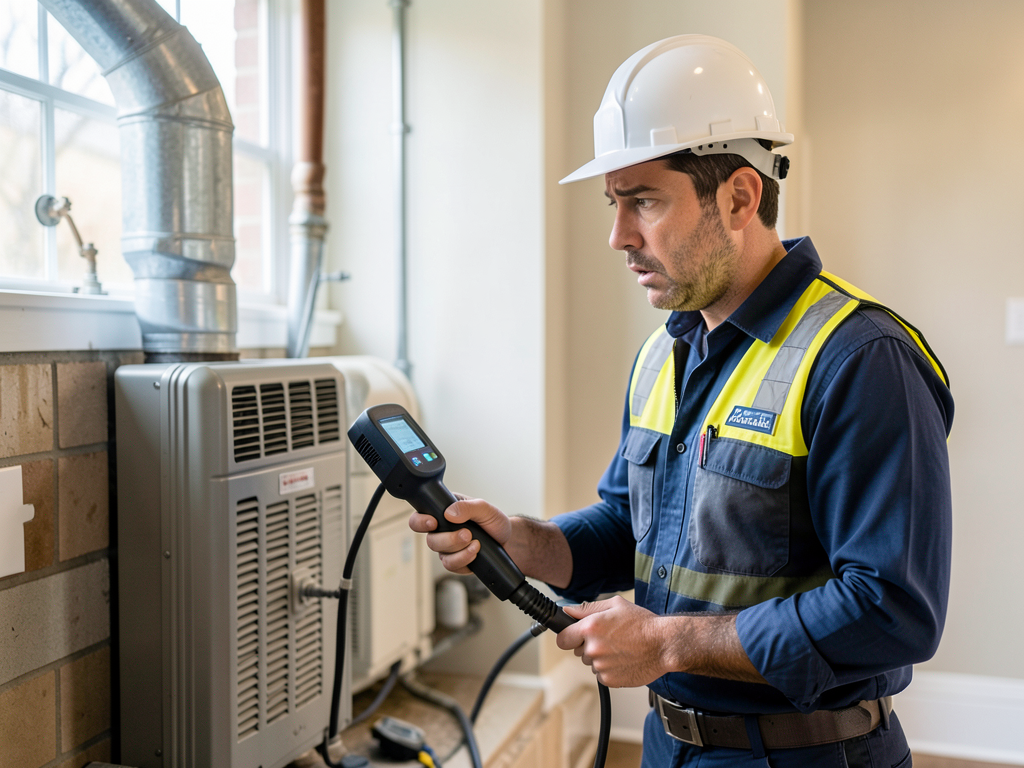
Why You Smell Rotten Eggs Near Your Furnace (And When to Call for Emergency Help)
If you smell rotten eggs near your furnace you need to act immediately. That distinctive odor comes from mercaptan a chemical added to natural gas so you can detect leaks. This smell means you could have a dangerous gas leak that threatens your family’s safety.
Natural gas itself is odorless so utility companies add mercaptan to create that unmistakable sulfur smell. When you detect it near your heating system you cannot ignore it. The gas could be leaking from your furnace pipes connections or even the gas line itself.
In Dallas homes gas furnaces provide reliable heating during winter cold snaps. But when something goes wrong the consequences can be severe. Gas leaks create explosion risks carbon monoxide poisoning and immediate health hazards. Finding a Reliable Tech for Emergency AC Repair in Highland Park.
This guide explains exactly what to do when you smell rotten eggs near your furnace. You will learn how to identify the source take emergency safety steps and know when to call for professional help in Dallas. HVAC Dallas.
What Makes Natural Gas Smell Like Rotten Eggs
Natural gas contains methane which has no odor. Gas companies add mercaptan a sulfur-based compound that smells like rotten eggs or skunk spray. This additive helps you detect dangerous leaks before they become life-threatening.
Mercaptan works because humans can smell it at extremely low concentrations. Even a tiny gas leak releases enough mercaptan for you to notice the smell from across the room. The odor serves as your first warning system.
In Dallas homes with natural gas service mercaptan protects families year-round. The chemical remains stable in gas lines and maintains its odor even after traveling through pipes for miles. This reliability makes mercaptan essential for home safety. Who to Call for Same-Day AC Service in University Park and North Dallas.
When you smell rotten eggs near your furnace mercaptan is telling you something is wrong. The gas could be escaping from a cracked heat exchanger loose connection or damaged gas line. Never assume the smell will go away on its own.
Immediate Steps When You Smell Gas Near Your Furnace
When you detect that rotten egg smell your first priority is protecting everyone in your home. Take these steps immediately without delay.
Leave the house right away. Do not try to find the leak source or turn anything off. Gas can accumulate in enclosed spaces and create explosion risks.
Once outside move at least 50 feet away from your home. Warn neighbors if you are in a multi-family building or townhouse.
Call 911 first. Dallas emergency services will dispatch fire and police to secure the area. They have equipment to detect gas levels and shut off utilities if needed.
Then call Atmos Energy at 1-866-322-8667. This is their 24/7 emergency line for gas leaks in Dallas. They will send a technician to locate and repair the leak. Atmos Energy Safety Information.
Do not use your phone inside the house. Cell phones can create sparks that ignite gas. Wait until you are safely outside before making calls.
Avoid turning lights on or off. Any electrical switch can create a spark. Do not use garage door openers or thermostats either.
Keep windows closed if possible. Opening windows can create drafts that spread gas through your home. The priority is getting everyone out safely.
Wait for emergency responders to give you the all-clear before re-entering your home. They will test gas levels and ensure the area is safe.
Common Causes of Gas Smells Near Dallas Furnaces
Several furnace problems can cause gas leaks in Dallas homes. Understanding these causes helps you recognize when to call for emergency repairs.
Cracked heat exchangers are a major concern in older Dallas homes. The constant expansion and contraction from heating cycles can create metal fatigue. Small cracks release gas and carbon monoxide into your home.
Heat exchanger cracks often develop silently over years of use. Dallas winters put extra stress on heating systems when temperatures drop suddenly. A crack that seemed minor during mild weather can worsen during a cold snap.
Gas valve malfunctions cause many emergency calls in Dallas. The valve controls gas flow to your furnace burners. If it sticks open or develops leaks gas escapes into your home.
Supply line connections can loosen over time. Dallas homes built in the 1960s and 1970s often have aging gas infrastructure. Connections that seemed secure years ago may now have hairline gaps.
Pilot light issues affect older furnaces in Dallas neighborhoods like Lakewood and East Dallas. A pilot light that won’t stay lit or burns improperly can release unburned gas. Modern furnaces use electronic ignition but many older units still rely on standing pilots.
Condensate drain problems can cause gas odors in high-efficiency furnaces. These units produce acidic water that can corrode metal components. Corrosion creates holes that allow gas to escape.
Improper installation causes gas leaks in newer homes too. Dallas’s rapid growth means many homes have recent HVAC installations. Poor workmanship during installation can create dangerous conditions. How Much a New AC Installation Actually Costs in Dallas This Year.
Gas Leaks vs. Other Furnace Odors
Not every unusual furnace smell means you have a gas leak. Dallas homeowners often confuse different odors with natural gas.
Electrical burning smells come from overheating motors or wiring. These create an acrid odor different from rotten eggs. Electrical problems need attention but don’t require immediate evacuation.
Dust burning smells occur when you first run your furnace each season. Dallas homes collect dust in ductwork during summer months. The first heating cycle burns off this dust creating a temporary odor.
Musty or moldy smells indicate moisture problems in your ductwork. Dallas humidity can cause condensation that leads to mold growth. While unpleasant this doesn’t signal an immediate safety hazard.
Metallic odors sometimes come from overheating furnace components. These smells are sharp and chemical-like rather than sulfurous.
The key difference is urgency. Gas smells require immediate evacuation while other odors allow you to shut off your system and schedule a service call. When in doubt treat any unusual smell as potentially dangerous.
Carbon monoxide detectors add another layer of protection. CO has no odor so you need electronic sensors to detect it. Install detectors near bedrooms and on each floor of your Dallas home.
Dallas-Specific Gas Safety Considerations
Dallas homeowners face unique challenges with gas furnace safety. Local factors affect how you should respond to gas leaks.
Dallas building codes require specific gas line protections. Homes must have shut-off valves within accessible locations. Know where your main gas shut-off valve is located outside your home.
Atmos Energy serves most of Dallas County. Their emergency response covers all neighborhoods from Highland Park to Mesquite. Response times vary based on call volume and weather conditions.
Dallas winters can be unpredictable. Sudden temperature drops put stress on heating systems. A furnace that worked fine during mild weather may develop problems during a cold snap.
Older Dallas neighborhoods often have mixed utility infrastructure. Some areas still use cast iron gas mains while others have newer polyethylene lines. Older infrastructure may be more prone to leaks.
Dallas homes in historic districts may have unique ventilation challenges. Older construction methods can affect how gas disperses in your home. Poor ventilation increases the risk of gas accumulation.
Multi-family buildings in Dallas require special consideration. Gas leaks in apartments or condos can affect multiple families. Always alert building management and neighbors if you smell gas.
Dallas Fire-Rescue has specialized equipment for gas emergencies. They use combustible gas indicators to measure gas concentrations. Their response protocols prioritize evacuation and ventilation.
Professional Gas Leak Detection and Repair
Professional HVAC technicians use specialized equipment to find gas leaks that you cannot detect. Electronic leak detectors can sense gas at parts per million levels.
Combustion analysis tests check furnace efficiency and safety. Technicians measure carbon monoxide production and gas consumption. These tests reveal problems before they become emergencies.
Manometer testing measures gas pressure in your lines. Incorrect pressure indicates valve problems or line damage. Dallas technicians use these tools to diagnose issues quickly.
Heat exchanger inspection requires removing furnace covers. Technicians look for cracks corrosion and wear patterns. They may use cameras to examine hard-to-reach areas.
Gas line pressure testing verifies system integrity. Technicians pressurize lines with air or nitrogen and monitor for pressure drops. This test finds leaks too small for electronic detectors.
Repair options depend on the leak source. Small connection leaks may need tightening or new fittings. Heat exchanger cracks often require complete replacement. Gas valve problems might need full unit replacement.
Dallas HVAC companies must follow Texas licensing requirements. Technicians need proper certification for gas work. Ask about credentials before allowing anyone to work on your gas system. Texas Department of Licensing and Regulation.
Annual maintenance prevents many gas emergencies. Professional inspections catch problems early. Dallas homeowners should schedule fall maintenance before heating season begins.
When to Call for Emergency HVAC Service in Dallas
Gas leaks always require emergency service. But other furnace problems also need immediate attention in Dallas homes.
Carbon monoxide detector alarms mean you need help right away. CO poisoning can be fatal within hours. Never ignore CO alarms even if you don’t smell gas.
Furnace flames that burn yellow instead of blue indicate combustion problems. Yellow flames produce carbon monoxide and signal incomplete burning. This requires immediate professional attention.
Excessive soot around your furnace suggests combustion issues. Soot means your system isn’t burning fuel properly. This creates both safety and efficiency problems.
Strange noises from your furnace can indicate mechanical failures. While not always emergencies loud banging or scraping sounds suggest serious problems.
Complete furnace failure during freezing weather becomes an emergency. Dallas temperatures can drop below freezing overnight. Without heat your pipes may freeze and burst.
Water leaks around your furnace create electrical hazards and water damage. While not gas-related these problems need quick repair to prevent further damage.
Dallas HVAC companies offer 24/7 emergency service. Look for companies with NATE-certified technicians and proper licensing. Verify they carry liability insurance before allowing emergency repairs.
Emergency service costs more than scheduled repairs. But gas leaks and CO risks make this expense worthwhile. Your family’s safety matters more than saving money.
Preventing Gas Furnace Emergencies
Prevention saves money and protects your family. Simple steps reduce your risk of gas emergencies in Dallas homes.
Schedule annual furnace maintenance every fall. Dallas HVAC technicians check gas connections heat exchangers and safety controls. They catch problems before they become emergencies.
Replace your furnace air filter monthly during heating season. Dirty filters reduce airflow and cause overheating. Overheating can damage heat exchangers and create gas leaks.
Test carbon monoxide detectors monthly. Replace batteries twice yearly. Detectors have limited lifespans usually 5-7 years. Replace units when they expire.
Keep the area around your furnace clear. Don’t store flammable materials near your heating system. Good airflow helps your furnace operate safely.
Learn the signs of furnace problems. Strange noises reduced heating performance or higher utility bills suggest issues. Early attention prevents emergencies.
Check your furnace flame color periodically. Blue flames indicate proper combustion. Yellow or orange flames need professional attention.
Install a programmable thermostat to reduce furnace cycling. Less cycling means less wear on components. This extends your system’s life and reduces failure risks.
Consider upgrading older furnaces. Units over 15 years old have higher failure rates. Modern high-efficiency furnaces have better safety features and lower operating costs.
Know your utility company’s emergency procedures. Atmos Energy provides safety information online. Understanding their protocols helps you respond correctly during emergencies.
Cost Factors for Gas Furnace Repairs in Dallas
Repair costs vary based on the problem’s complexity. Understanding cost factors helps you budget for potential emergencies.
Heat exchanger replacement represents one of the most expensive repairs. Dallas homeowners typically pay $1,000 to $2,500 for this service. The high cost reflects the component’s importance and replacement difficulty.
Gas valve replacement costs $400 to $800 in Dallas. The price depends on your furnace model and whether the valve controls just the furnace or your entire system.
Gas line repairs range from $150 for simple fitting replacements to $1,000+ for line replacement. Dallas permit requirements can add to these costs.
Emergency service calls carry premium pricing. Dallas HVAC companies often charge 1.5 to 2 times their standard rates for after-hours service.
Diagnostic fees typically run $75 to $150. Many companies waive this fee if you approve their recommended repairs.
Permits may be required for gas work in Dallas. Permit fees vary by municipality but often range from $50 to $200.
Replacement parts pricing fluctuates based on availability. Supply chain issues can increase costs for certain components.
Consider long-term costs versus replacement. If your furnace needs major repairs and is over 12 years old replacement might be more economical.
Check if your home warranty covers gas furnace repairs. Many Dallas homeowners have warranties that could reduce your out-of-pocket costs.
Choosing the Right Dallas HVAC Contractor
Not all HVAC companies handle gas emergencies equally well. Dallas homeowners should know what to look for in emergency service providers.
Verify licensing through the Texas Department of Licensing and Regulation. Dallas HVAC contractors need proper state licenses for gas work. Ask to see their license number.
Check for NATE certification among technicians. This certification indicates advanced training and expertise. NATE-certified techs handle complex problems more effectively.
Confirm insurance coverage. HVAC companies working with gas lines need liability and workers’ compensation insurance. Ask for proof before allowing emergency repairs.
Read reviews specifically about emergency service. Dallas homeowners’ experiences with after-hours calls reveal how companies handle urgent situations.
Ask about response times. Good emergency services guarantee arrival within specific timeframes. Dallas traffic can affect response times so ask how they handle urban delays.
Request pricing transparency. Reputable companies provide estimates before starting emergency repairs. Avoid companies that refuse to discuss costs until after completing work.
Check warranty policies. Quality contractors guarantee their emergency repairs. Understand what warranty coverage includes before approving work. Indoor Air Quality Solutions.
Consider company size and resources. Larger Dallas HVAC companies often have more technicians and equipment for handling multiple emergencies simultaneously.
Evaluate communication practices. Good emergency services keep you informed throughout the process. They explain problems clearly and answer your questions patiently.
Gas Safety Equipment for Dallas Homes
Proper safety equipment protects your family between professional inspections. Dallas homeowners should invest in key safety devices.
Carbon monoxide detectors are essential for any home with gas appliances. Install detectors on every level and near sleeping areas. Test them monthly and replace batteries twice yearly.
Gas leak detectors provide an extra layer of protection. These devices sound alarms when they detect natural gas concentrations. Place them near gas appliances including your furnace.
Combination smoke and CO detectors save space and provide dual protection. Many Dallas homeowners prefer these all-in-one units for simplicity.
Smart home integration allows remote monitoring of safety devices. Some systems send alerts to your phone if they detect problems. This feature proves valuable when you’re away from home.
Emergency shut-off valves automatically cut gas supply when they detect problems. These devices activate at preset gas concentrations. While more expensive they provide peace of mind.
Combustible gas indicators help you verify when it’s safe to return home after a suspected leak. While professionals use more sophisticated equipment these consumer devices offer basic protection.
Document storage matters for emergency situations. Keep important numbers including your HVAC company’s emergency line easily accessible. Store this information in multiple locations.
Family education prevents panic during emergencies. Teach everyone in your home how to recognize gas smells and what steps to take. Practice your emergency evacuation plan.
Regular equipment testing ensures your safety devices work when needed. Replace detectors according to manufacturer recommendations. Don’t assume old units still function properly.
Frequently Asked Questions
How long does it take for gas to dissipate after a leak?
Gas dissipation depends on ventilation and leak severity. In a well-ventilated home natural gas typically dissipates within 1-2 hours after the source is shut off. However you should never wait for dissipation before calling for help. Always treat gas leaks as emergencies requiring professional assessment.
Can I stay in my house if the gas smell is faint?
No. Any gas smell indicates a leak that requires immediate evacuation. Gas concentrations can increase rapidly and become dangerous without warning. Leave immediately and call for help from outside your home.
How much does emergency gas leak repair cost in Dallas?
Emergency gas leak repairs in Dallas typically cost $200 to $1,500 depending on the problem’s complexity. Simple connection repairs might cost $200 while heat exchanger replacement can exceed $2,000. Emergency service premiums add 50-100% to standard rates.
What’s the difference between carbon monoxide and natural gas leaks?
Natural gas contains mercaptan which creates the rotten egg smell. Carbon monoxide is odorless and results from incomplete combustion. CO detectors won’t detect natural gas leaks and gas detectors won’t detect CO. You need both types of protection for complete safety.
How often should I have my gas furnace inspected?
Schedule professional inspection annually before heating season begins. Dallas HVAC technicians check gas connections heat exchangers and safety controls during these visits. Annual maintenance prevents most gas emergencies and extends your system’s life.
Should I turn off my furnace if I smell gas?
Never enter your home to turn off the furnace if you smell gas. Leave immediately and call 911. Emergency responders will shut off utilities if needed. Your safety matters more than any potential damage.
Can a gas leak make me sick?
Yes. Natural gas exposure causes headaches dizziness nausea and breathing difficulties. Carbon monoxide from incomplete combustion can cause severe illness or death. Both require immediate medical attention if symptoms develop.
What Dallas neighborhoods have the oldest gas infrastructure?
Dallas neighborhoods like Lakewood East Dallas and parts of Oak Cliff often have older gas infrastructure. Homes built before 1970 may have cast iron gas mains or aging connections. These areas require extra vigilance for gas safety.
Does homeowner’s insurance cover gas leak damage?
Most policies cover sudden gas leak damage but not gradual deterioration. Check your specific policy details. Some Dallas homeowners add gas line coverage as an endorsement for additional protection.
How can I tell if my furnace is leaking carbon monoxide?
CO has no odor so you cannot smell it. Warning signs include yellow burner flames excessive condensation on windows and flu-like symptoms that improve when you leave home. Only CO detectors can reliably alert you to this danger.
- Evacuate Immediately
Leave your home right away. Don’t search for the leak source or turn anything off. Get everyone outside to a safe distance.
- Call 911
Dial 911 from outside your home. Dallas emergency services will dispatch fire and police to secure the area and check gas levels.
- Contact Atmos Energy
Call Atmos Energy at 1-866-322-8667. This 24/7 emergency line connects you with gas technicians who can locate and repair leaks.
- Stay Outside
Wait at least 50 feet from your home. Don’t re-enter until emergency responders declare the area safe. They’ll test gas levels before allowing return.
- Schedule Professional Inspection
After the emergency passes schedule a complete furnace inspection. A licensed Dallas HVAC technician should check all gas connections and components.
Conclusion
Smelling rotten eggs near your furnace signals a serious gas leak that demands immediate action. Your family’s safety depends on recognizing this danger and responding correctly. Evacuate immediately call 911 and contact Atmos Energy from outside your home.
Dallas homeowners face unique challenges with gas furnace safety from aging infrastructure in historic neighborhoods to unpredictable winter weather. Understanding these local factors helps you prepare for potential emergencies.
Prevention through annual maintenance carbon monoxide detectors and family education reduces your risk of gas emergencies. But when problems occur quick action saves lives.
Don’t wait for a gas emergency to find a reliable HVAC contractor. Research Dallas companies now so you know who to call when seconds count. Look for NATE-certified technicians proper licensing and 24/7 emergency service.
Your family’s safety matters more than any repair cost or inconvenience. When you smell rotten eggs near your furnace trust your nose take immediate action and let professionals handle the danger.
Need emergency gas furnace service in Dallas right now? Call CornerStone HVAC at (972) 850-2750. Our NATE-certified technicians provide 24/7 emergency response throughout Dallas County. Don’t risk your family’s safety with gas leaks or carbon monoxide. We’ll arrive quickly diagnose the problem and make your home safe again.
{
“@context”: “https://schema.org”,
“@type”: “BlogPosting”,
“headline”: “Why You Smell Rotten Eggs Near Your Furnace (And When to Call for Emergency Help)”,
“description”: “Smelling rotten eggs near your furnace? Learn why this signals a gas leak, immediate safety steps, and when to call Dallas emergency HVAC services.”,
“wordCount”: 3421,
“datePublished”: “2026-06-06T09:11:00.000Z”,
“dateModified”: “2026-06-06T09:11:00.000Z”,
“inLanguage”: “en-US”,
“mainEntityOfPage”: {
“@type”: “WebPage”,
“@id”: “https://cornerstonehvacdallas.com”
},
“publisher”: {
“@type”: “LocalBusiness”,
“name”: “Cornerstone HVAC Dallas”,
“url”: “https://cornerstonehvacdallas.com”
},
“author”: {
“@type”: “Organization”,
“name”: “Cornerstone HVAC Dallas”,
“url”: “https://cornerstonehvacdallas.com”
},
“image”: {
“@type”: “ImageObject”,
“url”: “https://cornerstonehvacdallas.com/wp-content/uploads/2026/03/why-you-smell-rotten-eggs-near-your-furnace-and-wh-1.png”
}
}
{
“@context”: “https://schema.org”,
“@type”: “HVACBusiness”,
“name”: “Cornerstone HVAC Dallas”,
“url”: “https://cornerstonehvacdallas.com”,
“address”: {
“@type”: “PostalAddress”,
“addressLocality”: “Dallas”
},
“areaServed”: {
“@type”: “City”,
“name”: “Dallas”
}
}
{
“@context”: “https://schema.org”,
“@type”: “FAQPage”,
“mainEntity”: [
{
“@type”: “Question”,
“name”: “How long does it take for gas to dissipate after a leak?”,
“acceptedAnswer”: {
“@type”: “Answer”,
“text”: “Gas dissipation depends on ventilation and leak severity. In a well-ventilated home natural gas typically dissipates within 1-2 hours after the source is shut off. However you should never wait for dissipation before calling for help. Always treat gas leaks as emergencies requiring professional assessment.”
}
},
{
“@type”: “Question”,
“name”: “Can I stay in my house if the gas smell is faint?”,
“acceptedAnswer”: {
“@type”: “Answer”,
“text”: “No. Any gas smell indicates a leak that requires immediate evacuation. Gas concentrations can increase rapidly and become dangerous without warning. Leave immediately and call for help from outside your home.”
}
},
{
“@type”: “Question”,
“name”: “How much does emergency gas leak repair cost in Dallas?”,
“acceptedAnswer”: {
“@type”: “Answer”,
“text”: “Emergency gas leak repairs in Dallas typically cost $200 to $1,500 depending on the problem’s complexity. Simple connection repairs might cost $200 while heat exchanger replacement can exceed $2,000. Emergency service premiums add 50-100% to standard rates.”
}
},
{
“@type”: “Question”,
“name”: “What’s the difference between carbon monoxide and natural gas leaks?”,
“acceptedAnswer”: {
“@type”: “Answer”,
“text”: “Natural gas contains mercaptan which creates the rotten egg smell. Carbon monoxide is odorless and results from incomplete combustion. CO detectors won’t detect natural gas leaks and gas detectors won’t detect CO. You need both types of protection for complete safety.”
}
},
{
“@type”: “Question”,
“name”: “How often should I have my gas furnace inspected?”,
“acceptedAnswer”: {
“@type”: “Answer”,
“text”: “Schedule professional inspection annually before heating season begins. Dallas HVAC technicians check gas connections heat exchangers and safety controls during these visits. Annual maintenance prevents most gas emergencies and extends your system’s life.”
}
},
{
“@type”: “Question”,
“name”: “Should I turn off my furnace if I smell gas?”,
“acceptedAnswer”: {
“@type”: “Answer”,
“text”: “Never enter your home to turn off the furnace if you smell gas. Leave immediately and call 911. Emergency responders will shut off utilities if needed. Your safety matters more than any potential damage.”
}
},
{
“@type”: “Question”,
“name”: “Can a gas leak make me sick?”,
“acceptedAnswer”: {
“@type”: “Answer”,
“text”: “Yes. Natural gas exposure causes headaches dizziness nausea and breathing difficulties. Carbon monoxide from incomplete combustion can cause severe illness or death. Both require immediate medical attention if symptoms develop.”
}
},
{
“@type”: “Question”,
“name”: “What Dallas neighborhoods have the oldest gas infrastructure?”,
“acceptedAnswer”: {
“@type”: “Answer”,
“text”: “Dallas neighborhoods like Lakewood East Dallas and parts of Oak Cliff often have older gas infrastructure. Homes built before 1970 may have cast iron gas mains or aging connections. These areas require extra vigilance for gas safety.”
}
},
{
“@type”: “Question”,
“name”: “Does homeowner’s insurance cover gas leak damage?”,
“acceptedAnswer”: {
“@type”: “Answer”,
“text”: “Most policies cover sudden gas leak damage but not gradual deterioration. Check your specific policy details. Some Dallas homeowners add gas line coverage as an endorsement for additional protection.”
}
},
{
“@type”: “Question”,
“name”: “How can I tell if my furnace is leaking carbon monoxide?”,
“acceptedAnswer”: {
“@type”: “Answer”,
“text”: “CO has no odor so you cannot smell it. Warning signs include yellow burner flames excessive condensation on windows and flu-like symptoms that improve when you leave home. Only CO detectors can reliably alert you to this danger.”
}
}
]
}
{
“@context”: “https://schema.org”,
“@type”: “HowTo”,
“name”: “What to Do When You Smell Gas Near Your Furnace”,
“step”: [
{
“@type”: “HowToStep”,
“position”: 1,
“name”: “Evacuate Immediately”,
“text”: “Leave your home right away. Don’t search for the leak source or turn anything off. Get everyone outside to a safe distance.”
},
{
“@type”: “HowToStep”,
“position”: 2,
“name”: “Call 911”,
“text”: “Dial 911 from outside your home. Dallas emergency services will dispatch fire and police to secure the area and check gas levels.”
},
{
“@type”: “HowToStep”,
“position”: 3,
“name”: “Contact Atmos Energy”,
“text”: “Call Atmos Energy at 1-866-322-8667. This 24/7 emergency line connects you with gas technicians who can locate and repair leaks.”
},
{
“@type”: “HowToStep”,
“position”: 4,
“name”: “Stay Outside”,
“text”: “Wait at least 50 feet from your home. Don’t re-enter until emergency responders declare the area safe. They’ll test gas levels before allowing return.”
},
{
“@type”: “HowToStep”,
“position”: 5,
“name”: “Schedule Professional Inspection”,
“text”: “After the emergency passes schedule a complete furnace inspection. A licensed Dallas HVAC technician should check all gas connections and components.”
}
],
“image”: “https://cornerstonehvacdallas.com/wp-content/uploads/2026/03/why-you-smell-rotten-eggs-near-your-furnace-and-wh-1.png”
}
{
“@context”: “https://schema.org”,
“@type”: “BreadcrumbList”,
“itemListElement”: [
{
“@type”: “ListItem”,
“position”: 1,
“name”: “Home”,
“item”: “https://cornerstonehvacdallas.com”
},
{
“@type”: “ListItem”,
“position”: 2,
“name”: “Blog”,
“item”: “https://cornerstonehvacdallas.com/blog”
},
{
“@type”: “ListItem”,
“position”: 3,
“name”: “Why You Smell Rotten Eggs Near Your Furnace (And When to Call for Emergency Help)”
}
]
}
{
“@context”: “https://schema.org”,
“@type”: “Service”,
“serviceType”: “HVAC”,
“provider”: {
“@type”: “LocalBusiness”,
“name”: “Cornerstone HVAC Dallas”,
“url”: “https://cornerstonehvacdallas.com”
},
“areaServed”: {
“@type”: “City”,
“name”: “Dallas”
},
“description”: “Smelling rotten eggs near your furnace? Learn why this signals a gas leak, immediate safety steps, and when to call Dallas emergency HVAC services.”
}