
Why Custom Wine Cellar Cooling Systems in Preston Hollow Require a Specialist
Wine collectors in Preston Hollow understand that protecting a valuable wine collection requires more than just a good bottle. The Dallas climate creates unique challenges for wine storage that standard air conditioning systems simply cannot handle. Temperature fluctuations above 90°F during North Texas summers and humidity levels that swing wildly throughout the year can destroy even the finest vintages.
The specialized cooling systems needed for wine cellars operate on different principles than residential HVAC. These systems must maintain precise temperature control between 55-57°F while managing humidity levels between 50-70%. They also need to minimize vibration, which can disturb wine sediment and accelerate aging. This level of precision requires technicians who understand both refrigeration science and the specific needs of wine preservation.
Many homeowners discover too late that their standard cooling solutions fail to protect their collections. A specialist understands the unique requirements of Preston Hollow homes, including the specific insulation needs for wine rooms built into existing structures and the vibration reduction necessary for luxury residences.
Understanding Dallas Climate Challenges for Wine Storage
The Dallas climate presents several obstacles for wine preservation. Summer temperatures regularly exceed 100°F, creating enormous heat loads on any cooling system. The high humidity during spring and fall months can cause condensation issues if not properly managed. Winter brings rapid temperature drops that can stress poorly insulated wine rooms.
North Texas humidity levels typically range from 40% to 80% throughout the year. This variation creates condensation risks on cooling unit components and can lead to mold growth in improperly sealed wine cellars. The expansive clay soil common in Preston Hollow can also cause foundation shifts that affect cellar insulation integrity over time.
Local building codes in Dallas County require specific insulation standards for climate-controlled spaces. Wine cellars need higher R-value insulation than standard rooms to maintain stable temperatures. The vapor barriers must be installed correctly to prevent moisture migration through walls and ceilings.
Types of Wine Cooling Systems Available
Self-contained cooling units represent the most common solution for smaller wine cellars. These through-the-wall systems mount directly into an exterior wall and work well for spaces under 500 cubic feet. They offer simplicity but generate more vibration than split systems.
Ductless split systems separate the noisy compressor from the evaporator unit. This design reduces vibration transfer to wine bottles and allows more flexible installation locations. These systems work best for medium-sized cellars between 500 and 1,500 cubic feet. EPA.
Ducted wine cooling systems provide the quietest operation and best temperature distribution for large collections. These units can cool spaces over 1,500 cubic feet and integrate with existing home automation systems. However, they require more complex installation and ductwork planning. How Much a New AC Installation Actually Costs in Dallas This Year.
The choice between these systems depends on several factors including cellar size, budget, and installation constraints. A specialist can evaluate your specific needs and recommend the most appropriate solution for your Preston Hollow home.
Technical Specifications That Matter
BTU calculations for wine cellars differ significantly from standard room cooling. Wine bottles act as thermal mass, requiring more cooling capacity than empty space would suggest. A 200-bottle collection might need 4,000-6,000 BTUs, while the same empty space would require only 2,000-3,000 BTUs.
Humidity control requires both humidification and dehumidification capabilities. The system must add moisture during dry winter months and remove excess humidity during rainy seasons. This dual capability prevents both bottle drying and label damage from condensation.
Vibration reduction technology has become increasingly important as collectors invest in older wines that benefit from minimal disturbance. Modern wine cooling units incorporate vibration-dampening mounts and sound-dampening materials to protect sensitive vintages.
Installation Considerations for Preston Hollow Homes
Preston Hollow homes often feature unique architectural elements that affect wine cellar installation. Many luxury residences have open floor plans that require careful planning to isolate wine rooms from kitchen or living area temperature fluctuations.
Older homes in the area may have plaster walls that complicate ductless system installation. Modern constructions with concrete slabs provide different challenges for running refrigerant lines and condensate drains. Installing a Ductless Mini-Split in Your M Streets Bungalow or Garage Suite.
The electrical requirements for wine cooling systems often exceed standard 120-volt circuits. Many units require dedicated 240-volt circuits with specific amperage ratings. A specialist ensures proper electrical infrastructure before installation begins.
Maintenance Requirements for Wine Cooling Systems
Regular maintenance prevents costly repairs and protects wine collections. Cooling units need annual service to clean condenser coils, check refrigerant levels, and verify temperature accuracy. The condensate drain system requires periodic cleaning to prevent algae growth and water damage. Who to Call for Same-Day AC Service in University Park and North Dallas.
Filter replacement schedules vary by system type but typically occur every three to six months. Dirty filters reduce efficiency and can cause temperature fluctuations that stress wine storage conditions.
Temperature calibration ensures the system maintains the exact setpoints needed for wine preservation. Even small deviations of 2-3°F can affect wine aging and quality over time. Indoor Air Quality Solutions.
Energy Efficiency Considerations
Wine cooling systems operate continuously, making energy efficiency crucial for long-term operating costs. Modern units feature variable-speed compressors that adjust cooling output based on demand, reducing electricity consumption.
Proper insulation and vapor barrier installation significantly impact energy usage. Poorly sealed wine rooms can lose 30-40% of their cooling capacity through walls, ceilings, and doors.
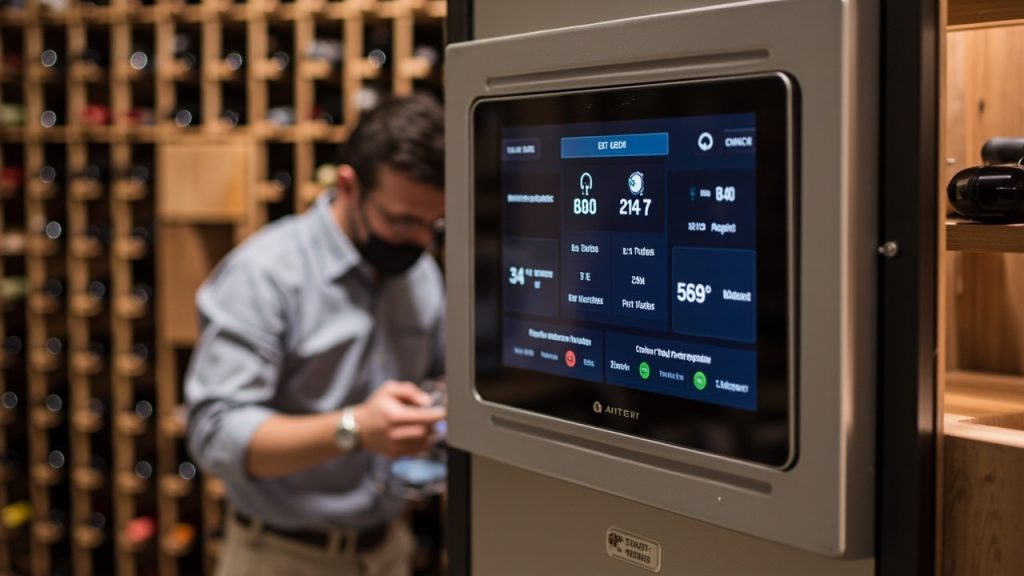
Smart thermostats and remote monitoring capabilities allow collectors to track temperature and humidity from anywhere. These features provide early warning of system problems before they damage wine collections.
Common Problems and Solutions
Refrigerant leaks represent one of the most common wine cooling system failures. These leaks reduce cooling capacity and can cause the system to run continuously, increasing energy costs and wear on components.
Condensate drain blockages can cause water damage to flooring and walls. Regular cleaning prevents this issue but many homeowners discover the problem only after significant damage occurs.
Compressor failures often result from voltage fluctuations common in North Texas. Surge protectors and proper electrical installation prevent many of these failures.
Comparing Major Wine Cooling Brands
| Brand | Best For | Noise Level | Price Range |
|---|---|---|---|
| WhisperKOOL | Residential cellars | 40-50 dB | $2,000-$8,000 |
| Wine Guardian | Commercial applications | 45-55 dB | $3,000-$12,000 |
| CellarPro | Custom installations | 35-45 dB | $2,500-$10,000 |
| Breezaire | Budget-friendly options | 50-60 dB | $1,500-$5,000 |
Each brand offers different features and price points. WhisperKOOL units typically provide the best value for residential applications, while Wine Guardian systems excel in commercial settings where reliability is paramount.
Smart Home Integration Options
Modern wine cooling systems integrate with popular home automation platforms including Control4, Crestron, and Savant. These integrations allow temperature monitoring through smartphone apps and automatic notifications when conditions fall outside preset ranges.
Some systems offer data logging capabilities that track temperature and humidity trends over time. This information helps identify potential problems before they cause wine damage.
Voice control through Amazon Alexa or Google Home provides convenient temperature adjustments without manual thermostat access.
Cost Factors to Consider
Initial installation costs vary widely based on system type and cellar size. Self-contained units typically cost $2,000-$4,000 installed, while ducted systems can exceed $10,000 for large installations.
Operating costs depend on local electricity rates and system efficiency. A typical wine cooling system might cost $30-$80 per month to operate, depending on Dallas summer temperatures and insulation quality.
Maintenance costs average $150-$300 annually for professional service, plus any necessary repairs or part replacements.. Read more about Streamlining HVAC Maintenance for Massive Estates in the Westlake Vaquero Community.
Why Experience Matters in Preston Hollow
Wine cooling specialists understand the specific challenges of Preston Hollow homes. They know which installation methods work best with local construction styles and how to navigate neighborhood association requirements.
Experience with local building codes ensures installations meet all Dallas County requirements. Specialists understand permit processes and inspection requirements specific to climate-controlled spaces.
Established relationships with local suppliers often mean faster parts availability and better warranty service when problems arise.
Questions to Ask Your Wine Cooling Specialist
- How many wine cellar installations have you completed in the Dallas area?
- What brands do you recommend and why?
- Do you provide maintenance contracts?
- What warranties do you offer on installation and equipment?
- Can you provide references from other Preston Hollow clients?
These questions help evaluate a specialist’s experience and commitment to quality work. A reputable technician should provide clear answers and written documentation of all recommendations.
Emergency Services for Wine Collections
Wine cooling system failures can occur at any time, potentially damaging thousands of dollars in wine. Emergency repair services ensure problems get addressed quickly, often within 24 hours of initial contact.
Many specialists offer temporary cooling solutions while permanent repairs are completed. These emergency measures can prevent temperature spikes that would otherwise damage wine collections.
24/7 monitoring services provide peace of mind for collectors who travel frequently or own multiple properties.
Future Trends in Wine Cooling Technology
Energy efficiency continues improving with new compressor designs and smart controls. Some manufacturers now offer systems that use 30-40% less electricity than models from five years ago.
Advanced filtration systems are becoming standard, removing airborne contaminants that could affect wine quality. These systems particularly benefit collectors in urban areas with higher pollution levels.
Modular designs allow system expansion as collections grow, avoiding the need for complete replacement when storage needs increase.
Protecting Your Investment
A properly designed and installed wine cooling system protects not just the wine but the entire investment in a collection. Temperature fluctuations can cause wine to age prematurely or develop off-flavors that reduce value.
Humidity control prevents label damage that can significantly impact resale value. Collectors often discover too late that improper storage conditions have reduced their collection’s worth.
Professional installation and maintenance ensure the system performs as designed, providing reliable protection for years to come. Finding a Reliable Tech for Emergency AC Repair in Highland Park.
Getting Started with Your Wine Cellar Project
The first step involves evaluating your collection size and growth plans. This information determines the required cooling capacity and helps establish a realistic budget for the entire project.
Next, consider the location within your home. Basements offer natural temperature stability, while main-floor installations require more robust cooling systems to handle ambient temperature fluctuations.
Finally, work with a specialist who understands both the technical requirements and the aesthetic considerations important in luxury homes.
Frequently Asked Questions
How long do wine cooling systems typically last?
Quality wine cooling systems generally last 10-15 years with proper maintenance. Regular service and timely repairs can extend this lifespan, while neglect often leads to premature failure.
Can I use my regular air conditioner for wine storage?
Standard air conditioning systems cannot maintain the precise temperature and humidity levels required for wine storage. They also produce too much vibration and lack the specialized controls needed for wine preservation.
What size cooling system do I need for 500 bottles?
A 500-bottle collection typically requires 3,000-4,000 BTUs of cooling capacity, depending on room size and insulation quality. A specialist should perform a detailed load calculation for accurate sizing.
How much does it cost to run a wine cooling system?
Monthly operating costs range from $30-$80, depending on system efficiency, local electricity rates, and how well the wine room is insulated. Dallas summers typically increase these costs by 20-30%.
Do wine cooling systems require special electrical circuits?
Most wine cooling systems require dedicated 240-volt circuits with specific amperage ratings. Standard 120-volt circuits cannot provide the power needed for reliable operation.

Ready to Protect Your Wine Collection?
Your wine collection represents a significant investment that deserves professional protection. The Dallas climate creates unique challenges that require specialized knowledge and equipment to overcome.
CornerStone HVAC has served Preston Hollow and surrounding Dallas neighborhoods for years, helping collectors protect their investments with properly designed wine cooling systems. Our technicians understand the specific requirements of luxury homes and the importance of maintaining precise temperature and humidity control.
Don’t wait until your wine collection suffers damage from improper storage conditions. Contact us today at (972) 850-2750 for a consultation about your wine cellar cooling needs. We’ll evaluate your space, discuss your collection goals, and recommend the best solution for your home.
Protect your investment with a cooling system designed specifically for the Dallas climate and your unique collection requirements. For more information, visit CDC.
{
“@context”: “https://schema.org”,
“@type”: “BlogPosting”,
“headline”: “Why Custom Wine Cellar Cooling Systems in Preston Hollow Require a Specialist”,
“description”: “Preston Hollow’s high-end wine cellars demand specialized cooling systems. Learn why Dallas climate, humidity, and vibration control require expert HVAC technicians.”,
“wordCount”: 2040,
“datePublished”: “2026-03-16T15:45:00.000Z”,
“dateModified”: “2026-03-16T15:45:00.000Z”,
“inLanguage”: “en-US”,
“mainEntityOfPage”: {
“@type”: “WebPage”,
“@id”: “https://cornerstonehvacdallas.com”
},
“publisher”: {
“@type”: “LocalBusiness”,
“name”: “Cornerstone HVAC Dallas”,
“url”: “https://cornerstonehvacdallas.com”
},
“author”: {
“@type”: “Organization”,
“name”: “Cornerstone HVAC Dallas”,
“url”: “https://cornerstonehvacdallas.com”
},
“image”: {
“@type”: “ImageObject”,
“url”: “https://cornerstonehvacdallas.com/wp-content/uploads/2026/03/why-custom-wine-cellar-cooling-systems-in-preston-1.jpg”
}
}
{
“@context”: “https://schema.org”,
“@type”: “HVACBusiness”,
“name”: “Cornerstone HVAC Dallas”,
“url”: “https://cornerstonehvacdallas.com”,
“address”: {
“@type”: “PostalAddress”,
“addressLocality”: “Dallas”
},
“areaServed”: {
“@type”: “City”,
“name”: “Dallas”
}
}
{
“@context”: “https://schema.org”,
“@type”: “FAQPage”,
“mainEntity”: [
{
“@type”: “Question”,
“name”: “How long do wine cooling systems typically last?”,
“acceptedAnswer”: {
“@type”: “Answer”,
“text”: “Quality wine cooling systems generally last 10-15 years with proper maintenance. Regular service and timely repairs can extend this lifespan, while neglect often leads to premature failure.”
}
},
{
“@type”: “Question”,
“name”: “Can I use my regular air conditioner for wine storage?”,
“acceptedAnswer”: {
“@type”: “Answer”,
“text”: “Standard air conditioning systems cannot maintain the precise temperature and humidity levels required for wine storage. They also produce too much vibration and lack the specialized controls needed for wine preservation.”
}
},
{
“@type”: “Question”,
“name”: “What size cooling system do I need for 500 bottles?”,
“acceptedAnswer”: {
“@type”: “Answer”,
“text”: “A 500-bottle collection typically requires 3,000-4,000 BTUs of cooling capacity, depending on room size and insulation quality. A specialist should perform a detailed load calculation for accurate sizing.”
}
},
{
“@type”: “Question”,
“name”: “How much does it cost to run a wine cooling system?”,
“acceptedAnswer”: {
“@type”: “Answer”,
“text”: “Monthly operating costs range from $30-$80, depending on system efficiency, local electricity rates, and how well the wine room is insulated. Dallas summers typically increase these costs by 20-30%.”
}
},
{
“@type”: “Question”,
“name”: “Do wine cooling systems require special electrical circuits?”,
“acceptedAnswer”: {
“@type”: “Answer”,
“text”: “Most wine cooling systems require dedicated 240-volt circuits with specific amperage ratings. Standard 120-volt circuits cannot provide the power needed for reliable operation.”
}
},
{
“@type”: “Question”,
“name”: “Ready to Protect Your Wine Collection?”,
“acceptedAnswer”: {
“@type”: “Answer”,
“text”: “Your wine collection represents a significant investment that deserves professional protection. The Dallas climate creates unique challenges that require specialized knowledge and equipment to overcome.”
}
}
]
}
{
“@context”: “https://schema.org”,
“@type”: “BreadcrumbList”,
“itemListElement”: [
{
“@type”: “ListItem”,
“position”: 1,
“name”: “Home”,
“item”: “https://cornerstonehvacdallas.com”
},
{
“@type”: “ListItem”,
“position”: 2,
“name”: “Blog”,
“item”: “https://cornerstonehvacdallas.com/blog”
},
{
“@type”: “ListItem”,
“position”: 3,
“name”: “Why Custom Wine Cellar Cooling Systems in Preston Hollow Require a Specialist”
}
]
}
{
“@context”: “https://schema.org”,
“@type”: “Service”,
“serviceType”: “HVAC”,
“provider”: {
“@type”: “LocalBusiness”,
“name”: “Cornerstone HVAC Dallas”,
“url”: “https://cornerstonehvacdallas.com”
},
“areaServed”: {
“@type”: “City”,
“name”: “Dallas”
},
“description”: “Preston Hollow’s high-end wine cellars demand specialized cooling systems. Learn why Dallas climate, humidity, and vibration control require expert HVAC technicians.”
}