
What to Do When Your Uptown Dallas Condo AC Stops Working
Your air conditioning unit goes silent on a Tuesday afternoon in July when the outdoor temperature hits 103 degrees. You touch the vents in your Uptown condo and feel nothing but warm air. Your immediate thought is panic. In a high-rise building, a broken AC is not just a comfort problem. It becomes a serious health risk within hours.
Condo air conditioning failures demand a different approach than single-family home repairs. Your building’s infrastructure, the involvement of your HOA, service elevator access, and the specialized equipment in your unit all require steps that differ from what a homeowner in Duncanville or Farmers Branch would follow. This guide walks you through exactly what to do when your Uptown condo AC stops working.
Immediate Steps to Take Right Now
The first five minutes after your AC fails determine how quickly you get relief and how much damage you prevent.
Check your thermostat first. Verify the unit is set to cooling mode, not heat or off. Look at the display panel. Is it blank or showing an error code? If it is blank, check the circuit breaker in your unit or the building’s electrical panel. Some condo buildings have main breakers that service multiple units. If the breaker has tripped, switch it off and then back on. Wait two minutes to see if the system restarts.
Listen to your outdoor unit if you can access your balcony or if it is mounted on the building’s exterior. A completely silent compressor means no power is reaching it. A humming noise without the compressor running suggests an electrical blockage. If you hear a loud grinding or rattling sound, stop immediately and do not attempt to restart the unit. Turn off the breaker.
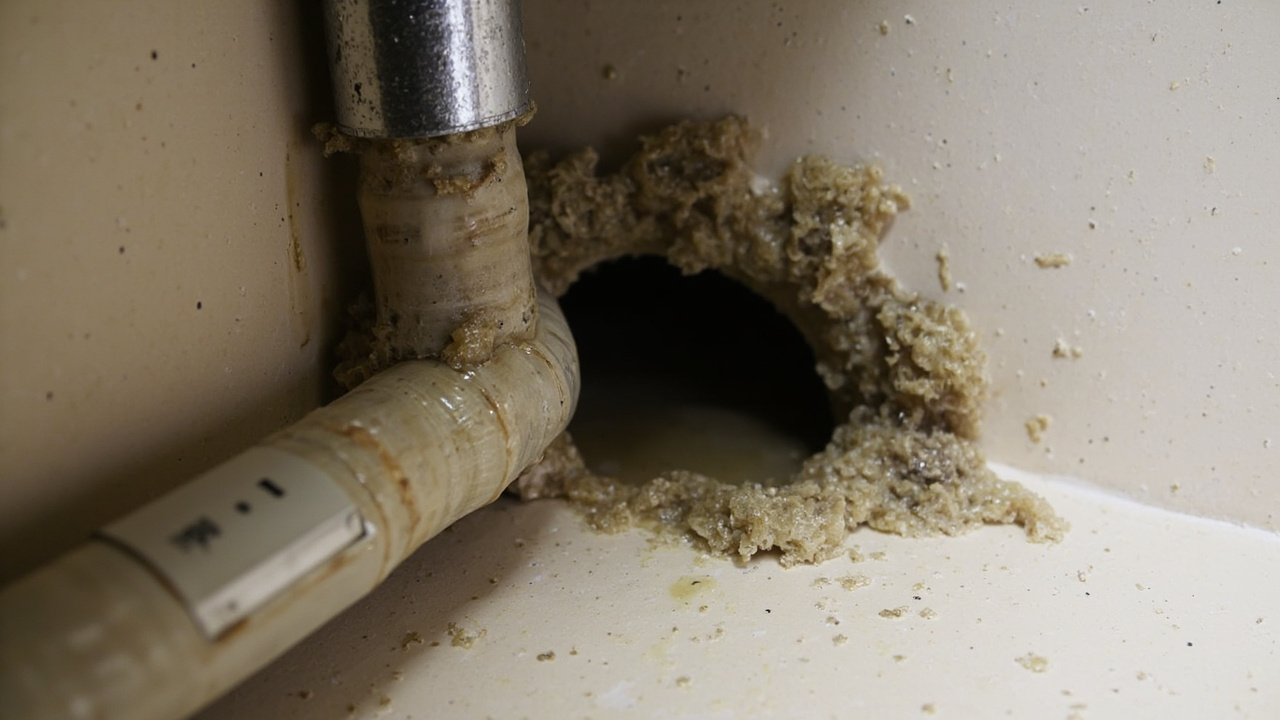
Check your condensate drain line. In Dallas humidity, this line clogs frequently. Walk to your kitchen or bathroom and look for water pooling under the indoor unit or around the air handler. If you see standing water, the drain is blocked. Do not pour water down the line yourself if you are unfamiliar with the system. Call your building’s engineering department or a technician.
Contact your building management or HOA office right away. Do not skip this step. Your condo association may have specific protocols for emergency service. Some buildings require you to call the property manager before scheduling any outside contractor. Others have preferred vendors on call. The building may also need to arrange access to a shared mechanical room or coordinate elevator use for the technician.
Understanding Your Condo AC System
Uptown Dallas high-rises and mid-rise condos rarely use the same AC setup as suburban homes. Knowing what type of system you have saves time and prevents you from describing the wrong problem to a technician.
Water source heat pumps serve many Uptown buildings, particularly towers built in the 1980s and 1990s. These systems pull heating and cooling from a central chilled water loop that runs through the building. Your indoor unit is a fan coil or a packaged terminal air conditioner (PTAC) that connects to this shared water line. If the chilled water loop fails at the building level, no individual unit repair will fix your AC.
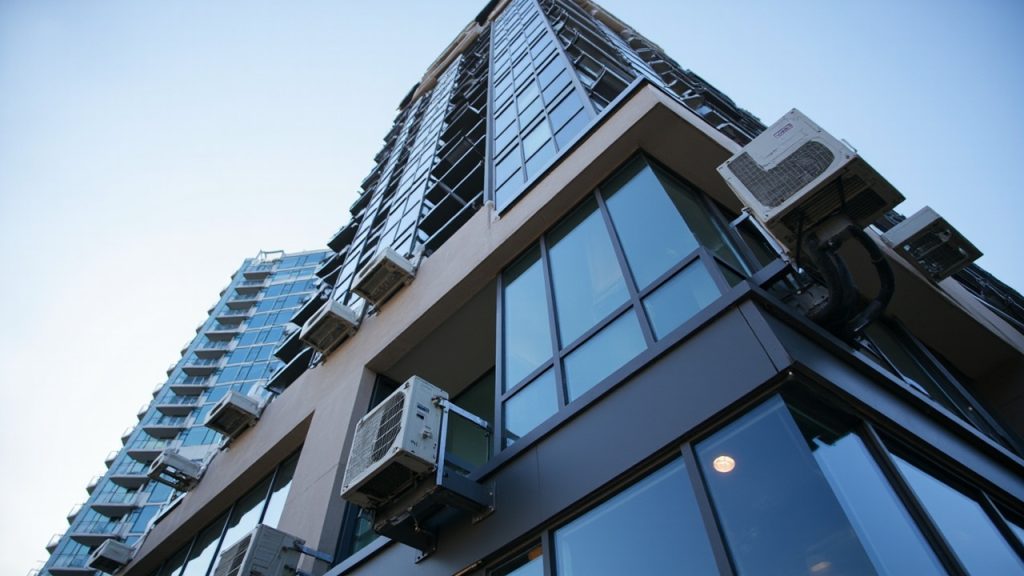
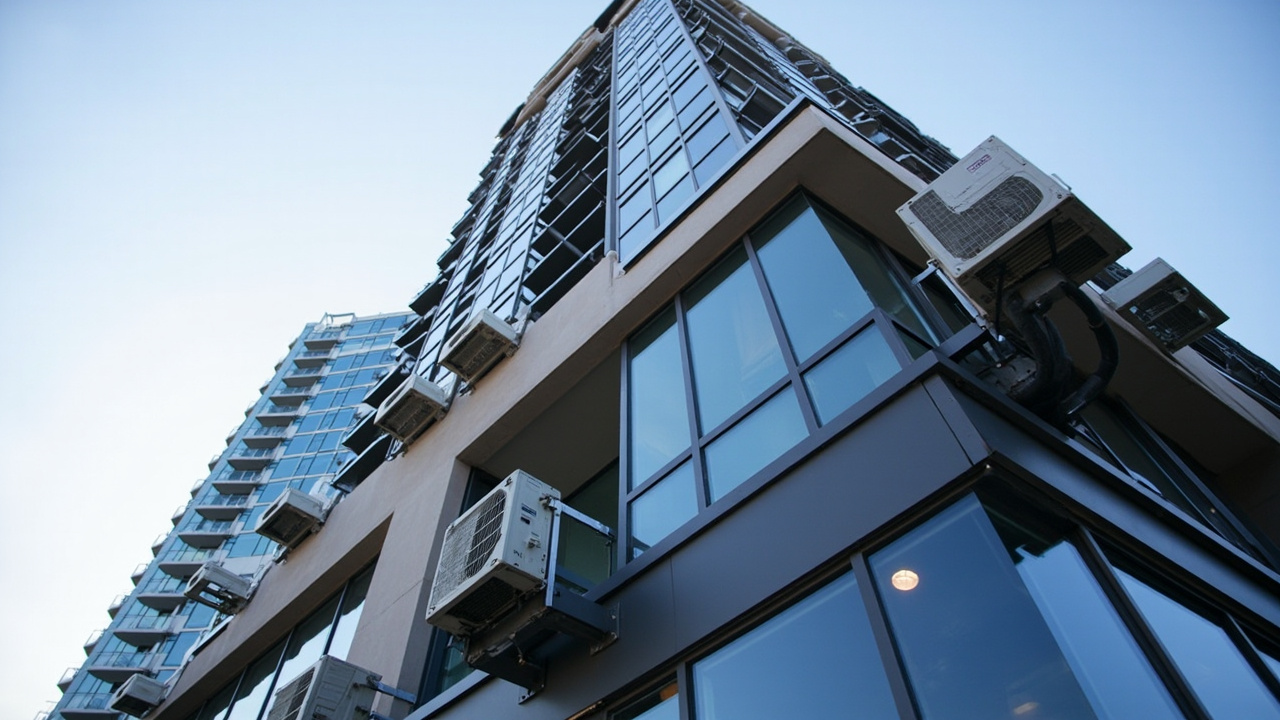
Newer condos often use split system heat pumps. These have an indoor air handler and an outdoor condenser unit. The condenser may be mounted on your balcony, on the roof, or on a shared equipment pad. In Uptown’s dense environment, outdoor units often share piping with adjacent units or route through building chases.
Some older Uptown buildings use vertical stack configurations where refrigerant lines and condensate pipes run vertically through the building spine. A leak or blockage in a floor above or below you can affect your unit. This is why building management must coordinate diagnostics.
Condo-Specific AC Failures and What Causes Them
| Symptom | Likely Cause | Single Unit or Building Wide |
|---|---|---|
| No cooling, unit runs but blows warm air | Low refrigerant, compressor failure, or isolation valve shut off | Single unit |
| Weak airflow from vents | Clogged filter, blocked condensate drain, or frozen evaporator coil | Single unit |
| Unit makes no noise at all | Power loss, tripped breaker, or building-level supply issue | Single unit or multiple units |
| Water dripping from ceiling or walls | Blocked secondary drain or leak from line above | Could indicate issue in unit above |
| Loud hissing or gurgling from air handler | Refrigerant leak or air in water line (water source heat pumps) | Single unit |
| Breaker trips repeatedly when AC runs | Short circuit in compressor or fan motor, or electrical overload | Single unit |
In Uptown buildings, two problems stand out as condo-specific. First, shared mechanical spaces sometimes have isolation valves for individual units. If someone closes yours by mistake during maintenance, your system loses its water or refrigerant connection. Second, condensate drain lines in multi-story buildings back up frequently. Dallas humidity and the tight piping in high-rises create perfect conditions for algae growth and mineral blockage.
Why Condo AC Repair Differs from Single Family Homes
A homeowner in Farmers Branch can call an AC technician, have them walk through the front door, and work on the system without anyone’s permission. You cannot do this in an Uptown condo.
Your technician must follow building entry protocols. They will need a certificate of insurance and may be required to show a valid Texas HVAC license. Some buildings require 24 hours’ notice for service calls. Others have designated service windows. The building may assign a specific service elevator to use, not the main lobby elevators. Your technician might need to park in a designated area, which in Uptown means parking could be several blocks away.
The HOA or building management has liability concerns. They want proof that the contractor carries general liability insurance with a minimum coverage limit, usually one million dollars. They may also require a Certificate of Insurance (COI) naming the building as an additional insured party. This adds 24 to 48 hours to scheduling if your original contractor does not have this paperwork ready.
If your AC is part of a shared system like a water-cooled loop, the building engineer might need to be present during diagnosis. The engineer needs to ensure the technician does not tamper with building-wide supply lines. This coordination takes time you do not have when you are hot.
Condos in Uptown and nearby areas like the Arts District also deal with limited roof or exterior space. If your outdoor unit needs replacement, the technician might face routing challenges that do not exist in suburban homes. Some buildings require cranes to lift equipment to upper floors.
How to Schedule Emergency AC Service for Your Uptown Condo
Once you have notified building management, you need to engage a contractor who has experience with condo systems. Not all HVAC companies in Dallas accept condo work. Some refuse because of the insurance requirements or building restrictions. This narrows your options, and you need to move fast.
Call a contractor who explicitly states they service high-rise and multi-family buildings in Dallas. Ask them directly if they hold a current Texas HVAC license number. Verify they carry liability insurance and have provided COIs to condo buildings in Uptown or Downtown Dallas before. A contractor with this experience will have processes already in place.
Give the contractor your specific address and building name. Tell them it is a condo. Many older Dallas buildings have quirks. The contractor may say, “Oh, I know that building. The service elevator access is through the back entrance,” or “That building uses ClimateMaster water source units. I service those regularly.” This is the response you want. It means they have worked there.
Ask about same-day service if the call is made before noon on a weekday. Many Dallas HVAC contractors maintain emergency response times under two hours during cooling season. But that two-hour window counts from when they leave their shop, not from when you call. If they are already across town, the timeline stretches longer.
Provide the contractor with your unit number, floor, and any AC system details you know. If you know it is a PTAC unit or a water source heat pump, say so. If you have no idea, that is fine. The contractor will determine the type during the first look.
Confirm parking and building access before they arrive. Some buildings require tenants to meet contractors in the lobby. Others prefer a key or access card left at the front desk. Know your building’s rules so the technician does not waste time at the security desk.
What the Technician Will Do During Diagnosis
A skilled condo AC technician follows a logical sequence. They do not start pulling parts until they understand your building’s setup.
First, they ask when the system stopped cooling and if there were any warning signs before it failed. A recent thunderstorm might explain a power issue. A loud pop followed by silence indicates a compressor failure. Weak cooling that gradually got worse points to a refrigerant leak.
They check your thermostat, breaker, and visible ductwork. They inspect the condensate drain for blockages. They verify power is reaching the indoor and outdoor units. They measure voltage and amperage to the compressor.
If your building uses a water source heat pump system, they check the isolation valve on your line and the supply and return temperature of the water. They may coordinate with the building engineer to verify the central chilled water loop is operating.
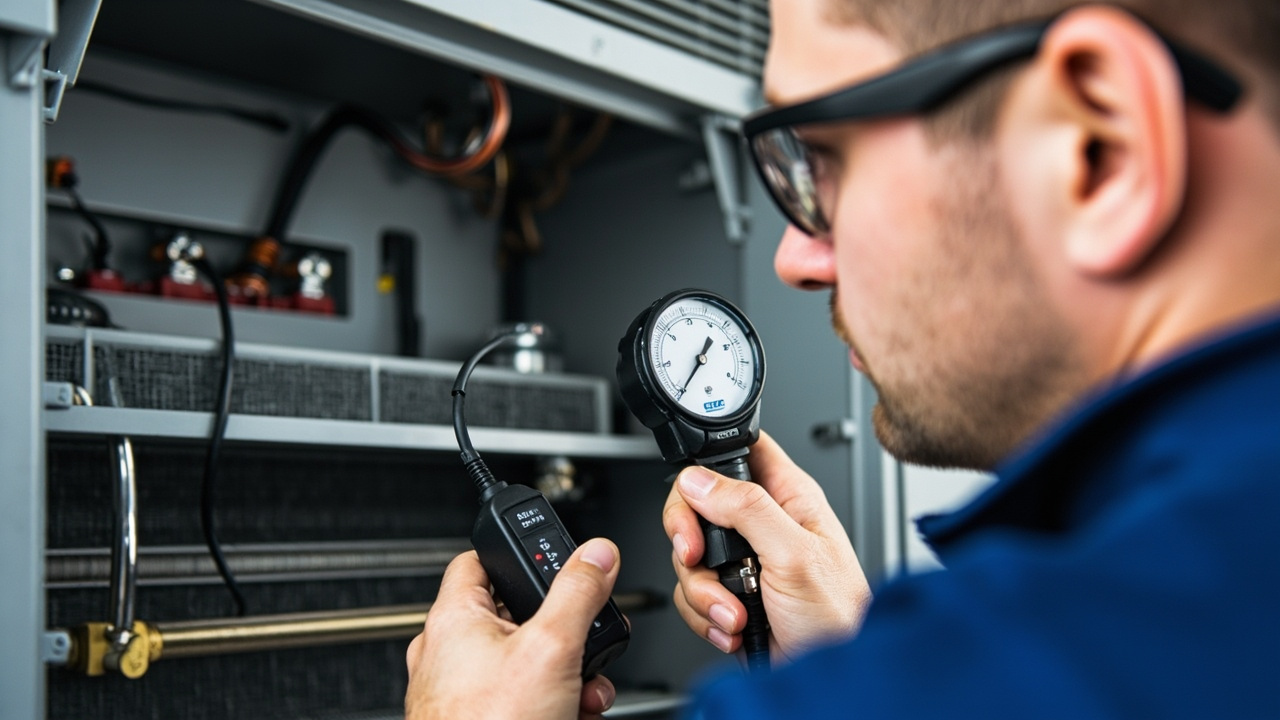
They use a refrigerant gauge to measure pressure on sealed-system units. They feel the suction and discharge lines for temperature differences, which reveals whether the refrigerant is flowing. They look for oil stains or hissing sounds that indicate leaks.
On split system condos, they visually inspect the outdoor condenser coil for dirt or ice buildup. They listen to the compressor for grinding or knocking. They use an infrared thermometer to check if the discharge line is hot and the return line is cold. Reversed temperatures mean the system is in trouble.
This diagnostic process takes 30 to 60 minutes depending on the system and what they find. The technician will call or text you with findings and repair options.
Common Condo AC Repairs in Uptown Dallas
| Repair Type | Typical Timeframe | Coordination Required |
|---|---|---|
| Condensate drain cleaning or replacement | 1 to 2 hours | May require building permission if line runs through shared spaces |
| Refrigerant recharge after leak repair | 2 to 4 hours | Technician must verify leak is sealed before adding refrigerant |
| Compressor replacement | 4 to 8 hours | May require building access coordination, especially for rooftop units |
| Air handler replacement | 2 to 6 hours | Depends on unit location and ductwork routing through shared chases |
| Water source heat pump isolation valve repair or seal replacement | 1 to 3 hours | Building engineer presence may be required to ensure water loop integrity |
| Outdoor unit condenser coil cleaning or replacement | 2 to 5 hours | Depends on balcony access and equipment size |
The most common condo AC failure in Uptown involves a condensate drain backup. Dallas humidity means water is always accumulating. In vertical buildings, condensate from upper units can flow down inside the walls and cause ceiling damage in units below. Building management tracks these claims carefully. If your drain backs up and damages a neighbor’s unit, your homeowner’s insurance and the building’s insurance will be involved.
The second most common issue is a refrigerant leak. Condo units often have piping that runs through shared mechanical chases or along exterior walls. Vibration, thermal expansion, and poor installation cause pinhole leaks. These require the technician to locate the leak with an electronic leak detector, seal the hole with epoxy or by replacing a section of line, pull a vacuum on the system with a pump, and refill with refrigerant. This process cannot be rushed.
Water source heat pump systems fail when the supply line gets an air pocket or when the water loop develops crud that blocks flow. The building engineer works with the technician to bleed the air or flush the line. This repair requires coordination across multiple departments.
HOA and Building Management Requirements You Must Know
Your condo association has specific rules about AC repair. Some of these rules protect the building structure. Others protect liability. You need to know them before scheduling service.
Many HOAs require prior written approval before bringing in an outside contractor. This approval process takes two to five business days under normal circumstances. During an emergency, most boards allow verbal approval with written documentation to follow. Contact your HOA president or property manager immediately when your AC fails and ask if emergency approval is granted.
Check your condo documents for any restrictions on outdoor unit installation or replacement. Some buildings forbid exposed condenser units on balconies for aesthetic reasons. Replacement might require routing the new unit through a shared chase or to a rooftop location. This adds cost and complexity you did not anticipate.
Many HOAs require the contractor to provide a Certificate of Insurance showing general liability coverage of at least one million dollars with the building named as an additional insured. If your contractor does not have this paperwork ready, the building will not permit them to work. Insist your contractor provides this document at the time of the estimate or service call.
Ask your building manager if there is a preferred contractor list. Many Uptown buildings maintain relationships with specific HVAC firms that have proven reliability and know building systems inside and out. Using a preferred vendor speeds up approvals and service.
Find out your building’s service access hours. Some buildings restrict after-hours work. Others charge premium fees for early morning or evening service. If your AC fails on a Friday night, know now whether emergency service will cost extra.
Preventing Future AC Failures in Your Uptown Condo
Preventative maintenance stops most AC failures before they start. A Dallas summer is too critical to skip this.
Change or clean your air filter every month during cooling season, and every two months during non-cooling months. A dirty filter cuts airflow and forces the system to work harder. In Dallas heat, this accelerates compressor wear and can cause the evaporator coil to freeze.
Have a technician perform a professional inspection and tune-up in late spring before peak cooling season arrives. The technician will clean coils, verify refrigerant charge, check electrical connections, and inspect ductwork for leaks. This annual service typically costs less than a single emergency repair.
Monitor your condensate drain line. Pour a cup of water down it monthly to ensure it is flowing. If water backs up, contact building management and a technician immediately. Do not wait.
Keep your outdoor unit clear of debris. If you have a balcony unit, remove leaves, pollen, and dirt buildup quarterly. In Uptown’s urban environment, air quality sometimes creates soot that clogs coils. A light rinse with a garden hose helps, but do not use a pressure washer on the delicate fins.
Install a smart thermostat if your building permits it. Temperature sensors that track performance trends help you spot problems early. If cooling takes longer than usual to reach a target temperature, it might indicate a refrigerant leak or compressor wear before a complete failure occurs.
Consider upgrading to a high-efficiency system during planned replacement. Newer HVAC equipment qualifies for Energy Star certification, which reduces energy consumption in Dallas’s intense summers. Some systems include better filtration for Dallas pollen and cedar fever seasons.
What to Expect for Cost and Timeline
Condo AC repair costs vary based on the specific problem and your building’s setup. A diagnostic visit typically costs between 100 and 150 dollars. That fee is usually credited toward repairs if you proceed with the same contractor.
Simple repairs like drain cleaning or filter replacement cost less than 300 dollars. Refrigerant recharge after a leak repair runs 400 to 800 dollars depending on the size of the system. Major component replacement like a compressor or air handler can cost 1500 to 4000 dollars or more. Complete system replacement in a high-rise condo, especially if routing is complex, may cost 5000 to 10000 dollars.
These ranges are estimates. Your specific cost depends on the system type, the extent of the failure, whether parts are in stock, and whether your building requires special access arrangements.
Timeline expectations are important in a Dallas summer. If you call at 9 AM on a Tuesday in July, you might see a technician by noon. If you call on Friday evening, you are waiting until Monday unless you pay emergency after-hours rates. Plan accordingly.
Emergency Service in Uptown and Surrounding Areas
Uptown is not the only high-density condo cluster in Dallas. Nearby neighborhoods like Victory Park, the Arts District, and Turtle Creek also have multi-family buildings with specialized AC systems. A technician experienced in one Dallas high-rise understands the complexities of others.
If you live in Victory Park or the Arts District and your condo AC fails, the same principles apply. Call building management first. Provide the contractor with your building’s specifics. Confirm access and insurance requirements.
Turtle Creek condos, many of which are older mid-rise buildings, sometimes use equipment that newer buildings abandoned. Water-cooled units are still common there. A contractor familiar with Turtle Creek buildings will know how to diagnose water source heat pump failures quickly.
South Dallas condo communities like some areas near Fair Park have different building ages and equipment mixes. Always describe your building and unit type when calling for service. The contractor’s first question should be about your system, not just about the problem.
Your Next Steps Right Now
If your Uptown condo AC is not working, take these actions in this order.
- Contact your building management or HOA immediately. Tell them your AC is down and ask about emergency service approval and preferred contractors.
- Check your thermostat, breaker, and condensate drain. Simple fixes sometimes solve the problem without a service call.
- Call an experienced condo HVAC contractor. Provide your building name, unit number, and system type if you know it. Ask about same-day service availability.
- Confirm parking and building access details. Save the contractor time and ensure they can enter your building without delays.
- Request a Certificate of Insurance. Most professional contractors have this ready to provide at the time of service.
- Stay in the unit during diagnosis. The technician will need access and may have questions about when the problem started.
Cornerstone Air Conditioning and Heating serves the Dallas metro area including high-rise condo buildings in Uptown, Downtown, Victory Park, and surrounding neighborhoods. Our technicians hold current Texas HVAC licenses and carry full liability insurance with certificates provided to building management. We specialize in water source heat pump systems, PTAC units, split systems, and all condo-specific equipment. We coordinate directly with building engineers and HOAs to streamline approvals and access. If your Uptown condo AC has stopped working, call Cornerstone for emergency service. We respond to calls within two hours during cooling season and manage all building requirements for you. Your comfort and your building’s integrity matter. Contact Cornerstone today for immediate condo AC repair and get back to comfortable living in your Uptown home.
Frequently Asked Questions
Can I repair my condo AC unit myself if it has stopped working?
Do not attempt repairs yourself if you are not trained in HVAC systems. Refrigerant is a hazardous substance that requires certification to handle. Incorrectly charging or evacuating refrigerant creates safety risks and voids manufacturer warranties. Accessing sealed systems without proper tools causes contamination. Condo buildings also restrict unauthorized work on shared infrastructure. Contact a licensed technician.
How long does it take to repair a broken condo AC in Uptown?
A simple repair like clearing a condensate drain takes one to two hours. Refrigerant recharge takes two to four hours. Major component replacement takes four to eight hours or more. Building access coordination can add 24 to 48 hours if your HOA requires advance approval. Same-day service is possible if you call before noon during weekdays in cooling season.
What happens if my building’s water source heat pump loop fails instead of my individual unit?
If the central chilled water loop that supplies multiple units fails, all units lose cooling simultaneously. Your building engineer will coordinate emergency service for the central system. Individual unit repairs cannot fix this. Building management should notify all residents of the issue and estimated time to restore service. This is a building-wide emergency, not your condo’s problem alone.
Does my HOA have to approve AC repairs before the technician arrives?
Most condo associations require some form of approval for outside contractor work. During an emergency, most boards grant verbal approval with documentation to follow. Contact your property manager or HOA president immediately and explain the situation. For non-emergency repairs, follow your building’s formal approval process, which typically takes two to five business days.
Will my homeowner’s insurance cover condo AC repair costs?
Most homeowner’s insurance policies do not cover mechanical breakdown of HVAC systems. Your insurance covers damage caused by sudden events like lightning strikes or storm damage, but not normal wear and tear or component failure. Check your specific policy or contact your insurance agent. Some extended warranty plans cover AC repair. Ask your contractor if they offer service agreements.
What should I do if water is dripping from my ceiling after my AC stops cooling?
If water is dripping from your ceiling or walls, your condensate drain is backed up or your system is leaking refrigerant. Do not ignore this. Water damage spreads quickly and can affect the unit below yours. Turn off your AC, contact building management, and call a technician immediately. Document the water damage with photos for your insurance records.
{
“@context”: “https://schema.org”,
“@type”: “BlogPosting”,
“headline”: “What to Do When Your Uptown Dallas Condo AC Stops Working”,
“description”: “Your Uptown condo AC failed? Learn condo-specific repair steps, HOA requirements, and how to get emergency service in high-rise buildings.”,
“wordCount”: 3604,
“datePublished”: “2026-03-18T09:08:00.000Z”,
“dateModified”: “2026-03-18T09:08:00.000Z”,
“inLanguage”: “en-US”,
“mainEntityOfPage”: {
“@type”: “WebPage”,
“@id”: “https://cornerstonehvacdallas.com”
},
“publisher”: {
“@type”: “LocalBusiness”,
“name”: “Cornerstone HVAC Dallas”,
“url”: “https://cornerstonehvacdallas.com”
},
“author”: {
“@type”: “Organization”,
“name”: “Cornerstone HVAC Dallas”,
“url”: “https://cornerstonehvacdallas.com”
},
“image”: {
“@type”: “ImageObject”,
“url”: “https://cornerstonehvacdallas.com/wp-content/uploads/2026/03/what-to-do-when-your-uptown-dallas-condo-ac-stops-1.jpg”
}
}
{
“@context”: “https://schema.org”,
“@type”: “HVACBusiness”,
“name”: “Cornerstone HVAC Dallas”,
“url”: “https://cornerstonehvacdallas.com”,
“address”: {
“@type”: “PostalAddress”,
“addressLocality”: “Dallas”
},
“areaServed”: {
“@type”: “City”,
“name”: “Dallas”
}
}
{
“@context”: “https://schema.org”,
“@type”: “FAQPage”,
“mainEntity”: [
{
“@type”: “Question”,
“name”: “Can I repair my condo AC unit myself if it has stopped working?”,
“acceptedAnswer”: {
“@type”: “Answer”,
“text”: “Do not attempt repairs yourself if you are not trained in HVAC systems. Refrigerant is a hazardous substance that requires certification to handle. Incorrectly charging or evacuating refrigerant creates safety risks and voids manufacturer warranties. Accessing sealed systems without proper tools causes contamination. Condo buildings also restrict unauthorized work on shared infrastructure. Contact a licensed technician.”
}
},
{
“@type”: “Question”,
“name”: “How long does it take to repair a broken condo AC in Uptown?”,
“acceptedAnswer”: {
“@type”: “Answer”,
“text”: “A simple repair like clearing a condensate drain takes one to two hours. Refrigerant recharge takes two to four hours. Major component replacement takes four to eight hours or more. Building access coordination can add 24 to 48 hours if your HOA requires advance approval. Same-day service is possible if you call before noon during weekdays in cooling season.”
}
},
{
“@type”: “Question”,
“name”: “What happens if my building’s water source heat pump loop fails instead of my individual unit?”,
“acceptedAnswer”: {
“@type”: “Answer”,
“text”: “If the central chilled water loop that supplies multiple units fails, all units lose cooling simultaneously. Your building engineer will coordinate emergency service for the central system. Individual unit repairs cannot fix this. Building management should notify all residents of the issue and estimated time to restore service. This is a building-wide emergency, not your condo’s problem alone.”
}
},
{
“@type”: “Question”,
“name”: “Does my HOA have to approve AC repairs before the technician arrives?”,
“acceptedAnswer”: {
“@type”: “Answer”,
“text”: “Most condo associations require some form of approval for outside contractor work. During an emergency, most boards grant verbal approval with documentation to follow. Contact your property manager or HOA president immediately and explain the situation. For non-emergency repairs, follow your building’s formal approval process, which typically takes two to five business days.”
}
},
{
“@type”: “Question”,
“name”: “Will my homeowner’s insurance cover condo AC repair costs?”,
“acceptedAnswer”: {
“@type”: “Answer”,
“text”: “Most homeowner’s insurance policies do not cover mechanical breakdown of HVAC systems. Your insurance covers damage caused by sudden events like lightning strikes or storm damage, but not normal wear and tear or component failure. Check your specific policy or contact your insurance agent. Some extended warranty plans cover AC repair. Ask your contractor if they offer service agreements.”
}
},
{
“@type”: “Question”,
“name”: “What should I do if water is dripping from my ceiling after my AC stops cooling?”,
“acceptedAnswer”: {
“@type”: “Answer”,
“text”: “If water is dripping from your ceiling or walls, your condensate drain is backed up or your system is leaking refrigerant. Do not ignore this. Water damage spreads quickly and can affect the unit below yours. Turn off your AC, contact building management, and call a technician immediately. Document the water damage with photos for your insurance records.”
}
}
]
}
{
“@context”: “https://schema.org”,
“@type”: “BreadcrumbList”,
“itemListElement”: [
{
“@type”: “ListItem”,
“position”: 1,
“name”: “Home”,
“item”: “https://cornerstonehvacdallas.com”
},
{
“@type”: “ListItem”,
“position”: 2,
“name”: “Blog”,
“item”: “https://cornerstonehvacdallas.com/blog”
},
{
“@type”: “ListItem”,
“position”: 3,
“name”: “What to Do When Your Uptown Dallas Condo AC Stops Working”
}
]
}
{
“@context”: “https://schema.org”,
“@type”: “Service”,
“serviceType”: “HVAC”,
“provider”: {
“@type”: “LocalBusiness”,
“name”: “Cornerstone HVAC Dallas”,
“url”: “https://cornerstonehvacdallas.com”
},
“areaServed”: {
“@type”: “City”,
“name”: “Dallas”
},
“description”: “Your Uptown condo AC failed? Learn condo-specific repair steps, HOA requirements, and how to get emergency service in high-rise buildings.”
}