
New federal regulations are transforming the HVAC industry in 2026. Dallas homeowners need to understand these changes now to make informed decisions about repairs and replacements. EPA Climate HVAC information.
The Environmental Protection Agency is phasing out R-410A refrigerant through the American Innovation and Manufacturing Act. This change affects every new air conditioning system installed after January 1, 2026. Understanding these regulations helps you avoid unexpected costs and ensures your next HVAC investment meets current standards.
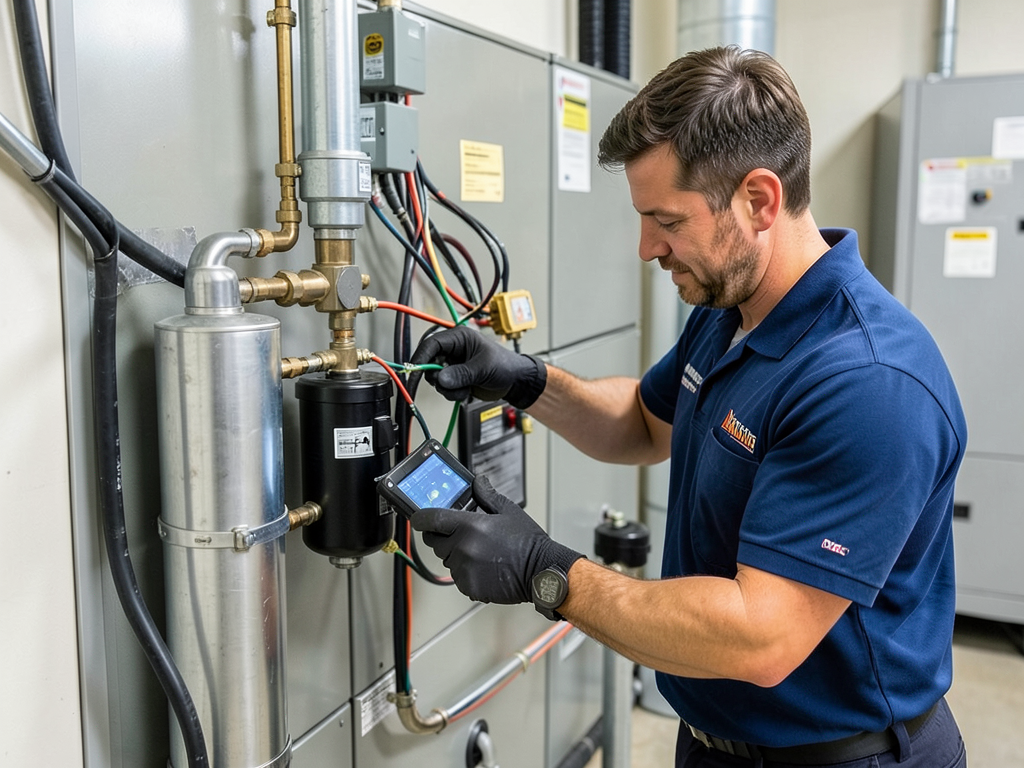
The Transition from R-410A to A2L Refrigerants
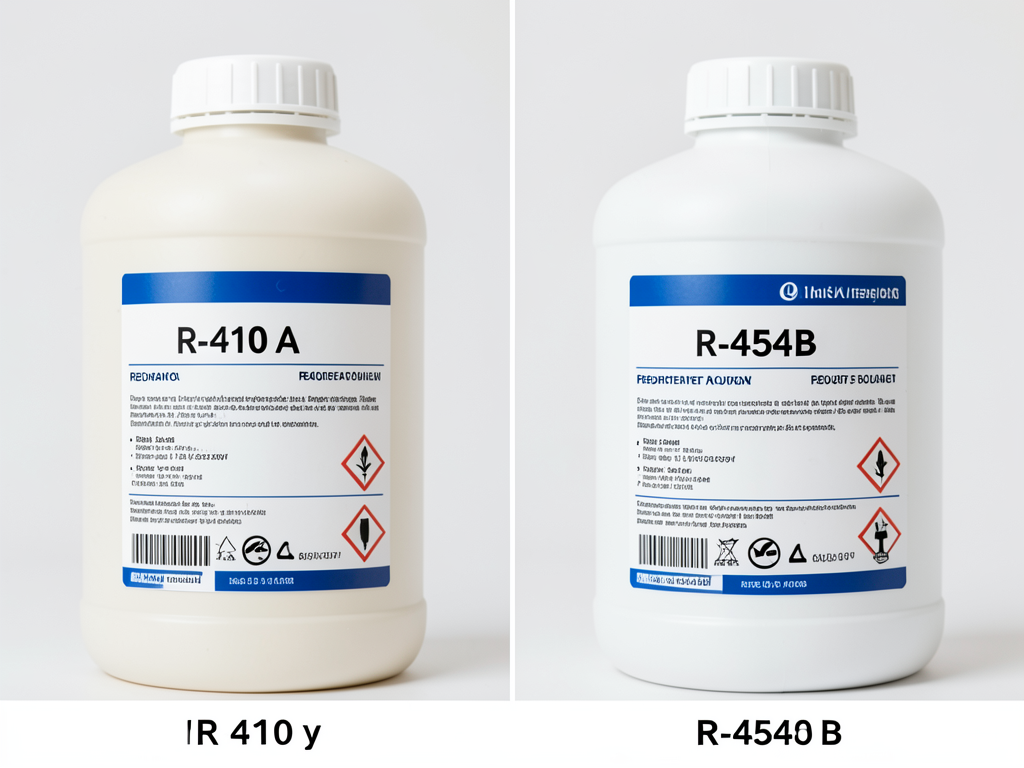
R-410A has been the standard refrigerant in American homes for nearly two decades. However, this hydrofluorocarbon (HFC) has a Global Warming Potential of 2,088. The new regulations require refrigerants with a GWP below 700.
The industry is adopting A2L refrigerants like R-454B and R-32. These alternatives have GWPs around 500-700. R-454B, marketed as Opteon XL41, offers similar cooling capacity to R-410A while reducing environmental impact by about 78%.
A2L refrigerants are classified as mildly flammable. This requires enhanced safety features including leak detection sensors and updated installation procedures. Dallas HVAC contractors are already training on these new requirements. How Much a New AC Installation Actually Costs in Dallas This Year.
Key Deadlines: 2025 vs. 2026 Mandates
The transition follows a specific timeline that affects both manufacturers and homeowners. Understanding these dates helps you plan your HVAC investments strategically.
| Year | Manufacturing | Installation | Impact |
|---|---|---|---|
| 2025 | Production of R-410A systems stops | Existing systems can still be installed | Inventory becomes limited |
| 2026 | No new R-410A systems allowed | Only A2L systems permitted | Full compliance required |
Manufacturers must stop producing new R-410A equipment by January 1, 2025. However, contractors can continue installing systems manufactured before this date through 2025. The critical deadline is January 1, 2026, when only A2L-compliant systems can be installed in new construction or replacements. Installing a Ductless Mini-Split in Your M Streets Bungalow or Garage Suite.
This creates a transition period where both refrigerant types will coexist. Dallas homeowners with R-410A systems can still get repairs using existing refrigerant supplies through the 2030s. HVAC Dallas.
Why the Change? The AIM Act and GWP Standards
The American Innovation and Manufacturing Act directs the EPA to phase down HFC production by 85% by 2036. This legislation responds to the significant environmental impact of traditional refrigerants.
Global Warming Potential measures how much heat a greenhouse gas traps compared to carbon dioxide. R-410A traps over 2,000 times more heat than CO2 over a 100-year period. The new 700 GWP limit represents an 80% reduction in potential warming impact.
These regulations align with international agreements including the Kigali Amendment to the Montreal Protocol. The goal is to prevent up to 0.5°C of global warming by the end of the century.
Impact on Dallas HVAC Systems
Dallas summers push air conditioning systems to their limits. The transition to A2L refrigerants affects how equipment performs in extreme heat.
A2L refrigerants operate at slightly different pressures than R-410A. This requires redesigned compressors and heat exchangers. Most 2026-compliant systems will need larger outdoor units to achieve the same cooling capacity.
The mild flammability of A2L refrigerants necessitates additional safety features. New systems include electronic leak detectors that shut down the compressor if refrigerant levels drop. These sensors add approximately $150-300 to system costs.
Dallas building codes are updating to accommodate A2L installations. The City of Dallas requires specific room volume calculations and ventilation requirements for systems using mildly flammable refrigerants.
Repair vs. Replace: Should You Wait Until 2026?
Homeowners face a critical decision: repair existing R-410A systems or invest in new A2L technology. Several factors influence this choice.
| Factor | Repair R-410A | Replace with A2L |
|---|---|---|
| System Age | Under 10 years | Over 10 years |
| Repair Cost | Under $500 | Over $500 |
| Efficiency Gain | Minimal | Up to 20% |
| Future Proof | No | Yes |
Systems under 10 years old with minor issues often justify repairs. The refrigerant phase-down allows continued R-410A use for maintenance through the 2030s. However, systems over 12-15 years old face diminishing returns on repairs.
New A2L systems offer significant efficiency improvements. SEER2 ratings for 2026-compliant units typically range from 16 to 21, compared to 14-18 for current R-410A systems. This translates to 15-25% lower cooling costs.
The current R-410A inventory shortage is driving up repair costs. Dallas homeowners report refrigerant prices increasing 30-50% in 2024. This trend will continue as the 2025 manufacturing cutoff approaches.
Frequently Asked Questions
Can I still get R-410A refrigerant after 2026?
Yes. The regulations ban new equipment using R-410A but do not prohibit its continued use in existing systems. Refrigerant manufacturers can produce R-410A for service and maintenance through 2036 and beyond. Dallas homeowners can expect R-410A availability for at least 10-12 more years. Who to Call for Same-Day AC Service in University Park and North Dallas.
Are A2L refrigerants safe for my home?
A2L refrigerants have mild flammability properties but include multiple safety systems. New units feature leak detection sensors, spark-proof components, and automatic shutoff mechanisms. When installed by certified technicians following Dallas building codes, these systems are as safe as traditional units.
Will my current HVAC contractor be able to install A2L systems?
Contractors need additional certification to handle A2L refrigerants. The EPA requires Section 608 Universal certification plus manufacturer-specific training. Most established Dallas HVAC companies are completing this training now to prepare for the 2026 rollout.
How much more will A2L systems cost?
A2L systems typically cost 15-25% more than comparable R-410A units. This premium covers enhanced safety components, redesigned heat exchangers, and new manufacturing processes. For a typical 3-ton system, expect to pay $800-1,500 more for 2026-compliant equipment.
Can I upgrade just the outdoor unit to A2L and keep my indoor coil?
Most existing indoor coils are incompatible with A2L refrigerants due to different operating pressures and oil requirements. A complete system replacement is usually necessary. However, some manufacturers offer limited compatibility options that may reduce costs. Indoor Air Quality Solutions.
Local Impact: Dallas Climate and Building Requirements
Dallas’s extreme summer heat creates unique challenges for the 2026 refrigerant transition. The North Texas climate demands systems that can maintain comfort when outdoor temperatures exceed 100°F for extended periods.
A2L refrigerants operate most efficiently in moderate temperatures. Dallas’s prolonged heat waves may require larger condenser coils or multiple stages of cooling to achieve the same performance as current R-410A systems.
The City of Dallas has updated its building energy code to address A2L installations. New requirements include minimum room volume calculations, dedicated outdoor air systems for mechanical rooms, and specific mounting heights for leak detectors.
Dallas homeowners in historic districts face additional considerations. The M Streets and Swiss Avenue areas often require preservation-compliant installations that maintain architectural integrity while meeting new safety standards.
Oncor Electric Delivery’s grid reliability concerns also influence system selection. A2L systems with higher efficiency ratings can reduce peak demand charges and improve electrical grid stability during Dallas’s critical summer months.
Financial Considerations and Incentives
The transition to A2L refrigerants creates both costs and opportunities for Dallas homeowners. Understanding the financial landscape helps maximize your investment.
Federal tax credits remain available for high-efficiency HVAC installations. Systems meeting specific SEER2 and HSPF requirements qualify for up to $2,000 in credits. These incentives apply to both R-410A and A2L systems, but higher-efficiency A2L units may qualify for larger credits.
Oncor offers rebates for qualifying high-efficiency systems. These programs typically provide $300-600 for installations that exceed minimum efficiency standards. A2L systems often qualify for maximum rebates due to their superior performance.
Utility companies throughout Dallas County are promoting early adoption of efficient systems. Some offer zero-interest financing or bill credits for installations completed before the 2026 deadline.
The current R-410A price volatility makes long-term cost projections challenging. Homeowners who replace aging systems now may avoid future repair cost increases while benefiting from current rebate programs.
Making Your Decision: A Strategic Timeline
Dallas homeowners should evaluate their HVAC needs based on system age, repair history, and financial considerations. Here’s a strategic approach to navigating the 2026 transition.
- Assess Current System
Check your system’s age, efficiency rating, and repair history. Systems over 12 years old or requiring frequent repairs may warrant replacement.
- Get Professional Evaluation
Schedule a comprehensive assessment with a certified Dallas HVAC contractor. They can identify efficiency opportunities and provide accurate replacement quotes.
- Compare Financial Options
Calculate long-term costs including utility savings, available rebates, and potential repair expenses. Consider both immediate and future financial impacts.
- Plan Installation Timing
If replacement makes sense, schedule installation during shoulder seasons when contractors have greater availability and potentially lower pricing.
- Verify Compliance
Ensure your selected system meets all 2026 requirements if installation occurs near the deadline. Request documentation of A2L certification and safety features.
The optimal timing depends on your specific situation. Some Dallas homeowners benefit from early replacement to capture current incentives and avoid future price increases. Others maximize value by maintaining existing systems through the transition period.
Preparing for the Future
The 2026 refrigerant regulations represent the beginning of ongoing environmental improvements in HVAC technology. Dallas homeowners who understand these changes position themselves for long-term comfort and efficiency.
Beyond 2026, the industry continues evolving toward even lower GWP alternatives. The next transition may occur in the 2030s as technology advances and environmental standards tighten further.
Smart home integration is becoming standard in new HVAC systems. A2L units typically include Wi-Fi connectivity, advanced diagnostics, and compatibility with home automation platforms. These features provide enhanced control and early problem detection.
Indoor air quality remains a priority for Dallas homeowners. New systems often incorporate advanced filtration, humidity control, and ventilation features that address North Texas’s specific air quality challenges.
The 2026 regulations ultimately benefit homeowners through improved efficiency and environmental responsibility. While the transition requires adjustment, the resulting systems offer superior performance and lower operating costs.
Take Action Today
Understanding the 2026 HVAC refrigerant regulations is the first step toward making informed decisions about your home’s comfort system. Dallas homeowners have options ranging from maintaining current systems to investing in next-generation technology.
The key is evaluating your specific needs against the backdrop of these regulatory changes. Consider your system’s age, your budget constraints, and your long-term comfort goals when planning your next steps.
Professional guidance ensures you navigate this transition successfully. A certified Dallas HVAC contractor can assess your current system, explain your options, and help you select the best solution for your home and budget.
Don’t wait until the 2026 deadline creates a rush of last-minute replacements. Start planning now to secure the best pricing, maximize available incentives, and ensure your home remains comfortable through Dallas’s extreme summers.
Ready to discuss your HVAC options? Contact CornerStone HVAC at (972) 850-2750 for a comprehensive evaluation of your current system and expert guidance on navigating the 2026 refrigerant transition. Our Dallas-based team understands the unique challenges of North Texas climate and can help you make the right choice for your home’s comfort and efficiency. For more information, visit Air-Conditioning, Heating, and Refrigeration Institute.
{
“@context”: “https://schema.org”,
“@type”: “BlogPosting”,
“headline”: “What Dallas Homeowners Need to Know About the New 2026 HVAC Refrigerant Regulations”,
“description”: “Learn how the 2026 HVAC refrigerant changes affect Dallas homeowners. Discover R-454B vs R-410A differences, compliance deadlines, and cost impacts for North Texas systems.”,
“wordCount”: 1812,
“datePublished”: “2026-06-08T10:03:00.000Z”,
“dateModified”: “2026-06-08T10:03:00.000Z”,
“inLanguage”: “en-US”,
“mainEntityOfPage”: {
“@type”: “WebPage”,
“@id”: “https://cornerstonehvacdallas.com”
},
“publisher”: {
“@type”: “LocalBusiness”,
“name”: “Cornerstone HVAC Dallas”,
“url”: “https://cornerstonehvacdallas.com”
},
“author”: {
“@type”: “Organization”,
“name”: “Cornerstone HVAC Dallas”,
“url”: “https://cornerstonehvacdallas.com”
},
“image”: {
“@type”: “ImageObject”,
“url”: “https://cornerstonehvacdallas.com/wp-content/uploads/2026/03/what-dallas-homeowners-need-to-know-about-the-new-1.png”
}
}
{
“@context”: “https://schema.org”,
“@type”: “HVACBusiness”,
“name”: “Cornerstone HVAC Dallas”,
“url”: “https://cornerstonehvacdallas.com”,
“address”: {
“@type”: “PostalAddress”,
“addressLocality”: “Dallas”
},
“areaServed”: {
“@type”: “City”,
“name”: “Dallas”
}
}
{
“@context”: “https://schema.org”,
“@type”: “FAQPage”,
“mainEntity”: [
{
“@type”: “Question”,
“name”: “Repair vs. Replace: Should You Wait Until 2026?”,
“acceptedAnswer”: {
“@type”: “Answer”,
“text”: “Homeowners face a critical decision: repair existing R-410A systems or invest in new A2L technology. Several factors influence this choice.”
}
},
{
“@type”: “Question”,
“name”: “Can I still get R-410A refrigerant after 2026?”,
“acceptedAnswer”: {
“@type”: “Answer”,
“text”: “Yes. The regulations ban new equipment using R-410A but do not prohibit its continued use in existing systems. Refrigerant manufacturers can produce R-410A for service and maintenance through 2036 and beyond. Dallas homeowners can expect R-410A availability for at least 10-12 more years. Who to Call for Same-Day AC Service in University Park and North Dallas.”
}
},
{
“@type”: “Question”,
“name”: “Are A2L refrigerants safe for my home?”,
“acceptedAnswer”: {
“@type”: “Answer”,
“text”: “A2L refrigerants have mild flammability properties but include multiple safety systems. New units feature leak detection sensors, spark-proof components, and automatic shutoff mechanisms. When installed by certified technicians following Dallas building codes, these systems are as safe as traditional units.”
}
},
{
“@type”: “Question”,
“name”: “Will my current HVAC contractor be able to install A2L systems?”,
“acceptedAnswer”: {
“@type”: “Answer”,
“text”: “Contractors need additional certification to handle A2L refrigerants. The EPA requires Section 608 Universal certification plus manufacturer-specific training. Most established Dallas HVAC companies are completing this training now to prepare for the 2026 rollout.”
}
},
{
“@type”: “Question”,
“name”: “How much more will A2L systems cost?”,
“acceptedAnswer”: {
“@type”: “Answer”,
“text”: “A2L systems typically cost 15-25% more than comparable R-410A units. This premium covers enhanced safety components, redesigned heat exchangers, and new manufacturing processes. For a typical 3-ton system, expect to pay $800-1,500 more for 2026-compliant equipment.”
}
},
{
“@type”: “Question”,
“name”: “Can I upgrade just the outdoor unit to A2L and keep my indoor coil?”,
“acceptedAnswer”: {
“@type”: “Answer”,
“text”: “Most existing indoor coils are incompatible with A2L refrigerants due to different operating pressures and oil requirements. A complete system replacement is usually necessary. However, some manufacturers offer limited compatibility options that may reduce costs. Indoor Air Quality Solutions.”
}
}
]
}
{
“@context”: “https://schema.org”,
“@type”: “HowTo”,
“name”: “Planning Your HVAC Replacement”,
“step”: [
{
“@type”: “HowToStep”,
“position”: 1,
“name”: “Assess Current System”,
“text”: “Check your system’s age, efficiency rating, and repair history. Systems over 12 years old or requiring frequent repairs may warrant replacement.”
},
{
“@type”: “HowToStep”,
“position”: 2,
“name”: “Get Professional Evaluation”,
“text”: “Schedule a comprehensive assessment with a certified Dallas HVAC contractor. They can identify efficiency opportunities and provide accurate replacement quotes.”
},
{
“@type”: “HowToStep”,
“position”: 3,
“name”: “Compare Financial Options”,
“text”: “Calculate long-term costs including utility savings, available rebates, and potential repair expenses. Consider both immediate and future financial impacts.”
},
{
“@type”: “HowToStep”,
“position”: 4,
“name”: “Plan Installation Timing”,
“text”: “If replacement makes sense, schedule installation during shoulder seasons when contractors have greater availability and potentially lower pricing.”
},
{
“@type”: “HowToStep”,
“position”: 5,
“name”: “Verify Compliance”,
“text”: “Ensure your selected system meets all 2026 requirements if installation occurs near the deadline. Request documentation of A2L certification and safety features.”
}
],
“image”: “https://cornerstonehvacdallas.com/wp-content/uploads/2026/03/what-dallas-homeowners-need-to-know-about-the-new-1.png”
}
{
“@context”: “https://schema.org”,
“@type”: “BreadcrumbList”,
“itemListElement”: [
{
“@type”: “ListItem”,
“position”: 1,
“name”: “Home”,
“item”: “https://cornerstonehvacdallas.com”
},
{
“@type”: “ListItem”,
“position”: 2,
“name”: “Blog”,
“item”: “https://cornerstonehvacdallas.com/blog”
},
{
“@type”: “ListItem”,
“position”: 3,
“name”: “What Dallas Homeowners Need to Know About the New 2026 HVAC Refrigerant Regulations”
}
]
}
{
“@context”: “https://schema.org”,
“@type”: “Service”,
“serviceType”: “HVAC”,
“provider”: {
“@type”: “LocalBusiness”,
“name”: “Cornerstone HVAC Dallas”,
“url”: “https://cornerstonehvacdallas.com”
},
“areaServed”: {
“@type”: “City”,
“name”: “Dallas”
},
“description”: “Learn how the 2026 HVAC refrigerant changes affect Dallas homeowners. Discover R-454B vs R-410A differences, compliance deadlines, and cost impacts for North Texas systems.”
}