
The Danger of DIY AC Refrigerant Recharging (What Every North Dallas Homeowner Should Know)
You come home to a warm house and your AC blowing lukewarm air. Your first thought might be to run to the store and buy a can of refrigerant to recharge the system yourself. But before you do that stop and read this. What seems like a quick fix can actually be illegal dangerous and expensive in ways you might not expect. How Much a New AC Installation Actually Costs in Dallas This Year.
Many homeowners confuse residential HVAC systems with car AC units. In a car you can sometimes top off the refrigerant yourself. In your home AC it is a completely different story. Residential systems use high-pressure gases that require EPA certification to handle. Doing it yourself can lead to serious safety risks environmental violations and costly system damage. EPA Section 608 Certification.
This guide explains why DIY refrigerant recharging is not only a bad idea but often illegal in Texas. It also covers what you should do instead to fix the real problem safely and legally. Texas Department of Licensing and Regulation.
Why Refrigerant Is Not Like Car AC or Other Fluids
Many people think refrigerant works like gasoline in a car. You use it up over time and then refill it. That is not how home AC systems work. Your air conditioner runs on a sealed loop. The refrigerant cycles through the system over and over without being consumed.
If your system is low on refrigerant it means there is a leak somewhere. The refrigerant is escaping and that leak needs to be found and repaired before adding more. Simply adding refrigerant without fixing the leak is like putting air in a tire that has a nail in it. It will work for a short time but the problem returns and you waste money.
Refrigerant also operates under high pressure. Handling it without proper tools and training can cause chemical burns frostbite or even an explosion. The gas can also damage the ozone layer and contribute to global warming if released into the air.
The Legal Side: EPA Section 608 and Texas Law
In the United States the Environmental Protection Agency regulates refrigerant handling under Section 608 of the Clean Air Act. This law requires anyone who buys handles or works with regulated refrigerants to be certified. That means you cannot legally purchase refrigerant in a store or online without showing proof of certification.
In Texas the Department of Licensing and Regulation enforces these rules for HVAC work. Unlicensed work can lead to fines of up to $10,000 per violation. These laws exist because refrigerant is a potent greenhouse gas. Releasing even a small amount harms the environment and can be dangerous to people and pets.
Even if you could buy refrigerant without certification the risk of improper handling remains high. Without the right gauges and training you can easily overcharge or undercharge the system. Both mistakes can destroy your compressor which is one of the most expensive parts to replace.
Safety Risks of DIY Refrigerant Handling
Refrigerant is stored in high-pressure tanks. If a tank is not handled correctly it can rupture. Direct contact with the liquid form can cause instant frostbite. Inhaling refrigerant vapors can lead to dizziness nausea or even asphyxiation in enclosed spaces.
Another major risk is overcharging the system. Too much refrigerant can cause the compressor to work harder than it was designed for. This leads to overheating and eventual failure. The cost of replacing a compressor often exceeds the cost of a professional leak repair and recharge.
Older systems that use R-22 refrigerant pose even greater risks. R-22 is being phased out due to its ozone-depleting properties. It is also much more expensive than newer refrigerants. A small mistake with R-22 can cost hundreds of dollars in lost refrigerant alone.
Why Dallas Summers Make This Even More Critical
In North Texas summer temperatures regularly climb above 100 degrees Fahrenheit. Your AC works hardest during these months. If the refrigerant charge is even slightly off the system may struggle to cool your home. In extreme heat an improperly charged system can shut down completely.
Dallas also has high humidity. Your AC must remove both heat and moisture from the air. The correct refrigerant charge is essential for this process. Too little or too much refrigerant reduces efficiency and can cause the evaporator coil to freeze up. That leads to more downtime and higher repair bills. HVAC Dallas.
Older homes in neighborhoods like Lake Highlands and Casa View often have aging ductwork and undersized systems. These homes are especially sensitive to refrigerant imbalances. A professional technician will check the entire system not just the refrigerant level. This ensures your home stays cool when it matters most.
Common Signs You Have a Refrigerant Leak Not a Simple Recharge Need
Before assuming you need more refrigerant look for these warning signs. They often point to a leak rather than a simple low charge.
- Warm air blowing from vents even when the system runs
- Ice buildup on the evaporator coil or refrigerant lines
- Hissing or bubbling noises near the indoor or outdoor unit
- AC runs constantly but never reaches the set temperature
- Higher than normal electric bills during cooling season
If you notice any of these signs call a licensed HVAC technician. They will use electronic leak detectors UV dye or pressure testing to find the source. Once the leak is repaired they can safely recharge the system to the manufacturer’s exact specifications.
R-22 vs. R-410A: What Dallas Homeowners Need to Know
If your system was installed before 2010 it likely uses R-22 refrigerant also known as Freon. This type is being phased out due to environmental concerns. Production and import of new R-22 stopped in 2020. What remains is recycled or reclaimed refrigerant which is much more expensive.
Newer systems use R-410A which is more efficient and environmentally friendly. If your system uses R-22 a leak repair can be costly not just for the repair itself but for the expensive refrigerant needed to recharge it. In many cases replacing an old R-22 system with a new R-410A system is more cost-effective in the long run.
Dallas homeowners in areas like Lakewood and East Dallas often face this decision. An aging system that leaks R-22 may be better replaced than repaired. A professional can help you weigh the costs and benefits based on your home’s size and cooling needs.. Read more about What Dallas Homeowners Need to Know About the New 2026 HVAC Refrigerant Regulations.
Professional vs. DIY: A Cost Comparison
| Service Type | Estimated Cost Range | Time to Complete | Risk Level |
|---|---|---|---|
| DIY Refrigerant Purchase Attempt | Illegal to buy without cert | N/A | High legal and safety risk |
| Professional Leak Detection | $200 – $500 | 1 – 2 hours | Low |
| Professional Repair + Recharge | $400 – $1,500 | 2 – 4 hours | Low |
| DIY With Illegal Purchase | $50 – $200 (refrigerant only) | 1 – 2 hours | Very high legal and safety risk |
| System Replacement (R-22) | $3,000 – $7,000 | 1 – 2 days | Low with pro install |
What a Professional Technician Actually Does
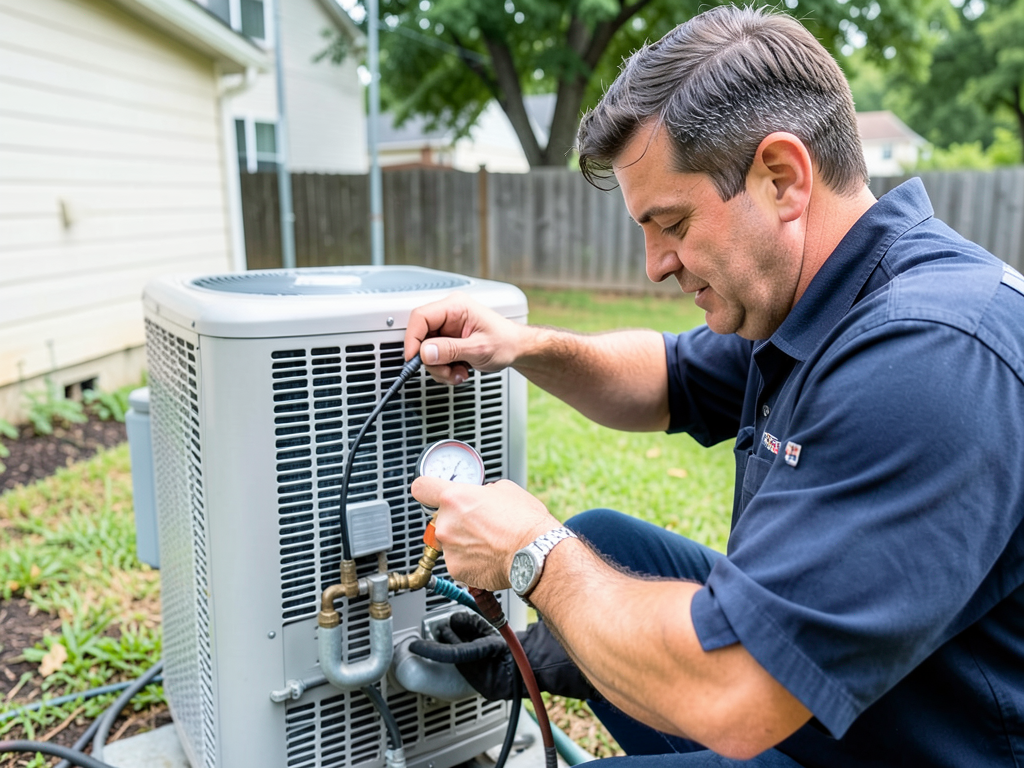
When you call a licensed HVAC company they follow a specific process. First they check the refrigerant pressure using manifold gauges. This tells them if the system is undercharged overcharged or normal.
Next they inspect the entire system. They look for oil stains on refrigerant lines which often indicate a leak. They check the evaporator and condenser coils for dirt or damage. They also test the compressor and electrical components.
If a leak is found they use specialized tools to locate it. Small leaks may require a UV dye test. Larger leaks can often be heard or felt. Once found the technician repairs the leak and tests the system under pressure.
Only after confirming the system holds pressure will they recharge it with the exact amount of refrigerant specified by the manufacturer. This ensures peak efficiency and prevents damage to the compressor.
Environmental Impact: Why This Matters Beyond Your Home
Refrigerants like R-22 are potent greenhouse gases. One pound of R-22 can trap as much heat in the atmosphere as nearly two tons of carbon dioxide over 100 years. A small leak in your home can have a surprisingly large environmental impact.
In North Texas where summers are long and hot the demand for cooling is high. Leaking refrigerants contribute to urban heat island effects and worsen air quality. Proper repair and handling protect not just your home but your neighborhood and the broader ecosystem. Indoor Air Quality Solutions.
Choosing a certified professional ensures that recovered refrigerant is recycled or disposed of according to EPA guidelines. This keeps harmful gases out of the atmosphere and helps Texas meet federal air quality standards.
Steps to Take If You Suspect a Refrigerant Problem
- Stop Using the System
Turn off the AC to prevent further damage. Running a system with a leak can destroy the compressor.
- Check for Obvious Signs
Look for ice on the lines frost on the coil or oil stains around connections. These often point to a leak.
- Call a Licensed HVAC Company
Ask for EPA Section 608 certified technicians. Verify their TDLR license if possible.
- Request a Full Diagnostic
Make sure they test for leaks check electrical components and inspect the coils. Do not accept a simple recharge without a diagnosis.
- Review Repair vs. Replace Options
If your system uses R-22 or is over 15 years old replacement may be more cost-effective than repair.
Frequently Asked Questions
Can I buy refrigerant without a license?
No. Federal law requires EPA Section 608 certification to purchase or handle most refrigerants. Violating this can lead to fines and legal trouble.
How do I know if my AC has a refrigerant leak?
Common signs include warm air from vents ice on the lines or coil hissing sounds and the system running constantly without cooling. Only a professional can confirm a leak.
Is it cheaper to recharge my system myself?
Not in the long run. DIY recharging without fixing the leak wastes refrigerant and risks damaging the compressor. Professional repair is safer and more cost-effective.
What happens if I overcharge my AC with refrigerant?
Overcharging can cause the compressor to overheat and fail. It also reduces efficiency and can lead to system shutdowns. Always trust a certified technician for charging.
Should I replace my old R-22 system?
If your system is over 15 years old and uses R-22 replacement is often the best choice. New R-410A systems are more efficient and use safer refrigerants.
Protect Your Home and Your Wallet
DIY AC refrigerant recharging might seem like a quick way to save money but it can cost you far more in the end. Between legal risks safety hazards and the chance of ruining your system the dangers far outweigh any perceived benefit.
In North Texas where the heat can be relentless your AC needs to work at peak efficiency. That means proper refrigerant charge leak-free coils and a healthy compressor. Only a licensed professional can deliver that level of service. Who to Call for Same-Day AC Service in University Park and North Dallas.
If your AC is blowing warm air or running nonstop do not reach for a can of refrigerant. Reach for your phone and call a certified HVAC technician. They will find the real problem fix it right and keep your home cool all summer long.
CornerStone HVAC has served Dallas homeowners for years with honest diagnostics and expert repairs. Our EPA-certified technicians understand the unique demands of Texas heat and humidity. We find leaks fast recharge systems properly and help you decide when it is time to replace rather than repair.
Call us today at (972) 850-2750 for fast reliable service. Do not risk your safety or your system. Trust the pros who know North Texas AC inside and out. Finding a Reliable Tech for Emergency AC Repair in Highland Park.
{
“@context”: “https://schema.org”,
“@type”: “BlogPosting”,
“headline”: “The Danger of DIY AC Refrigerant Recharging (What Every North Texas Homeowner Should Know)”,
“description”: “Why adding refrigerant to your AC yourself is illegal, dangerous, and often makes the problem worse. Learn the facts before you risk your system and safety.”,
“wordCount”: 1978,
“datePublished”: “2026-06-16T15:56:00.000Z”,
“dateModified”: “2026-06-16T15:56:00.000Z”,
“inLanguage”: “en-US”,
“mainEntityOfPage”: {
“@type”: “WebPage”,
“@id”: “https://cornerstonehvacdallas.com”
},
“publisher”: {
“@type”: “LocalBusiness”,
“name”: “Cornerstone HVAC Dallas”,
“url”: “https://cornerstonehvacdallas.com”
},
“author”: {
“@type”: “Organization”,
“name”: “Cornerstone HVAC Dallas”,
“url”: “https://cornerstonehvacdallas.com”
},
“image”: {
“@type”: “ImageObject”,
“url”: “https://cornerstonehvacdallas.com/wp-content/uploads/2026/03/the-danger-of-diy-ac-refrigerant-recharging-what-e-1.png”
}
}
{
“@context”: “https://schema.org”,
“@type”: “HVACBusiness”,
“name”: “Cornerstone HVAC Dallas”,
“url”: “https://cornerstonehvacdallas.com”,
“address”: {
“@type”: “PostalAddress”,
“addressLocality”: “Dallas”
},
“areaServed”: {
“@type”: “City”,
“name”: “Dallas”
}
}
{
“@context”: “https://schema.org”,
“@type”: “FAQPage”,
“mainEntity”: [
{
“@type”: “Question”,
“name”: “Can I buy refrigerant without a license?”,
“acceptedAnswer”: {
“@type”: “Answer”,
“text”: “No. Federal law requires EPA Section 608 certification to purchase or handle most refrigerants. Violating this can lead to fines and legal trouble.”
}
},
{
“@type”: “Question”,
“name”: “How do I know if my AC has a refrigerant leak?”,
“acceptedAnswer”: {
“@type”: “Answer”,
“text”: “Common signs include warm air from vents ice on the lines or coil hissing sounds and the system running constantly without cooling. Only a professional can confirm a leak.”
}
},
{
“@type”: “Question”,
“name”: “Is it cheaper to recharge my system myself?”,
“acceptedAnswer”: {
“@type”: “Answer”,
“text”: “Not in the long run. DIY recharging without fixing the leak wastes refrigerant and risks damaging the compressor. Professional repair is safer and more cost-effective.”
}
},
{
“@type”: “Question”,
“name”: “What happens if I overcharge my AC with refrigerant?”,
“acceptedAnswer”: {
“@type”: “Answer”,
“text”: “Overcharging can cause the compressor to overheat and fail. It also reduces efficiency and can lead to system shutdowns. Always trust a certified technician for charging.”
}
},
{
“@type”: “Question”,
“name”: “Should I replace my old R-22 system?”,
“acceptedAnswer”: {
“@type”: “Answer”,
“text”: “If your system is over 15 years old and uses R-22 replacement is often the best choice. New R-410A systems are more efficient and use safer refrigerants.”
}
}
]
}
{
“@context”: “https://schema.org”,
“@type”: “HowTo”,
“name”: “What to Do If Your AC Is Low on Refrigerant”,
“step”: [
{
“@type”: “HowToStep”,
“position”: 1,
“name”: “Stop Using the System”,
“text”: “Turn off the AC to prevent further damage. Running a system with a leak can destroy the compressor.”
},
{
“@type”: “HowToStep”,
“position”: 2,
“name”: “Check for Obvious Signs”,
“text”: “Look for ice on the lines frost on the coil or oil stains around connections. These often point to a leak.”
},
{
“@type”: “HowToStep”,
“position”: 3,
“name”: “Call a Licensed HVAC Company”,
“text”: “Ask for EPA Section 608 certified technicians. Verify their TDLR license if possible.”
},
{
“@type”: “HowToStep”,
“position”: 4,
“name”: “Request a Full Diagnostic”,
“text”: “Make sure they test for leaks check electrical components and inspect the coils. Do not accept a simple recharge without a diagnosis.”
},
{
“@type”: “HowToStep”,
“position”: 5,
“name”: “Review Repair vs. Replace Options”,
“text”: “If your system uses R-22 or is over 15 years old replacement may be more cost-effective than repair.”
}
],
“image”: “https://cornerstonehvacdallas.com/wp-content/uploads/2026/03/the-danger-of-diy-ac-refrigerant-recharging-what-e-1.png”
}
{
“@context”: “https://schema.org”,
“@type”: “BreadcrumbList”,
“itemListElement”: [
{
“@type”: “ListItem”,
“position”: 1,
“name”: “Home”,
“item”: “https://cornerstonehvacdallas.com”
},
{
“@type”: “ListItem”,
“position”: 2,
“name”: “Blog”,
“item”: “https://cornerstonehvacdallas.com/blog”
},
{
“@type”: “ListItem”,
“position”: 3,
“name”: “The Danger of DIY AC Refrigerant Recharging (What Every North Texas Homeowner Should Know)”
}
]
}
{
“@context”: “https://schema.org”,
“@type”: “Service”,
“serviceType”: “HVAC”,
“provider”: {
“@type”: “LocalBusiness”,
“name”: “Cornerstone HVAC Dallas”,
“url”: “https://cornerstonehvacdallas.com”
},
“areaServed”: {
“@type”: “City”,
“name”: “Dallas”
},
“description”: “Why adding refrigerant to your AC yourself is illegal, dangerous, and often makes the problem worse. Learn the facts before you risk your system and safety.”
}