
Pollen season in East Dallas can turn your home into an allergy nightmare. Mountain Cedar, oak, and ragweed pollen levels spike throughout the year creating a constant battle for homeowners. The right indoor air filtration system can make the difference between constant sneezing and comfortable breathing. Indoor Air Quality Solutions.
Understanding Dallas Pollen Patterns
Dallas experiences unique pollen patterns due to its diverse tree population and climate. Mountain Cedar from Ashe juniper trees creates the most severe allergy season starting in December and lasting through February. Oak pollen dominates March and April while ragweed takes over in late summer and fall.
The Dallas Arboretum and White Rock Lake areas create microclimates that trap pollen. Breezes off the lake carry allergens across East Dallas neighborhoods like Lakewood and Casa Linda. Homes near these green spaces face higher pollen infiltration rates. HVAC Dallas.
Local weather patterns affect pollen distribution. North Texas winds can carry pollen for miles. A single windy day can increase indoor pollen counts by 50% if proper filtration is not in place.
MERV Ratings and Their Impact on Dallas Allergens
MERV stands for Minimum Efficiency Reporting Value. This rating system measures how effectively a filter captures particles of specific sizes. Higher MERV ratings mean better filtration but also increased airflow resistance.. Read more about The Hidden Link Between Your HVAC System and Chronic Morning Congestion.
Standard fiberglass filters typically rate MERV 1-4. These capture only large particles like dust and debris. For Dallas pollen, these filters provide minimal protection against microscopic allergens.
MERV 8 filters capture particles as small as 3 microns. This includes most pollen grains and some mold spores. These filters work well for general household air quality but struggle during peak pollen seasons.
MERV 11 filters capture particles down to 1 micron. This includes most bacteria, finer dust, and the majority of pollen grains. For East Dallas homes during oak and ragweed seasons, MERV 11 provides excellent protection.
MERV 13 filters capture particles down to 0.3 microns. These filters trap viruses, smoke, and the smallest pollen fragments. However, they can restrict airflow in older HVAC systems.
| Filter Type | MERV Rating | Particle Size Captured | Best For |
|---|---|---|---|
| Fiberglass | 1-4 | 10+ microns | Basic protection |
| Pleated | 8 | 3+ microns | Year-round use |
| High-Efficiency | 11 | 1+ microns | Pollen season |
| Superior | 13 | 0.3+ microns | Severe allergies |
The Sweet Spot for Dallas Homes
Most Dallas HVAC systems work best with MERV 11 filters. These provide excellent pollen protection without restricting airflow. Homes with newer systems or variable-speed blowers can handle MERV 13 filters year-round.
Older systems from the 1960s and 1970s common in East Dallas ranch homes may struggle with anything above MERV 8. These systems require professional evaluation before upgrading filters.
During peak pollen seasons, temporarily upgrading to MERV 13 provides maximum protection. However, filters should be checked every two weeks rather than the standard monthly schedule.
Beyond Standard Filters
HEPA filters capture 99.97% of particles 0.3 microns or larger. These hospital-grade filters work exceptionally well for severe allergy sufferers. However, most residential HVAC systems cannot accommodate true HEPA filters without modifications.
Electronic air cleaners use charged plates to attract particles. These systems can capture particles as small as 0.1 microns. They work well for smoke, bacteria, and the smallest pollen fragments.
UV light systems kill mold, bacteria, and viruses. While these do not capture pollen directly, they prevent biological growth on filter surfaces and within ductwork.
Filter Maintenance During Pollen Season
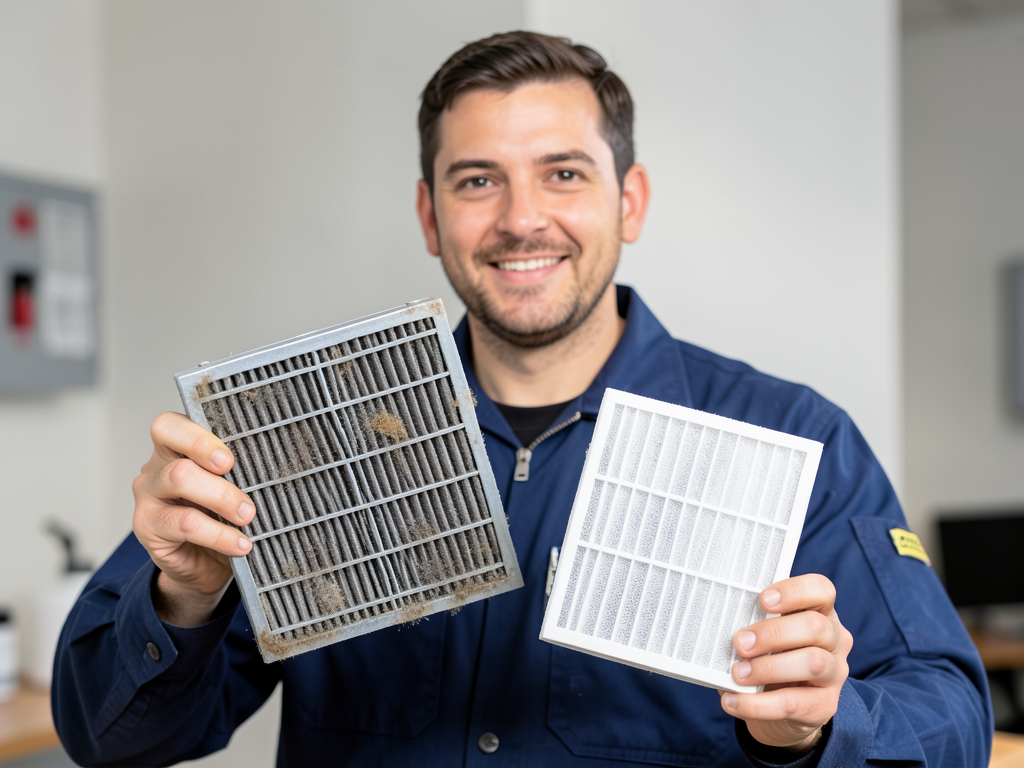
Dallas pollen creates unique maintenance challenges. Standard one-inch filters may need replacement every two to three weeks during peak seasons. Signs of needed replacement include visible discoloration and reduced airflow.
Electronic air cleaners require monthly cleaning during pollen season. The charged plates collect pollen and can become less effective when dirty. Most units can be cleaned with mild soap and water.
Whole-home air purifiers need annual professional maintenance. These systems include pre-filters, main filters, and sometimes UV bulbs. Each component requires specific care schedules.
Whole-Home Air Purification Solutions
Whole-home systems integrate with existing HVAC equipment. These units provide superior filtration compared to standard filters. They work continuously to clean all air passing through the system.
Media air cleaners use thick, pleated filters up to five inches deep. These provide high filtration without restricting airflow. Most units only need annual replacement even during peak pollen seasons.
Electronic air cleaners use electrical charges to trap particles. These systems can capture particles much smaller than standard filters. They work well for smoke, bacteria, and ultrafine pollen fragments.
UV light systems installed in ductwork kill airborne microorganisms. These systems prevent mold growth and reduce biological contaminants. They work best when combined with high-efficiency filters.
Humidity and Filter Performance
Dallas humidity levels affect filter performance. High humidity causes filters to become damp and less effective. Mold can grow on filter surfaces in humid conditions.
Ideal indoor humidity ranges from 30% to 50%. Dehumidifiers help maintain this range during summer months. Proper humidity levels extend filter life and improve overall air quality.
Air conditioning naturally dehumidifies indoor air. However, oversized AC units may not run long enough to remove adequate moisture. This creates conditions favorable for mold growth on filters.
Professional Filter Installation Services
Professional installation ensures proper filter fit and system compatibility. Technicians can evaluate your current system and recommend appropriate upgrades. They also check for duct leaks that allow unfiltered air into your home.
CornerStone HVAC provides comprehensive air quality assessments. Our technicians evaluate your specific needs based on home age, system type, and allergy concerns. We recommend solutions tailored to East Dallas pollen challenges.
Professional installation includes proper sealing and testing. This prevents air bypass around filters and ensures optimal system performance. We also provide maintenance schedules specific to your equipment and local conditions. How Much a New AC Installation Actually Costs in Dallas This Year.
Cost-Benefit Analysis of Filter Upgrades
Higher quality filters cost more initially but provide significant benefits. MERV 11 filters typically cost $15-25 compared to $5-10 for basic filters. However, they last longer and provide better protection.
Whole-home systems require larger upfront investments. Basic media air cleaners cost $400-800 installed. Electronic air cleaners range from $800-1,500 installed. However, these systems provide superior protection and may reduce medical costs for allergy sufferers.
Energy costs increase slightly with higher efficiency filters due to increased airflow resistance. However, this increase is minimal compared to the benefits of improved air quality and reduced allergy symptoms.
Seasonal Maintenance Checklist
Spring Preparation: Replace filters in early March before oak pollen peaks. Consider upgrading to MERV 11 for the season. Clean outdoor condenser units to prevent pollen buildup.
Summer Maintenance: Check filters monthly during June through August. Monitor indoor humidity levels. Clean electronic air cleaner plates if applicable.
Fall Preparation: Replace filters in early September before ragweed season. Consider UV light system maintenance if installed. EPA Guide to Air Cleaners.
Winter Protection: Replace filters in early December before Mountain Cedar season. Upgrade to MERV 13 if your system can handle it.
Common Mistakes to Avoid
Never install a filter with a higher MERV rating than your system can handle. This causes airflow restriction and can damage your HVAC equipment. Always consult a professional before upgrading.
Do not ignore filter replacement schedules. Dirty filters reduce system efficiency by up to 15%. They also allow more pollutants to circulate through your home.
Never block return air vents with furniture or curtains. Proper airflow is essential for effective filtration. Blocked vents reduce system efficiency and can cause premature equipment failure.
Do not forget about ductwork. Leaky ducts can undo all your filtration efforts. Professional duct sealing may be necessary for optimal results.
Energy Efficiency Considerations
High-efficiency filters can impact energy consumption. MERV 11 filters typically reduce airflow by 10-15%. This may increase energy costs by $5-15 per month during peak usage.
Variable-speed systems handle higher MERV ratings better than single-speed units. These systems adjust fan speed to maintain proper airflow. They provide excellent filtration without significant energy penalties.
Regular maintenance keeps systems running efficiently. Clean coils, proper refrigerant levels, and sealed ducts all contribute to optimal performance. These factors become more important when using high-efficiency filters.
Local Building Code Requirements
Dallas building codes require minimum MERV 6 filtration for new construction. However, most builders install MERV 8 filters as standard. Older homes may have no specific requirements.
Commercial buildings must meet stricter filtration standards. Many require MERV 11 or higher filtration. These requirements help protect occupants from allergens and other airborne contaminants.
Local utility companies often offer rebates for high-efficiency HVAC equipment. These incentives can offset the cost of system upgrades that allow for better filtration.
Health Benefits of Proper Filtration
Effective air filtration reduces allergy symptoms significantly. Studies show that proper filtration can reduce pollen-related symptoms by up to 70%. This includes sneezing, runny nose, and itchy eyes.
Improved air quality also benefits people with asthma and other respiratory conditions. High-efficiency filtration can reduce asthma attacks triggered by airborne allergens.
Better filtration may reduce the frequency of respiratory infections. Many bacteria and viruses travel on airborne particles. Removing these particles can decrease illness transmission within homes.
Smart Home Integration
Modern air quality monitors can track pollen levels in real-time. These devices connect to smartphones and provide alerts when levels spike. This information helps homeowners prepare for high pollen days.
Smart thermostats can monitor filter life and remind you when replacement is needed. Some models even order replacement filters automatically when needed.
Whole-home air quality systems can integrate with home automation platforms. This allows for centralized control and monitoring of all air quality components.
Commercial Applications
Businesses in East Dallas face similar pollen challenges as homes. Office buildings, retail spaces, and restaurants all benefit from proper air filtration.
Commercial systems often use higher MERV ratings due to larger spaces and more occupants. MERV 13 filters are common in office buildings. Some facilities use multiple filtration stages for maximum protection.
Regular professional maintenance is essential for commercial systems. These units run more frequently and face higher particle loads than residential systems.
Emergency Situations
During severe pollen outbreaks, additional measures may be necessary. Keep windows closed and use air conditioning instead. Run air purifiers continuously in bedrooms and living areas.
Consider temporary use of standalone HEPA filters for severe allergy sufferers. These portable units provide extra protection in specific rooms. They work well in bedrooms during sleep hours.
If someone experiences severe allergic reactions, seek immediate medical attention. Air filtration helps prevent symptoms but cannot replace proper medical care for severe allergies.
Future Trends in Air Filtration
New filter technologies continue to emerge. Antimicrobial filters use silver or other agents to kill bacteria on contact. These filters provide both physical and chemical protection.
Electrostatic filters use static electricity to attract particles. These washable filters can last for years with proper maintenance. They provide excellent filtration without ongoing replacement costs.
Smart filters with built-in sensors monitor air quality and adjust filtration automatically. These systems optimize performance based on current conditions and particle levels.
Frequently Asked Questions
How often should I change my filter during pollen season?
During peak pollen seasons in East Dallas, check your filter every two weeks. Replace it when you see visible discoloration or every month at minimum. Homes near White Rock Lake or the Arboretum may need more frequent changes.
Can I use a HEPA filter in my standard HVAC system?
Most standard residential HVAC systems cannot handle true HEPA filters without modifications. HEPA filters restrict airflow too much for typical systems. However, you can use HEPA filters in standalone air purifiers for individual rooms.
What MERV rating should I use for severe allergies?
For severe allergies, MERV 11 provides excellent protection for most Dallas homes. If your system can handle it, MERV 13 offers maximum protection against pollen and other allergens. Have a professional evaluate your system before upgrading.
How much do whole-home air purification systems cost?
Basic media air cleaners cost $400-800 installed. Electronic air cleaners range from $800-1,500 installed. Premium systems with multiple technologies can cost $2,000-4,000 installed. The investment pays off through improved comfort and reduced allergy symptoms.
Will better filters increase my energy bills?
Higher efficiency filters may increase energy costs by $5-15 per month due to slightly reduced airflow. However, this increase is minimal compared to the benefits of improved air quality and reduced allergy symptoms. Variable-speed systems minimize this impact. For more information, visit ASHRAE Filtration Standards.
{
“@context”: “https://schema.org”,
“@type”: “BlogPosting”,
“headline”: “Surviving the East Dallas Pollen Season with Better Indoor Air Filtration”,
“description”: “East Dallas pollen season hits hard. Learn how to protect your home with the right HVAC filters and whole-home air purification systems. Call CornerStone HVAC today.”,
“wordCount”: 2046,
“datePublished”: “2026-05-17T09:05:00.000Z”,
“dateModified”: “2026-05-17T09:05:00.000Z”,
“inLanguage”: “en-US”,
“mainEntityOfPage”: {
“@type”: “WebPage”,
“@id”: “https://cornerstonehvacdallas.com”
},
“publisher”: {
“@type”: “LocalBusiness”,
“name”: “Cornerstone HVAC Dallas”,
“url”: “https://cornerstonehvacdallas.com”
},
“author”: {
“@type”: “Organization”,
“name”: “Cornerstone HVAC Dallas”,
“url”: “https://cornerstonehvacdallas.com”
},
“image”: {
“@type”: “ImageObject”,
“url”: “https://cornerstonehvacdallas.com/wp-content/uploads/2026/03/surviving-the-east-dallas-pollen-season-with-bette-1.png”
}
}
{
“@context”: “https://schema.org”,
“@type”: “HVACBusiness”,
“name”: “Cornerstone HVAC Dallas”,
“url”: “https://cornerstonehvacdallas.com”,
“address”: {
“@type”: “PostalAddress”,
“addressLocality”: “Dallas”
},
“areaServed”: {
“@type”: “City”,
“name”: “Dallas”
}
}
{
“@context”: “https://schema.org”,
“@type”: “FAQPage”,
“mainEntity”: [
{
“@type”: “Question”,
“name”: “How often should I change my filter during pollen season?”,
“acceptedAnswer”: {
“@type”: “Answer”,
“text”: “During peak pollen seasons in East Dallas, check your filter every two weeks. Replace it when you see visible discoloration or every month at minimum. Homes near White Rock Lake or the Arboretum may need more frequent changes.”
}
},
{
“@type”: “Question”,
“name”: “Can I use a HEPA filter in my standard HVAC system?”,
“acceptedAnswer”: {
“@type”: “Answer”,
“text”: “Most standard residential HVAC systems cannot handle true HEPA filters without modifications. HEPA filters restrict airflow too much for typical systems. However, you can use HEPA filters in standalone air purifiers for individual rooms.”
}
},
{
“@type”: “Question”,
“name”: “What MERV rating should I use for severe allergies?”,
“acceptedAnswer”: {
“@type”: “Answer”,
“text”: “For severe allergies, MERV 11 provides excellent protection for most Dallas homes. If your system can handle it, MERV 13 offers maximum protection against pollen and other allergens. Have a professional evaluate your system before upgrading.”
}
},
{
“@type”: “Question”,
“name”: “How much do whole-home air purification systems cost?”,
“acceptedAnswer”: {
“@type”: “Answer”,
“text”: “Basic media air cleaners cost $400-800 installed. Electronic air cleaners range from $800-1,500 installed. Premium systems with multiple technologies can cost $2,000-4,000 installed. The investment pays off through improved comfort and reduced allergy symptoms.”
}
},
{
“@type”: “Question”,
“name”: “Will better filters increase my energy bills?”,
“acceptedAnswer”: {
“@type”: “Answer”,
“text”: “Higher efficiency filters may increase energy costs by $5-15 per month due to slightly reduced airflow. However, this increase is minimal compared to the benefits of improved air quality and reduced allergy symptoms. Variable-speed systems minimize this impact. For more information, visit ASHRAE Filtration Standards.”
}
}
]
}
{
“@context”: “https://schema.org”,
“@type”: “BreadcrumbList”,
“itemListElement”: [
{
“@type”: “ListItem”,
“position”: 1,
“name”: “Home”,
“item”: “https://cornerstonehvacdallas.com”
},
{
“@type”: “ListItem”,
“position”: 2,
“name”: “Blog”,
“item”: “https://cornerstonehvacdallas.com/blog”
},
{
“@type”: “ListItem”,
“position”: 3,
“name”: “Surviving the East Dallas Pollen Season with Better Indoor Air Filtration”
}
]
}
{
“@context”: “https://schema.org”,
“@type”: “Service”,
“serviceType”: “HVAC”,
“provider”: {
“@type”: “LocalBusiness”,
“name”: “Cornerstone HVAC Dallas”,
“url”: “https://cornerstonehvacdallas.com”
},
“areaServed”: {
“@type”: “City”,
“name”: “Dallas”
},
“description”: “East Dallas pollen season hits hard. Learn how to protect your home with the right HVAC filters and whole-home air purification systems. Call CornerStone HVAC today.”
}