
What is a Heat Exchanger and Why Does It Crack?
A heat exchanger sits inside your furnace and transfers heat from burning gas to the air that flows through your home. In Garland older homes built in the 1960s and 1970s often have aging steel heat exchangers that expand and contract thousands of times each winter. Over time this constant movement creates stress cracks especially when Dallas rapid temperature swings cause the metal to expand quickly then contract just as fast. HVAC Dallas.
The Blackland Prairie clay soil common in Garland can also affect your furnace’s foundation causing slight shifts that add stress to the entire system. When a heat exchanger cracks dangerous carbon monoxide can leak into your living space instead of venting outside through the flue.. Read more about Why You Smell Rotten Eggs Near Your Furnace (And When to Call for Emergency Help).
7 Warning Signs of a Cracked Heat Exchanger
Carbon monoxide is odorless and colorless which makes a cracked heat exchanger extremely dangerous. Watch for these warning signs that appear long before a complete system failure.
1. Strange Flame Behavior
Turn off your furnace then turn it back on and watch the burner flames through the observation window. A healthy flame burns steady and blue. If you see yellow tipping floating or dancing flames this indicates incomplete combustion and possible cracks letting air disrupt the flame pattern.
2. Soot Buildup Inside the Furnace
Open your furnace access panel and look for black soot around the burners or on the heat exchanger itself. Soot forms when fuel burns incompletely which happens when cracks allow too much air to mix with the gas. This is a serious red flag that needs immediate professional attention. Professional heat exchanger inspection methods.
3. Water Around the Base of the Furnace
A puddle of water near your furnace might seem harmless but it often signals a crack in the heat exchanger. When combustion gases escape through cracks they cool rapidly creating condensation that drips onto the floor. This is especially common in Garland older homes where humidity levels already run high.
4. Strange Odors When the Furnace Runs
A cracked heat exchanger can release combustion byproducts that create a sharp chemical smell similar to formaldehyde. This odor is different from the dusty smell when you first run heat each season. If you notice persistent unusual odors call for emergency service immediately. Who to Call for Same-Day AC Service in University Park and North Dallas.
5. Carbon Monoxide Detector Alerts
Your carbon monoxide detectors should be installed on every level of your Garland home especially near sleeping areas. If any detector sounds an alarm evacuate immediately and call 911. Even if the alarm stops do not reenter until emergency responders clear the home.
6. Recurring Flu-Like Symptoms
Cracked heat exchangers release carbon monoxide which causes headaches dizziness nausea and fatigue. If your family experiences these symptoms only when the furnace runs or symptoms improve when you leave home you may have a serious carbon monoxide leak. These symptoms can become life-threatening without warning.
7. Age of Your Furnace
Most heat exchangers last 15 to 20 years in the Dallas climate. If your Garland home has the original furnace from the 1980s or earlier the heat exchanger is likely nearing the end of its service life. Annual inspections become critical once your system passes the 15-year mark.
The Danger of Carbon Monoxide: Why You Can’t Ignore These Symptoms
Carbon monoxide poisoning kills more than 400 Americans yearly according to the CDC. This gas prevents your blood from carrying oxygen causing tissue damage and potentially death. Children elderly people and those with heart conditions face higher risks. CDC carbon monoxide statistics.
The EPA recommends keeping carbon monoxide levels below 9 parts per million for long-term exposure. A cracked heat exchanger can push levels much higher especially in tightly sealed Garland homes built to modern energy standards. Unlike smoke carbon monoxide gives no warning signs until symptoms appear. EPA carbon monoxide guidelines.
Common Causes of Heat Exchanger Failure in Dallas Homes
Understanding why heat exchangers fail helps you prevent problems before they start. Several factors specific to North Texas accelerate heat exchanger wear.
Rapid Temperature Changes
Dallas experiences dramatic temperature swings especially during Blue Norther cold fronts. When outside temperatures drop 40 degrees overnight your furnace cycles on and off more frequently causing extra stress on the heat exchanger metal.
High Humidity Levels
Garland humidity often exceeds 70 percent which accelerates metal corrosion inside your furnace. Moisture in the air combines with combustion byproducts creating acidic conditions that eat away at the heat exchanger from the inside out.
Improper Furnace Sizing
Many Garland older homes have oversized furnaces installed decades ago. Oversized units short cycle turning on and off frequently instead of running longer cycles. This constant expansion and contraction weakens the heat exchanger metal over time.
Lack of Maintenance
Dirt buildup on the heat exchanger insulates it causing hot spots that create stress points. Without annual professional cleaning these hot spots expand and contract differently than the surrounding metal eventually leading to cracks.
Can a Cracked Heat Exchanger Be Repaired or Should You Replace It?
Repairing a cracked heat exchanger rarely makes sense from a safety or economic standpoint. Here is what you need to consider.
Repair Considerations
Some companies offer heat exchanger welding services but this creates several problems. First the repair may not hold under the extreme temperatures and constant expansion cycles inside your furnace. Second even a successful repair leaves you with a 15 to 20-year-old furnace that will likely need replacement soon anyway.
Replacement Benefits
Modern high-efficiency furnaces offer 95 percent or better efficiency compared to 60 to 70 percent for older units. This means you recover much of your investment through lower gas bills. New units also include advanced safety features like blocked vent switches and flame rollout sensors that older furnaces lack.
Cost Factors
Heat exchanger replacement typically costs 60 to 80 percent of a new furnace installation. Given the age of most units needing this repair you usually save money long term by upgrading to a new system with a full warranty. How Much a New AC Installation Actually Costs in Dallas This Year.
Professional Inspection: What Our Dallas Technicians Look For
Professional heat exchanger inspection requires specialized tools and training. Our NATE-certified technicians use multiple methods to detect even small cracks that could become dangerous.
Visual Inspection with Combustion Cameras
We use high-resolution cameras that can see inside the heat exchanger through small inspection ports. These cameras reveal cracks corrosion and soot buildup that are invisible to the naked eye. We document everything with photos so you can see exactly what we find.
Combustion Analysis Testing
Our technicians use digital combustion analyzers to measure oxygen levels carbon monoxide and other gases in your flue. Abnormal readings often indicate a cracked heat exchanger even when no visible cracks appear. This testing meets TDLR requirements for proper diagnosis.
Pressure Testing
We can pressure test the heat exchanger by sealing it and pumping in a safe tracer gas. Any leaks show up immediately on our detection equipment. This method finds hairline cracks that visual inspection might miss.
Flame Pattern Analysis
We observe how burner flames behave when the blower fan starts. A cracked heat exchanger often causes flame rollout or distortion when the circulating air hits the combustion chamber. This simple test provides quick evidence of internal problems.
Next Steps: Emergency HVAC Safety in North Texas
If you suspect a cracked heat exchanger take these steps immediately to protect your family.
Step 1: Evacuate and Ventilate
If carbon monoxide detectors sound or anyone shows symptoms of poisoning leave your home immediately. Open windows on your way out to dilute any gas concentration. Call 911 from outside your home.
Step 2: Shut Off the Furnace
Turn off your furnace at the thermostat and the emergency shutoff switch near the unit. This prevents further gas from flowing into a potentially cracked heat exchanger.
Step 3: Call for Emergency Service
Call our 24/7 emergency line at (972) 850-2750. We prioritize safety calls and can usually arrive within two hours for Garland and surrounding areas. Our technicians carry carbon monoxide detectors and can confirm whether you have an active leak.
Step 4: Install Carbon Monoxide Detectors
If you do not have carbon monoxide detectors install them immediately. Place units near bedrooms and on every level of your home. Test them monthly and replace batteries annually.
Step 5: Schedule Annual Maintenance
Prevention costs far less than emergency repairs. Our comprehensive furnace tune-up includes heat exchanger inspection combustion analysis and safety testing. We catch problems early when they are cheaper and safer to fix.
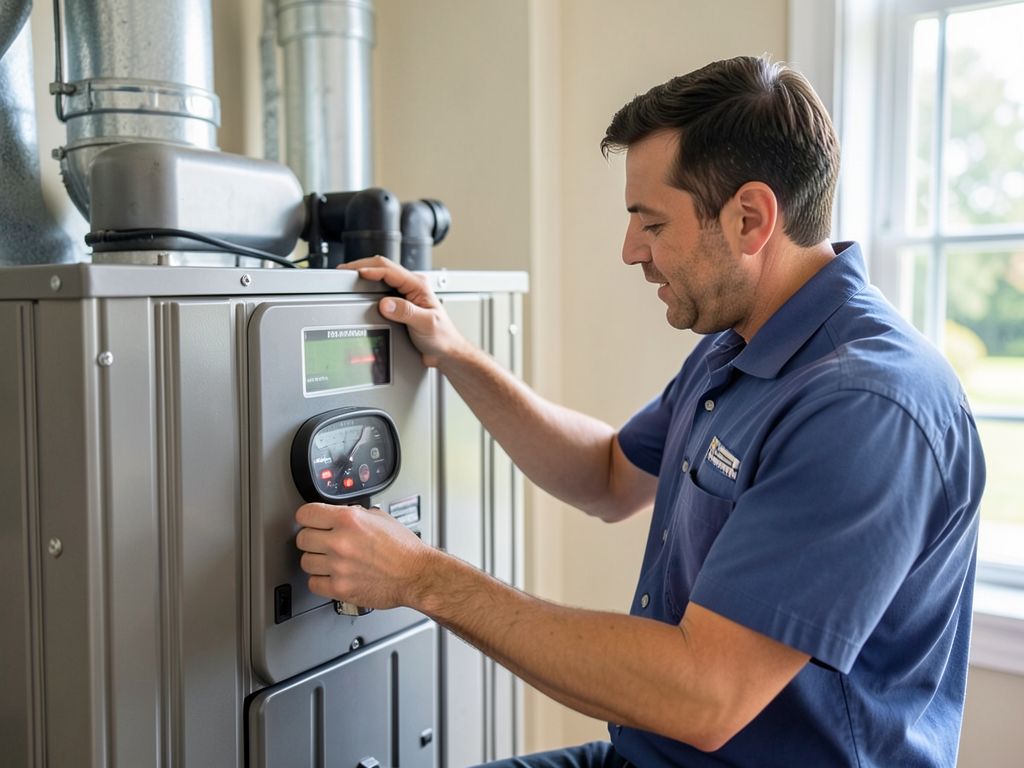
Heat Exchanger Life Expectancy by Furnace Age
| Furnace Age | Expected Heat Exchanger Life | Risk Level |
|---|---|---|
| 0-10 years | Full life remaining | Low |
| 10-15 years | Minor wear possible | Moderate |
| 15-20 years | Significant wear likely | High |
| 20+ years | Near end of life | Very High |
Common Furnace Brands in Garland and Their Heat Exchanger Issues
| Brand | Common Issues | Years Affected | Action Needed |
|---|---|---|---|
| Lennox | Corrosion in humid areas | 1990-2005 | Inspect immediately |
| Carrier | Cracking at weld points | 1995-2010 | Combustion test |
| Goodman | Thermal fatigue | 2000-2015 | Visual inspection |
| Rheem | Pitted metal surfaces | 1985-2000 | Replace recommended |
Factors Affecting Heat Exchanger Longevity
- Frequency of heating cycles during Dallas winters
- Humidity levels in your specific neighborhood
- Maintenance history and filter changes
- Proper furnace sizing for your home
- Water quality affecting internal corrosion
- Installation quality and initial manufacturing defects
Safety Equipment Every Garland Home Needs
| Equipment | Recommended Locations | Replacement Schedule |
|---|---|---|
| Carbon Monoxide Detectors | Bedrooms hallways near furnace | Every 5-7 years |
| Smoke Detectors | Every bedroom common areas | Every 10 years |
| Fire Extinguishers | Kitchen garage utility room | Every 12 years |
Frequently Asked Questions
How much does it cost to replace a heat exchanger in Garland?
Heat exchanger replacement costs vary by furnace brand and accessibility but typically range from $1,500 to $3,500. However most heat exchangers fail in furnaces over 15 years old making full system replacement often more economical.
Can I keep using my furnace if I suspect a cracked heat exchanger?
No. Operating a furnace with a cracked heat exchanger risks carbon monoxide poisoning. Turn off the system immediately and call for emergency service. Some utility companies will red-tag your furnace making it illegal to operate until repaired.
How long does a heat exchanger inspection take?
A thorough heat exchanger inspection takes 30 to 60 minutes. This includes visual examination combustion analysis and safety testing. We provide a written report with photos of any issues found.
What causes a heat exchanger to crack in the first place?
Heat exchangers crack from metal fatigue caused by constant expansion and contraction during heating cycles. Contributing factors include oversized furnaces rapid temperature changes corrosion and lack of maintenance.
Does homeowners insurance cover heat exchanger replacement?
Standard homeowners insurance typically does not cover heat exchanger failure since it is considered normal wear and tear. However if the crack resulted from a covered peril like fire damage your policy might provide coverage.
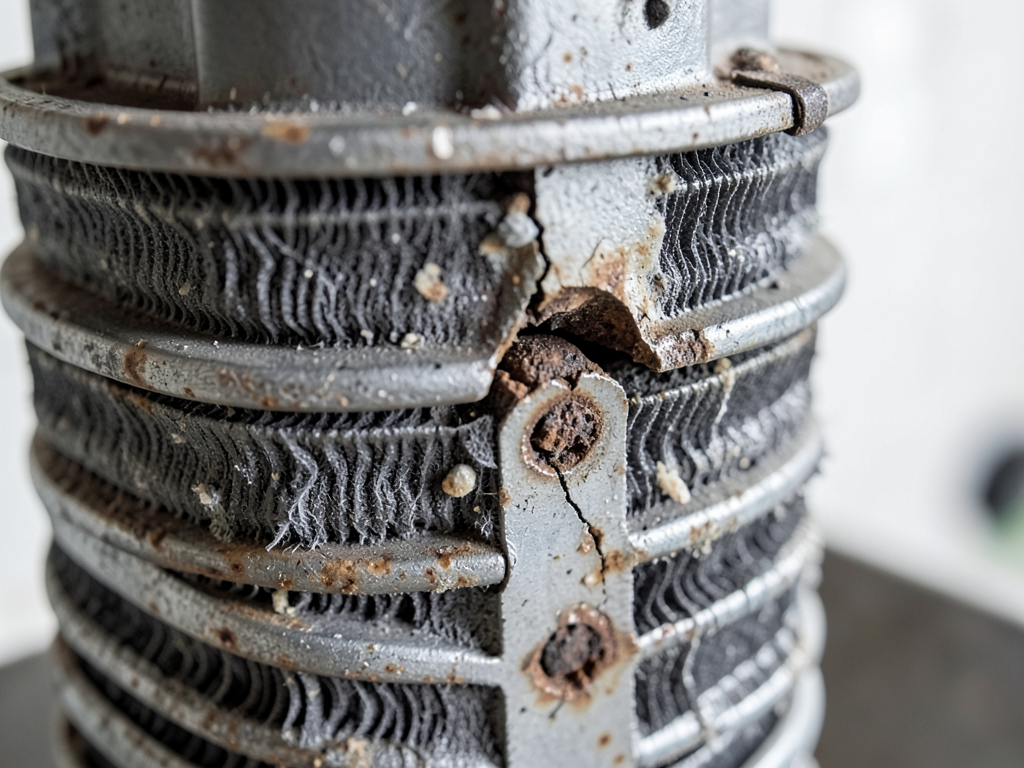
Call for Emergency Heat Exchanger Inspection Today
Your family’s safety cannot wait. If you notice any warning signs of a cracked heat exchanger or your furnace is over 15 years old call our Garland HVAC experts now. We offer 24/7 emergency service with NATE-certified technicians who use advanced diagnostic equipment to keep your home safe and warm.
Call (972) 850-2750 now for same-day heat exchanger inspection. We serve Garland, Rowlett, Rockwall, and all Dallas-Fort Worth communities with fast emergency response and honest safety recommendations.
CornerStone HVAC – Your trusted Dallas heating and cooling experts since 2010. TACLA license #408C.
You may also find this helpful. Finding an HVAC Contractor Who Specializes in Historic Preservation for Swiss Avenue Homes.
{
“@context”: “https://schema.org”,
“@type”: “BlogPosting”,
“headline”: “How to Spot a Cracked Heat Exchanger in Your Older Garland Home”,
“description”: “Learn the warning signs of a cracked heat exchanger in your Garland home. Discover safety risks and when to call for emergency HVAC service in North Texas.”,
“wordCount”: 1921,
“datePublished”: “2026-06-11T13:40:00.000Z”,
“dateModified”: “2026-06-11T13:40:00.000Z”,
“inLanguage”: “en-US”,
“mainEntityOfPage”: {
“@type”: “WebPage”,
“@id”: “https://cornerstonehvacdallas.com”
},
“publisher”: {
“@type”: “LocalBusiness”,
“name”: “Cornerstone HVAC Dallas”,
“url”: “https://cornerstonehvacdallas.com”
},
“author”: {
“@type”: “Organization”,
“name”: “Cornerstone HVAC Dallas”,
“url”: “https://cornerstonehvacdallas.com”
},
“image”: {
“@type”: “ImageObject”,
“url”: “https://cornerstonehvacdallas.com/wp-content/uploads/2026/03/how-to-spot-a-cracked-heat-exchanger-in-your-older-1.png”
}
}
{
“@context”: “https://schema.org”,
“@type”: “HVACBusiness”,
“name”: “Cornerstone HVAC Dallas”,
“url”: “https://cornerstonehvacdallas.com”,
“address”: {
“@type”: “PostalAddress”,
“addressLocality”: “Dallas”
},
“areaServed”: {
“@type”: “City”,
“name”: “Dallas”
}
}
{
“@context”: “https://schema.org”,
“@type”: “FAQPage”,
“mainEntity”: [
{
“@type”: “Question”,
“name”: “What is a Heat Exchanger and Why Does It Crack?”,
“acceptedAnswer”: {
“@type”: “Answer”,
“text”: “A heat exchanger sits inside your furnace and transfers heat from burning gas to the air that flows through your home. In Garland older homes built in the 1960s and 1970s often have aging steel heat exchangers that expand and contract thousands of times each winter. Over time this constant movement creates stress cracks especially when Dallas rapid temperature swings cause the metal to expand quickly then contract just as fast. HVAC Dallas.”
}
},
{
“@type”: “Question”,
“name”: “Can a Cracked Heat Exchanger Be Repaired or Should You Replace It?”,
“acceptedAnswer”: {
“@type”: “Answer”,
“text”: “Repairing a cracked heat exchanger rarely makes sense from a safety or economic standpoint. Here is what you need to consider.”
}
},
{
“@type”: “Question”,
“name”: “How much does it cost to replace a heat exchanger in Garland?”,
“acceptedAnswer”: {
“@type”: “Answer”,
“text”: “Heat exchanger replacement costs vary by furnace brand and accessibility but typically range from $1,500 to $3,500. However most heat exchangers fail in furnaces over 15 years old making full system replacement often more economical.”
}
},
{
“@type”: “Question”,
“name”: “Can I keep using my furnace if I suspect a cracked heat exchanger?”,
“acceptedAnswer”: {
“@type”: “Answer”,
“text”: “No. Operating a furnace with a cracked heat exchanger risks carbon monoxide poisoning. Turn off the system immediately and call for emergency service. Some utility companies will red-tag your furnace making it illegal to operate until repaired.”
}
},
{
“@type”: “Question”,
“name”: “How long does a heat exchanger inspection take?”,
“acceptedAnswer”: {
“@type”: “Answer”,
“text”: “A thorough heat exchanger inspection takes 30 to 60 minutes. This includes visual examination combustion analysis and safety testing. We provide a written report with photos of any issues found.”
}
},
{
“@type”: “Question”,
“name”: “What causes a heat exchanger to crack in the first place?”,
“acceptedAnswer”: {
“@type”: “Answer”,
“text”: “Heat exchangers crack from metal fatigue caused by constant expansion and contraction during heating cycles. Contributing factors include oversized furnaces rapid temperature changes corrosion and lack of maintenance.”
}
},
{
“@type”: “Question”,
“name”: “Does homeowners insurance cover heat exchanger replacement?”,
“acceptedAnswer”: {
“@type”: “Answer”,
“text”: “Standard homeowners insurance typically does not cover heat exchanger failure since it is considered normal wear and tear. However if the crack resulted from a covered peril like fire damage your policy might provide coverage.”
}
}
]
}
{
“@context”: “https://schema.org”,
“@type”: “BreadcrumbList”,
“itemListElement”: [
{
“@type”: “ListItem”,
“position”: 1,
“name”: “Home”,
“item”: “https://cornerstonehvacdallas.com”
},
{
“@type”: “ListItem”,
“position”: 2,
“name”: “Blog”,
“item”: “https://cornerstonehvacdallas.com/blog”
},
{
“@type”: “ListItem”,
“position”: 3,
“name”: “How to Spot a Cracked Heat Exchanger in Your Older Garland Home”
}
]
}
{
“@context”: “https://schema.org”,
“@type”: “Service”,
“serviceType”: “HVAC”,
“provider”: {
“@type”: “LocalBusiness”,
“name”: “Cornerstone HVAC Dallas”,
“url”: “https://cornerstonehvacdallas.com”
},
“areaServed”: {
“@type”: “City”,
“name”: “Dallas”
},
“description”: “Learn the warning signs of a cracked heat exchanger in your Garland home. Discover safety risks and when to call for emergency HVAC service in North Texas.”
}