
How to Lower Your Summer Electric Bills in Garland Without Turning Off the AC
Your AC runs constantly during a Garland summer and your electric bill climbs higher every month. The good news is you can reduce those costs without sacrificing comfort. This guide shows you how to keep your home cool while cutting energy waste in the Dallas heat. HVAC Dallas.
Why Garland Electric Bills Spike in Summer
Garland sits in the heart of the Dallas-Fort Worth metroplex where summer temperatures often exceed 100 degrees. The combination of intense heat and high humidity forces air conditioners to run longer cycles. Your AC not only cools the air but also removes moisture which takes extra energy.
The urban heat island effect makes things worse. Asphalt roads and concrete buildings absorb heat during the day and release it at night. This keeps outdoor temperatures elevated even after sunset which means your AC rarely gets a break.
Dallas-area homes also face specific challenges. Many houses in Garland were built in the 1970s and 1980s with basic insulation and leaky ductwork. These older systems work harder to maintain comfortable temperatures which drives up electricity usage.
Thermostat Settings That Actually Save Money
Your thermostat setting makes the biggest difference in your electric bill. The Department of Energy recommends 78 degrees when you are home and awake. This temperature balances comfort with efficiency in Texas heat. Department of Energy air sealing guide.
Each degree below 78 increases your energy usage by about 3 to 5 percent. Setting your thermostat to 72 instead of 78 could add $30 to $50 to your monthly bill during peak summer months.
Use a programmable or smart thermostat to automatically adjust temperatures. Raise the setting 5 to 7 degrees when you are asleep or away from home. Smart thermostats learn your schedule and can optimize cooling cycles based on outdoor temperatures and humidity levels.
The 20-degree rule matters in Dallas. Your AC can only cool your home about 20 degrees below the outdoor temperature. When it is 105 outside setting your thermostat to 65 is not realistic and just wastes energy.
Low-Cost Fixes That Pay Off Fast
Small changes can reduce your AC workload immediately. Close blinds and curtains during the hottest parts of the day especially on west and south-facing windows. This blocks solar heat gain and can lower indoor temperatures by several degrees. Indoor Air Quality Solutions.
Ceiling fans create a wind chill effect that makes you feel cooler. Run them counterclockwise in summer to push air downward. This allows you to raise your thermostat setting by 4 degrees without feeling warmer.
Replace air filters monthly during summer. Dirty filters restrict airflow which makes your AC work harder and run longer. Clean filters improve efficiency and extend equipment life.
Seal air leaks around windows doors and electrical outlets. Use weather stripping and caulk to prevent cool air from escaping. This keeps conditioned air inside where it belongs.
Switch to LED light bulbs. Incandescent bulbs waste 90 percent of their energy as heat. LEDs produce less heat and use 75 percent less electricity.
Dallas-Specific HVAC Maintenance That Saves Money
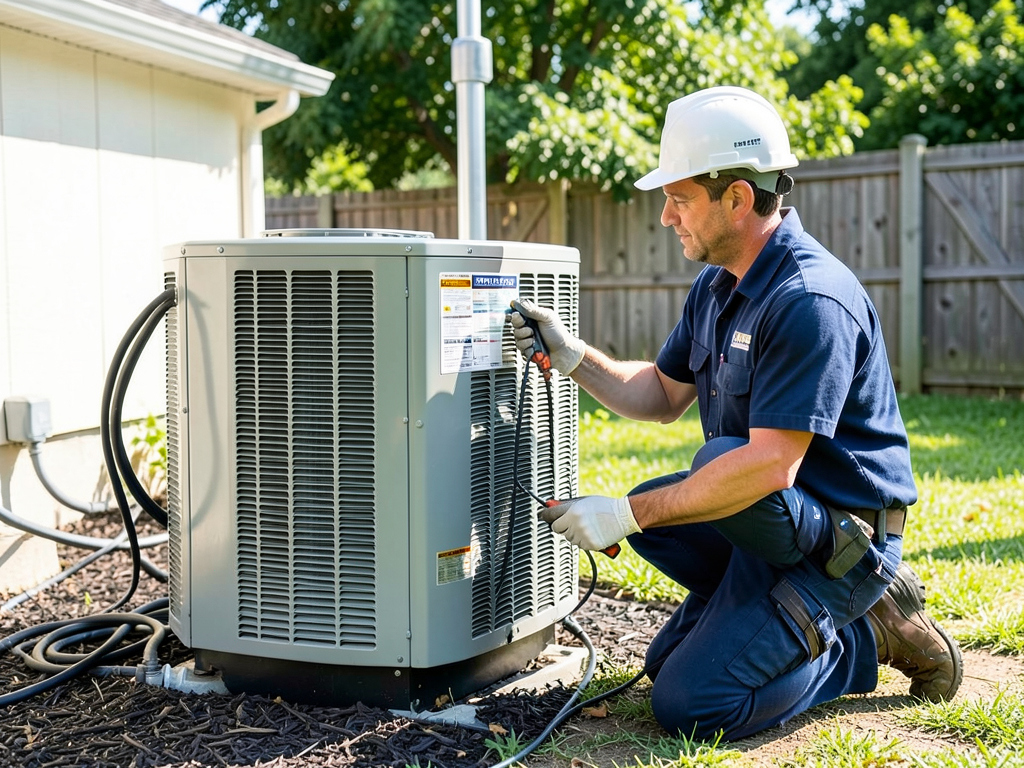
Regular maintenance prevents costly breakdowns and keeps your system running efficiently. Schedule professional tune-ups in spring before summer heat arrives. Technicians check refrigerant levels clean coils and test electrical components.
Dirty condenser coils outside your home reduce heat transfer efficiency. Clean coils can improve cooling capacity by 20 to 30 percent. This means your AC cools faster and runs less often.
Check refrigerant levels. Low refrigerant forces your compressor to work harder and can damage the system. A properly charged system cools more effectively and uses less electricity.
Dallas dust and pollen accumulate on indoor coils. This buildup restricts airflow and reduces efficiency. Professional coil cleaning removes this debris and restores optimal performance.
Inspect ductwork for leaks. The Department of Energy estimates that 20 to 30 percent of conditioned air escapes through duct leaks. Sealing ducts can reduce your cooling costs by 10 to 20 percent.
High-Impact Investments for Long-Term Savings
Upgrading to a high-efficiency system pays for itself over time. Modern air conditioners with SEER2 ratings of 16 or higher use significantly less electricity than older units. A 16 SEER2 system can be 30 percent more efficient than a 10 SEER unit.
Variable-speed compressors adjust output based on cooling demand. These systems run longer at lower speeds which maintains even temperatures and removes more humidity. This prevents the temperature swings common with single-stage units.
Attic insulation makes a huge difference in Dallas homes. The recommended R-value for North Texas is R-38 to R-49. Adding insulation can reduce cooling costs by 15 to 25 percent.
Radiant barriers reflect heat away from your attic. Installed under the roof deck these barriers can reduce attic temperatures by 20 to 30 degrees. This decreases the heat load on your AC system.
Consider a heat pump if you need to replace your system. Modern heat pumps work efficiently in Dallas winters and provide both heating and cooling. They can be 30 to 50 percent more efficient than electric furnaces.
Oncor Rebates and Local Energy Programs
Oncor Electric Delivery offers rebates for energy-efficient home improvements. These programs can offset the cost of upgrades like high-efficiency AC units smart thermostats and attic insulation. Oncor energy efficiency rebates.
The Smart Thermostat Program provides rebates of $60 to $100 for qualifying devices. These thermostats help optimize energy usage and can be controlled remotely.
High-efficiency AC rebates range from $200 to $1,000 depending on the unit’s SEER2 rating. Higher efficiency ratings qualify for larger rebates.
Attic insulation rebates cover up to 50 percent of installation costs with maximum rebates around $600. This makes upgrading insulation more affordable. How Much a New AC Installation Actually Costs in Dallas This Year.
Check the Oncor website for current rebate amounts and eligibility requirements. These programs change annually so verify details before starting any project.
Understanding Dallas Electricity Rates
Dallas operates in a deregulated electricity market. You can choose your Retail Electric Provider and rate plan. This choice significantly impacts your summer bills.
Fixed-rate plans lock in your price per kilowatt-hour for the contract term. This protects you from summer price spikes. Variable-rate plans change monthly based on market conditions.
Time-of-use plans charge different rates based on when you use electricity. Peak hours typically run from 1 PM to 7 PM on weekdays. Shifting energy-intensive tasks to off-peak times can reduce costs.
Avoid plans advertising “free nights” or “free weekends” unless you can shift most usage to those times. These plans often have higher rates during peak hours which can cost more overall.
Compare plans using the Texas Power to Choose website. Look beyond the advertised rate to understand all fees and contract terms.
Humidity Control for Dallas Comfort
Dallas humidity makes heat feel worse and affects indoor comfort. High humidity levels prevent sweat from evaporating which makes you feel warmer. This often leads to lowering the thermostat unnecessarily.
Air conditioners remove some moisture but may not handle extreme humidity. Consider a whole-house dehumidifier if your home feels clammy even when the temperature is comfortable.
Ideal indoor humidity ranges from 30 to 50 percent. Levels above 60 percent promote mold growth and dust mites. Levels below 30 percent can cause static electricity and dry skin.
Variable-speed systems excel at humidity control. They run longer at lower speeds which removes more moisture than single-stage units cycling on and off.
Proper drainage prevents humidity issues. Make sure your AC drain line stays clear and the condensate drain functions correctly. Standing water near your foundation can increase indoor humidity.
Smart Home Technology for Energy Savings
Smart thermostats do more than basic programming. They use occupancy sensors to detect when you are home and adjust temperatures automatically. Many models track energy usage and provide efficiency reports.
Geofencing features use your smartphone location to adjust settings. Your AC can start cooling before you arrive home and adjust when you leave.
Smart vents control airflow to individual rooms. This prevents cooling empty spaces and addresses hot spots in your home. Some systems can reduce energy usage by 20 percent.
Energy monitoring devices track real-time electricity usage. You can see which appliances use the most power and adjust accordingly. Some models send alerts when usage spikes unexpectedly.
Voice control integration allows hands-free temperature adjustments. While convenient the main benefit is the ability to make quick changes when needed.. Read more about How to Keep Your Fair Park Home Cool While Cooking for a Crowd This Thanksgiving.
Comparing Cooling Options for Garland Homes
| Cooling System | Initial Cost | Efficiency | Best For |
|---|---|---|---|
| Central AC (16+ SEER2) | $$$-$$$$ | High | Whole house cooling |
| Ductless Mini-Split | $$$-$$$$ | Very High | Room additions, zoned cooling |
| Heat Pump | $$$-$$$$ | High | All-in-one heating and cooling |
| Evaporative Cooler | $-$$ | Moderate | Dry climate areas only |
Seasonal Tips for Maximum Efficiency
Spring preparation sets you up for summer success. Schedule maintenance check refrigerant levels and clean coils before hot weather arrives. This prevents emergency breakdowns during peak season.
Summer operation requires attention to outdoor units. Keep the area around your condenser clear of debris leaves and vegetation. Maintain at least two feet of clearance for proper airflow.
Fall is the time to address any issues before winter. Replace worn parts clean the system and consider upgrades during the off-season when contractors have more availability.
Winter maintenance protects your investment. Even though you use heat less often in Dallas keeping your system clean and checking for issues prevents problems when you need cooling again.
Year-round habits matter. Regular filter changes thermostat programming and attention to unusual noises or smells help your system run efficiently.
Frequently Asked Questions
What temperature should I set my thermostat to save money?
Set your thermostat to 78 degrees when you are home and awake. This temperature provides good comfort while minimizing energy usage. Each degree lower can increase your bill by 3 to 5 percent.
How often should I replace my AC air filter?
Replace disposable filters every 30 to 60 days during summer. If you have pets or live in a dusty area replace them monthly. Clean filters improve efficiency and extend system life.
Are smart thermostats worth the investment?
Smart thermostats typically pay for themselves within one to two years through energy savings. They optimize cooling cycles learn your schedule and provide energy usage data that helps you make better decisions.
Should I close vents in unused rooms to save energy?
Closing vents can actually increase energy usage and strain your system. It creates pressure imbalances that force your AC to work harder. Instead use zoning systems or close doors to unused rooms.
How do I know if my AC needs refrigerant?
Signs of low refrigerant include weak airflow warm air from vents and ice on the refrigerant line. Only a licensed technician should check and add refrigerant as it requires special certification and equipment.
Take Action Today
Start with the easiest changes first. Adjust your thermostat program it for efficiency and replace your air filter. These steps cost nothing but can reduce your bill by 10 to 15 percent.
Schedule a professional tune-up if you have not had one in the past year. A technician can identify issues that waste energy and recommend specific improvements for your home.
Check Oncor rebate programs to see if you qualify for financial assistance with upgrades. Many Garland homeowners save hundreds on insulation and high-efficiency equipment.
Contact CornerStone HVAC at (972) 850-2750 for a comprehensive energy assessment. We will evaluate your current system identify efficiency opportunities and recommend solutions tailored to your home and budget.
Don’t wait until your system fails on the hottest day of summer. Take control of your energy costs now and enjoy a cooler more comfortable home all season long.
Ready to lower your summer electric bills? Call CornerStone HVAC today at (972) 850-2750 for a free consultation and start saving money without sacrificing comfort.
{
“@context”: “https://schema.org”,
“@type”: “BlogPosting”,
“headline”: “How to Lower Your Summer Electric Bills in Garland Without Turning Off the AC”,
“description”: “Learn 10 proven ways to cut AC costs in Garland this summer. Discover smart thermostat settings, Oncor rebates, and Dallas-specific HVAC strategies that keep you cool.”,
“wordCount”: 1966,
“datePublished”: “2026-05-13T06:06:00.000Z”,
“dateModified”: “2026-05-13T06:06:00.000Z”,
“inLanguage”: “en-US”,
“mainEntityOfPage”: {
“@type”: “WebPage”,
“@id”: “https://cornerstonehvacdallas.com”
},
“publisher”: {
“@type”: “LocalBusiness”,
“name”: “Cornerstone HVAC Dallas”,
“url”: “https://cornerstonehvacdallas.com”
},
“author”: {
“@type”: “Organization”,
“name”: “Cornerstone HVAC Dallas”,
“url”: “https://cornerstonehvacdallas.com”
},
“image”: {
“@type”: “ImageObject”,
“url”: “https://cornerstonehvacdallas.com/wp-content/uploads/2026/03/how-to-lower-your-summer-electric-bills-in-garland-1.png”
}
}
{
“@context”: “https://schema.org”,
“@type”: “HVACBusiness”,
“name”: “Cornerstone HVAC Dallas”,
“url”: “https://cornerstonehvacdallas.com”,
“address”: {
“@type”: “PostalAddress”,
“addressLocality”: “Dallas”
},
“areaServed”: {
“@type”: “City”,
“name”: “Dallas”
}
}
{
“@context”: “https://schema.org”,
“@type”: “FAQPage”,
“mainEntity”: [
{
“@type”: “Question”,
“name”: “What temperature should I set my thermostat to save money?”,
“acceptedAnswer”: {
“@type”: “Answer”,
“text”: “Set your thermostat to 78 degrees when you are home and awake. This temperature provides good comfort while minimizing energy usage. Each degree lower can increase your bill by 3 to 5 percent.”
}
},
{
“@type”: “Question”,
“name”: “How often should I replace my AC air filter?”,
“acceptedAnswer”: {
“@type”: “Answer”,
“text”: “Replace disposable filters every 30 to 60 days during summer. If you have pets or live in a dusty area replace them monthly. Clean filters improve efficiency and extend system life.”
}
},
{
“@type”: “Question”,
“name”: “Are smart thermostats worth the investment?”,
“acceptedAnswer”: {
“@type”: “Answer”,
“text”: “Smart thermostats typically pay for themselves within one to two years through energy savings. They optimize cooling cycles learn your schedule and provide energy usage data that helps you make better decisions.”
}
},
{
“@type”: “Question”,
“name”: “Should I close vents in unused rooms to save energy?”,
“acceptedAnswer”: {
“@type”: “Answer”,
“text”: “Closing vents can actually increase energy usage and strain your system. It creates pressure imbalances that force your AC to work harder. Instead use zoning systems or close doors to unused rooms.”
}
},
{
“@type”: “Question”,
“name”: “How do I know if my AC needs refrigerant?”,
“acceptedAnswer”: {
“@type”: “Answer”,
“text”: “Signs of low refrigerant include weak airflow warm air from vents and ice on the refrigerant line. Only a licensed technician should check and add refrigerant as it requires special certification and equipment.”
}
}
]
}
{
“@context”: “https://schema.org”,
“@type”: “BreadcrumbList”,
“itemListElement”: [
{
“@type”: “ListItem”,
“position”: 1,
“name”: “Home”,
“item”: “https://cornerstonehvacdallas.com”
},
{
“@type”: “ListItem”,
“position”: 2,
“name”: “Blog”,
“item”: “https://cornerstonehvacdallas.com/blog”
},
{
“@type”: “ListItem”,
“position”: 3,
“name”: “How to Lower Your Summer Electric Bills in Garland Without Turning Off the AC”
}
]
}
{
“@context”: “https://schema.org”,
“@type”: “Service”,
“serviceType”: “HVAC”,
“provider”: {
“@type”: “LocalBusiness”,
“name”: “Cornerstone HVAC Dallas”,
“url”: “https://cornerstonehvacdallas.com”
},
“areaServed”: {
“@type”: “City”,
“name”: “Dallas”
},
“description”: “Learn 10 proven ways to cut AC costs in Garland this summer. Discover smart thermostat settings, Oncor rebates, and Dallas-specific HVAC strategies that keep you cool.”
}