
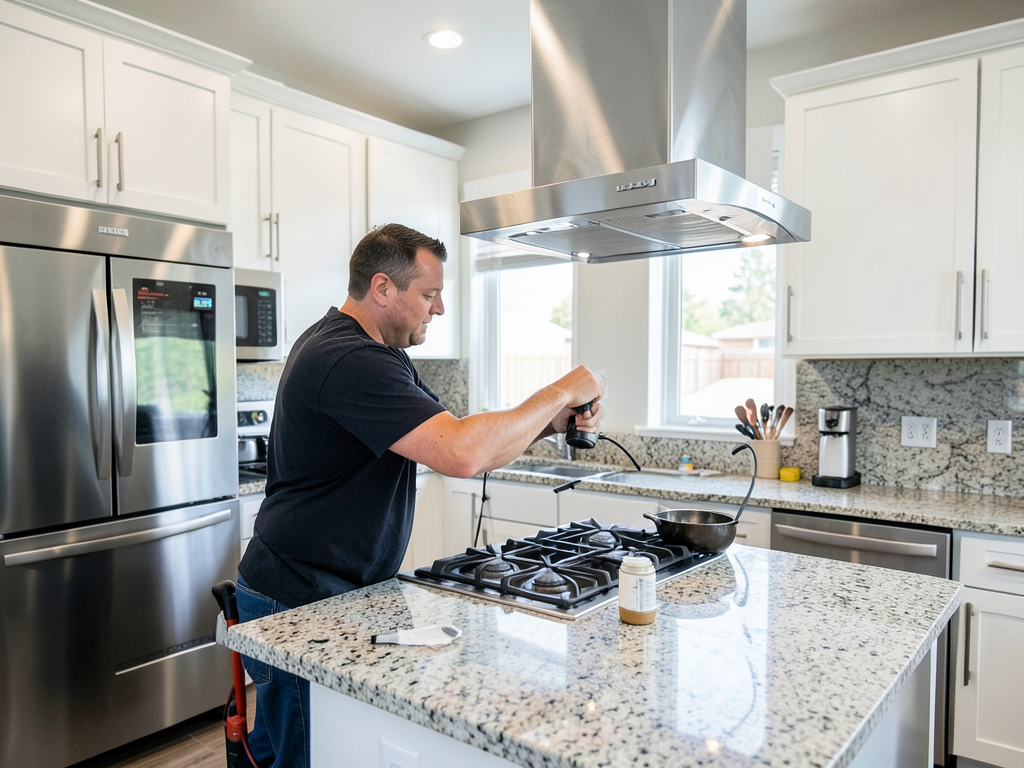
How to Keep Your Fair Park Home Cool While Cooking for a Crowd This Thanksgiving
Thanksgiving cooking creates a perfect storm for Dallas homes. Your oven runs for hours. Multiple burners work overtime. Family members crowd into the kitchen. Meanwhile, outside temperatures hover near 70°F or higher. Your air conditioning system suddenly faces its toughest challenge of the year. HVAC Dallas.
The heat gain from cooking can add 10-15 degrees to your kitchen temperature in just 30 minutes. Add humidity from boiling pots and you have a recipe for discomfort. Your HVAC system works overtime trying to keep up. This guide shows you how to manage the heat while preparing your holiday feast. EPA Energy Saver resources.
Why Dallas Kitchens Overheat During Holiday Cooking
Understanding heat gain helps you manage it better. A typical gas range produces 7,000-15,000 BTUs per burner when on high. Your oven adds another 10,000-20,000 BTUs per hour. That’s like running a small space heater in your kitchen.
Dallas humidity makes this worse. When water evaporates from boiling pots or steam from vegetables, it increases relative humidity in your home. Your air conditioner must remove both heat and moisture. This doubles the workload.
Fair Park homes often have open floor plans where kitchen heat spreads quickly to living areas. Many homes built in the 1950s-1960s around Fair Park have aging ductwork that leaks conditioned air. This means your kitchen gets hot while other rooms stay cool.
Low-Heat Cooking Strategies for High-Heat Days
Reducing heat at the source works best. Consider these alternatives to traditional oven cooking:
- Air fryers use 1,500 watts versus 3,000-5,000 watts for a conventional oven
- Slow cookers generate minimal heat and can cook side dishes unattended
- Instant Pots combine pressure cooking with minimal heat emission
- Outdoor grills keep heat outside where it belongs
Induction cooktops offer another solution. They heat pots directly through magnetic fields rather than heating the cooktop surface. This means 90% of energy goes to cooking versus 40-55% for gas burners. Plus, the cooktop stays cool to the touch. Energy Department thermostat guide.
If you must use your oven, consider cooking multiple dishes at once. Modern ovens can handle different temperatures within 25 degrees of the set point. This reduces total cooking time and heat output.
Ventilation and Exhaust Fan Optimization
Range hoods are your first defense against kitchen heat. But not all range hoods work equally well. Here’s what matters:
| Range Hood Type | CFM Rating | Effectiveness in Dallas Homes |
|---|---|---|
| Standard Recirculating | 150-250 | Poor – Just filters air |
| Vented to Outside | 300-600 | Good – Removes heat/moisture |
| Commercial Style | 900+ | Excellent – Maximum removal |
For Fair Park kitchens, aim for 100 CFM per linear foot of cooktop. A 30-inch range needs at least 250 CFM. Higher is better for Dallas heat.
Run your range hood 5 minutes before cooking starts. This creates airflow that pulls heat away immediately. Keep it running 10 minutes after you finish. This removes residual heat and humidity.
Check your ductwork. Flexible ducting with many bends reduces airflow by 30-50%. Smooth, rigid ducting with minimal turns works best. Make sure your vent terminates outside, not in the attic.
HVAC Best Practices During Meal Prep
Your thermostat settings make a big difference. Set your thermostat 2-3 degrees cooler than normal 30 minutes before you start cooking. This pre-cools your home and gives your system a head start.
Use the ‘Fan On’ setting instead of ‘Auto’ while cooking. This keeps air circulating constantly rather than waiting for the compressor to kick on. Moving air feels cooler than still air.
Close interior doors to unused rooms. This concentrates cooling where you need it most. Your kitchen and dining area will stay comfortable while bedrooms use less energy.
Change your air filter before Thanksgiving. A clean filter improves airflow by 15-20%. This helps your system handle the extra load from cooking heat.
Consider using ceiling fans. They create a wind-chill effect that makes rooms feel 4-5 degrees cooler. Just remember fans cool people, not rooms. Turn them off when leaving.
Long-Term Solutions for Dallas Kitchen Comfort
If you entertain often, consider these upgrades. A dedicated kitchen ventilation system can remove 1,200-2,000 CFM of air. This keeps your kitchen 5-8 degrees cooler during heavy cooking.
Window film blocks 80% of solar heat gain. If your kitchen has south or west-facing windows, this can reduce temperatures by 3-5 degrees.
Smart thermostats learn your cooking patterns. They can pre-cool before you start and adjust automatically when you’re done. Some models even have ‘kitchen’ or ‘party’ modes.
Check your ductwork for leaks. The average Dallas home loses 20-30% of conditioned air through duct leaks. Sealing these can dramatically improve kitchen comfort.
Consider a zoned HVAC system. This lets you cool the kitchen independently from the rest of the house. No more freezing bedrooms to keep the kitchen comfortable.
Energy-Efficient Appliances for Holiday Cooking
Modern appliances use significantly less energy than older models. An Energy Star refrigerator uses 40% less electricity than a 2005 model. This means less heat from the compressor.
Convection ovens cook 25% faster than conventional ovens. They use fans to circulate hot air, reducing cooking time and heat output.
Induction cooktops waste almost no heat. Nearly all energy goes directly to the pot. Gas burners send half their heat into your kitchen.
Microwave ovens generate minimal heat. They work great for reheating side dishes or cooking vegetables. Plus, they use 80% less energy than conventional ovens.
Humidity Control During Cooking
Moisture control is crucial in Dallas. Your air conditioner removes humidity, but it struggles when you’re boiling multiple pots.
Run your bathroom exhaust fan if it vents outside. This provides additional moisture removal. Just make sure it doesn’t create negative pressure that pulls hot attic air into your home.
Consider a whole-house dehumidifier. These units remove 70-100 pints of water per day. They work independently of your air conditioner, so you can dehumidify without overcooling.
Open windows only if outside humidity is below 50%. In Dallas, this rarely happens during Thanksgiving. Usually, keeping windows closed and running your AC works better.
Emergency Cooling Strategies
Sometimes your system can’t keep up. Here’s what to do:
- Turn off unnecessary lights. Incandescent bulbs add heat
- Stop using the oven if the kitchen exceeds 85°F
- Move some cooking outdoors to the grill
- Use fans to create cross-ventilation
- Take a break and let the AC catch up
If your AC struggles every Thanksgiving, it might be undersized. A professional load calculation can determine if you need a larger system or if duct issues are to blame.
Maintaining Your System for Holiday Success
Preventive maintenance prevents holiday disasters. Schedule a tune-up before Thanksgiving. A technician can check refrigerant levels, clean coils, and ensure your system is ready for the extra load.
Check your outdoor unit. Make sure it’s clear of leaves and debris. Ensure shrubs are trimmed back at least 2 feet for proper airflow.
Test your system a week before the holiday. This gives you time to address any issues. Don’t wait until Thanksgiving morning to discover problems.
Consider a maintenance plan. Regular professional service extends system life by 3-5 years and prevents 90% of emergency breakdowns. Who to Call for Same-Day AC Service in University Park and North Dallas.
Smart Technology for Kitchen Comfort
Smart home technology offers new solutions. Smart vents can close in unused rooms, directing more cool air to the kitchen. They work with your existing system and cost much less than zoning.
Smart plugs can turn off appliances automatically. This prevents heat-generating electronics from running unnecessarily.
Wi-Fi thermostats let you adjust settings remotely. Start cooling your home from the grocery store so it’s comfortable when you arrive with ingredients.
Air quality monitors can detect when cooking creates unhealthy conditions. They can automatically boost ventilation or adjust your HVAC system. Indoor Air Quality Solutions.
Cost-Effective Cooling Upgrades
You don’t need to spend thousands for comfort. Here are budget-friendly options:
- Replace weatherstripping around doors and windows
- Add insulation to your attic if it’s below R-30
- Install a programmable thermostat for under $100
- Use thermal curtains to block solar heat gain
- Add attic fans to reduce heat buildup
These improvements pay for themselves through energy savings within 1-2 years. Plus, they make your home more comfortable year-round.
Professional Assessment Benefits
A professional HVAC assessment identifies specific issues in your Fair Park home. Every house is different. Your 1960s ranch might have completely different needs than your neighbor’s 2000s build.
Technicians use thermal imaging to find heat leaks. They measure airflow to ensure proper distribution. They check ductwork for leaks that waste energy.
Professional assessment costs $150-300 but can save you $500-2,000 in unnecessary equipment upgrades. Plus, it ensures your system works efficiently for the holidays.
Creating a Holiday Cooking Plan
Success starts with planning. Create a cooking timeline that staggers heat-producing activities. Bake desserts early while your home is still cool. Use the grill for main dishes later when outdoor temperatures drop.
Prepare cold side dishes that don’t require cooking. Salads, fruit platters, and no-bake desserts reduce heat load significantly.
Delegate cooking tasks. Have guests bring dishes that don’t require oven use. This spreads out heat generation and makes preparation easier.
Remember that Dallas weather in late November can vary dramatically. Have backup plans for unseasonably warm days. Your preparation strategy might need adjusting based on the forecast.
Frequently Asked Questions
How much heat does cooking add to my home?
Cooking can add 5,000-30,000 BTUs per hour depending on what you’re preparing. This is equivalent to running a small space heater on high. In Dallas humidity, this heat feels even more intense.
Should I turn off my AC while cooking?
No. Turning off your AC lets heat build up faster. Keep it running but consider setting it 2-3 degrees cooler than normal. This helps it keep up with the heat gain.
Do ceiling fans help in the kitchen?
Yes, but only when people are present. Fans create a wind-chill effect that makes you feel cooler. They don’t actually lower room temperature, so turn them off when leaving the kitchen. How Much a New AC Installation Actually Costs in Dallas This Year.
How often should I change my air filter during heavy cooking?
Check it monthly during heavy cooking periods. Grease and particles from cooking can clog filters faster. A clean filter improves airflow and system efficiency.
Is it worth upgrading to a smart thermostat?
For Dallas homes, yes. Smart thermostats learn your patterns and can pre-cool before cooking. They also provide energy reports and can save 10-15% on heating and cooling costs.
Can I install a bigger AC unit to handle cooking heat?
Not necessarily. Oversized units cool too quickly without removing humidity. This leaves your home feeling clammy. Proper sizing through a professional load calculation is essential.
What’s the best way to remove cooking odors?
Mechanical ventilation works best. Use your range hood on high and open windows if weather permits. Air purifiers with activated carbon filters also help remove odors.
How do I know if my ductwork leaks?
Signs include uneven temperatures between rooms, excessive dust, and high energy bills. A professional can test your ductwork with specialized equipment to find leaks. Solving Uneven Temperatures in Two-Story Frisco Homes With Smart Zoning.
Are there tax credits for energy-efficient kitchen appliances?
Yes. Energy Star appliances often qualify for federal tax credits. Check the Energy Star website for current offerings. Some local utilities also offer rebates.
How long should I run my range hood?
Run it 5 minutes before cooking to establish airflow. Keep it running during cooking and for 10 minutes after you finish. This removes residual heat and moisture.
Take Control of Your Kitchen Comfort
Don’t let cooking heat ruin your Thanksgiving celebration. With proper planning and the right strategies, you can keep your Fair Park home comfortable while preparing a feast for your family and friends.
Start with simple changes like using your range hood correctly and staggering cooking times. Then consider longer-term solutions like improved ventilation or a smart thermostat upgrade.
Remember that every Dallas home is different. What works in a modern open-concept home might not work in a classic Fair Park bungalow. The key is understanding your specific situation and addressing it systematically.
This Thanksgiving, focus on enjoying time with loved ones rather than sweating over a hot stove. Your HVAC system can handle the challenge with the right preparation and support.
Need help optimizing your system for holiday cooking? Call CornerStone HVAC at (972) 850-2750. Our Dallas technicians understand the unique challenges Fair Park homeowners face and can help you create the perfect cooking environment for your holiday celebrations.
Don’t wait until the last minute. Schedule your pre-holiday HVAC check-up now and ensure your system is ready for whatever your kitchen throws at it this Thanksgiving.
{
“@context”: “https://schema.org”,
“@type”: “BlogPosting”,
“headline”: “How to Keep Your Fair Park Home Cool While Cooking for a Crowd This Thanksgiving”,
“description”: “Expert HVAC tips for Dallas homeowners to beat kitchen heat during holiday cooking. Learn ventilation, thermostat tricks, and energy-saving strategies.”,
“wordCount”: 2135,
“datePublished”: “2026-05-15T07:56:00.000Z”,
“dateModified”: “2026-05-15T07:56:00.000Z”,
“inLanguage”: “en-US”,
“mainEntityOfPage”: {
“@type”: “WebPage”,
“@id”: “https://cornerstonehvacdallas.com”
},
“publisher”: {
“@type”: “LocalBusiness”,
“name”: “Cornerstone HVAC Dallas”,
“url”: “https://cornerstonehvacdallas.com”
},
“author”: {
“@type”: “Organization”,
“name”: “Cornerstone HVAC Dallas”,
“url”: “https://cornerstonehvacdallas.com”
},
“image”: {
“@type”: “ImageObject”,
“url”: “https://cornerstonehvacdallas.com/wp-content/uploads/2026/03/how-to-keep-your-fair-park-home-cool-while-cooking-1.png”
}
}
{
“@context”: “https://schema.org”,
“@type”: “HVACBusiness”,
“name”: “Cornerstone HVAC Dallas”,
“url”: “https://cornerstonehvacdallas.com”,
“address”: {
“@type”: “PostalAddress”,
“addressLocality”: “Dallas”
},
“areaServed”: {
“@type”: “City”,
“name”: “Dallas”
}
}
{
“@context”: “https://schema.org”,
“@type”: “FAQPage”,
“mainEntity”: [
{
“@type”: “Question”,
“name”: “How much heat does cooking add to my home?”,
“acceptedAnswer”: {
“@type”: “Answer”,
“text”: “Cooking can add 5,000-30,000 BTUs per hour depending on what you’re preparing. This is equivalent to running a small space heater on high. In Dallas humidity, this heat feels even more intense.”
}
},
{
“@type”: “Question”,
“name”: “Should I turn off my AC while cooking?”,
“acceptedAnswer”: {
“@type”: “Answer”,
“text”: “No. Turning off your AC lets heat build up faster. Keep it running but consider setting it 2-3 degrees cooler than normal. This helps it keep up with the heat gain.”
}
},
{
“@type”: “Question”,
“name”: “Do ceiling fans help in the kitchen?”,
“acceptedAnswer”: {
“@type”: “Answer”,
“text”: “Yes, but only when people are present. Fans create a wind-chill effect that makes you feel cooler. They don’t actually lower room temperature, so turn them off when leaving the kitchen. How Much a New AC Installation Actually Costs in Dallas This Year.”
}
},
{
“@type”: “Question”,
“name”: “How often should I change my air filter during heavy cooking?”,
“acceptedAnswer”: {
“@type”: “Answer”,
“text”: “Check it monthly during heavy cooking periods. Grease and particles from cooking can clog filters faster. A clean filter improves airflow and system efficiency.”
}
},
{
“@type”: “Question”,
“name”: “Is it worth upgrading to a smart thermostat?”,
“acceptedAnswer”: {
“@type”: “Answer”,
“text”: “For Dallas homes, yes. Smart thermostats learn your patterns and can pre-cool before cooking. They also provide energy reports and can save 10-15% on heating and cooling costs.”
}
},
{
“@type”: “Question”,
“name”: “Can I install a bigger AC unit to handle cooking heat?”,
“acceptedAnswer”: {
“@type”: “Answer”,
“text”: “Not necessarily. Oversized units cool too quickly without removing humidity. This leaves your home feeling clammy. Proper sizing through a professional load calculation is essential.”
}
},
{
“@type”: “Question”,
“name”: “What’s the best way to remove cooking odors?”,
“acceptedAnswer”: {
“@type”: “Answer”,
“text”: “Mechanical ventilation works best. Use your range hood on high and open windows if weather permits. Air purifiers with activated carbon filters also help remove odors.”
}
},
{
“@type”: “Question”,
“name”: “How do I know if my ductwork leaks?”,
“acceptedAnswer”: {
“@type”: “Answer”,
“text”: “Signs include uneven temperatures between rooms, excessive dust, and high energy bills. A professional can test your ductwork with specialized equipment to find leaks. Solving Uneven Temperatures in Two-Story Frisco Homes With Smart Zoning.”
}
},
{
“@type”: “Question”,
“name”: “Are there tax credits for energy-efficient kitchen appliances?”,
“acceptedAnswer”: {
“@type”: “Answer”,
“text”: “Yes. Energy Star appliances often qualify for federal tax credits. Check the Energy Star website for current offerings. Some local utilities also offer rebates.”
}
},
{
“@type”: “Question”,
“name”: “How long should I run my range hood?”,
“acceptedAnswer”: {
“@type”: “Answer”,
“text”: “Run it 5 minutes before cooking to establish airflow. Keep it running during cooking and for 10 minutes after you finish. This removes residual heat and moisture.”
}
}
]
}
{
“@context”: “https://schema.org”,
“@type”: “BreadcrumbList”,
“itemListElement”: [
{
“@type”: “ListItem”,
“position”: 1,
“name”: “Home”,
“item”: “https://cornerstonehvacdallas.com”
},
{
“@type”: “ListItem”,
“position”: 2,
“name”: “Blog”,
“item”: “https://cornerstonehvacdallas.com/blog”
},
{
“@type”: “ListItem”,
“position”: 3,
“name”: “How to Keep Your Fair Park Home Cool While Cooking for a Crowd This Thanksgiving”
}
]
}
{
“@context”: “https://schema.org”,
“@type”: “Service”,
“serviceType”: “HVAC”,
“provider”: {
“@type”: “LocalBusiness”,
“name”: “Cornerstone HVAC Dallas”,
“url”: “https://cornerstonehvacdallas.com”
},
“areaServed”: {
“@type”: “City”,
“name”: “Dallas”
},
“description”: “Expert HVAC tips for Dallas homeowners to beat kitchen heat during holiday cooking. Learn ventilation, thermostat tricks, and energy-saving strategies.”
}