
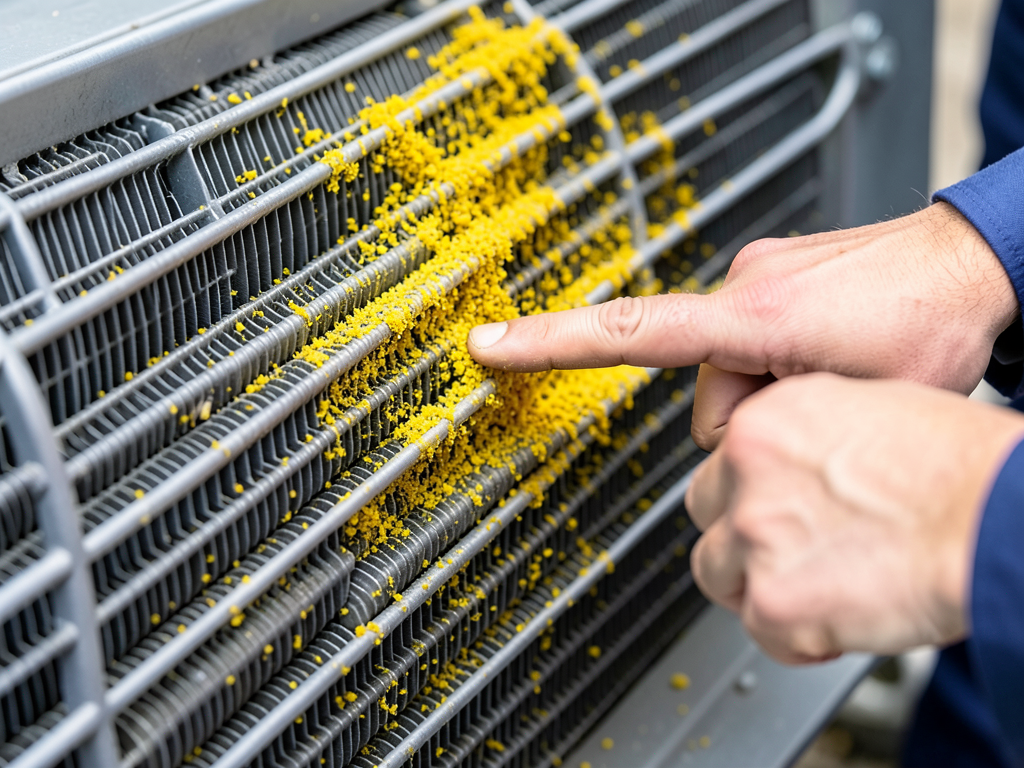
The thick yellow dust blanketing your AC condenser in Wilshire Heights isn’t just an eyesore. It’s actively choking your cooling system and driving up your energy bills. Dallas’s unique mix of oak and pecan trees produces a sticky pollen that coats condenser coils and restricts airflow. This leads to poor cooling performance and potential system damage. Dallas pollen forecast.
How Pollen Affects Your Air Conditioner’s Efficiency
Your AC condenser works by releasing heat absorbed from inside your home. The coils need maximum exposure to outdoor air to do this effectively. When oak and pecan pollen settles on those coils it creates an insulating layer that traps heat. This forces your system to run longer cycles to reach the desired temperature.. Read more about Surviving the East Dallas Pollen Season with Better Indoor Air Filtration.
The problem compounds in Dallas’s high humidity. The sticky pollen mixes with moisture in the air creating a paste-like substance that clings to coil fins. This blocks airflow and reduces heat transfer efficiency. Your compressor works harder and hotter which increases the risk of premature failure. HVAC Dallas.
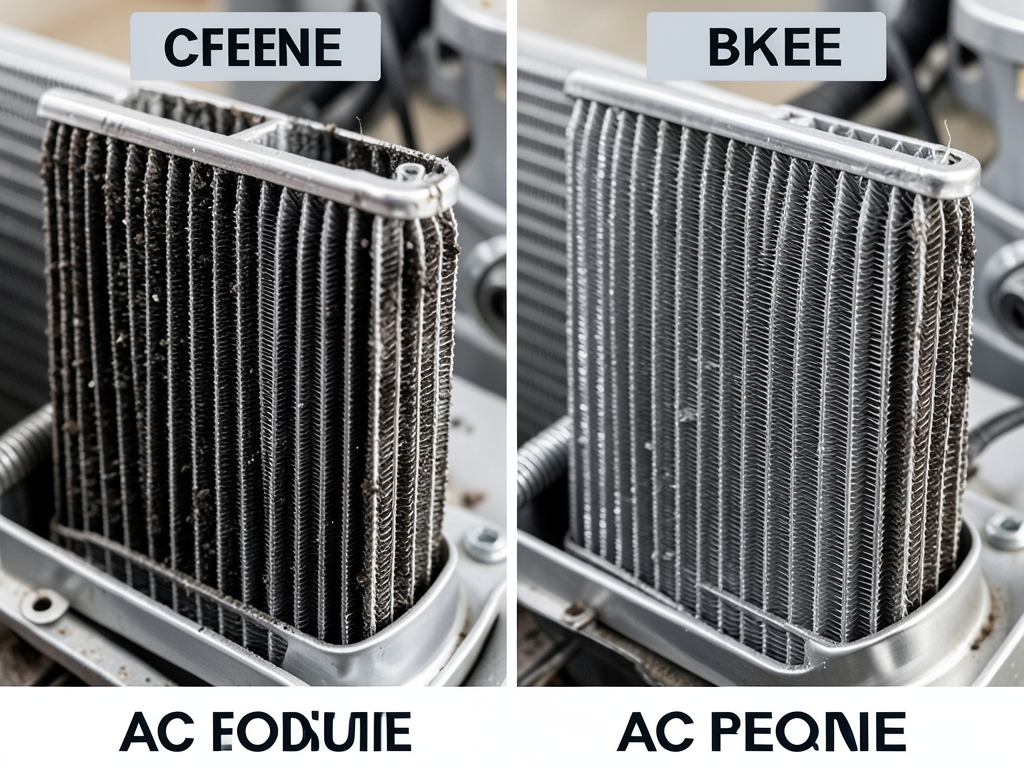
Energy consumption spikes when coils are dirty. A pollen-coated condenser can reduce system efficiency by 15 to 30 percent. That means your AC runs longer and your electric bill climbs higher during the peak summer months when you need cooling most.
5 Signs Your Dallas AC Unit is Choking on Pollen
Recognizing the symptoms early can prevent costly repairs. Watch for these warning signs that pollen is clogging your system: EPA guide on air cleaners and filters.
- Warm air from vents – Your AC runs but doesn’t cool effectively
- Short cycling – The system turns on and off frequently without completing a full cycle
- Ice on refrigerant lines – Restricted airflow causes evaporator coils to freeze
- Higher than normal energy bills – Your AC works harder to achieve the same cooling
- Visible yellow dust buildup – A thick layer of pollen on the condenser unit
These symptoms often appear together. If you notice multiple warning signs your system needs immediate attention before major components fail.
The Dallas Pollen Calendar: When Your HVAC is Most at Risk
Dallas experiences distinct pollen seasons that affect AC performance differently. Understanding these patterns helps you prepare:
| Pollen Season | Primary Trees | Peak Months | AC Impact |
|---|---|---|---|
| Spring | Oak, Pecan | March through May | Heavy coating on coils |
| Winter | Mountain Cedar | December through February | Fine dust infiltration |
| Fall | Ragweed, Grass | September through November | Air filter clogging |
Spring brings the heaviest pollen load. Oak and pecan trees release large amounts of sticky pollen that coats everything including your AC unit. Mountain cedar in winter produces fine dust that infiltrates through filters and builds up on evaporator coils inside your home.
The timing varies slightly each year based on weather patterns. Dallas’s warm winters can extend pollen seasons by several weeks. Monitoring local pollen forecasts helps you anticipate when your system needs extra attention.
How to Safely Clean Pollen from Your Outdoor Condenser Coils
Regular cleaning prevents major buildup and maintains efficiency. Follow these steps to clean your condenser safely:
- Turn off power
Switch off the circuit breaker that powers your AC unit. This prevents electrical shock and accidental startup.
- Remove debris
Clear away leaves twigs and loose pollen from around the unit. Maintain at least two feet of clearance on all sides.
- Protect electrical components
Cover the fan motor and electrical connections with plastic bags. This prevents water damage during cleaning.
- Apply coil cleaner
Spray a foaming coil cleaner designed for outdoor units. Let it sit for 5 to 10 minutes to break down pollen and grime.
- Rinse thoroughly
Use a garden hose with moderate pressure. Spray from inside out to push debris away from the coils. Never use a pressure washer as it can bend the delicate fins.
- Check coil fins
Inspect for bent fins. Straighten them carefully with a fin comb if needed. This restores proper airflow.
- Allow to dry
Let the unit dry completely before restoring power. This prevents electrical issues and ensures proper operation.
Clean your condenser at least twice during peak pollen season. More frequent cleaning may be necessary if you notice rapid buildup. Always follow manufacturer guidelines for your specific unit.
When to Call a Dallas HVAC Professional
DIY cleaning helps maintain your system but some situations require professional service. Call an HVAC technician when: Who to Call for Same-Day AC Service in University Park and North Dallas.
- Your AC still performs poorly after cleaning
- You notice ice formation on refrigerant lines
- The system makes unusual noises
- Energy bills remain high despite cleaning
- You haven’t had professional maintenance in over a year
Professional technicians use specialized equipment to clean coils thoroughly without damage. They can also check refrigerant levels electrical connections and overall system performance. This comprehensive approach identifies issues that DIY cleaning misses.
CornerStone HVAC technicians are NATE certified and understand Dallas’s unique climate challenges. They use commercial-grade coil cleaners and fin combs designed for local pollen conditions. Professional cleaning typically takes 60 to 90 minutes and restores full system efficiency.
Preventive Measures: Keeping the Pollen Out
Prevention reduces cleaning frequency and extends system life. Implement these strategies to minimize pollen impact:
| Preventive Measure | Benefit | Implementation Cost |
|---|---|---|
| MERV 11+ air filters | Catches fine pollen particles | $15 to $40 per filter |
| Condenser coil coating | Prevents pollen adhesion | $200 to $400 professionally applied |
| Smart thermostat scheduling | Reduces runtime during peak pollen | $100 to $250 for device |
| Regular professional tune-ups | Identifies issues early | $75 to $150 per visit |
Upgrade to MERV 11 or higher filters during pollen season. These capture smaller particles than standard filters. However don’t go above MERV 13 without checking your system specifications as high-efficiency filters restrict airflow.
Consider a protective coating for your condenser coils. These hydrophobic treatments prevent pollen from sticking and make cleaning easier. They typically last one to two years before needing reapplication.
Smart thermostats help by reducing AC runtime during peak pollen hours. Many systems run unnecessarily during mild spring days. Programming your thermostat to match outdoor conditions saves energy and reduces pollen exposure.
Understanding Your Local Environment
Wilshire Heights sits in a particularly pollen-heavy area of Dallas. The neighborhood’s mature trees and established landscaping create beautiful surroundings but also contribute to HVAC challenges. Homes near White Rock Lake face additional issues from increased humidity and tree density.
Older homes in nearby neighborhoods like Lakewood and Highland Park often have aging ductwork that allows pollen infiltration. Duct sealing and proper filtration become even more important in these areas. The historic architecture in these neighborhoods sometimes complicates AC installation and maintenance. How Much a New AC Installation Actually Costs in Dallas This Year.
Dallas’s clay soil causes foundation shifting that can affect outdoor unit stability. An uneven condenser unit strains internal components and reduces efficiency. Professional leveling during maintenance prevents these issues. Solving Uneven Temperatures in Two-Story Frisco Homes With Smart Zoning.
Local building codes require proper condensate drainage to prevent water damage. Dallas Water Utilities has specific requirements for AC condensate disposal. Professional installation ensures compliance and prevents moisture-related problems.
The Texas Department of Licensing and Regulation oversees HVAC licensing in Dallas. Always verify that technicians hold current TDLR licenses before allowing any work on your system. This protects you from unqualified contractors and ensures work meets state standards.
The Cost of Inaction
Ignoring pollen buildup leads to escalating problems and costs. A moderately clogged system increases energy consumption by 15 to 20 percent. Over a typical Dallas summer this adds $30 to $50 per month to your electric bill.
Severe buildup can cause compressor failure. Replacing a compressor costs $1,500 to $2,500. In many cases replacing the entire outdoor unit becomes more economical than compressor replacement on older systems.
Pollen-related issues often void manufacturer warranties. Most AC warranties require regular professional maintenance. Skipping this maintenance to save money typically costs more in the long run through reduced efficiency and premature failure.. Read more about Five Simple HVAC Maintenance Tasks Grand Prairie Homeowners Can Actually Do Themselves.
Indoor air quality also suffers when pollen clogs your system. Fine particles bypass dirty filters and circulate through your home. This triggers allergies and respiratory issues especially in children and elderly residents. Indoor Air Quality Solutions.
Making the Right Choice for Your Home
Every Dallas home faces pollen challenges but the right approach depends on your specific situation. Consider your home’s age tree coverage and family health needs when deciding between DIY maintenance and professional service.
Newer homes with modern filtration systems may need only seasonal cleaning and filter changes. Older homes with original ductwork benefit more from comprehensive professional service. Homes with allergy sufferers need extra filtration and more frequent maintenance.
Budget considerations matter but shouldn’t drive all decisions. The cost of professional maintenance typically pays for itself through energy savings and prevented repairs. Many HVAC companies offer maintenance plans that spread costs over time and ensure regular service.
Your AC system represents a significant investment in home comfort. Protecting that investment through proper pollen management extends system life and maintains efficiency. The small effort of regular cleaning prevents the major expense of premature replacement.
Frequently Asked Questions
How often should I clean my AC condenser during pollen season?
Clean your condenser every 30 to 45 days during peak pollen season. More frequent cleaning may be necessary if you notice rapid buildup or experience reduced cooling performance.
Can pollen damage my AC compressor?
Yes. Pollen buildup restricts airflow causing the compressor to work harder and run hotter. This increases wear and can lead to premature failure if not addressed.
What’s the best air filter for high pollen areas?
MERV 11 to MERV 13 filters offer the best balance of pollen capture and airflow for most residential systems. Higher MERV ratings may restrict airflow in older systems.
Should I cover my AC unit during pollen season?
No. Covering your condenser restricts necessary airflow and can trap moisture leading to rust and corrosion. Regular cleaning is more effective than covering.
How much does professional coil cleaning cost in Dallas?
Professional coil cleaning typically costs $100 to $200 depending on system size and condition. Many companies offer this service as part of annual maintenance plans.
You may also find this helpful. How to Stop Your Golden Retriever’s Fur From Clogging Your Oak Lawn Condo’s AC.
{
“@context”: “https://schema.org”,
“@type”: “BlogPosting”,
“headline”: “How the Oak and Pecan Pollen in Wilshire Heights is Clogging Your AC Condenser”,
“description”: “Discover how Dallas oak and pecan pollen clogs AC condensers in Wilshire Heights. Learn symptoms, cleaning tips, and when to call for professional help.”,
“wordCount”: 1673,
“datePublished”: “2026-05-12T06:36:00.000Z”,
“dateModified”: “2026-05-12T06:36:00.000Z”,
“inLanguage”: “en-US”,
“mainEntityOfPage”: {
“@type”: “WebPage”,
“@id”: “https://cornerstonehvacdallas.com”
},
“publisher”: {
“@type”: “LocalBusiness”,
“name”: “Cornerstone HVAC Dallas”,
“url”: “https://cornerstonehvacdallas.com”
},
“author”: {
“@type”: “Organization”,
“name”: “Cornerstone HVAC Dallas”,
“url”: “https://cornerstonehvacdallas.com”
},
“image”: {
“@type”: “ImageObject”,
“url”: “https://cornerstonehvacdallas.com/wp-content/uploads/2026/03/how-the-oak-and-pecan-pollen-in-wilshire-heights-i-1.png”
}
}
{
“@context”: “https://schema.org”,
“@type”: “HVACBusiness”,
“name”: “Cornerstone HVAC Dallas”,
“url”: “https://cornerstonehvacdallas.com”,
“address”: {
“@type”: “PostalAddress”,
“addressLocality”: “Dallas”
},
“areaServed”: {
“@type”: “City”,
“name”: “Dallas”
}
}
{
“@context”: “https://schema.org”,
“@type”: “FAQPage”,
“mainEntity”: [
{
“@type”: “Question”,
“name”: “How often should I clean my AC condenser during pollen season?”,
“acceptedAnswer”: {
“@type”: “Answer”,
“text”: “Clean your condenser every 30 to 45 days during peak pollen season. More frequent cleaning may be necessary if you notice rapid buildup or experience reduced cooling performance.”
}
},
{
“@type”: “Question”,
“name”: “Can pollen damage my AC compressor?”,
“acceptedAnswer”: {
“@type”: “Answer”,
“text”: “Yes. Pollen buildup restricts airflow causing the compressor to work harder and run hotter. This increases wear and can lead to premature failure if not addressed.”
}
},
{
“@type”: “Question”,
“name”: “What’s the best air filter for high pollen areas?”,
“acceptedAnswer”: {
“@type”: “Answer”,
“text”: “MERV 11 to MERV 13 filters offer the best balance of pollen capture and airflow for most residential systems. Higher MERV ratings may restrict airflow in older systems.”
}
},
{
“@type”: “Question”,
“name”: “How much does professional coil cleaning cost in Dallas?”,
“acceptedAnswer”: {
“@type”: “Answer”,
“text”: “Professional coil cleaning typically costs $100 to $200 depending on system size and condition. Many companies offer this service as part of annual maintenance plans.”
}
}
]
}
{
“@context”: “https://schema.org”,
“@type”: “HowTo”,
“name”: “How to Clean AC Condenser Coils”,
“step”: [
{
“@type”: “HowToStep”,
“position”: 1,
“name”: “Turn off power”,
“text”: “Switch off the circuit breaker that powers your AC unit. This prevents electrical shock and accidental startup.”
},
{
“@type”: “HowToStep”,
“position”: 2,
“name”: “Remove debris”,
“text”: “Clear away leaves twigs and loose pollen from around the unit. Maintain at least two feet of clearance on all sides.”
},
{
“@type”: “HowToStep”,
“position”: 3,
“name”: “Protect electrical components”,
“text”: “Cover the fan motor and electrical connections with plastic bags. This prevents water damage during cleaning.”
},
{
“@type”: “HowToStep”,
“position”: 4,
“name”: “Apply coil cleaner”,
“text”: “Spray a foaming coil cleaner designed for outdoor units. Let it sit for 5 to 10 minutes to break down pollen and grime.”
},
{
“@type”: “HowToStep”,
“position”: 5,
“name”: “Rinse thoroughly”,
“text”: “Use a garden hose with moderate pressure. Spray from inside out to push debris away from the coils. Never use a pressure washer as it can bend the delicate fins.”
},
{
“@type”: “HowToStep”,
“position”: 6,
“name”: “Check coil fins”,
“text”: “Inspect for bent fins. Straighten them carefully with a fin comb if needed. This restores proper airflow.”
},
{
“@type”: “HowToStep”,
“position”: 7,
“name”: “Allow to dry”,
“text”: “Let the unit dry completely before restoring power. This prevents electrical issues and ensures proper operation.”
}
],
“image”: “https://cornerstonehvacdallas.com/wp-content/uploads/2026/03/how-the-oak-and-pecan-pollen-in-wilshire-heights-i-1.png”
}
{
“@context”: “https://schema.org”,
“@type”: “BreadcrumbList”,
“itemListElement”: [
{
“@type”: “ListItem”,
“position”: 1,
“name”: “Home”,
“item”: “https://cornerstonehvacdallas.com”
},
{
“@type”: “ListItem”,
“position”: 2,
“name”: “Blog”,
“item”: “https://cornerstonehvacdallas.com/blog”
},
{
“@type”: “ListItem”,
“position”: 3,
“name”: “How the Oak and Pecan Pollen in Wilshire Heights is Clogging Your AC Condenser”
}
]
}
{
“@context”: “https://schema.org”,
“@type”: “Service”,
“serviceType”: “HVAC”,
“provider”: {
“@type”: “LocalBusiness”,
“name”: “Cornerstone HVAC Dallas”,
“url”: “https://cornerstonehvacdallas.com”
},
“areaServed”: {
“@type”: “City”,
“name”: “Dallas”
},
“description”: “Discover how Dallas oak and pecan pollen clogs AC condensers in Wilshire Heights. Learn symptoms, cleaning tips, and when to call for professional help.”
}