
24/7 Emergency Furnace Repair in Lake Highlands, Dallas
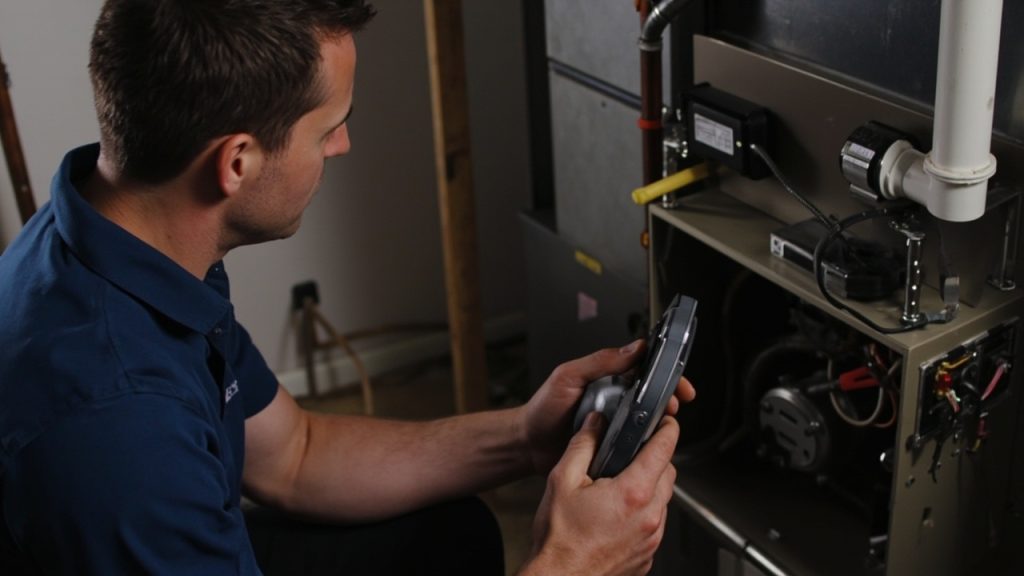
Call us now for furnace repair in 30 to 60 minutes when your heating fails on a freezing night in Lake Highlands. Your furnace stops working, the temperature inside your home drops fast, and you need a technician in your neighborhood right now, not hours from now. Cornerstone Air Conditioning & Heating dispatches certified technicians to the Lake Highlands area within 30 to 60 minutes during emergency calls. We know the weather patterns around White Rock Lake, the construction styles in your mid-century modern home, and the specific heating challenges that strike this part of Dallas during blue northern cold snaps.
This article covers what you need to do in a furnace emergency, how to spot dangerous problems like carbon monoxide leaks, what to expect during a service call, and why Lake Highlands homes in the Lakewood, Forest Hills, and White Rock neighborhoods develop the same heating failures.
Why Lake Highlands Furnaces Fail During Winter
Lake Highlands sits in zip codes 75238, 75218, and 75243, spanning neighborhoods like Lakewood, Forest Hills, and the White Rock area. The region was built primarily in the 1960s and 1970s with solid mid-century ranch homes and some split-level properties. These homes typically have original or aging furnaces that face specific stress points when Texas winter arrives.
The climate near White Rock Lake brings sudden temperature swings. A mild 65-degree day can drop to 25 degrees overnight during a blue norther. Your furnace runs constantly to keep up, and if it already has a worn ignition system or cracked heat exchanger, this stress triggers failure. The clay soil beneath Lake Highlands shifts 0.5 to 2 inches seasonally, affecting outdoor unit pads and ductwork alignment. This ground movement strains your heating system’s efficiency and causes mechanical stress.
Winter moisture in the Lake Highlands area reaches 55 to 70 percent humidity. Older furnaces in these homes struggle with condensation buildup in the heat exchanger, leading to rust and early failure. Modern high-efficiency units manage this better, yet many Lake Highlands residents still operate systems from the 1980s or 1990s.
Signs You Need Emergency Furnace Repair Right Now
Certain furnace problems demand immediate attention. Do not wait for a scheduled appointment. Call for emergency service if you notice any of these conditions.
- No heat at all. The thermostat is set to heat mode, but warm air never reaches your vents.
- Smell of natural gas or rotten eggs near your furnace. This indicates a gas leak that poses danger.
- Loud banging, rattling, or grinding sounds from the furnace itself. These suggest mechanical failure or a broken component inside the unit.
- Your carbon monoxide detector is beeping or alarming. This signals a life-threatening emergency.
- The furnace shuts off and restarts repeatedly within short cycles. This rapid cycling suggests a failing limit switch or heat exchanger crack.
- Soot or discoloration around the furnace, especially near seams or vents. This points to incomplete combustion or a cracked heat exchanger.
- The pilot light will not stay lit, or you see a yellow or orange flame instead of blue.
Carbon Monoxide Safety in Lake Highlands Homes
Carbon monoxide (CO) is an odorless, colorless gas produced by combustion. Furnaces in Lake Highlands homes release CO if the heat exchanger cracks or combustion occurs incompletely. Carbon monoxide kills without warning, so your detector serves as your only alarm. Even small amounts cause headaches, dizziness, nausea, and confusion. High concentrations are fatal.
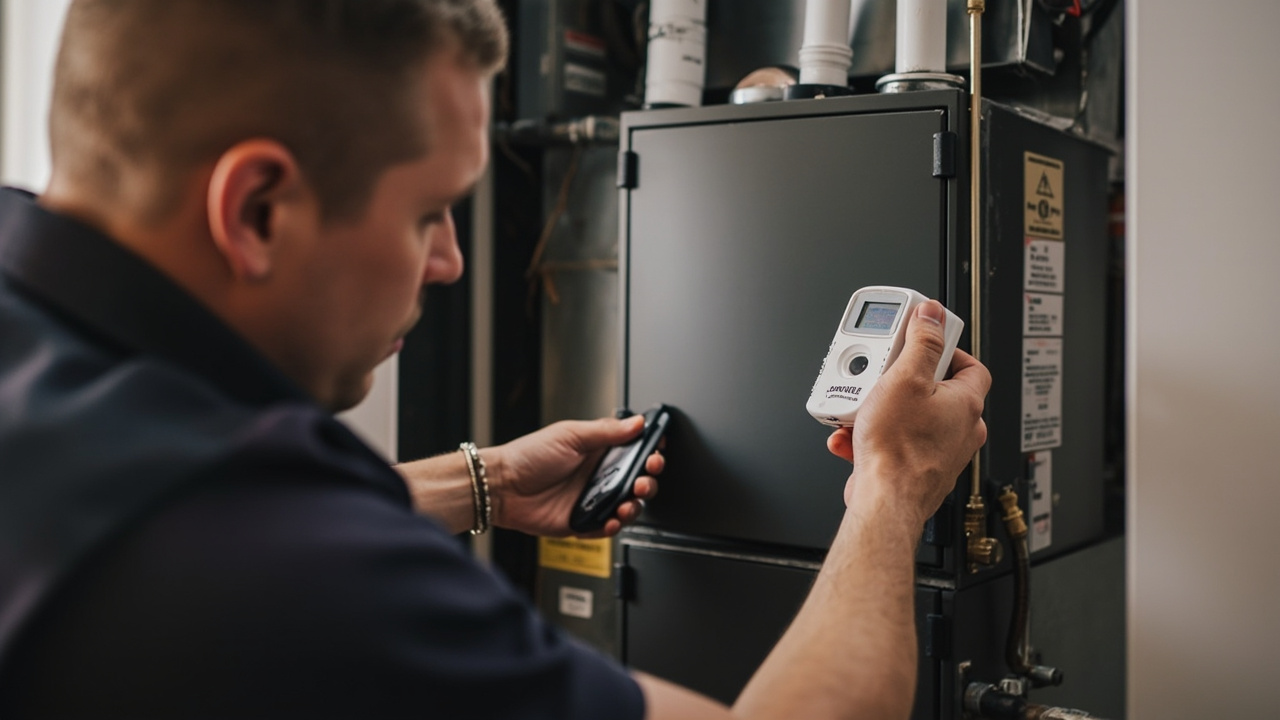
Every home with a gas furnace needs at least one carbon monoxide detector. Place it near bedrooms and in common living areas. Replace batteries twice yearly and test the unit monthly. If your detector sounds an alarm, evacuate your home immediately. Move to fresh air outside and call 911. Do not re-enter the house. A technician measures CO levels and identifies the source.
When you call Cornerstone Air Conditioning & Heating for emergency furnace repair in Lake Highlands, we bring a professional CO meter to every call. We measure levels, inspect the heat exchanger for cracks, and check combustion safety. If we find dangerous CO, we stop the system and will not restart it until the problem is fixed.
What Happens During Your Emergency Furnace Repair Call
When you call our Lake Highlands dispatch team, a technician connects with you within minutes. We ask basic questions about what you are experiencing. No heat? Is the thermostat set correctly? Are there any strange sounds or smells? This information helps us arrive prepared with the right tools and parts.
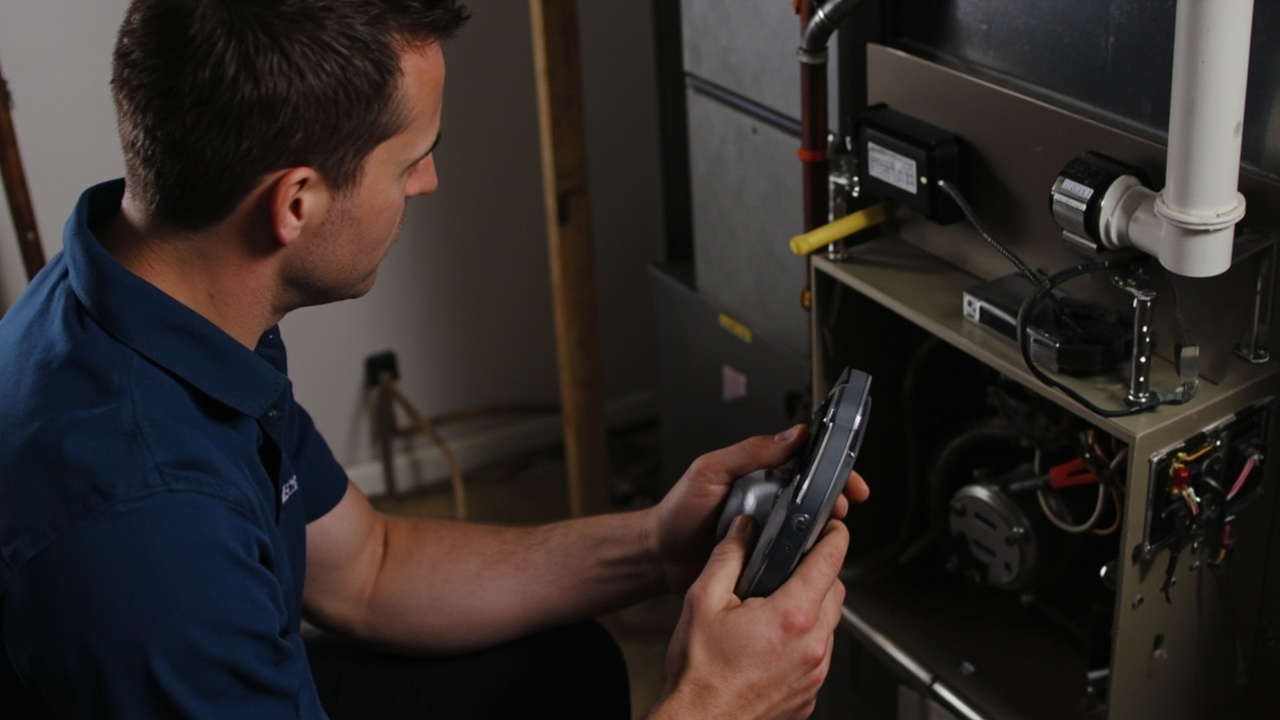
Our technician reaches your Lake Highlands address in 30 to 60 minutes. Upon arrival, they perform a full diagnostic. This includes checking the thermostat, inspecting the furnace for visible damage, testing the blower motor, checking the inducer fan, measuring furnace temperature rise, and testing for gas leaks and carbon monoxide.
Once we identify the problem, we provide you with a clear explanation and pricing before we begin any work. We give you options. Sometimes a simple repair works. Sometimes the unit needs replacement. We do not push unnecessary upgrades. We tell you what the problem is and what it costs to fix it.
Common Furnace Failures in Lake Highlands Homes
Over 15 years of service in Lake Highlands and neighborhoods like Lakewood and Forest Hills, certain furnace problems repeat in these areas. Understanding these failures helps you avoid surprises.
Cracked Heat Exchanger
The heat exchanger is the metal chamber inside the furnace where combustion heat transfers to circulating air. A crack allows carbon monoxide and combustion gases to enter your home’s air supply. This is dangerous and expensive. Repair costs grow high because replacement requires removing the entire furnace cabinet. Many homeowners choose to replace the whole unit rather than repair a cracked heat exchanger.
Pilot Light and Ignition Failures
Older furnaces in Lake Highlands use a standing pilot light, a small flame that burns constantly. Newer models use intermittent pilot ignition or direct spark ignition. Both fail with age. A thermocouple ages and stops sensing the pilot flame. A spark electrode cracks. Humidity from the Dallas climate corrodes electrical connections. Our technicians replace these components quickly.
Blower Motor and Inducer Fan Wear
The blower motor circulates air through your ductwork. The inducer fan pulls gases out of the combustion chamber and into the flue vent. Both run for thousands of hours per season in Lake Highlands winters. Bearings wear, blade corrosion occurs, and capacitors fail. If you hear grinding or the furnace runs but no warm air reaches your rooms, the blower motor is failing.
Limit Switch Malfunction
The limit switch prevents the furnace from overheating. When the heat exchanger reaches a safe temperature, the switch tells the blower to run. When temperature drops, the switch cuts off the blower. If the limit switch fails, the furnace enters rapid cycling, turning on and off every few minutes. This wastes energy and stresses the unit.
Thermostat Calibration Issues
Your thermostat tells the furnace when to run. If the thermostat is dirty, out of calibration, or wired incorrectly, the furnace responds unpredictably. Some Lake Highlands homes have relocated thermostats due to renovations, and poor placement near air drafts or exterior walls causes false readings.
Gas Furnace vs. Heat Pump Troubleshooting
Lake Highlands residents use both gas furnaces and heat pumps. Troubleshooting differs between the two.
| Issue | Gas Furnace Cause | Heat Pump Cause |
|---|---|---|
| No heat output | Pilot light failure, gas valve stuck, ignition system malfunction | Reversing valve stuck, compressor failure, low refrigerant charge |
| Weak or slow heat | Clogged filter, blower motor struggling, cracked heat exchanger restricting airflow | Refrigerant leak, reversing valve issue, outdoor unit frozen or dirty |
| Furnace won’t stop running | Limit switch failure, thermostat stuck in call mode | Defrost cycle malfunction, thermostat sensor failure |
| Strange noises | Blower wheel imbalance, cracked heat exchanger, loose panels | Compressor valve noise, refrigerant line vibration, reversing valve clicking |
| Gas smell | Gas leak at connection, pilot light issue, combustion problem | Oil residue smell during defrost cycle (normal), but investigate leak potential |
Furnace Age vs. Failure Risk in Lake Highlands
The age of your furnace strongly predicts when emergency repair becomes likely. This table shows the relationship between furnace age and failure probability in Lake Highlands homes.
| Furnace Age | Failure Risk Level | Typical Repair Costs | Recommendation |
|---|---|---|---|
| 0 to 10 years | Low | $200 to $800 for most repairs | Repair as needed |
| 10 to 15 years | Moderate | $400 to $1,200 for component replacement | Repair if cost is under half of replacement |
| 15 to 18 years | High | $600 to $1,800 for major repairs | Consider replacement, especially for heat exchanger issues |
| 18+ years | Very High | $800 to $2,500 for component repair | Plan for replacement within one to two years |
Pricing and After-Hours Service in Lake Highlands
Emergency furnace repair costs vary based on the problem. A simple pilot light relight or thermostat adjustment costs less than a blower motor replacement or heat exchanger repair. After-hours service (evenings and weekends) carries a service fee above the standard diagnostic charge.
We believe in transparent pricing. You pay for the diagnosis upfront. Once we identify the problem, we quote the repair before we proceed. If you decide not to repair, you still pay the diagnostic fee, but you know exactly what the issue is and what future repair costs.
Many Lake Highlands homeowners with older furnaces find that repair costs approach replacement costs. If your furnace is 18 years or older, we discuss full unit replacement as an option. Modern high-efficiency furnaces reduce heating bills by 15 to 25 percent compared to older models.
What to Do While Waiting for Your Technician
Once you call Cornerstone Air Conditioning & Heating for emergency furnace repair in Lake Highlands, take these steps while we dispatch a technician to you.
- Turn off the furnace if you smell gas or detect carbon monoxide. Switch the thermostat to OFF and open windows for fresh air. Do not use matches, lighters, or anything that creates a spark. Evacuate if the carbon monoxide detector continues alarming.
- Check your thermostat settings. Make sure the mode is set to HEAT and the temperature setting is higher than the current room temperature. Replace batteries if the thermostat is battery-powered.
- Inspect the furnace area for obvious problems. Look for loose panels, visible corrosion, or disconnected wires. Do not touch the furnace itself.
- Close off unused rooms to conserve heat. Close doors and vents in rooms you are not using. Gather in one insulated area with blankets and space heaters if needed.
- Keep pets and family away from the furnace area. If you suspect a gas leak or CO issue, stay upwind and in well-ventilated spaces.
- Have your thermostat battery replaced immediately after the technician leaves. Weak thermostat batteries cause heating problems.
Weather Related Heating Failures Around White Rock Lake
The White Rock Lake area and surrounding Lake Highlands neighborhoods like Forest Hills and Lakewood experience rapid weather changes. A slow weather pattern shift drops temperatures 30 degrees in 12 hours. This sudden stress on furnaces that have been idle since fall triggers failure.
Blue northers, those fast-moving cold fronts that strike North Texas, arrive with wind gusts of 25 to 40 miles per hour. This wind cools outdoor unit surfaces and draws heat away from poorly insulated homes. Furnaces in Lake Highlands run nonstop during these events, and failures spike.
Freezing rain and ice also stress furnace systems. If your furnace vents through the roof or side wall, ice blocks the outlet. Furnace gases back up, and the system shuts down on a safety switch. You lose heat in the worst possible weather. We recommend clearing ice and snow from furnace vents as soon as you notice blockage.
Humidity during winter freeze cycles is a major factor. When outdoor air is cold yet humidity is high, condensation inside ducts and in the furnace cabinet increases. This corrosion accelerates wear on metal components and shorts out electrical connections.
Furnace Maintenance to Prevent Emergency Calls
You reduce the risk of emergency furnace failure with annual maintenance performed in fall before heating season.
A furnace maintenance visit includes inspection of the heat exchanger for cracks and corrosion, cleaning or replacement of the air filter, testing the thermostat for accuracy, measuring gas pressure and combustion efficiency, checking the blower wheel for dirt buildup, testing the limit switch and safety controls, and lubricating moving parts if needed.
We recommend scheduling maintenance in September or October. This gives us time to address problems before the first freeze arrives. If you wait until December or January, emergency calls pile up and response times lengthen.
| Maintenance Task | Frequency | Why It Matters |
|---|---|---|
| Air filter replacement | Every 1 to 3 months | Dirty filters restrict airflow, forcing blower motor to work harder and reducing heat output |
| Blower wheel cleaning | Annually | Dust and pet dander accumulate, reducing efficiency and creating noise |
| Heat exchanger inspection | Annually | Early detection of cracks prevents carbon monoxide leaks and catastrophic failure |
| Thermostat battery replacement | Twice yearly or as needed | Dead batteries cause heating to stop completely |
| Gas pressure and combustion testing | Annually | Out-of-spec combustion reduces efficiency and increases pollutants |
| Safety control testing | Annually | Limit switches and rollout switches prevent fires and dangerous operation |
Furnace Brands We Service in Lake Highlands
Many Lake Highlands homes have furnaces from the 1970s and 1980s. Common brands in older homes include Lennox, Carrier, Trane, York, Goodman, and Rheem. We service all of these. Repair parts remain available for furnaces 20 to 30 years old, though sourcing takes time. Newer homes installed in the past decade often have Lennox, Carrier, or Trane units.
We stock common replacement parts in our Lake Highlands service vehicles. Blower motor assemblies, limit switches, thermocouples, gas valves, and ignition modules stay ready for same-day replacement. Complex repairs requiring custom heat exchangers take one to three days.
Building Code and Permit Requirements for Furnace Replacement
If your Lake Highlands furnace fails beyond repair, full replacement requires a permit from the City of Dallas. The Dallas Mechanical Code requires that all furnace installations meet the International Energy Conservation Code (IECC) standards. Your new furnace must meet minimum AFUE ratings (Annual Fuel Utilization Efficiency). Modern furnaces sold today are 95 percent AFUE or higher, compared to 80 percent for older units.
Installation requires proper venting through the roof or side wall, correct ductwork sizing, and electrical connections that meet code. Our technicians pull permits, schedule inspections, and ensure your new furnace passes all requirements. You receive a final permit sign-off and documentation for your records.
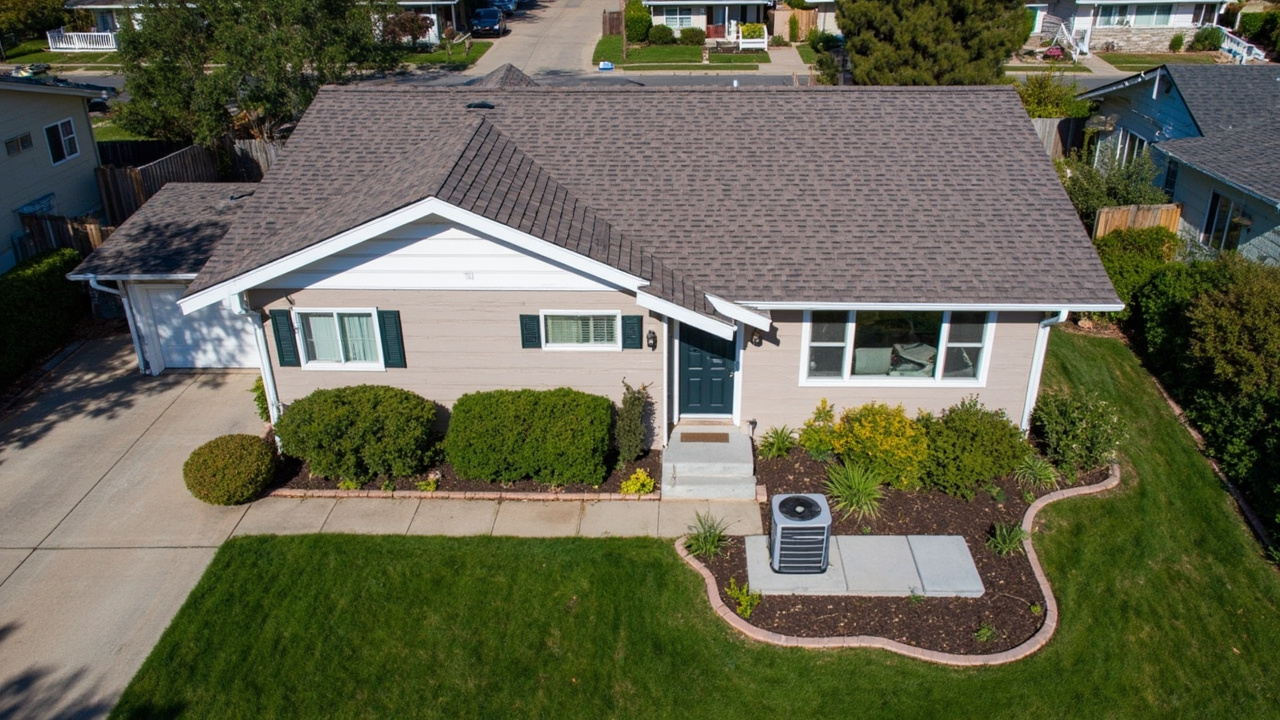
Outdoor unit placement in Lake Highlands requires attention to setback distances from property lines and clearance from windows. The clay soil beneath Lake Highlands shifts seasonally, so outdoor heat pump units need stable, level pads to prevent refrigerant line kinking and compressor stress.
Extending Your Heating System Life
A furnace lasts 15 to 20 years with proper maintenance. In Lake Highlands, where humidity and freeze-thaw cycles strike frequently, well-maintained units reach year 18 or 19. Units with poor maintenance fail by year 12 or 13.
Change your air filter every three months during heating season. In summer, you stretch filters to four months since the furnace runs less. Keep the area around your furnace clean and dry. Do not store boxes or chemicals near the unit. Ensure your return air intake, usually in a basement or utility closet, is unobstructed.
If your furnace is original to your Lake Highlands home built in 1970, replacement is likely near. Budget now for a new unit rather than face an emergency repair bill in January. Modern furnaces are quieter, more efficient, and safer than the equipment installed decades ago.
Frequently Asked Questions
Why do furnaces fail more often in Lake Highlands than other Dallas neighborhoods?
Lake Highlands homes were built in the 1960s and 1970s with furnaces now 50 to 60 years old. The clay soil shifts seasonally, stressing ductwork and outdoor units. The area near White Rock Lake experiences rapid temperature swings and high winter humidity. Older homes with original equipment face more failures than newer homes with modern systems. Scheduled maintenance in September prevents most winter emergencies.
Does the clay soil under Lake Highlands affect my furnace installation?
Yes. The blackland prairie clay beneath Lake Highlands shifts 0.5 to 2 inches seasonally due to moisture changes. Outdoor heat pump units and concrete pads settle unevenly, causing refrigerant line stress and compressor damage. We install outdoor units on stable, level pads with flexible connections to absorb ground movement. Poor installation leads to early compressor failure.
How fast can a technician reach my Lake Highlands home in an emergency?
We dispatch a technician to Lake Highlands within 30 to 60 minutes of your call. Response time depends on technician availability and exact location within the 75218, 75238, or 75243 zip codes. During extremely cold periods when many furnaces fail, response times extend to 90 minutes.
What is the typical cost of an emergency furnace repair in Lake Highlands?
Emergency furnace repairs range from a simple service call and pilot light relight to major component replacement. The diagnostic fee covers inspection and identification of the problem. Repair costs depend on the specific failure. Simple fixes cost less than component replacement. We quote pricing before proceeding.
Should I repair my furnace or replace it?
If your furnace is under 15 years old and the repair costs less than half the price of a new unit, repair is usually the right choice. If your furnace is over 18 years old or the repair is expensive, replacement makes financial sense. We help you evaluate both options.
Can a cracked heat exchanger be repaired or only replaced?
A cracked heat exchanger cannot be welded or patched in a way that passes safety code. The heat exchanger must be replaced. This requires removing the furnace cabinet and installing a new assembly. Many homeowners find that replacement cost favors full furnace replacement.
Is it safe to run my furnace if the carbon monoxide detector is beeping?
No. Turn off the furnace immediately, evacuate the home, and call 911 from outside. Do not re-enter until a professional has measured CO levels and cleared the space. Carbon monoxide is a life-threatening emergency.
What should I do if I smell gas near my furnace?
Evacuate your home. Do not use electrical switches, matches, or lighters. Call 911 from outside or a neighbor’s house. Do not re-enter until emergency responders confirm the area is safe. Gas leaks are dangerous and require professional repair.
Can a heat pump replace my gas furnace in Lake Highlands?
Yes. Modern heat pumps work in Dallas winters and provide both heating and cooling. Heat pumps are more efficient than furnaces in mild climates, though Texas winter lows trigger backup electric heating. We install and service both furnaces and heat pumps. Learn more about your options through our air conditioning and heating installation services.
How often should I have my furnace serviced?
Schedule annual maintenance in fall before heating season. This includes cleaning, inspection, and testing. Many homeowners also schedule a spring check-up to prepare for the switch to cooling. Regular maintenance prevents emergency calls and extends furnace life.
Call Now for Emergency Furnace Repair in Lake Highlands
When your furnace fails on a cold night in Lake Highlands, every minute matters. Cornerstone Air Conditioning & Heating responds fast with certified, licensed technicians who know your neighborhood and your heating system. We perform honest diagnostics, quote pricing upfront, and fix your furnace right the first time. Call Cornerstone Air Conditioning & Heating right now at our dispatch line. Our team answers 24 hours every day, including weekends and holidays. We send a technician to your Lake Highlands address in 30 to 60 minutes, armed with diagnostic tools and the parts most likely needed. Stop the worry. Get heat flowing again tonight.
You can also visit our main service page to learn more about our HVAC services across Dallas, or explore options for indoor air quality improvements that reduce allergens and improve heating efficiency in your home.
{
“@context”: “https://schema.org”,
“@type”: “BlogPosting”,
“headline”: “Emergency Furnace Repair in Lake Highlands for Cold Texas Nights”,
“description”: “24/7 emergency furnace repair in Lake Highlands. Technicians arrive in 30-60 minutes. Carbon monoxide safety, diagnostics, and transparent pricing.”,
“wordCount”: 3317,
“datePublished”: “2026-03-16T06:18:00.000Z”,
“dateModified”: “2026-03-16T06:18:00.000Z”,
“inLanguage”: “en-US”,
“mainEntityOfPage”: {
“@type”: “WebPage”,
“@id”: “https://cornerstonehvacdallas.com”
},
“publisher”: {
“@type”: “LocalBusiness”,
“name”: “Cornerstone HVAC Dallas”,
“url”: “https://cornerstonehvacdallas.com”
},
“author”: {
“@type”: “Organization”,
“name”: “Cornerstone HVAC Dallas”,
“url”: “https://cornerstonehvacdallas.com”
},
“image”: {
“@type”: “ImageObject”,
“url”: “https://cornerstonehvacdallas.com/wp-content/uploads/2026/03/emergency-furnace-repair-in-lake-highlands-for-col-1.jpg”
}
}
{
“@context”: “https://schema.org”,
“@type”: “HVACBusiness”,
“name”: “Cornerstone HVAC Dallas”,
“url”: “https://cornerstonehvacdallas.com”,
“address”: {
“@type”: “PostalAddress”,
“addressLocality”: “Dallas”
},
“areaServed”: {
“@type”: “City”,
“name”: “Dallas”
}
}
{
“@context”: “https://schema.org”,
“@type”: “FAQPage”,
“mainEntity”: [
{
“@type”: “Question”,
“name”: “Why do furnaces fail more often in Lake Highlands than other Dallas neighborhoods?”,
“acceptedAnswer”: {
“@type”: “Answer”,
“text”: “Lake Highlands homes were built in the 1960s and 1970s with furnaces now 50 to 60 years old. The clay soil shifts seasonally, stressing ductwork and outdoor units. The area near White Rock Lake experiences rapid temperature swings and high winter humidity. Older homes with original equipment face more failures than newer homes with modern systems. Scheduled maintenance in September prevents most winter emergencies.”
}
},
{
“@type”: “Question”,
“name”: “Does the clay soil under Lake Highlands affect my furnace installation?”,
“acceptedAnswer”: {
“@type”: “Answer”,
“text”: “Yes. The blackland prairie clay beneath Lake Highlands shifts 0.5 to 2 inches seasonally due to moisture changes. Outdoor heat pump units and concrete pads settle unevenly, causing refrigerant line stress and compressor damage. We install outdoor units on stable, level pads with flexible connections to absorb ground movement. Poor installation leads to early compressor failure.”
}
},
{
“@type”: “Question”,
“name”: “How fast can a technician reach my Lake Highlands home in an emergency?”,
“acceptedAnswer”: {
“@type”: “Answer”,
“text”: “We dispatch a technician to Lake Highlands within 30 to 60 minutes of your call. Response time depends on technician availability and exact location within the 75218, 75238, or 75243 zip codes. During extremely cold periods when many furnaces fail, response times extend to 90 minutes.”
}
},
{
“@type”: “Question”,
“name”: “What is the typical cost of an emergency furnace repair in Lake Highlands?”,
“acceptedAnswer”: {
“@type”: “Answer”,
“text”: “Emergency furnace repairs range from a simple service call and pilot light relight to major component replacement. The diagnostic fee covers inspection and identification of the problem. Repair costs depend on the specific failure. Simple fixes cost less than component replacement. We quote pricing before proceeding.”
}
},
{
“@type”: “Question”,
“name”: “Should I repair my furnace or replace it?”,
“acceptedAnswer”: {
“@type”: “Answer”,
“text”: “If your furnace is under 15 years old and the repair costs less than half the price of a new unit, repair is usually the right choice. If your furnace is over 18 years old or the repair is expensive, replacement makes financial sense. We help you evaluate both options.”
}
},
{
“@type”: “Question”,
“name”: “Can a cracked heat exchanger be repaired or only replaced?”,
“acceptedAnswer”: {
“@type”: “Answer”,
“text”: “A cracked heat exchanger cannot be welded or patched in a way that passes safety code. The heat exchanger must be replaced. This requires removing the furnace cabinet and installing a new assembly. Many homeowners find that replacement cost favors full furnace replacement.”
}
},
{
“@type”: “Question”,
“name”: “Is it safe to run my furnace if the carbon monoxide detector is beeping?”,
“acceptedAnswer”: {
“@type”: “Answer”,
“text”: “No. Turn off the furnace immediately, evacuate the home, and call 911 from outside. Do not re-enter until a professional has measured CO levels and cleared the space. Carbon monoxide is a life-threatening emergency.”
}
},
{
“@type”: “Question”,
“name”: “What should I do if I smell gas near my furnace?”,
“acceptedAnswer”: {
“@type”: “Answer”,
“text”: “Evacuate your home. Do not use electrical switches, matches, or lighters. Call 911 from outside or a neighbor’s house. Do not re-enter until emergency responders confirm the area is safe. Gas leaks are dangerous and require professional repair.”
}
},
{
“@type”: “Question”,
“name”: “Can a heat pump replace my gas furnace in Lake Highlands?”,
“acceptedAnswer”: {
“@type”: “Answer”,
“text”: “Yes. Modern heat pumps work in Dallas winters and provide both heating and cooling. Heat pumps are more efficient than furnaces in mild climates, though Texas winter lows trigger backup electric heating. We install and service both furnaces and heat pumps. Learn more about your options through our air conditioning and heating installation services.”
}
},
{
“@type”: “Question”,
“name”: “How often should I have my furnace serviced?”,
“acceptedAnswer”: {
“@type”: “Answer”,
“text”: “Schedule annual maintenance in fall before heating season. This includes cleaning, inspection, and testing. Many homeowners also schedule a spring check-up to prepare for the switch to cooling. Regular maintenance prevents emergency calls and extends furnace life.”
}
}
]
}
{
“@context”: “https://schema.org”,
“@type”: “BreadcrumbList”,
“itemListElement”: [
{
“@type”: “ListItem”,
“position”: 1,
“name”: “Home”,
“item”: “https://cornerstonehvacdallas.com”
},
{
“@type”: “ListItem”,
“position”: 2,
“name”: “Blog”,
“item”: “https://cornerstonehvacdallas.com/blog”
},
{
“@type”: “ListItem”,
“position”: 3,
“name”: “Emergency Furnace Repair in Lake Highlands for Cold Texas Nights”
}
]
}
{
“@context”: “https://schema.org”,
“@type”: “Service”,
“serviceType”: “HVAC”,
“provider”: {
“@type”: “LocalBusiness”,
“name”: “Cornerstone HVAC Dallas”,
“url”: “https://cornerstonehvacdallas.com”
},
“areaServed”: {
“@type”: “City”,
“name”: “Dallas”
},
“description”: “24/7 emergency furnace repair in Lake Highlands. Technicians arrive in 30-60 minutes. Carbon monoxide safety, diagnostics, and transparent pricing.”
}