
Choosing Hospital Grade Air Filtration for Your Dallas Medical District Home
Living near the Dallas Medical District means you are surrounded by world-class healthcare facilities like UT Southwestern and Parkland Health. But that proximity also means your home faces unique air quality challenges from traffic emissions construction dust and the constant flow of people through the area. Hospital-grade air filtration offers a solution that goes far beyond standard residential filters providing protection that matches the standards used in medical facilities. Indoor Air Quality Solutions.
The air inside your home can contain microscopic particles that standard filters miss. These include bacteria viruses pollen mold spores and fine particulate matter from vehicle exhaust. In the Medical District where construction projects and medical research facilities operate around the clock these contaminants can be more concentrated than in other Dallas neighborhoods. HVAC Dallas.
Why Standard Air Filters Fall Short in Medical District Homes
Most homes in the Medical District use standard MERV 8 or MERV 11 filters. These filters capture larger particles like dust and pet dander but allow smaller particles to pass through. Hospital-grade filtration systems use MERV 17 HEPA filters that capture 99.97% of particles as small as 0.3 microns. This level of filtration is what keeps operating rooms and patient care areas safe from airborne contaminants. EPA indoor air quality guidelines.
The problem with standard filters becomes clear when you consider what they miss. A particle of 0.3 microns is about 300 times smaller than the diameter of a human hair. This size includes many bacteria viruses and the fine particulate matter that can penetrate deep into your lungs. In the Medical District these particles are more prevalent due to the high concentration of medical and research facilities.. Read more about Comparing Air Scrubbers and Standard Media Filters for Families in Mansfield.
How Hospital-Grade Filtration Works in Your Home
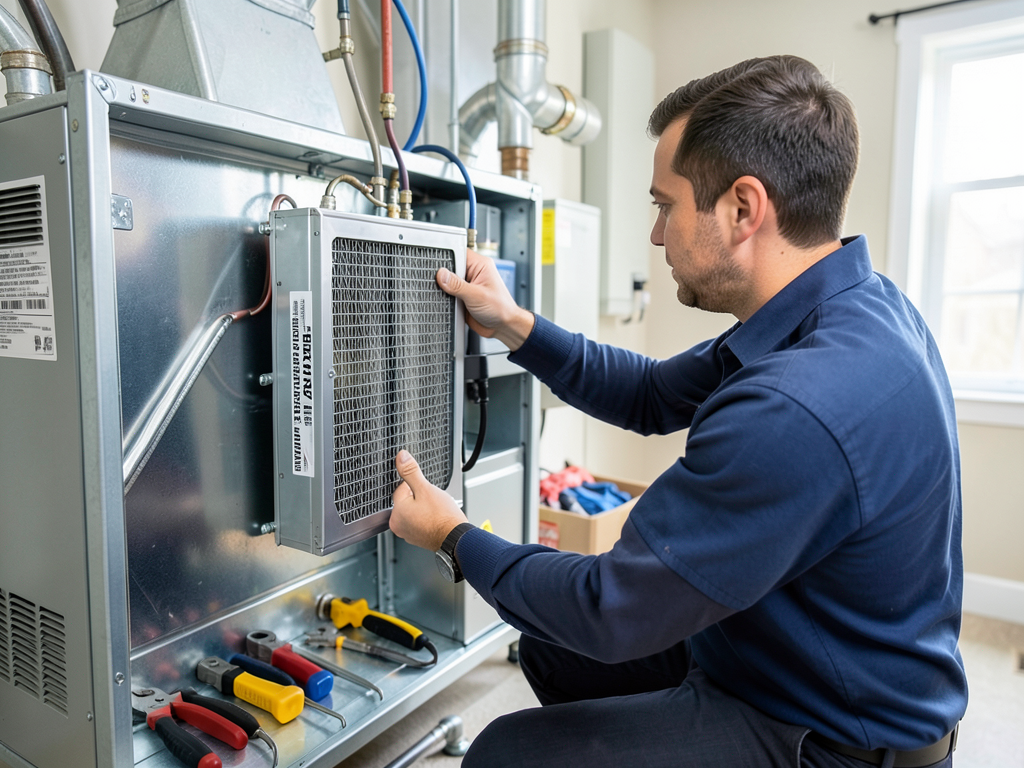
Hospital-grade air filtration systems use multiple stages to clean your air. The first stage typically includes a pre-filter that captures larger particles extending the life of the main HEPA filter. The second stage uses the HEPA filter to capture microscopic particles. Some systems add a third stage with activated carbon to remove odors and volatile organic compounds.. Read more about Why You Need a High MERV Filter Specifically for the Industrial Dust in Wilmer and Hutchins.
The key difference is the HEPA filter itself. These filters use a dense mat of randomly arranged fibers that create a maze-like path for air. As air passes through particles become trapped through four mechanisms: interception where particles follow air streamlines and touch fibers; impaction where particles cannot follow the curving air paths; diffusion where very small particles move erratically and collide with fibers; and electrostatic attraction where charged particles are drawn to the filter media.
Medical District Air Quality Challenges
The Dallas Medical District faces specific air quality issues that make hospital-grade filtration particularly valuable. The area experiences high levels of traffic-related air pollution from the Stemmons Freeway and Harry Hines Boulevard. Construction projects for new medical facilities and research buildings generate significant dust and particulate matter. The concentration of medical facilities means higher levels of certain chemicals and compounds in the air.. Read more about Why Your Celina New Build Needs a Professional Post Construction Duct Cleaning.
North Texas humidity adds another layer of complexity. High humidity levels can promote mold growth and create conditions where airborne contaminants remain suspended longer. The combination of humidity and pollution creates a perfect environment for respiratory irritants to thrive. Hospital-grade filtration systems are designed to handle these challenging conditions while maintaining consistent performance.. Read more about How to Get Rid of Dirty Sock Syndrome and Other Foul Odors in Your Sachse HVAC System.
ASHRAE Standards and Medical-Grade Filtration
Medical-grade air filtration follows standards set by the American Society of Heating Refrigerating and Air-Conditioning Engineers. ASHRAE Standard 170 specifically addresses ventilation in healthcare facilities. While residential applications do not require this level of compliance the principles provide a framework for effective air cleaning. ASHRAE ventilation standards.
ASHRAE 170 requires specific air change rates and pressure differentials in different areas of healthcare facilities. These requirements ensure that contaminated air moves in the correct direction and that clean air reaches where it is needed most. When applied to residential settings these principles help create zones of clean air throughout your home.
The standard also addresses filtration efficiency for different areas. Operating rooms require HEPA filtration while patient rooms may use MERV 14 filters. For Medical District homes where air quality concerns are elevated HEPA filtration provides the highest level of protection available for residential use.
Installation Considerations for Medical District Homes
Installing hospital-grade filtration in your Medical District home requires careful planning. Many homes in the area were built between the 1950s and 1970s with duct systems that may not be optimized for high-efficiency filters. The increased air resistance of HEPA filters means your HVAC system needs adequate static pressure capacity. Installing a Ductless Mini-Split in Your M Streets Bungalow or Garage Suite.
Older duct systems often have leaks gaps and poor insulation. These issues can reduce the effectiveness of even the best filtration system. Before installing hospital-grade filtration a professional assessment of your duct system ensures that clean air reaches all areas of your home. This may include sealing duct leaks adding insulation or upgrading duct sizing in some areas.
The location of your air handler also matters. Many Medical District homes have attic or closet-mounted units that may not have adequate space for larger filtration systems. Creative solutions like side-access filter housings or remote mounted units can solve space constraints while maintaining system performance.. Read more about Choosing the Right Air Handler for Your Uptown Dallas Loft with High Ceilings.
Maintenance Requirements for HEPA Filtration
Hospital-grade filters require more frequent replacement than standard filters. While a standard filter might last three to six months a HEPA filter typically needs replacement every six to twelve months depending on usage and air quality conditions. The Medical District’s higher pollution levels may require more frequent changes.
Maintenance also includes monitoring system pressure drops. As filters load with particles they create more resistance to airflow. This increased resistance can strain your HVAC system if not addressed. Many hospital-grade systems include pressure sensors that alert you when filter replacement is needed.
Regular maintenance also involves checking for bypass air. Even small gaps around filter frames can allow unfiltered air to enter your system. Professional technicians use specialized tools to detect and seal these bypass paths ensuring that all air passes through the HEPA filter.
Cost Considerations and Energy Efficiency
Hospital-grade filtration systems represent a significant investment compared to standard filters. The filters themselves cost more and the installation may require system modifications. However the long-term benefits often justify the initial expense especially in the Medical District where air quality concerns are elevated. How Much a New AC Installation Actually Costs in Dallas This Year.
Energy efficiency is a key consideration. HEPA filters create more resistance to airflow which can increase energy consumption if your system is not properly sized. Modern hospital-grade systems include features like variable speed blowers that adjust to maintain airflow while minimizing energy use.
The energy cost difference between standard and hospital-grade filtration is often less than expected when systems are properly designed. The improved air quality can also reduce the need for other air cleaning devices potentially offsetting some of the additional cost.
Comparing Filtration Options for Medical District Homes
| Filtration Type | Particle Capture Efficiency | Typical Use | Best For |
|---|---|---|---|
| MERV 8 | 85% of particles 3-10 microns | Standard residential | Dust and pollen only |
| MERV 11 | 90-95% of particles 1-10 microns | Better residential | Pet dander and mold spores |
| MERV 13 | 90-95% of particles 0.3-1 micron | High-end residential | Bacteria and smoke |
| HEPA | 99.97% of particles 0.3 microns | Hospital-grade | All contaminants including viruses |
Environmental Impact and Sustainability
Hospital-grade filtration systems can actually reduce your environmental impact in several ways. By capturing more particles they reduce the need for chemical air cleaners and ozone generators. The improved air quality can also reduce the frequency of dusting and cleaning reducing water and chemical usage.
Modern HEPA filters are increasingly made with recyclable materials. Some manufacturers offer filter recycling programs that keep used filters out of landfills. The longer lifespan of quality filters compared to disposable options also reduces waste.
The energy efficiency of modern hospital-grade systems continues to improve. Variable speed technology and smart controls optimize performance while minimizing power consumption. Some systems can even integrate with home energy management systems to operate during off-peak hours.
Health Benefits Beyond Air Quality
The benefits of hospital-grade filtration extend beyond cleaner air. Many people report improved sleep quality when breathing cleaner air throughout the night. The reduction in airborne irritants can also lead to fewer allergy symptoms and respiratory issues.
For households with elderly members or those with compromised immune systems the additional protection against airborne pathogens can be particularly valuable. The Medical District’s concentration of healthcare facilities means that these populations are often more prevalent in the area.
The psychological benefits of knowing your air is being filtered to hospital standards should not be underestimated. Many people in the Medical District choose this level of filtration for peace of mind knowing they are breathing the cleanest air possible in their homes.
Integration with Smart Home Technology
Modern hospital-grade filtration systems can integrate with smart home platforms. This integration allows you to monitor air quality in real-time receive filter change alerts and even control ventilation based on outdoor air quality conditions.
Some systems can connect to weather services to increase filtration when outdoor pollution levels are high. Others can integrate with your HVAC system to maintain optimal humidity levels which enhances the effectiveness of filtration. Who to Call for Same-Day AC Service in University Park and North Dallas.
Smart integration also enables remote monitoring by HVAC professionals. This capability allows for proactive maintenance and ensures your system is always operating at peak efficiency.
Local Building Code Considerations
While hospital-grade filtration is not required for residential homes in Dallas some building codes affect installation. The Dallas Green Building Code encourages high-efficiency HVAC systems and proper duct sealing. These requirements align well with hospital-grade filtration installation.
The Texas Department of Licensing and Regulation sets standards for HVAC contractors. Working with a licensed professional ensures your installation meets all local requirements and maintains manufacturer warranties.
Some Medical District homeowners associations may have specific requirements for exterior equipment. Professional installers understand these requirements and can design systems that comply while maintaining effectiveness.
Future Trends in Home Air Filtration
The field of air filtration continues to evolve. New filter materials offer higher efficiency with less resistance to airflow. Some emerging technologies use electrostatic precipitation or ultraviolet light in combination with traditional filtration.
Smart sensors are becoming more sophisticated able to detect specific pollutants and adjust filtration accordingly. This targeted approach can improve efficiency while ensuring protection against the contaminants most relevant to your location.
The integration of air quality monitoring with other home systems is likely to increase. Future homes may automatically adjust ventilation filtration and even window operation based on real-time air quality data.
Frequently Asked Questions
How much does hospital-grade air filtration cost for a typical Dallas Medical District home?
The cost varies based on your home size and existing HVAC system but typically ranges from $3,000 to $8,000 installed. This includes the HEPA filtration system professional installation and initial setup. Higher-end systems with smart controls can cost more.
Will hospital-grade filtration affect my HVAC system’s energy efficiency?
Properly installed systems should have minimal impact on energy efficiency. Modern systems include variable speed blowers that compensate for the increased filter resistance. In some cases the improved system balance can actually enhance efficiency.
How often do HEPA filters need replacement in the Dallas climate?
In the Dallas Medical District HEPA filters typically need replacement every 6 to 12 months. The high humidity and pollution levels in the area may require more frequent changes than in other regions. Your specific replacement schedule depends on usage and air quality conditions.
Can I install hospital-grade filtration in my older Medical District home?
Yes most older homes can accommodate hospital-grade filtration with proper modifications. Many homes built before 1980 may need duct sealing or resizing to handle the increased air resistance. A professional assessment determines exactly what modifications are needed.
Is hospital-grade filtration worth it if I do not have allergies?
Even without allergies hospital-grade filtration provides benefits including protection from airborne viruses bacteria and fine particulate matter. The Medical District’s unique air quality challenges make this level of protection valuable for all residents regardless of allergy status.
Making the Right Choice for Your Home
Choosing hospital-grade air filtration for your Dallas Medical District home is a significant decision that affects your comfort health and energy costs. The unique air quality challenges in the area make this investment particularly valuable for many homeowners.
Consider your specific needs including any health concerns the age of your home and your budget. Professional assessment can help you understand exactly what system would work best for your situation and what modifications might be needed.
The peace of mind that comes from knowing your home’s air is filtered to hospital standards is invaluable especially in an area with the air quality challenges present in the Medical District. Clean air is not just a luxury but an investment in your family’s health and comfort.

Next Steps for Cleaner Air
If you are considering hospital-grade air filtration the first step is a professional assessment of your current HVAC system and home layout. This assessment identifies any needed modifications and helps you understand the full scope of the project.
Look for HVAC contractors with experience in high-efficiency filtration systems and knowledge of Medical District homes specifically. The unique characteristics of older homes in the area require specialized expertise for proper installation.
Ask about maintenance requirements and ongoing costs during your consultation. Understanding the full lifecycle costs helps you make an informed decision about this important investment in your home’s air quality.
Ready to breathe easier in your Dallas Medical District home? Contact CornerStone HVAC today at (972) 850-2750 for a professional assessment of your air quality needs. Our experienced technicians understand the unique challenges of Medical District homes and can recommend the perfect hospital-grade filtration solution for your specific situation. Do not wait for air quality issues to affect your family’s health. Call now and take the first step toward cleaner healthier air in your home.
You may also find this helpful. Preventing Mold Growth in Your Laundry Room and Bathrooms With Better Ventilation in Pleasant Grove.
{
“@context”: “https://schema.org”,
“@type”: “BlogPosting”,
“headline”: “Choosing Hospital Grade Air Filtration for Your Dallas Medical District Home”,
“description”: “Discover how hospital-grade HEPA filtration protects your Dallas Medical District home from allergens, pollutants, and airborne pathogens in 2026.”,
“wordCount”: 2336,
“datePublished”: “2026-04-26T14:48:00.000Z”,
“dateModified”: “2026-04-26T14:48:00.000Z”,
“inLanguage”: “en-US”,
“mainEntityOfPage”: {
“@type”: “WebPage”,
“@id”: “https://cornerstonehvacdallas.com”
},
“publisher”: {
“@type”: “LocalBusiness”,
“name”: “Cornerstone HVAC Dallas”,
“url”: “https://cornerstonehvacdallas.com”
},
“author”: {
“@type”: “Organization”,
“name”: “Cornerstone HVAC Dallas”,
“url”: “https://cornerstonehvacdallas.com”
},
“image”: {
“@type”: “ImageObject”,
“url”: “https://cornerstonehvacdallas.com/wp-content/uploads/2026/03/choosing-hospital-grade-air-filtration-for-your-da-1.png”
}
}
{
“@context”: “https://schema.org”,
“@type”: “HVACBusiness”,
“name”: “Cornerstone HVAC Dallas”,
“url”: “https://cornerstonehvacdallas.com”,
“address”: {
“@type”: “PostalAddress”,
“addressLocality”: “Dallas”
},
“areaServed”: {
“@type”: “City”,
“name”: “Dallas”
}
}
{
“@context”: “https://schema.org”,
“@type”: “FAQPage”,
“mainEntity”: [
{
“@type”: “Question”,
“name”: “How much does hospital-grade air filtration cost for a typical Dallas Medical District home?”,
“acceptedAnswer”: {
“@type”: “Answer”,
“text”: “The cost varies based on your home size and existing HVAC system but typically ranges from $3,000 to $8,000 installed. This includes the HEPA filtration system professional installation and initial setup. Higher-end systems with smart controls can cost more.”
}
},
{
“@type”: “Question”,
“name”: “Will hospital-grade filtration affect my HVAC system’s energy efficiency?”,
“acceptedAnswer”: {
“@type”: “Answer”,
“text”: “Properly installed systems should have minimal impact on energy efficiency. Modern systems include variable speed blowers that compensate for the increased filter resistance. In some cases the improved system balance can actually enhance efficiency.”
}
},
{
“@type”: “Question”,
“name”: “How often do HEPA filters need replacement in the Dallas climate?”,
“acceptedAnswer”: {
“@type”: “Answer”,
“text”: “In the Dallas Medical District HEPA filters typically need replacement every 6 to 12 months. The high humidity and pollution levels in the area may require more frequent changes than in other regions. Your specific replacement schedule depends on usage and air quality conditions.”
}
},
{
“@type”: “Question”,
“name”: “Can I install hospital-grade filtration in my older Medical District home?”,
“acceptedAnswer”: {
“@type”: “Answer”,
“text”: “Yes most older homes can accommodate hospital-grade filtration with proper modifications. Many homes built before 1980 may need duct sealing or resizing to handle the increased air resistance. A professional assessment determines exactly what modifications are needed.”
}
},
{
“@type”: “Question”,
“name”: “Is hospital-grade filtration worth it if I do not have allergies?”,
“acceptedAnswer”: {
“@type”: “Answer”,
“text”: “Even without allergies hospital-grade filtration provides benefits including protection from airborne viruses bacteria and fine particulate matter. The Medical District’s unique air quality challenges make this level of protection valuable for all residents regardless of allergy status.”
}
}
]
}
{
“@context”: “https://schema.org”,
“@type”: “BreadcrumbList”,
“itemListElement”: [
{
“@type”: “ListItem”,
“position”: 1,
“name”: “Home”,
“item”: “https://cornerstonehvacdallas.com”
},
{
“@type”: “ListItem”,
“position”: 2,
“name”: “Blog”,
“item”: “https://cornerstonehvacdallas.com/blog”
},
{
“@type”: “ListItem”,
“position”: 3,
“name”: “Choosing Hospital Grade Air Filtration for Your Dallas Medical District Home”
}
]
}
{
“@context”: “https://schema.org”,
“@type”: “Service”,
“serviceType”: “HVAC”,
“provider”: {
“@type”: “LocalBusiness”,
“name”: “Cornerstone HVAC Dallas”,
“url”: “https://cornerstonehvacdallas.com”
},
“areaServed”: {
“@type”: “City”,
“name”: “Dallas”
},
“description”: “Discover how hospital-grade HEPA filtration protects your Dallas Medical District home from allergens, pollutants, and airborne pathogens in 2026.”
}